Choosing the Right Solar PWM MPPT for Your Project

Get a Free Quote

Our representative will contact you soon.
Email
Mobile
Name
Company Name
Products of Interest
Message
0/1000

solar pwm mppt

Understanding solar  PWM MPPT (Pulse  Width Modulation Maximum Power Point Tracking) technology is crucial  for businesses looking  to optimize their solar  energy solutions. As a primary method for enhancing energy efficiency in  off-grid  solar systems,  solar PWM MPPT controllers  help  maximize energy  harvest from solar  panels. This article  addresses key  considerations  for  B2B buyers, including selecting  the right products, understanding cost factors, and troubleshooting  common issues, providing  valuable insights for purchasing managers, engineers, and distributors  alike.
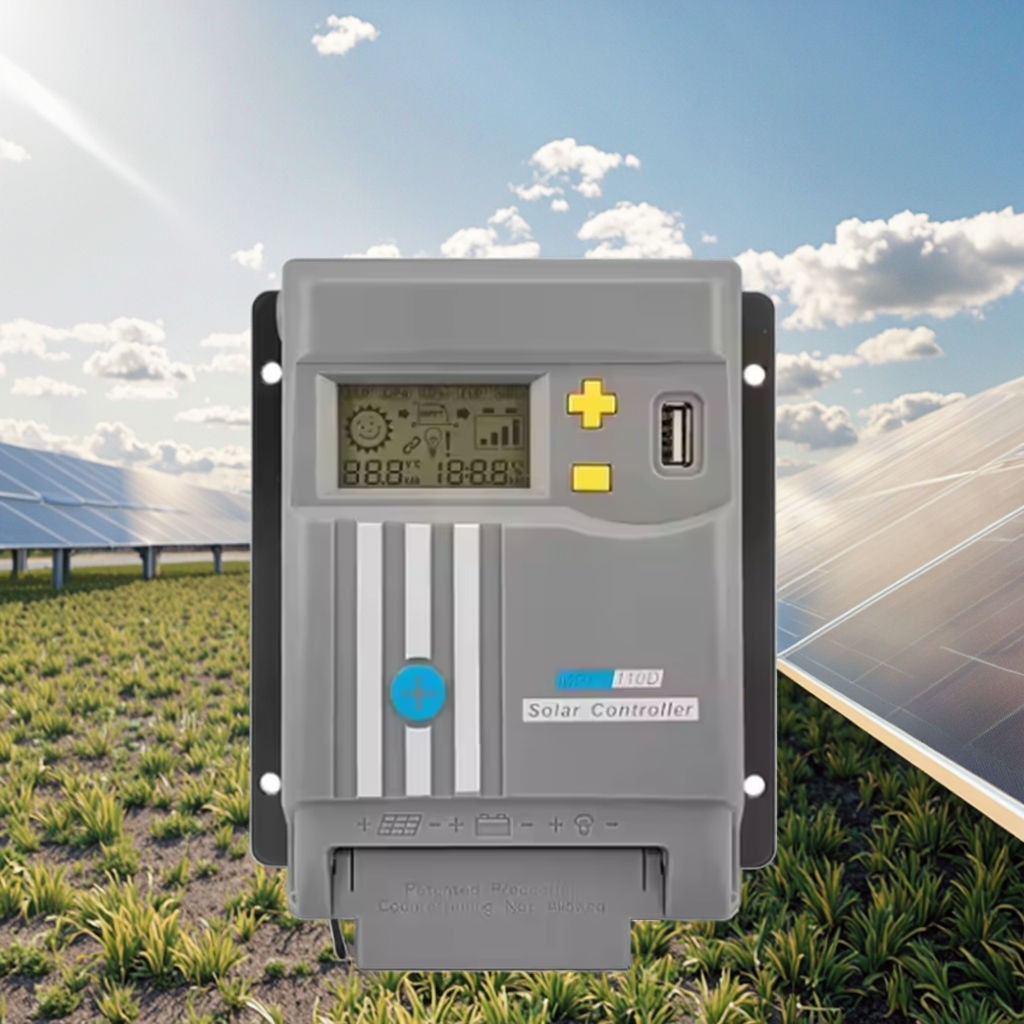
Wholesale Supplier Options for Solar PWM MPPT Solutions

Wholesale Supplier Options for Solar PWM MPPT Solutions

When selecting a  wholesale supplier for solar PWM MPPT solutions, consider their  manufacturing capabilities, product range, and reputation in the industry. Zhejiang Jyins Electrical Co., LTD, for instance, has a strong manufacturing background and adheres to  international  ISO9000 standards, which ensures a commitment to quality assurance.

Look for suppliers who offer a diverse range  of models to meet various  project requirements. This includes options for different power ratings,  input voltage ranges,  and additional functionalities. Furthermore, inquire about their customization capabilities,  as many projects may require specific configurations or features.

Establishing a relationship with a reliable supplier can also lead to advantageous terms. Discuss minimum  order  quantities (MOQ), lead times,  and shipping options to ensure they align  with your project  timelines and budget. A reputable supplier will  be transparent about these terms  and willing to work  with  you  to  meet your specific needs.
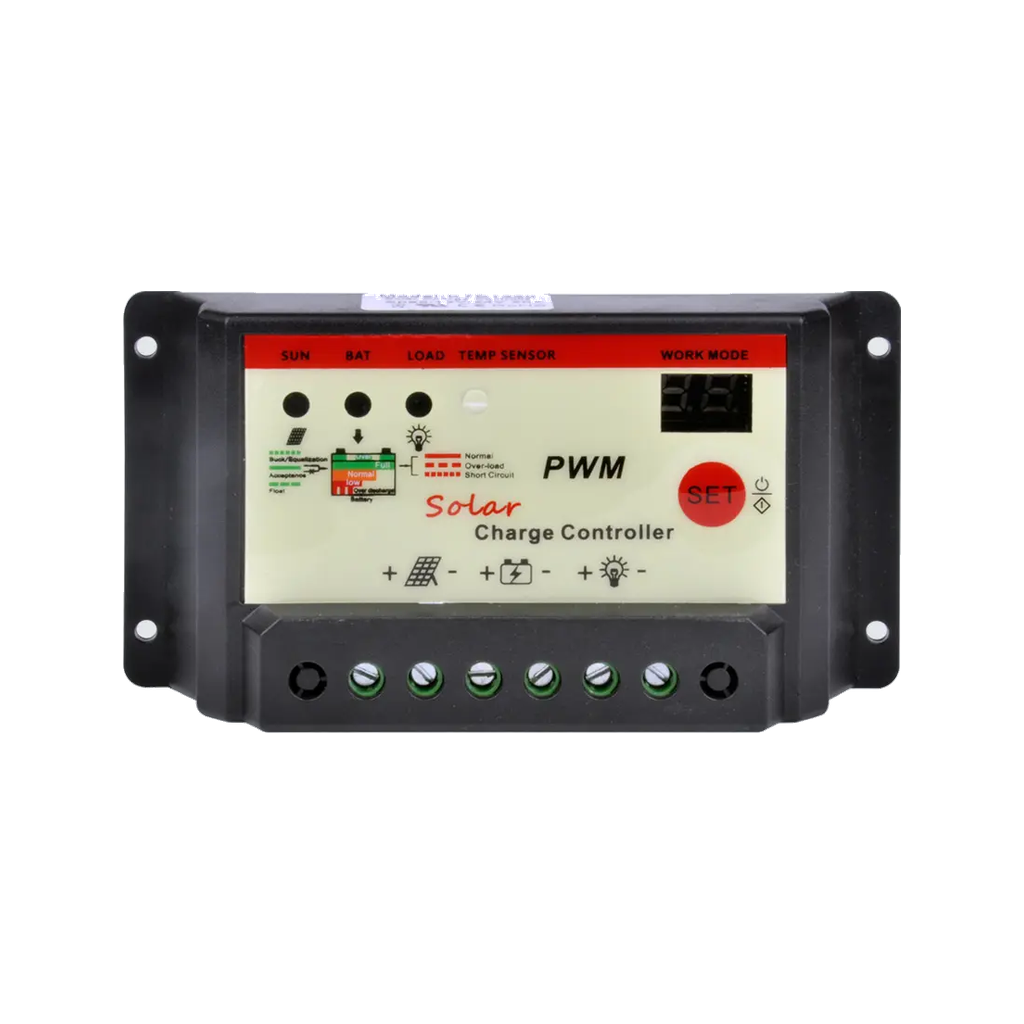
Understanding the Cost Factors of Solar PWM MPPT Systems

Understanding the Cost Factors of Solar PWM MPPT Systems

Several cost factors influence the pricing of  solar  PWM MPPT systems. First, the power capacity of the MPPT controller significantly affects its  cost. Higher-capacity controllers typically come with a higher price tag due to their enhanced capabilities and advanced technology.

Second, consider  the materials  used in the manufacturing process. Controllers built with high-quality components tend to be  more reliable and durable, which can lead to  lower maintenance costs in the long run.  It's essential to balance upfront costs with the overall  value of the product.

Additionally, custom features  or advanced functionalities will add to  the  cost. For example, controllers  with integrated monitoring systems or enhanced  connectivity options may be priced higher but could provide significant operational  benefits.

Lastly, factor  in shipping and installation costs.  Depending on the supplier's location and  your project's  requirements, these costs can vary widely and should be included in your overall budget  when evaluating different options.

Common Problems with Solar PWM MPPT and Effective Solutions

Common Problems with Solar PWM MPPT and Effective Solutions

Despite their benefits,  solar PWM MPPT systems can present several common issues that buyers should be aware of. One frequent problem is underperformance due to  incorrect  sizing or configuration of the controller.  Buyers should ensure that the selected MPPT  controller  matches the specifications of their  solar panel system to avoid energy  loss. A thorough review of the system’s specifications before purchasing can help  mitigate this issue.

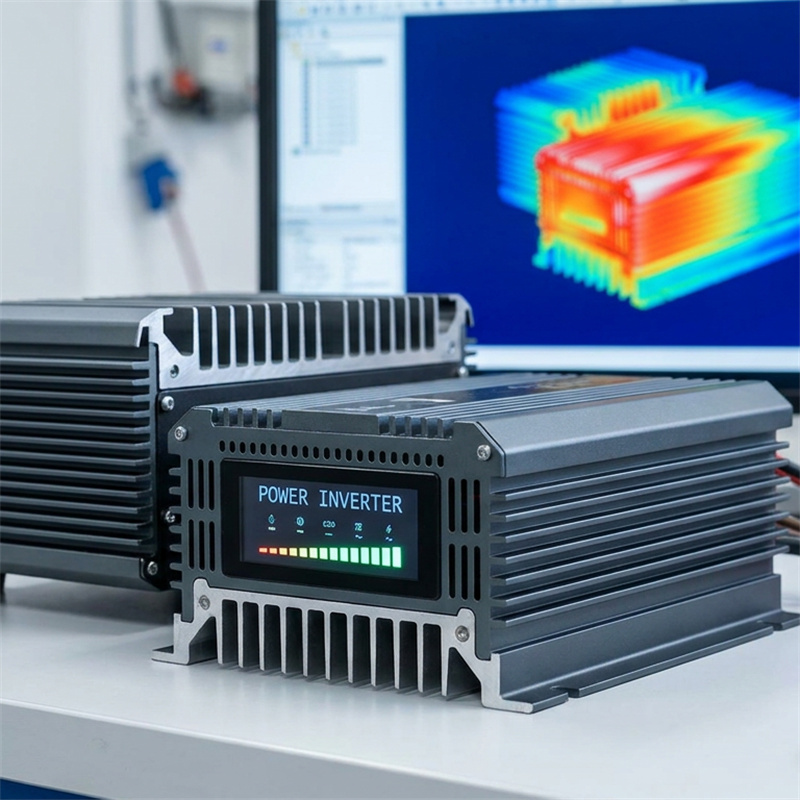
Another common issue  is overheating, which can occur if the controller is not adequately ventilated or  if it is  exposed to extreme  temperatures. Ensure that the installation location allows for proper airflow  around the device, and consider controllers  with thermal protection features to prevent damage.

Lastly, connectivity problems can arise, particularly with models that feature  remote monitoring capabilities. Ensure that the installation site has a reliable internet connection and that you follow the manufacturer's guidelines  for setting up any monitoring systems. Regular checks on system performance can help  identify  issues early,  allowing for timely interventions.

Comparing Solar PWM MPPT Models for Optimal Performance

When comparing different solar  PWM MPPT models, focus on key specifications that directly impact performance.  These  include efficiency ratings, which indicate how effectively the controller  converts solar energy into usable  power. Look for models with efficiency  ratings above  95% to ensure maximum energy harvest.

Another important specification is the  maximum input voltage and current. Ensure the model you choose can handle the voltage and current produced by your solar panel array. Additionally, consider the  controller's tracking speed, which affects how quickly it  can adjust  to changing sunlight conditions. A faster tracking speed can  significantly enhance energy capture, especially in environments with  variable weather.

Lastly, read reviews and case studies from  other  users to gauge real-world performance. Insights from existing customers can provide valuable information about reliability, ease of installation, and overall satisfaction with the product. This research  can guide your  decision-making process and lead to a more successful project outcome.

By taking  these aspects into account, businesses can make informed decisions  about solar PWM MPPT solutions that will meet their energy needs effectively and efficiently.

Choosing the Right Solar PWM MPPT for Your Project Needs

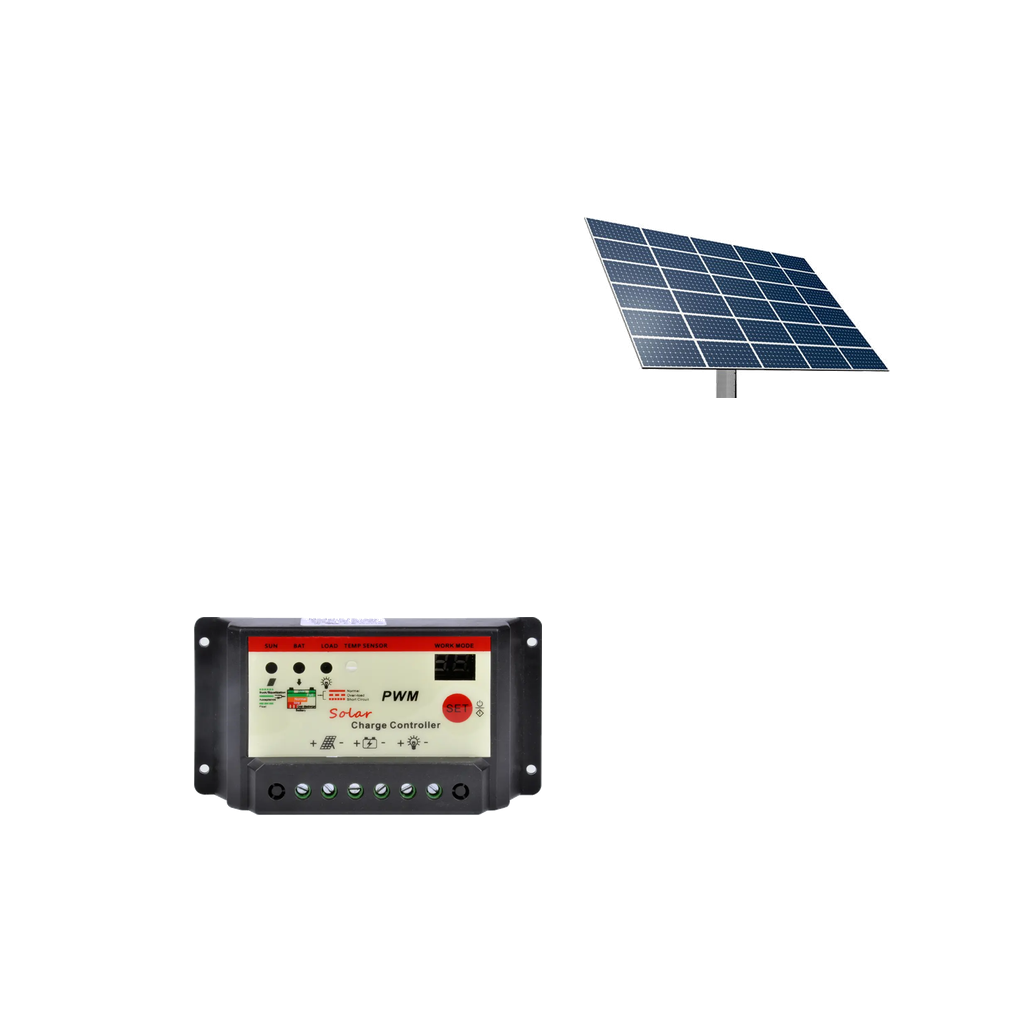
Selecting the  appropriate solar PWM  MPPT controller depends on several factors, including system size, energy  requirements, and the specific solar panel  configuration. Buyers  should consider the power rating of the MPPT controller, which should match or exceed the total output of the solar panels. For example,  if your solar array has a maximum output of 3000W, you  should seek  a PWM MPPT controller rated for at least that capacity. Additionally, consider options like Solar Panel to ensure you are selecting the best configuration for your needs.

Additionally, evaluate the input voltage range of the MPPT controller. This range should align  with the  voltage output of your solar panel system to ensure compatibility and efficient energy conversion.  It's also essential to consider the environment  where the controller will  be installed. Controllers designed for outdoor use typically have  IP ratings for  water and dust resistance, ensuring durability in various weather  conditions.

Finally, assess any additional features that may enhance functionality, such as Bluetooth connectivity for monitoring  and configuration or  integrated battery management systems. These features can  streamline operations and improve the overall efficiency of your  solar setup. For instance, incorporating a Battery Charger can enhance the overall energy management system.

Our Blog Posts

Vetting the 'Island Detection' safety logic for EU-wide distributed energy resource (DER) standards.

24

Jun

Vetting the 'Island Detection' safety logic for EU-wide distributed energy resource (DER) standards.

The Imperative of Anti-Islanding in European Smart Grids The European Union is leading the global transition toward distributed energy resources (DERs), integrating massive capacities of solar photovoltaics and battery storage systems into the low an...
View More
Why is Neutral-to-Ground Bonding often the hidden cause of RCD tripping in off-grid workshops?

25

Jun

Why is Neutral-to-Ground Bonding often the hidden cause of RCD tripping in off-grid workshops?

Introduction to Off-Grid Electrical Grounding In standard grid-connected buildings, electrical grounding and safety protection are managed by the utility provider and strict local building codes. Safety devices like Residual Current Devices (RCDs) or...
View More
Why is Aluminum Housing superior to Plastic for industrial inverter heat dissipation?

25

Jun

Why is Aluminum Housing superior to Plastic for industrial inverter heat dissipation?

Introduction: The Thermal Challenge in Power Electronics In the design and procurement of industrial power electronics, thermal management is not just an engineering preference; it is a critical determinant of product survival. Power inverters are hi...
View More
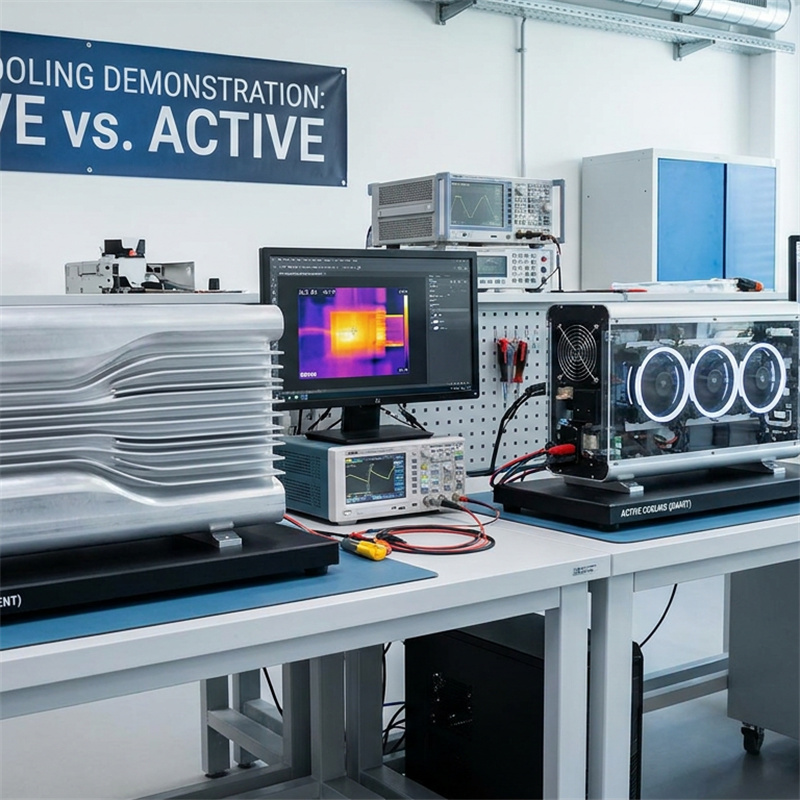
Understanding the role of 'Passive Cooling' vs. 'Active Cooling' in long-term inverter reliability

25

Jun

Understanding the role of 'Passive Cooling' vs. 'Active Cooling' in long-term inverter reliability

Introduction: The Core Thermal Trade-Off In the world of B2B electrical engineering and solar procurement, thermal management is a primary focus when evaluating power inverters. Because inverters handle high levels of electrical power, they inevitabl...
View More

Get a Free Quote

Our representative will contact you soon.
Email
Mobile
Name
Company Name
Products of Interest
Message
0/1000

Related product categories

Choosing the Right Solar PWM MPPT for Your Project

Get a Free Quote

Our representative will contact you soon.
Email
Mobile
Name
Company Name
Products of Interest
Message
0/1000