Key Specifications of Solar Power Controllers

Get a Free Quote

Our representative will contact you soon.
Email
Mobile
Name
Company Name
Products of Interest
Message
0/1000

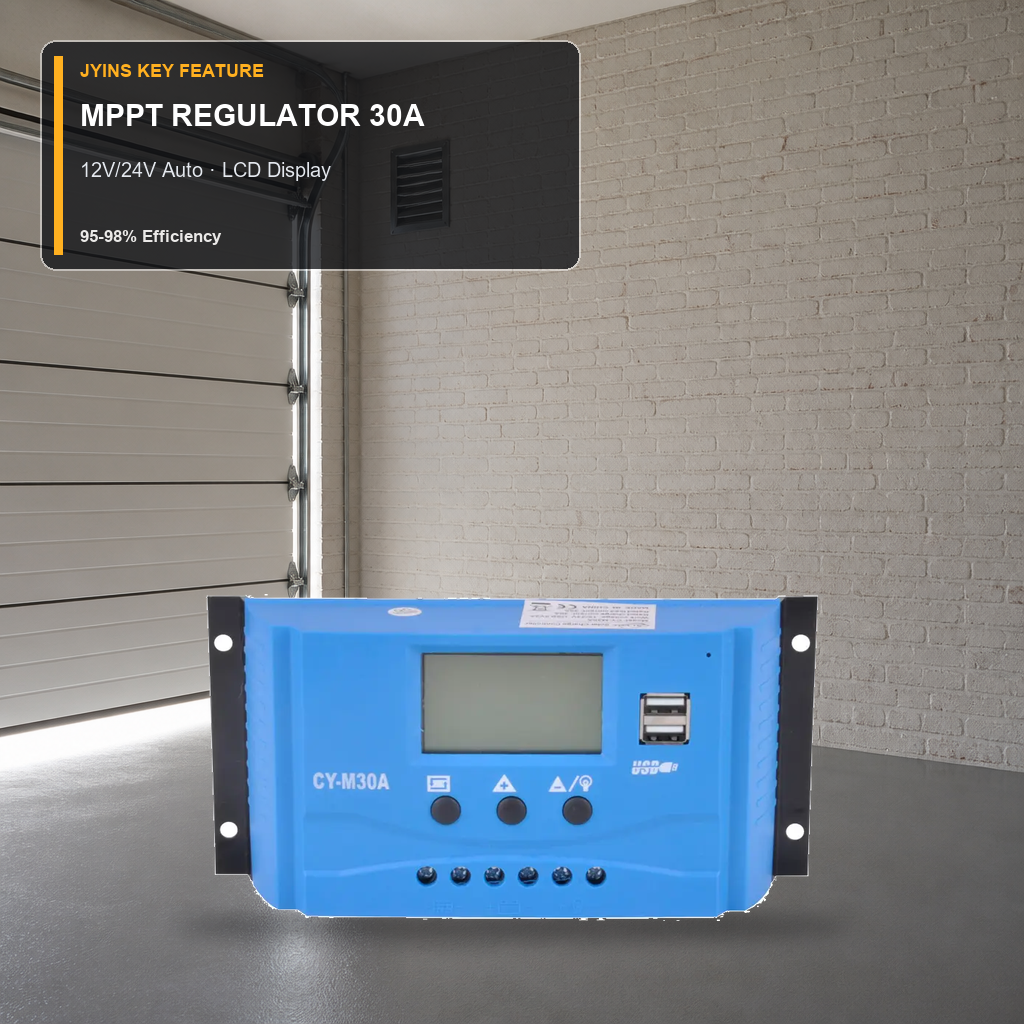
solar power controller

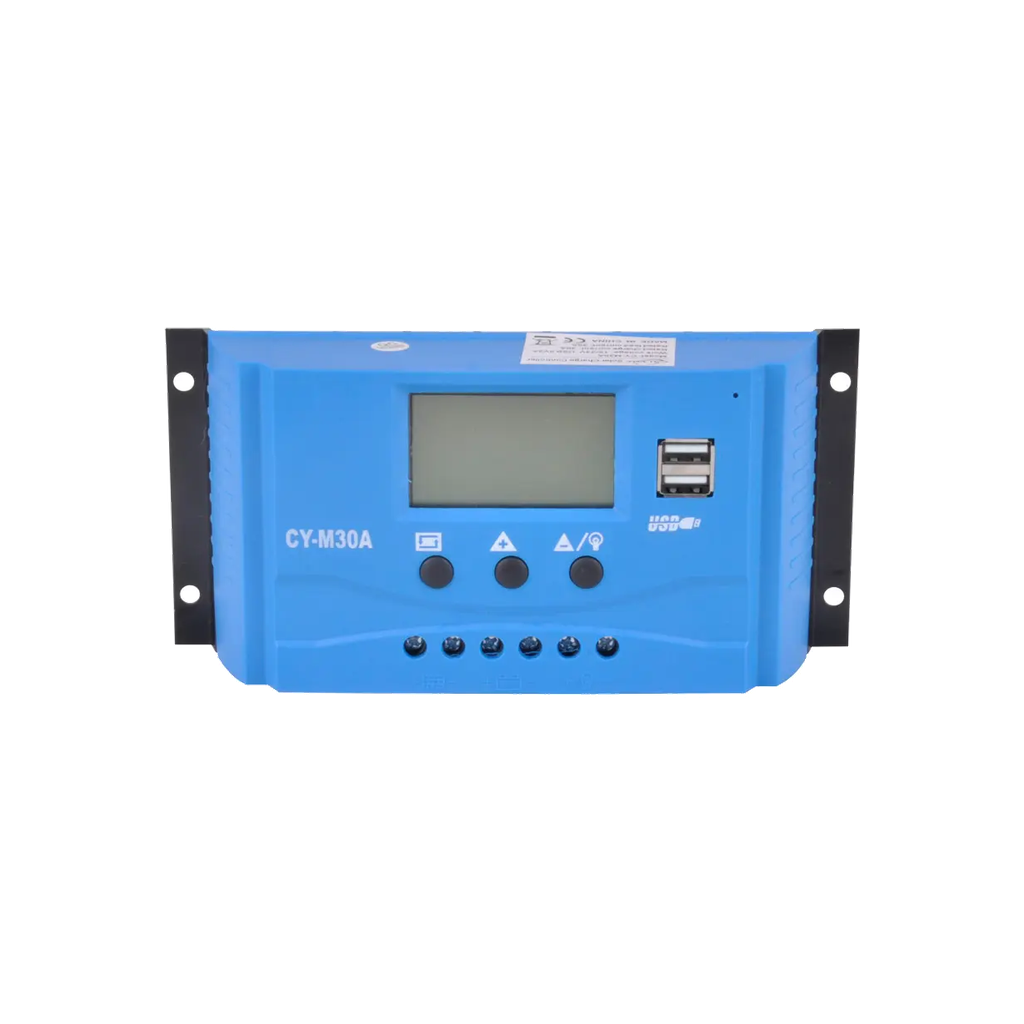
Solar  power  controllers play  a crucial  role in  managing off-grid solar energy systems, ensuring that  energy generated  from solar panels  is utilized efficiently and stored properly  for  later use. For B2B  buyers, understanding the specifications,  installation requirements, and common issues related to solar power controllers  is vital for  making informed purchasing decisions. This article will provide  detailed information on key  specifications,  quality evaluation methods, installation guidance,  common problems and their solutions,  and industry applications relevant to  solar power controllers.
How to Evaluate the Quality of Solar Power Controllers for Projects

How to Evaluate the Quality of Solar Power Controllers for Projects

Evaluating the quality of solar power controllers is essential  for ensuring reliability and  performance in  your solar  energy system. Here are several factors to consider:

Certifications: Check for relevant certifications such as  CE, UL, or IEC standards, which indicate compliance  with safety  and performance  benchmarks. This can be a strong indicator of a product's reliability.

Material and Build Quality: The materials used in constructing the controller can significantly affect its durability and performance. Controllers made with high-grade materials are likely to withstand environmental stressors better.

Warranty and Support: A robust warranty and responsive technical support are indicative of the manufacturer's confidence in their products.  A longer warranty  period can reflect a commitment  to product quality.

User Reviews  and Case Studies: Researching user experiences and case studies  can provide insights into the controller's real-world  performance. Look  for feedback on  reliability, ease of installation, and customer service.

Testing Procedures: Inquire about the manufacturer’s quality control processes. A reputable manufacturer conducts rigorous  testing at various stages of production to ensure  consistent quality.

By considering these quality evaluation criteria, buyers can  mitigate the risk of purchasing subpar products  that may lead to operational issues in their solar projects.
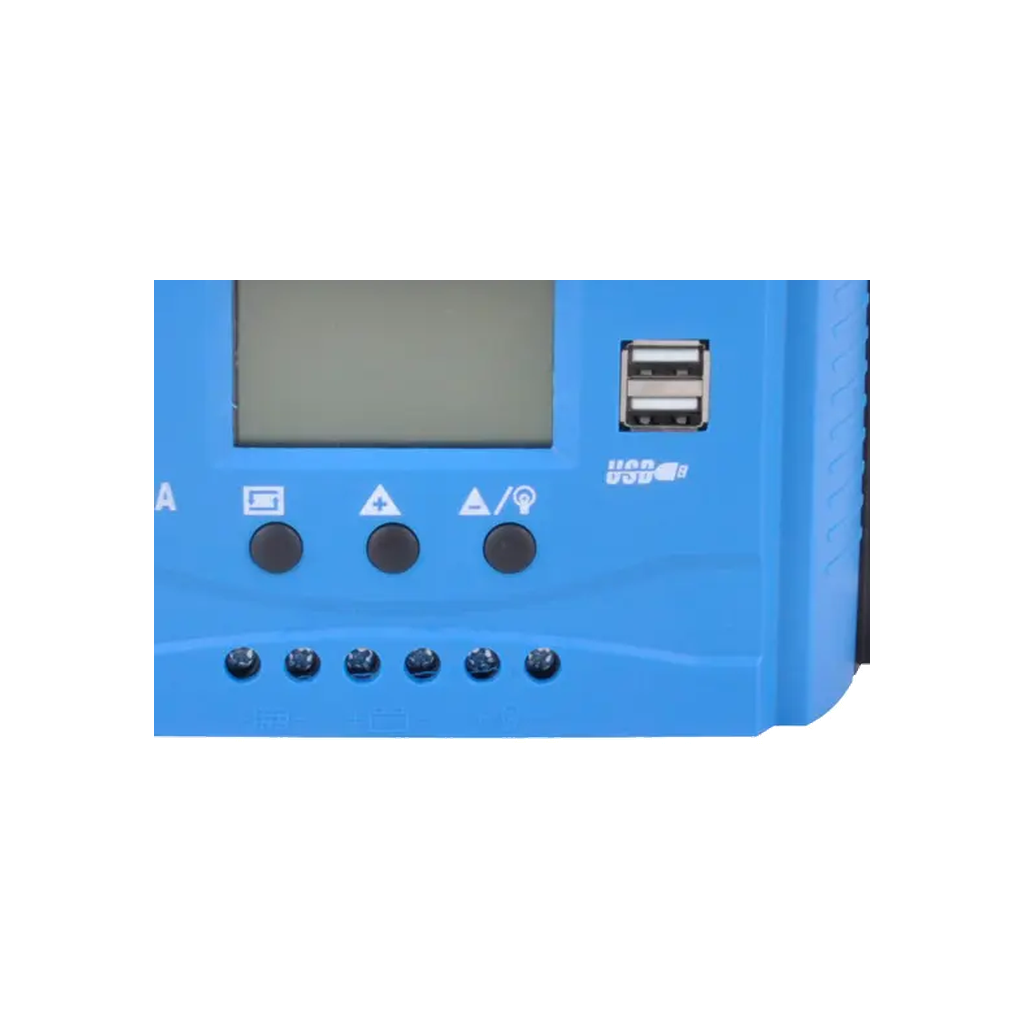
Installation Guidance for Efficient Use of Solar Power Controllers

Installation Guidance for Efficient Use of Solar Power Controllers

Proper installation  is crucial for the efficient operation of solar power controllers. Here are some essential guidelines to follow:

Read  the Manual: Before installation, carefully  read the  manufacturer’s manual. It often contains  vital information specific to the  model, including wiring diagrams and installation tips.

Location: Choose a location that is well-ventilated  and protected from extreme weather conditions.  Avoid placing the controller in direct sunlight  or areas  prone to moisture, as these conditions can affect its performance.

Wiring: Use  appropriately sized cables to connect the solar panels, batteries, and load to the  controller. Ensure all connections are secure and weatherproof to prevent  short circuits.

Grounding: Properly ground the controller according to local  electrical codes. This step is critical for  safety and  to protect the equipment from electrical surges.

Testing: Before finalizing the installation, test the system to ensure that the controller is functioning  as intended. Check for proper voltage and current readings.  If you are using a Solar Charge Controller, ensure to follow specific testing protocols for optimal performance.

Following these installation guidelines  helps ensure that the solar power controller operates efficiently, which directly influences the performance of the entire solar  energy  system.

Common Problems with Solar Power Controllers and Their Solutions

Common Problems with Solar Power Controllers and Their Solutions

While solar power controllers are designed for reliability,  users may encounter common issues. Here are some typical problems and  their solutions:

Overcharging: If  the battery is overcharging, it  can lead to damage. This is often due to incorrect controller settings or a malfunctioning controller. Solution: Ensure the settings match the battery type and replace  the controller if necessary.


Undercharging:  Insufficient charging can arise from inadequate sunlight or a faulty controller. Solution: Verify that the solar panels are clean  and unobstructed and check the voltage output. If the issue persists, consider  replacing the controller.


Display  Malfunction: Sometimes, the display may not show accurate readings. This  could be due to a loose connection or internal failure. Solution: Check all connections and, if the problem continues,  consult the manufacturer for repair or replacement options.

Heat Issues: Excessive heat  can indicate overloading or inadequate ventilation. Solution: Ensure the controller is installed  in a well-ventilated area and  that the load does not exceed  the controller's capacity.

Communication Failures:  If the  controller has communication features and fails to connect, check the settings  and compatibility with the application. Solution: Restart the controller and ensure that any connected devices are functioning correctly.

By proactively addressing these common problems, users can maintain the efficiency and longevity of their solar power controllers.

Industry Applications of Solar Power Controllers in Off-Grid Systems

Solar power controllers are integral  to various industries utilizing off-grid solar systems. Here are some key applications:

Residential Solar Power Systems: Many homeowners rely on solar power controllers to manage energy use and battery storage in off-grid solar installations, ensuring  reliable energy access.


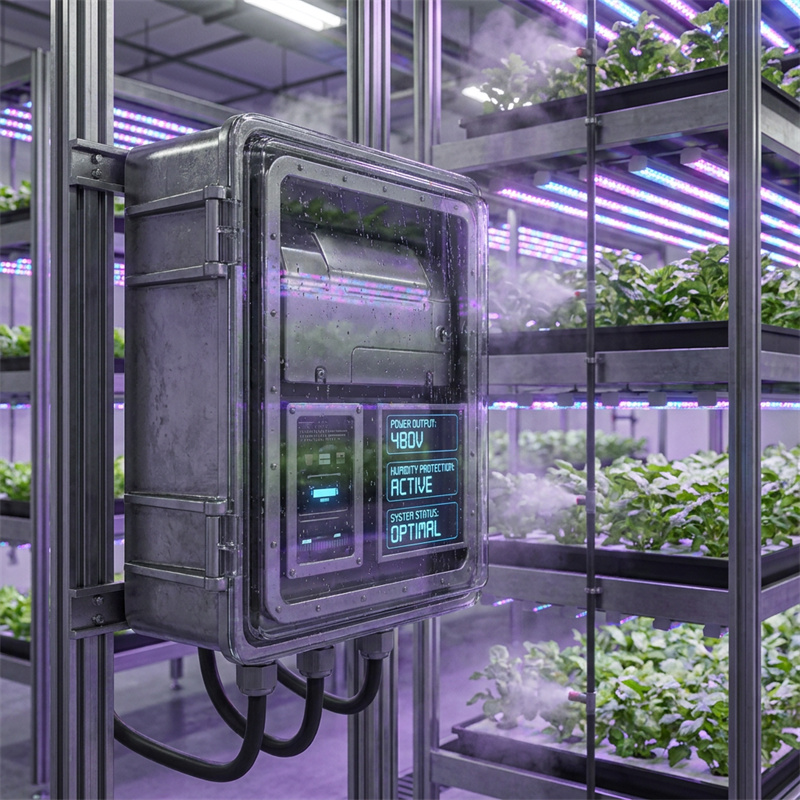
Agricultural Applications: In remote farming locations, solar power controllers manage energy for irrigation systems, greenhouse operations, and livestock  watering solutions,  promoting sustainability and reducing reliance on conventional power sources.

Telecommunications: Many communication towers in remote areas use solar power  controllers to ensure continuous operation  without the need for extensive grid infrastructure, providing reliable service in areas lacking electricity.


Remote Monitoring Stations: Scientific research stations and weather monitoring systems in isolated environments utilize solar power controllers to maintain power for sensors and data loggers, ensuring uninterrupted data collection.

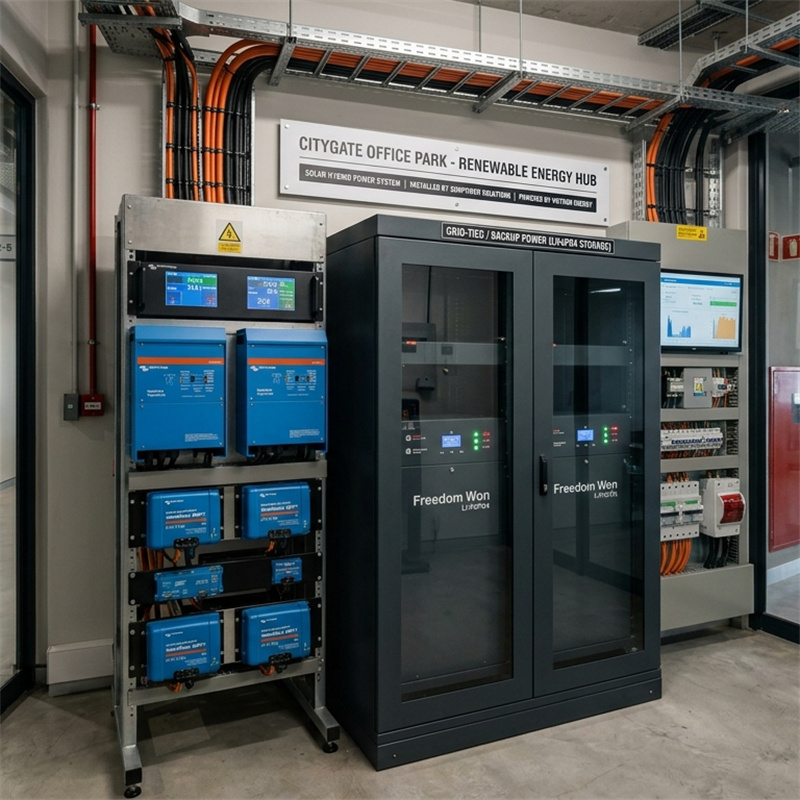
Emergency Backup Power: In critical infrastructure settings, solar power  controllers are used in conjunction with backup batteries to provide emergency power during grid outages, enhancing  resilience.

Understanding these applications  highlights the versatility of solar power controllers  and assists buyers  in recognizing their potential  in various sectors. 

By integrating practical knowledge and  addressing the concerns of B2B buyers, this article serves as a comprehensive guide  for understanding and selecting  solar power controllers, ensuring  informed purchasing  decisions.

Key Specifications for Bulk Order Solar Power Controllers

When it comes to bulk ordering solar power controllers, several key specifications must be scrutinized to ensure  compatibility and performance. These specifications typically include voltage range, current rating, and maximum load capacity.

Voltage Range: Solar power controllers must be compatible with the voltage output of your solar panel system. Common ranges are 12V, 24V, and 48V. Choosing a controller that matches your system's voltage is essential for optimal operation.

Current Rating: The current rating indicates the maximum current the controller can handle. This specification is crucial for preventing overheating  and ensuring reliable  performance. It’s  advisable  to select a controller with  a current rating higher than the  maximum output of your solar panels.

Maximum Load Capacity: This determines how much power can be drawn from the controller at any given time.  Assessing your energy consumption needs will guide you in selecting a controller  with the appropriate load capacity.  Additionally, it is important to consider the compatibility of your load with other components, such as the Energy Storage System, to ensure seamless integration.

Temperature Range: Solar power controllers are exposed to varying environmental conditions. Ensure that the selected  controller can  operate  within the temperature range applicable to  your installation environment.

Communication Protocols: Some controllers offer advanced features, such  as Bluetooth or Wi-Fi connectivity for monitoring and control. If remote management is essential  for your application, this feature should  be  prioritized.

Understanding  these specifications ensures that the  solar power controller meets the operational requirements  of your system, enhancing efficiency and longevity.

Our Blog Posts

The Role of Bidirectional inverter PCB boards in EV Charging Stations

14

May

The Role of Bidirectional inverter PCB boards in EV Charging Stations

Bidirectonal inverter PCB boards plays a big role in electric vehicle (EV) charging stations. They handle how energy move between the station and EV. This mean they send power to EV when charging, and they can send power back to grid from EV too. Thi...
View More
Why is South Africa NRS 097-2-1 certification mandatory for commercial solar backup projects?

24

Jun

Why is South Africa NRS 097-2-1 certification mandatory for commercial solar backup projects?

Navigating South Africa's Energy Crisis with Certified Solar Solutions South Africa is currently undergoing a massive and complex energy transition, catalyzed by persistent grid load shedding that has disrupted businesses, heavy manufacturing, and da...
View More
Designing Power Conversion for Vertical Farming: Overcoming 100% Humidity and LED Surge Cycles

24

Jun

Designing Power Conversion for Vertical Farming: Overcoming 100% Humidity and LED Surge Cycles

Introduction: The Massive Electrical Scale of Modern Indoor Agriculture Commercial vertical farming represents a high-technology solution to the challenges of global food security, land degradation, and climate volatility. By stacking crops verticall...
View More
Troubleshooting Inverter Surge Capacity failures in high-torque industrial motor startups.

25

Jun

Troubleshooting Inverter Surge Capacity failures in high-torque industrial motor startups.

The Core Problem of High-Torque Motor Startups In B2B industrial systems, off-grid workshops, and marine installations, engineers frequently encounter a persistent issue: high-quality power inverters tripping on overload when attempting to start elec...
View More

Get a Free Quote

Our representative will contact you soon.
Email
Mobile
Name
Company Name
Products of Interest
Message
0/1000
Key Specifications of Solar Power Controllers

Get a Free Quote

Our representative will contact you soon.
Email
Mobile
Name
Company Name
Products of Interest
Message
0/1000