Understanding MPPT Technology for Solar Energy Systems

Get a Free Quote

Our representative will contact you soon.
Email
Mobile
Name
Company Name
Products of Interest
Message
0/1000

mppt

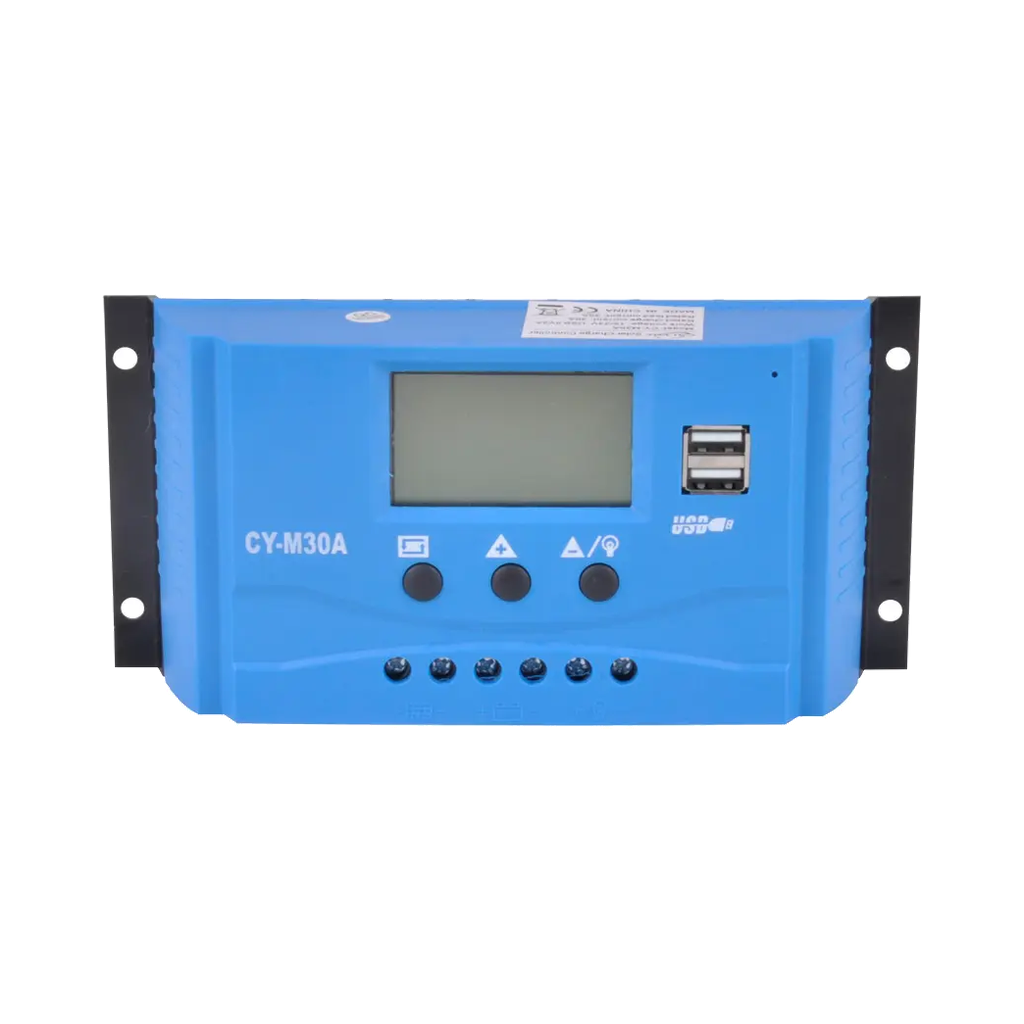
Understanding MPPT technology is critical  for optimizing solar  energy  conversion, especially in off-grid systems.  Maximum  Power Point Tracking (MPPT)  is  a sophisticated method  used in solar inverters  to maximize  energy harvest from solar panels. As a B2B buyer, you may have concerns about the efficiency, specifications,  and  cost of MPPT devices. This article will  provide  insights into MPPT technology, key specifications to evaluate, cost  factors for bulk orders, common  issues and solutions,  and what distributors should  look  for when sourcing  these components.
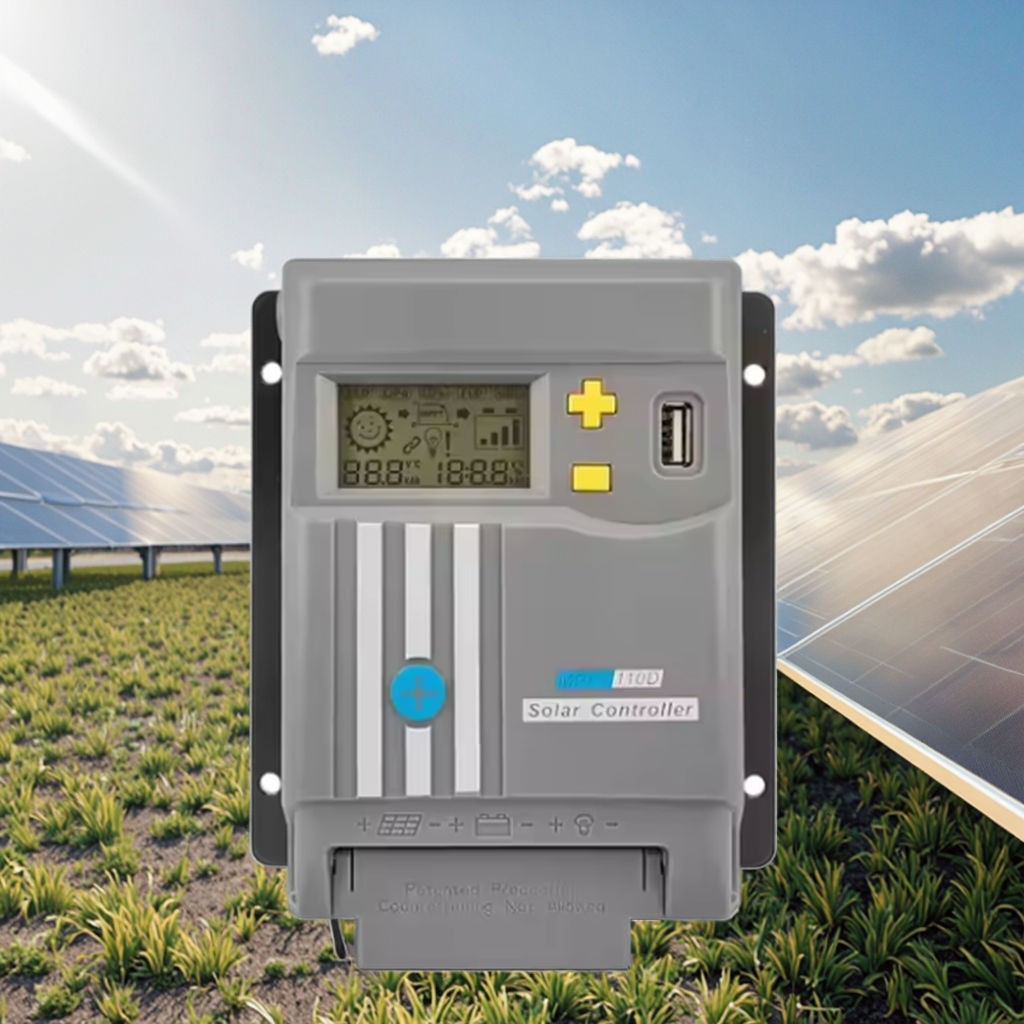
Key Specifications to Evaluate When Selecting MPPT Devices

Key Specifications to Evaluate When Selecting MPPT Devices

When evaluating  MPPT devices, several specifications are  critical to ensure they meet your operational and application needs:

Tracking Efficiency: This indicates how effectively the MPPT system  can find and maintain the maximum  power point. A higher  tracking efficiency (typically >99%) translates to better energy capture.

Input Voltage Range: Ensure the MPPT device accommodates the voltage range of your solar  array. A  wider range allows for greater flexibility in system  design and potential expansion.

Output Power Rating: Assess the maximum output power the MPPT can handle.  This should align with your solar  system's capacity to avoid  underperformance.

Operating Temperature Range: Since solar installations often occur in various environmental conditions, the MPPT should operate efficiently across a wide temperature range. Devices  with extended temperature ratings often indicate robust design and better longevity.

Communication  Interfaces: Many modern  MPPT devices offer communication capabilities for monitoring and integration with smart energy systems. Look for compatibility with your existing monitoring setups.

Understanding these specifications will  empower you to  make informed decisions  that align  with your specific energy  requirements and operational goals.
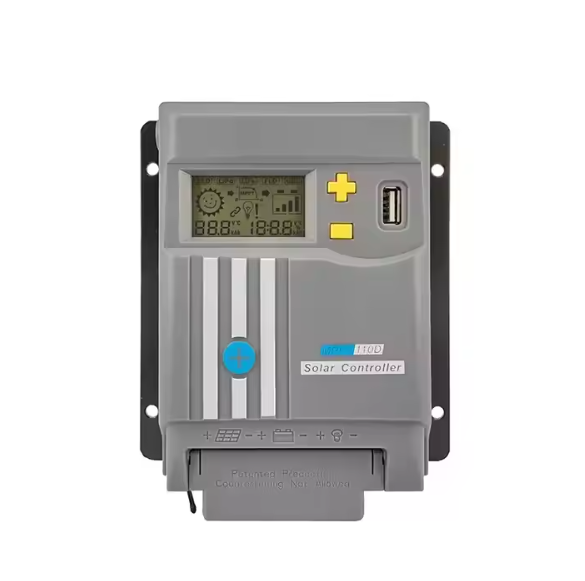
Cost Factors to Consider for Bulk Orders of MPPT Units

Cost Factors to Consider for Bulk Orders of MPPT Units

When placing bulk orders  for MPPT  units, several cost factors come into play:

Unit Price: The base price per unit typically decreases with  larger order quantities. Always request  tiered pricing to understand how the cost varies with order  size.

Customization:  If you require specific modifications or features, customization may incur additional  costs. Discuss these aspects early in the purchasing process to avoid surprises.

Shipping and Logistics: Factor in shipping costs,  especially for international orders. Ensure you understand the terms of delivery and any potential tariffs that might apply.

Lead Time: Longer lead times may affect your project timelines. It's essential  to confirm production capacity and expected delivery  dates, especially for high-demand  periods.

Warranty and Support: Consider  the cost of warranty and after-sales  support. Sometimes, a slightly higher upfront  cost can lead  to long-term  savings through reliable customer support and service.

Evaluating these factors will help ensure that you secure  the best  price-to-performance ratio  while  meeting your project's timeline and budget constraints.

Common Problems with MPPT and Effective Solutions for Buyers

Common Problems with MPPT and Effective Solutions for Buyers

While MPPT technology  significantly improves energy capture, buyers should be aware of common problems that  may arise:

Poor Installation:  Incorrect  installation can lead to reduced performance. Ensure that installation is performed by qualified  technicians familiar with  MPPT  systems.

Compatibility Issues:  Not all  MPPT devices work well with every solar panel type. It's  crucial to verify  compatibility, especially if you're integrating new equipment with existing  systems.

Software  Glitches: Occasionally, firmware or software issues can arise, affecting performance. Regular updates and maintenance checks can mitigate these problems.

Temperature  Management: MPPT devices can generate heat during operation.  Ensure that your  system includes adequate cooling, especially in warmer  climates.

Regular Monitoring: Implement monitoring solutions to track performance in real  time. This can help identify issues early and optimize performance.

By proactively addressing these common issues, buyers  can enhance the reliability and efficiency  of their solar energy systems.

What Distributors Should Look For

Distributors play a  crucial  role in  the supply chain for  MPPT devices. Here’s what to consider when sourcing these products:

Supplier Reputation:  Investigate the  supplier's history and reputation within the industry. Established  manufacturers like Zhejiang Jyins Electrical Co., LTD, known for their adherence to ISO9000 standards, can provide confidence in  product quality.

Quality Assurance Processes: Look for manufacturers with robust  quality control processes.  Certifications and compliance with international standards can be indicators of product  reliability.

Customization Capabilities: Ensure the supplier can accommodate your specific requirements, whether it’s for packaging, branding, or technical specifications.

Technical Support: Assess the level of technical  support offered by  the manufacturer. Having access to knowledgeable support can ease the installation process  and enhance customer  satisfaction.

Export Experience: If you are sourcing internationally, consider the manufacturer’s experience in exporting  products. This can influence lead  times and reliability in supply chains.

By focusing on  these  aspects, distributors can forge strong partnerships with suppliers that lead to successful product offerings  in the market.

Understanding MPPT Technology for Efficient Solar Energy Conversion

MPPT technology  enhances the efficiency of solar energy systems by  continuously adjusting the electrical  operating point of the modules or array. Solar panels  generate varying  amounts of power depending on environmental conditions  such as sunlight intensity and temperature. MPPT algorithms  ensure  that the inverter operates  at the optimal power point, allowing it to extract the maximum available energy.

This technology is particularly vital  for off-grid solar systems where every  watt counts. For instance, a well-implemented MPPT  can increase energy capture by 20-30%  compared to systems without this technology. As a buyer,  understanding the  principles of MPPT can help you  assess the performance capabilities  of different solar inverters, ensuring that you're  investing in a product  that maximizes energy efficiency and return on investment.

Our Blog Posts

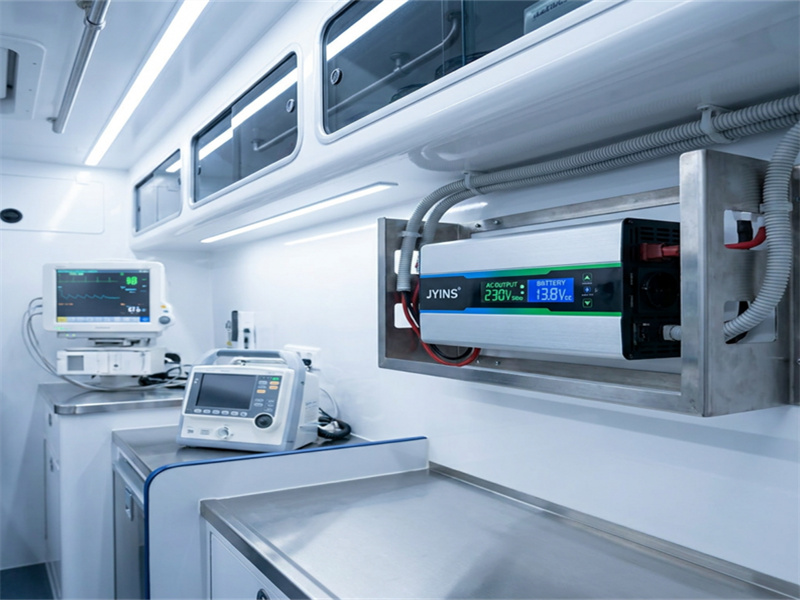
Precision Power for Medical Units: Ensuring EMC Class B Compliance in Mobile Clinic Inverter Systems

15

May

Precision Power for Medical Units: Ensuring EMC Class B Compliance in Mobile Clinic Inverter Systems

Introduction: The Lifeline of Mobile Medicine In the rapidly evolving landscape of healthcare, mobile medical units—ranging from advanced life-support ambulances to remote rural clinics—have become critical front-line assets. These units ...
View More
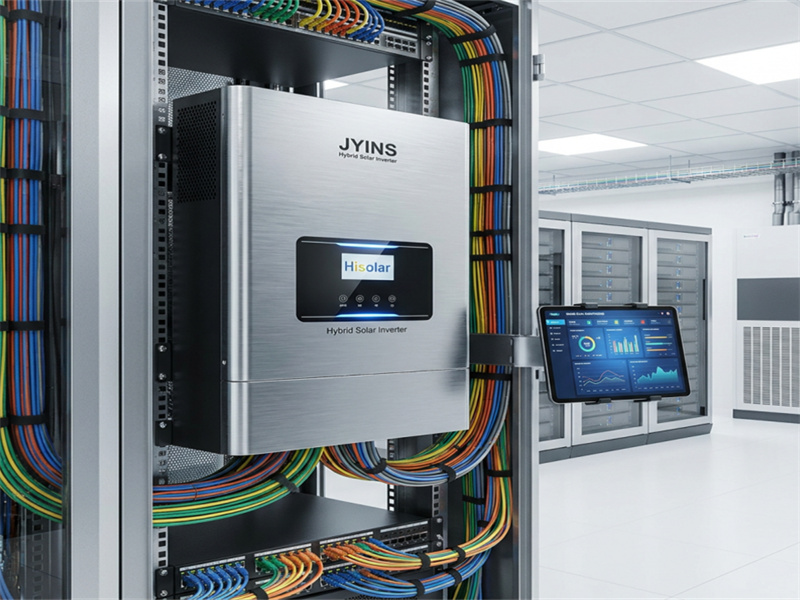
Hybrid Inverter Integration for Telecom: Managing RS485 Communication and Remote Power Reliability

15

May

Hybrid Inverter Integration for Telecom: Managing RS485 Communication and Remote Power Reliability

Hybrid Inverter Integration for Telecom: Managing RS485 Communication and Remote Power Reliability In the rapidly evolving landscape of global telecommunications, power reliability is the bedrock of connectivity. For telecom engineers and network ope...
View More
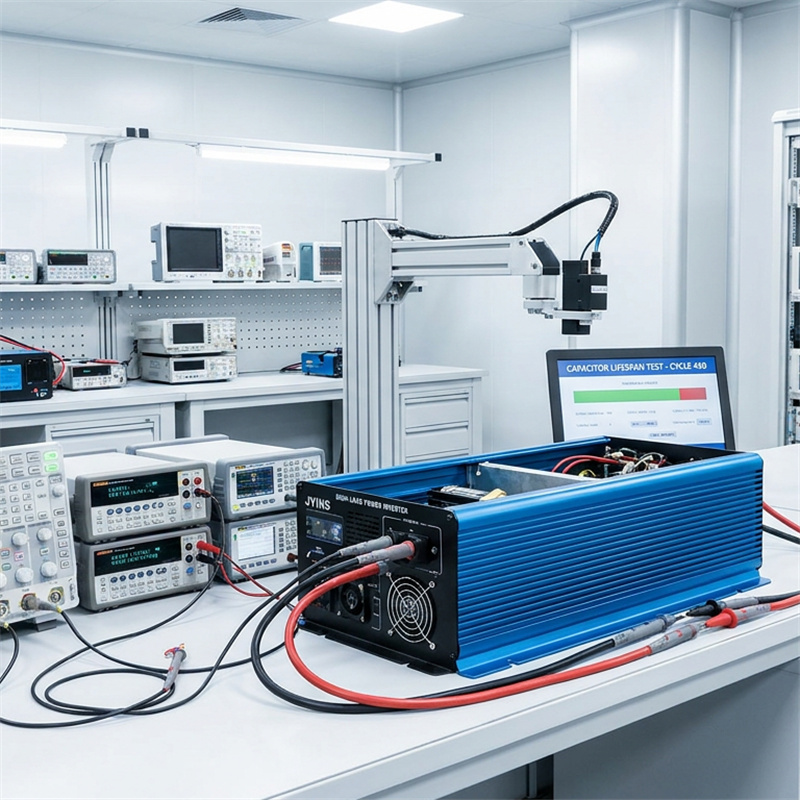
How to evaluate 'Capacitor Life' in high-load inverters: Predicting the 10-year maintenance cycle

25

Jun

How to evaluate 'Capacitor Life' in high-load inverters: Predicting the 10-year maintenance cycle

Introduction: Why Capacitor Lifespan Dictates Inverter Longevity For B2B procurement directors and solar project wholesalers, selecting industrial-grade power inverters is an exercise in managing long-term operational risk. While marketing brochures ...
View More
How to Troubleshoot High Neutral Current in 3-Phase Hybrid Inverter Systems Powering Heavy Nonlinear Office Loads?

10

Sep

How to Troubleshoot High Neutral Current in 3-Phase Hybrid Inverter Systems Powering Heavy Nonlinear Office Loads?

Q: How to Troubleshoot High Neutral Current in 3-Phase Hybrid Inverter Systems Powering Heavy Nonlinear Office Loads? A: In modern B2B commercial buildings and large office parks, 3-phase hybrid inverter systems are increasingly widely deployed. Howe...
View More

Get a Free Quote

Our representative will contact you soon.
Email
Mobile
Name
Company Name
Products of Interest
Message
0/1000
Understanding MPPT Technology for Solar Energy Systems

Get a Free Quote

Our representative will contact you soon.
Email
Mobile
Name
Company Name
Products of Interest
Message
0/1000