EN
EN


Introduction: The Core Thermal Trade-Off
In the world of B2B electrical engineering and solar procurement, thermal management is a primary focus when evaluating power inverters. Because inverters handle high levels of electrical power, they inevitably generate internal heat. If this heat is not managed effectively, the temperature of critical semiconductors, capacitors, and inductors will rise, leading to rapid degradation and premature system failure.
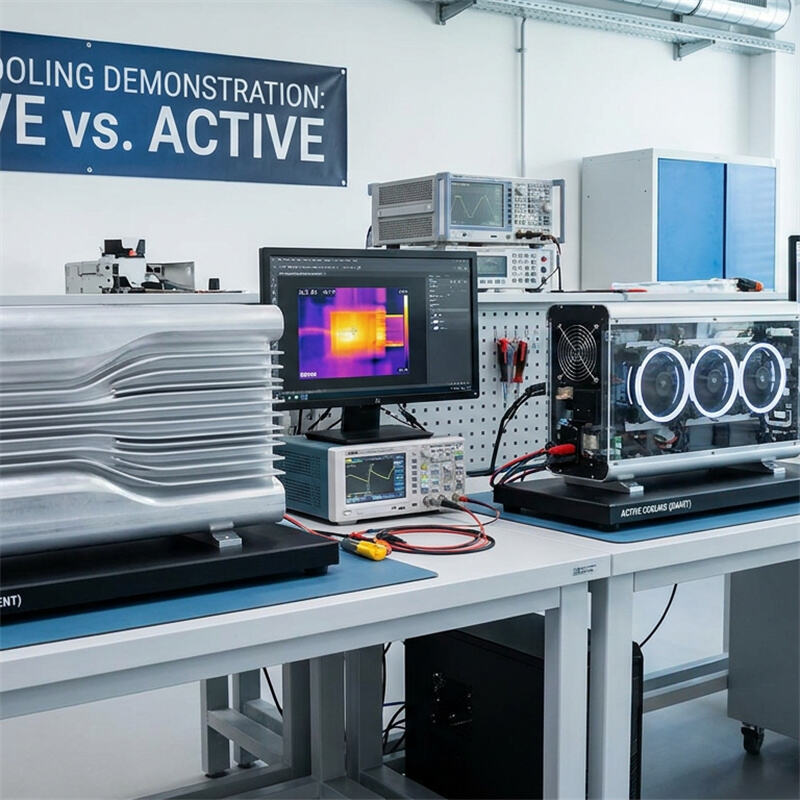
To combat this, manufacturers utilize two primary cooling philosophies: Passive Cooling (fanless design) and Active Cooling (fan-assisted design). Both approaches have distinct mechanical architectures, thermal efficiencies, and impacts on long-term equipment reliability. For B2B procurement directors and wholesalers, understanding the trade-offs between passive and active cooling is essential to select the right inverter for their specific operational environments. This article provides an in-depth technical analysis comparing these two cooling types and their role in long-term reliability.
Question: How do 'Passive Cooling' and 'Active Cooling' differ in terms of mechanical design, cooling efficiency, and their impact on long-term inverter reliability for B2B projects?
To answer this question, we must look at the mechanical structure of each cooling type, analyze their respective advantages and disadvantages, and evaluate how their failure modes affect the overall lifespan of the inverter.
Decoding Passive Cooling: Simple, Fanless Reliability
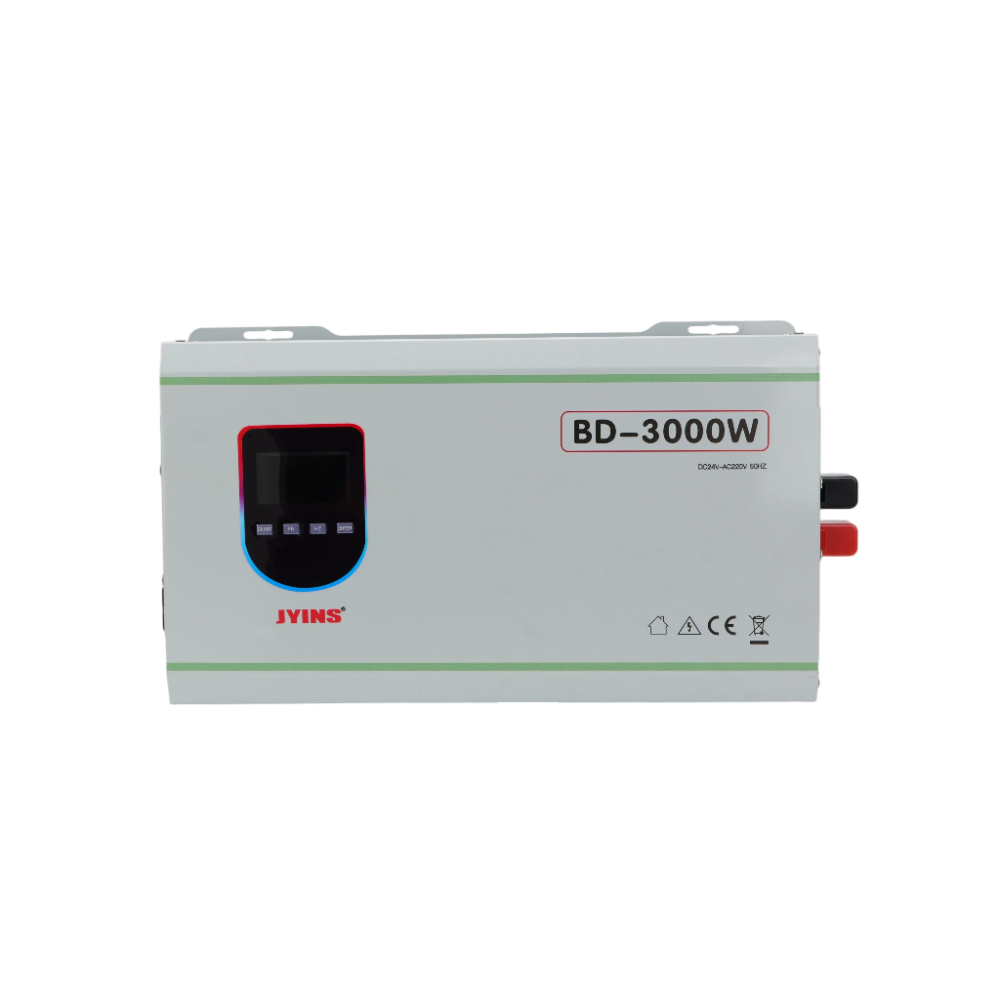
Passive cooling relies entirely on natural physical processes to transfer heat away from the inverter's internal electronics. It utilizes conduction (heat moving from the components to the metal chassis), natural convection (warm air rising and cool air taking its place), and thermal radiation to dissipate heat into the surrounding atmosphere.
- Mechanical Architecture: A passively cooled inverter features no moving parts. The internal heat-generating components (such as MOSFETs, IGBTs, and magnetic transformers) are mounted directly against a massive, highly conductive aluminum enclosure. The exterior of this enclosure is designed with extensive, deep cooling fins that maximize the surface area exposed to the ambient air.
- Advantages in Reliability: The primary advantage of passive cooling is its simplicity. With zero moving parts, there are no mechanical components to wear out, seize, or fail over time. This design allows the inverter to achieve an exceptionally high Mean Time Between Failures (MTBF). Additionally, because the inverter does not require airflow holes for fans, the entire unit can be completely sealed to meet high ingress protection standards (such as IP65 or IP66). This hermetic seal prevents the entry of dust, sand, moisture, and corrosive industrial gases, making it ideal for harsh outdoor or highly polluted environments.
- Limitations: Passively cooled inverters are physically larger, heavier, and more expensive to manufacture because they require a substantial mass of high-grade aluminum to act as a heat sink. Furthermore, passive cooling is limited in its thermal capacity, making it most suitable for low-to-medium power capacities (typically up to three thousand or five thousand watts).
Decoding Active Cooling: High-Velocity Thermal Efficiency
Active cooling utilizes forced convection, employing mechanical, brushless DC cooling fans to actively drive air through the inverter housing, sweeping heat away from internal heatsinks.
- Mechanical Architecture: An actively cooled inverter uses compact internal heatsinks directly attached to the hot power semiconductors, with one or more high-speed cooling fans drawing cool ambient air into the enclosure, blowing it across the heatsinks, and exhausting the hot air through ventilation vents.
- Advantages in Performance: Active cooling is incredibly efficient. Forced air can remove heat at a rate many times faster than natural convection. This high thermal efficiency allows manufacturers to design inverters that are highly compact, lightweight, and capable of handling exceptionally high power capacities (from five thousand watts to several hundred kilowatts). It also lowers the initial capital cost, as far less physical aluminum is needed for the heatsinks.
- Limitations and Failure Risks: The main drawback of active cooling is its reliance on moving parts. Cooling fans have a finite mechanical lifespan, typically ranging from forty thousand to seventy thousand operating hours depending on the bearing quality and operating temperature. In dusty, humid, or sandy environments, fans can suck abrasive particles and moisture inside the inverter, leading to dust accumulation on PCBs, short circuits, and mechanical fan failure. If a fan fails and is not replaced quickly, the inverter will rapidly overheat and shut down or suffer thermal damage.
Long-Term Reliability Analysis: Choosing the Right Match
When evaluating these cooling types for long-term B2B projects, procurement directors should align the cooling methodology with the specific operating environment and power requirements:
- For Harsh, Remote, and Low-Maintenance Sites: Environments such as coastal solar sites (with salty, corrosive air), agricultural operations (high dust and moisture), or remote telecom towers where routine maintenance is difficult and expensive favor passive cooling. The high initial hardware cost is quickly offset by the near-zero maintenance and extremely low failure rate over a ten-to-fifteen-year operating cycle.
- For High-Power, Controlled, and Compact Installations: High-capacity industrial facilities, vehicle fleets, or indoor server rooms with managed temperatures and low dust levels are ideal for active cooling. Active cooling provides the necessary thermal capacity to handle massive electrical loads while keeping the equipment compact and cost-effective.
Smart Active Cooling: Mitigating the Risks
To bridge the gap between active cooling performance and passive cooling reliability, premier manufacturers utilize advanced engineering. At JYINS Electrical, we implement Smart Active Cooling in our high-power inverter lines:
- Sealed Electronic Compartments: Our inverters feature a dual-compartment design. The sensitive electronics, PCBs, and control boards are sealed in a dustproof, watertight main chamber. The heatsinks and high-velocity cooling fans are isolated in a separate, open-airflow channel. This design ensures that even if dust or moisture is sucked in by the fans, it never comes into contact with critical electronic components.
- Variable-Speed Fan Control: Our fans do not run continuously at full speed. We integrate smart thermal sensors that monitor internal temperatures and adjust fan speed dynamically. Under light loads, the fans run slowly or turn off completely, minimizing mechanical wear, reducing energy loss, and dramatically extending the operating lifespan of the fans.
Conclusion: Sourcing the Right Thermal Architecture
There is no single best cooling method; rather, there is the right cooling method for your specific project. By understanding the mechanical differences and long-term reliability impacts of passive versus active cooling, B2B procurement managers can make informed sourcing decisions. Partnering with an engineering-focused manufacturer like JYINS Electrical ensures that whether you choose the rugged, maintenance-free reliability of our passively cooled models or the high-power, smart-protected efficiency of our actively cooled lines, your operations will remain cool, efficient, and running for the long term.
Table of Contents
- Introduction: The Core Thermal Trade-Off
- Question: How do 'Passive Cooling' and 'Active Cooling' differ in terms of mechanical design, cooling efficiency, and their impact on long-term inverter reliability for B2B projects?
- Decoding Passive Cooling: Simple, Fanless Reliability
- Decoding Active Cooling: High-Velocity Thermal Efficiency
- Long-Term Reliability Analysis: Choosing the Right Match
- Smart Active Cooling: Mitigating the Risks
- Conclusion: Sourcing the Right Thermal Architecture