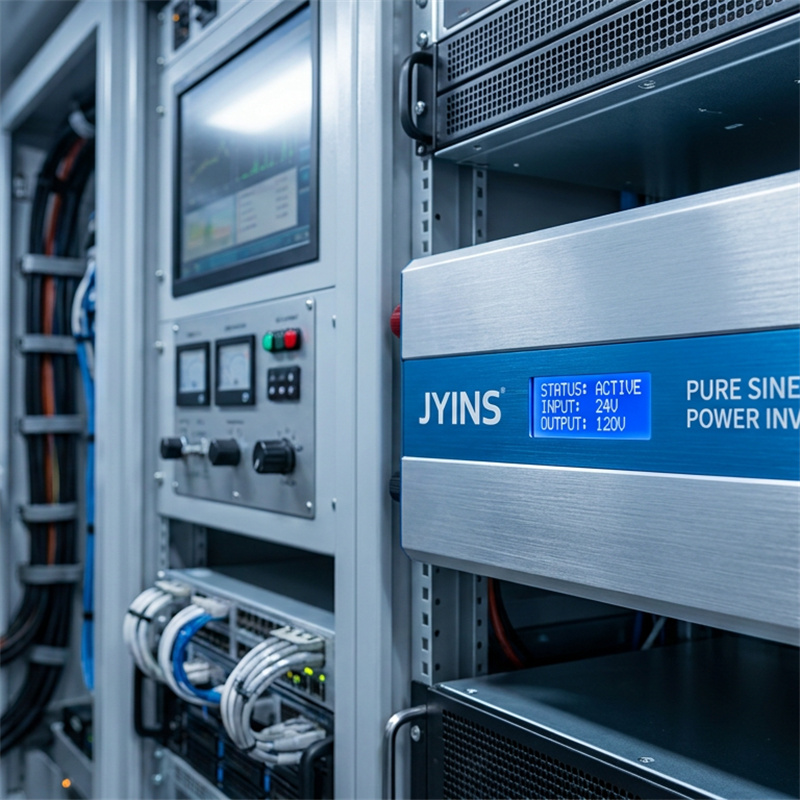
Solar Panel Regulator Specifications for Buyers

Get a Free Quote

Our representative will contact you soon.
Email
Mobile
Name
Company Name
Products of Interest
Message
0/1000

solar panel regulator

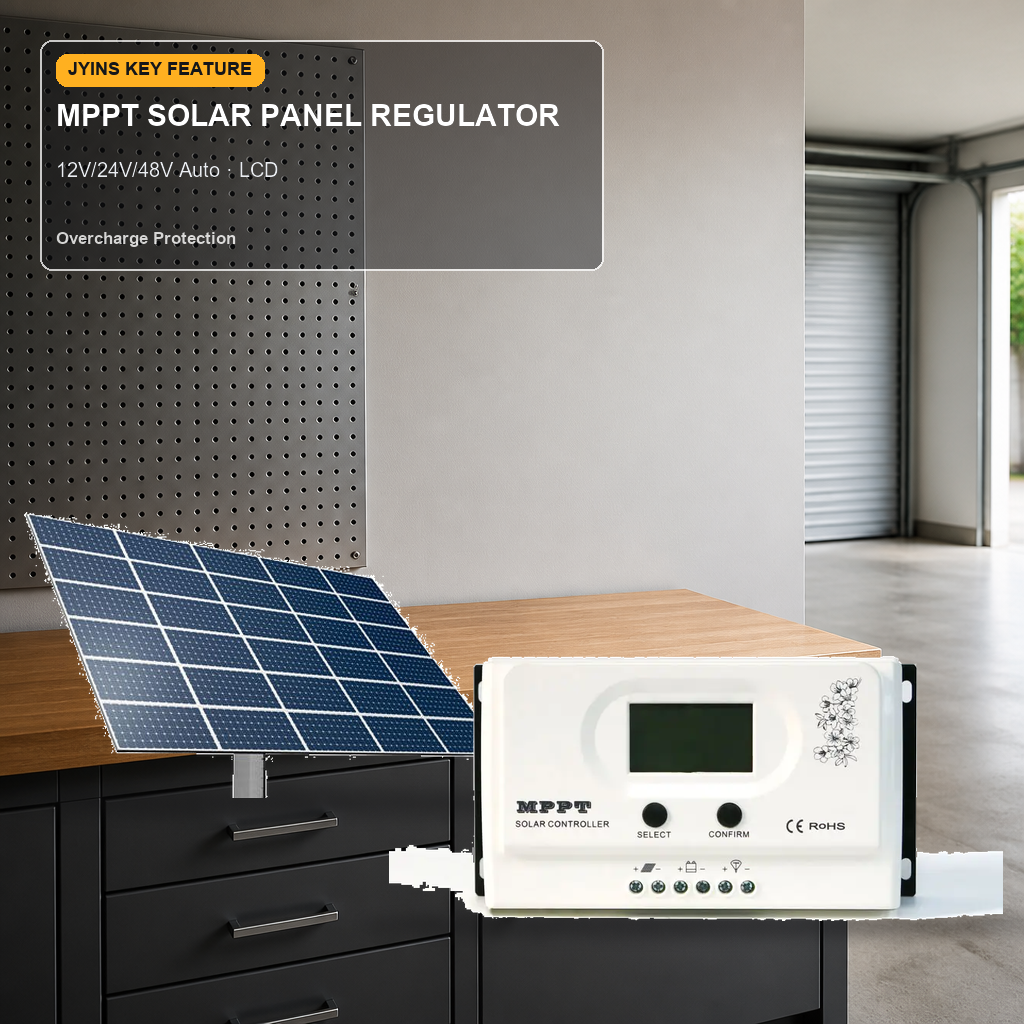
Solar  panel regulators  are  essential components in off-grid  solar energy  systems, ensuring  efficient energy management  by controlling the voltage and current from solar panels to batteries.  For B2B buyers, understanding the  specifications, applications, and potential issues associated with solar  panel regulators  is crucial for making  informed purchasing decisions.  This article will delve into the  key  aspects of  solar panel regulators,  including  specifications for  bulk orders,  selection criteria, reliable suppliers, common problems, and their applications across various industries. Learn more about the Solar Panel for a better understanding of how they function in these systems.
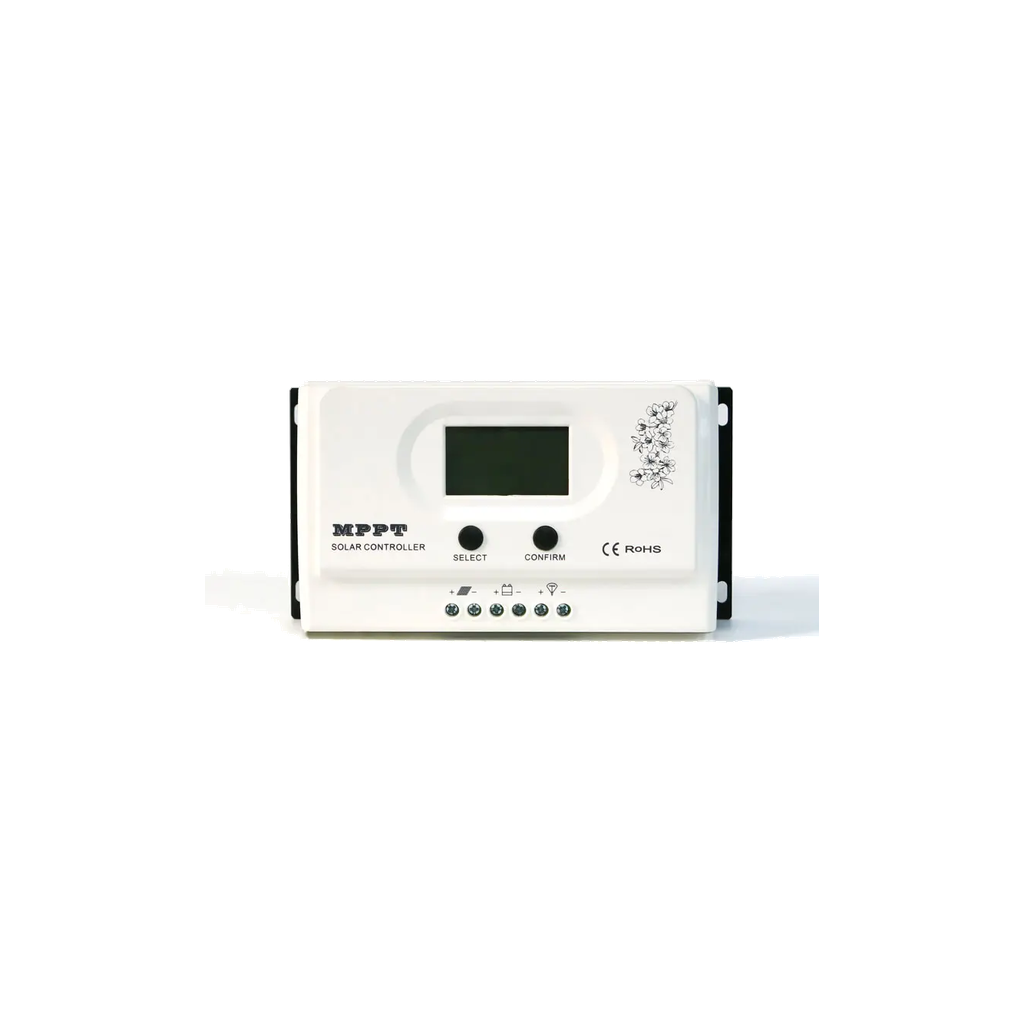
How to Choose the Right Solar Panel Regulator for Your Projects

How to Choose the Right Solar Panel Regulator for Your Projects

Selecting  the  appropriate solar panel regulator involves understanding both the technical specifications and the application context. Here are some considerations:

Application Requirements: Determine the specific application for the  solar energy system. Whether it’s for residential use, commercial  systems, or industrial applications, different scenarios may require different  regulators. For instance, using a Hybrid Solar Inverter can optimize energy usage.


System Size: Assess  the size of the solar power  system. Larger systems may need  regulators with higher voltage and current ratings. For example, residential systems typically require lower capacity regulators compared to large industrial systems.

Battery Compatibility: Ensure compatibility with the type of batteries in use, such as lead-acid or lithium-ion. Each  battery type has  different charging profiles,  which necessitate  specific regulator settings for optimal performance.

Environmental Conditions: Consider the operating environment. If the system is placed  in extreme weather, choose regulators designed to withstand those conditions. For instance, regulators used in coastal areas should have corrosion-resistant materials.

Customization Needs: If your project has  unique requirements,  inquire about customization options. A reputable supplier may offer tailored solutions to meet specific needs, enhancing the system's  overall efficiency.

By thoroughly evaluating these  factors, buyers can  select the right solar panel regulator that will ensure reliable performance and  longevity in their solar energy systems.
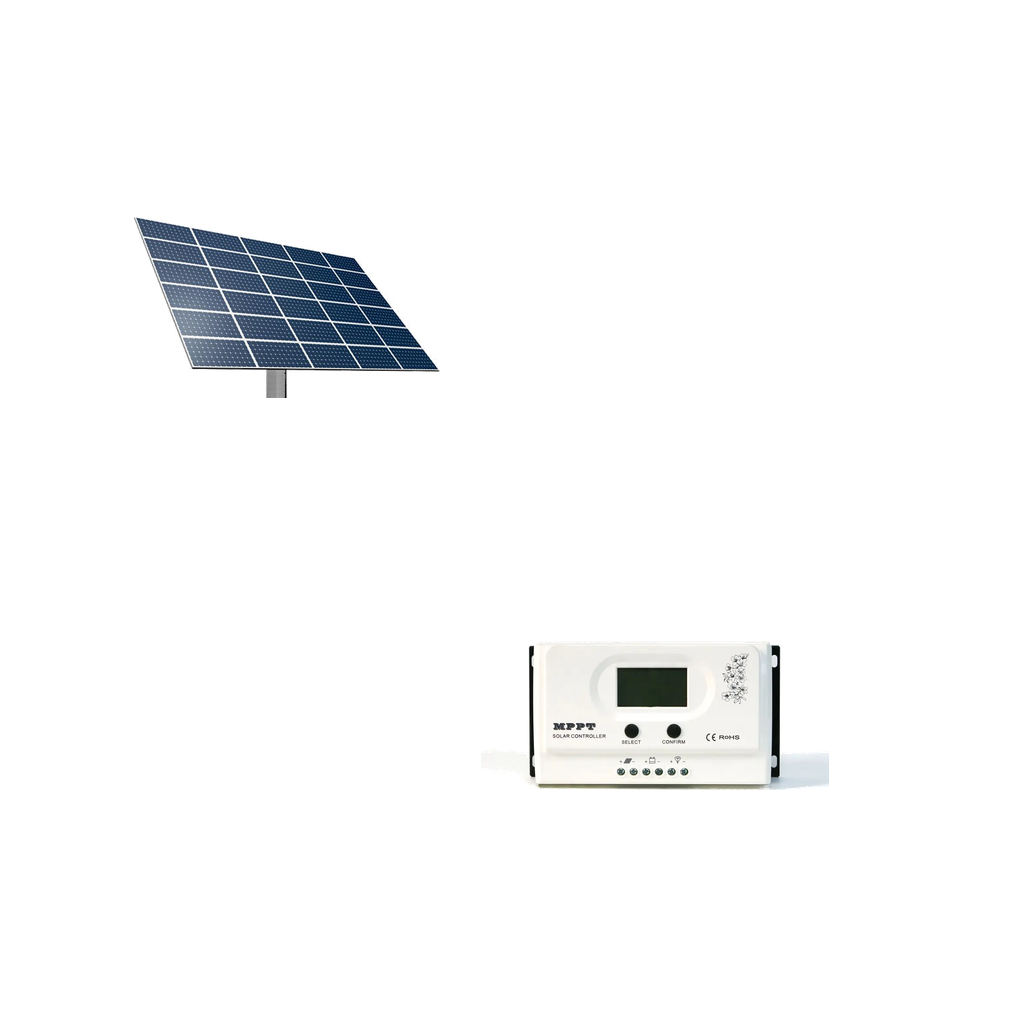
Reliable Suppliers of Solar Panel Regulators

Reliable Suppliers of Solar Panel Regulators

Finding a trustworthy  supplier for solar panel regulators is crucial  for ensuring product quality  and support. Here are some tips for identifying reliable suppliers:

Industry Experience: Look for suppliers with a proven track record in manufacturing  solar products. Companies like Zhejiang Jyins Electrical Co., LTD, established  in 1993, offer years of experience and  expertise in producing high-quality off-grid solar products.

Certifications: Suppliers should have relevant certifications that demonstrate compliance with international  quality standards.  These certifications can provide assurance of product reliability and safety.


Customer  Reviews and Testimonials: Research feedback from previous customers to  gauge  the supplier's reliability and customer service. Positive reviews can  indicate a supplier’s ability to meet  delivery schedules and product specifications.

Technical Support: A  good supplier should provide technical support and guidance during  the selection and installation processes. This can be invaluable, especially for complex projects.

Customization Options: Ensure that the supplier can accommodate specific project needs, such as custom specifications or packaging solutions.

By  focusing on these criteria, buyers  can establish partnerships with  suppliers that consistently deliver  quality solar panel regulators.

Common Problems with Solar Panel Regulators and Effective Solutions

Common Problems with Solar Panel Regulators and Effective Solutions

While solar panel regulators are designed to enhance system performance, they can encounter various issues. Understanding  these potential problems and their  solutions is essential for maintaining  system efficiency:

Overcharging  Batteries: If a regulator fails to limit  voltage correctly, it can lead to battery overcharging, reducing battery life. Ensure the regulator has a  reliable voltage regulation mechanism and regularly monitor battery health.

Inadequate Current Handling: Using a regulator that cannot handle  the system's  current can lead to overheating and failure. Always select regulators with sufficient current ratings based on your solar array output.

Poor Connections: Faulty wiring or poor connections can cause voltage drops or complete system failure. Regular inspection and maintenance  of connections  are crucial to ensure reliable operation.

Environmental Damage: Regulators exposed to harsh conditions may  face corrosion or physical damage. Using weatherproof and corrosion-resistant models can mitigate these  risks.

Malfunctioning Components: Over time, internal components can fail due to  wear and tear. Having a  clear warranty and support  policy from the supplier helps in addressing these issues promptly.


By being aware of these common  problems and implementing  preventive measures, buyers can ensure their solar  panel regulators operate effectively  over their intended lifespan.

Exploring Applications of Solar Panel Regulators in Various Industries

Solar panel  regulators are utilized across a variety of industries, each with unique requirements and applications. Key sectors include:

Residential Solar Systems: In homes, solar panel regulators  manage the energy produced by solar panels, ensuring efficient charging of batteries while preventing overcharging.

Commercial and  Industrial Applications: Larger systems, such as those  used in factories or commercial buildings, require robust regulators capable of handling higher voltages and currents  while providing  efficiency and reliability.

Remote Power Solutions: In off-grid applications,  such as remote cabins or telecommunications equipment, solar  panel regulators play a critical role  in ensuring consistent power supply and battery management.

Transportation: Solar panel regulators are increasingly used in electric  vehicles and marine applications, where they manage energy from solar panels  to maintain  battery health and  system efficiency.

Agricultural Systems: In agriculture, solar energy can power irrigation systems and  sensors. Regulators help manage energy input and battery charging, enhancing operational  efficiency.

Understanding these applications allows buyers to appreciate the versatility of  solar panel regulators and their  importance in various  industries,  helping them make informed  decisions about their solar energy solutions.

Understanding Solar Panel Regulator Specifications for Bulk Orders

When placing bulk orders for solar panel regulators, it’s vital to consider  several specifications that  influence performance and compatibility. Key specifications include:

Voltage  Rating: This defines the range of input  and  output voltages the regulator  can handle.  Ensure that the voltage ratings  match your solar panels  and battery systems to avoid damage or inefficiency.


Current Capacity: Measured in amperes (A), this specification indicates the maximum current the regulator can manage. It should align with the expected solar array output to  ensure optimal performance.

Efficiency: The efficiency  rating of a solar panel regulator indicates how much energy is lost during  the regulation process. Higher efficiency ratings result in better  energy retention and lower operational costs.

Protection Features: Look for features such as over-voltage protection, over-current protection, and thermal shutdown capabilities. These features enhance the longevity and reliability of the regulator.


Material and Build Quality: The  materials used can affect durability and performance, particularly in harsh environments. Consider regulators with robust enclosures that can withstand moisture, dust, and  extreme temperatures.

Understanding these specifications helps in selecting the right product that fits specific applications and operational requirements while also  ensuring  compliance with international quality standards like ISO9000, which Zhejiang Jyins Electrical Co., LTD adheres to.


Our Blog Posts

The Impact of Waveform Quality in Power frequency inverters

14

May

The Impact of Waveform Quality in Power frequency inverters

Waveform quality in power frequency inverters are important topic for anyone who into how electricity get made and used. Inverters change DC to AC, and this need because most appliances run on AC power. The waveform they make can affect devices alot,...
View More
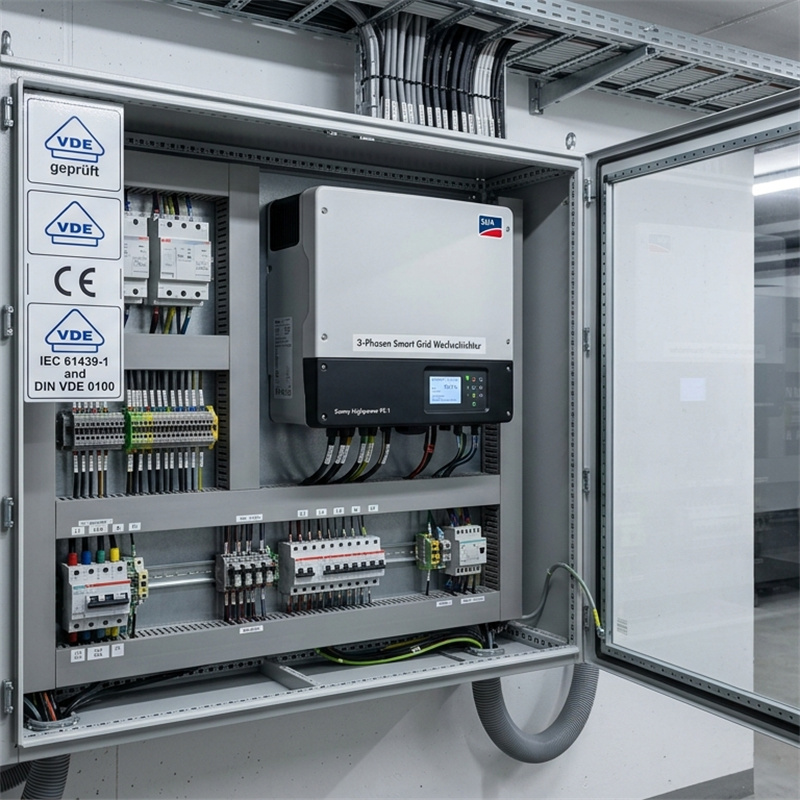
How to manage 'Three-Phase Unbalance' limits in German VDE-AR-N 4105 compliant industrial setups?

24

Jun

How to manage 'Three-Phase Unbalance' limits in German VDE-AR-N 4105 compliant industrial setups?

The German Low-Voltage Grid Standard: VDE-AR-N 4105 Germany is home to one of the most sophisticated and highly regulated electricity networks in the world. As the country pushes toward its Energiewende (energy transition), the integration of distrib...
View More
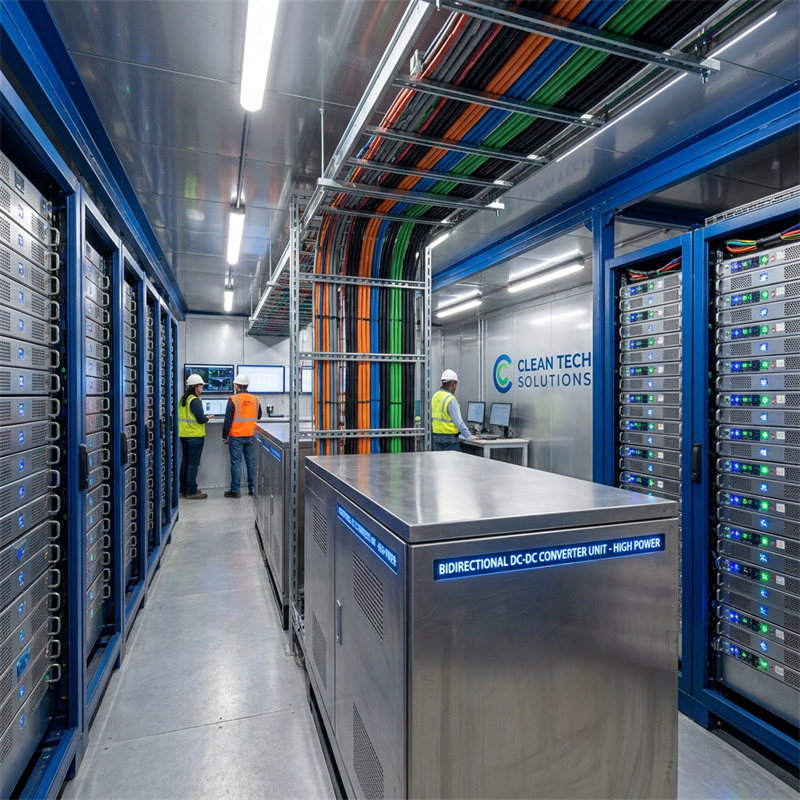
Why Bidirectional DC-DC Converters are the Core of Next-Generation Battery Energy Storage Systems (BESS)

24

Jun

Why Bidirectional DC-DC Converters are the Core of Next-Generation Battery Energy Storage Systems (BESS)

Introduction: The Rapid Scalification of Battery Energy Storage As the global electrical grid transitions toward decentralized renewable energy sources like solar and wind, the need for high-capacity Battery Energy Storage Systems (BESS) has skyrocke...
View More
Inverter requirements for Mobile Satellite Communication Units: Minimizing EMI/RFI noise.

25

Jun

Inverter requirements for Mobile Satellite Communication Units: Minimizing EMI/RFI noise.

Q: Inverter requirements for Mobile Satellite Communication Units: Minimizing EMI/RFI noise. Introduction: The Critical Challenge of Powering Mobile SatCom Units Mobile Satellite Communication Units, including emergency command vehicles, outside broa...
View More

Get a Free Quote

Our representative will contact you soon.
Email
Mobile
Name
Company Name
Products of Interest
Message
0/1000
Solar Panel Regulator Specifications for Buyers

Get a Free Quote

Our representative will contact you soon.
Email
Mobile
Name
Company Name
Products of Interest
Message
0/1000