Essential Guide to MPPT Controllers for Solar Systems

Get a Free Quote

Our representative will contact you soon.
Email
Mobile
Name
Company Name
Products of Interest
Message
0/1000

mppt controller

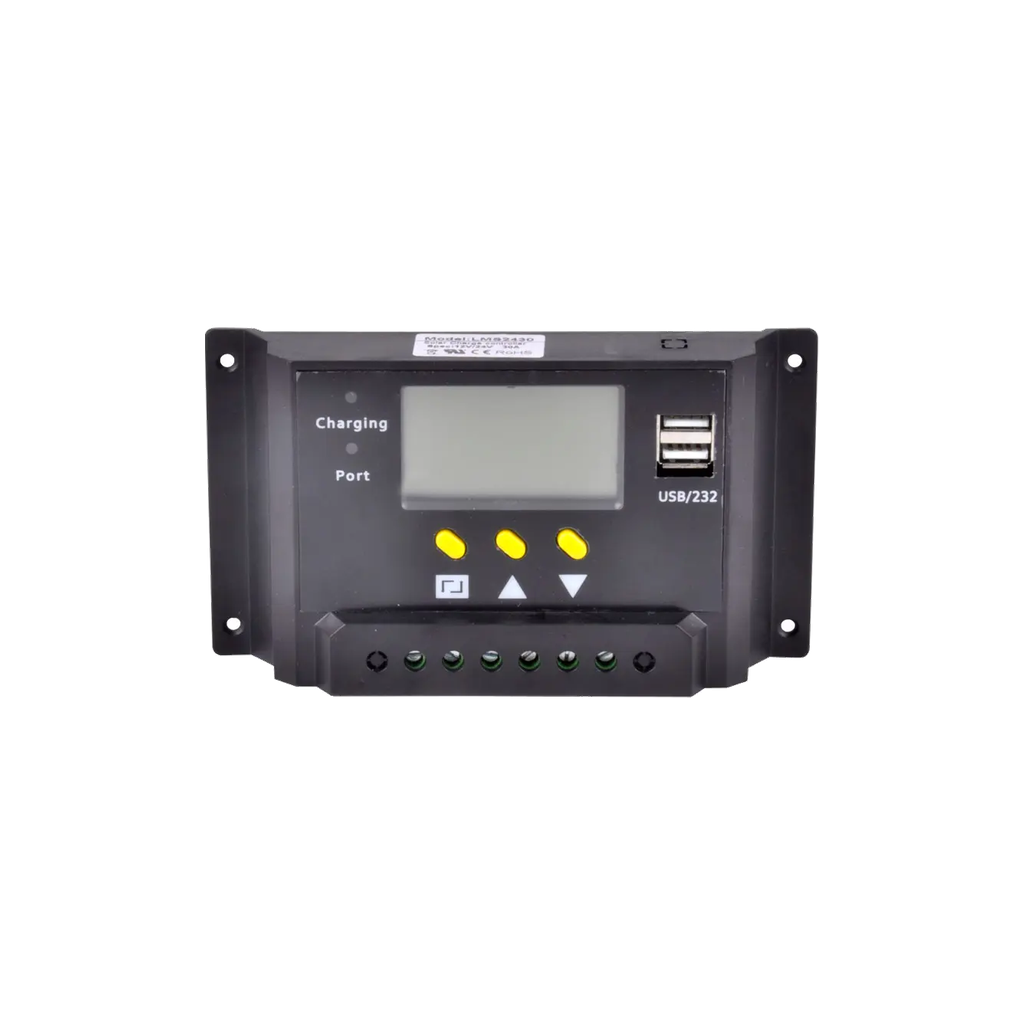
The MPPT (Maximum Power Point Tracking) controller is an  essential component  in  off-grid  solar power  systems, optimizing the energy harvested from solar  panels. For procurement  professionals,  understanding  the intricacies  of MPPT controllers is  crucial to ensure they meet specific operational needs and quality standards. This article addresses key  specifications, common installation challenges, important factors to consider, and guidance for  finding  reliable  suppliers, all aimed  at enhancing your  purchasing  decisions in the realm  of  solar energy solutions.
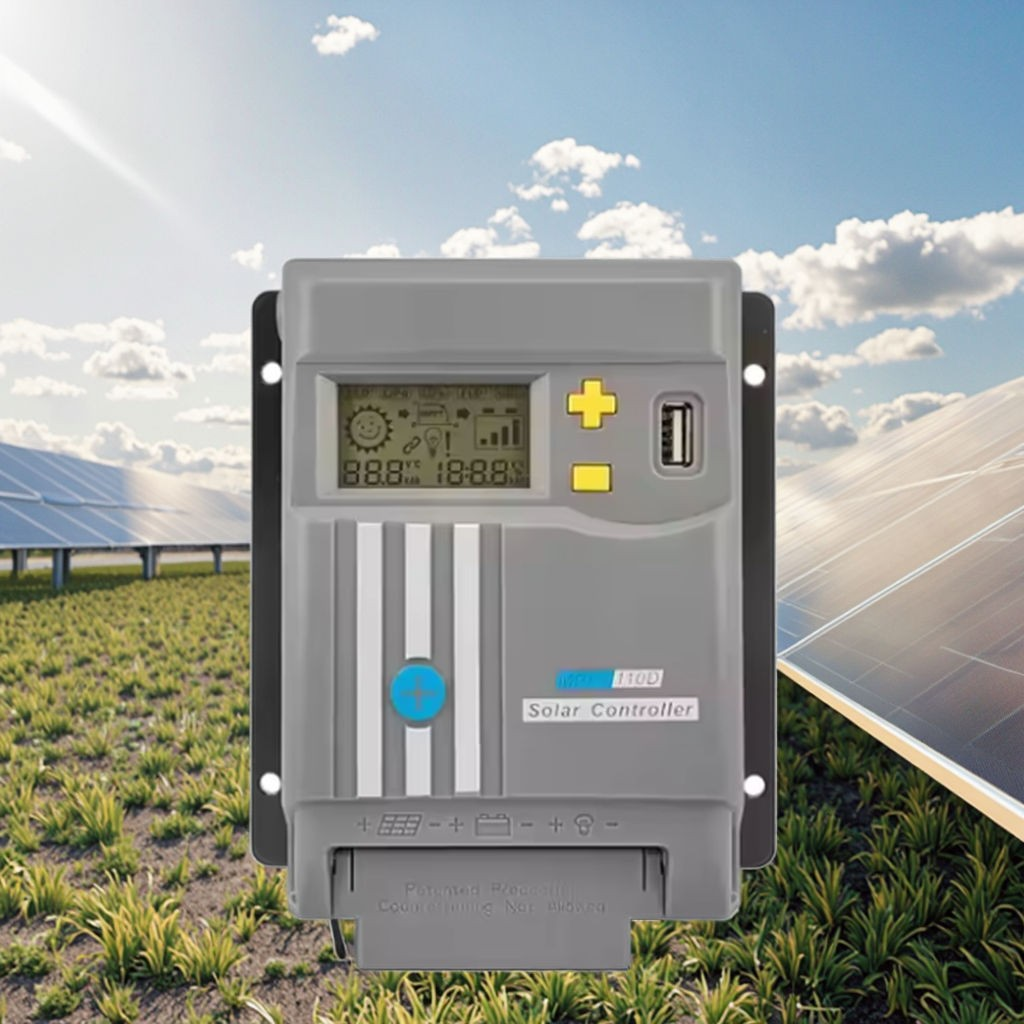
Common Installation Challenges with MPPT Controllers and Solutions

Common Installation Challenges with MPPT Controllers and Solutions

Installation of MPPT controllers can present several challenges that may  hinder optimal performance. Here are common issues and practical solutions:

Wiring Errors: Incorrect wiring can lead to system failures or inefficiencies.  To avoid this,  always follow the manufacturer’s wiring diagram meticulously and double-check connections before  powering  on the system.


Location and Ventilation: MPPT controllers generate heat during operation. Installing them in poorly ventilated areas can lead to overheating. Ensure that controllers are installed  in a cool, dry, and well-ventilated space  to maintain optimal operating temperature.

Compatibility with Existing Systems: Buyers often overlook  compatibility with existing solar setups or battery  systems.  Before installation, verify that the MPPT controller is compatible with other components, including the type of batteries used and the solar panel specifications. It might be beneficial to consider using a Battery Charger that works seamlessly with your setup.

Firmware Updates: Some  controllers  may require firmware updates to ensure they operate with the latest features and improvements. Regularly check for updates and follow manufacturer guidance  for installation.

Grounding Issues: Proper grounding is essential for  the safety and functionality of any electrical system. Ensure that the controller and all associated components are  correctly grounded  according to local electrical codes.

Addressing these challenges during  installation can enhance the reliability and  efficiency of your solar energy system.
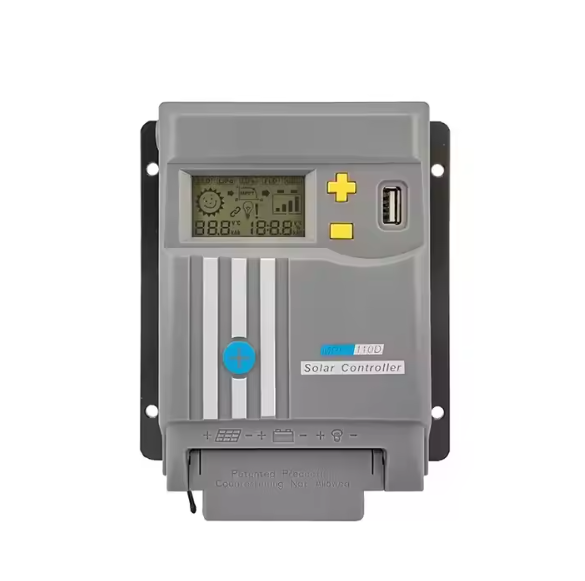
What to Look For

What to Look For

When evaluating MPPT controllers,  consider the  following aspects to make an informed purchasing decision:

Brand Reputation: Opt for reputable brands known for quality  and reliability. Research  customer  reviews and seek recommendations from  industry peers to gauge satisfaction.

Warranty and Support:  A robust warranty and responsive customer support  are indicators of a reliable manufacturer. Ensure the supplier  offers adequate  post-purchase support, which can be critical in resolving any operational issues.

Customization Options: Depending on specific project needs, inquire about customization capabilities. Some manufacturers offer tailored solutions that can enhance  system compatibility and efficiency.

Compliance with Standards: Ensure the  MPPT controller complies with international standards such as ISO9001. This compliance often indicates a  commitment to quality and reliable  performance.

Pricing and MOQ: Understand the pricing structure and minimum  order quantity (MOQ) requirements. This information will help in budget planning and ensure that  your procurement aligns  with financial constraints.

By focusing on these considerations, buyers can select  MPPT  controllers that not only  fit their technical requirements but also align with their business goals.

Where to Find Reliable Suppliers of MPPT Controllers for Your Business

Where to Find Reliable Suppliers of MPPT Controllers for Your Business

Finding trustworthy suppliers for MPPT controllers  involves thorough research and evaluation. Here are steps to  help you identify reliable manufacturers:

Industry  Directories  and Trade Shows: Utilize industry directories and attend  trade shows related  to solar energy and electronics.  These  platforms provide direct access to reputable manufacturers and  the  opportunity to engage in face-to-face discussions.

Online Marketplaces: Platforms such as Alibaba or Global Sources can connect you with a variety of suppliers. However, due diligence is required; verify supplier ratings, reviews, and product certifications  before proceeding with any transactions.

Professional Networks: Leverage  connections within the industry to get recommendations for reliable suppliers. Networking can often lead to finding manufacturers that are not  as visible online but offer exceptional quality and service.

Request Samples: Before committing to a larger order, request samples from potential  suppliers. Testing these samples can provide insight into product quality and help  assess whether they meet your specifications.

Evaluate Export Experience: If  you are importing MPPT controllers, ensure that the  supplier has experience in international shipping and understands the relevant customs regulations.  This can mitigate potential delays and  complications.

By following these steps, professionals can identify suppliers that align with  their quality standards and operational needs.

A Guide for Importers and Contractors

For importers  and contractors involved  in sourcing  MPPT controllers, understanding the import process and contractual obligations is essential. Here’s  a practical guide:


Documentation Requirements: Familiarize yourself with the necessary documentation for importing  electronic components, including commercial invoices, packing  lists,  and certificates of origin. Ensure all paperwork is accurate to avoid customs  delays.

Quality Control Inspections: Implement a quality control process prior to shipment. This might include factory audits, product sampling, and performance testing to ensure that the controllers meet your specifications.


Shipping Terms and Logistics: Clearly define shipping terms, including delivery  timelines and responsibilities  for freight  costs. Understanding Incoterms can help  clarify these aspects  for both parties.

Payment Terms: Establish clear payment terms upfront to ensure mutual  understanding and avoid  disputes later.  Common arrangements include  deposits with the balance paid upon shipment or delivery.

After-Sales Support: Confirm the extent of after-sales support the supplier offers, including warranty details and technical assistance. Having access to support can be critical for  resolving issues post-installation.

By adhering to these guidelines, importers and contractors can streamline their procurement process and establish successful partnerships with suppliers of MPPT controllers.

Key Specifications to Evaluate When Sourcing MPPT Controllers

When sourcing MPPT controllers,  several key specifications must be evaluated to ensure compatibility and efficiency  in your solar  setup.

Input  Voltage Range: This specification indicates the range of input voltages the controller can handle. A wider range allows for greater flexibility in system design. Ensure the range aligns with your solar panel output under various conditions.

Maximum Output Current: This determines how much current the controller can deliver to the battery system. It’s critical  to select a controller that supports the maximum current generated by  your solar array.


Efficiency  Rating: Look for controllers with  high efficiency ratings, ideally above 95%. Higher efficiency translates  to more solar energy converted for use,  which is vital for maximizing system performance.

Temperature Range: Since solar installations often experience extreme temperatures, ensure the MPPT controller can operate effectively within the environmental conditions of your installation  site.

Protection Features: Over-voltage, over-current, and short-circuit protection  features are essential  to safeguard  both the controller and batteries from damage. Verify that these safety mechanisms are present and compliant with relevant standards.

Communication Options: Modern MPPT controllers often include communication capabilities (e.g., Bluetooth, Wi-Fi) for monitoring and control. This can  provide valuable real-time data for system performance and diagnostics.

By carefully evaluating these specifications,  buyers can select MPPT controllers that not only  meet their current needs but also adapt to future demands. Additionally, considering the integration of a Solar Inverter can enhance the overall efficiency of your solar system.

Our Blog Posts

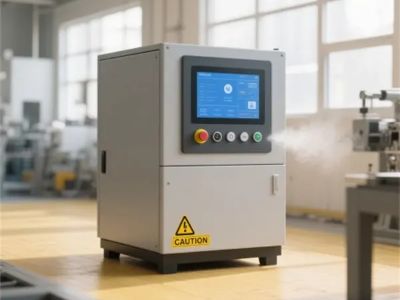
Why Industrial Hybrid inverters Require Robust Surge Protection

14

May

Why Industrial Hybrid inverters Require Robust Surge Protection

A industrial hybrid inverter, used as a key devices in the factory and huge building, can manage power from any source like a solar or grid power. But these inverter are easily affected by electric surge. The surge is defined as a sudden high voltage...
View More
Resolving 'Ghost Power Consumption' in standby mode for large-scale B2B inverter installations.

25

Jun

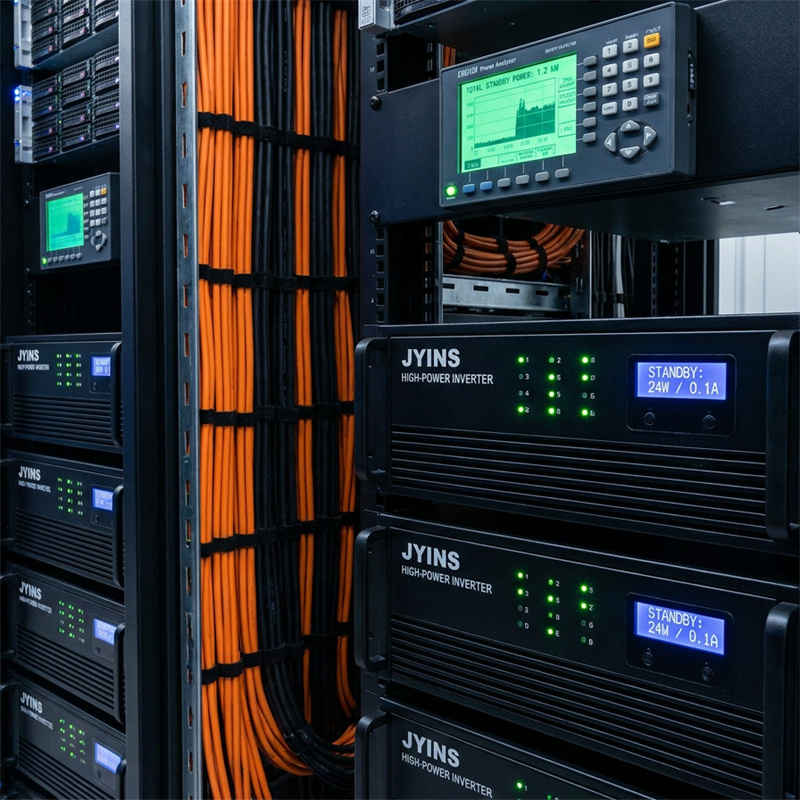
Resolving 'Ghost Power Consumption' in standby mode for large-scale B2B inverter installations.

Introduction to Inverter Standby Losses In large-scale commercial, industrial, and utility-scale battery energy storage systems (BESS), efficiency is calculated to the tenth of a percent. While a lot of attention is focused on the conversion efficien...
View More
Why is Aluminum Housing superior to Plastic for industrial inverter heat dissipation?

25

Jun

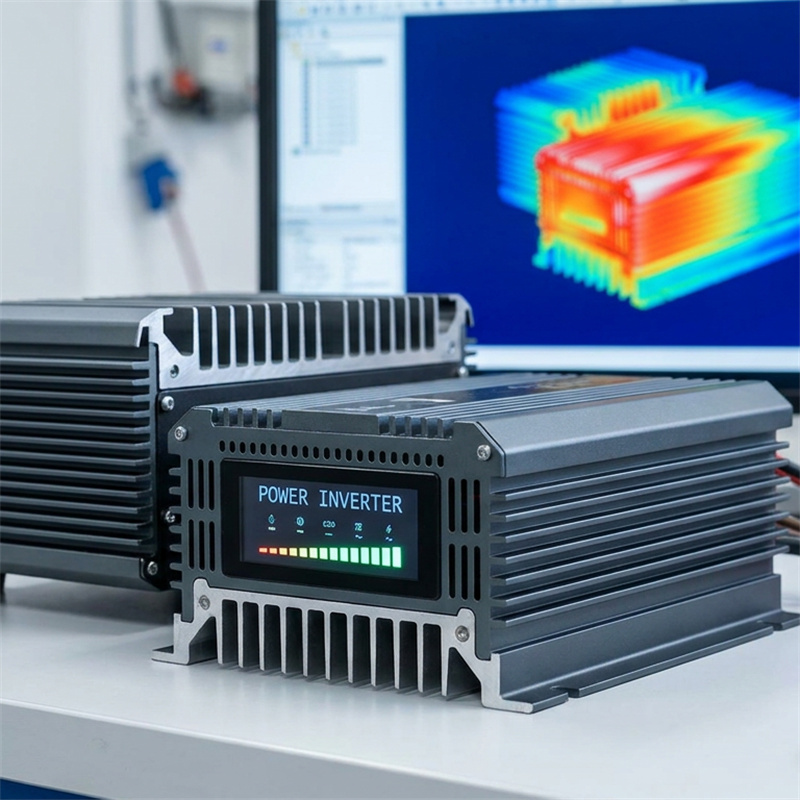
Why is Aluminum Housing superior to Plastic for industrial inverter heat dissipation?

Introduction: The Thermal Challenge in Power Electronics In the design and procurement of industrial power electronics, thermal management is not just an engineering preference; it is a critical determinant of product survival. Power inverters are hi...
View More
How to conduct a 'Stress Test' on sample inverters before placing high-volume OEM orders?

25

Jun

How to conduct a 'Stress Test' on sample inverters before placing high-volume OEM orders?

Introduction: The Capital Risk of High-Volume OEM Procurement For B2B procurement directors, electrical wholesalers, and solar system developers, placing a high-volume OEM (Original Equipment Manufacturer) order for power inverters represents a signi...
View More

Get a Free Quote

Our representative will contact you soon.
Email
Mobile
Name
Company Name
Products of Interest
Message
0/1000

Related product categories

Essential Guide to MPPT Controllers for Solar Systems

Get a Free Quote

Our representative will contact you soon.
Email
Mobile
Name
Company Name
Products of Interest
Message
0/1000