Choosing a 48V/60V/72V Portable Power Inverter

Get a Free Quote

Our representative will contact you soon.
Email
Mobile
Name
Company Name
Products of Interest
Message
0/1000

Car portable power inverter 48v/60v/72v Auto

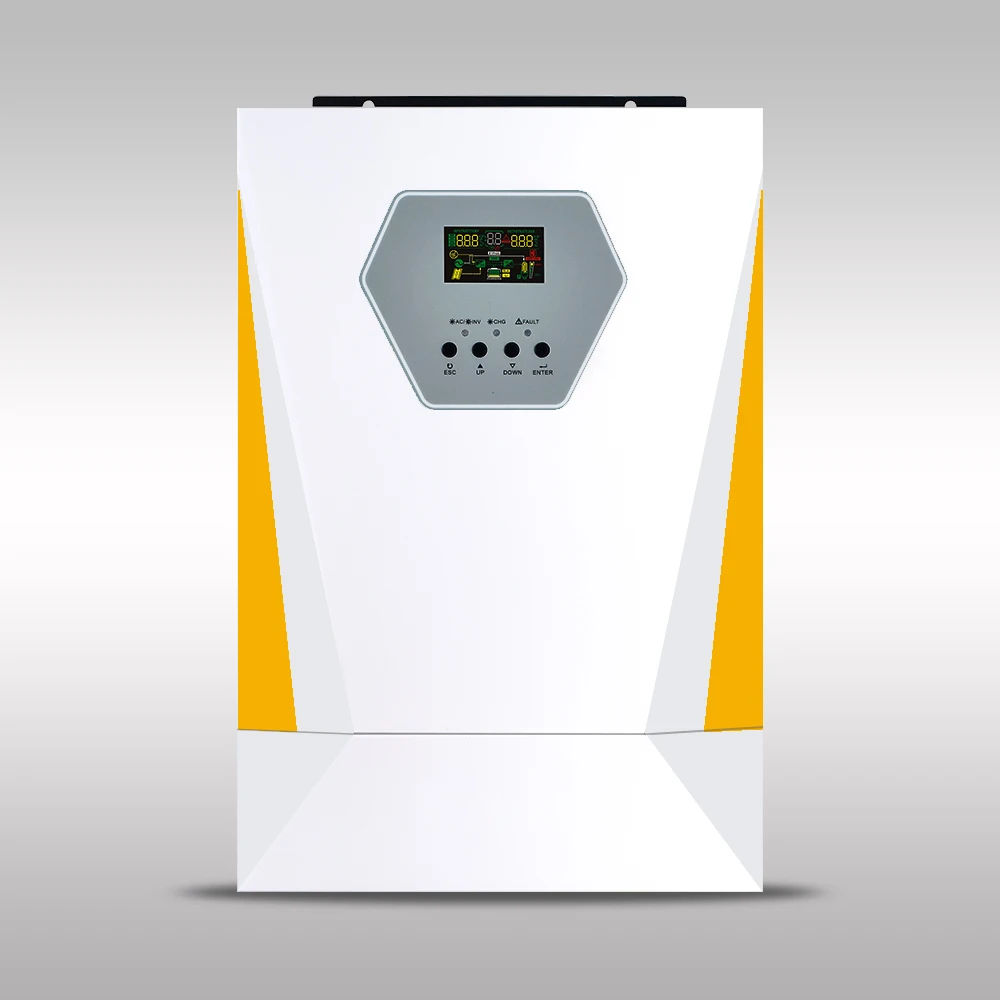
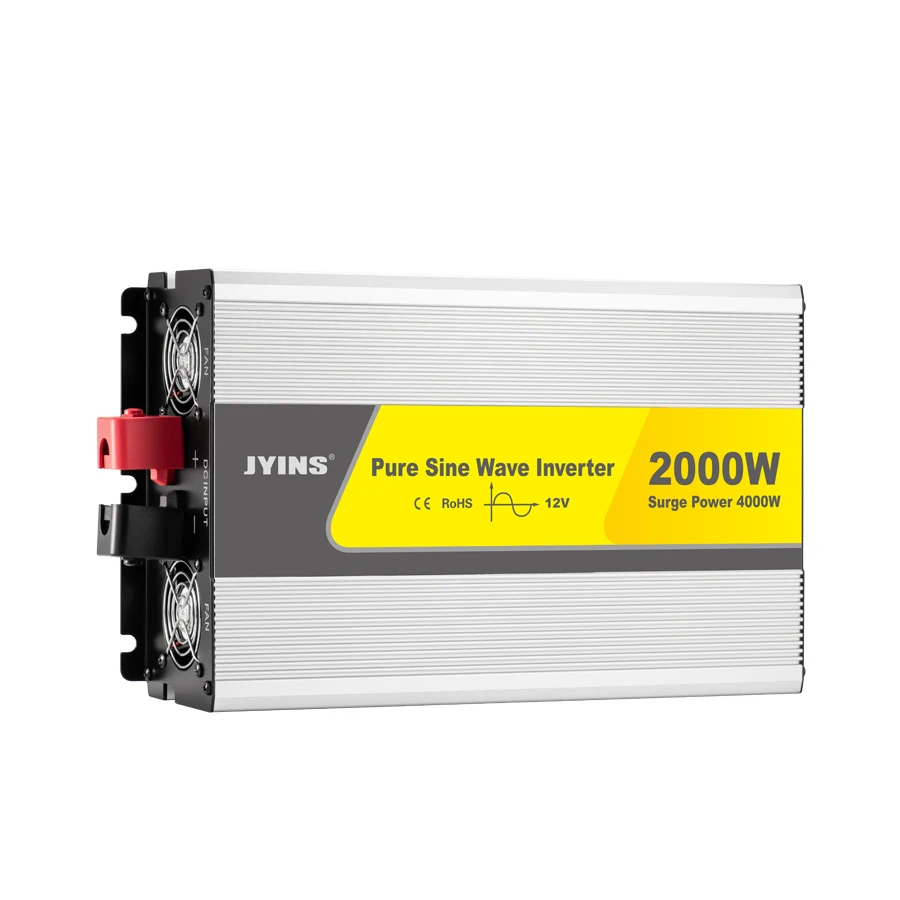
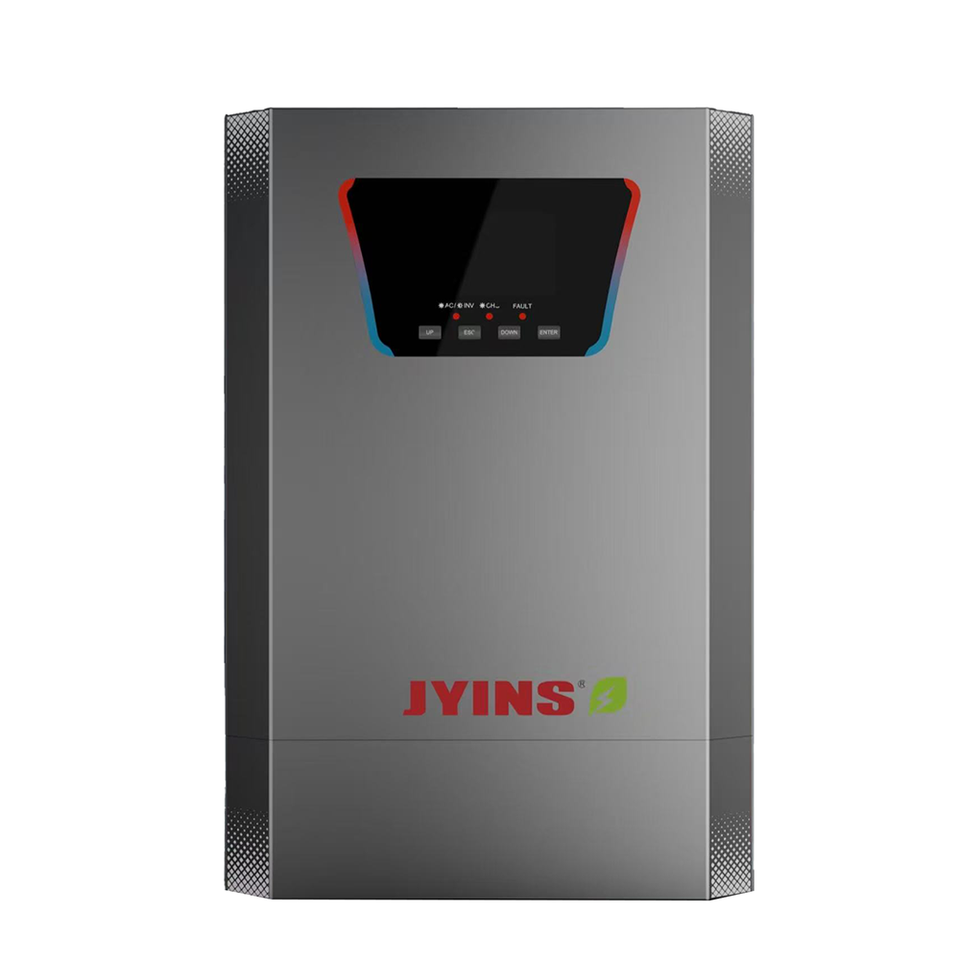
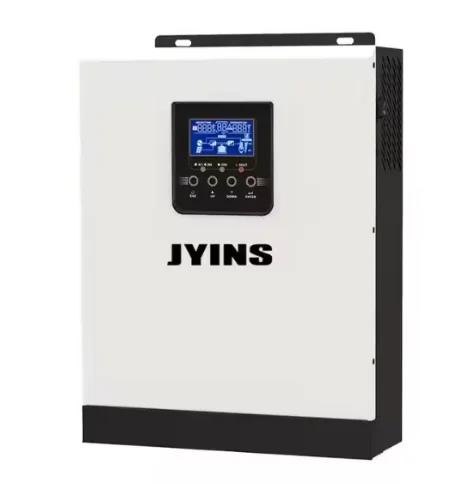
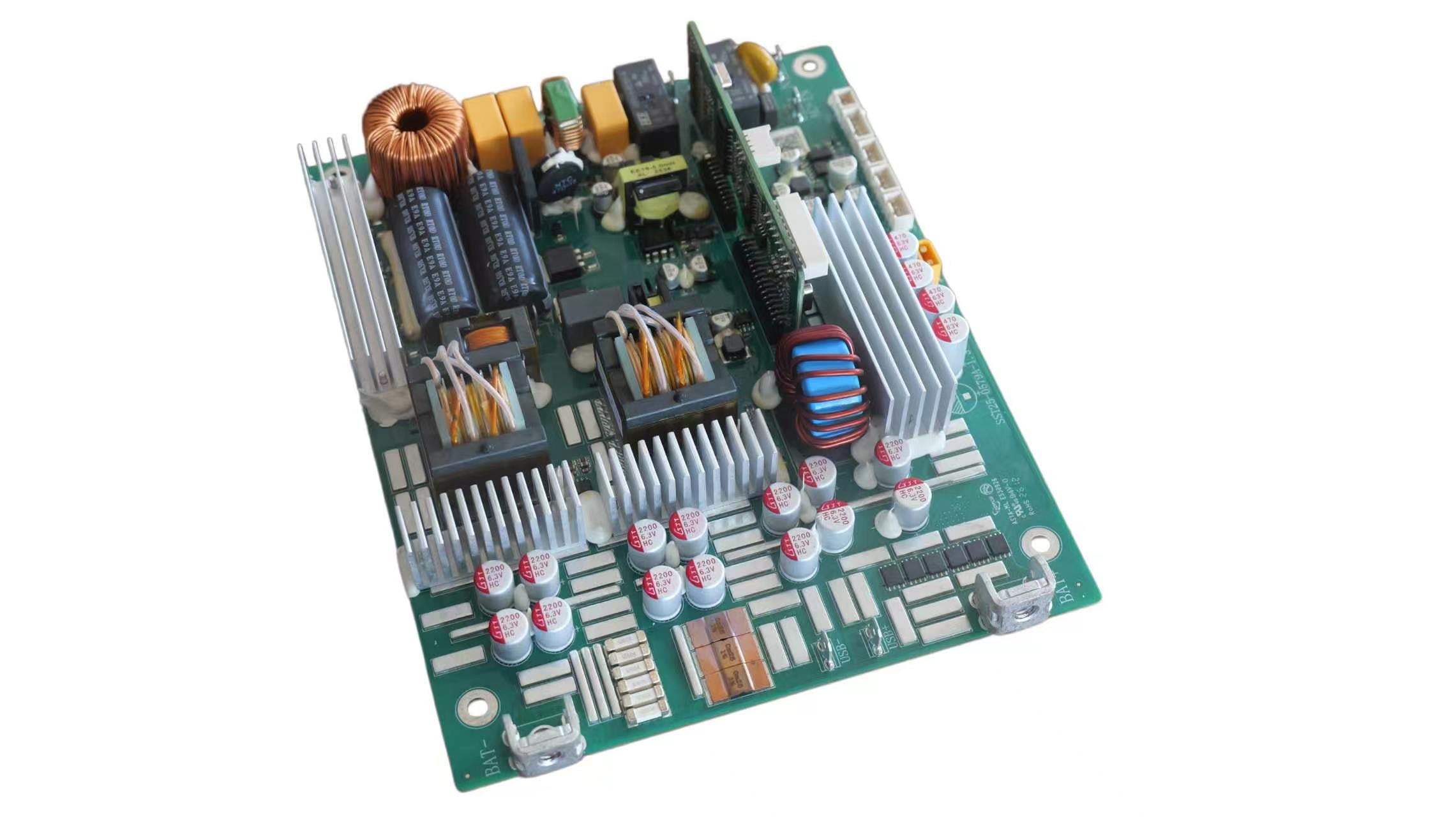
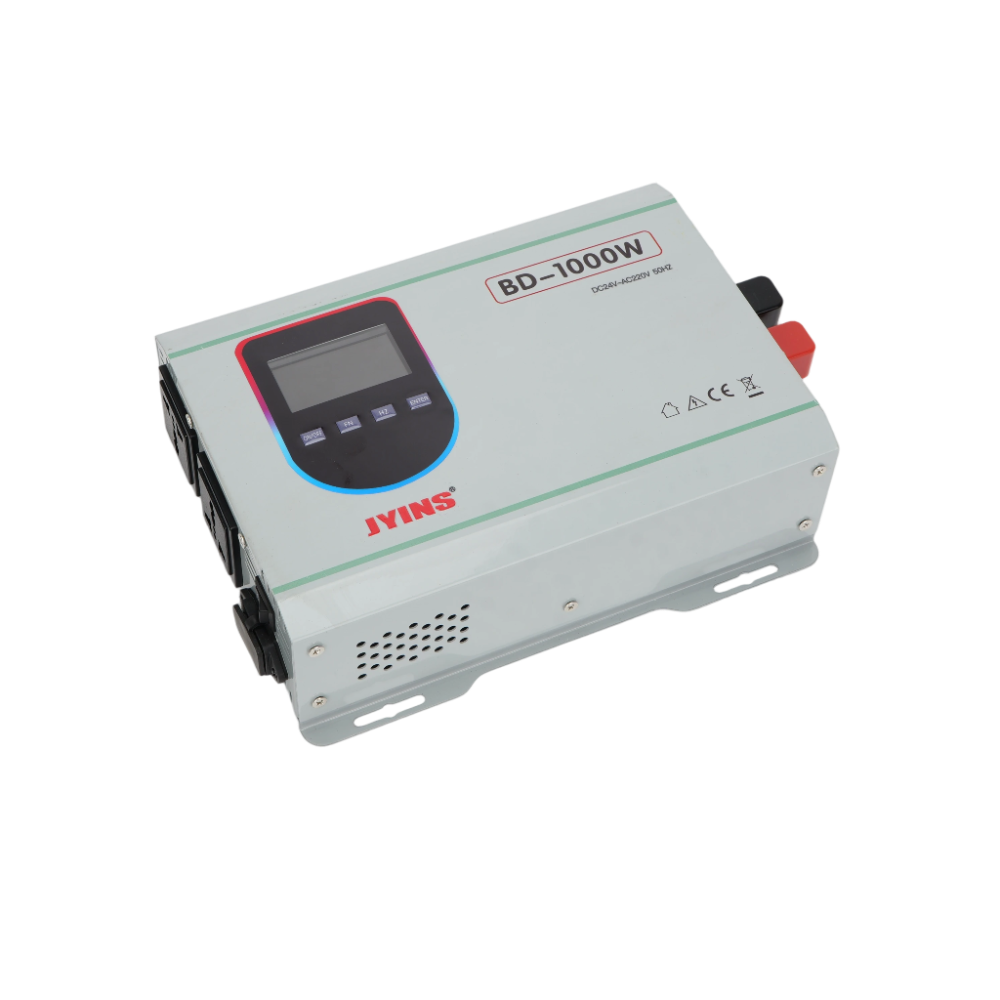
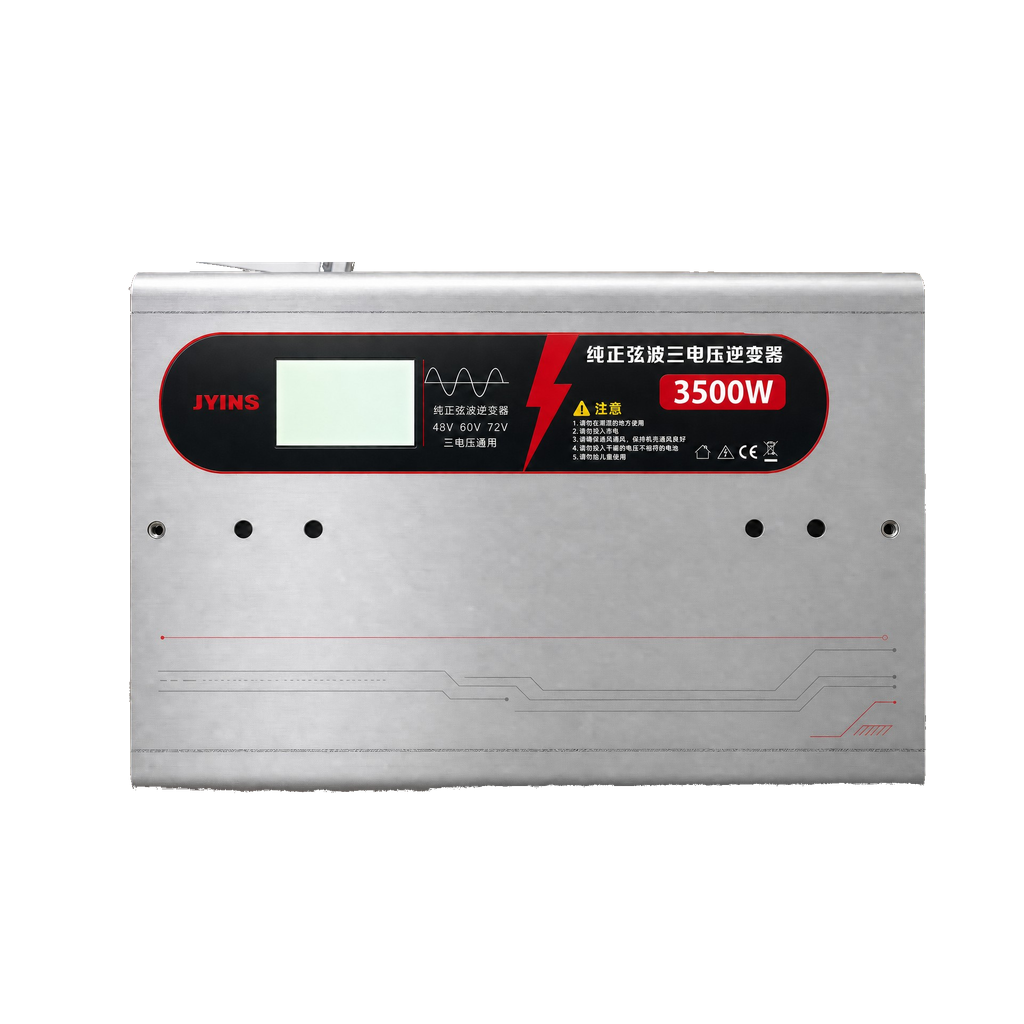
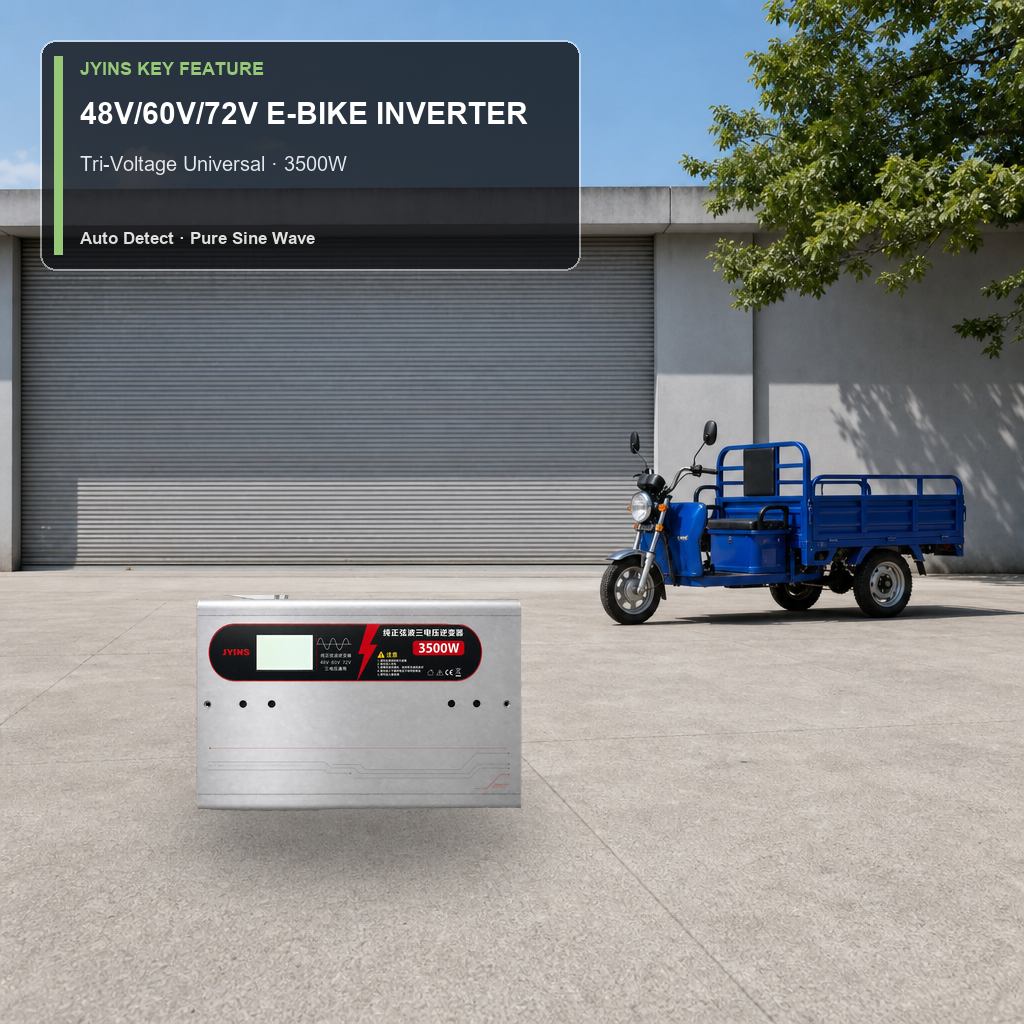
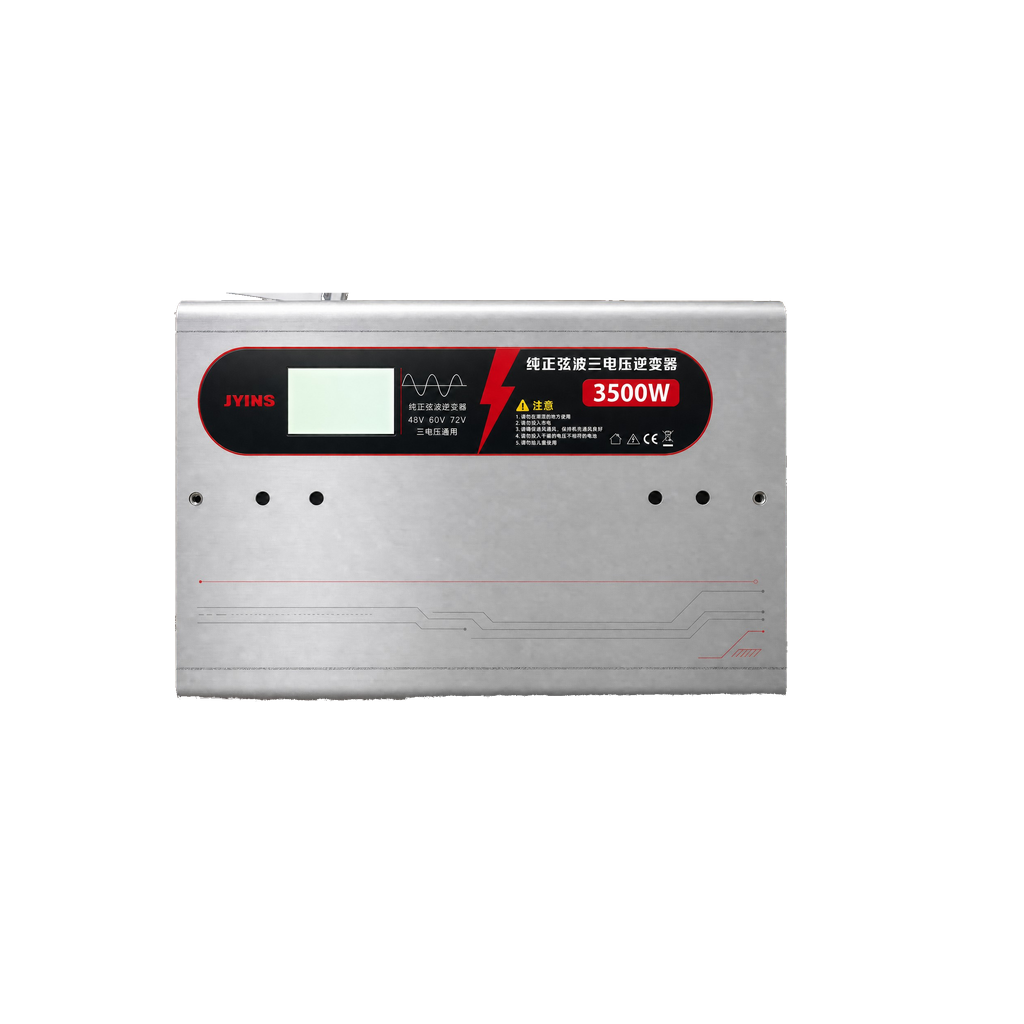
Portable power inverters are essential devices for converting DC power from batteries into usable AC power, particularly in automotive and off-grid applications. The car portable power inverter 48v/60v/72v Auto is crucial for users who require reliable energy solutions on the go be it for running tools,  charging devices, or powering appliances. As a purchasing manager or distributor, understanding the specifications, installation challenges, and supplier options for these inverters is vital to making informed decisions. This article will guide you through key considerations and insights into sourcing these power inverters effectively. 
Our Products

Where to Find Reliable Suppliers for Portable Power Inverters

Where to Find Reliable Suppliers for Portable Power Inverters

Finding reputable suppliers for portable power inverters involves researching manufacturers with a proven track record of quality and reliability. Start by exploring industry directories and trade shows related to electrical and automotive components. Engage with other professionals in your network to gather recommendations based on their experiences with suppliers. Look for suppliers that adhere to international standards, such as ISO 9000, which indicates a commitment to quality management systems. Companies like Zhejiang Jyins Electrical Co., LTD, known for their expertise in off-grid solar products and compliance with quality standards, can be valuable partners. Additionally, consider suppliers who offer customization options. This flexibility can be crucial for meeting specific application requirements. Evaluate their production capabilities and past customer feedback to gauge reliability and service quality. 
Common Installation Challenges with 48V/60V/72V Power Inverters

Common Installation Challenges with 48V/60V/72V Power Inverters

Installation of portable power inverters can present several challenges. One common issue is ensuring proper connections between the inverter and the power source. Mismatched cables or incorrect connections can lead to inefficiencies or even damage. It's essential to follow installation guidelines meticulously and, when in doubt, consult with the manufacturer for support. Another challenge is managing heat dissipation during operation. Inverters generate heat, and inadequate ventilation can lead to overheating, causing the device to shut down or fail. Ensuring proper airflow around the unit during installation can mitigate this risk. Additionally, users may encounter difficulties with mounting the car portable charger securely in their vehicle or workspace. Selecting an inverter with mounting options or accessories can simplify this process. Finally, familiarize yourself with the inverter's operating environment factors such as temperature extremes or moisture levels can affect performance. 

Bulk Order Benefits for Car Portable Power Inverters Explained

Bulk Order Benefits for Car Portable Power Inverters Explained

Purchasing portable power inverters in bulk can provide significant advantages, particularly in terms of cost and efficiency. One of the primary benefits is reduced pricing. Many manufacturers offer discounts for larger orders, which can lead to cost savings that enhance your profit margins if you're a distributor.  Bulk purchasing also streamlines the supply chain. By ordering larger quantities, you can ensure a consistent supply of inverters, reducing lead times and the risk of stockouts. This is especially important for businesses that rely on these portable solar inverter for ongoing projects or product offerings. Moreover,  bulk orders may provide opportunities for customization. Suppliers may be more willing to accommodate specific requirements such as branding,  packaging, or technical specifications when dealing with larger orders. This can enhance your product's marketability and align it more closely with customer needs. 

Expert Tips for Sourcing Wholesale Portable Power Inverters

Sourcing wholesale portable power inverters requires a strategic approach to ensure quality and reliability. Start by defining your requirements clearly this includes specifications such as voltage, wattage, and additional features needed for your application. Providing potential suppliers with detailed information will facilitate accurate quotations. When evaluating suppliers, request samples to assess product quality firsthand. This step is critical before placing large orders, as it allows you to verify performance, durability, and compliance with your specifications. Also, inquire about the supplier's quality control processes. Understanding how they ensure product quality throughout the manufacturing process can help mitigate risks associated with defects or performance issues. Consider establishing a relationship with suppliers that offer after-sales support. Access to technical assistance and warranty coverage can significantly enhance your purchasing experience and provide peace of mind for your customers. Lastly, keep an eye on industry trends. As technology evolves, new features and efficiencies in power inverters may emerge, affecting your sourcing strategy. Staying informed will help you make better purchasing decisions in a competitive market. By taking these considerations into account, you can effectively navigate the complexities of sourcing car portable power inverters and align your purchases with business goals.  

What to Consider When Choosing a 48V/60V/72V Portable Power Inverter

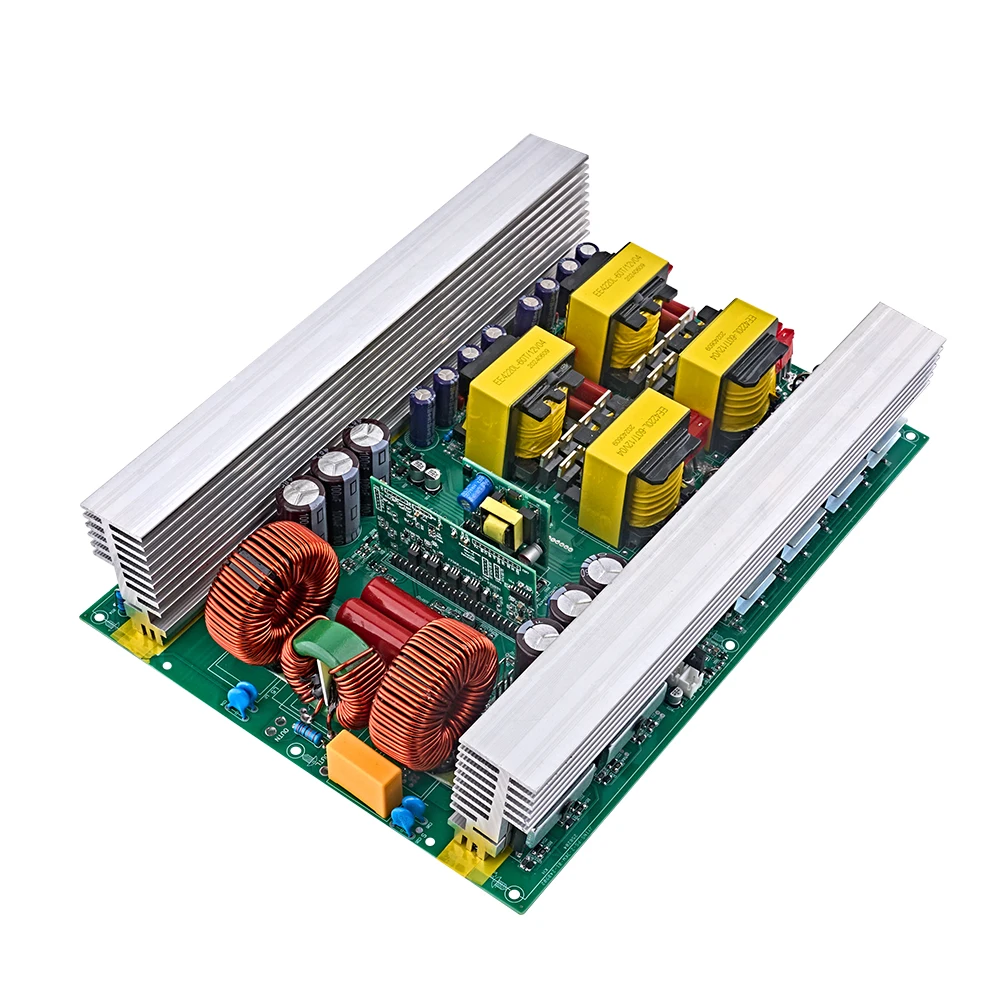
When selecting a portable power inverter, several specifications must be evaluated to ensure it meets your operational needs. First, consider the output wattage the inverter must provide sufficient power for all intended devices. For instance, a 48V inverter may suit various applications, but if you're using higher-wattage tools, you might need a 60V or 72V option. Efficiency ratings are another critical factor. Inverters with higher efficiency ratings reduce energy loss during the conversion process, which is particularly important for prolonged use. Additionally, look for battery charger for car portable with built-in safety features such as overload protection, short-circuit protection, and thermal shutdown to prevent damage to connected devices. Portability is also a significant consideration. Features like lightweight design and compact size are beneficial for automotive applications where space is limited. Lastly, verify the inverter's input specifications to ensure compatibility with your battery system, as mismatched voltages can lead to operational failures. 

Frequently Asked Questions

What vehicles are compatible with the 48V/60V/72V inverter?

The inverter supports vehicles and battery systems configured for 48V, 60V, or 72V DC setups, commonly found in electric cars, golf carts, and light EVs. Verify your vehicle's battery voltage before installation.
Output varies by model; typical units offer continuous AC power suited to small appliances and a higher short-term peak for startup loads. Check the specific product datasheet for exact continuous and surge ratings.
Built-in protections include overload, short circuit, over-temperature, input under/over-voltage, and reverse polarity safeguards, meeting ISO9000-aligned quality and safety practices.
Yes, when integrated with appropriate charge controllers and wiring, it supports off-grid solar setups and vehicle power distribution. Ensure system design matches the inverter's voltage and current specifications.
Products come with manufacturer warranty and technical support from an experienced team of engineers. Contact customer service with model and purchase details for warranty terms and assistance.

Our Blog Posts

Technical Comparison - Power frequency inverters vs high-frequency inverters

08

Apr

Technical Comparison - Power frequency inverters vs high-frequency inverters

Inverters is important device that change DC to AC. This need in home and factory's. Two main types: power frequency inverters and high-frequency ones. Both got their own plus and minus. Know these diff can help pick which one fit best for needs. Jyi...
View More
Engineering Bidirectional V2H Inverters for Modern Residential Microgrids

24

Jun

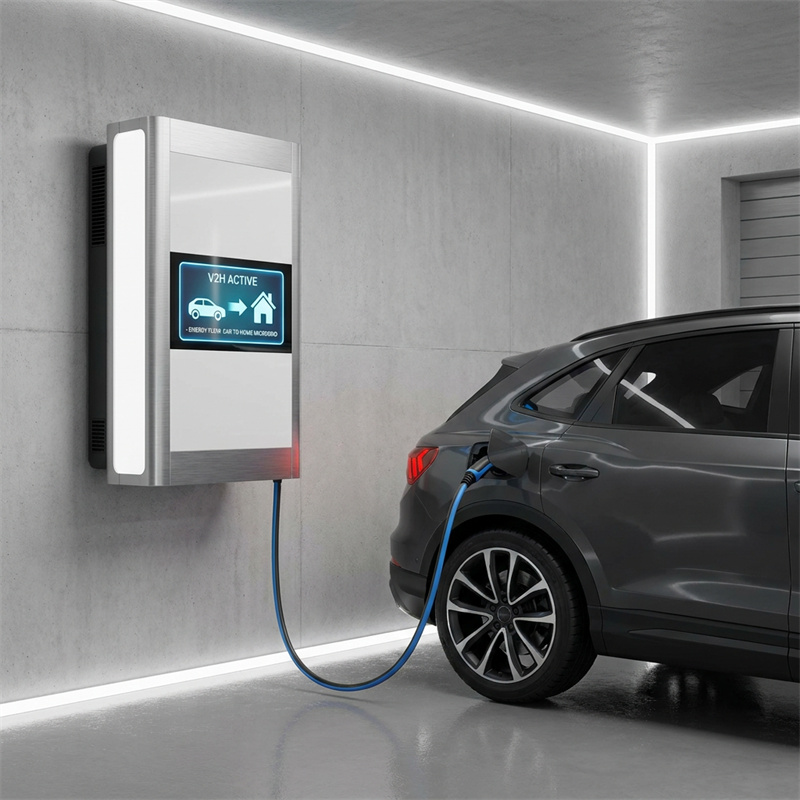
Engineering Bidirectional V2H Inverters for Modern Residential Microgrids

Introduction: The Rise of V2H in Residential Microgrid Architectures In the rapidly evolving landscape of residential energy management, future-tech architects and B2B housing project developers are moving beyond simple solar photovoltaic installatio...
View More
Integrating AI-Based Energy Forecasting APIs with Smart Hybrid Inverter Dashboards

24

Jun

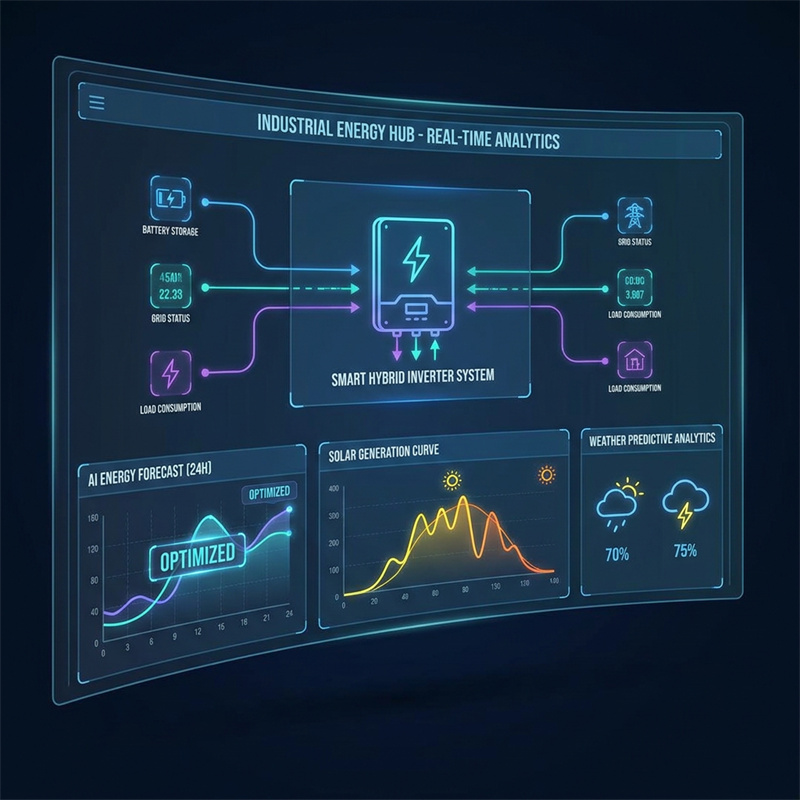
Integrating AI-Based Energy Forecasting APIs with Smart Hybrid Inverter Dashboards

Introduction: Moving from Passive Monitoring to Predictive Energy Management For commercial and industrial (C&I) business estates, luxury residential developments, and future-tech B2B park developers, energy management has entered a new phase of soph...
View More
How to optimize Inverter Efficiency Curves for variable load manufacturing facilities?

25

Jun

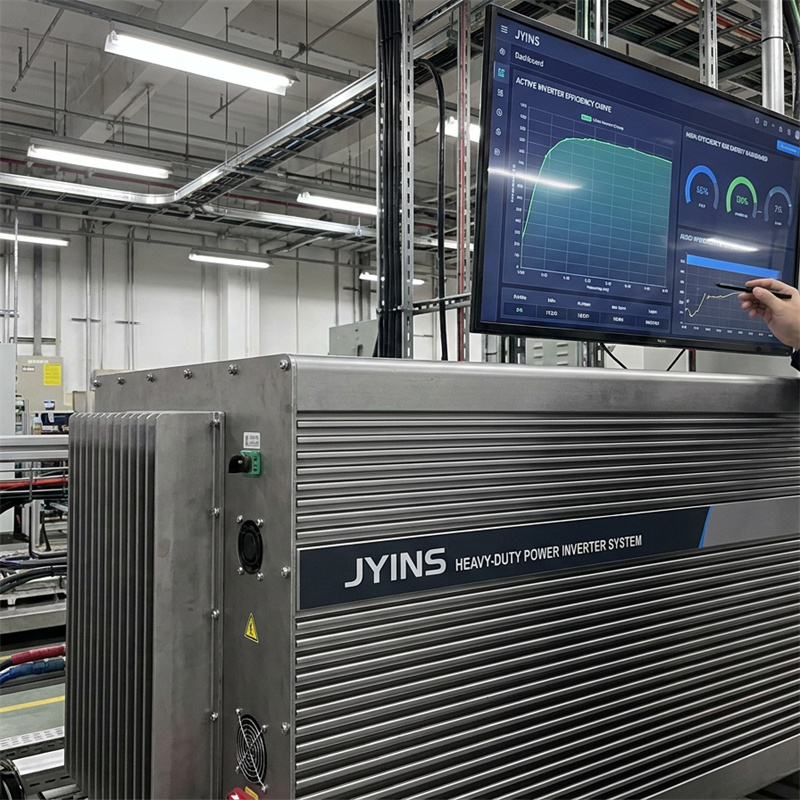
How to optimize Inverter Efficiency Curves for variable load manufacturing facilities?

Introduction to Manufacturing Power Dynamics Manufacturing facilities are characterized by highly dynamic and fluctuating electrical loads. Throughout a typical 24-hour cycle, power consumption spikes and sags as production lines start up, CNC machin...
View More

Get a Free Quote

Our representative will contact you soon.
Email
Mobile
Name
Company Name
Products of Interest
Message
0/1000

Related product categories

Choosing a 48V/60V/72V Portable Power Inverter

Get a Free Quote

Our representative will contact you soon.
Email
Mobile
Name
Company Name
Products of Interest
Message
0/1000