Best 48V/60V/72V Power Inverter for Vehicles

Get a Free Quote

Our representative will contact you soon.
Email
Mobile
Name
Company Name
Products of Interest
Message
0/1000

power inverter for vehicle 48v/60v/72v Auto

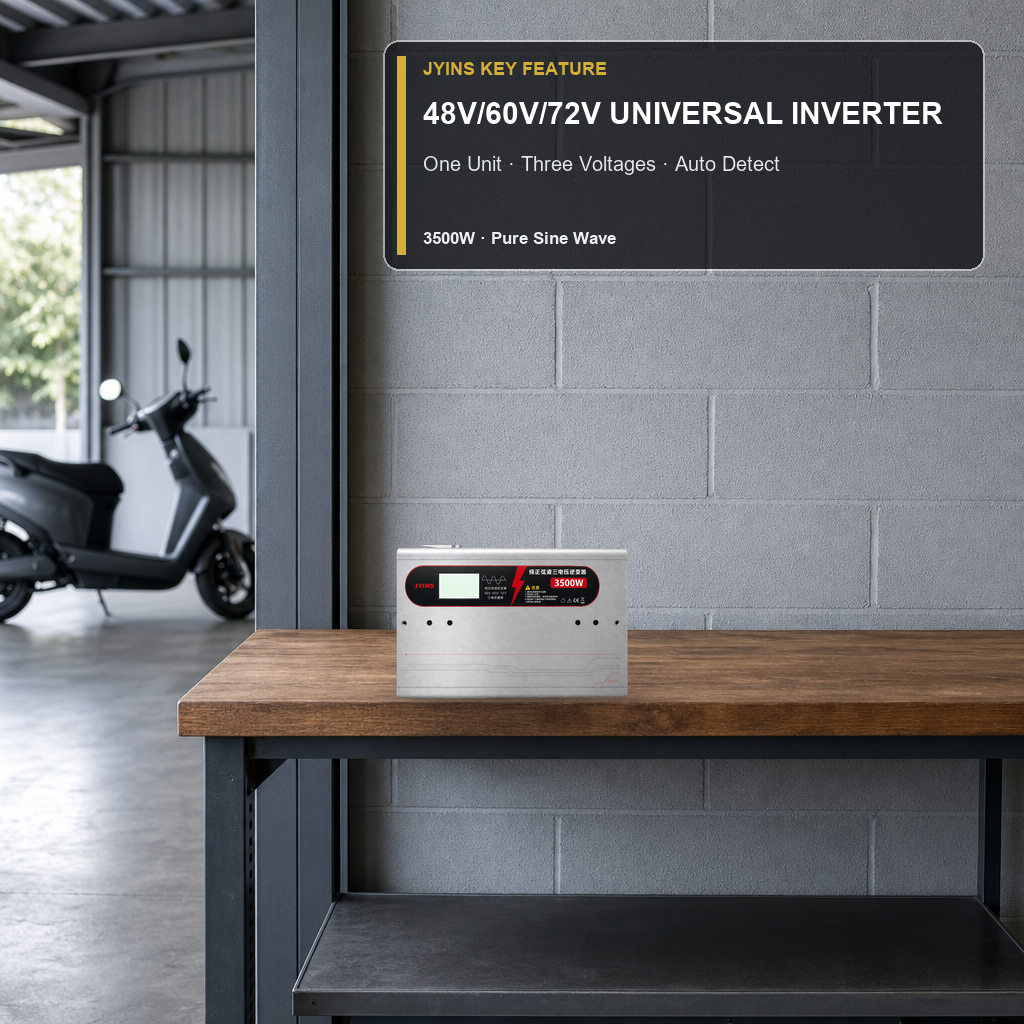
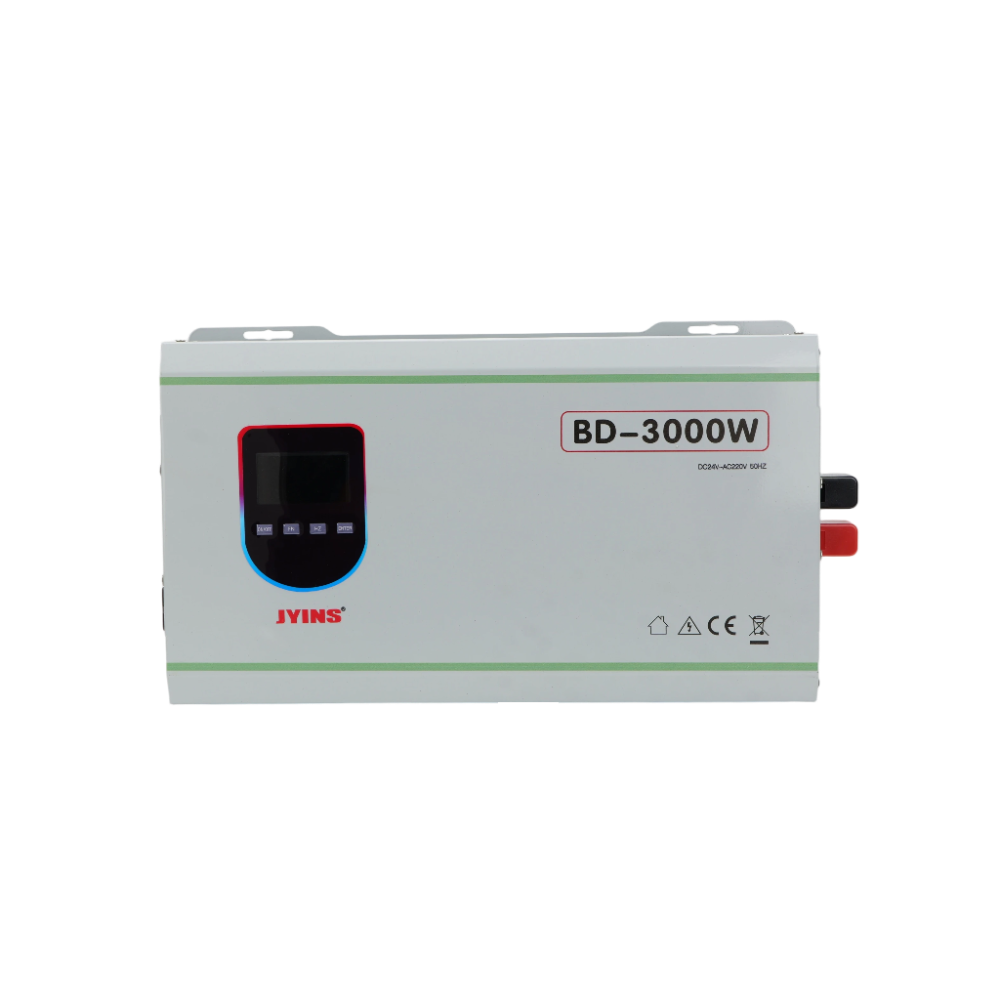
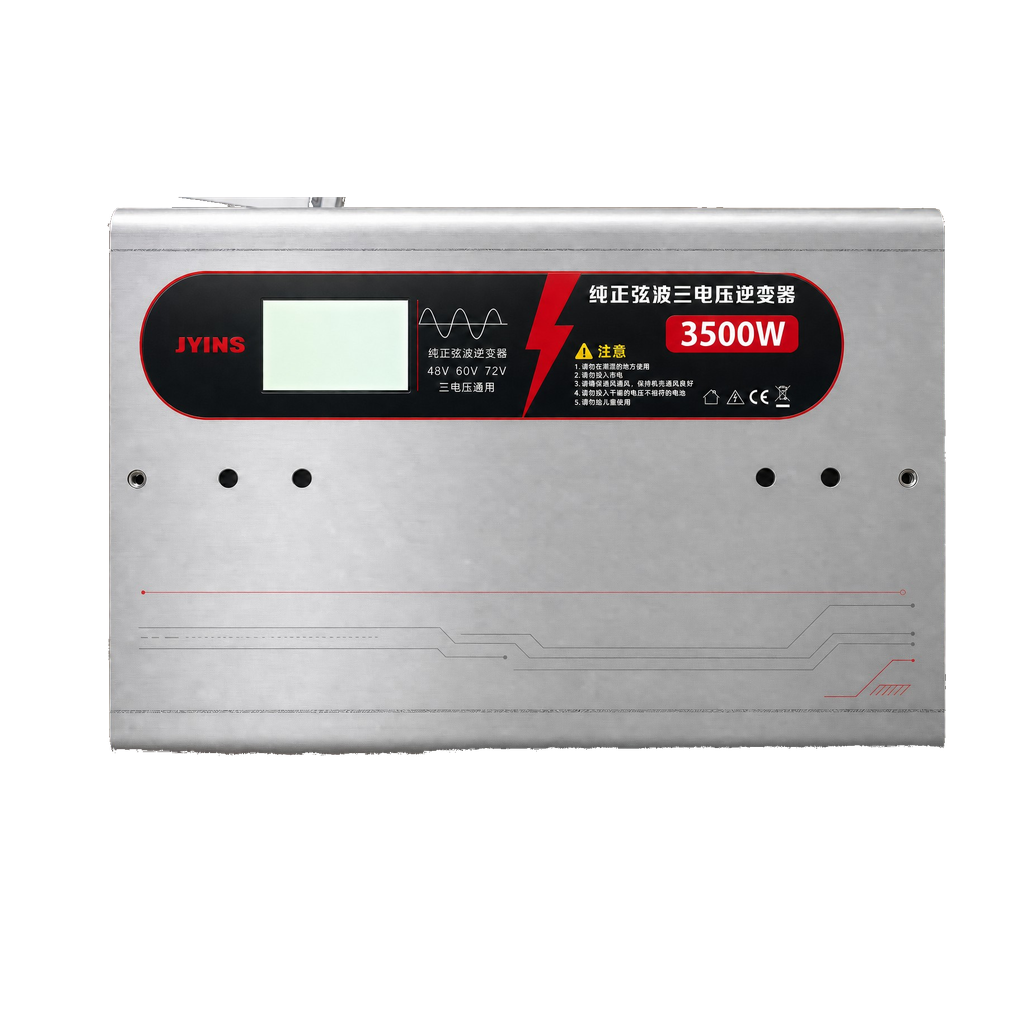
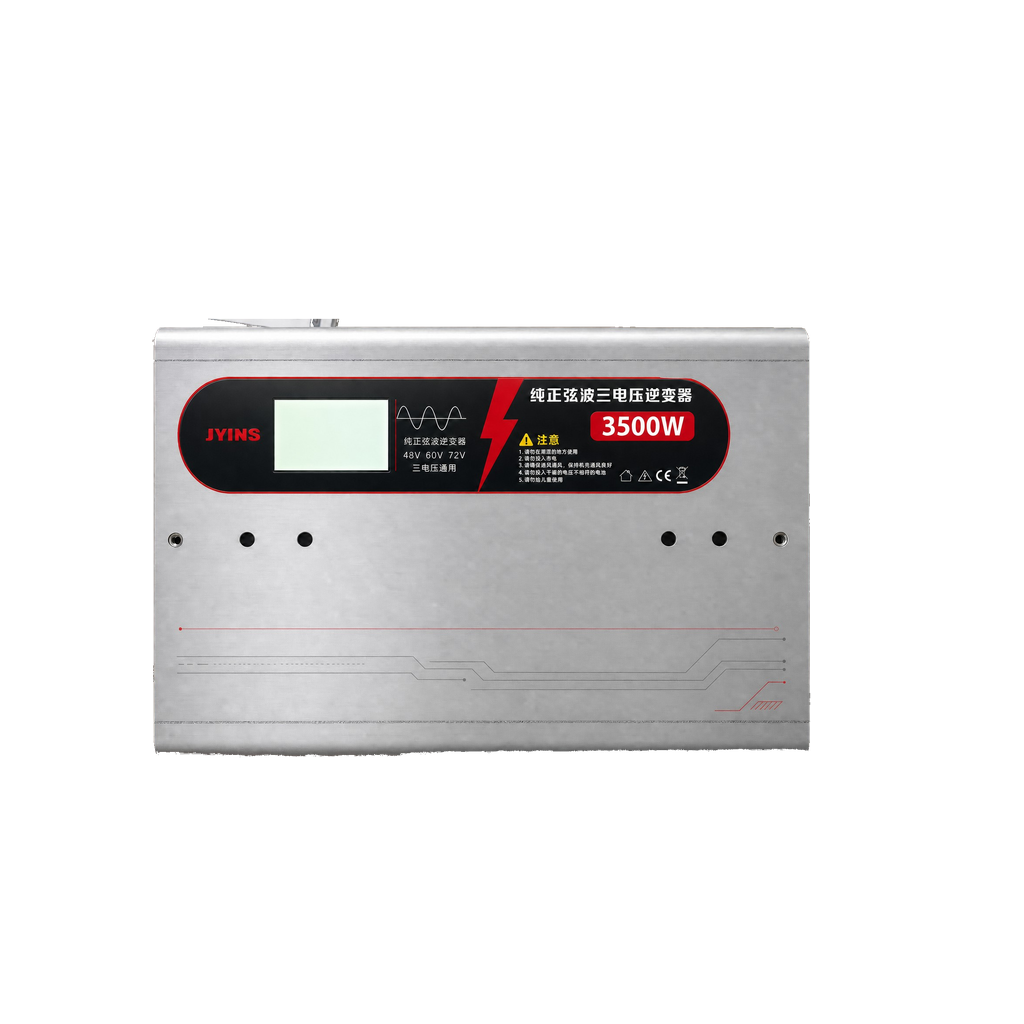
A power inverter  is a handy device for your vehicle. It changes DC (direct current) power from  your car's battery to AC (alternating current) power. This is important because many devices  we use every day, like laptops or small TVs, need AC power. If you have a  vehicle that runs on 48V, 60V, or 72V, a good inverter can  help  you use these devices while you’re on the road. Jyins offers a variety of power inverters, making it easier for people to enjoy their favorite gadgets wherever they go.  Whether you're camping, traveling, or  just hanging out in your  vehicle, a power inverter can be a real lifesaver. For those looking to maximize efficiency, consider our Solar Inverter options that are designed for various power needs.


If you're looking  for a great  deal on power inverters, you might want to start online.  There are many websites that sell power inverters at wholesale prices. These prices are often lower than  retail because you're buying in bulk. You can check out Jyins' online store for quality  inverters that suit your vehicle. Many people also find savings by joining membership clubs or signing up for newsletters that give discounts. Local auto parts stores sometimes have sales or clearances on power inverters. Don't forget to compare prices from different places. You might find an even better deal if you look around a bit. Sometimes, buying directly from the manufacturer, like Jyins, can  save you money  too. They might offer  special deals or  discounts  for bulk purchases. For instance, consider checking our Battery Charger options for additional savings.
How to Choose the Right Power Inverter for Your Vehicle's Needs

How to Choose the Right Power Inverter for Your Vehicle's Needs

After connecting the wires, you should add a fuse. This is important  because it helps protect the inverter from any problems. The fuse  should  be close to the battery, and  you can find the right size in the inverter’s manual. Once everything  is connected,  you can  reconnect the battery.  Turn on the inverter  and check  to  see  if  the lights  are on, which means it is working. Finally, test it out  by plugging  in  a device like  a phone charger or a small lamp. If it works, you did a great job! Remember  to always be  careful when working with electricity and follow safety instructions.

How to Install a 48V/60V/72V Power Inverter in Your Vehicle

How to Install a 48V/60V/72V Power Inverter in Your Vehicle

Another benefit is that these higher voltage  inverters are often more  efficient. This means they  use less energy  to  create the  power you  need. This can help save your vehicle's battery  life and make sure you  have  enough power  for your trip. For people who use their vehicles for work, like electricians or construction workers, having a  powerful  inverter  is very  helpful. It allows them  to  use tools  and  equipment right from their vehicle without  needing a separate generator.

What Are the Benefits of Upgrading to a 48V/60V/72V Power Inverter?

What Are the Benefits of Upgrading to a 48V/60V/72V Power Inverter?

Sometimes, power inverters can have problems, but  many issues are easy  to fix. Knowing  how to troubleshoot common problems can  save you time and  help keep your devices working. One common issue  is that the  inverter doesn't turn on. If this happens, first  check if it is properly connected  to the  battery. Make sure the wires  are tight and  that you have connected the  positive and negative wires correctly. If everything  looks good,  check  the fuse. If the  fuse  is  blown, replace it with a new  one of the same size.

Where to Find the Best Deals on Wholesale Power Inverters for Vehicles

Installing a power inverter in your vehicle can be a fun and useful project.  A power inverter changes the electricity from your vehicle's battery into a type of electricity  that you can use to power many devices. If you want to install a 48V, 60V, or 72V inverter, you can  follow these simple steps. First, gather your  tools and materials. You will need a  power inverter from Jyins, some wires, a  fuse, and basic tools like a screwdriver and wrenches. Make sure to read the instructions that  come with your inverter. Each model may have different requirements.

Next, find a good spot in your vehicle to place  the inverter. It  should  be near  the battery  for easy connection but also in a place  where it won’t get too hot or damaged. Once  you have  chosen the spot, you can connect the inverter to the battery. Start by disconnecting the battery to  avoid any  shocks. Then, connect the red wire from the inverter to the positive terminal of the battery and the black wire to the negative terminal. Make sure the connections are tight so  they do not  come  loose while driving.

Frequently Asked Questions

What vehicles is the 48V/60V/72V inverter compatible with?

The inverter suits electric cars, e-bikes, golf carts, utility vehicles and small commercial EVs using 48V/60V/72V systems. Confirm your vehicle's nominal battery voltage before ordering.
Power ratings vary by model. Typical units provide defined continuous and surge outputs. Check the specific product datasheet or contact our sales team for exact continuous and peak wattage for your selected model.
Installation requires connection to the vehicle battery, grounding, and AC/DC output wiring per the manual. We recommend certified technicians for safe mounting and compliance; installation guides and wiring diagrams are provided.
Yes. Units include over-voltage, under-voltage, over-temperature, short-circuit and overload protections, and built-in cooling to ensure reliable off-grid vehicle operation.
Manufactured under ISO9000-aligned processes, products carry our warranty terms. Contact support for specific warranty duration and service procedures; repairs and parts are handled by our technical team.

Our Blog Posts

How to Match Inverter Power Rating with Inductive Load Requirements

08

Apr

How to Match Inverter Power Rating with Inductive Load Requirements

Choosing the right inverter for your inductive load is very important thing. Inductive load mean stuff with coils like motors or transformers, they need extra power at starting time. This extra power call starting current or inrush current. If your i...
View More
How to resolve 'Voltage Sag' ride-through issues in unstable rural grids across Southeast Asia?

24

Jun

How to resolve 'Voltage Sag' ride-through issues in unstable rural grids across Southeast Asia?

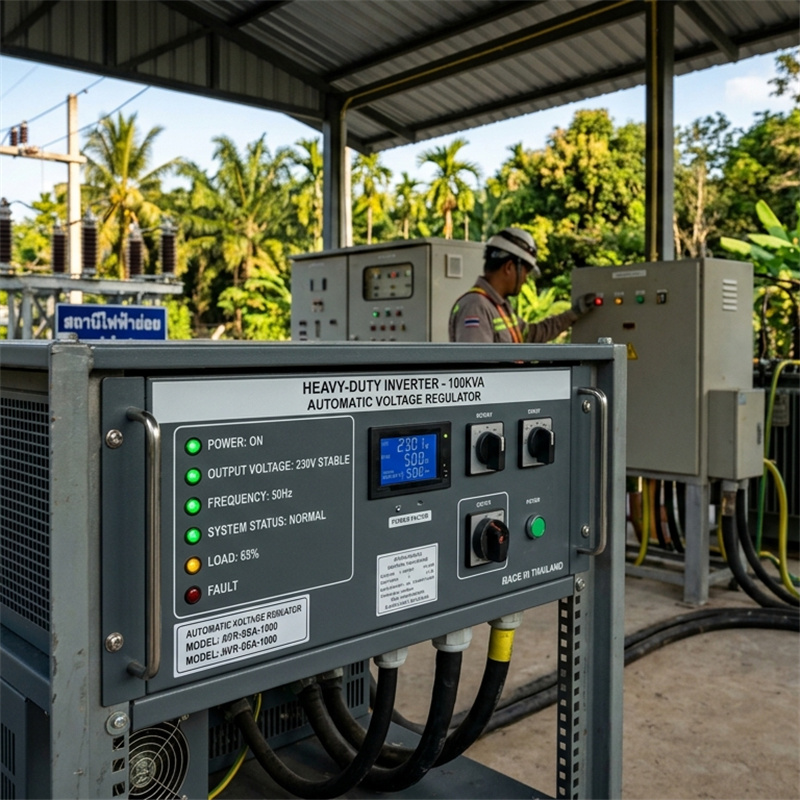
The Challenge of Weak Rural Grids in Southeast Asia Southeast Asian countries, including Vietnam, Indonesia, the Philippines, Thailand, and Cambodia, have seen a massive expansion of distributed solar power in rural and agricultural regions. These ar...
View More
Designing Power Supplies for 'Hydrogen Electrolyzers': Current ripple and voltage regulation requirements.

24

Jun

Designing Power Supplies for 'Hydrogen Electrolyzers': Current ripple and voltage regulation requirements.

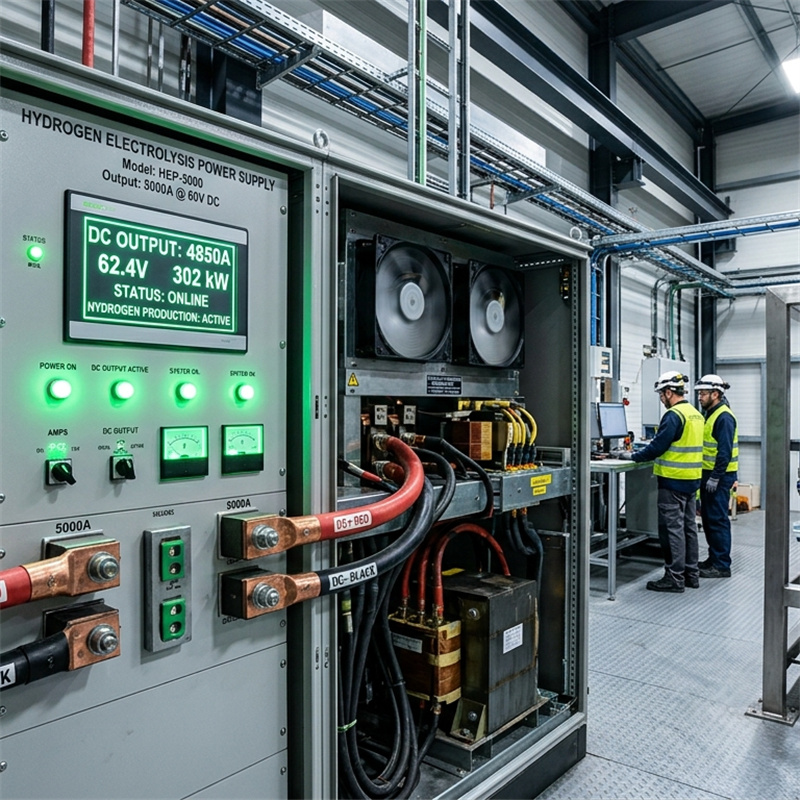
The Intersection of Solar Power and Green Hydrogen Green hydrogen has emerged as a cornerstone of the global transition to a low-carbon economy, offering a clean, versatile fuel source for hard-to-abate sectors such as heavy manufacturing, aviation, ...
View More
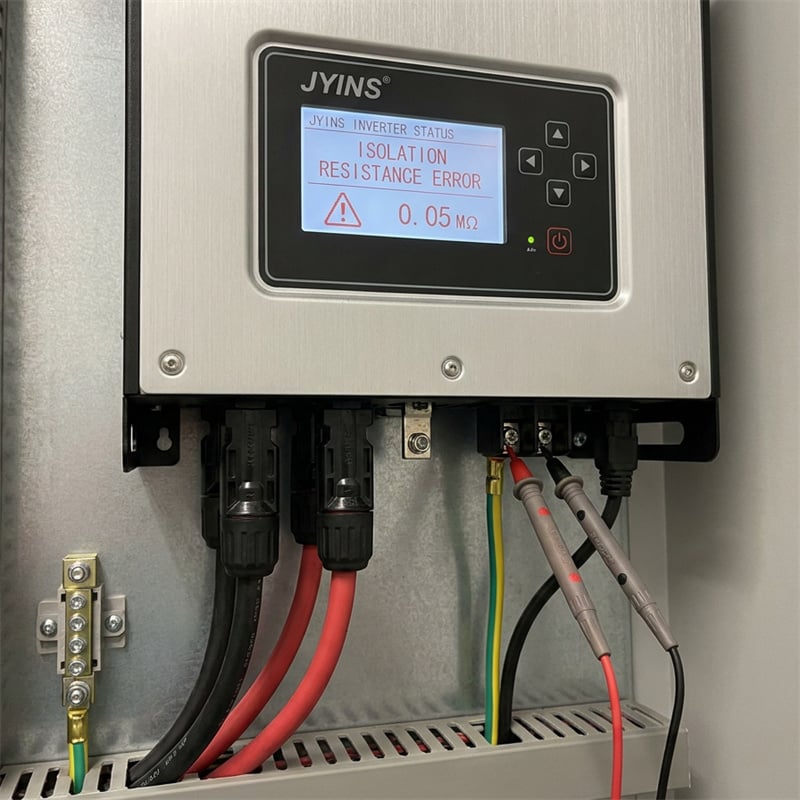
Why do Inverters report 'Isolation Resistance' errors in solar arrays, and how to fix them?

25

Jun

Why do Inverters report 'Isolation Resistance' errors in solar arrays, and how to fix them?

Introduction to Isolation Resistance in Solar PV Arrays In high-voltage commercial and industrial solar installations, safety monitoring is paramount. Among the various self-diagnostic error codes a solar PV inverter can display, an 'Isolation Resist...
View More

Related product categories

Best 48V/60V/72V Power Inverter for Vehicles

Get a Free Quote

Our representative will contact you soon.
Email
Mobile
Name
Company Name
Products of Interest
Message
0/1000