Essential Stabilizers for AC Systems

Get a Free Quote

Our representative will contact you soon.
Email
Mobile
Name
Company Name
Products of Interest
Message
0/1000

Stabilizer for ac

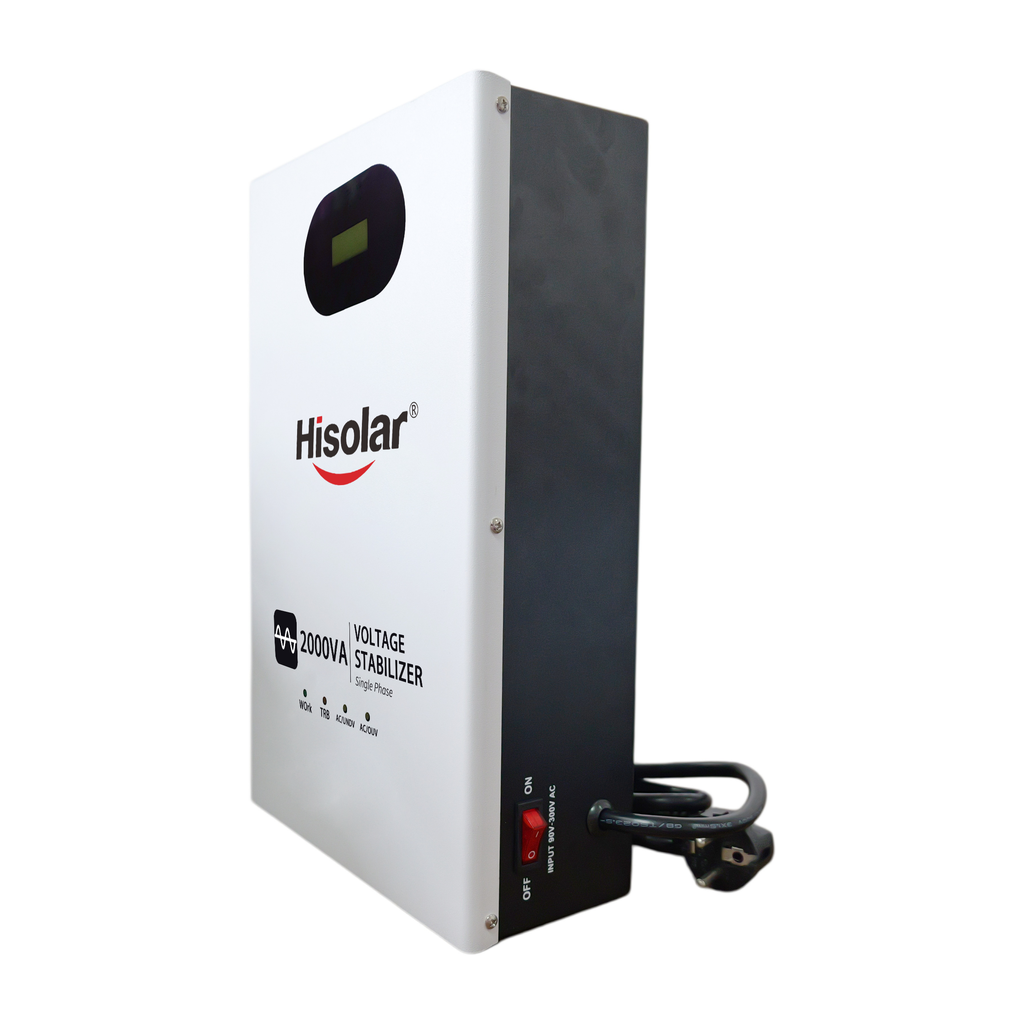
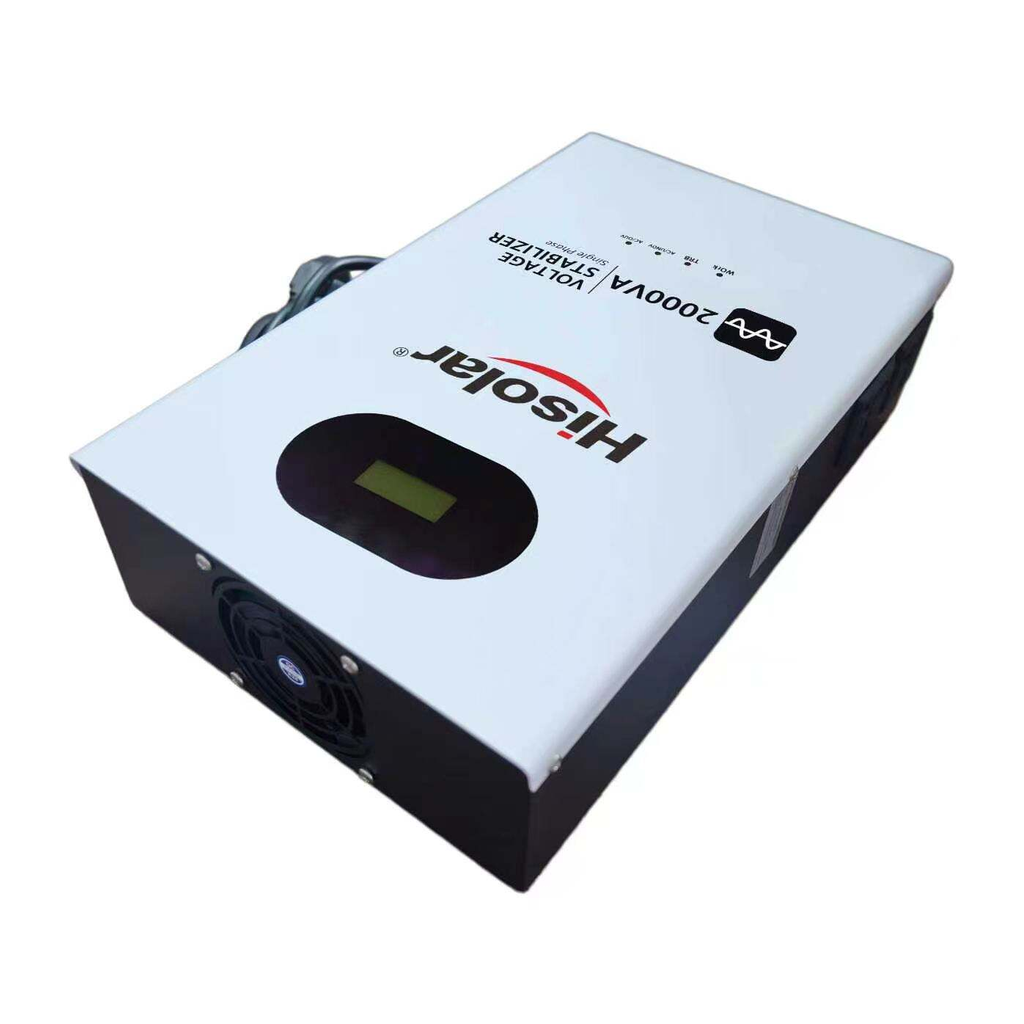
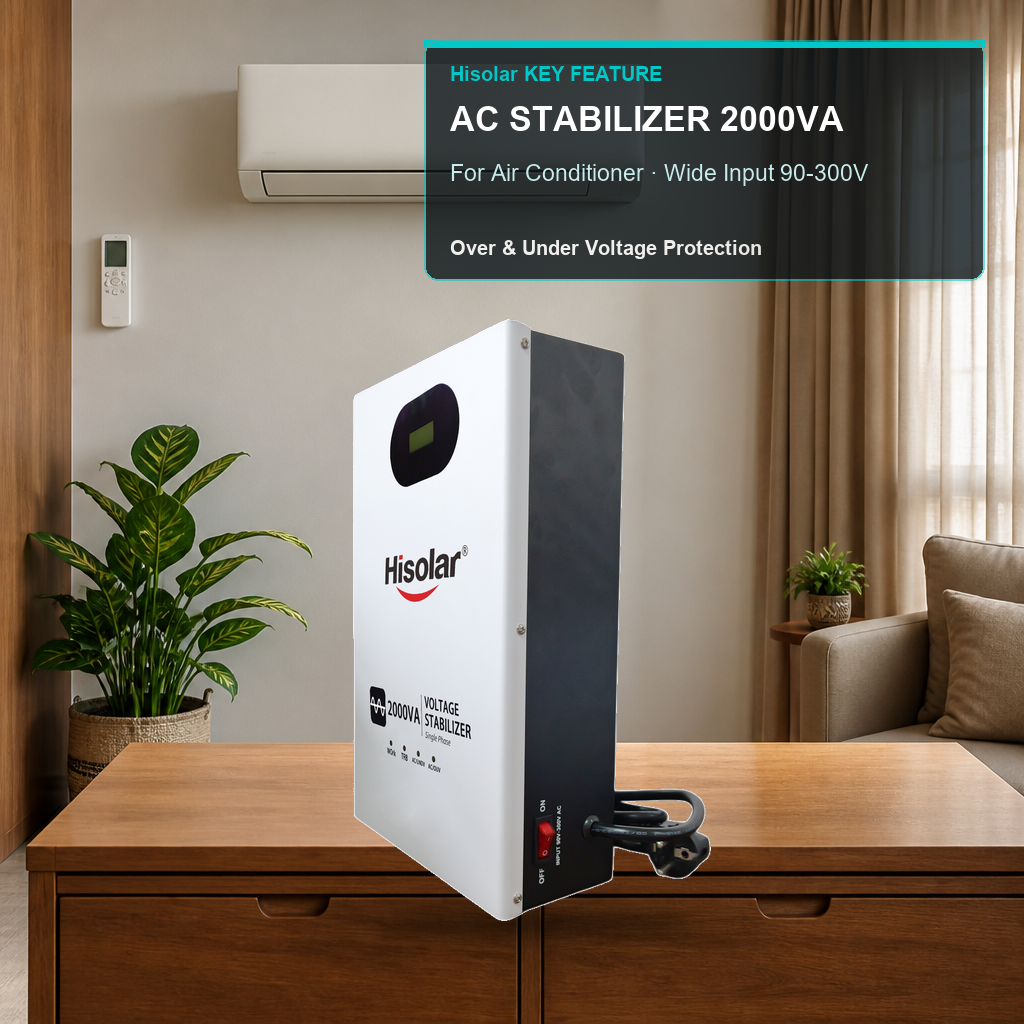
Stabilizers for AC systems are essential devices designed to maintain a consistent voltage level, ensuring the reliable operation of air conditioning units. For B2B buyers, particularly purchasing managers and engineers, understanding stabilizers' specifications, quality, and cost factors is crucial. This stabilizers for AC systems will provide detailed insights into selecting the right stabilizer for AC applications, helping you make informed purchasing decisions. 
Our Products

Understanding the Cost Factors of Stabilizers for AC Systems

Understanding the Cost Factors of Stabilizers for AC Systems

The cost of stabilizers for AC systems can vary widely based on several factors: 

Specifications and Features: Higher-quality stabilizers with advanced features like better voltage regulation, faster response times, and higher load capacities typically come at a higher price. It is important to balance cost and performance based on your specific needs. 

Material Quality: The construction materials used in stabilizers, such as copper versus aluminum windings, can impact both performance and cost. Copper windings, while more expensive, offer better conductivity and durability. 

Brand Reputation: Established manufacturers, like Zhejiang Jyins Electrical Co., LTD, often command premium prices due to their reputation for quality and reliability. Investing in a reputable brand can reduce the risk of failure and associated costs. 

Customization: If your application requires custom specifications, the cost will increase. Customization can involve unique voltage ratings, enclosure designs, or additional features tailored to specific operational environments. 

Quantity: Bulk purchasing often allows for discounted pricing. Consider your long-term needs and whether it makes sense to order larger quantities to reduce unit costs. 

Warranty and Support: Consider the warranty period and support services offered by the manufacturer. A longer warranty may justify a higher initial investment, as it reflects confidence in the product’s reliability. 

Understanding these cost factors will enable you to budget effectively and evaluate the total cost of ownership when selecting stabilizers for AC systems. 

How to Evaluate Quality in AC Stabilizers for Wholesale Purchasing

How to Evaluate Quality in AC Stabilizers for Wholesale Purchasing

When purchasing AC stabilizers in bulk, quality evaluation is critical. Here are key steps to ensure you select high-quality products: 

Certification and Compliance: Check for international certifications such as ISO9001, which indicates adherence to quality management standards. Compliance with local and international electrical safety standards is also essential. 

Manufacturing Process: Understanding the manufacturing capabilities and processes employed by the supplier can provide insights into product quality. Look for manufacturers with advanced production technologies and quality control measures. 

Material Inspection: Ensure that high-quality materials are used in the stabilizer’s construction. Request information about the materials used, such as the type of windings and insulation. 

Product Testing: Inquire about the testing protocols for stabilizers. A reliable manufacturer will perform extensive testing under various load and environmental conditions to ensure product reliability. 

Sample Approval: Before committing to a bulk order, request samples for testing.  voltage fluctuations allows you to verify that the stabilizers meet your specifications and performance expectations under actual operating conditions. 

Customer Reviews and References: Seek feedback from other customers or ask the manufacturer for references. Positive testimonials and case studies can provide confidence in the product’s reliability and performance. 

By following these steps, you can effectively evaluate the quality of AC stabilizers and make informed purchasing decisions. 
Common Problems Faced with AC Stabilizers and Their Solutions

Common Problems Faced with AC Stabilizers and Their Solutions

Despite their importance, AC stabilizers can encounter various issues. Here are common problems and their solutions: 

Voltage Fluctuations: If the stabilizer fails to stabilize voltage effectively, it may be due to insufficient load capacity. Ensure that the selected stabilizer meets or exceeds the load requirements of the AC system. 

Overheating: Overheating can occur if the stabilizer is placed in an area without adequate ventilation or if it is overloaded. Ensure proper installation, including airflow considerations, and select a stabilizer with sufficient cooling capabilities. 

Noise Issues: Some stabilizers may produce noise during operation. solar inverter could indicate mechanical issues or insufficient mounting. Evaluate the mounting setup and consider sound-dampening solutions if noise is a concern. 

Failure to Start AC Unit: If the stabilizer is unable to start the AC unit, it may be due to incorrect voltage settings or a malfunctioning component. Always verify the correct voltage settings and conduct regular maintenance checks. 

Short Circuit or Tripping: Frequent tripping can indicate overload conditions or faulty wiring. Ensure that all connections are secure and that the stabilizer is not operating beyond its specified limits. 

Being aware of these common problems and their potential solutions can help you ensure the smooth operation of AC stabilizers and minimize downtime. 

The Materials Behind Effective AC Stabilizers

The materials used in the construction of AC stabilizers significantly influence their performance and durability. Key materials include: 

Copper and Aluminum Windings: Copper is preferred for its superior conductivity, but aluminum is lighter and more cost-effective. The choice between the two will depend on the performance requirements and budget. 

Insulation Materials: High-quality insulation materials are critical for safety and performance. Options include polyester and PVC, each offering different levels of heat resistance and durability. 

Enclosure Materials: The enclosure should be made from robust materials that can withstand environmental factors. Common materials include steel and aluminum, which provide strength and resistance to corrosion. 

Cooling Fluids: In oil-cooled stabilizers, the type of oil used can impact thermal performance. load capacity is important to select oils with appropriate inversor off grid 10kw conductivity and stability at operating temperatures. 

PCB and Components: The quality of the printed circuit board (PCB) and electronic components directly affects the reliability of the stabilizer. Ensure that components are sourced from reputable suppliers and meet quality standards. 


Key Product Specifications

When evaluating stabilizers for AC systems, several key specifications must be considered: 

Voltage Range: Stabilizers typically operate within a specified voltage range. Ensure the stabilizer you choose can accommodate the input voltage fluctuations of your AC system. 

Load Capacity: This is measured in kilovolt-amps (kVA) and indicates the maximum load the stabilizer can handle. photovoltaic inverter is essential to select a stabilizer with a load capacity that exceeds your AC unit's requirements to avoid overload. 

Response Time: This refers to how quickly the stabilizer can react to voltage fluctuations. A faster response time is critical for protecting sensitive electronic components in modern AC units. 

Output Regulation: The ability of a stabilizer to maintain a stable output voltage under varying load conditions is vital for the performance of the AC system. Look for stabilizers that guarantee tight output voltage regulation. 

Efficiency Rating: This indicates how effectively the stabilizer converts input power to output power, impacting energy costs and operational efficiency. A higher efficiency rating translates to lower energy loss. 

Cooling Method: Stabilizers can utilize air cooling or oil cooling. The cooling  AC stabilizer can affect the device's longevity and performance, especially in high-temperature environments. 

Understanding these specifications will help ensure you select a stabilizer that meets the requirements of your AC system while providing optimal performance and reliability. 

Frequently Asked Questions

What is this stabilizer for AC used for?

It protects air conditioners from voltage fluctuations, ensuring stable input voltage to prevent damage, improve performance, and extend compressor life.
Suitable for residential and light commercial AC units. Check voltage range and capacity; contact us with model details for confirmation.
Manufactured under ISO9000-aligned quality controls with rigorous testing and professional engineering oversight for reliability and safety.
Match the stabilizer rating to your AC's starting and running power (W or A). Provide your AC model or power specs for precise selection assistance.
We offer manufacturer support and warranty coverage; our technical team of senior engineers provides installation guidance and after-sales service.

Our Blog Posts

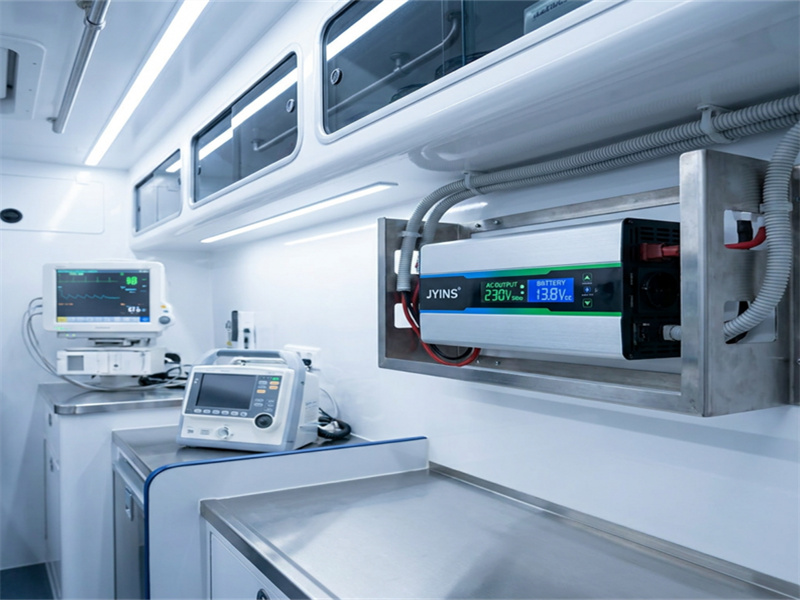
Precision Power for Medical Units: Ensuring EMC Class B Compliance in Mobile Clinic Inverter Systems

15

May

Precision Power for Medical Units: Ensuring EMC Class B Compliance in Mobile Clinic Inverter Systems

Introduction: The Lifeline of Mobile Medicine In the rapidly evolving landscape of healthcare, mobile medical units—ranging from advanced life-support ambulances to remote rural clinics—have become critical front-line assets. These units ...
View More
Designing Power Conversion for Vertical Farming: Overcoming 100% Humidity and LED Surge Cycles

24

Jun

Designing Power Conversion for Vertical Farming: Overcoming 100% Humidity and LED Surge Cycles

Introduction: The Massive Electrical Scale of Modern Indoor Agriculture Commercial vertical farming represents a high-technology solution to the challenges of global food security, land degradation, and climate volatility. By stacking crops verticall...
View More
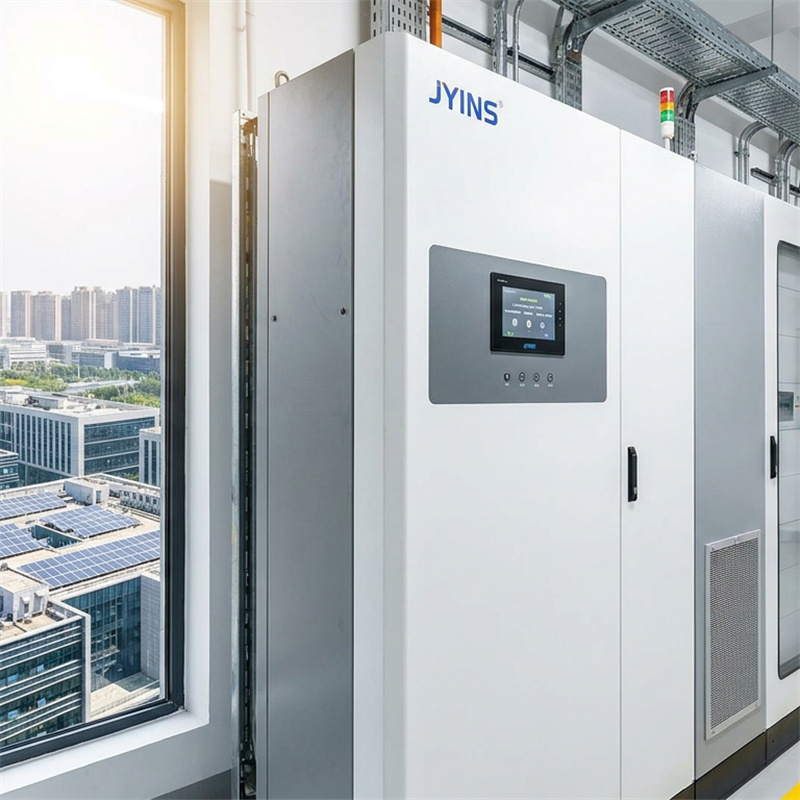
Designing 'Zero-Export' solar hybrid systems for commercial office buildings.

25

Jun

Designing 'Zero-Export' solar hybrid systems for commercial office buildings.

Q: Designing 'Zero-Export' solar hybrid systems for commercial office buildings. Introduction: The New Energy Landscape for Urban Office Buildings Commercial office buildings in major cities are facing a dual challenge. On one hand, corporate tenants...
View More
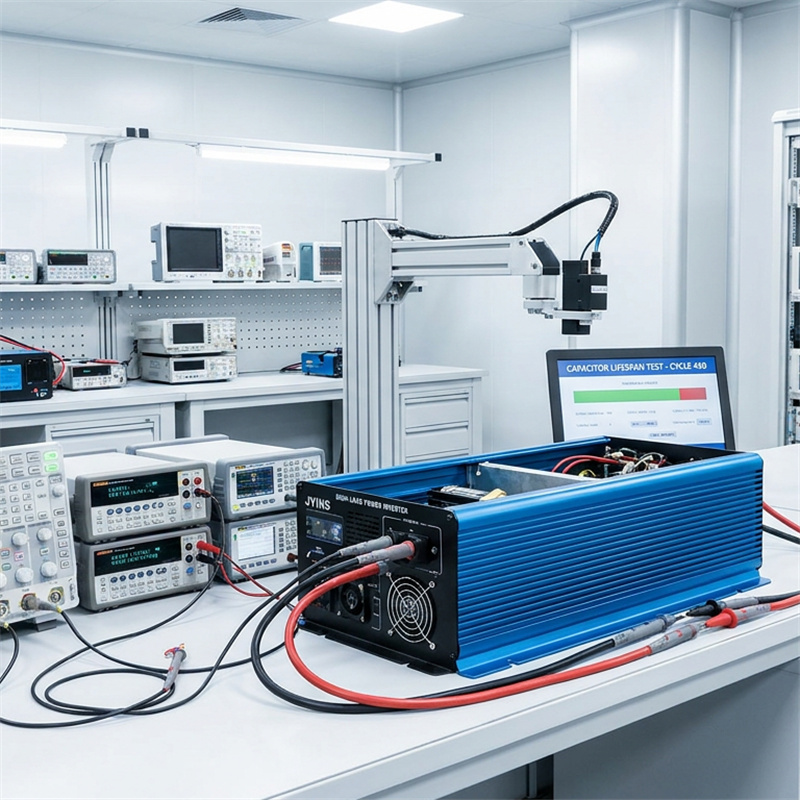
How to evaluate 'Capacitor Life' in high-load inverters: Predicting the 10-year maintenance cycle

25

Jun

How to evaluate 'Capacitor Life' in high-load inverters: Predicting the 10-year maintenance cycle

Introduction: Why Capacitor Lifespan Dictates Inverter Longevity For B2B procurement directors and solar project wholesalers, selecting industrial-grade power inverters is an exercise in managing long-term operational risk. While marketing brochures ...
View More

Get a Free Quote

Our representative will contact you soon.
Email
Mobile
Name
Company Name
Products of Interest
Message
0/1000

Related product categories

Essential Stabilizers for AC Systems

Get a Free Quote

Our representative will contact you soon.
Email
Mobile
Name
Company Name
Products of Interest
Message
0/1000