EN
EN


Q: Designing 'Zero-Export' solar hybrid systems for commercial office buildings.
Introduction: The New Energy Landscape for Urban Office Buildings
Commercial office buildings in major cities are facing a dual challenge. On one hand, corporate tenants are demanding higher sustainability standards, such as green-building certifications and carbon-neutral workspaces. On the other hand, electricity rates are continuously rising, and peak demand charges represent a major portion of building operational expenses.
To address these issues, real estate development managers, property operators, and green building engineers are increasingly looking to solar energy. Installing solar arrays on commercial office rooftops, parking canopies, and building facades offers a highly effective way to offset energy costs. However, in urban areas, local utility companies frequently impose a strict rule: Zero-Export. Under these regulations, a commercial building is prohibited from exporting any solar electricity back into the municipal utility grid.
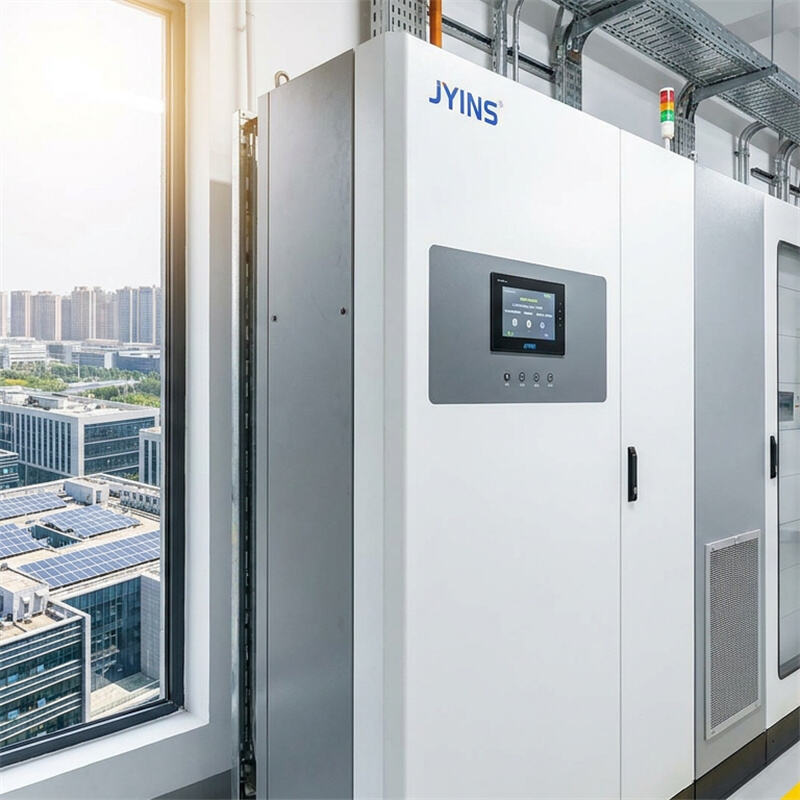
This restriction requires building designers to transition from simple grid-tied solar systems to smart, zero-export solar hybrid systems. Designing these systems requires a precise combination of commercial-scale hybrid inverters, smart energy meters, and battery storage. This engineering guide details how to design an efficient, compliant zero-export solar hybrid system for commercial office buildings, showing how JYINS Hisolar commercial systems help operators maximize solar utilization and achieve energy autonomy.
Why Zero-Export is Mandatory for Modern Office Towers
Many municipal grid networks in high-density urban areas are not designed to handle two-way power flow. If hundreds of office buildings in a downtown district simultaneously exported excess solar energy during sunny weekend afternoons (when office occupancy and energy consumption are low), the localized grid voltage would spike. This could damage utility infrastructure and cause blackouts.
To protect the grid, utility operators require commercial building owners to sign strict interconnection agreements that mandate a zero-export limit. If a building accidental exports power, the utility's smart revenue meter will instantly record the violation, which can lead to hefty financial penalties or a complete disconnection of the building’s power service.
Technical Steps to Design a Zero-Export Office Solar System
Designing a high-performing zero-export solar hybrid system for an office building requires a systematic engineering approach:
1. High-Accuracy Load Profiling: Understanding the Office Energy Signature
Before selecting any solar or battery hardware, engineers must conduct a detailed energy audit of the office building. This involves collecting 15-minute interval load data from the utility meter over a full calendar year to understand the building's energy signature:
- Peak Daytime Loads: Offices typically have high energy consumption during the day (9 AM to 5 PM) due to centralized HVAC chillers, ventilation fans, fluorescent and LED lighting, computers, and server rooms. This daytime load profile is highly favorable for solar energy, as the peak generation aligns perfectly with peak consumption.
- Minimum Off-Peak Loads: On weekends, holidays, and nights, the building’s load drops dramatically, often to just 10 to 20 percent of its daytime peak. This off-peak period is when the risk of accidental grid export is highest, and where solar throttling or battery storage becomes essential.
2. Selecting the Power Core: Commercial-Scale Hybrid Inverters
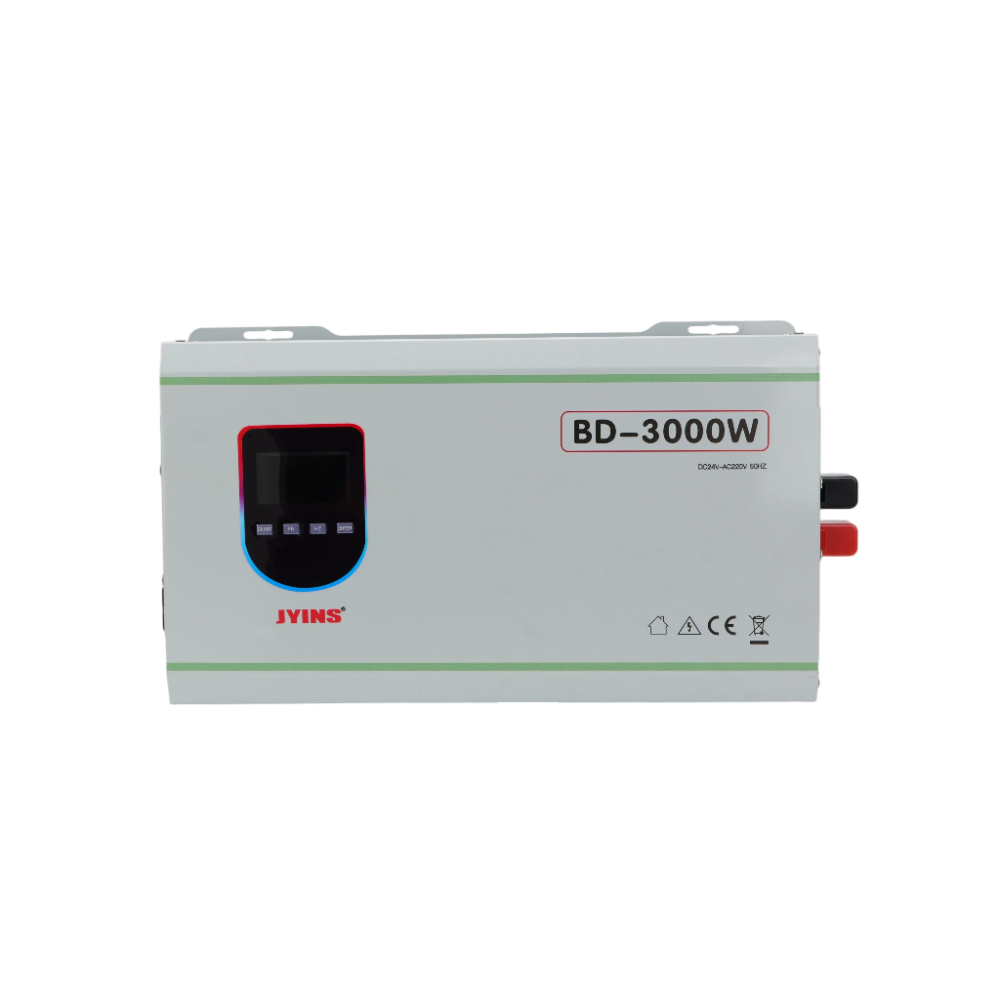
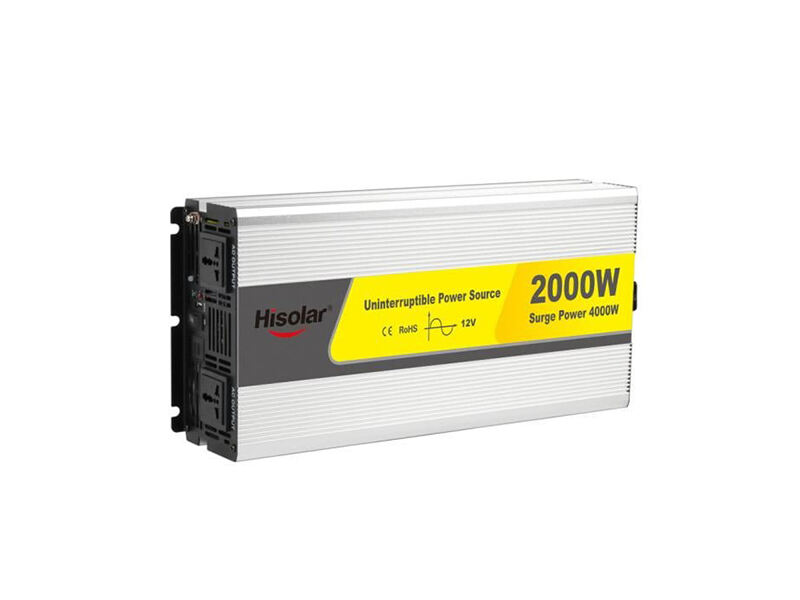
The central component of the zero-export design is the hybrid inverter. Traditional grid-tied inverters are unable to regulate their output dynamically; they simply output maximum power. A zero-export system requires a smart hybrid inverter, such as the JYINS Hisolar Series.
These commercial hybrid inverters incorporate high-speed Digital Signal Processors that can actively throttle their power output within milliseconds. When the building's load drops below solar generation, the JYINS Hisolar inverter dynamically curtails its AC output to match the building's load, ensuring that zero power is exported to the grid.
3. Integrating the Smart Energy Meter and CT Clamps
To enable this dynamic throttling, a high-speed smart energy meter must be installed at the building's main electrical service entrance, directly downstream of the utility's revenue meter. This meter must use high-accuracy Current Transformer clamps to monitor the direction and magnitude of the power flow.
The smart meter is linked to the JYINS Hisolar hybrid inverter via a dedicated, shielded RS485 communication bus running the Modbus RTU protocol. The inverter's microprocessor continuously polls the meter. If the meter detects that import power is approaching zero (meaning the building is about to export solar), the inverter instantly trims its solar output to maintain a tiny, safe import margin (e.g., keeping a constant 500W import buffer from the grid as a safety cushion).
4. Sizing the Battery Energy Storage System (BESS) for Peak Shaving
While dynamic throttling prevents illegal grid export, it results in wasted energy (solar curtailment) on sunny weekends when the office is empty. To capture this lost energy and maximize system ROI, building designers should integrate a Battery Energy Storage System.
During the weekend or low-load periods, the JYINS Hisolar hybrid inverter diverts all surplus solar power to charge the high-capacity battery bank. During the week, when the building experiences high peak electricity rates, the inverter discharges the battery to 'shave the peak' load. This process, known as Peak Shaving, drastically reduces the building's peak demand charges, which often account for up to 30 to 40 percent of an office's commercial utility bill.
Economic Analysis: High ROI from Energy Autonomy
Integrating a battery bank and a zero-export hybrid inverter may seem more expensive than a basic grid-tied solar setup, but the 5-year TCO and ROI of a hybrid system are vastly superior for commercial B2B operators:
- Elimination of Curtailment Waste: By storing weekend solar energy rather than throttling it, you capture up to 30 percent more free electricity over the life of the system.
- Peak Shaving Savings: Shaving high-rate peak demand charges delivers direct, substantial reductions in monthly utility expenses.
- Backup Power Continuity: In the event of an urban grid blackout, the JYINS Hisolar hybrid system instantly transitions to 'off-grid' mode, utilizing the battery bank and solar panels to power the building's critical server rooms, elevator shafts, and emergency lighting, ensuring complete business continuity.
Conclusion: Future-Proofing Commercial Buildings with JYINS
Designing a zero-export solar hybrid system is the most effective way for commercial office buildings in urban areas to achieve green building compliance and slash operating costs while adhering to strict utility regulations.
By selecting the JYINS Hisolar commercial hybrid platform, property developers and electrical engineers invest in premium, high-speed power electronics engineered for smart grid compatibility. JYINS provides the rapid active-power throttling, seamless smart meter communication, and high-efficiency battery integration required to make your office building a resilient, self-sufficient energy hub. Partner with JYINS to power your commercial property into a sustainable future.
Table of Contents
- Introduction: The New Energy Landscape for Urban Office Buildings
- Why Zero-Export is Mandatory for Modern Office Towers
- Technical Steps to Design a Zero-Export Office Solar System
- 1. High-Accuracy Load Profiling: Understanding the Office Energy Signature
- 2. Selecting the Power Core: Commercial-Scale Hybrid Inverters
- 3. Integrating the Smart Energy Meter and CT Clamps
- 4. Sizing the Battery Energy Storage System (BESS) for Peak Shaving
- Economic Analysis: High ROI from Energy Autonomy
- Conclusion: Future-Proofing Commercial Buildings with JYINS