EN
EN


Introduction: The Massive Electrical Scale of Modern Indoor Agriculture
Commercial vertical farming represents a high-technology solution to the challenges of global food security, land degradation, and climate volatility. By stacking crops vertically and utilizing precise environmental control systems, vertical farms achieve crop yields up to twenty times higher than traditional agriculture. However, this high productivity is intensely energy-dependent. Vertical farms rely on massive arrays of high-intensity LED grow lights, sophisticated hydroponic or aeroponic pumps, and complex HVAC networks.
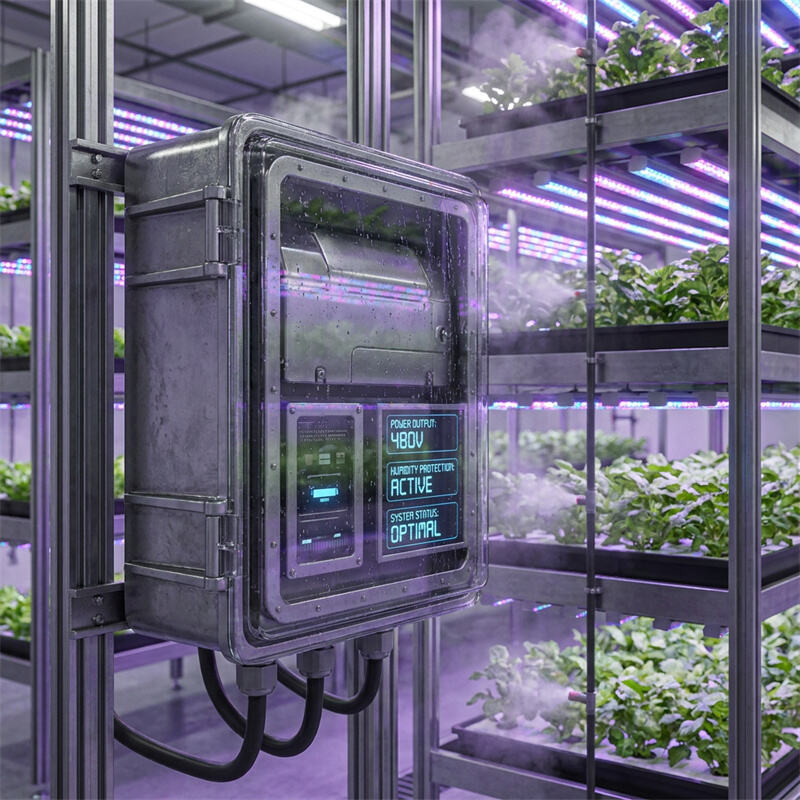
From an electrical engineering perspective, a vertical farm is a brutal environment for power electronics. Combining one hundred percent relative humidity, automated water misting, and rapid, high-power switching cycles from millions of LEDs creates unique challenges. B2B project developers and future-tech agricultural architects must design power conversion systems that can operate reliably under these harsh conditions, preventing premature equipment failure and ensuring continuous crop cultivation.
Q: What are the engineering criteria for designing power conversion systems in vertical farming to withstand 100% humidity and extreme LED load switching cycles?
Answer:
Designing power conversion systems for vertical farming requires solving two primary issues: absolute environmental protection against moisture and active management of high-inrush current surges from LED switching. Engineers solve the environmental threat by using power supplies with Ingress Protection (IP67 or IP68) ratings, utilizing hermetically sealed aluminum enclosures, implementing specialized conformal coatings on all PCBs, and opting for passive conduction cooling instead of fan cooling.
To manage the electrical stresses of LED cycling, system architects implement soft-start controls, utilize active power factor correction (PFC) modules, specify high-inrush-rated circuit protection components, and integrate smart centralized DC power distribution architectures. These engineering measures minimize total harmonic distortion, eliminate transient voltage sags on the local microgrid, and extend the lifespan of the power conversion hardware to match the fifteen-year operational targets of modern vertical farming facilities.
Solving the Environmental Threat: One Hundred Percent Humidity and Condensation
In a vertical farming room, moisture is constant. Transpiration from closely packed crops, automated misting systems, and temperature shifts lead to condensation on cool metallic surfaces. When water droplets form on live electrical components, they trigger short circuits, copper corrosion, and electrochemical dendrite growth, leading to immediate system failure.
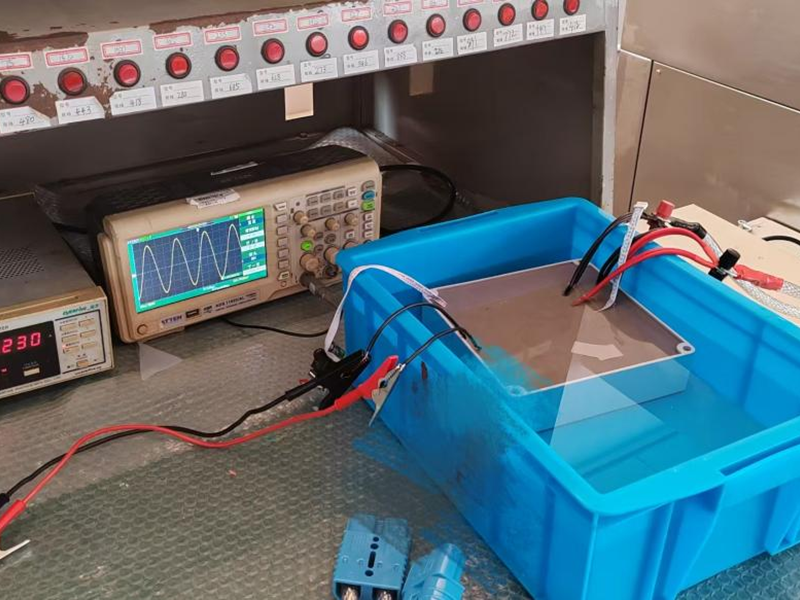
- Hermetic Sealing and IP Ratings: Standard indoor power electronics rely on air-cooling fans that draw external air over the circuit board. In a vertical farm, this would quickly pull humid, corrosive air onto live components. Power conversion units in vertical farming must utilize fully sealed aluminum enclosures with Ingress Protection (IP) ratings of IP66 or IP67. This prevents any moisture, dust, or airborne nutrients from penetrating the power module.
- Thermal Potting and Conformal Coating: Inside the sealed power supply, components must be protected from residual internal moisture and protected from vibration. All printed circuit boards must be treated with premium silicone or polyurethane conformal coatings. Furthermore, critical high-heat components are encapsulated in thermal potting compounds. These compounds seal the electronics completely while transferring internal heat to the outer aluminum chassis.
- Conduction-Cooled Engineering: Because the enclosures are hermetically sealed, cooling fans cannot be used. Power supplies must be designed for passive conduction-cooled operation. Thermal energy is dissipated through the physical chassis of the power supply to the structure of the vertical grow racks or directly to a cold-plate conduction cooling loop. This requires highly efficient electrical designs that minimize internal heat dissipation.
Managing the Electrical Stresses of LED Switching Cycles
Unlike traditional agricultural lighting, LED grow lights are turned on and off rapidly to simulate natural photoperiods or execute complex circadian pulsing cycles. While LEDs are highly efficient, switching on massive LED arrays simultaneously creates massive transient current surges on the electrical distribution system.
- High Inrush Current Mitigation: When millions of LEDs are turned on, the charging of the capacitive input stages in the LED drivers creates a massive inrush current surge. This surge can be up to fifty times the normal operating current, lasting for several milliseconds. If unmanaged, this transient surge can trip circuit breakers, damage switch contacts, and cause significant voltage dips across the vertical farm's microgrid. Engineers resolve this by incorporating active inrush current limiters, such as NTC thermistors with bypass relays, and implementing soft-start control profiles within the centralized power supplies.
- Active Power Factor Correction (PFC): LED power supplies must maintain high electrical efficiency to prevent grid penalties and reduce heat dissipation. Integrating high-performance Active Power Factor Correction (PFC) circuits ensures a power factor of greater than 0.98. It also keeps Total Harmonic Distortion (THD) below 10 percent, preventing harmful harmonics from distorting the local AC distribution grid.
- Centralized DC Distribution vs. Distributed AC: A growing trend in modern ag-tech is centralized DC power distribution. Instead of running separate high-voltage AC lines to each LED driver on the grow racks, a centralized power station converts AC grid power to a stable DC bus (e.g., 380V DC). This stable DC power is then distributed down the grow lanes to simplified buck-converter LED drivers. Centralizing the AC-DC conversion simplifies rack design, reduces the weight on vertical structures, and places the sensitive power electronics in a dedicated, climate-controlled electrical room away from the high-humidity grow zones.
Sourcing Heavy-Duty Power Solutions with JYINS Electrical
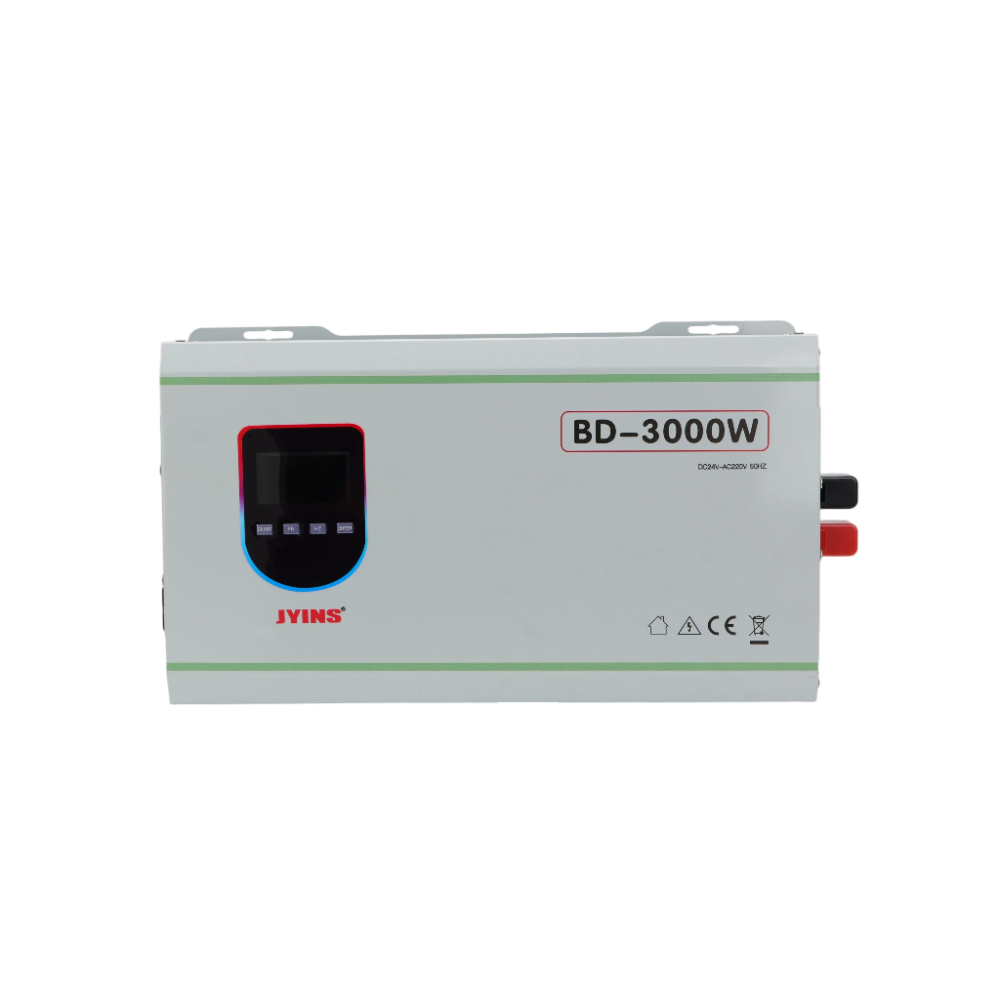
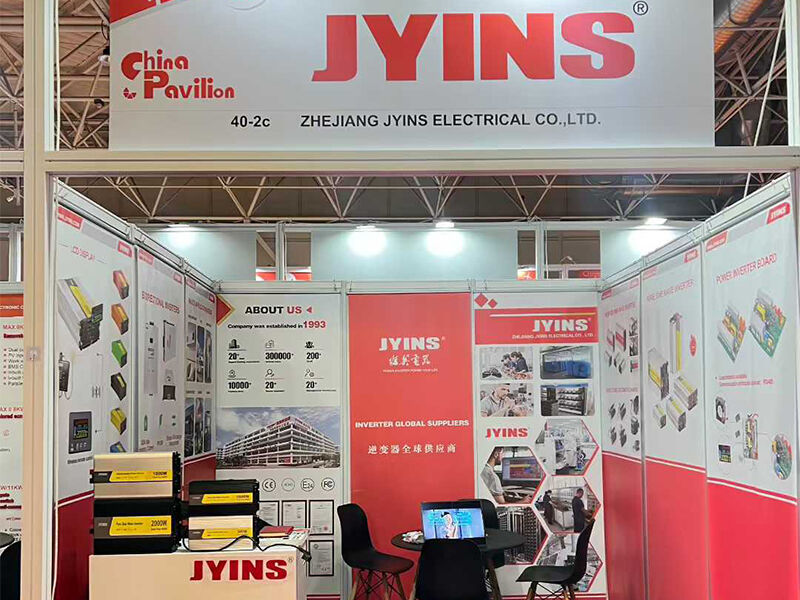
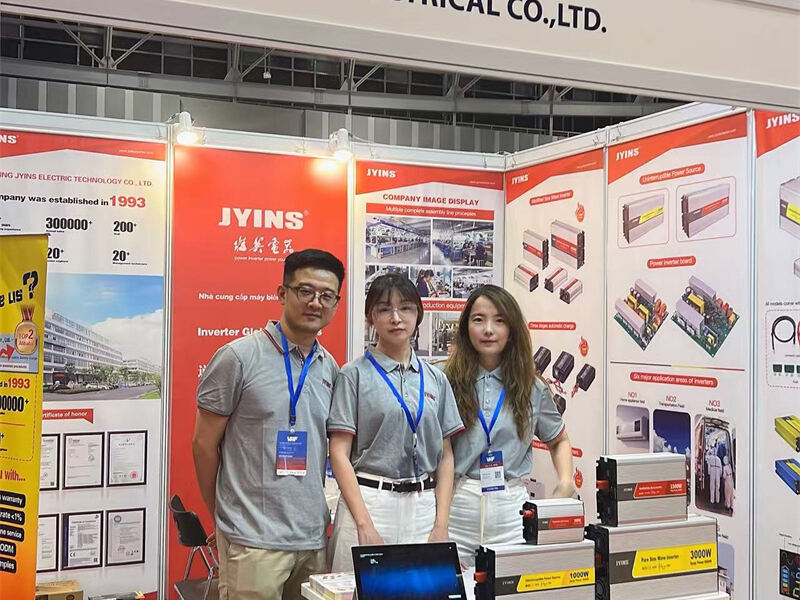
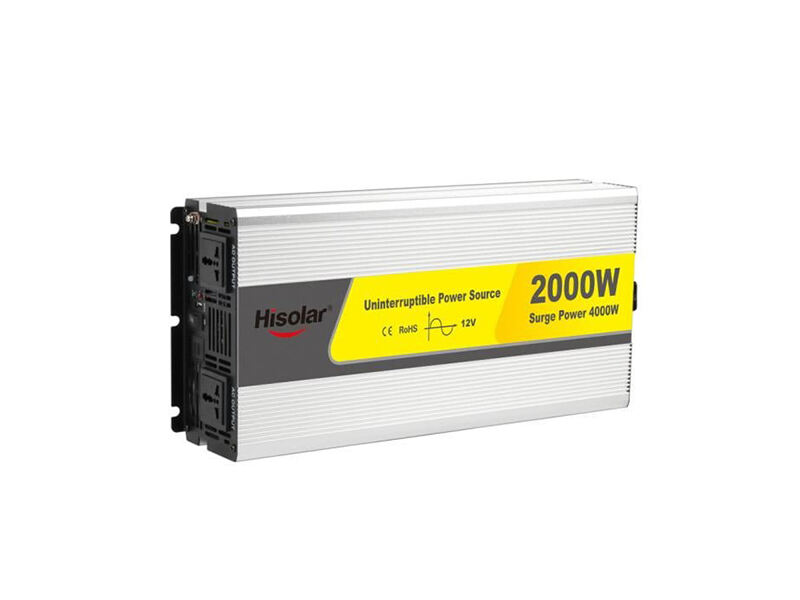
As a trusted partner in industrial power conversion, JYINS Electrical designs high-performance off-grid and hybrid inverters, DC-DC converters, and specialized power supplies that excel in rugged, high-humidity environments. B2B vertical agricultural developers benefit from our rigorous engineering standards:
- Marine-Grade Corrosion Protection: We apply anti-corrosive treatments and robust anodized finishes to our aluminum enclosures, protecting them from chemical sanitizers and high-salinity agricultural environments.
- Premium Conformal Coating: Every board manufactured by JYINS undergoes automatic double-pass conformal coating, ensuring complete insulation barrier coverage against condensation.
- Advanced Semiconductor Selection: We select high-temperature-rated capacitors and low-loss semiconductors to guarantee our units operate continuously at full rated capacity in conduction-cooled settings.
- Global Standard Compliance: Our hardware meets and exceeds CE, RoHS, and international safety standards, simplifying local compliance procedures for ag-tech project developers.
Sourcing and Integration Best Practices for Agritech Engineers
When specifying power conversion hardware for a vertical agricultural project, implement these four engineering rules:
- Specify Passive Cooling Only: Avoid power supplies with active internal fans for use within grow zones. Fans represent a physical point of failure and draw moist air into the electronics.
- Implement Centralized DC Architectures: Centralizing power conversion simplifies maintenance, removes heat generators from the crops, and lowers structural weight limits on the rack towers.
- Use Phase-Staggered Lighting Cycles: Program LED grow light banks to turn on in sequential, phase-staggered groups (e.g., 10-second intervals) to prevent a massive, single-point inrush current surge on the microgrid.
- Demand Detailed IP Verification: Always request verified IP test reports from suppliers, ensuring their enclosures have been tested under high-pressure water jets and deep moisture exposure.
In conclusion, vertical farming represents a high-yield, sustainable future for global food systems, but its viability relies on rugged, highly efficient power infrastructure. By designing for IP67 environmental isolation and implementing active surge and inrush current controls, project developers can build vertical farming facilities that operate reliably, crop after crop, year after year.
Table of Contents
- Introduction: The Massive Electrical Scale of Modern Indoor Agriculture
- Q: What are the engineering criteria for designing power conversion systems in vertical farming to withstand 100% humidity and extreme LED load switching cycles?
- Answer:
- Solving the Environmental Threat: One Hundred Percent Humidity and Condensation
- Managing the Electrical Stresses of LED Switching Cycles
- Sourcing Heavy-Duty Power Solutions with JYINS Electrical
- Sourcing and Integration Best Practices for Agritech Engineers