Stabilizer for Inverter: Key Specifications & Guidance

Get a Free Quote

Our representative will contact you soon.
Email
Mobile
Name
Company Name
Products of Interest
Message
0/1000

Stabilizer for inverter

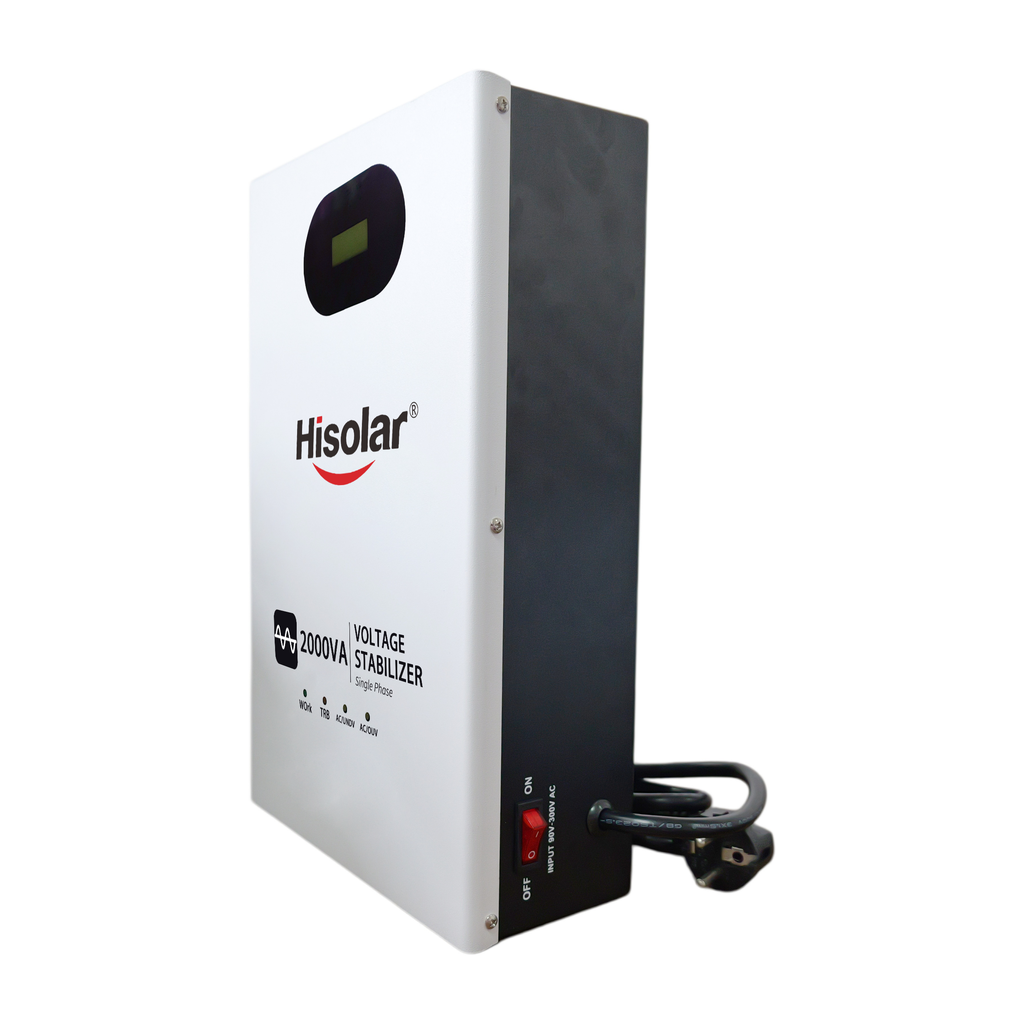
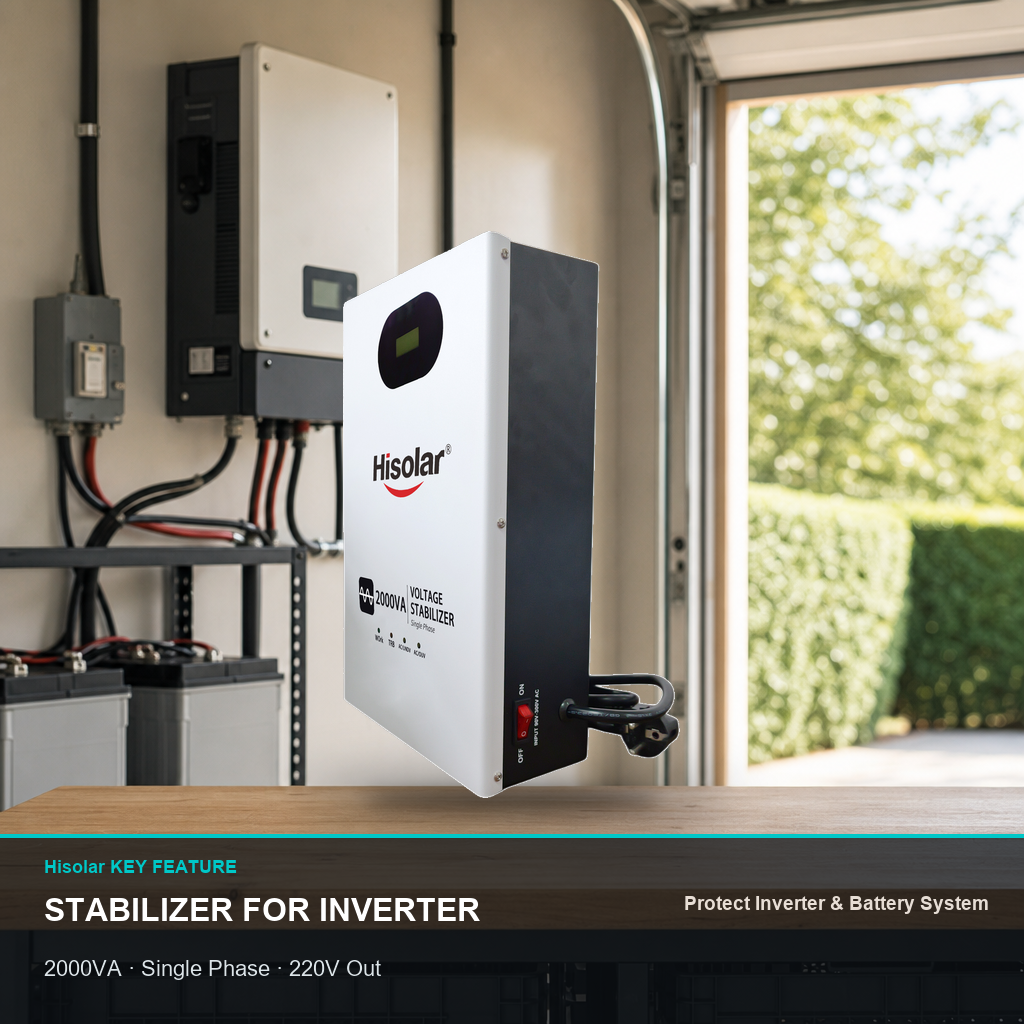
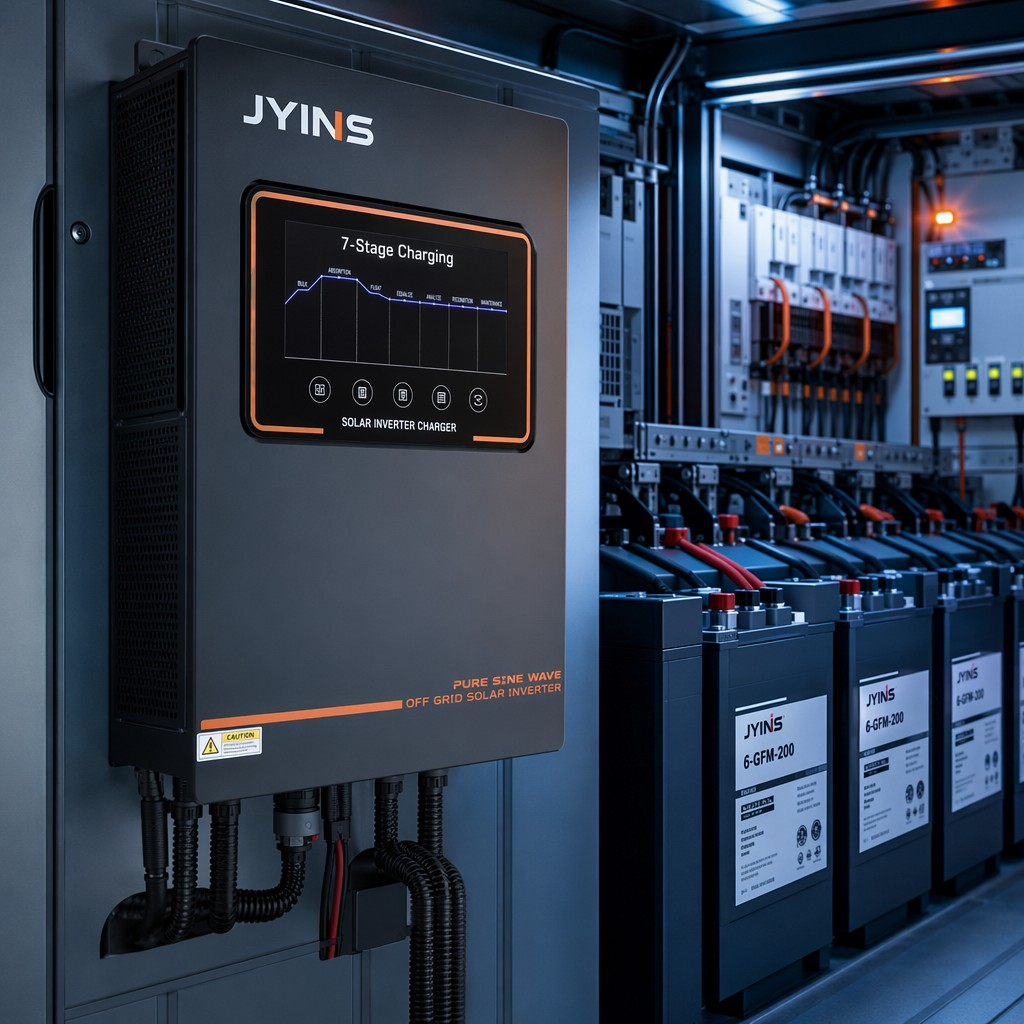
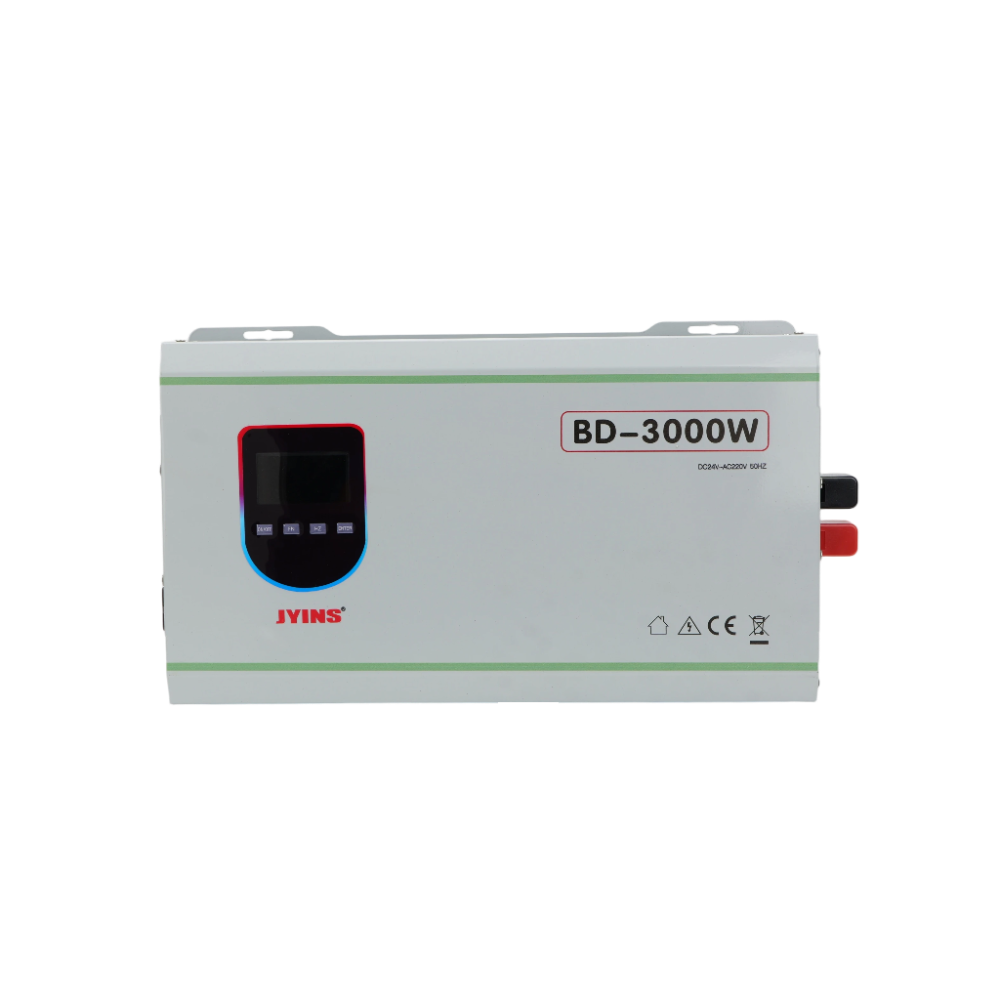
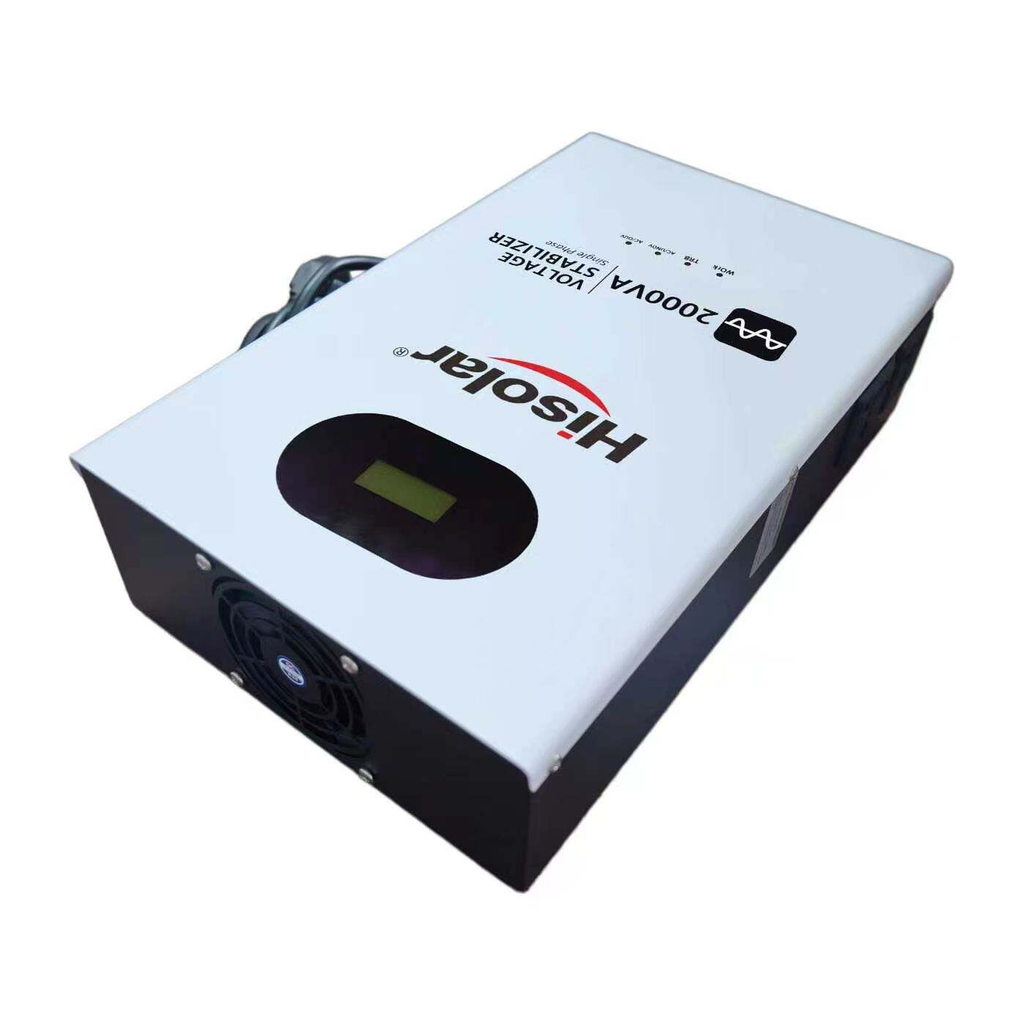
A stabilizer for inverter systems is a crucial component designed to ensure stable and reliable power supply, especially in off-grid solar applications. This article will explore essential specifications, quality evaluation, installation guidance, and various industrial applications of inverter stabilizers. For purchasing managers and engineers, understanding the nuances of these stabilizers is vital for ensuring compatibility, reliability and performance in their respective operations.  

Our Products

Evaluating the Quality of Stabilizers for Inverter Applications

Evaluating the Quality of Stabilizers for Inverter Applications

Quality evaluation of stabilizers for inverter applications is paramount. Here are factors to consider: 

Material Composition: High-quality materials contribute to durability and performance. Look for stabilizers constructed from robust, heat-resistant materials that can withstand environmental stresses. 

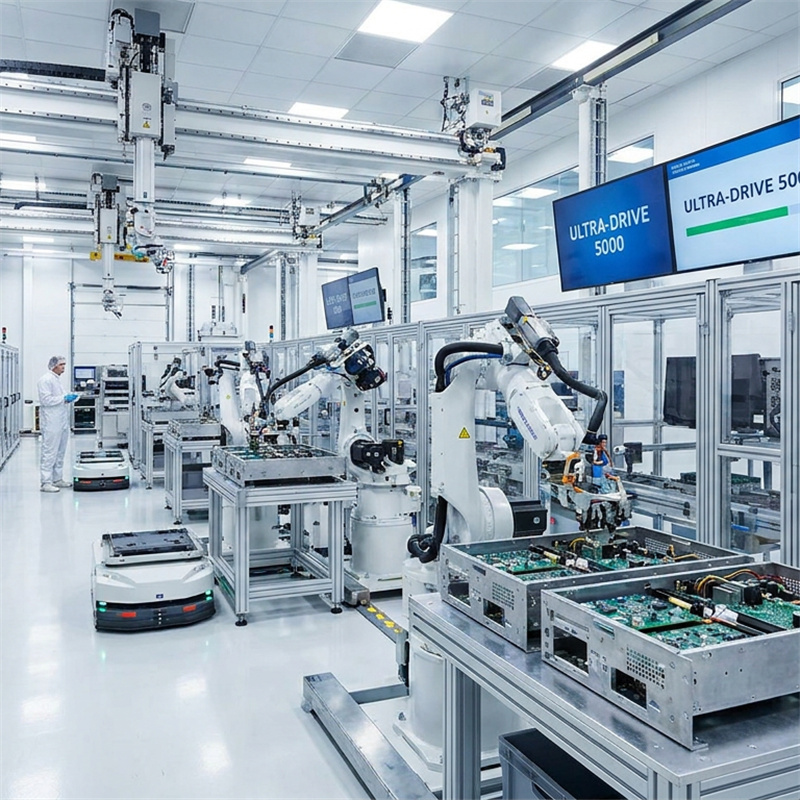
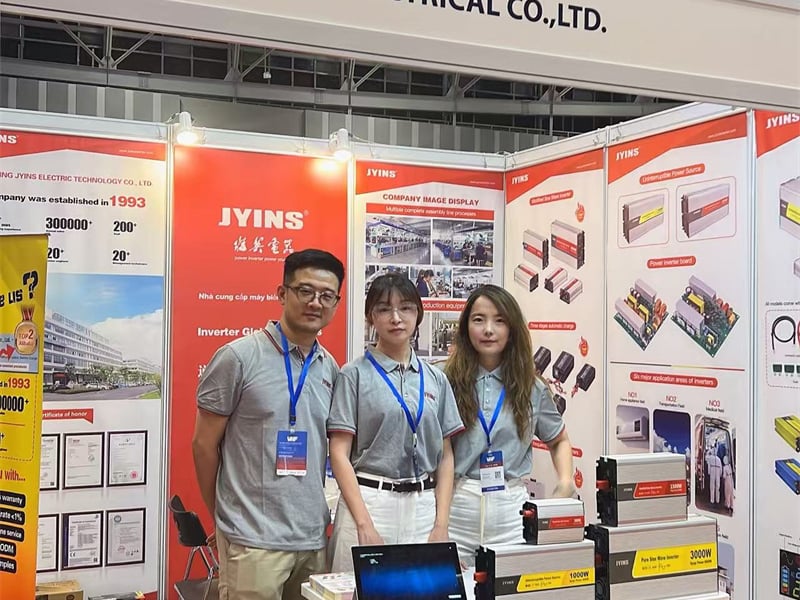
Manufacturing Processes: Examine the manufacturer's production capabilities and quality control processes. A company that adheres to strict ISO9000 standards, like Zhejiang Jyins Electrical Co., LTD, will typically produce more reliable products. 

Testing Protocols: Inquire about the testing protocols employed before mass production. Testing under simulated operational conditions helps ensure that the stabilizer performs as expected in real-world scenarios. 

Warranty and Support: Evaluate the warranty terms offered by the stabilizer for inverter manufacturer. A comprehensive warranty indicates confidence in the product's quality and performance. 

User Feedback and Reviews: Research user experiences and reviews to gauge the performance and reliability of the auto voltage stabilizer in the field. This feedback can provide insights into potential issues and the product's overall effectiveness. 
Installation Guidance for Stabilizers in Inverter Systems

Installation Guidance for Stabilizers in Inverter Systems

Proper installation of stabilizers is critical for optimal performance. Here are key considerations: 

Location: Choose a well-ventilated area for installation to enhance thermal performance. Avoid locations exposed to moisture or extreme temperatures. 

Wiring and Connections: Ensure that all wiring adheres to stabilizer for inverter  industry standards. Use appropriately rated cables and connectors to prevent electrical hazards and ensure efficient power transfer. 

Grounding: Proper grounding is essential to prevent electrical shock and equipment damage. Follow local electrical codes and regulations when grounding the stabilizer. 

Testing Post-Installation: After installation, conduct thorough testing to confirm proper operation. Monitor voltage levels and response times to ensure the stabilizer functions as intended. 

Documentation: Maintain detailed installation documentation, including diagrams and specifications, for future reference. This can be invaluable for troubleshooting or future upgrades. 

Applications of Inverter Stabilizers in Various Industries

Applications of Inverter Stabilizers in Various Industries

Stabilizers for inverters find applications across multiple industries, including: 

Renewable Energy: In solar power systems, stabilizers ensure that fluctuations in solar output do not adversely affect the overall energy supply, providing consistent power to homes and businesses. 

Telecommunications: Inverter stabilizers are critical in telecommunications, where uninterrupted power is crucial for maintaining communication networks. 

Manufacturing: In industrial settings, stabilizers protect sensitive machinery from voltage spikes, ensuring smooth operations and reducing downtime. 

Healthcare: Hospitals rely on stable power supplies for stabilizer for inverter critical equipment. Stabilizers help maintain consistent voltage levels, ensuring the safety and efficacy of medical devices. 

Data Centers: Data centers require stable power for optimal performance and data integrity. Stabilizers protect against voltage fluctuations that can lead to expensive equipment damage. 

Material Advantages of High-Quality Inverter Stabilizers

The materials used in stabilizers significantly impact their performance and longevity. Consider the following advantages: 

Corrosion Resistance: High-quality materials that resist corrosion enhance durability, especially in outdoor installations subject to harsh weather conditions. 

Thermal Conductivity: Materials with good thermal conductivity help dissipate heat, ensuring the stabilizer operates within safe temperature limits. 

Insulation Properties: Effective insulation materials prevent electrical leakage, enhancing safety and operational efficiency. 

Mechanical Strength: Robust construction materials ensure that voltage stabilizer for home can withstand physical stresses during installation and operation, reducing the risk of failure. 

Customization Options: Many manufacturers, including Zhejiang Jyins Electrical Co., LTD, offer customization capabilities, allowing buyers to specify materials and designs suited to their unique applications. 

In summary, selecting the right stabilizer for stabilizer for inverter systems involves careful consideration of specifications, quality evaluation, installation practices, and understanding its applications across various industries. By focusing on these areas, buyers can make informed decisions that enhance the reliability and performance of their power systems. 

Key Specifications to Consider

When selecting a stabilizer for inverter systems, several key specifications demand attention: 

Voltage Range: The stabilizer must accommodate the input and output voltage requirements of the inverter. This range is crucial for protecting sensitive electronic components from voltage fluctuations. 

Load Capacity: Understanding the maximum load capacity is essential. Choose a stabilizer that can handle the anticipated load with a margin to prevent overloading, which can lead to premature failure. 

Response Time: A faster response time ensures that the stabilizer for home can react quickly to voltage changes, maintaining consistent power supply and protecting connected devices. 

Efficiency Rating: This determines how much energy is lost during the stabilization process. A higher efficiency rating translates to lower operational costs and better overall performance. 

Thermal Performance: Consider the thermal management capabilities, particularly in high-load applications. The stabilizer for inverter should dissipate heat effectively to prevent overheating, which can lead to failure. 

Regulatory Compliance: Ensure that the stabilizer meets relevant industry standards and certifications, such as ISO9000, which assures quality and reliability. 

Frequently Asked Questions

What is this stabilizer for inverter used for?

Our stabilizer protects off-grid inverters by regulating input voltage, preventing damage from surges, sags, and fluctuations to ensure stable power for solar systems.
The stabilizer supports most off-grid inverter types. Provide your inverter model and specifications to our team for compatibility confirmation.
Manufactured under ISO9000-aligned processes by Zhejiang Jyins Electrical, the stabilizer undergoes strict QC and testing to meet reliable performance standards.
Installation should follow the user manual and local electrical codes. Regular inspections, clean connections, and environment checks ensure long-term reliability; professional installation is recommended.
We provide manufacturer support and warranty terms—contact our service team with product details and purchase information for warranty coverage and technical assistance.

Our Blog Posts

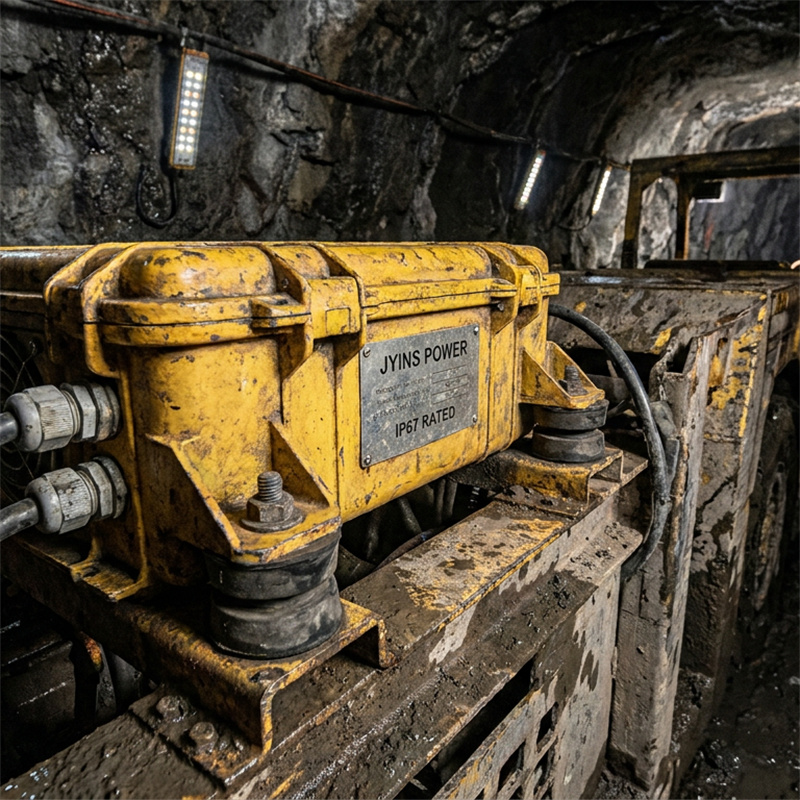
Selecting Inverters for Underground Mining: Tackling vibration, humidity, and safety venting.

25

Jun

Selecting Inverters for Underground Mining: Tackling vibration, humidity, and safety venting.

Q: Selecting Inverters for Underground Mining: Tackling vibration, humidity, and safety venting. Introduction: The Most Demanding Environment on Earth Underground mining is arguably the most hostile operating environment for electrical power electron...
View More
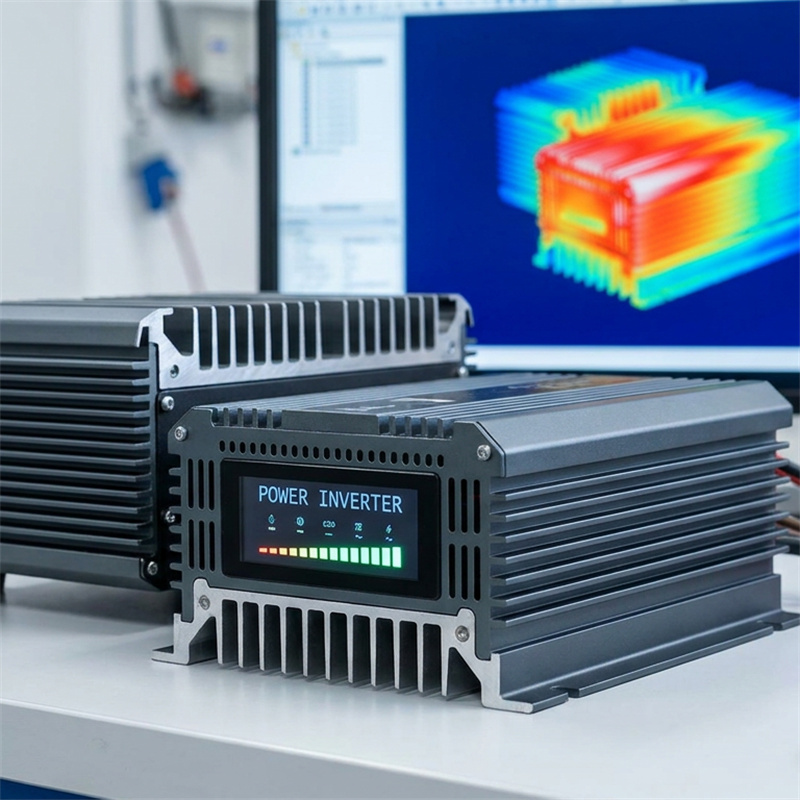
Why is Aluminum Housing superior to Plastic for industrial inverter heat dissipation?

25

Jun

Why is Aluminum Housing superior to Plastic for industrial inverter heat dissipation?

Introduction: The Thermal Challenge in Power Electronics In the design and procurement of industrial power electronics, thermal management is not just an engineering preference; it is a critical determinant of product survival. Power inverters are hi...
View More
The impact of 'Supply Chain Resilience' on lead times for customized industrial inverter projects

25

Jun

The impact of 'Supply Chain Resilience' on lead times for customized industrial inverter projects

Introduction: The Complexity of Inverter Manufacturing In the modern B2B procurement landscape, purchasing customized industrial equipment is a highly strategic operation. Among these critical assets, power inverters and hybrid solar controllers repr...
View More
How Does the JYINS Smart 7-Stage Charging Algorithm Prevent Battery Sulfation in Off-Grid Lead-Acid Battery Systems?

10

Sep

How Does the JYINS Smart 7-Stage Charging Algorithm Prevent Battery Sulfation in Off-Grid Lead-Acid Battery Systems?

Q: How Does the JYINS Smart 7-Stage Charging Algorithm Prevent Battery Sulfation in Off-Grid Lead-Acid Battery Systems? A: In off-grid solar power systems, the health of lead-acid batteries (including AGM and GEL types) directly determines the operat...
View More

Get a Free Quote

Our representative will contact you soon.
Email
Mobile
Name
Company Name
Products of Interest
Message
0/1000
Stabilizer for Inverter: Key Specifications & Guidance

Get a Free Quote

Our representative will contact you soon.
Email
Mobile
Name
Company Name
Products of Interest
Message
0/1000