EN
EN


Introduction: The Lifeline of Mobile Medicine
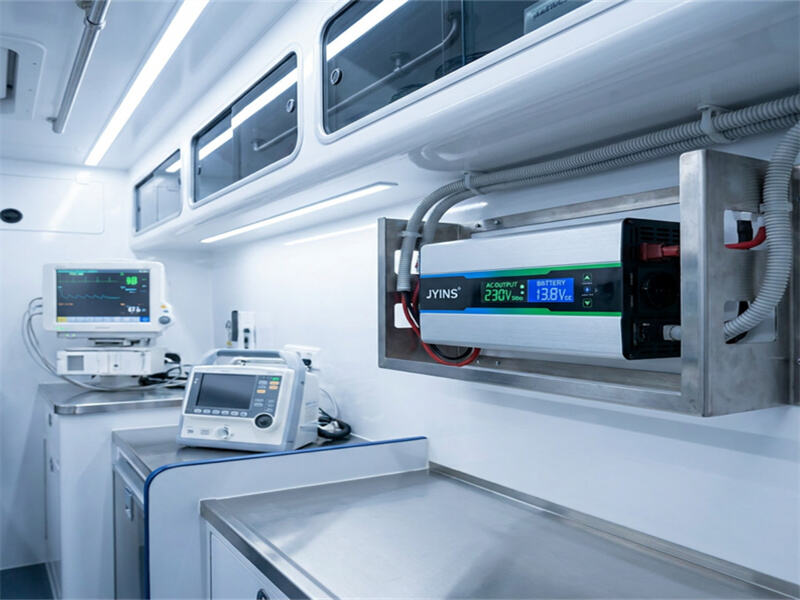
In the rapidly evolving landscape of healthcare, mobile medical units—ranging from advanced life-support ambulances to remote rural clinics—have become critical front-line assets. These units house highly sophisticated diagnostic and life-saving equipment, such as ventilators, defibrillators, ECG monitors, and portable ultrasound machines.
However, the reliability of these medical devices is only as good as the power system that sustains them. In a mobile environment, where power must be converted from DC (battery) to AC (appliance), the 'cleanliness' of that electricity is paramount. For medical equipment manufacturers and mobile unit integrators, the standard for this power is non-negotiable: EMC Class B Compliance. This article examines why electromagnetic compatibility (EMC) is the gold standard for medical power systems and how JYINS (Hisolar) provides the precision engineering required for these life-critical applications.
1. Decoding EMC Class B: Why It Matters
What is EMC?
Electromagnetic Compatibility (EMC) refers to the ability of an electrical device to function correctly in its environment without being affected by—or causing—electromagnetic interference (EMI). In simpler terms, it is about 'electrical manners.' A device with good EMC does not 'shout' electrical noise that disrupts its neighbors.
Class A vs. Class B
In the world of power inverters, there are two primary levels of EMC compliance:
- Class A: Suitable for use in industrial environments where sensitive electronics are rare.
- Class B: Much more stringent. It is designed for residential and sensitive environments, including healthcare facilities. Class B limits for radiated and conducted emissions are significantly lower (stricter) than Class A.
For mobile clinics, Class B is the essential standard. Because medical monitors and communication devices are often positioned within centimeters of the power system, any electromagnetic 'noise' from a Class A inverter could render medical data inaccurate or, worse, cause equipment failure.
2. The Dangers of EMI in Medical Environments
Electromagnetic interference is a 'ghost' in the machine that can have devastating real-world consequences in a medical setting.
Ghost Readings and False Alarms
Medical equipment like ECGs (Electrocardiograms) measure very faint electrical signals from the human heart. If a power inverter is leaking electromagnetic noise, that noise can be 'picked up' by the ECG sensors. This results in 'artifacting' on the screen—distorted waves that can lead a doctor to misdiagnose a patient or cause life-saving monitors to trigger false alarms, leading to 'alarm fatigue' among paramedics.
Equipment Malfunction
More severe EMI can interfere with the microprocessors inside ventilators or infusion pumps. In a mobile clinic, where every second counts, a system reboot caused by electrical interference is a risk no manufacturer can afford to take.
3. JYINS Engineering: Achieving the Class B Gold Standard
Achieving EMC Class B compliance in a high-power inverter is an engineering challenge. It requires more than just a metal box; it requires a holistic approach to circuit design.
Advanced Filtering and Shielding
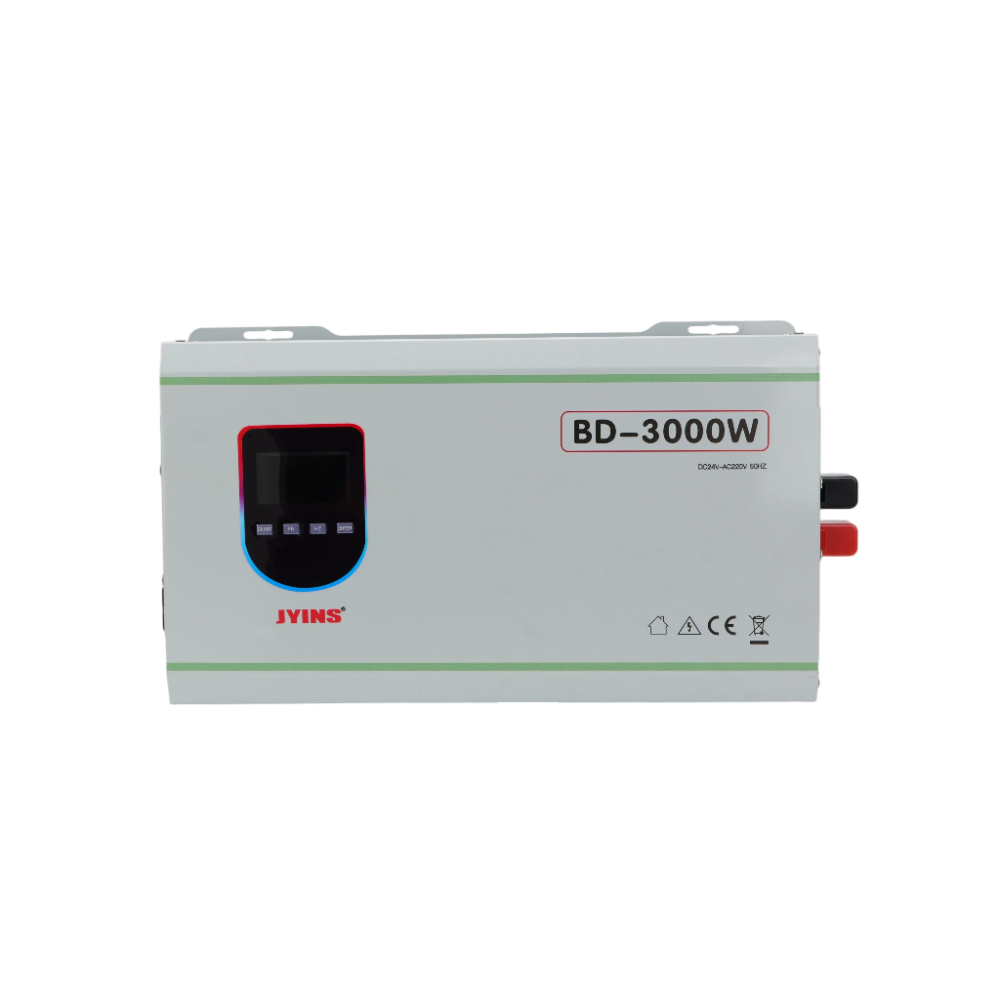
JYINS medical-grade inverters utilize multi-stage EMI filters at both the input and output stages. These filters are specifically tuned to suppress the high-frequency switching noise typical of PWM (Pulse Width Modulation) inverters. Furthermore, our inverters feature high-density aluminum alloy casings that act as a 'Faraday Cage,' containing internal electromagnetic fields and preventing them from radiating into the ambulance cabin.
Pure Sine Wave Precision
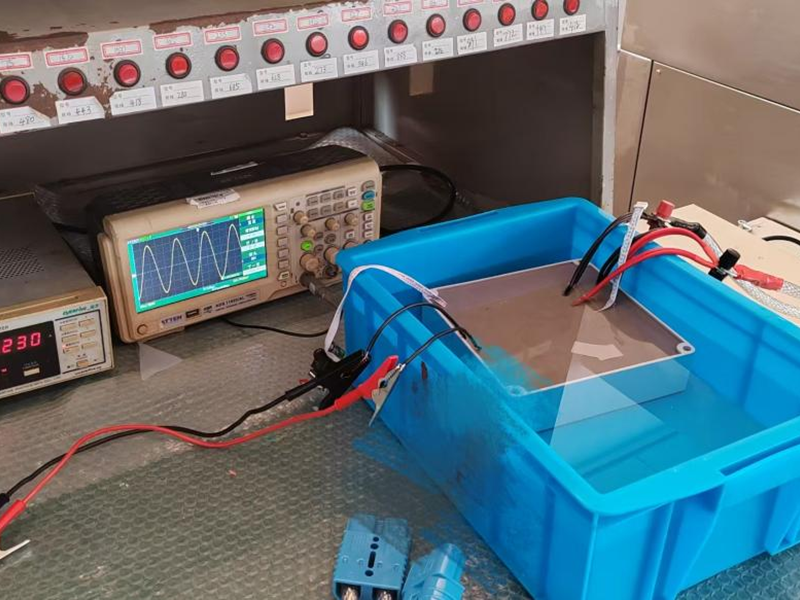
Medical equipment requires a perfect AC signal. JYINS inverters provide a Pure Sine Wave with Total Harmonic Distortion (THD) of less than 3%. This 'clean' wave mimics the power from a wall outlet, ensuring that sensitive medical motors and sensors operate coolly, quietly, and without interference.
4. Application Focus: Ambulances and Mobile Surgery Units
For ambulance manufacturers, the integration of a JYINS inverter system provides several key benefits:
1. Silent Operation: Our intelligent temperature-controlled fans ensure that the inverter stays cool without creating excessive noise, allowing for clear communication between paramedics and hospital dispatch.
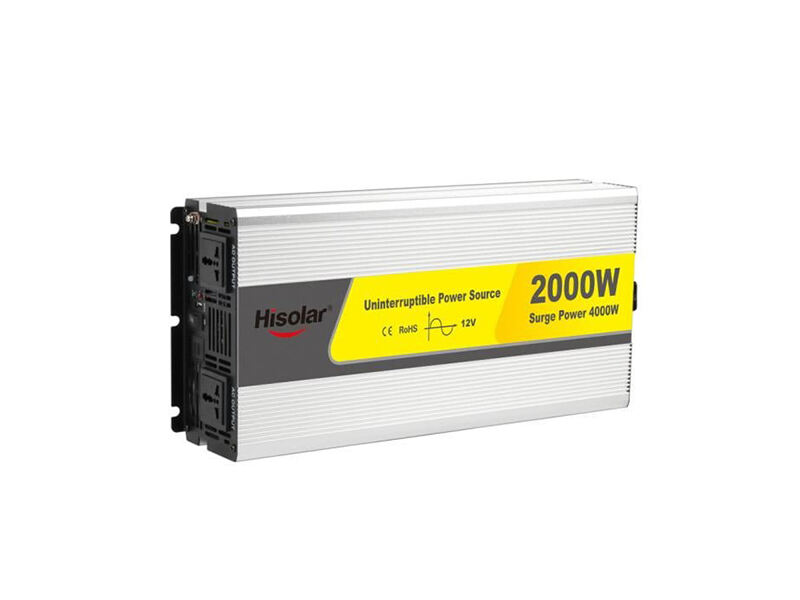
2. Compact Reliability: Space is at a premium in mobile clinics. Our high-power-density designs provide 2000W to 3000W of medical-grade power in a footprint that easily fits under seating or in electrical cabinets.
3. B-Class Assurance: By using JYINS B-Class certified components, manufacturers can pass overall vehicle certification more easily, as the inverter is already pre-validated for low emissions.
5. Global Compliance: The JYINS Quality Promise
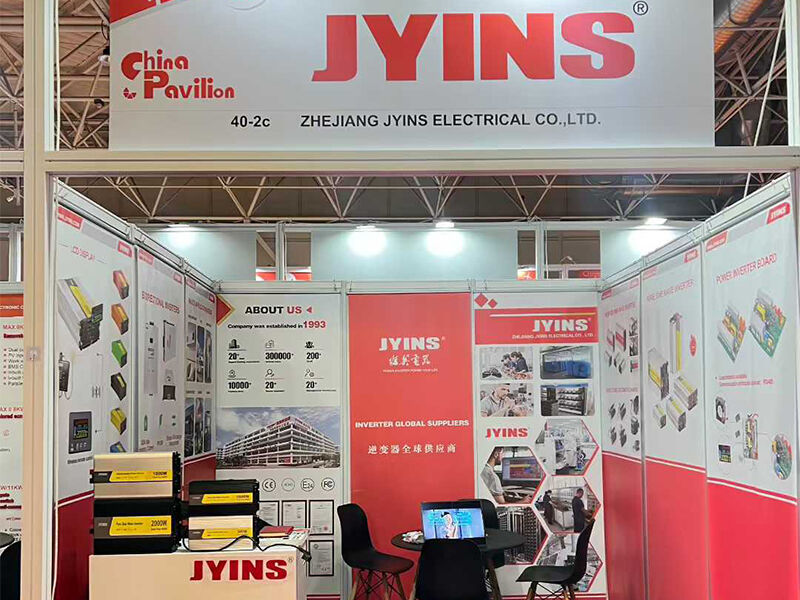
Since 1993, Zhejiang JYINS (Hisolar) has been at the forefront of power technology. Our commitment to the medical sector is backed by international certifications that give manufacturers and wholesalers peace of mind:
- CE and FCC: Ensuring our inverters meet global safety and EMI standards.
- EMC Class B Certified: Every unit in our medical line is tested in certified labs to ensure it meets the strict dB limits for Class B emissions.
- ISO 9001 and 14001: Guaranteeing that every inverter is built to a consistent, high-quality standard in an environmentally responsible manner.
6. The Future of Mobile Medical Power: Customization and Connectivity
As medical units become more 'connected,' the need for smart power increases. JYINS inverters now support RS485 and CAN bus communication protocols. This allows the mobile clinic’s central computer to monitor the inverter’s status, battery levels, and load consumption in real-time, ensuring that the power system is always ready for the next emergency.
Conclusion: Choosing the Right Partner for Critical Care
When lives are on the line, the choice of a power inverter is not a procurement detail—it is a safety decision. For medical equipment manufacturers and mobile clinic wholesalers, selecting an inverter that meets EMC Class B standards is the only way to ensure the integrity of life-saving medical devices.
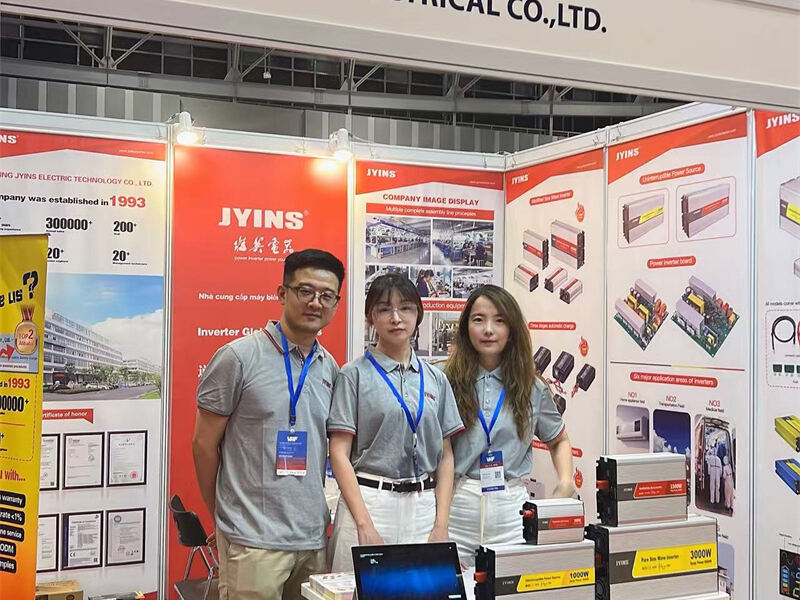
JYINS (Hisolar) stands ready to be that partner. With 30 years of expertise, a dedicated R&D team, and a proven track record in the medical and emergency assistance sectors, we provide the precision power that keeps mobile medicine moving forward safely.
Seeking a reliable power partner for your medical vehicle project? Contact the JYINS engineering team today to discuss our EMC Class B compliant solutions and OEM customization options.
Table of Contents
- Introduction: The Lifeline of Mobile Medicine
- 1. Decoding EMC Class B: Why It Matters
- 2. The Dangers of EMI in Medical Environments
- 3. JYINS Engineering: Achieving the Class B Gold Standard
- 4. Application Focus: Ambulances and Mobile Surgery Units
- 5. Global Compliance: The JYINS Quality Promise
- 6. The Future of Mobile Medical Power: Customization and Connectivity
- Conclusion: Choosing the Right Partner for Critical Care