EN


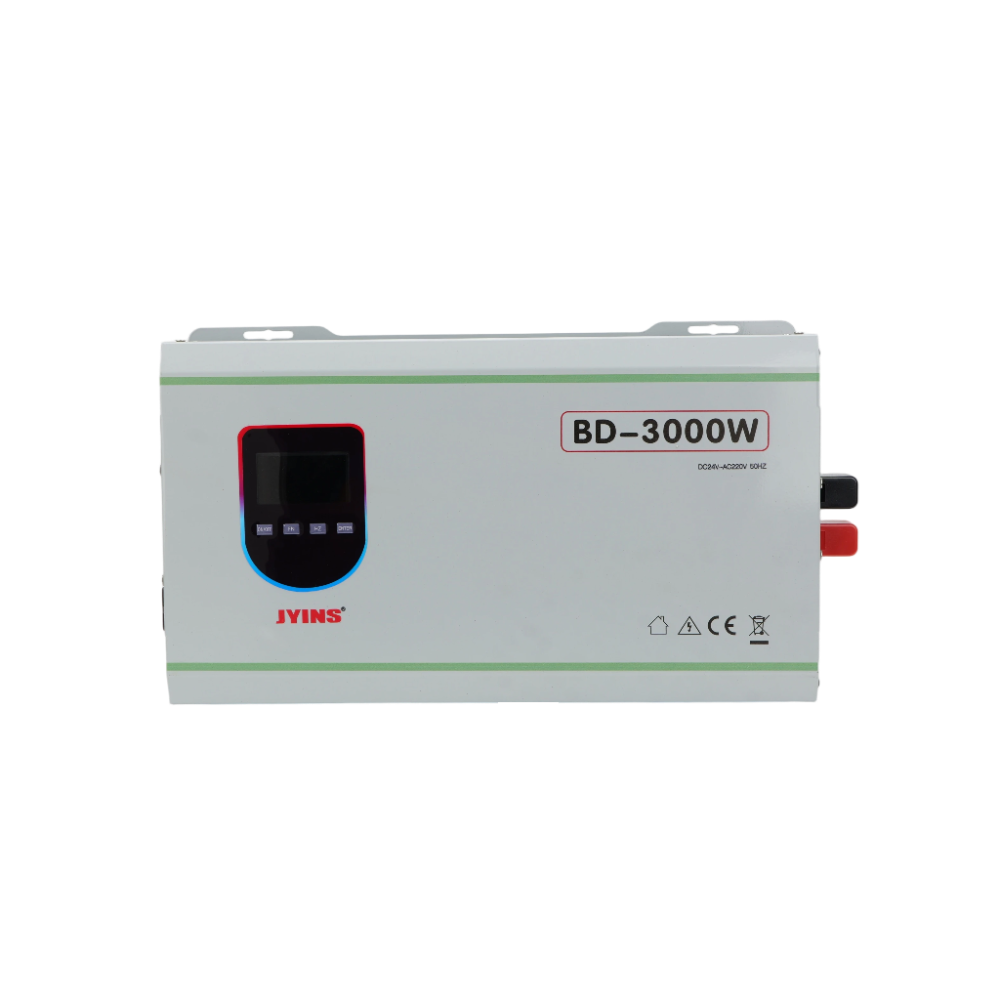
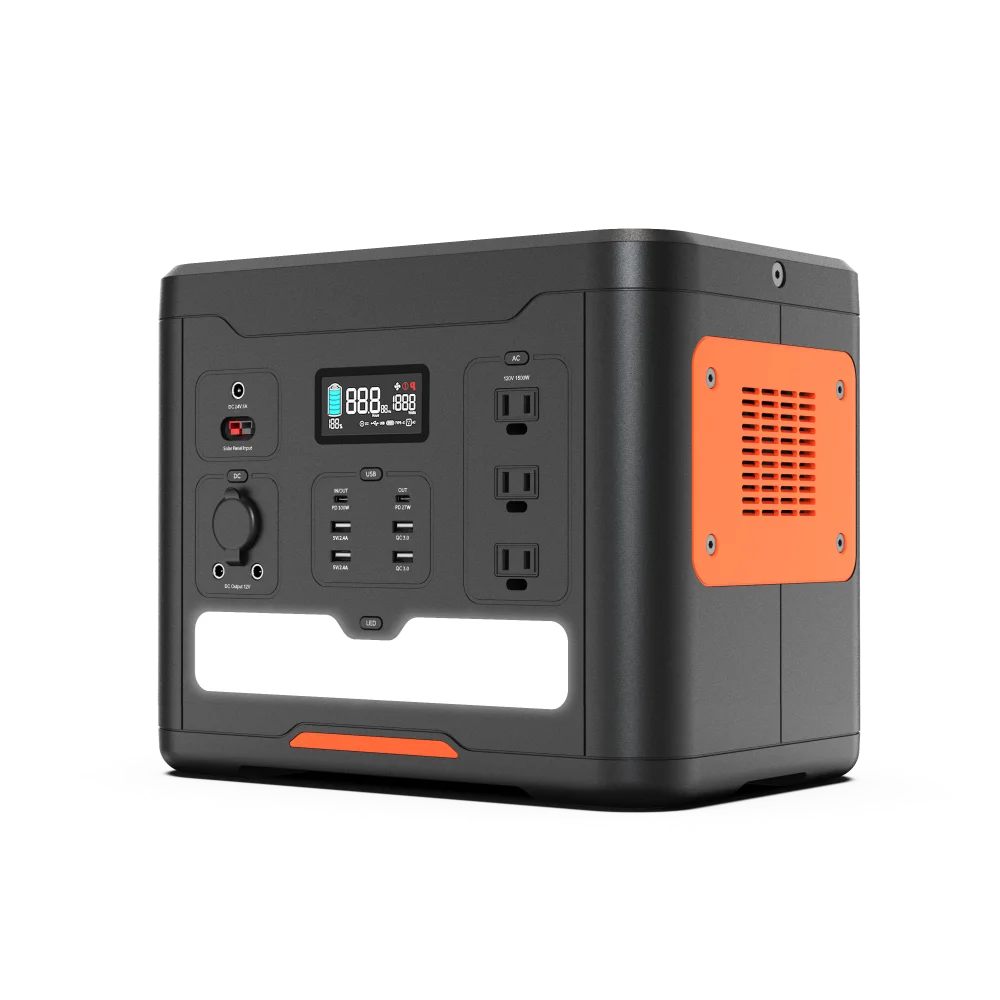
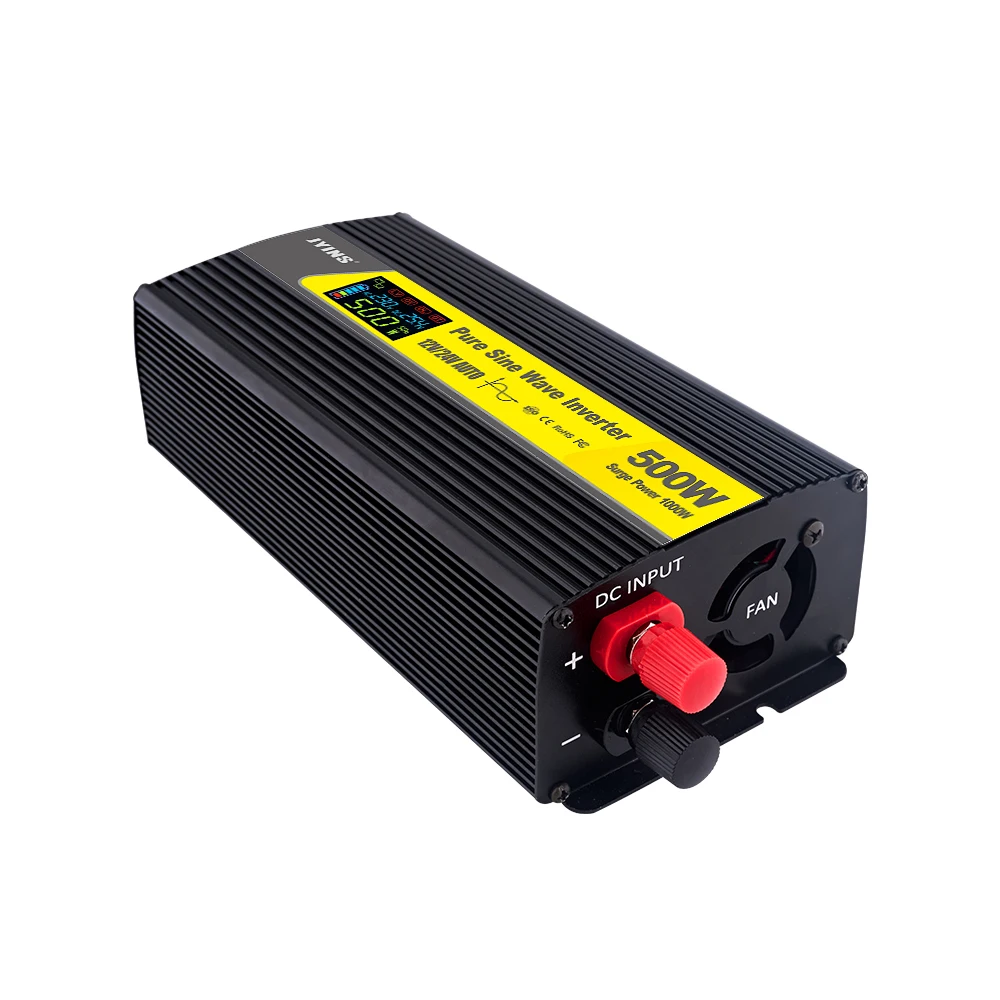
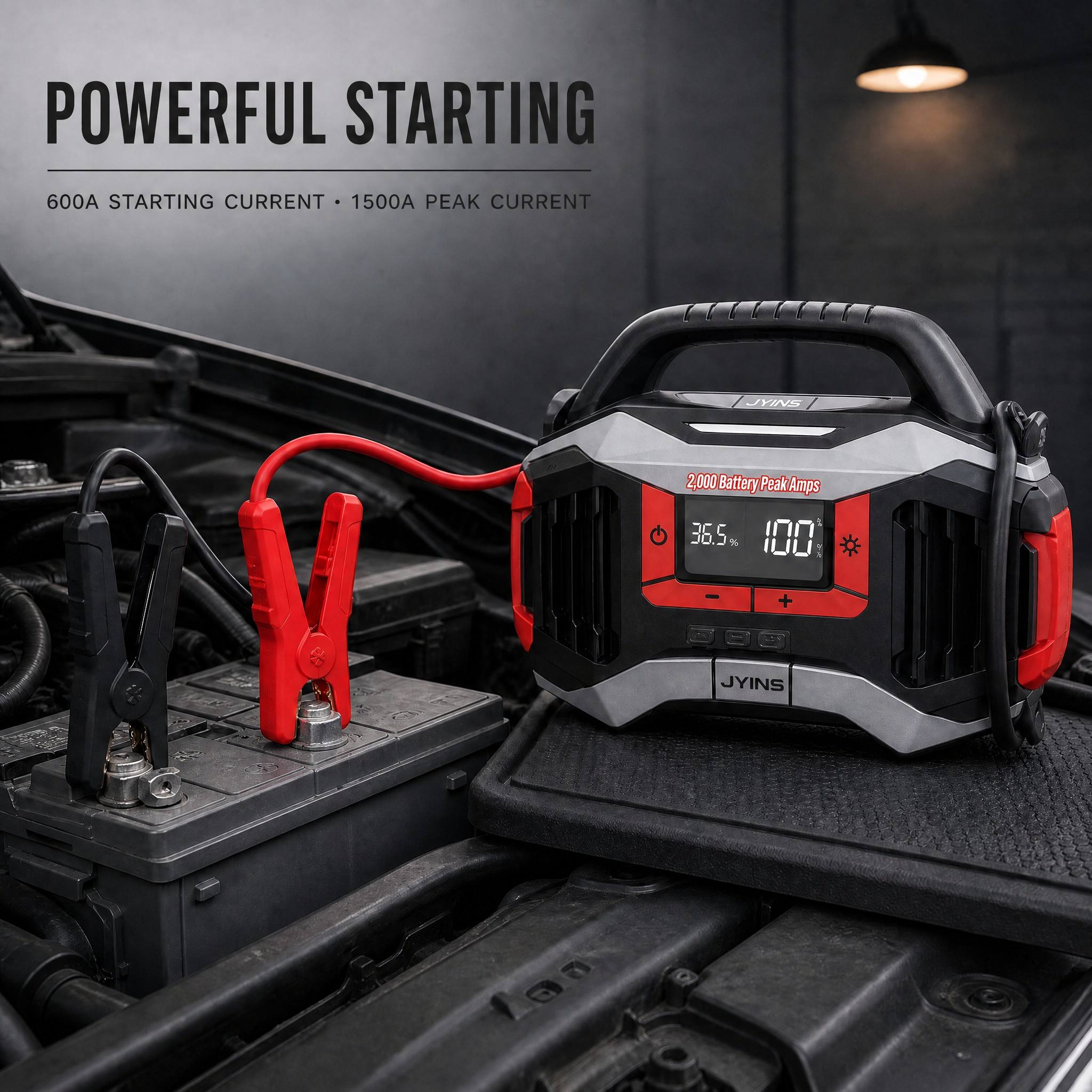
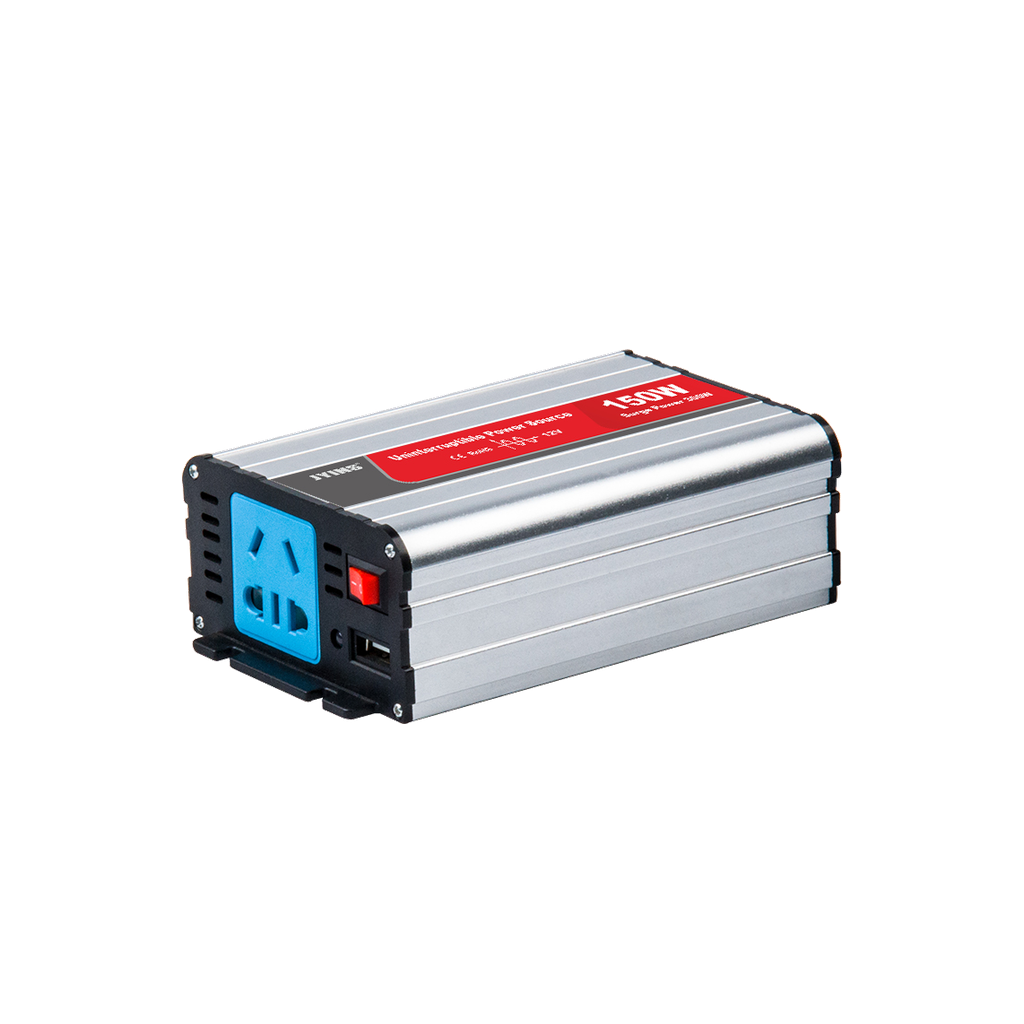
Jyins Power solar panel inverter for laptops are essential devices that convert DC power from batteries into AC power, allowing users to operate their laptops while on the go or in remote locations. As B2B buyers, purchasing managers, or engineers, understanding the nuances of power inverters is crucial for selecting the right model that meets specific operational needs. This article will explore key considerations for choosing a power inverter for laptops, evaluate specifications, discuss quality and performance factors, address common issues, and highlight material advantages in power inverter for laptops design
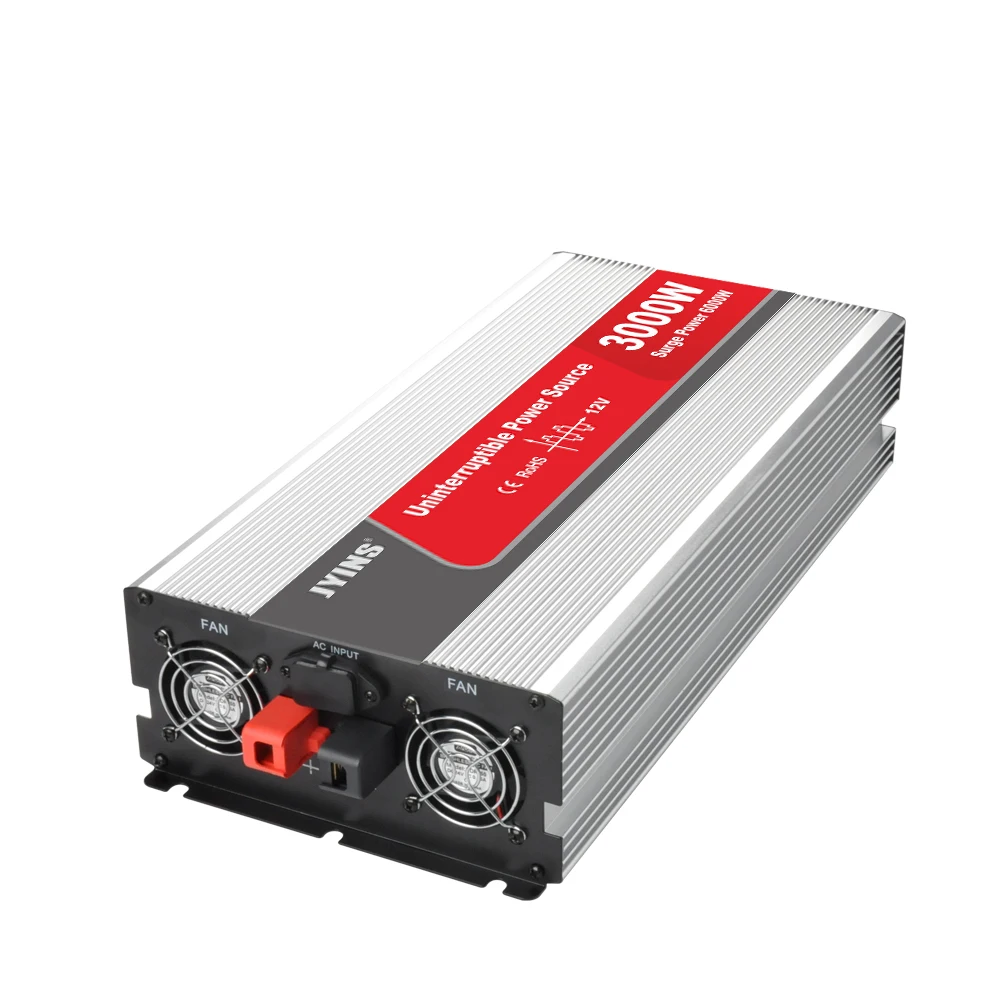
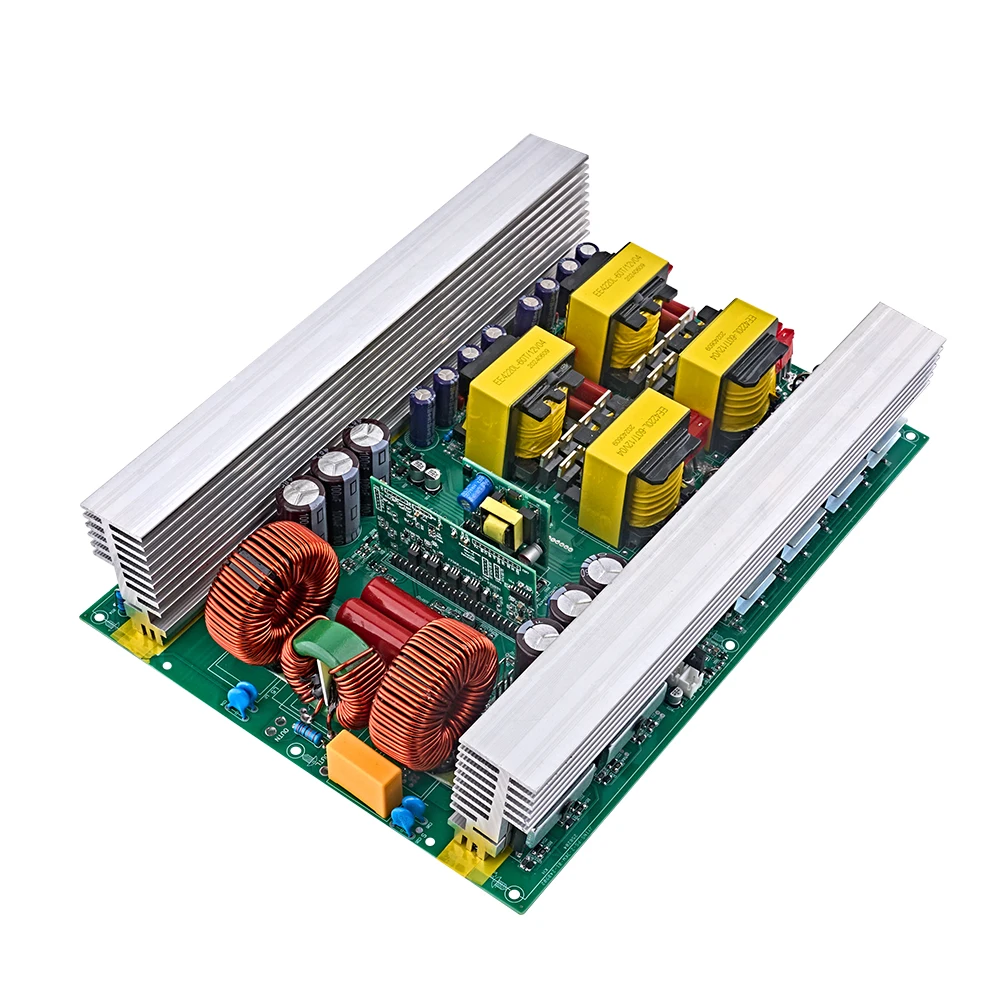
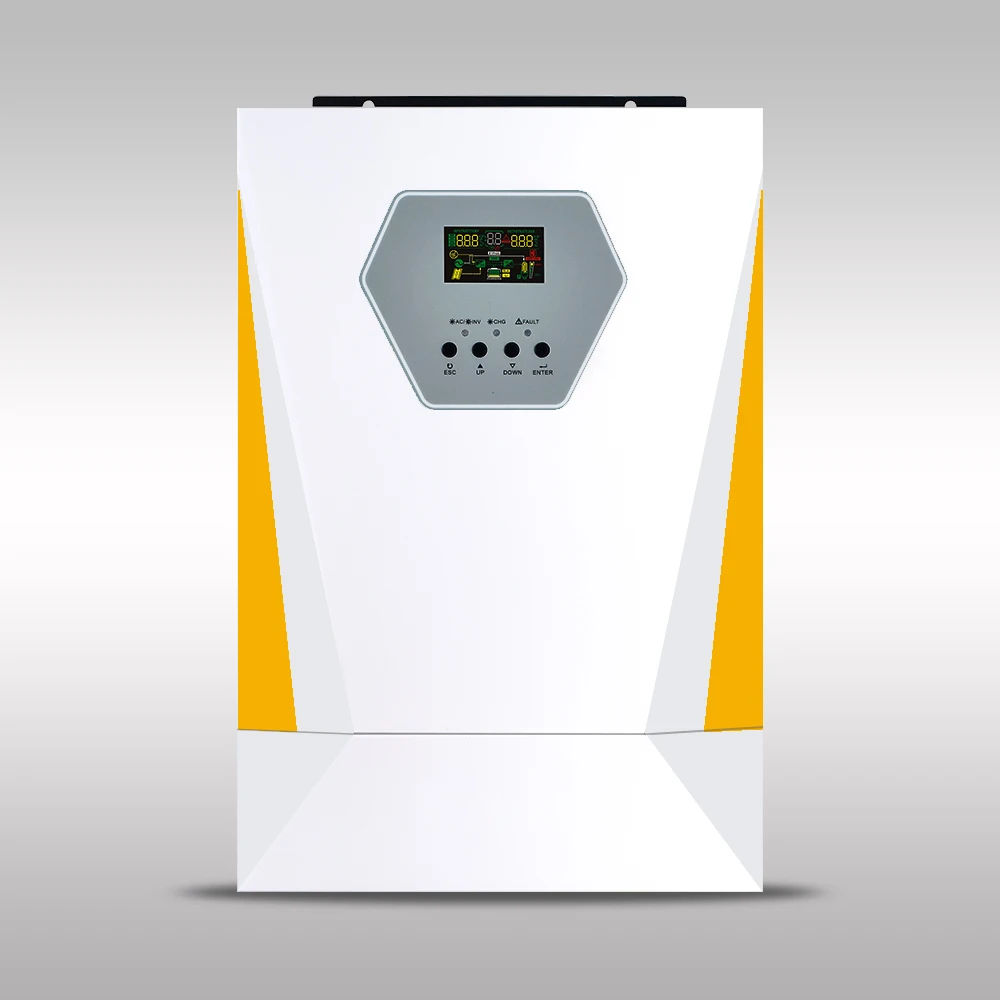
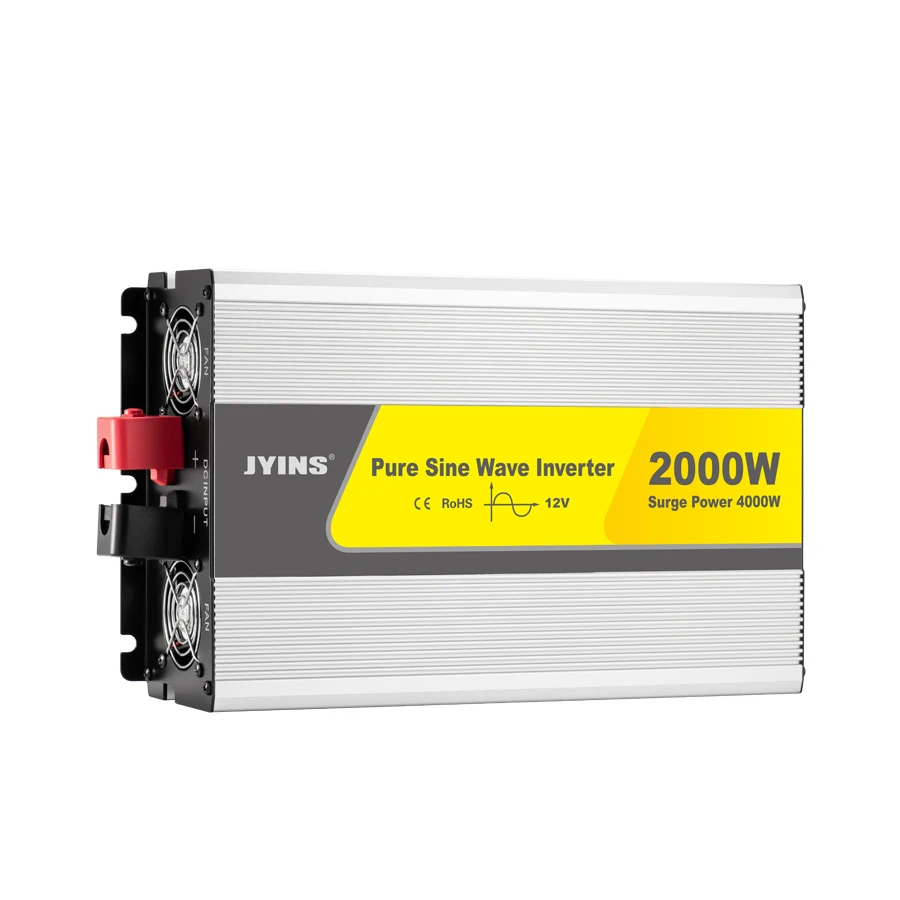


How to Evaluate Power Inverter Specifications for Your Laptop
To effectively evaluate Jyins power solar electric inverter specifications, start by examining the inverter's continuous and peak wattage ratings. Continuous wattage indicates how much power the inverter can provide over time, while peak wattage refers to the maximum power it can supply for short bursts, which is crucial for devices that draw more power during startup
Next, consider the inverter's efficiency rating. An efficient power inverter for laptops minimizes energy loss during conversion, which is especially important for battery-operated applications. Look for inverters with efficiencies above 90%
Input voltage range is also vital; it must be compatible with the battery or solar power source being used. Most power inverter for laptops operate on 12V systems, but some may accommodate 24V or higher
Finally, check for safety features like overload protection, short circuit protection, and thermal shutdown mechanisms. These features help prevent damage to both the power inverter for laptops and the laptop, providing peace of mind during operation