Key Considerations for E-Bike Inverters

Get a Free Quote

Our representative will contact you soon.
Email
Mobile
Name
Company Name
Products of Interest
Message
0/1000

E-bike inverter

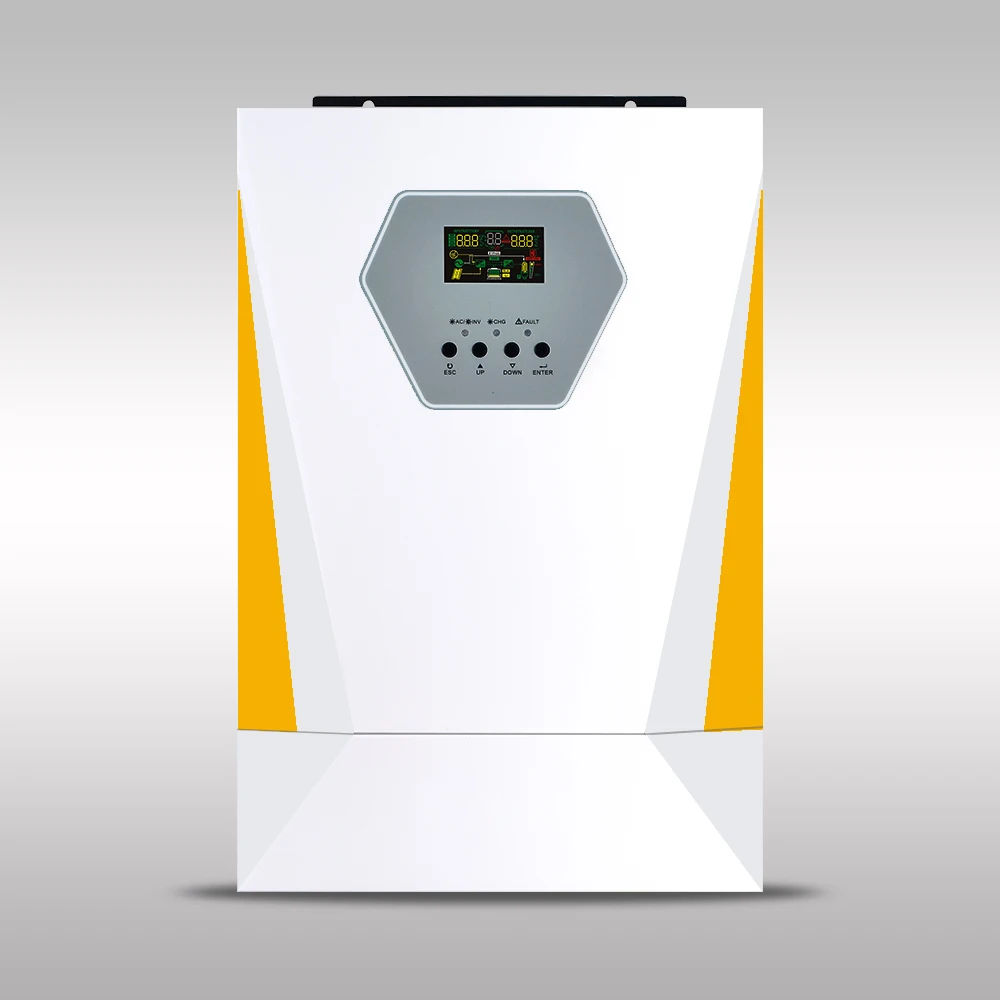
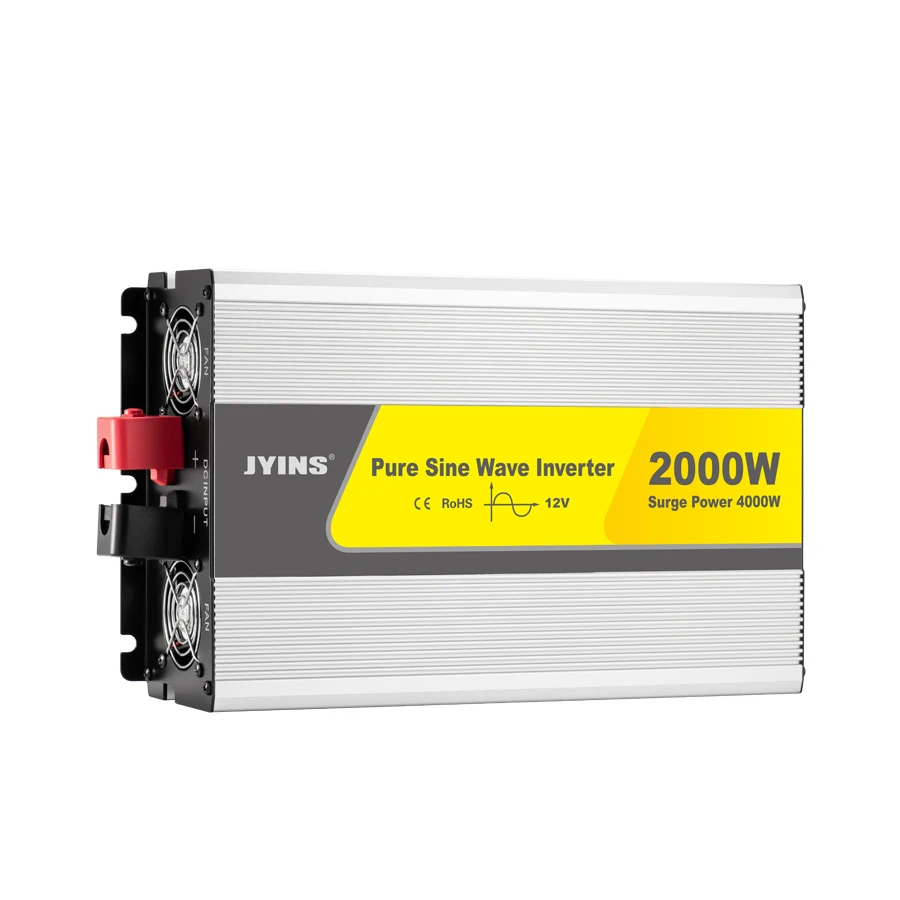
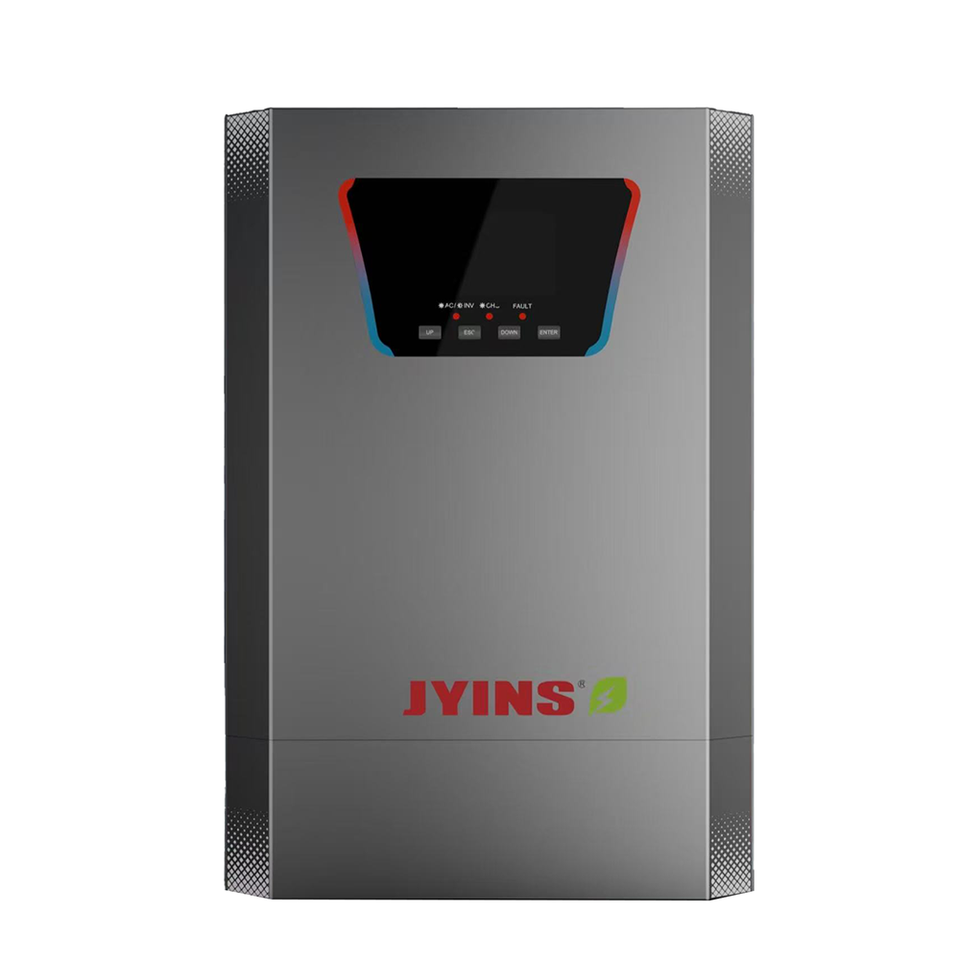
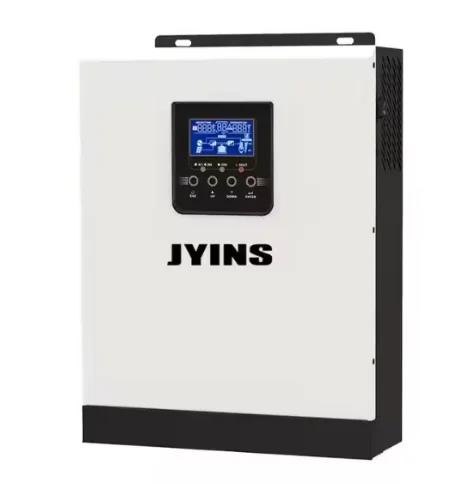
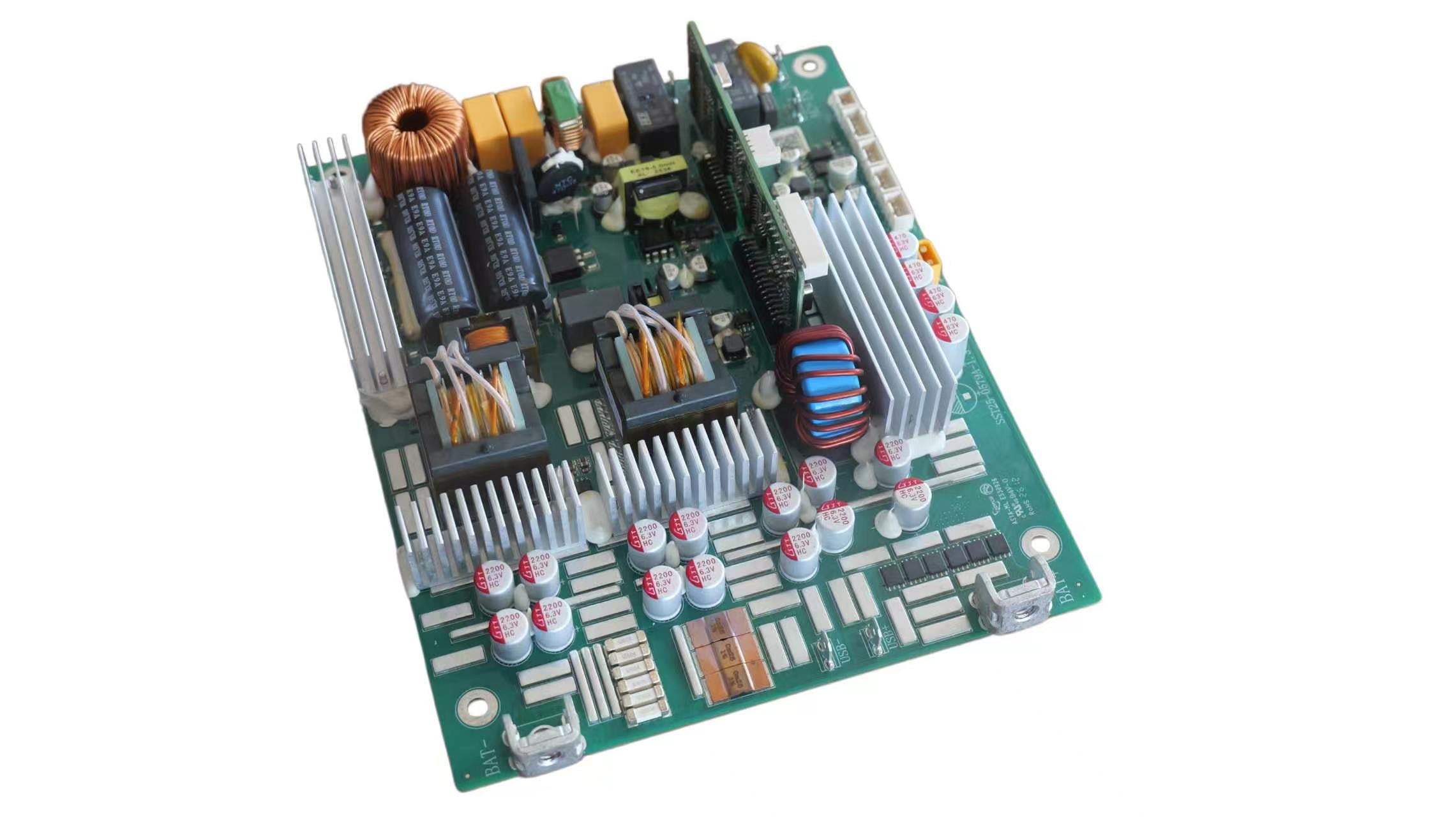
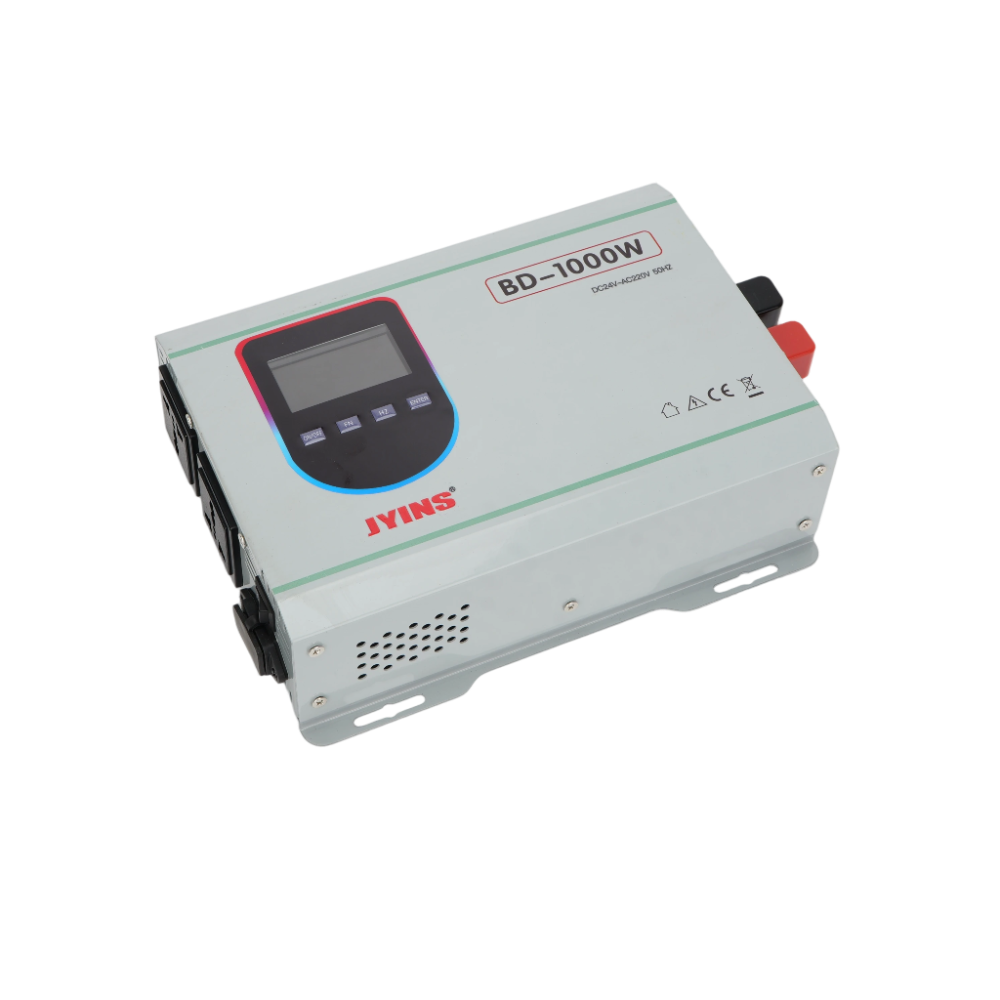
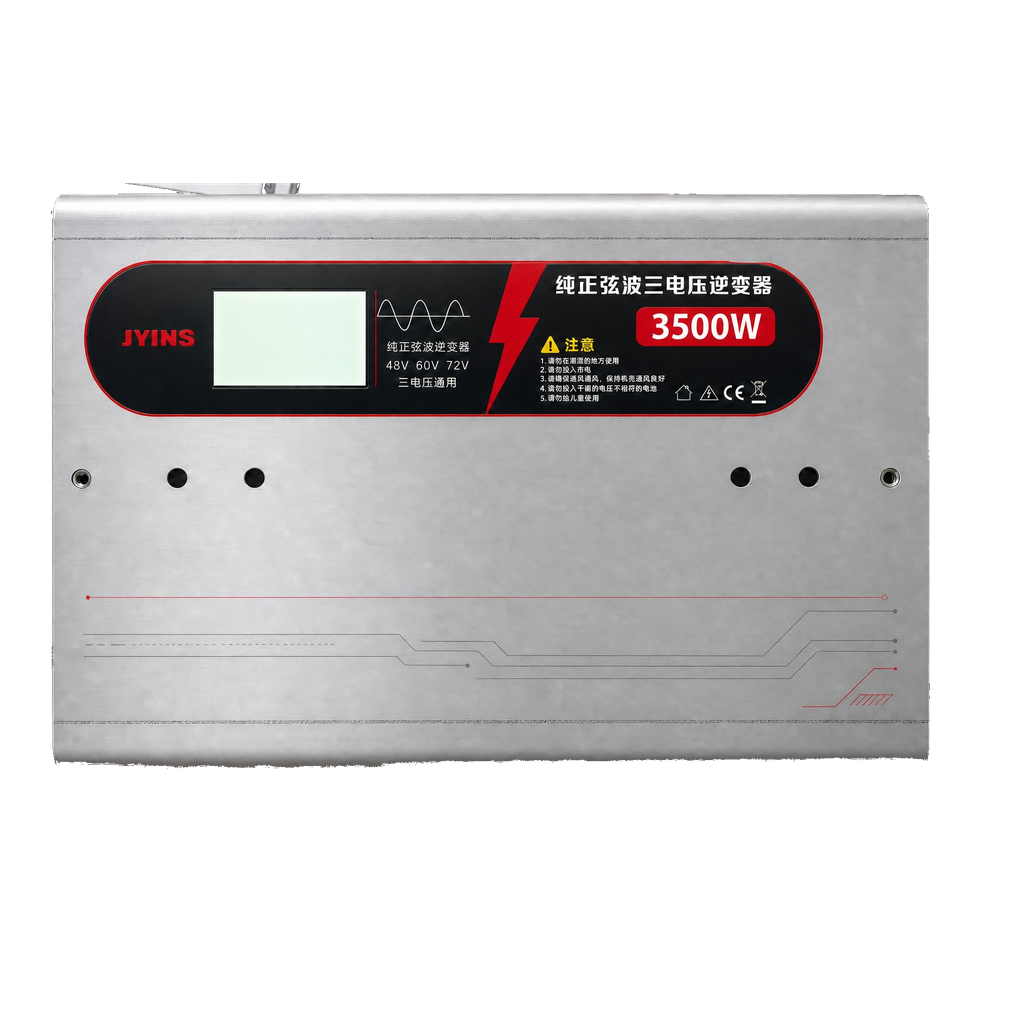
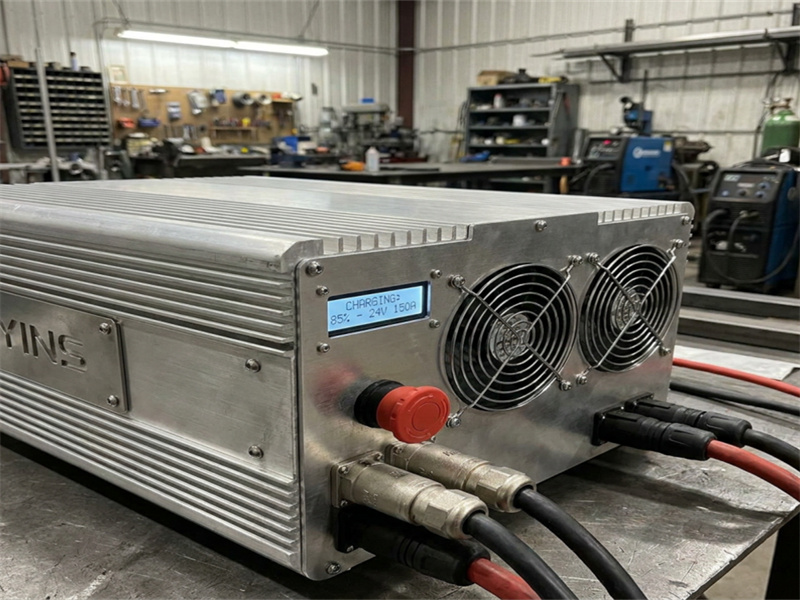
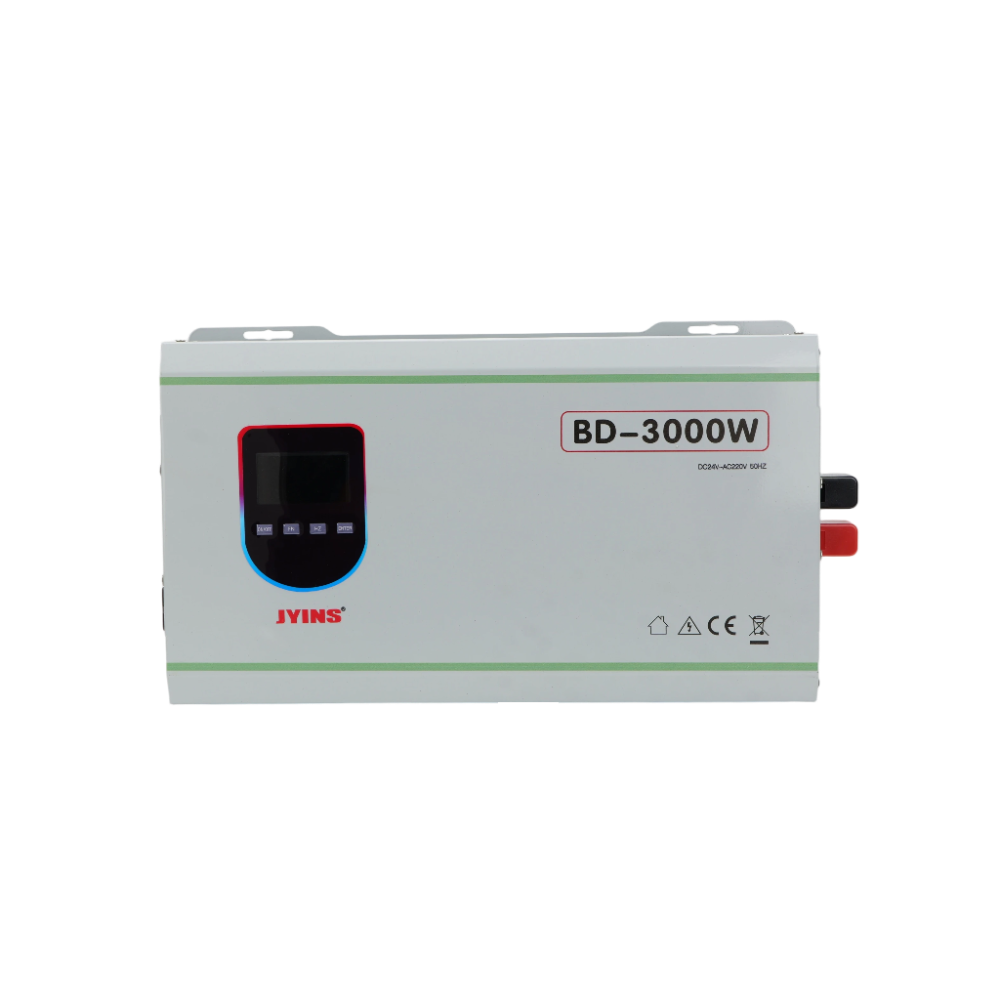
E-bike inverters are essential components that convert direct current (DC) from batteries into alternating current (AC) suitable for powering electric bikes. For B2B buyers, understanding the specifications, performance, and material considerations of electric bike battery charger is crucial for making informed purchasing decisions. This article will explore key factors to consider, the e-bike inverters features and benefits for contractors, cost factors for bulk purchases, the importance of materials, and performance insights for wholesale buyers. 
Our Products

Features and Benefits for Contractors

Features and Benefits for Contractors

Contractors and installers of e-bike systems benefit significantly from understanding the features of e-bike inverters: 

Integrated Safety Features: Many modern inverters come equipped with built-in safety features like short-circuit protection, over-temperature protection, and overload protection. This enhances safety during installation and operation. 

User-Friendly Interfaces: Inverters with clear displays and intuitive controls simplify the installation process and help users monitor performance easily. 

Remote Monitoring Capabilities: Advanced inverters may offer remote monitoring features, allowing contractors to assess performance from a distance. This can save time and facilitate troubleshooting. 

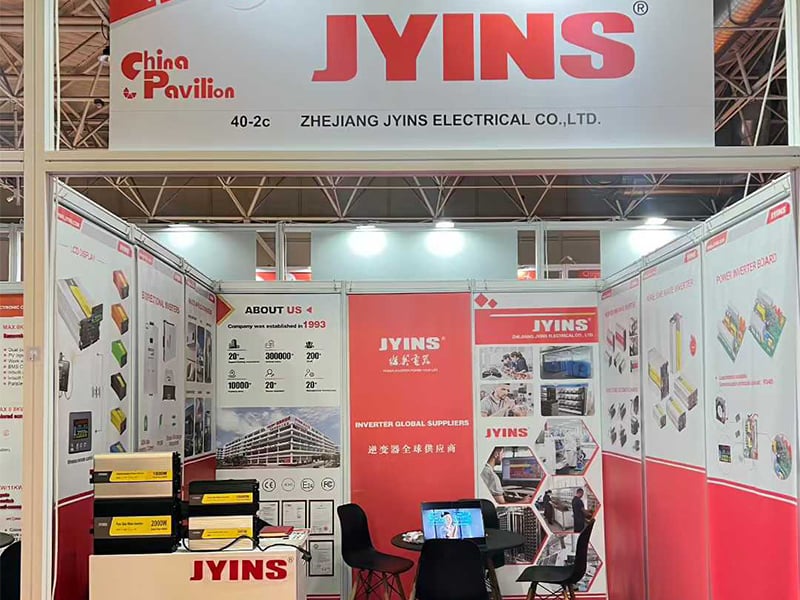
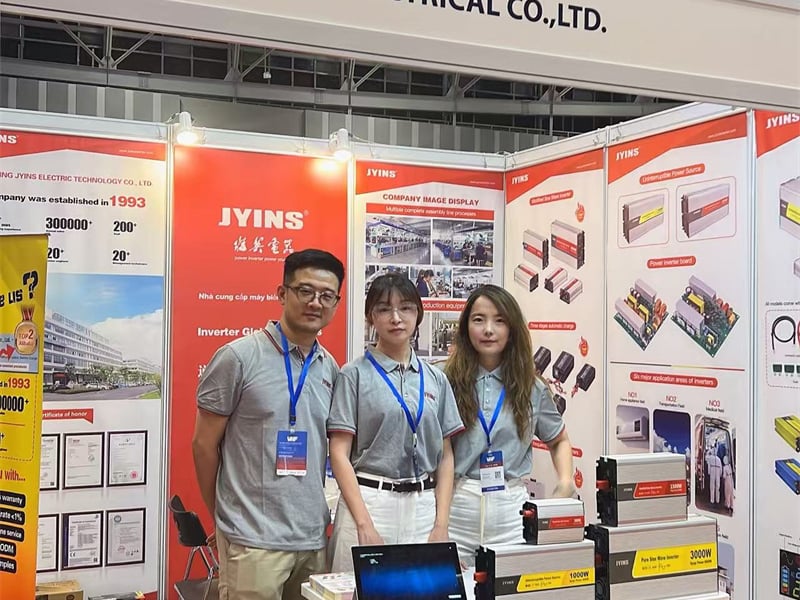
Customization Options: Many manufacturers, such as Zhejiang Jyins Electrical Co., LTD, provide options for customization based on specific client needs,  enhancing the versatility of e-bike systems. 

By understanding these features, contractors can make more informed decisions, ultimately leading to higher customer satisfaction. 
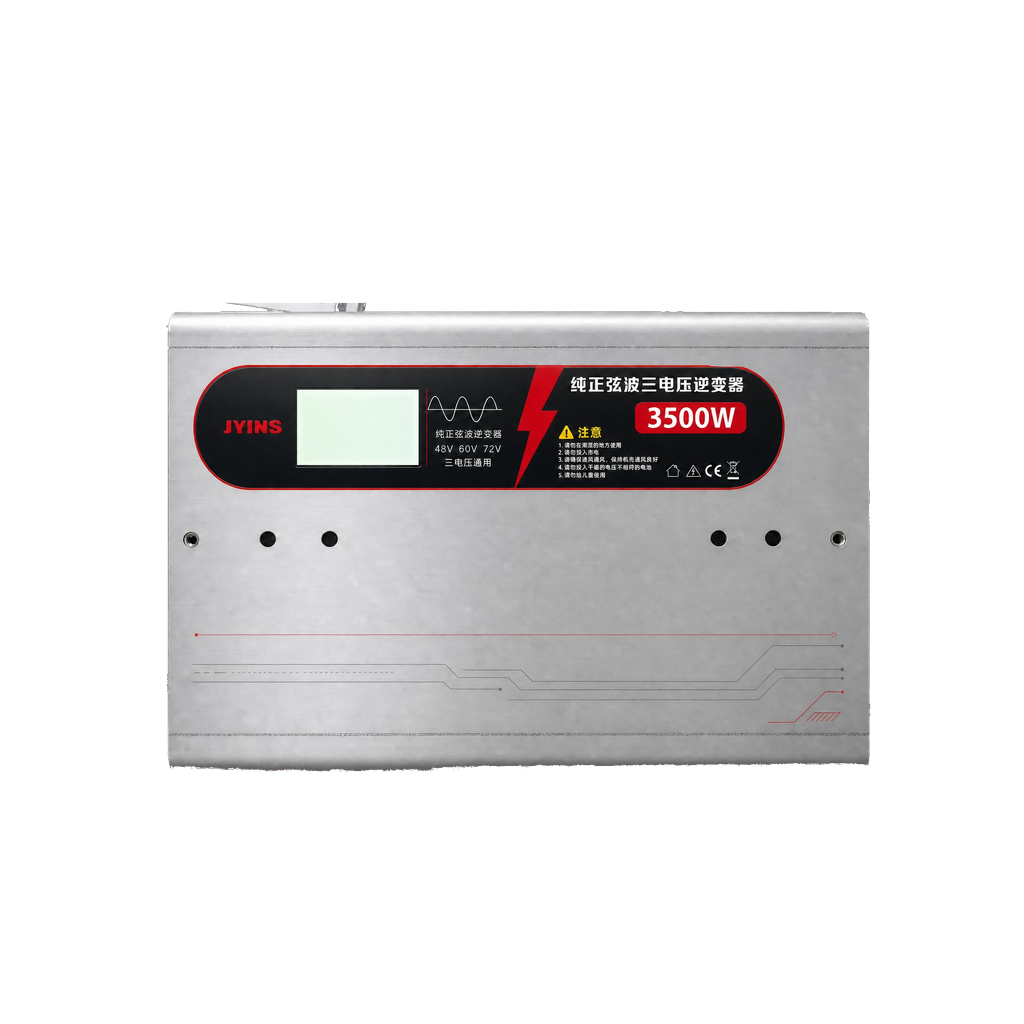
Cost Factors When Purchasing E-Bike Inverters in Bulk Orders

Cost Factors When Purchasing E-Bike Inverters in Bulk Orders

When considering bulk purchases of e-bike inverters, several cost factors come into play: 

Unit Price vs. Total Cost: While the unit price may seem attractive, buyers should consider the total cost of ownership, which includes installation, maintenance, and potential replacement costs. A higher initial investment in a quality photovoltaic inverter may result in lower long-term costs. 

Minimum Order Quantity (MOQ): Manufacturers often set a MOQ for bulk orders. Understanding these e-bike inverters requirements is essential for budgeting and planning. 

Shipping and Logistics: Assess shipping costs and lead times, as these can significantly impact overall expenditure. Choosing a supplier with efficient logistics can help mitigate these costs. 

Warranty and Support: Inquire about warranty terms and after-sales support. A robust warranty can provide peace of mind and reduce long-term costs associated with repairs or replacements. 

The Importance of E-Bike Inverter Materials

The Importance of E-Bike Inverter Materials

The materials used in e-bike inverters play a critical role in their performance and longevity. Key considerations include: 

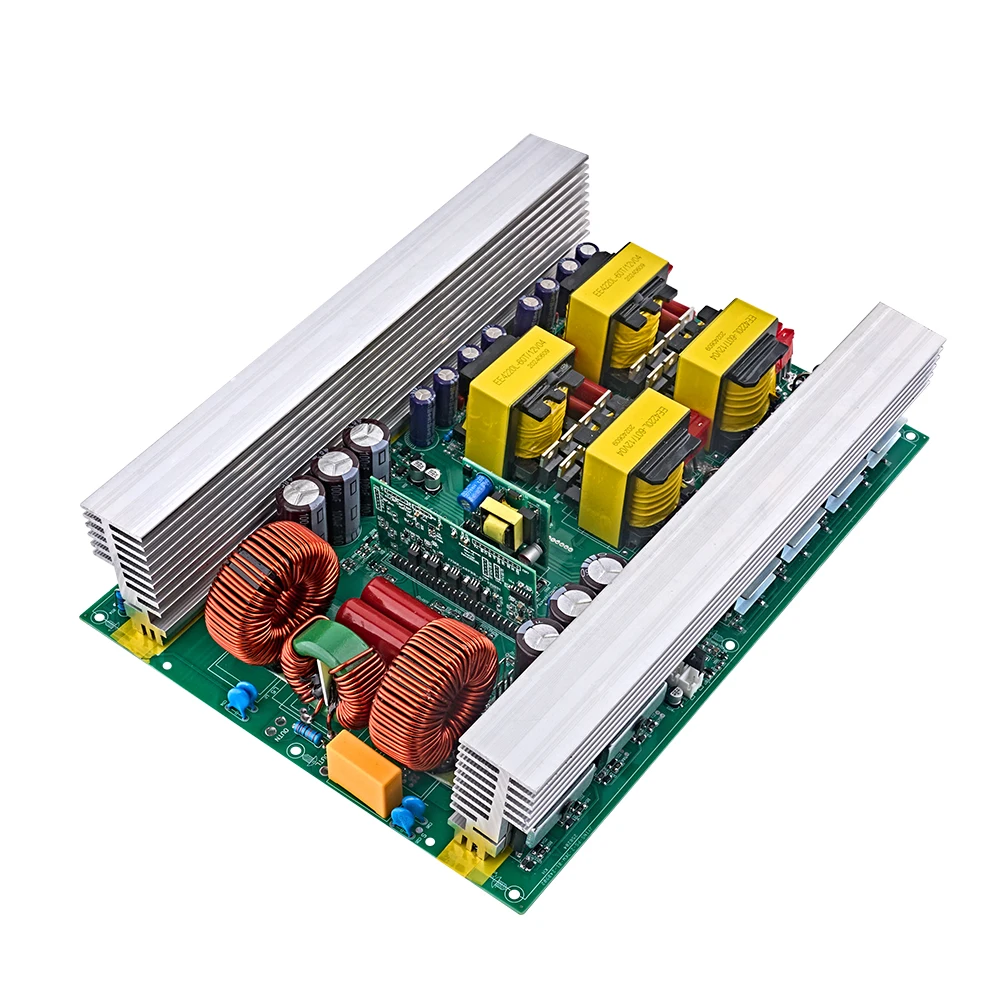
Heat Resistance: Materials should withstand high temperatures generated during operation. For example, aluminum housing is commonly used for its excellent thermal conductivity and lightweight properties. 

Corrosion Resistance: Inverters may be exposed to moisture and environmental pollutants. Corrosion-resistant materials can prolong the inverter's lifespan. Insulation Properties: High-quality insulation materials are essential for safety and performance. This e-bike inverters prevents electrical shorts and enhances overall reliability. 

Environmental Impact: As sustainability becomes increasingly important, buyers should consider the environmental impact of the materials used in manufacturing.  Opting for recyclable materials can align with eco-friendly practices. 

Understanding these material properties can help buyers select solar pv inverter that not only meet their technical requirements but also align with sustainability goals. 

What Wholesale Buyers Need to Know About E-Bike Inverter Performance

For wholesale buyers, evaluating the performance of e-bike inverters is crucial to ensure reliability and customer satisfaction: 

Performance Testing: Request performance testing data from the manufacturer. This includes efficiency ratings, thermal performance under load, and durability tests. Testing results provide insight into how the inverter will perform in real-world conditions. 

Load Capacity: Determine the inverter's load capacity and how it handles peak demands. An inverter should be able to e-bike inverters manage sudden spikes in power without failure. 

Operational Longevity: Understand the expected lifespan of the inverter based on usage patterns. Quality inverters can typically last 5-10 years, depending on usage and maintenance. 

Customer Feedback: Investigate customer reviews and case studies. Feedback from other users can provide valuable insights into performance and reliability issues that may not be evident from specifications alone. 

By focusing on these performance aspects, wholesale buyers can make informed purchasing decisions that enhance their product offerings and customer satisfaction. 

In summary, selecting the right e-bike inverter requires careful consideration of various factors, including specifications, materials, and performance. By understanding these elements, B2B buyers can enhance their purchasing decisions, ensuring that they choose high-quality inverters that meet their needs and those of their customers. 

Key Factors to Consider

When selecting an e-bike inverter, buyers should evaluate several key factors: 

Power Output: The inverter's power rating should match the requirements of the e-bike it will serve. For instance, lower wattage inverters may not handle high-performance models effectively. 

Efficiency: Look for inverters with high conversion efficiency (typically over 90%). This ensures minimal energy loss during the conversion process, leading to longer battery life and improved performance. 

Size and Weight: Consider the physical dimensions and weight of the e-bike inverters, especially if space and weight are critical factors in the e-bike's design. 

Compatibility: Ensure that the inverter is compatible with the  battery type and voltage of the e-bike. Mismatched specifications can lead to inefficient performance or damage. 

Durability: The inverter should be built to withstand varying environmental conditions, as e-bikes are often used in diverse weather conditions. Look for models with robust housing that offer protection against dust and moisture. 

Frequently Asked Questions

What is the e-bike inverter used for?

The e-bike inverter converts battery DC to AC to power motor controllers and onboard electronics, enabling efficient motor operation and regenerative features for off-grid or portable e-bike systems.
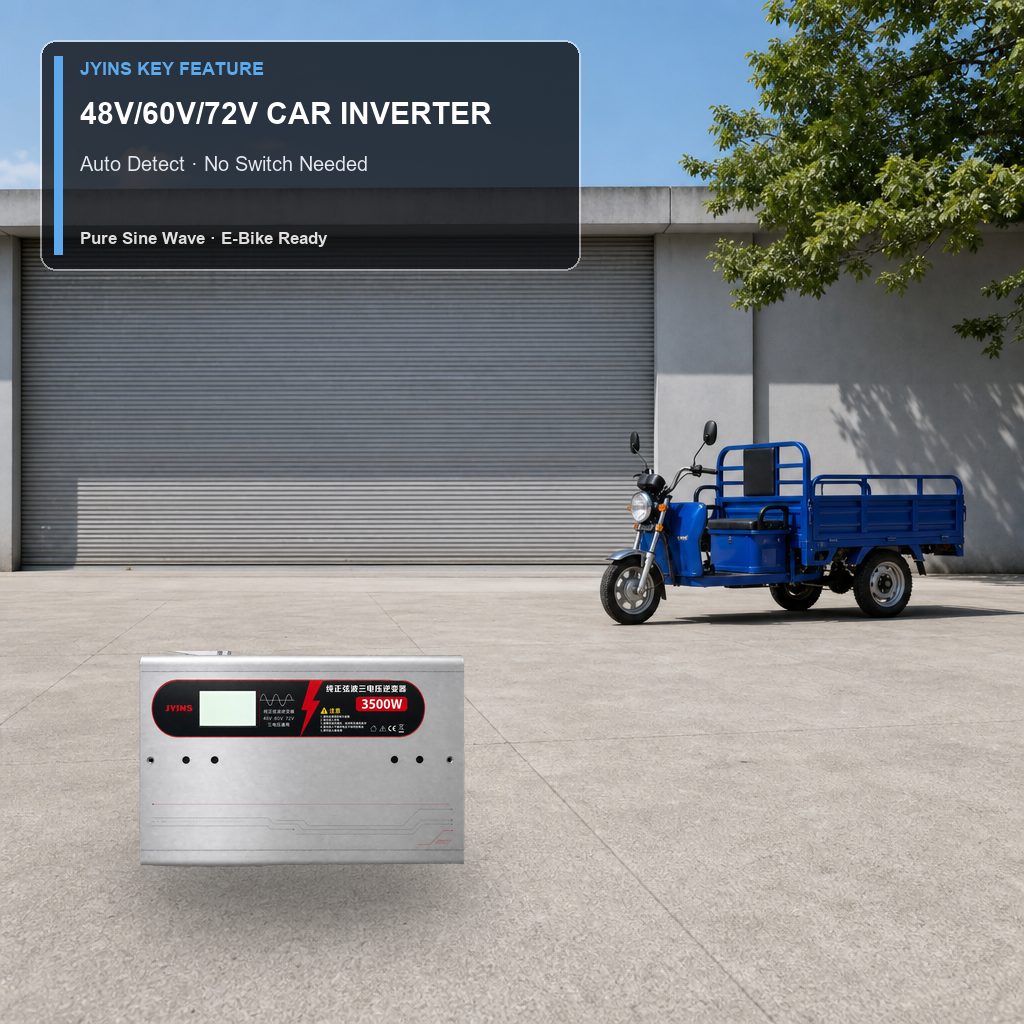
Typical models support common e-bike battery ranges (24V–72V DC input) and provide stabilized AC or regulated DC outputs per model. Check specific model specs for exact voltage ranges.
Manufactured under ISO9000 processes with experienced engineers, our inverters offer high conversion efficiency and robust performance designed for long-term use in off-grid and mobile e-bike applications.
Yes, select e-bike inverter models support regenerative braking and energy feedback to the battery. Confirm compatibility with your motor controller and battery management system.
We provide warranty terms and technical support from our engineering team. Contact us with model details for specific warranty length, repair service, and troubleshooting assistance.

Our Blog Posts

The Industrial Buyer’s Guide to Battery Charger Material Science: Heat Dissipation, Longevity, and Safety

15

May

The Industrial Buyer’s Guide to Battery Charger Material Science: Heat Dissipation, Longevity, and Safety

Introduction: Why Material Science is the Unsung Hero of Power Electronics When industrial procurement teams evaluate battery chargers, the discussion typically centers on electrical specifications: voltage, amperage, and charging algorithms. While t...
View More
Why is South Africa NRS 097-2-1 certification mandatory for commercial solar backup projects?

24

Jun

Why is South Africa NRS 097-2-1 certification mandatory for commercial solar backup projects?

Navigating South Africa's Energy Crisis with Certified Solar Solutions South Africa is currently undergoing a massive and complex energy transition, catalyzed by persistent grid load shedding that has disrupted businesses, heavy manufacturing, and da...
View More
How to manage 'Three-Phase Unbalance' limits in German VDE-AR-N 4105 compliant industrial setups?

24

Jun

How to manage 'Three-Phase Unbalance' limits in German VDE-AR-N 4105 compliant industrial setups?

The German Low-Voltage Grid Standard: VDE-AR-N 4105 Germany is home to one of the most sophisticated and highly regulated electricity networks in the world. As the country pushes toward its Energiewende (energy transition), the integration of distrib...
View More
Designing power conversion for Electric Forklift Charging Stations in large distribution centers.

25

Jun

Designing power conversion for Electric Forklift Charging Stations in large distribution centers.

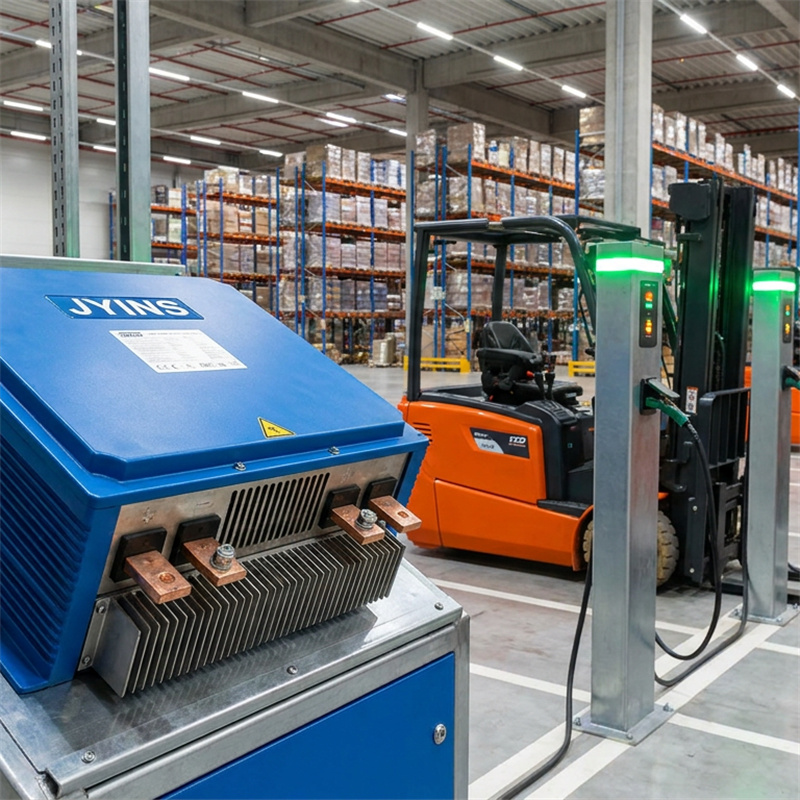
Q: Designing power conversion for Electric Forklift Charging Stations in large distribution centers. Introduction: The Electrification of Logistics Infrastructure In modern supply chain management, large-scale distribution centers and logistics hubs ...
View More

Get a Free Quote

Our representative will contact you soon.
Email
Mobile
Name
Company Name
Products of Interest
Message
0/1000
Key Considerations for E-Bike Inverters

Get a Free Quote

Our representative will contact you soon.
Email
Mobile
Name
Company Name
Products of Interest
Message
0/1000