EN
EN


Navigating South Africa's Energy Crisis with Certified Solar Solutions
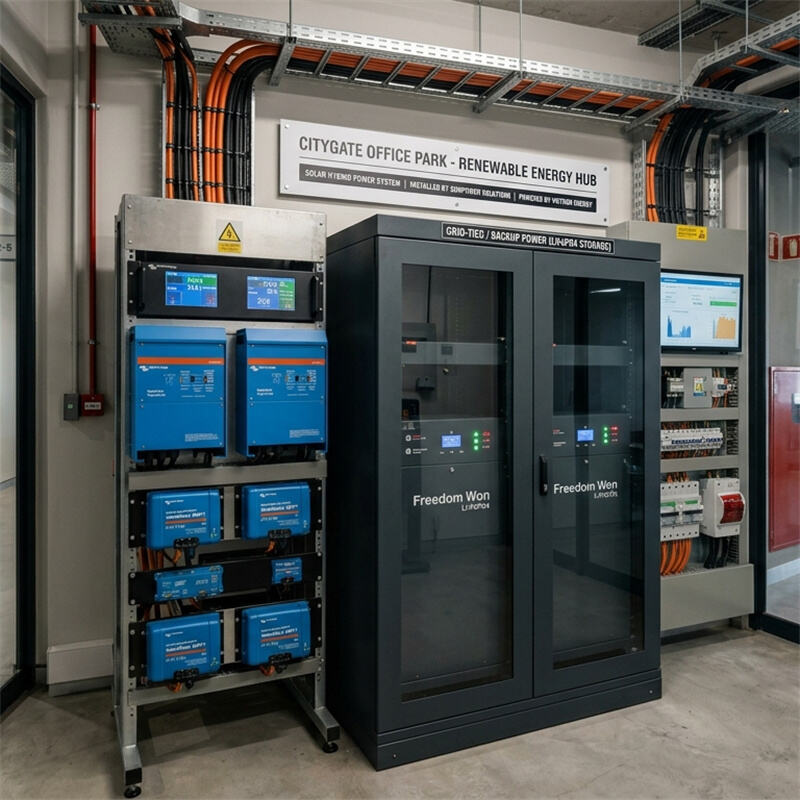
South Africa is currently undergoing a massive and complex energy transition, catalyzed by persistent grid load shedding that has disrupted businesses, heavy manufacturing, and daily commerce for years. In response to these frequent power outages, commercial and industrial (C&I) enterprises have aggressively turned to commercial solar backup systems, combining high-yield photovoltaic (PV) generation with hybrid battery energy storage. However, as the volume of distributed generation increases across the country, the national utility, Eskom, and municipal electricity distributors must protect the physical integrity, operational safety, and overall stability of the public electrical grid. This protection is legally enforced through the NRS 097-2-1 standard. For B2B procurement directors, commercial developers, and solar wholesalers, understanding why NRS 097-2-1 certification is mandatory is crucial for avoiding costly compliance delays and ensuring legal grid interconnection.
The NRS 097-2-1 standard, titled Grid Interconnection of Embedded Generation: Part 2: Small-Scale Embedded Generation (SSEG), establishes the strict technical specifications that all grid-connected inverters must meet. Whether a project is designed purely for load-shedding backup, solar self-consumption, or full export to the municipal grid, the inverter must be certified under this national code. Failing to use an NRS-compliant inverter can lead to municipal fines, grid disconnection, and the voiding of commercial building insurance policies.
The Critical Role of Anti-Islanding Protection
The foremost reason for the mandatory nature of NRS 097-2-1 is safety. During periods of load shedding or scheduled grid maintenance, utility operators disconnect specific distribution lines. If a commercial solar inverter continues to export power to these disconnected lines, a phenomenon known as islanding occurs. This energizes the local grid section, presenting an extreme electrocution hazard for utility maintenance crews who believe the lines are dead.
NRS 097-2-1 mandates strict anti-islanding safety logic. The standard requires that:
- The inverter must detect a loss of grid connection within 2 seconds.
- Upon detection, the inverter must immediately stop exporting active power to the grid.
- For hybrid setups, the inverter must isolate itself from the grid using an internal physical relay before continuing to supply power to the facility's critical loads (often called backup or off-grid mode).
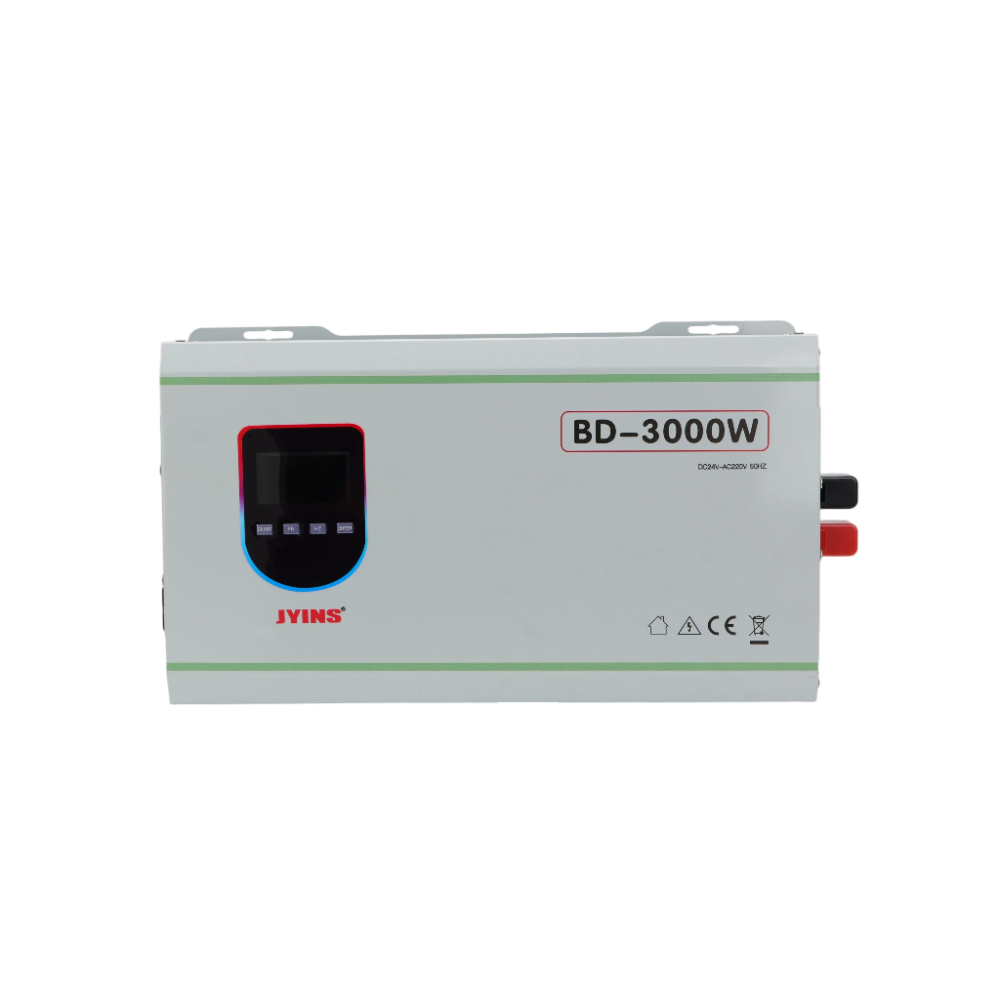
JYINS commercial hybrid inverters are engineered with dual physical disconnection systems that guarantee isolated operation during a power outage. This provides safe, seamless backup power to the industrial plant without the risk of feeding power backward into the utility lines, protecting both maintenance crews and sensitive equipment.
Maintaining Power Quality and Grid Stability
Beyond basic safety, NRS 097-2-1 dictates how embedded generators must behave to maintain power quality in South African networks. Uncertified inverters can introduce high levels of total harmonic distortion (THD), voltage fluctuations, and phase imbalances, which degrade local distribution transformers and damage nearby electrical loads.
To comply with NRS 097-2-1, commercial solar inverters must meet strict power quality criteria:
- Harmonic Current Emission: The total harmonic distortion of current must be kept under 5% at rated power, preventing high-frequency noise from heating up transformers and causing control system failures in nearby factories.
- Direct Current Injection: The inverter must not inject more than 0.5% of its rated current as Direct Current (DC) into the grid. Excessive DC injection can saturate utility transformers, causing them to overheat and fail prematurely.
- Voltage Regulation: NRS 097-2-1 compliant inverters must assist in maintaining line voltage stability. This is achieved through active reactive power control, allowing the inverter to adjust its power factor dynamically depending on the local grid voltage level.
JYINS commercial inverters integrate advanced digital signal processing (DSP) to continuously monitor output waveforms. This active filtering ensures that the exported power is exceptionally clean, meeting and exceeding the power quality requirements set by Eskom and SABS (South African Bureau of Standards).
Legal Compliance and Municipal Registration
In South Africa, the approval of a solar project is managed at the local municipal level (e.g., City of Cape Town, City Power in Johannesburg, eThekwini Municipality in Durban). These municipalities maintain a strict registry of approved SSEG equipment. An inverter cannot be registered or legally connected to the grid unless it appears on the official NRS 097-2-1 approved list.
During the SSEG application process, the commercial project developer must submit:
- A detailed electrical schematic of the installation.
- The official test certificate proving compliance with NRS 097-2-1, issued by an accredited international testing laboratory (such as TUV, SGS, or Intertek).
- Proof of registration of the local professional engineer signing off on the system design.
If the inverter is not certified, the municipal utility will refuse to grant permission to connect (known as the commissioning approval), and the business will be unable to operate its solar system legally. JYINS has obtained the necessary NRS 097-2-1 certifications for our commercial and industrial inverter lines, ensuring that our B2B clients can navigate municipal approvals without administrative hurdles or delays.
The Strategic Value of NRS 097-2-1 for Commercial Wholesalers
For solar equipment wholesalers and distributors in South Africa, aligning your product portfolio with NRS 097-2-1 is a powerful competitive advantage. The demand for commercial solar is soaring, but C&I buyers are increasingly risk-averse. They expect the equipment they purchase to be legally compliant, ready for immediate installation, and eligible for green financing programs from major South African banks, which often require NRS certification.
Stocking NRS 097-2-1 certified JYINS inverters offers wholesalers several distinct advantages:
- Reduced Risk: Eliminates the risk of holding dead stock that cannot be legally sold or installed in major municipalities.
- Faster Project Turnaround: EPCs prefer buying pre-approved equipment because it cuts down their system design and municipal registration times.
- Market Credibility: Offering certified hardware builds trust with major engineering firms and corporate clients who require high-quality components for audit and compliance purposes.
By choosing JYINS as your inverter supplier, you receive high-performance, cost-effective technology that is fully optimized for the complex regulatory and environmental challenges of the South African market. Our products provide the perfect balance of grid compliance, robust load-shedding backup capability, and industrial-grade reliability.