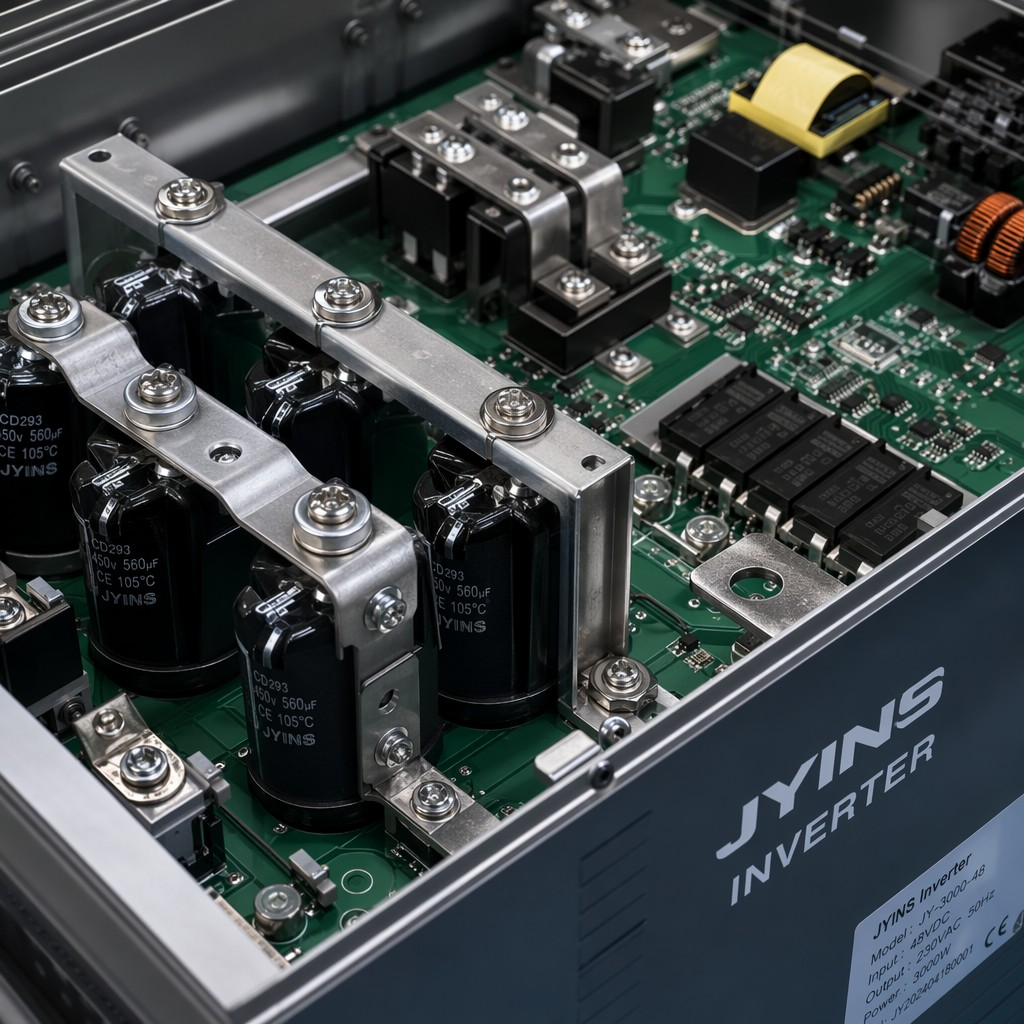
Inverter & Charger Solutions for Off-Grid Systems

Get a Free Quote

Our representative will contact you soon.
Email
Mobile
Name
Company Name
Products of Interest
Message
0/1000

Inverter & charger

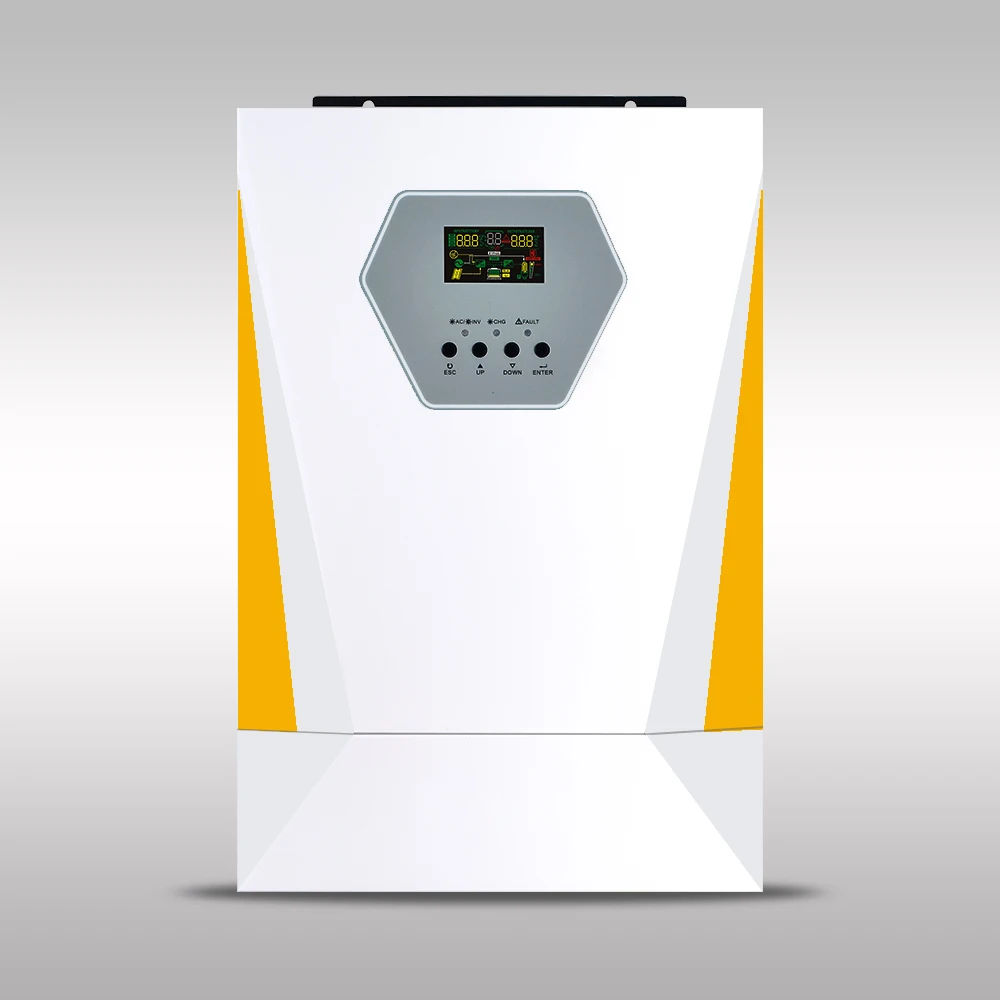
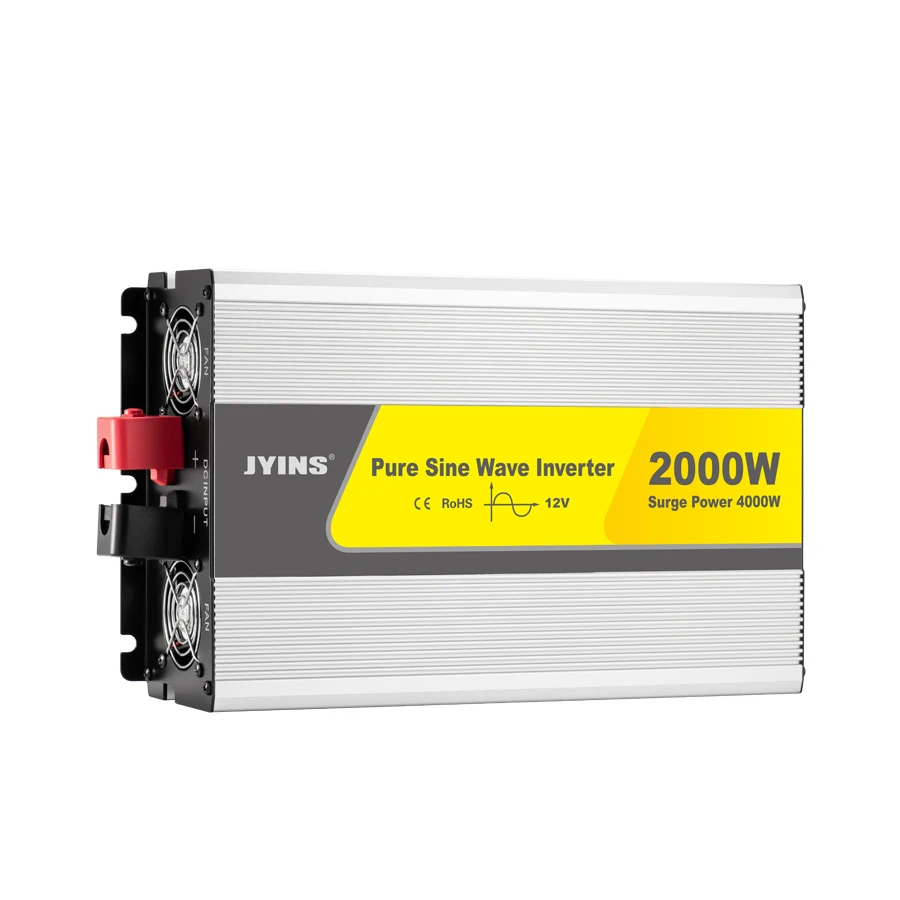
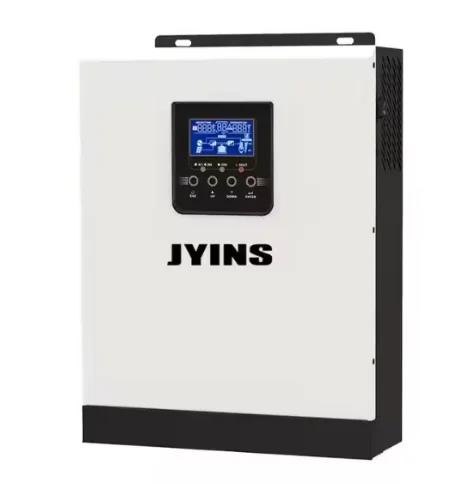
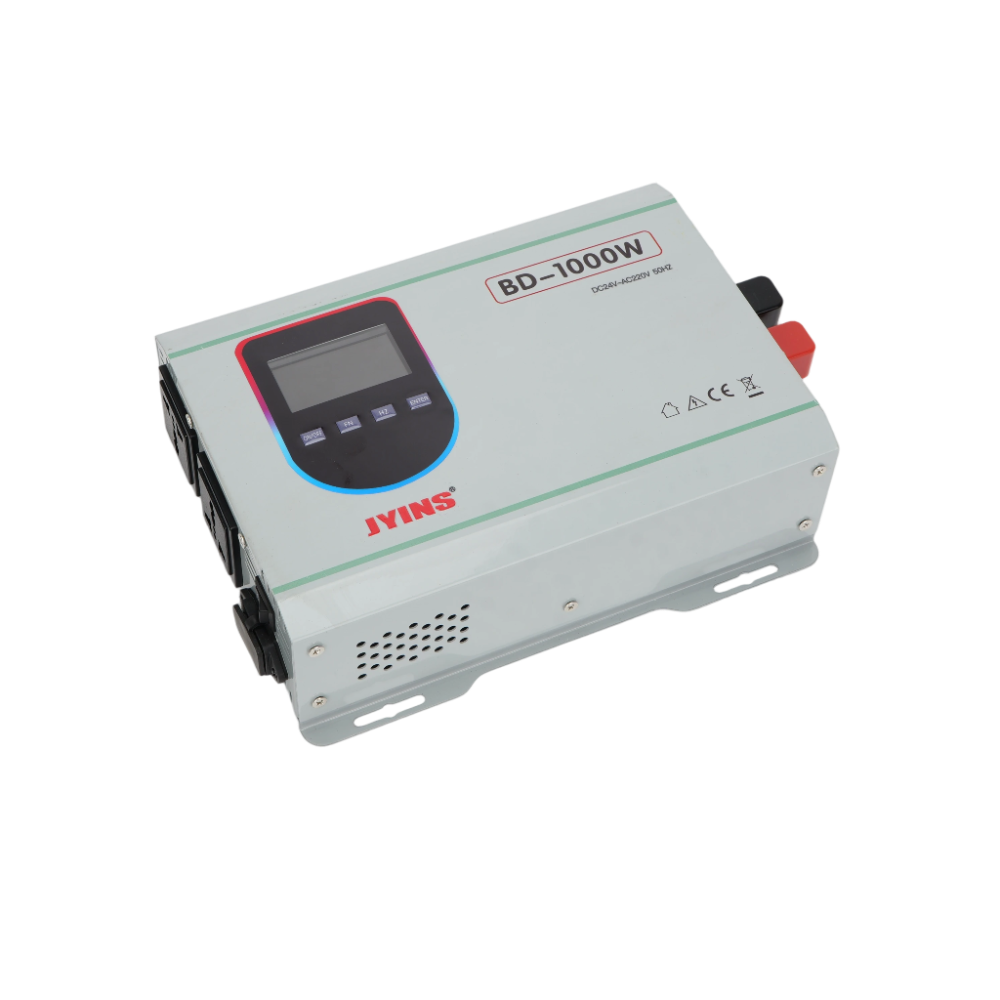
Inverters and chargers play a crucial role in managing power supply, particularly for off-grid solar applications. These devices convert and store energy efficiently, ensuring reliability and performance. As a B2B buyer, understanding the specifications, sourcing reliable suppliers, installation processes, material advantages, and common problems associated with inverters and chargers is essential for making informed purchasing decisions. This article will guide you through these key aspects, helping you navigate the complexities of selecting the right solar pv inverter solutions.
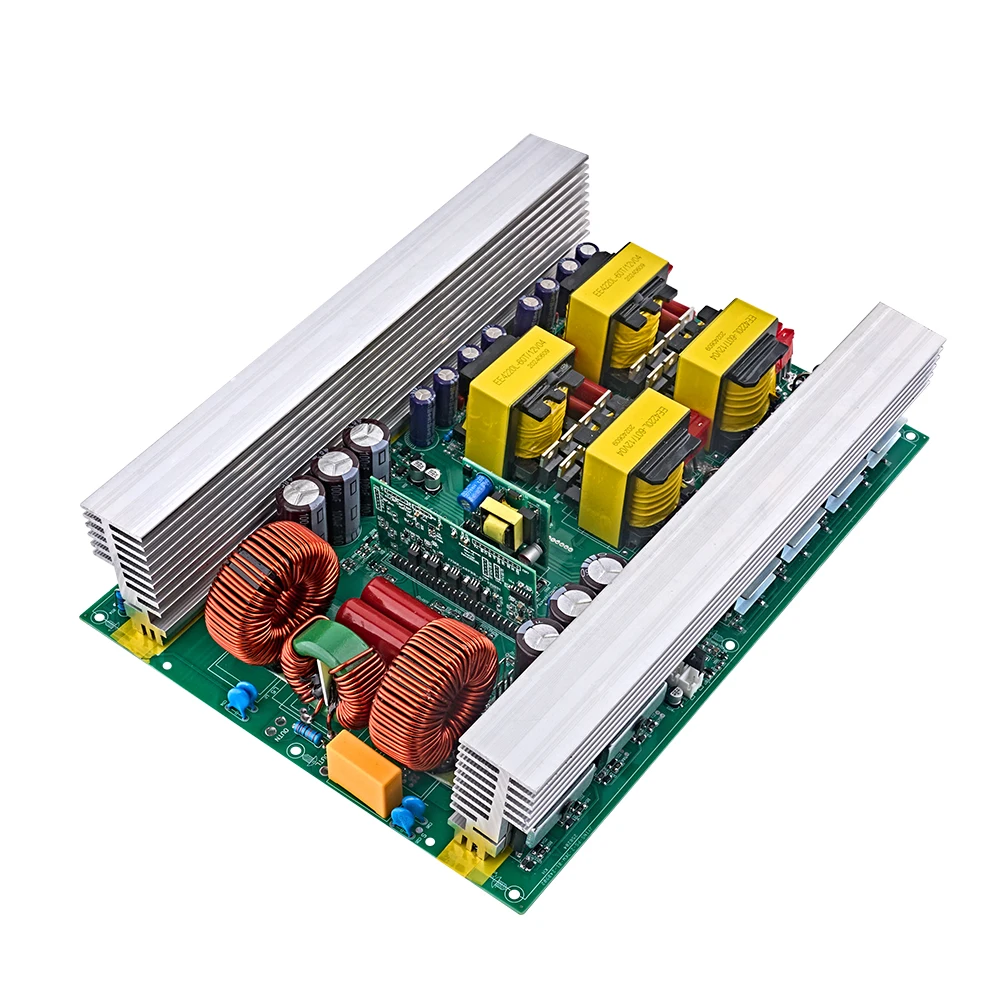
Our Products

Finding Reliable Suppliers for Inverter Solutions

Finding Reliable Suppliers for Inverter Solutions

Sourcing reliable suppliers for inverters and chargers is paramount for ensuring product quality and service support. Here are several strategies to identify trustworthy manufacturers: 

Industry Reputation: Research potential suppliers' backgrounds, focusing on their experience in the industry. Suppliers like Zhejiang Jyins Electrical Co., LTD, with decades of experience and a focus on quality, can offer insights into their manufacturing processes and product reliability. 

Certifications and Compliance: Verify that suppliers adhere to international standards, such as ISO9000. This indicates a commitment to quality assurance and consistent performance. 

Customer Reviews and Case Studies: Seek out testimonials or case studies from previous customers. This real-world feedback can provide valuable information about the supplier's reliability, product performance, and customer support. 

Technical Support and Service: Ensure the supplier offers robust technical support and after-sales service. This can be crucial for installation assistance and troubleshooting. 

Production Capacity and Flexibility: Understand the supplier's production capabilities and whether they can accommodate custom orders or variations in product specifications. 

By thoroughly vetting suppliers based on these factors, buyers can secure reliable partnerships that support their operational needs.
Installation Guidance for Inverters and Chargers in Various Applications

Installation Guidance for Inverters and Chargers in Various Applications

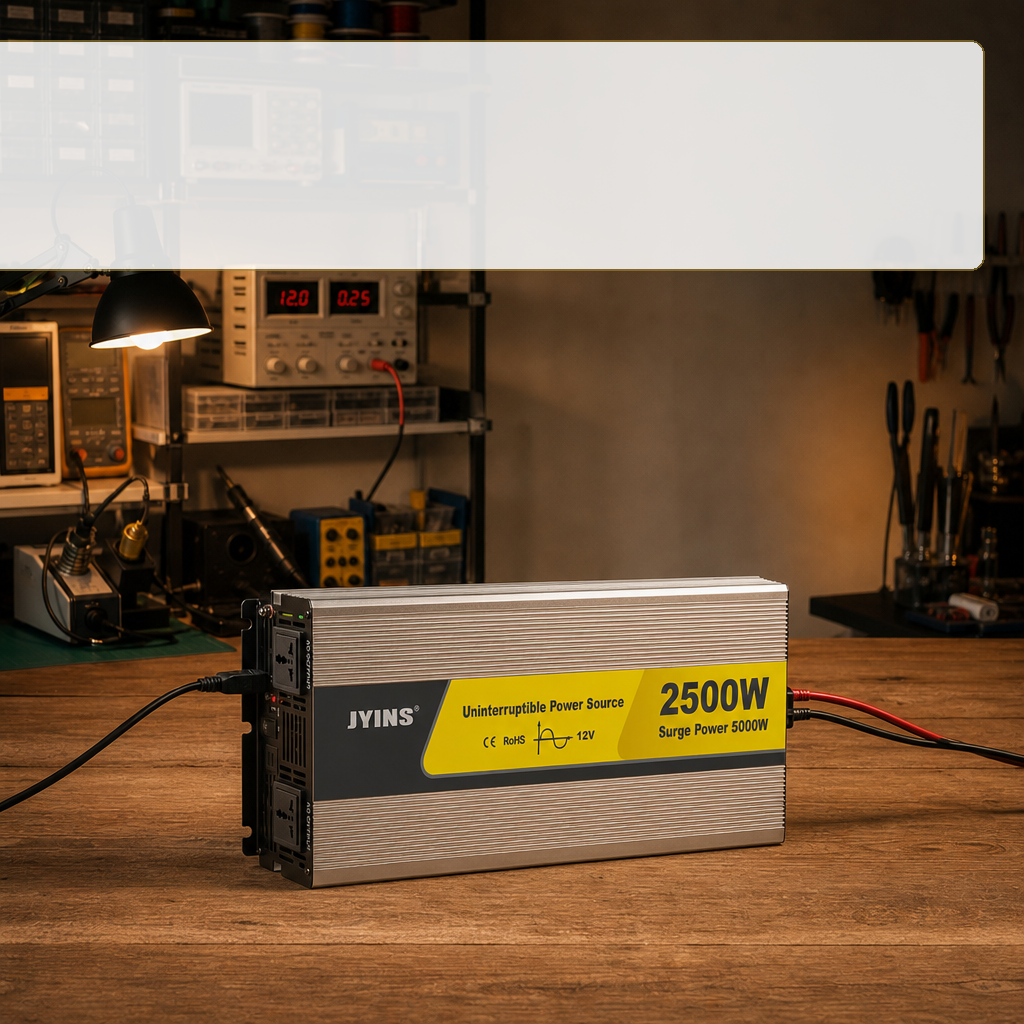
Proper installation of inverters and chargers is essential for optimal performance and safety. Here are some key considerations for different applications: 

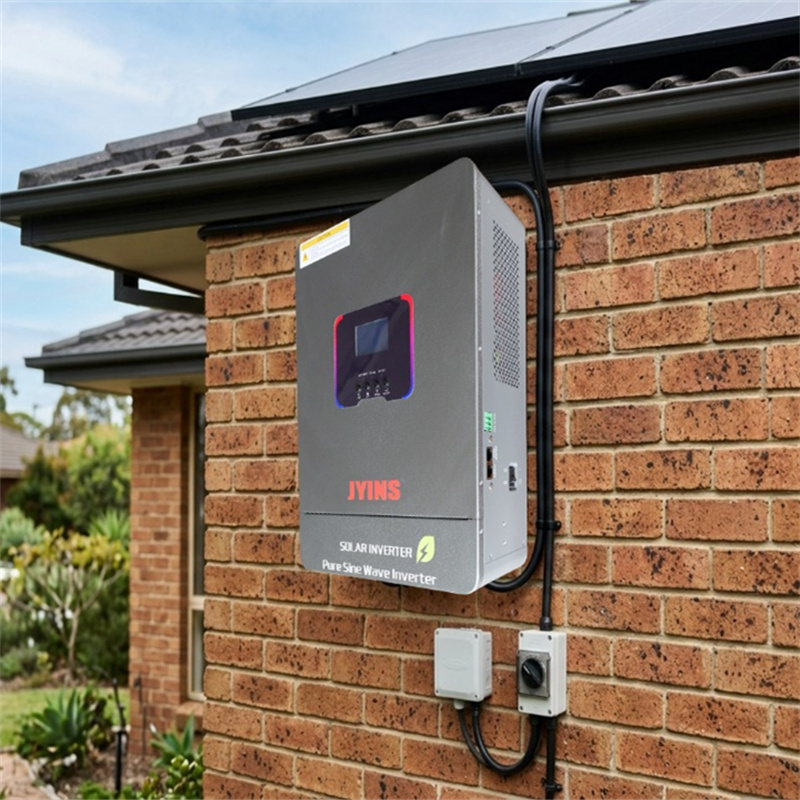
Residential Solar Systems: In residential setups, ensure that the inverter is installed in a well-ventilated area to prevent overheating. Follow manufacturer guidelines regarding distance from other electrical components and ensure all connections are secure. 

Commercial Applications: For larger commercial systems, consider the load requirements carefully. Installation should include circuit breakers and protective devices to safeguard against overloads. Also, ensure compliance with local electrical codes. 

Off-Grid Systems: When installing inverters for off-grid applications, ensure compatibility with battery systems. Proper sizing of both the inverter and batteries is critical to prevent system failures. Regular maintenance checks should be scheduled to ensure all components are functioning optimally. 

Hybrid Systems: In hybrid systems that combine grid and solar power, it's essential to configure the inverter for seamless switching between power sources. Consult with technical experts to ensure proper setup and integration with existing infrastructure. 

By adhering to these installation guidelines, buyers can ensure that their inverter and charger systems operate efficiently and safely, maximizing their investment.

Material Advantages of High-Quality Inverters and Chargers Explained

Material Advantages of High-Quality Inverters and Chargers Explained

The materials used in manufacturing inverters and chargers significantly influence their performance and longevity. Here are key material advantages to consider: 

Heat Resistance: High-quality inverters often feature components made from heat-resistant materials, which can handle higher temperatures without degrading. This is particularly important in environments where heat buildup can impact performance. 

Corrosion Resistance: For outdoor installations, materials that resist corrosion, such as anodized aluminum or stainless steel, are crucial for maintaining structural integrity over time. 

Electrical Conductivity: Copper is often used in wiring and connections due to its superior conductivity. This ensures efficient energy transfer and minimizes losses during operation. 

Durability: Robust materials enhance the overall durability of solar power inverter, making them suitable for various environmental conditions. Buyers should assess the material specifications to ensure they align with their operational needs. 

Choosing inverters and chargers made from high-quality materials can lead to better performance, lower maintenance costs, and extended product lifespans.

Common Problems with Inverters and Chargers and Their Solutions

Understanding potential issues that can arise with Jyins inverters and chargers is essential for effective troubleshooting. Here are some common problems and their solutions: 

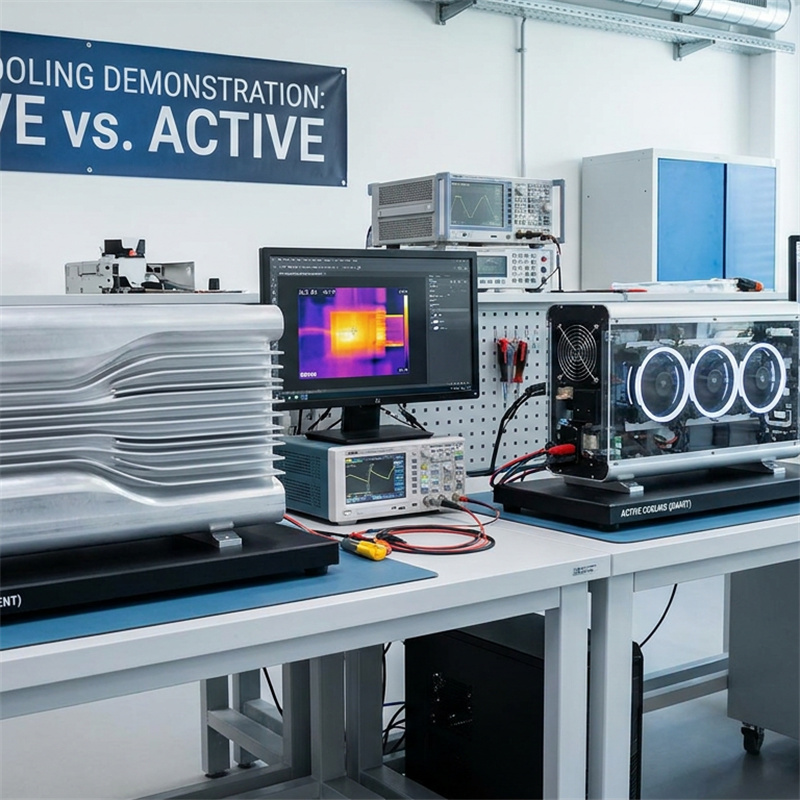
Overheating: An inverter may overheat due to insufficient ventilation or excessive load. Ensure proper installation with adequate airflow and check that the load does not exceed the inverter's specifications. 

Inverter Not Turning On: This can occur due to a blown fuse, improper wiring, or a dead battery. Conduct a thorough inspection of the wiring and check all connections, replacing any blown fuses as necessary. 

Voltage Fluctuations: If the output voltage is unstable, it may indicate issues with the input source or the inverter itself. Regularly monitor the input voltage and ensure the inverter is suitable for the connected load. 

Battery Issues: In off-grid applications, battery problems can affect inverter performance. Regularly check battery health and ensure they are correctly sized for the inverter to prevent capacity issues. 

By being aware of these common problems and their solutions, buyers can maintain their inverter and charger systems effectively, minimizing downtime and ensuring reliable operation.

Key Specifications to Evaluate When Sourcing Inverters and Chargers

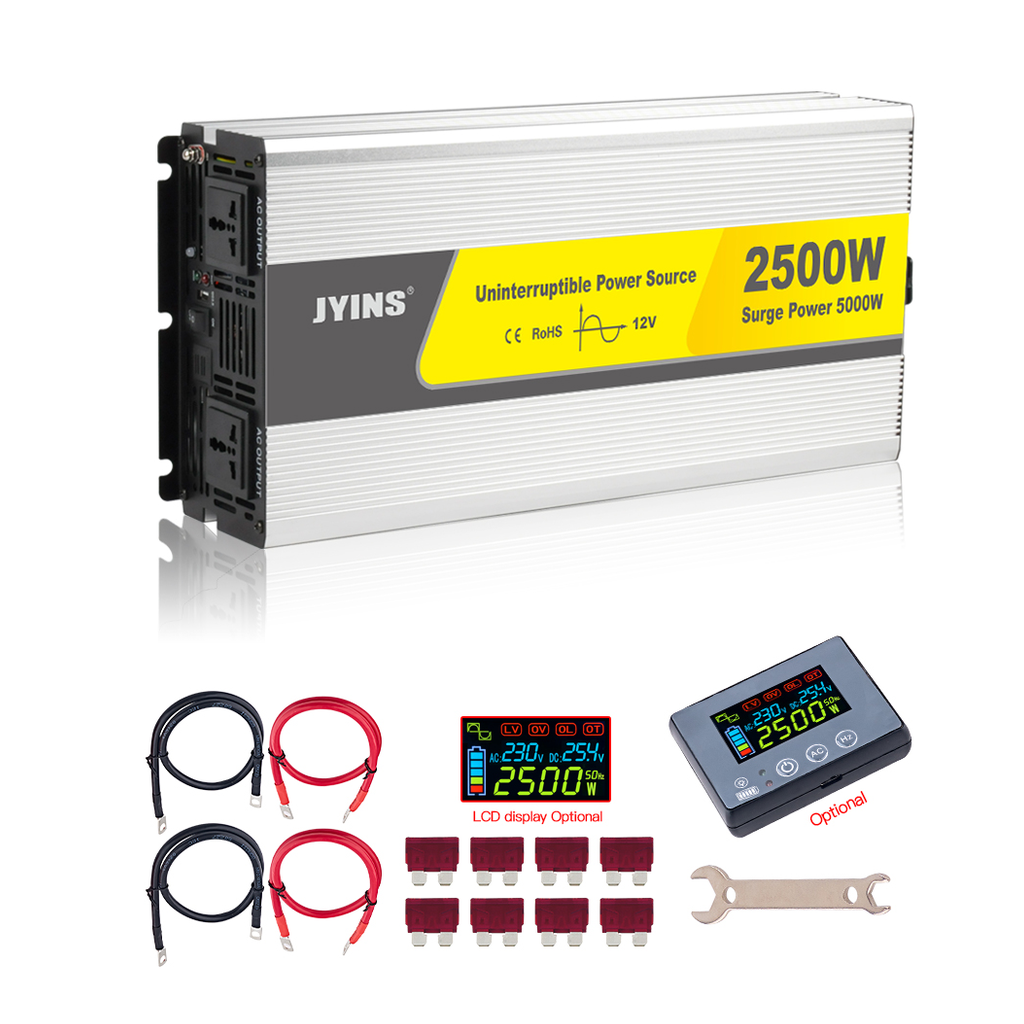
When sourcing Jyins inverters and chargers, several specifications are critical to ensuring optimal performance for your applications. Key specifications to consider include: 

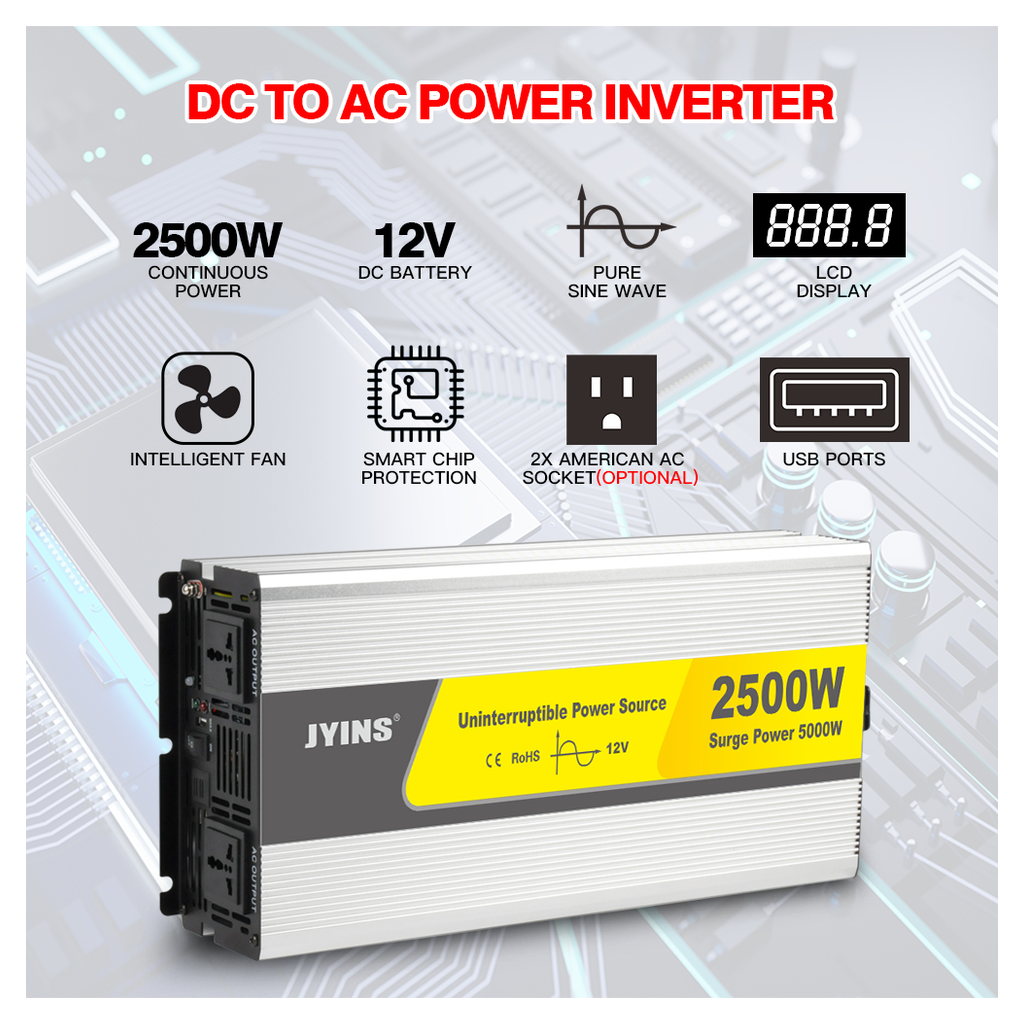
Power Rating (Wattage): This indicates the maximum output the inverter can provide. Ensure your requirements match the inverter's capacity to avoid underperformance or damage. 

Input Voltage Range: Verify that the inverter can accept the voltage from your energy source (e. g., solar panels or batteries). A mismatch can lead to inefficiencies or system failure. 

Output Waveform: The type of waveform (sine wave, modified sine wave) affects compatibility with various devices. Pure sine wave inverters are generally preferred for sensitive electronics. 

Efficiency Rating: This measures how effectively the inverter converts DC to AC power. Higher efficiency translates to lower energy losses, which is especially important in off-grid systems. 

Operating Temperature Range: Ensure the inverter can operate within the temperatures expected in its installation environment to maintain performance and longevity. 

Certifications: Look for products that meet international standards, such as CE or UL certifications, which indicate safety and reliability. 

Understanding these specifications helps buyers evaluate whether an hybrid solar power inverter or charger meets their specific requirements, ensuring proper functionality and safety in their applications.

Frequently Asked Questions

What is this inverter & charger designed for?

It's designed for off-grid solar systems to convert DC to AC and charge batteries, suitable for home, RV, and remote power applications with reliable power management.
Supports common residential and commercial power ranges; compatible with lead-acid and lithium batteries. Contact us for model-specific voltage and capacity details.
Manufactured under ISO9000-based processes with experienced engineers and technicians ensuring rigorous testing, reliability, and consistent quality control.
We offer product warranty and technical support managed by our experienced service team. Please contact us with model and serial number for assistance and service options.
Request datasheets, pricing, and ordering details through our sales channel. Provide system requirements so we can recommend the appropriate inverter & charger model.

Our Blog Posts

Evaluating the Durability of Power frequency inverters in Harsh Environments

08

Apr

Evaluating the Durability of Power frequency inverters in Harsh Environments

When using power frequency inverters in tough places, its important to pick the right one. Jyins they focus on making products that can stand harsh stuff like very hot, very cold, dust or moisture. Inverters control the electric power, but when they ...
View More
Selecting Inverters for the Australian Market: Navigating AS4777.2:2020 reactive power control.

24

Jun

Selecting Inverters for the Australian Market: Navigating AS4777.2:2020 reactive power control.

The Australian Grid and the AS4777.2:2020 Standard Australia is a global leader in rooftop solar adoption, with millions of residential and commercial systems exporting power to the grid. While this green transition is highly beneficial for lowering ...
View More
Understanding the role of 'Passive Cooling' vs. 'Active Cooling' in long-term inverter reliability

25

Jun

Understanding the role of 'Passive Cooling' vs. 'Active Cooling' in long-term inverter reliability

Introduction: The Core Thermal Trade-Off In the world of B2B electrical engineering and solar procurement, thermal management is a primary focus when evaluating power inverters. Because inverters handle high levels of electrical power, they inevitabl...
View More
Selecting Inverters for High-Vibration Marine Transport Environments: Key Points for Auditing Internal Solder Joints and Component Support Standards

10

Sep

Selecting Inverters for High-Vibration Marine Transport Environments: Key Points for Auditing Internal Solder Joints and Component Support Standards

Q: What are the key points to review when selecting an inverter for high-vibration marine transport environments, specifically regarding internal solder joints and component support standards? A: Marine transport and shipboard power systems challenge...
View More

Related product categories

Inverter & Charger Solutions for Off-Grid Systems

Get a Free Quote

Our representative will contact you soon.
Email
Mobile
Name
Company Name
Products of Interest
Message
0/1000