Inverter and Charger Insights for B2B Buyers

Get a Free Quote

Our representative will contact you soon.
Email
Mobile
Name
Company Name
Products of Interest
Message
0/1000

Inverter and charger

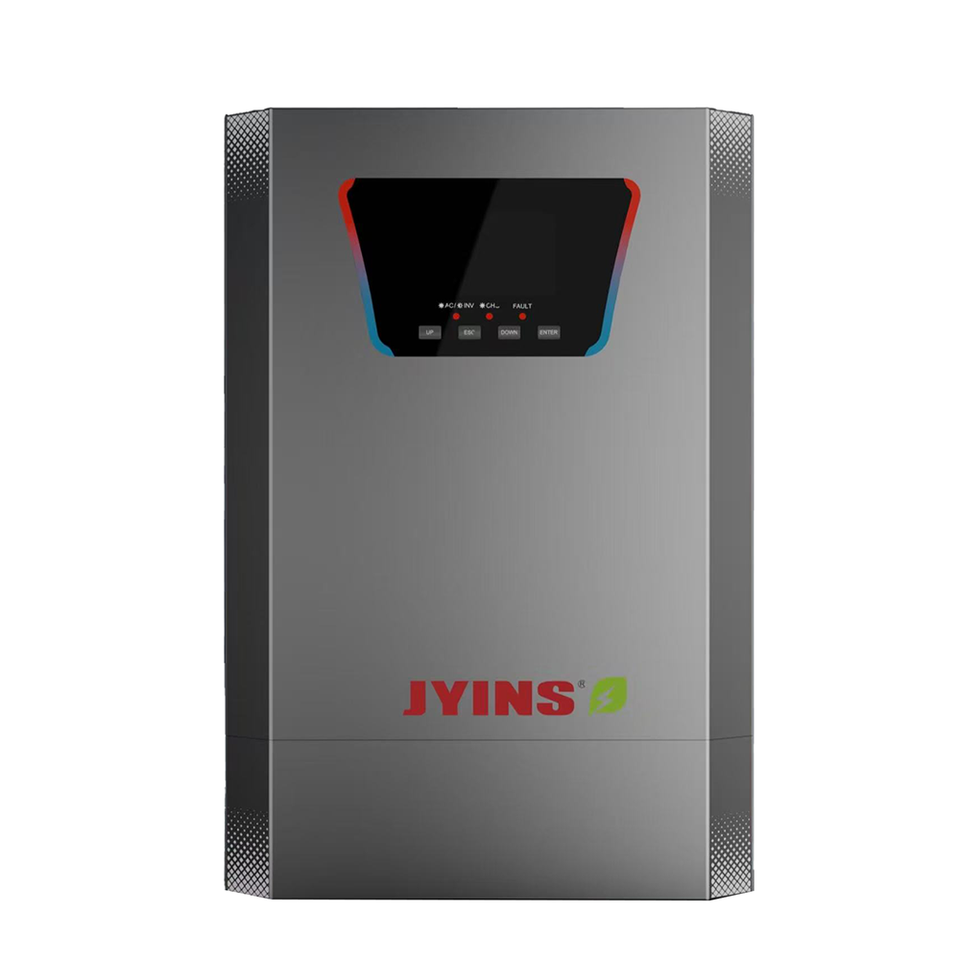
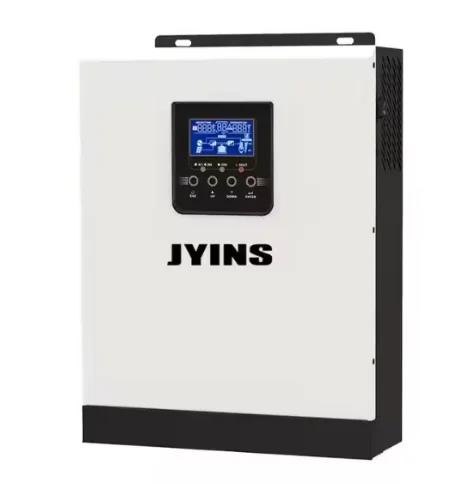
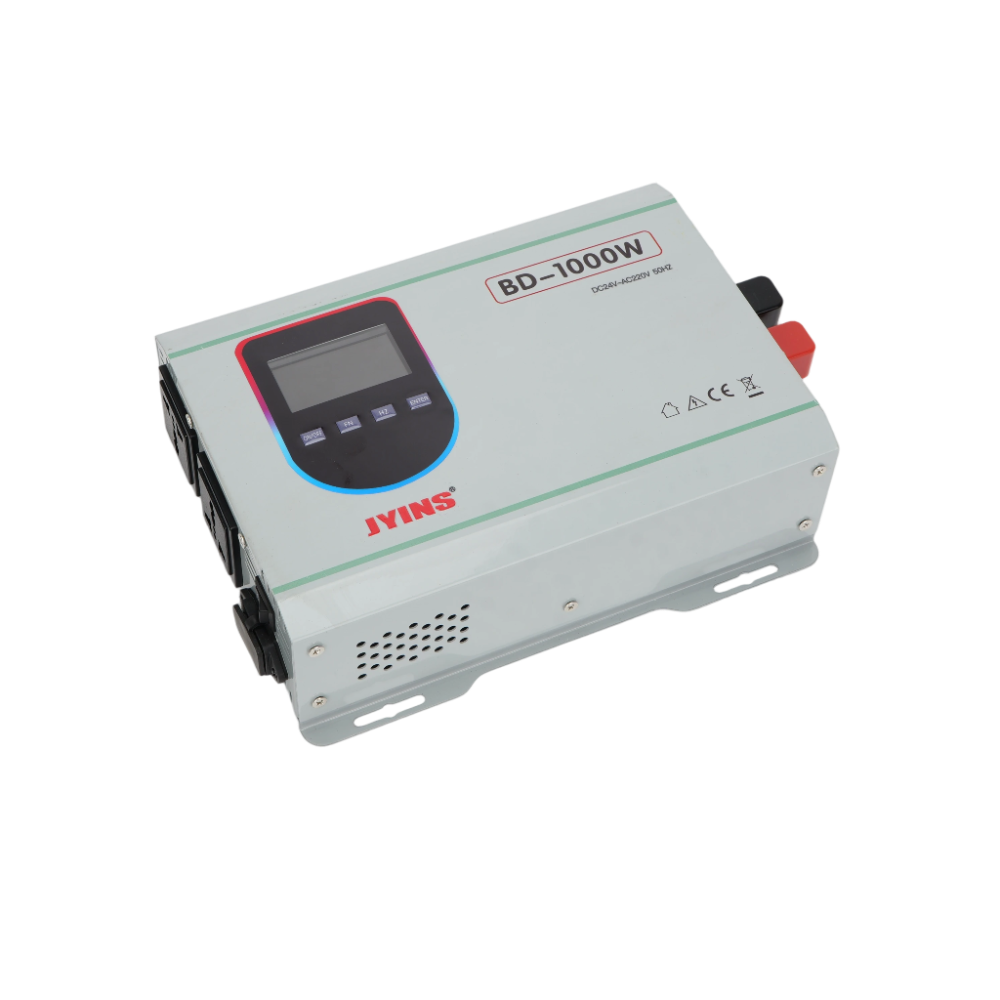
Understanding inverter and charger systems is crucial for B2B buyers, especially those in industries reliant on off-grid solar solutions. These systems not only power essential operations but also ensure energy efficiency and reliability. As a wholesale buyer or distributor, your main concerns likely revolve around specifications, cost, compatibility, and potential issues with these products. This article aims to provide you with comprehensive insights into solar power inverter and charger systems, helping you make informed purchasing decisions.
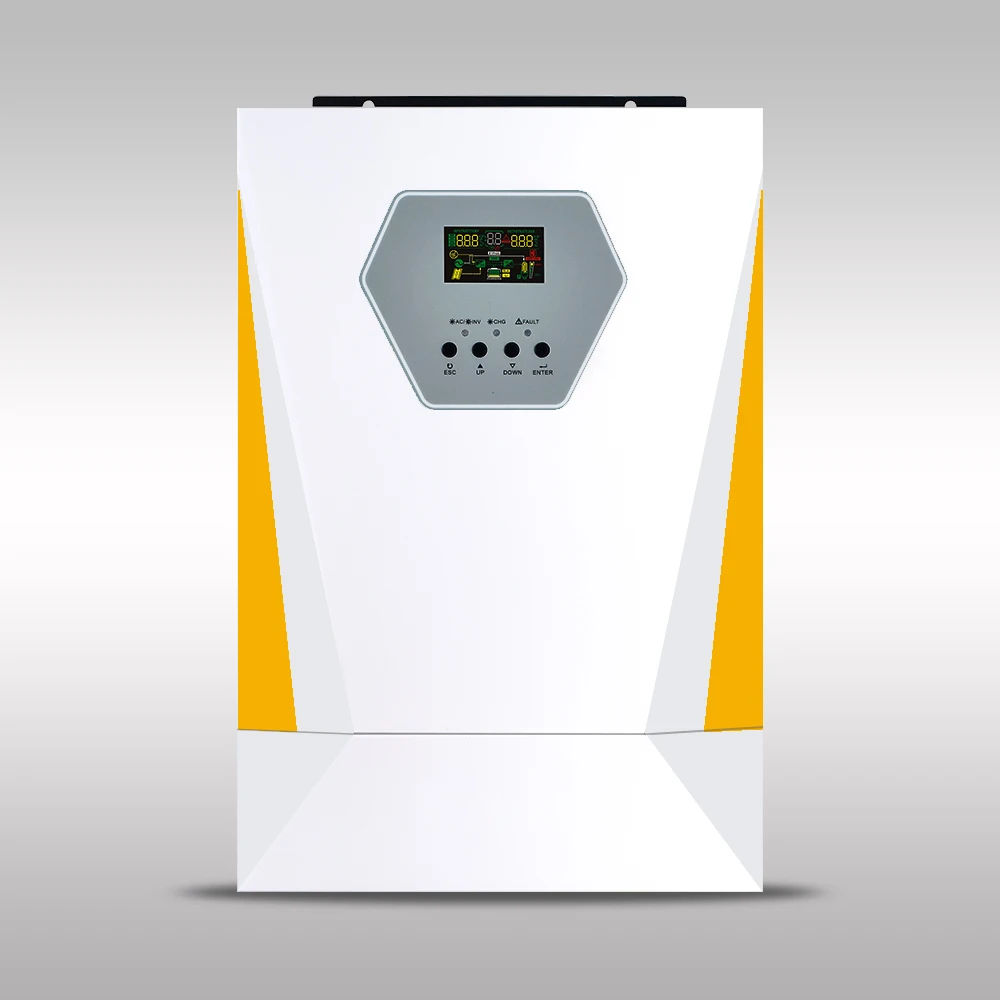
Our Products

How to Choose the Right Inverter and Charger for Your Projects

How to Choose the Right Inverter and Charger for Your Projects

Selecting the right inverter and charger requires a careful analysis of your specific needs. Start by determining the load requirements of your application. Calculate the total wattage of all devices that will be connected, including any potential future expansions. It’s advisable to choose a product with a capacity exceeding your total wattage to accommodate surges and avoid overloading the system. 

Consider the installation environment as well. Factors such as temperature, humidity, and potential exposure to dust or moisture can influence the durability and performance of the off grid solar inverter and charger. For example, outdoor installations might require weatherproof units or additional protective measures. 

Customization can also play a significant role. Many manufacturers, including Zhejiang Jyins Electrical Co., LTD, offer tailored solutions based on specific application requirements. Always communicate your needs clearly to the supplier, including desired features, dimensions, and any unique operational conditions.
Cost Considerations for Bulk Orders of Inverters and Chargers

Cost Considerations for Bulk Orders of Inverters and Chargers

Pricing for inverters and chargers can vary widely based on specifications, brand reputation, and order volume. For bulk orders, negotiating pricing is common and beneficial. Factors influencing cost include: 

Specifications: Higher capacity and efficiency ratings usually come at a premium. Ensure to balance your budget with necessary performance. 

Customization: Custom features may incur additional costs. Clearly outline your requirements during the RFQ process to avoid surprises. 

Minimum Order Quantities (MOQ): Manufacturers often set MOQs that can affect pricing. Understanding these requirements will help you plan your procurement strategy effectively. 

Shipping and Handling: Consider logistics costs, especially for international shipments. This inverter and charger includes freight charges and potential customs duties. 

Warranty and After-sales Support: Investing in products with robust warranties may incur higher upfront costs but can save money in the long run by reducing repair and replacement expenses.

Common Problems with Inverters and Chargers and Effective Solutions

Common Problems with Inverters and Chargers and Effective Solutions

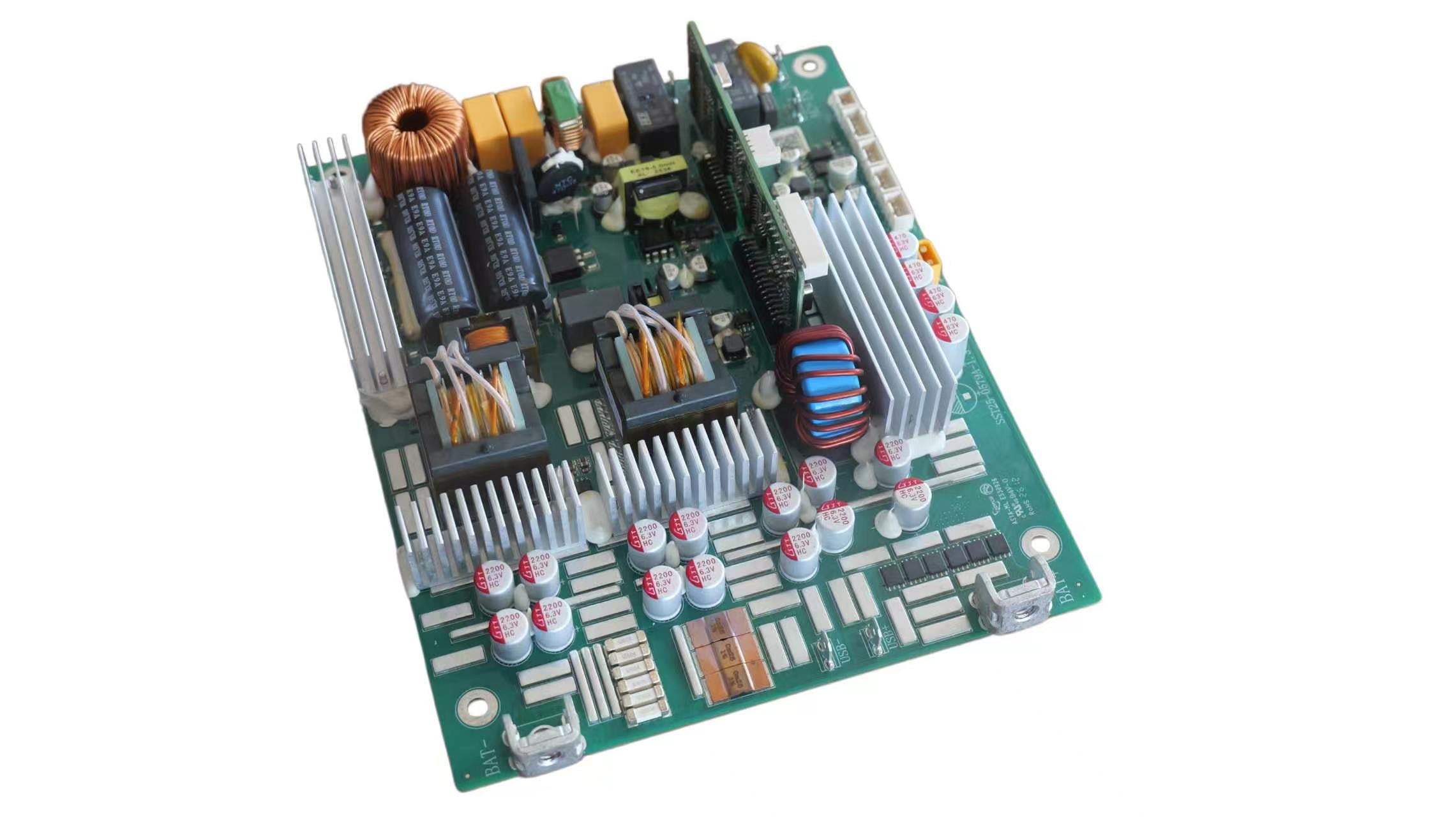
Inverter and charger systems can encounter several common issues, and being aware of these can save time and resources. One frequent problem is overheating, which can lead to system failure. Ensure that the selected units have adequate heat dissipation features, and consider placing them in well-ventilated areas. 

Another common issue is compatibility with connected devices. Ensure that the inverter and charger output waveform matches the requirements of the equipment it powers. If sensitive equipment is involved, using inverter and charger is recommended to prevent damage. 

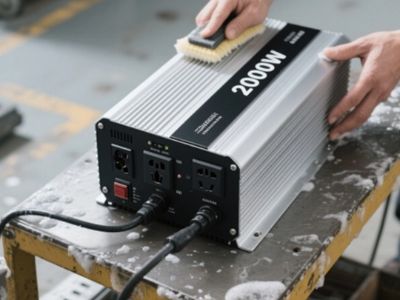
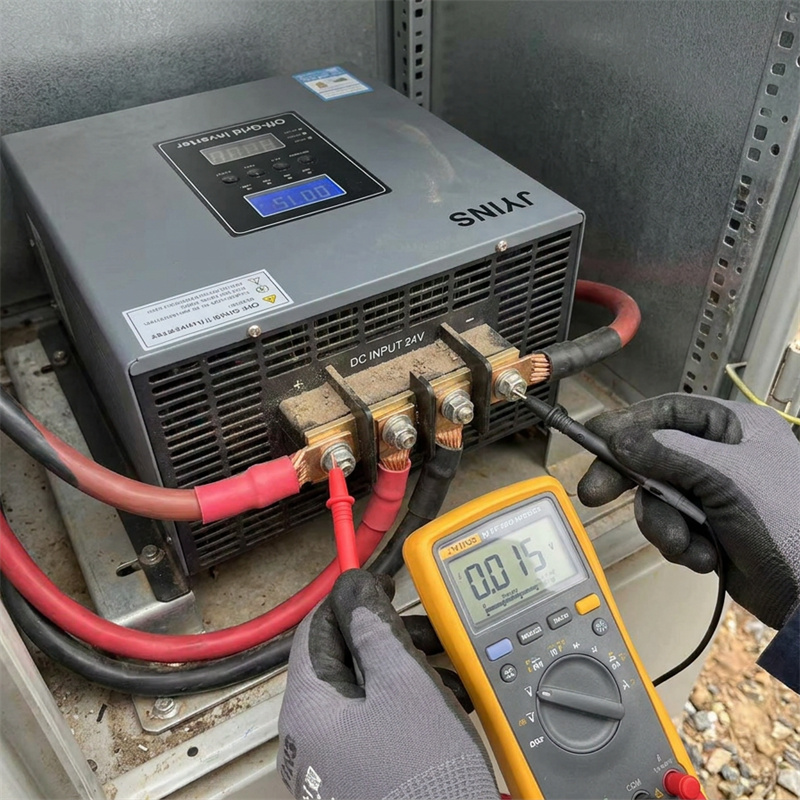
Regular maintenance checks are critical. Buyers should establish a routine inspection protocol to identify potential issues early. For example, checking connections and cleaning dust buildup can significantly enhance performance and lifespan. Finally, ensure that the manufacturer has a reliable support system in place for troubleshooting and repairs.

Comparing Inverter and Charger Features for Distributors and Contractors

For distributors and contractors, comparing features among various products is essential in making informed decisions. Focus on these aspects: 

Efficiency Ratings: Higher efficiency means reduced operating costs. Look for units with at least 90% efficiency for optimal performance. 

Durability: Assess the materials used in manufacturing. High-quality components ensure longevity, particularly in demanding environments. 

User Interface and Monitoring Capabilities: Advanced models may offer user-friendly interfaces and monitoring systems, allowing for real-time performance tracking. 

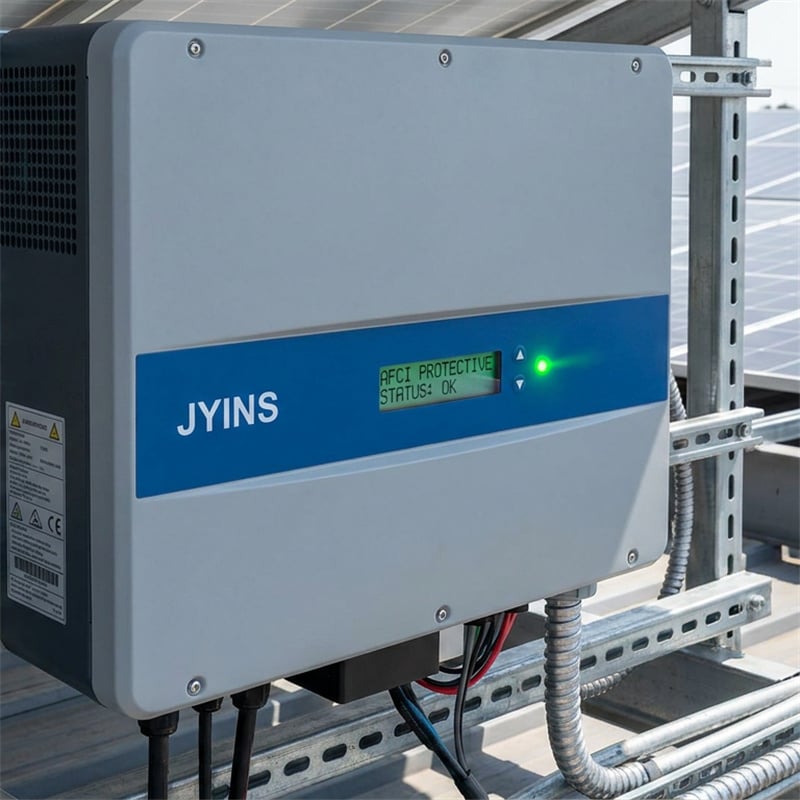
Safety Features: Look for built-in protections against overvoltage, short circuits, and thermal overloads. These features protect both the devices and the end-users. 

Support and Warranty: Evaluate the manufacturer's support options, installation resources, and warranty terms. A robust support system can enhance the overall value of the product. 

understanding the intricacies of Jyins solar electric inverter systems is essential for B2B buyers. By focusing on specifications, compatibility, customization, and cost considerations, you can secure reliable and efficient power solutions for your projects. Whether you're a distributor, contractor, or purchasing manager, using these insights will facilitate better decision-making and foster long-term partnerships with manufacturers like Zhejiang Jyins Electrical Co., LTD. 

Understanding Inverter and Charger Specifications for Wholesale Buyers

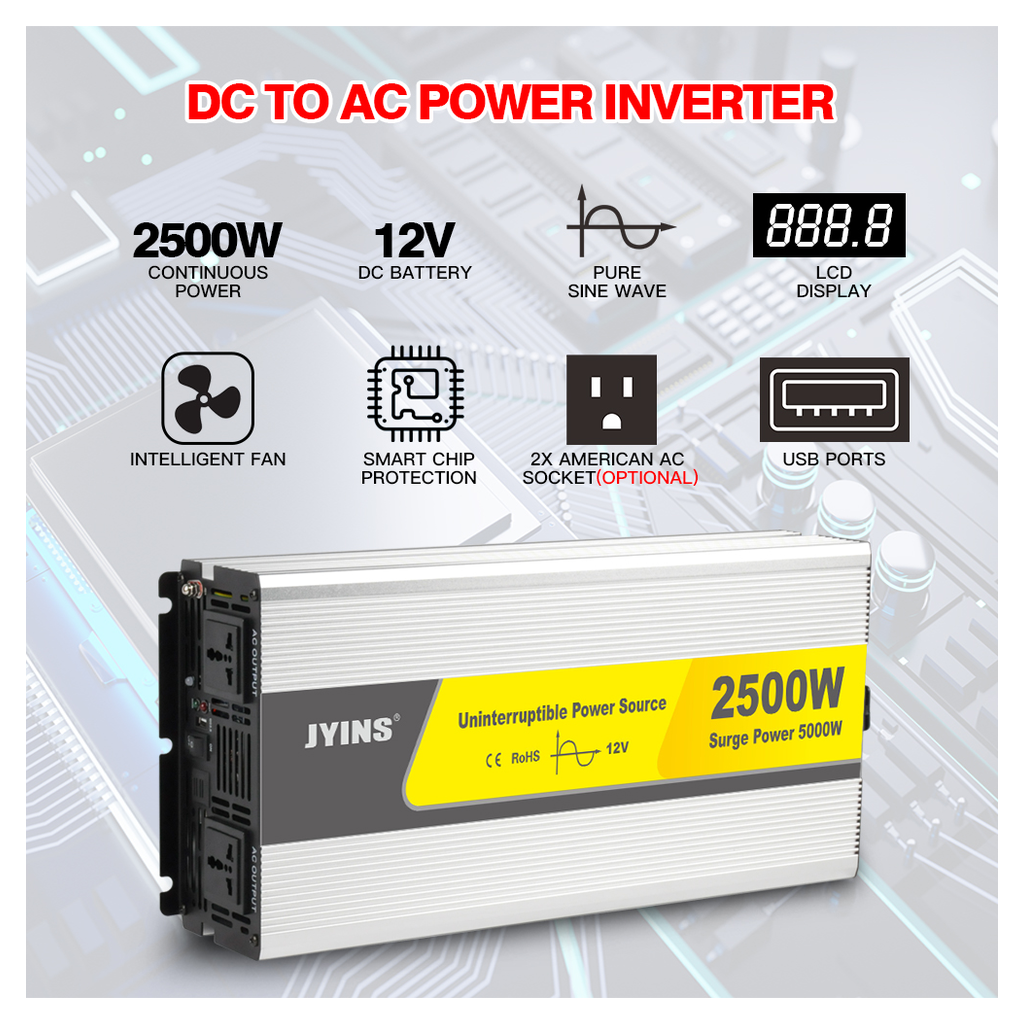
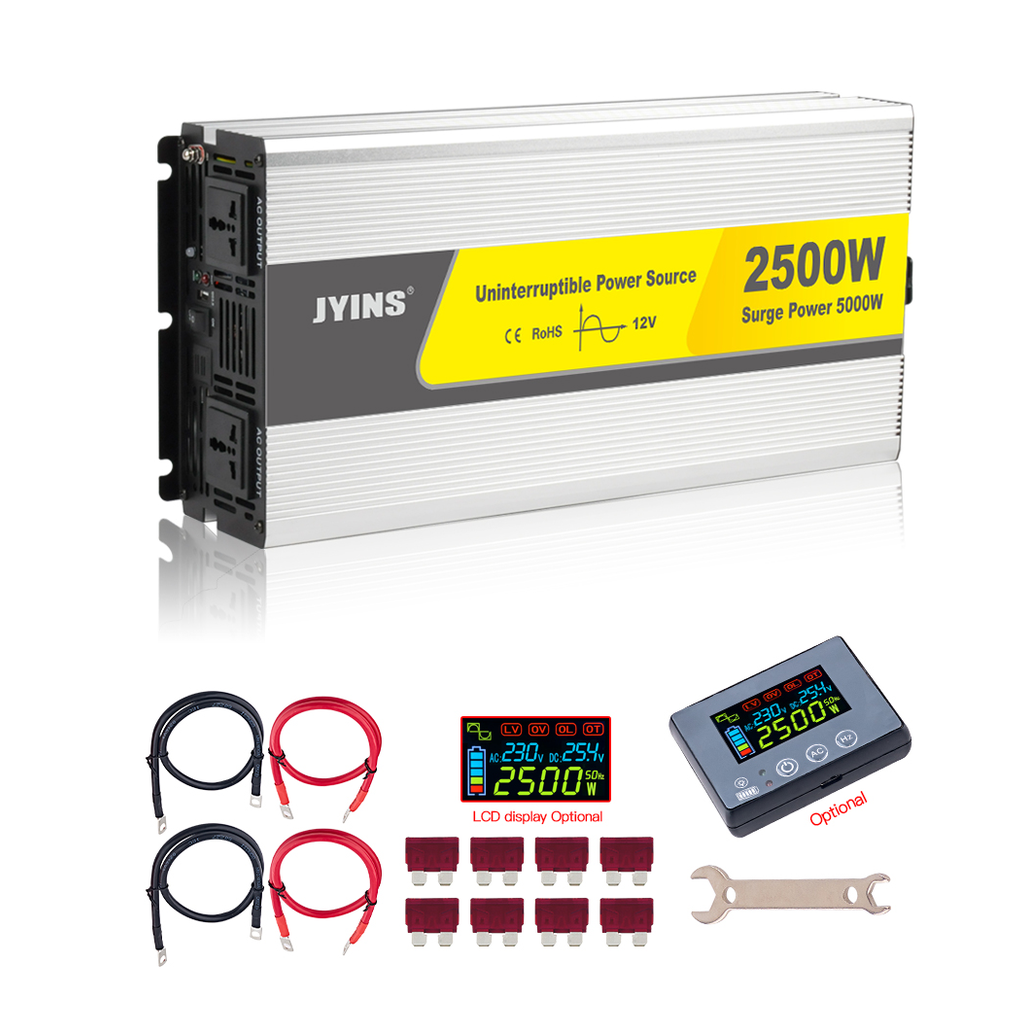
When evaluating Jyins inverter and charger, several specifications are essential to consider. Key specifications include output voltage, capacity (measured in watts), efficiency ratings, and surge capacity. For example, the output voltage should match the requirements of your specific application, whether it’s for residential, commercial, or industrial use. 

Efficiency ratings indicate how much of the energy input is converted into usable output. A higher efficiency means lower energy waste, which is particularly important for long-term operational costs. Surge capacity, which is the maximum power the device can handle for short bursts, is crucial for applications with high starting loads, such as motors. 

Additionally, understanding the type of inverter and charger be it pure sine wave, modified sine wave, or square wave—affects compatibility with various loads. Pure sine wave inverters are typically recommended for sensitive electronics, while modified sine wave inverters may suffice for less sensitive applications. Buyers should also consider safety certifications, such as those meeting ISO9000 standards, which ensure quality assurance in manufacturing processes. 

Frequently Asked Questions

What types of inverter and charger do you offer?

We provide off-grid inverters and combined inverter-chargers designed for solar systems, with models for residential and small commercial applications under the Hisolar brand.
Yes. Our manufacturing follows ISO9000-aligned quality management to ensure consistent testing, traceability, and reliability across production.
We offer manufacturer warranty terms and technical support from our experienced engineers and technicians. Specific warranty length depends on model—contact sales for details.
Yes. Our inverter-chargers are designed to integrate with batteries and solar PV arrays for reliable off-grid power, with built-in charging and battery management functions.
Contact our sales team with model interest. We will provide datasheets, installation guidance, pricing, and delivery options based on your application and location.

Our Blog Posts

Why Power frequency inverters are Preferred for Inductive Load Stability

14

May

Why Power frequency inverters are Preferred for Inductive Load Stability

Power frequency inverters are handy devices in many industries. They help control electric machines that use magnets, like motors and transformers. These is called inductive loads. When machines run, they can cause issues like voltage drops or spikes...
View More
How does DC Arc Fault Circuit Interrupter (AFCI) logic prevent fire risks in rooftop B2B solar arrays?

24

Jun

How does DC Arc Fault Circuit Interrupter (AFCI) logic prevent fire risks in rooftop B2B solar arrays?

The Threat of DC Arc Faults in B2B Rooftop Solar Commercial and industrial rooftop solar arrays are increasingly popular for B2B operations looking to lower carbon emissions and operational costs. However, these large installations bring distinct saf...
View More
Designing Power Conversion for Vertical Farming: Overcoming 100% Humidity and LED Surge Cycles

24

Jun

Designing Power Conversion for Vertical Farming: Overcoming 100% Humidity and LED Surge Cycles

Introduction: The Massive Electrical Scale of Modern Indoor Agriculture Commercial vertical farming represents a high-technology solution to the challenges of global food security, land degradation, and climate volatility. By stacking crops verticall...
View More
Troubleshooting 'Low Voltage Cutoff' (LVC) nuisance tripping in long-distance DC transmission setups

25

Jun

Troubleshooting 'Low Voltage Cutoff' (LVC) nuisance tripping in long-distance DC transmission setups

Introduction to DC Transmission Challenges In remote B2B power applications, such as off-grid telecommunication towers, oil and gas monitoring stations, agricultural irrigation setups, and deep-well pumps, the physical layout of the electrical system...
View More

Related product categories

Inverter and Charger Insights for B2B Buyers

Get a Free Quote

Our representative will contact you soon.
Email
Mobile
Name
Company Name
Products of Interest
Message
0/1000