5kW Solar Inverter OEM/ODM: A Comprehensive Guide

Get a Free Quote

Our representative will contact you soon.
Email
Mobile
Name
Company Name
Products of Interest
Message
0/1000

Solar inverter 5kw oem odm

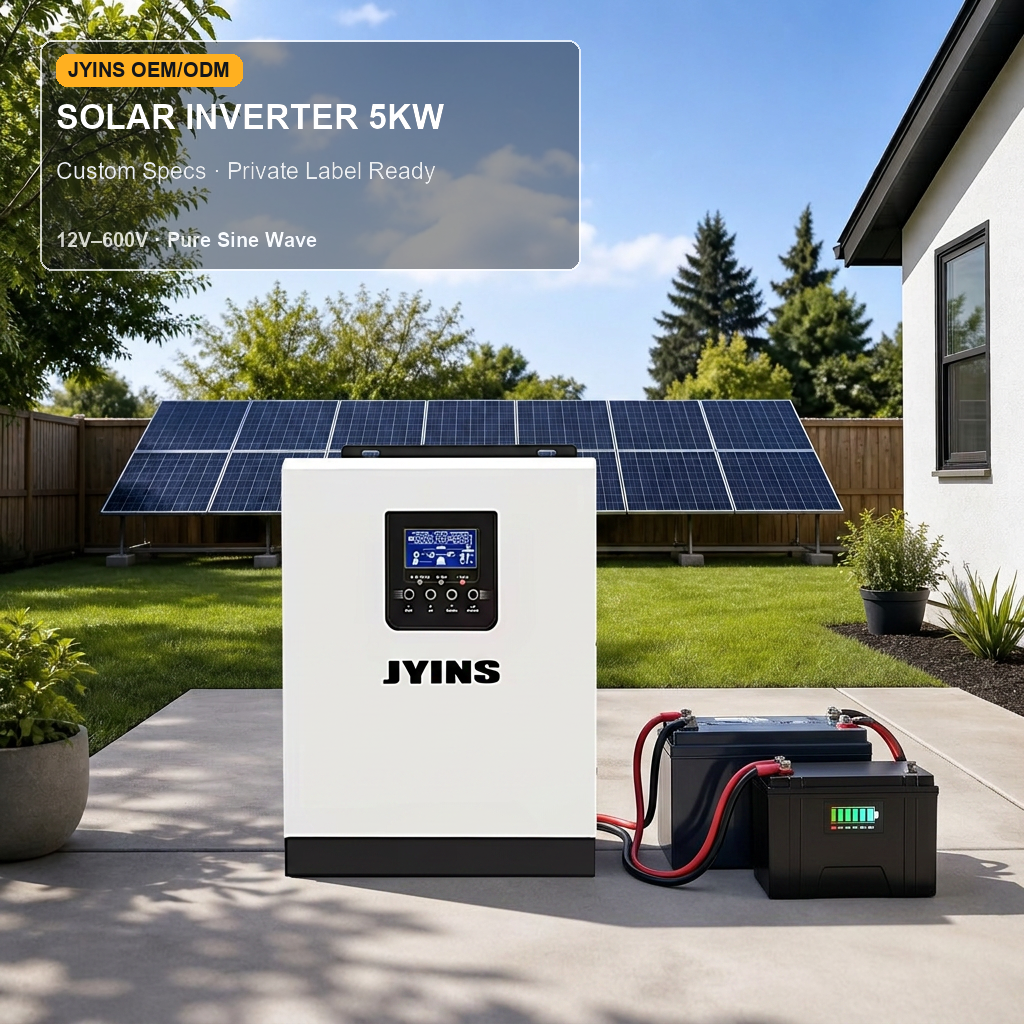
Investing in a solar inverter, particularly a 5kW OEM/ODM option, is a significant decision for businesses looking to enhance their energy efficiency and sustainability. As purchasing managers, engineers, and product managers evaluate OEM/ODM 5kW solar inverters, they must consider factors such as product quality, application suitability, and customization capabilities. This article aims to provide valuable insights into the specifications, cost-saving opportunities, best practices, common issues, and sourcing strategies for OEM/ODM 5kW solar inverters. 

Our Products

Cost Savings on 5kW Solar Inverters

Cost Savings on 5kW Solar Inverters

Investing in a 5kW solar inverter can lead to substantial cost savings. The initial expenditure is offset by reduced electricity bills, and the inverter's efficiency can enhance the overall return on investment (ROI) of the solar energy system. 

When calculating cost savings, consider the following: 

Electricity Savings: By reducing reliance on grid power, businesses can save significantly on monthly energy costs. Calculate the potential savings based on local electricity rates and expected solar energy production. 

Government Incentives: Many regions offer tax credits, rebates, or grants for installing solar systems, which can lower the net cost of the portable solar inverter and associated equipment. 

Long-term Durability: A high-quality inverter typically lasts 5-10 years, depending on usage and maintenance. Investing in a durable model can reduce replacement and repair costs over time. 

By assessing these factors, businesses can make informed financial decisions that align with their sustainability goals. 
Best Practices

Best Practices

To ensure optimal performance and longevity of a 5kW solar inverter, consider these best practices: 

Regular Maintenance: Scheduled inspections and cleaning can prevent issues caused by dust and debris accumulation on the inverter and solar panels. 

Monitoring Performance: Utilize monitoring systems to track energy output and identify any discrepancies or drops in performance, enabling timely interventions. 

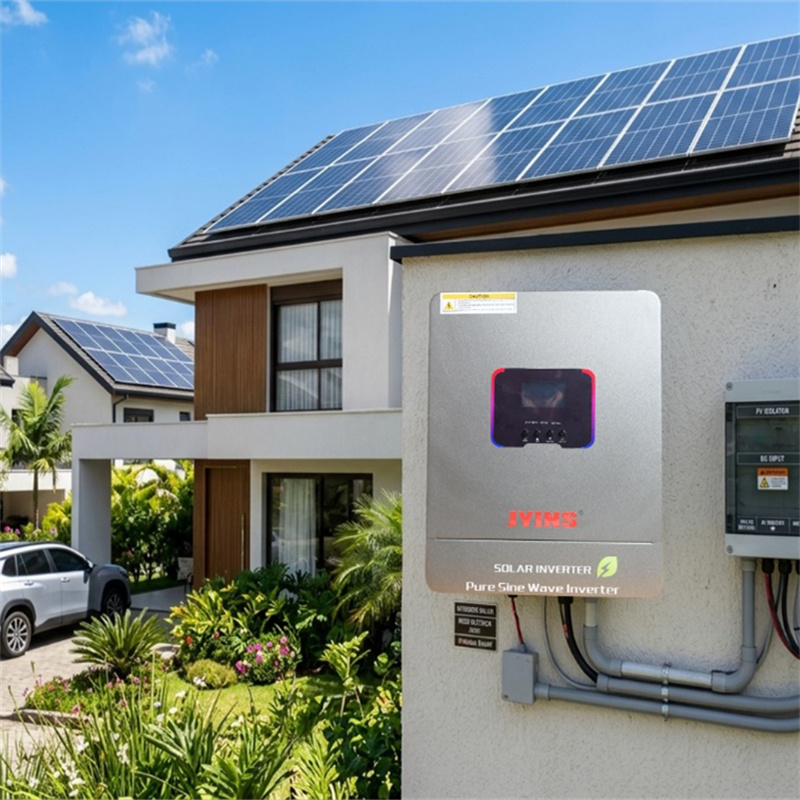
Proper Installation: Engage experienced professionals for installation to ensure compliance with local codes and optimal placement that maximizes solar exposure. 

Temperature Management: Ensure that the inverter operates within the recommended temperature range to prevent overheating and extend its lifespan. 

By adhering to these practices, companies can maximize the efficiency and durability of their 5kw hybrid solar inverters. 

Common Problems with Solar Inverters and Their Solutions

Common Problems with Solar Inverters and Their Solutions

Despite their reliability, solar inverters can encounter common issues. Here are some common problems with solar inverters and their potential solutions: 

Inverter Overheating: This can occur due to inadequate ventilation or prolonged high temperatures. Ensure that the inverter is installed in a shaded, well-ventilated area and check for dust build-up. 

Low Output: If the inverter is not producing expected power, check for issues like shading on solar panels, connection problems, or faults within the inverter itself. 

Communication Failures: Inverters that connect to monitoring systems can experience communication issues. Ensure that firmware is updated and that there are no connectivity barriers (like Wi-Fi interference). 

Tripping: If the inverter frequently trips, it could be due to overload or internal faults. Ensure that the inverter's settings are correctly configured and consult the manufacturer for troubleshooting. 

Understanding these common issues allows buyers to proactively address and mitigate potential disruptions in performance. 

Where to Source Reliable OEM/ODM 5kW Solar Inverters for Projects

Sourcing reliable OEM/ODM 5kW solar inverters involves evaluating potential suppliers based on several factors: 

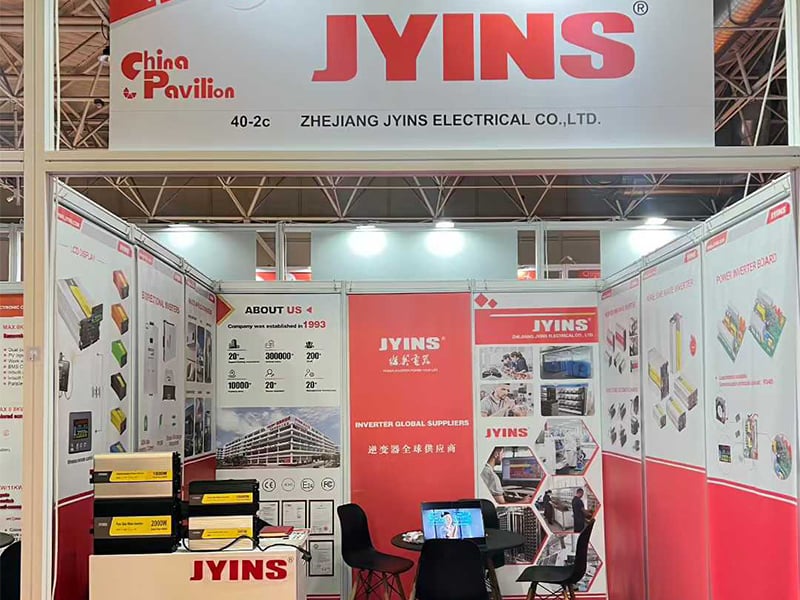
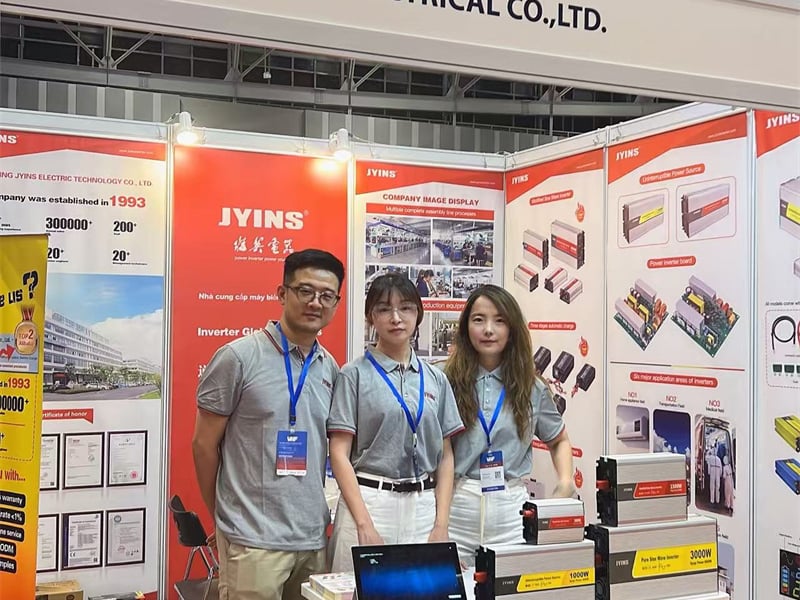
Manufacturing Capabilities: Look for manufacturers like Jyins, which adhere to international ISO9000 standards and have a reputation for producing high-quality off-grid solar products. Their experience since 1993 and expertise in inverter production can assure quality and reliability. 

Customization Options: Verify the supplier's ability to customize products to meet specific project requirements, including unique specifications or branding needs. 

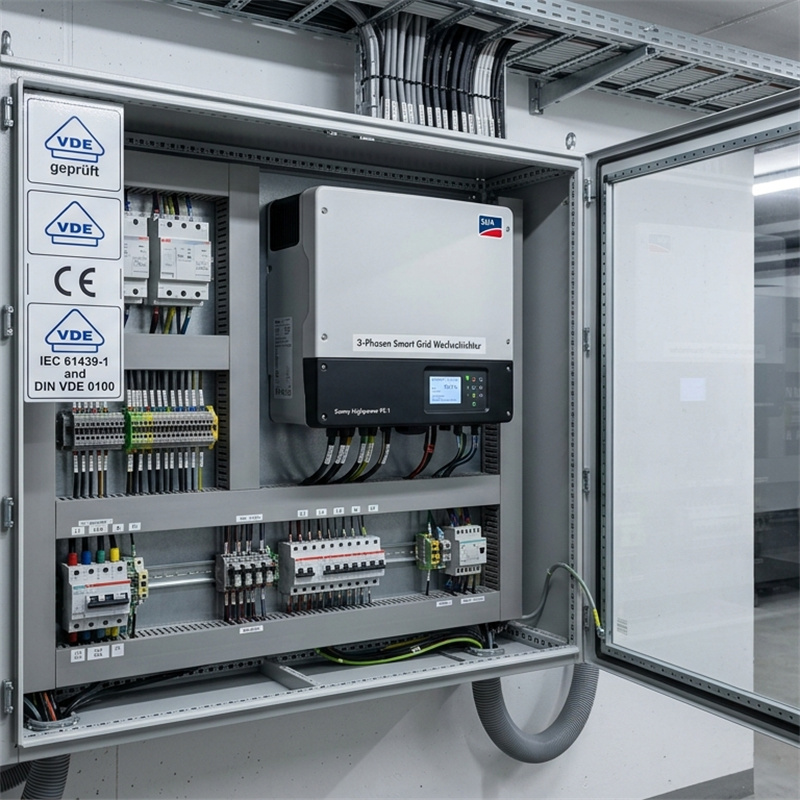
Quality Control Processes: Ensure that the supplier has stringent quality assurance measures in place, including testing protocols for performance and safety standards. 

Export Markets: A manufacturer with experience in diverse export markets is often better equipped to handle international regulations and logistics, making them a more reliable partner. 

Minimum Order Quantity (MOQ): Understand the supplier's MOQ and ensure it aligns with your project needs to avoid excess inventory. 

By conducting thorough evaluations and selecting a capable supplier like Jyins, businesses can enhance their procurement process and ensure successful project execution. 

understanding the intricacies of OEM/ODM 5kW solar inverters empowers buyers to make informed decisions that align with their operational goals. By focusing on key specifications, cost-saving potential, best practices, common issues, and sourcing strategies, businesses can optimize their investments in solar technology. 

A Buyer 2019 Guide

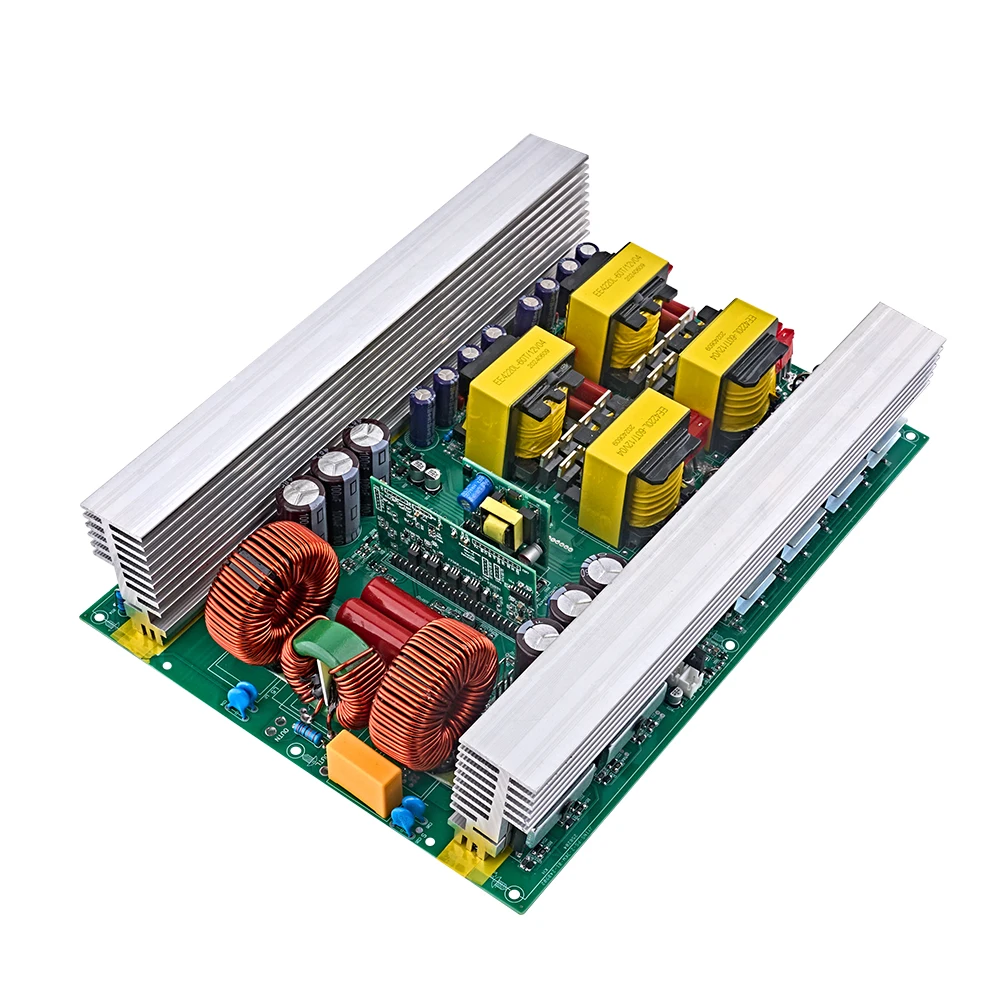
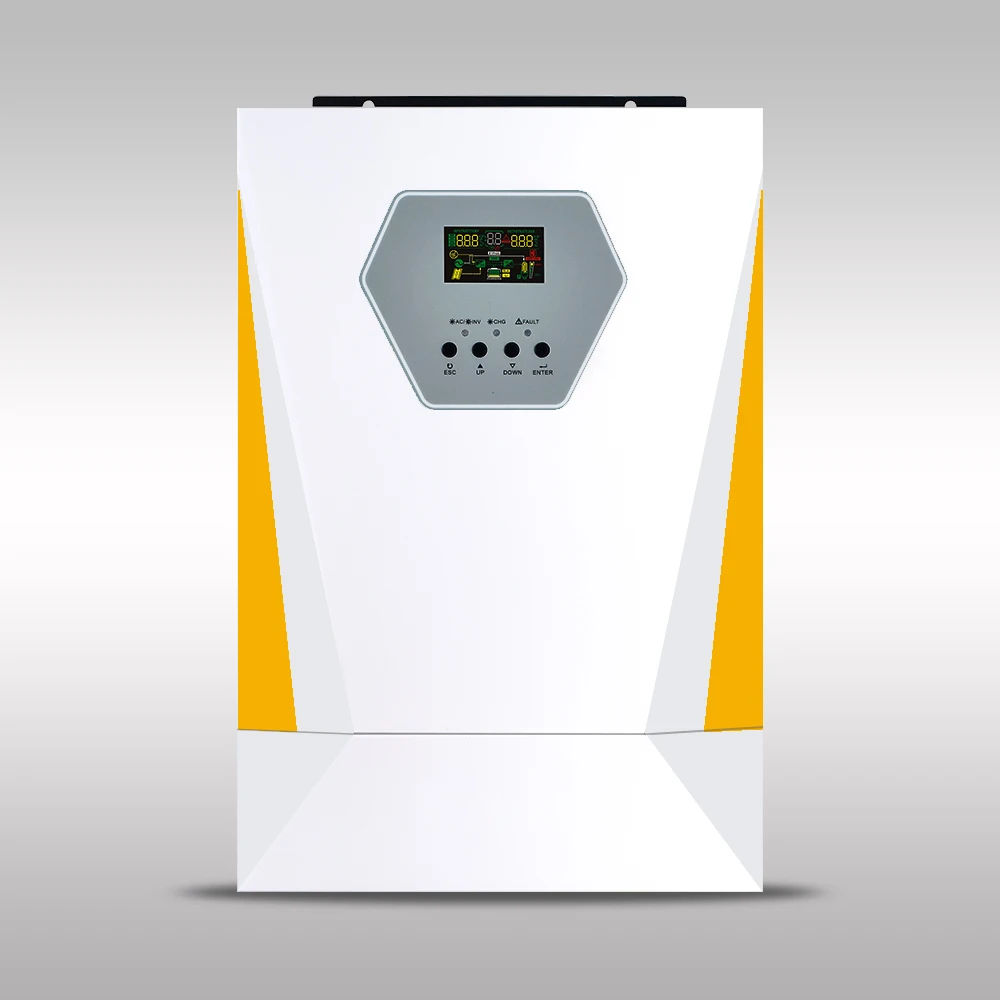
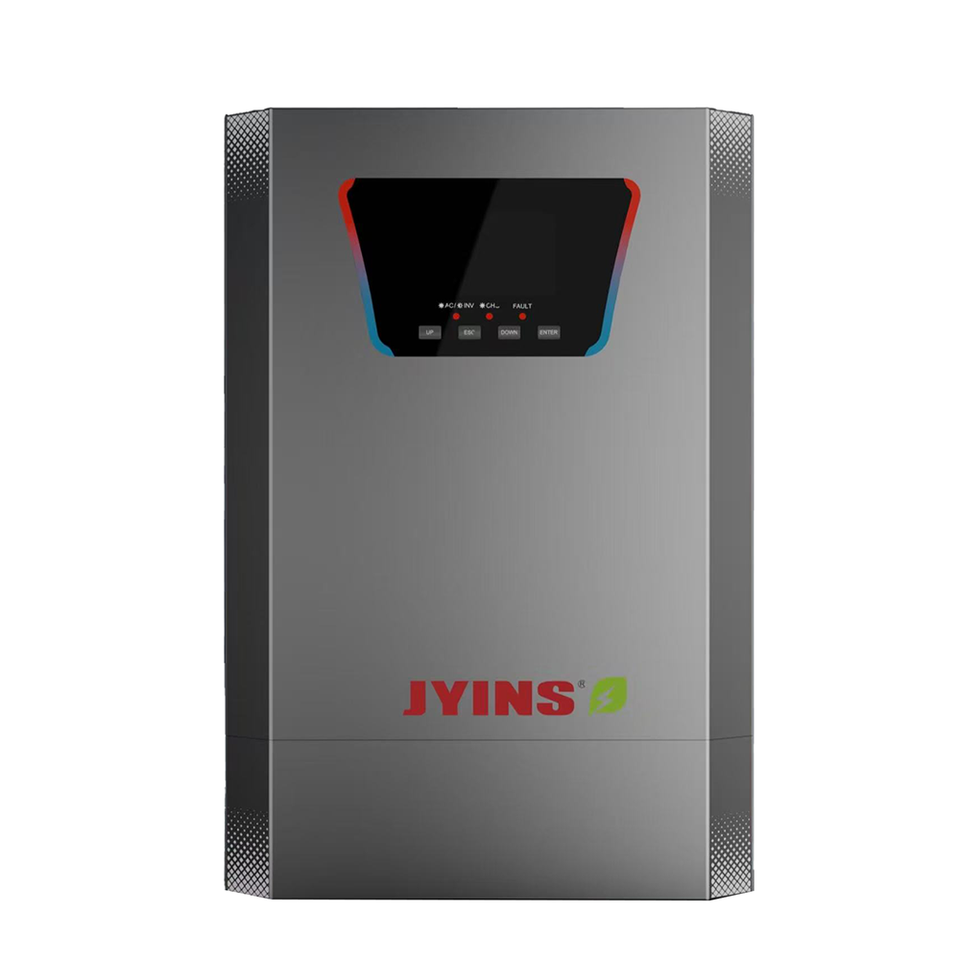
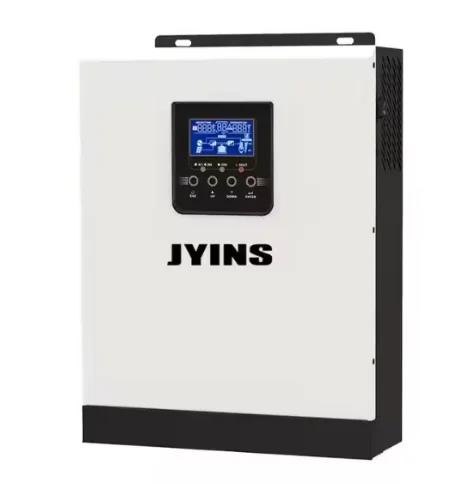
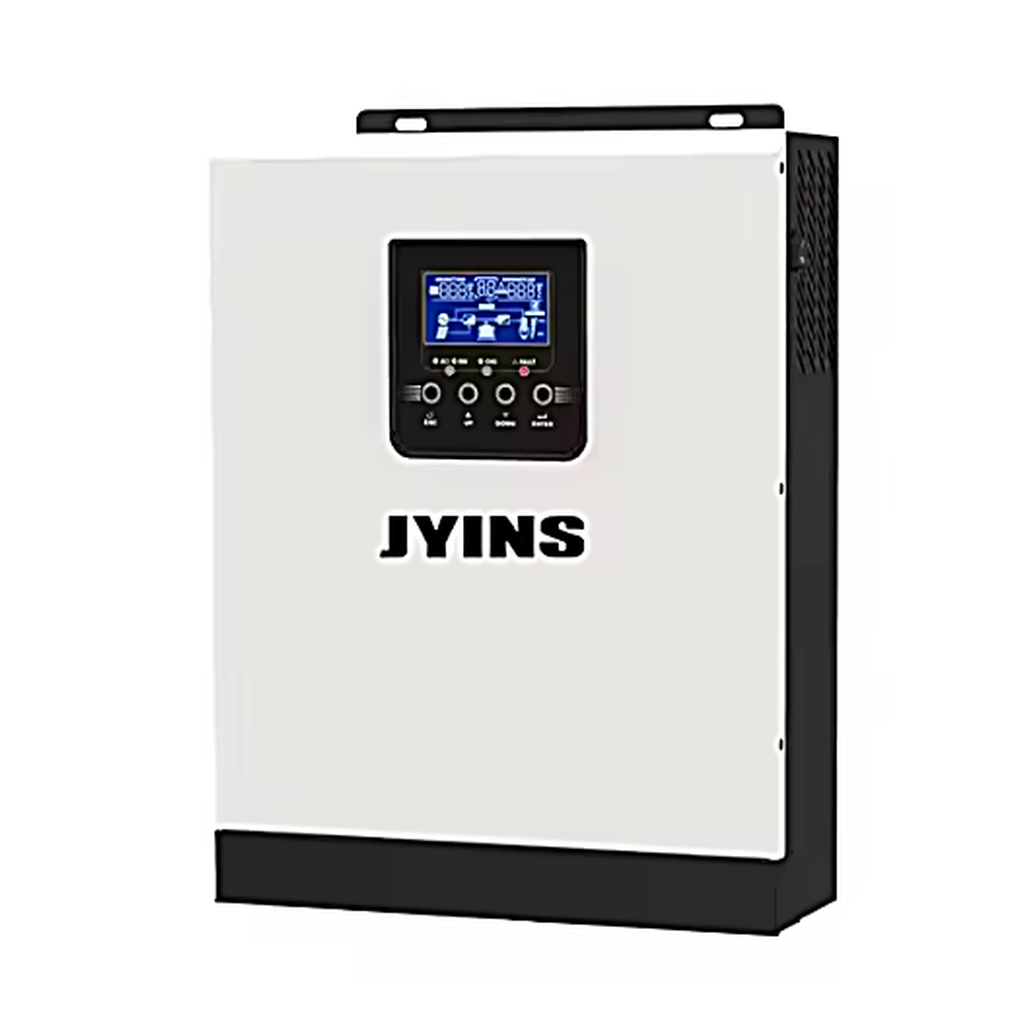
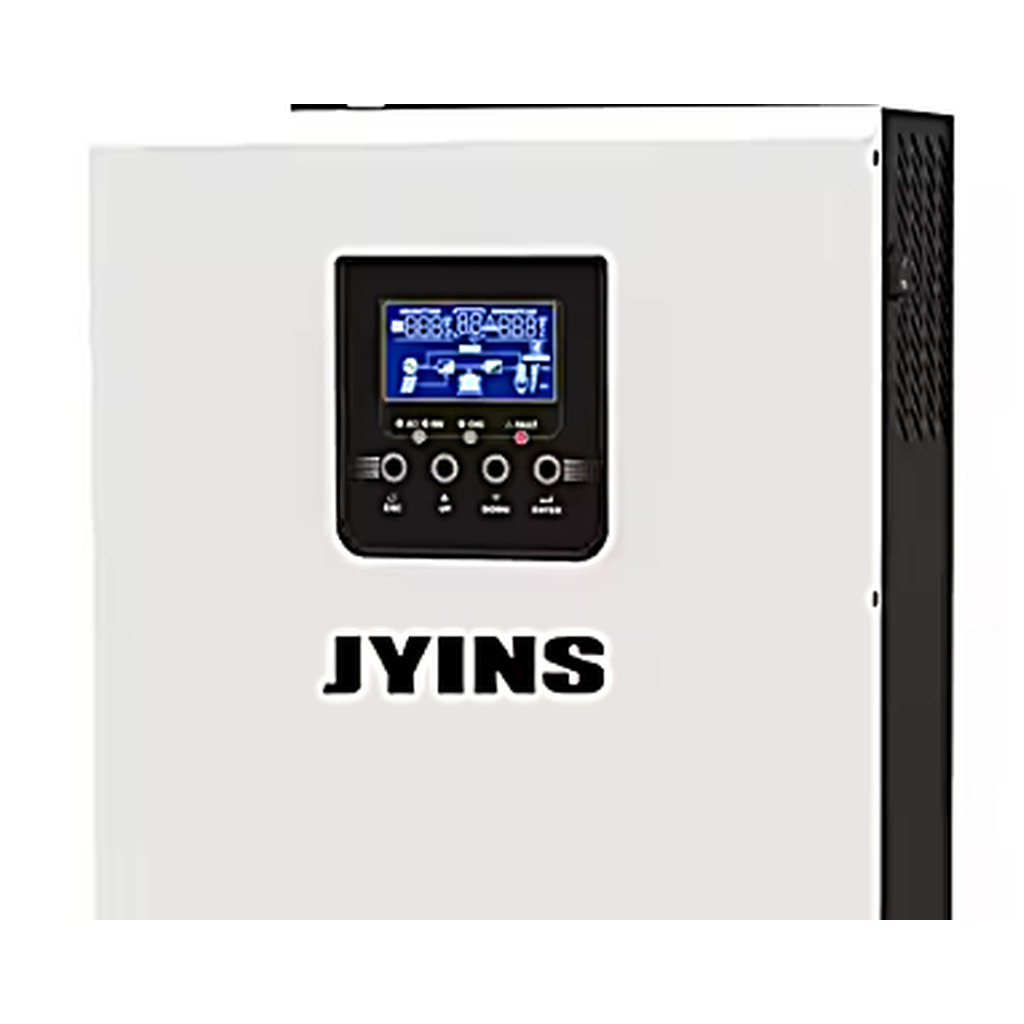
When selecting a 5kW solar inverter, various specifications and features should be prioritized. The inverter's primary function is to convert the direct current (DC) produced by solar panels into alternating current (AC) for use in commercial electrical systems. Key specifications to consider include: 

Efficiency Rating: Look for inverters from Jyins with high efficiency ratings (typically above 95%) as this directly affects overall energy output. 

Input Voltage Range: Ensure compatibility with the solar panel system; the inverter should handle the voltage range produced by the panels. 

Cooling System: Off grid solar inverter can use air or liquid cooling systems; the choice affects performance and longevity in different operating environments. 

Protection Features: Over-voltage, over-temperature, and short-circuit protections are essential for reliable operation and safety. 

Additionally, understanding the inverter's form factor (e. g., wall-mounted or standalone) and its communication capabilities (such as Wi-Fi or RS485 for monitoring) is critical for integration into existing systems. 

Frequently Asked Questions

What is the 5kW solar inverter's main function?

The 5kW solar inverter converts DC from solar panels to AC for home or small commercial use, enabling off-grid power supply and battery charging with high efficiency and stable output.
Yes. We offer OEM/ODM services to customize appearance, firmware, communication ports, and labeling to meet your project specifications.
Manufactured under ISO9000-standard processes with rigorous testing by experienced engineers to ensure reliability, safety, and long-term performance.
Standard warranty and dedicated technical support from our engineering team are provided; extended warranty and on-site support options可 be discussed per contract.
Designed for off-grid systems; compatible with common battery chemistries (lead-acid, Li-ion) and requires proper DC input voltage, grounding, and professional installation per manual.

Our Blog Posts

How to configure Inverter Grid-Tie parameters for Brazil INMETRO compliance in residential clusters?

24

Jun

How to configure Inverter Grid-Tie parameters for Brazil INMETRO compliance in residential clusters?

Understanding the Regulatory Landscape of Brazilian Solar Brazil has established itself as one of the fastest-growing solar energy markets in the world, driven by abundant sunlight and supportive net-metering policies. However, entering this market o...
View More
How to manage 'Three-Phase Unbalance' limits in German VDE-AR-N 4105 compliant industrial setups?

24

Jun

How to manage 'Three-Phase Unbalance' limits in German VDE-AR-N 4105 compliant industrial setups?

The German Low-Voltage Grid Standard: VDE-AR-N 4105 Germany is home to one of the most sophisticated and highly regulated electricity networks in the world. As the country pushes toward its Energiewende (energy transition), the integration of distrib...
View More
Inverter requirements for Mobile Satellite Communication Units: Minimizing EMI/RFI noise.

25

Jun

Inverter requirements for Mobile Satellite Communication Units: Minimizing EMI/RFI noise.

Q: Inverter requirements for Mobile Satellite Communication Units: Minimizing EMI/RFI noise. Introduction: The Critical Challenge of Powering Mobile SatCom Units Mobile Satellite Communication Units, including emergency command vehicles, outside broa...
View More
How to Troubleshoot Phase-Locked Loop (PLL) Synchronization Errors in Unstable or Weak Rural Microgrids?

10

Sep

How to Troubleshoot Phase-Locked Loop (PLL) Synchronization Errors in Unstable or Weak Rural Microgrids?

Q: How do you troubleshoot phase-locked loop (PLL) synchronization errors in unstable or weak rural microgrids? A: In many remote rural areas or emerging-market microgrid projects, grid quality is often extremely poor. These grids are commonly referr...
View More

Get a Free Quote

Our representative will contact you soon.
Email
Mobile
Name
Company Name
Products of Interest
Message
0/1000
5kW Solar Inverter OEM/ODM: A Comprehensive Guide

Get a Free Quote

Our representative will contact you soon.
Email
Mobile
Name
Company Name
Products of Interest
Message
0/1000