Reliable PV Panel Battery Storage Solutions

Get a Free Quote

Our representative will contact you soon.
Email
Mobile
Name
Company Name
Products of Interest
Message
0/1000

pv panel battery storage

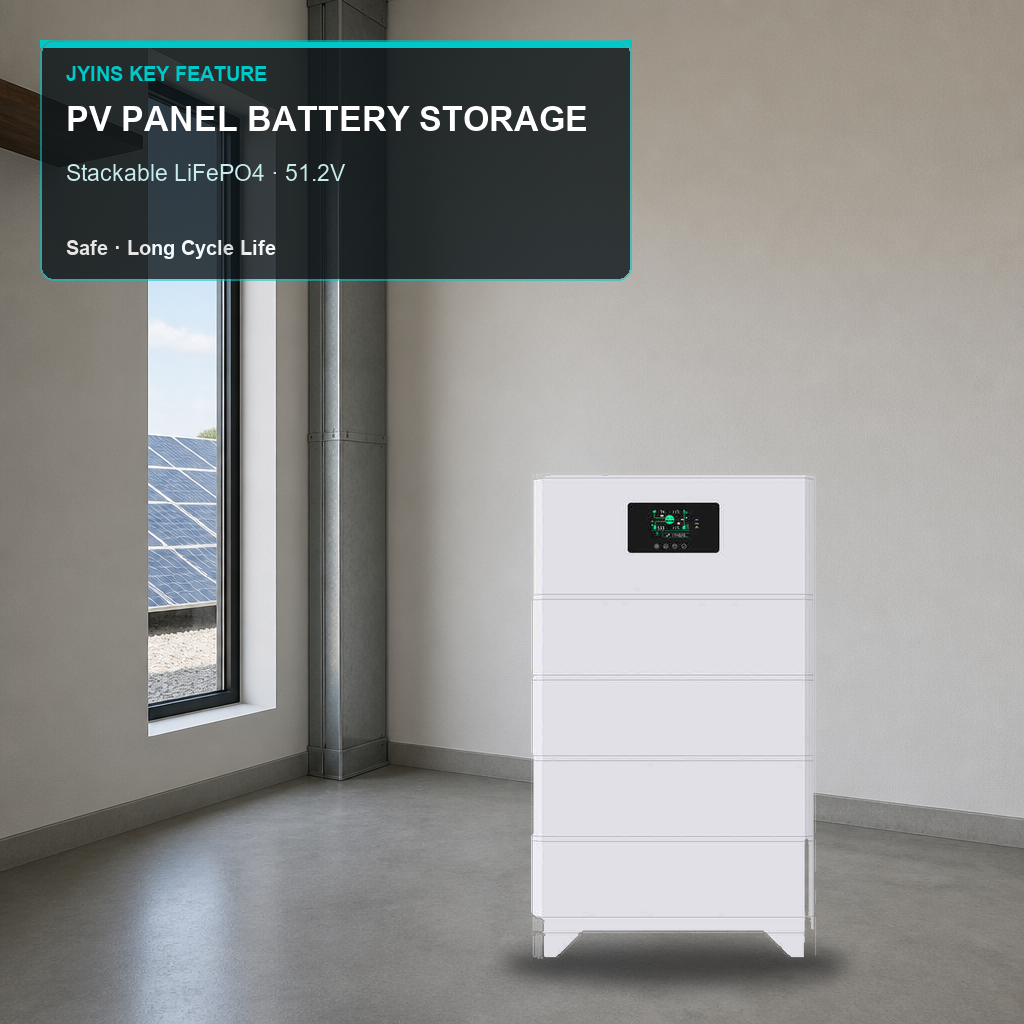
PV  panel battery  storage is  an essential component  for optimizing  solar energy  use, allowing  for  the reliable  storage  and utilization  of renewable energy. For B2B buyers such as purchasing managers  and  engineers, understanding the specifications, sourcing  options, installation  processes, and potential issues related to PV  panel battery storage is crucial. This article aims to provide  practical insights that will help you make informed purchasing  decisions and ensure efficient  system implementation.
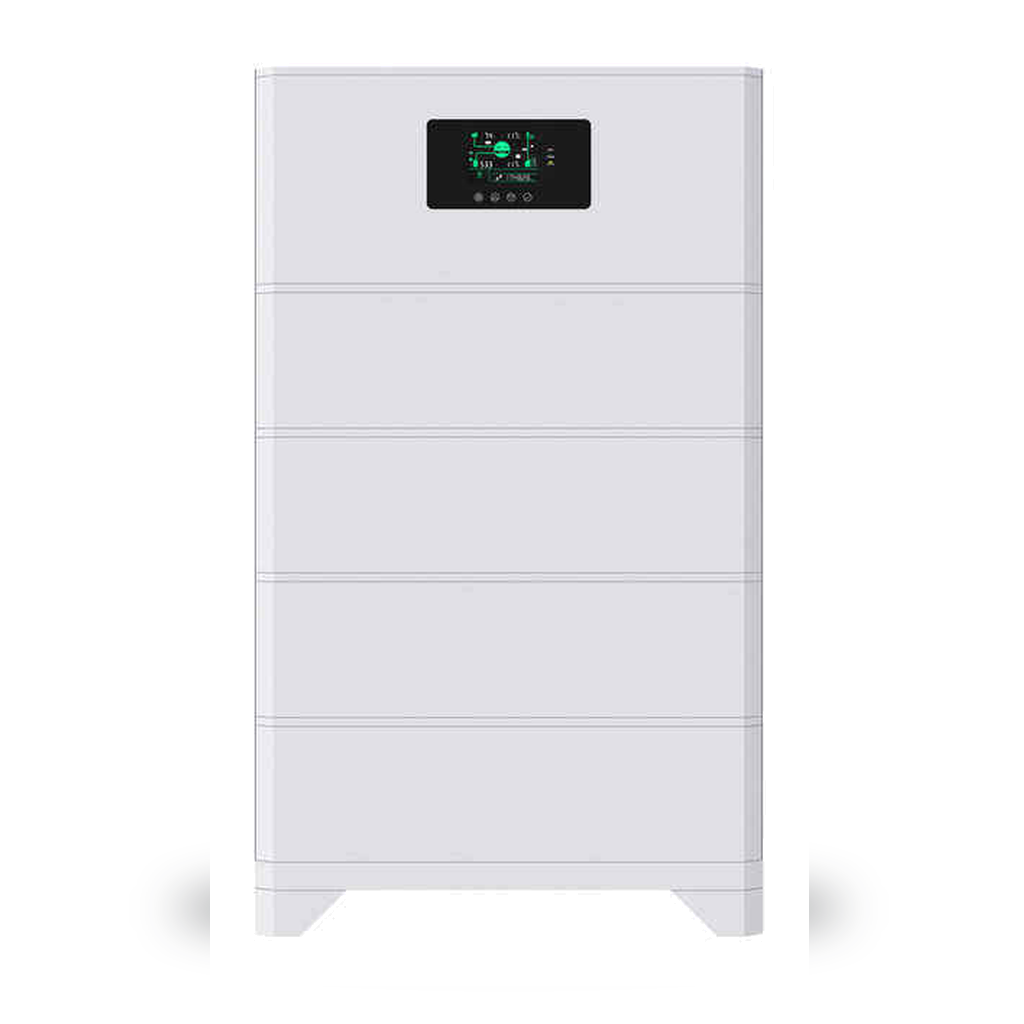
 
Cost Factors to Evaluate for Bulk PV Battery Storage Purchases

Cost Factors to Evaluate for Bulk PV Battery Storage Purchases

Sourcing reliable wholesale PV panel battery storage products requires a thorough approach. Here are some strategies:

Manufacturer Directories: Utilize online platforms like  Alibaba, Global Sources, and ThomasNet to find manufacturers specializing in solar products. Look for  suppliers with  a strong reputation and positive reviews from previous buyers.

Trade Shows and Expos: Attending industry-specific trade shows, such as Solar Power International (SPI) or The Solar Show, provides  opportunities to  meet  manufacturers and suppliers face-to-face. This direct interaction can  facilitate better understanding and negotiation of terms.

Industry Associations: Consult organizations like the  Solar Energy Industries Association (SEIA) for recommendations  on reputable  manufacturers. These associations often have lists of certified suppliers who adhere to industry standards.


Quality Certifications: When evaluating suppliers, check for certifications such as ISO9001 or other relevant quality management  systems. These certifications indicate a commitment to quality assurance and operational excellence.

Request  Samples: Before finalizing a bulk order, request samples  to verify the quality  and performance of the battery storage products.  Testing a sample under actual operational conditions can help identify potential issues  before committing to a  larger purchase.

By following  these sourcing strategies, you can identify manufacturers that align with your  quality and supply chain requirements.
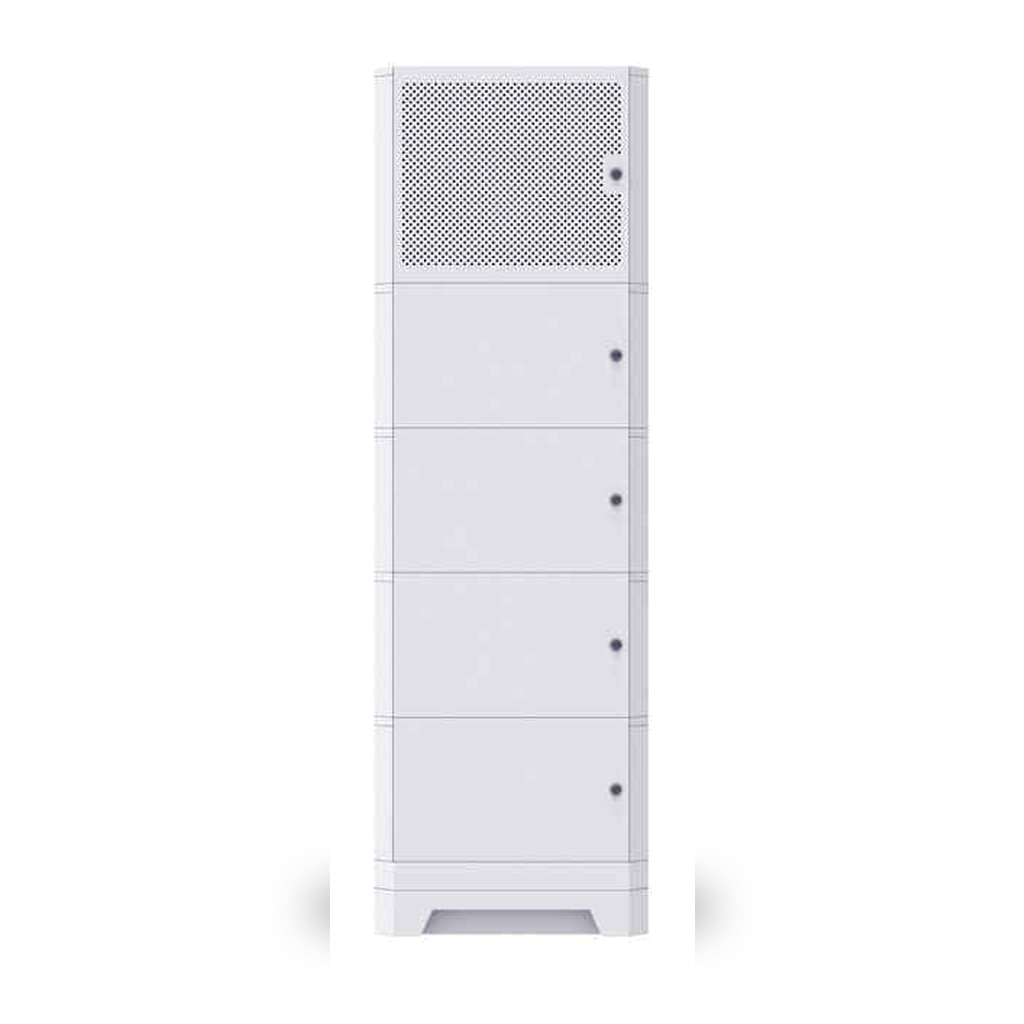
Installation Guidance for PV Panel Battery Storage Systems

Installation Guidance for PV Panel Battery Storage Systems

Installing a PV panel battery storage system requires careful  planning  and adherence  to  best practices:

Site Assessment: Conduct a thorough  assessment of the installation site to determine space availability, accessibility for maintenance, and proximity  to solar panels and electrical systems. Consider environmental  factors such as temperature extremes, humidity, and potential shading.

Electrical Compatibility: Ensure that the battery storage system is compatible with the existing electrical infrastructure. Proper integration with inverters and solar panels is critical for efficient energy flow and system safety.

Professional Installation: Engage qualified  technicians to perform the installation. Proper installation  minimizes the risk of  operational issues and  ensures compliance with  local regulations and safety standards.

Monitoring  Systems: Incorporate monitoring systems  that provide real-time data on battery performance, state of charge, and overall system health.  This information can help you optimize energy  usage and identify potential issues early.

Regular  Maintenance: Establish a maintenance schedule that includes regular checks on battery health, connections, and thermal management systems. Proactive maintenance can extend the lifespan of the storage  solution and prevent unexpected  failures.

By following these installation guidelines, you  can ensure the efficient operation of your PV panel battery storage system.

Understanding the Benefits of Quality PV Panel Battery Storage Materials

Understanding the Benefits of Quality PV Panel Battery Storage Materials

While PV panel battery storage systems  are generally reliable, certain issues can arise:

Reduced Capacity Over Time: Batteries may exhibit reduced capacity as  they age, affecting their ability to hold charge. To mitigate this,  ensure that you select a battery with a long cycle  life and monitor its performance regularly. Consider implementing a rotating replacement schedule for older units.

Overheating: Excessive heat can lead to decreased performance and  lifespan. Ensure that your battery storage system has adequate ventilation and thermal management systems. In  high-temperature  environments, consider using batteries designed for higher thermal tolerance.

Voltage Mismatch:  Incorrect voltage compatibility with solar panels or inverters can lead to system failures.  Always verify voltage compatibility before  installation and consider using voltage regulators if  necessary.


Battery Management  System (BMS) Failures: A  malfunctioning  BMS can lead to overcharging or discharging, which can damage  batteries. Regularly check the BMS functionality and consider choosing a system with robust safety features.

Poor Quality Components: Using subpar components can  lead to operational failures.  Only source  products from reputable manufacturers who adhere to quality standards.

By being aware of these potential issues and implementing preventive measures, you can maintain optimal performance and longevity of  your PV panel battery storage systems.

Where to Find Trusted Suppliers for PV Panel Battery Storage Products

Investing in high-quality materials for  PV panel battery storage units offers numerous  advantages:

Durability: High-quality materials enhance the durability of  battery systems, allowing them  to withstand environmental  stressors  such as  temperature fluctuations, humidity, and physical impacts. This leads to longer service life and fewer replacements.

Better Performance: Premium materials often exhibit superior electrochemical properties, resulting  in  improved efficiency and cycle life. This translates to better energy storage  and reduced operational costs.

Safety: High-quality materials reduce the  risk of failures  such  as  thermal runaway, which can lead to fires or explosions. Investing in reputable brands that prioritize safety in their material selection is crucial for risk mitigation.

Lower  Maintenance Costs: Durable materials  decrease the frequency of maintenance and repairs, leading to lower overall costs in the long run. If a battery unit is robustly constructed,  it will require less  frequent replacements and servicing.

Environmental Compliance: Quality materials often comply with stringent environmental regulations, ensuring  that your operations align with sustainability  goals. This is increasingly important for businesses looking to enhance their corporate social responsibility.

Choosing high-quality materials for your PV panel battery storage solutions not only improves performance but also safeguards your investment in renewable energy infrastructure. Additionally, utilizing a Solar Inverter can greatly enhance the effectiveness of your energy storage system.

Reliable Suppliers for PV Battery Storage Systems

When assessing  PV panel battery storage solutions, several key specifications  warrant careful consideration:

Capacity: Measured in kilowatt-hours (kWh), battery capacity indicates how much energy the  unit can store. A higher capacity may  be necessary for larger applications or for those requiring extended periods of energy supply. Ensure the capacity aligns with your energy consumption patterns.

Voltage Compatibility: Compatibility with existing solar systems is vital. Common voltage levels include 12V, 24V, and 48V. Verify that the battery storage system matches the voltage of  your solar panels and inverters to avoid operational issues.

Cycle Life: This  refers to the number of charge and discharge cycles a battery can undergo before its capacity  significantly diminishes. A longer cycle life  translates to lower replacement costs over time, making it a key factor in long-term planning.

Depth of Discharge (DoD):  DoD indicates the percentage of the battery's capacity that can  be used without damaging the  battery. A higher DoD allows for better utilization of stored energy, which is particularly important for applications with variable energy demands.

Efficiency:  The round-trip efficiency of a battery  storage system indicates how much energy is lost during charging and discharging. Higher efficiency means more usable  energy and reduced operational costs.

Thermal Management: Batteries generate heat  during operation.  Effective thermal management ensures optimal performance and longevity.  Consider systems with built-in cooling  mechanisms to prevent overheating.

Understanding these specifications will help you select  a  battery storage solution that meets your operational needs and provides reliable performance. For example, utilizing a Battery Charger can enhance the efficiency of your system.

Our Blog Posts

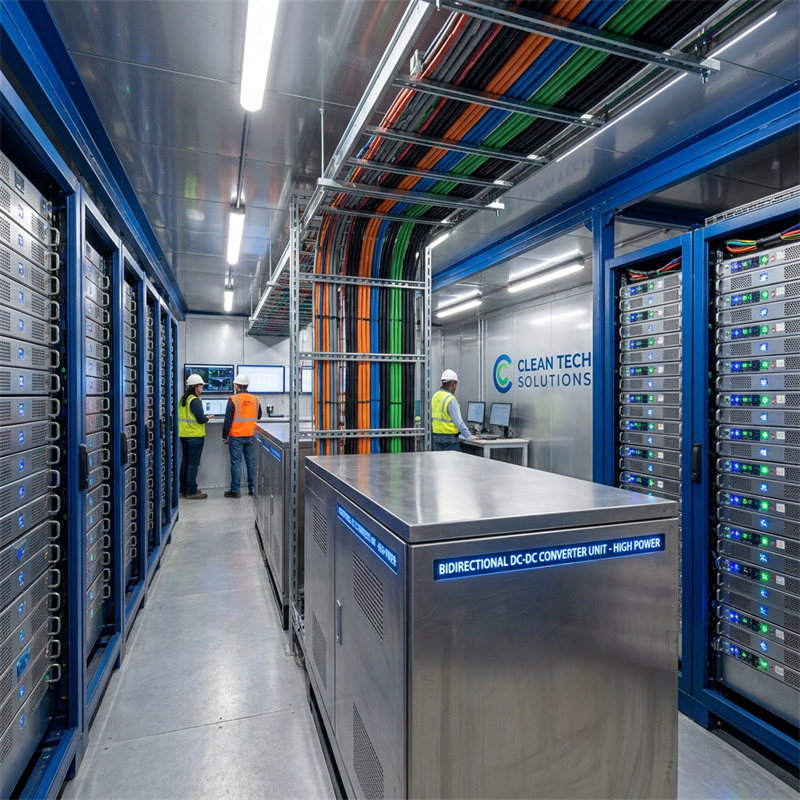
Why Bidirectional DC-DC Converters are the Core of Next-Generation Battery Energy Storage Systems (BESS)

24

Jun

Why Bidirectional DC-DC Converters are the Core of Next-Generation Battery Energy Storage Systems (BESS)

Introduction: The Rapid Scalification of Battery Energy Storage As the global electrical grid transitions toward decentralized renewable energy sources like solar and wind, the need for high-capacity Battery Energy Storage Systems (BESS) has skyrocke...
View More
How to optimize Inverter Efficiency Curves for variable load manufacturing facilities?

25

Jun

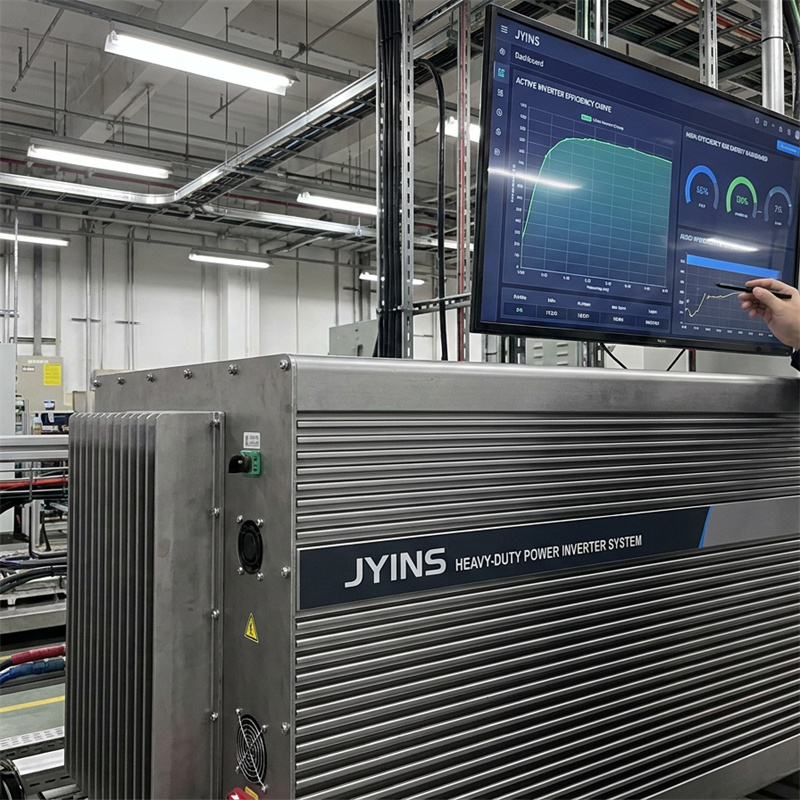
How to optimize Inverter Efficiency Curves for variable load manufacturing facilities?

Introduction to Manufacturing Power Dynamics Manufacturing facilities are characterized by highly dynamic and fluctuating electrical loads. Throughout a typical 24-hour cycle, power consumption spikes and sags as production lines start up, CNC machin...
View More
Designing 'Zero-Export' solar hybrid systems for commercial office buildings.

25

Jun

Designing 'Zero-Export' solar hybrid systems for commercial office buildings.

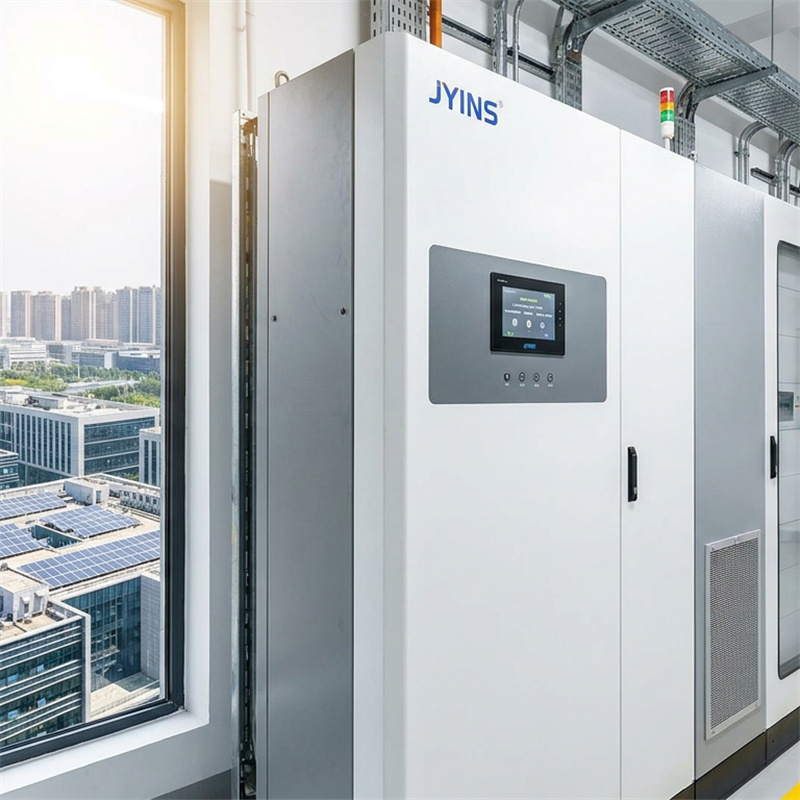
Q: Designing 'Zero-Export' solar hybrid systems for commercial office buildings. Introduction: The New Energy Landscape for Urban Office Buildings Commercial office buildings in major cities are facing a dual challenge. On one hand, corporate tenants...
View More
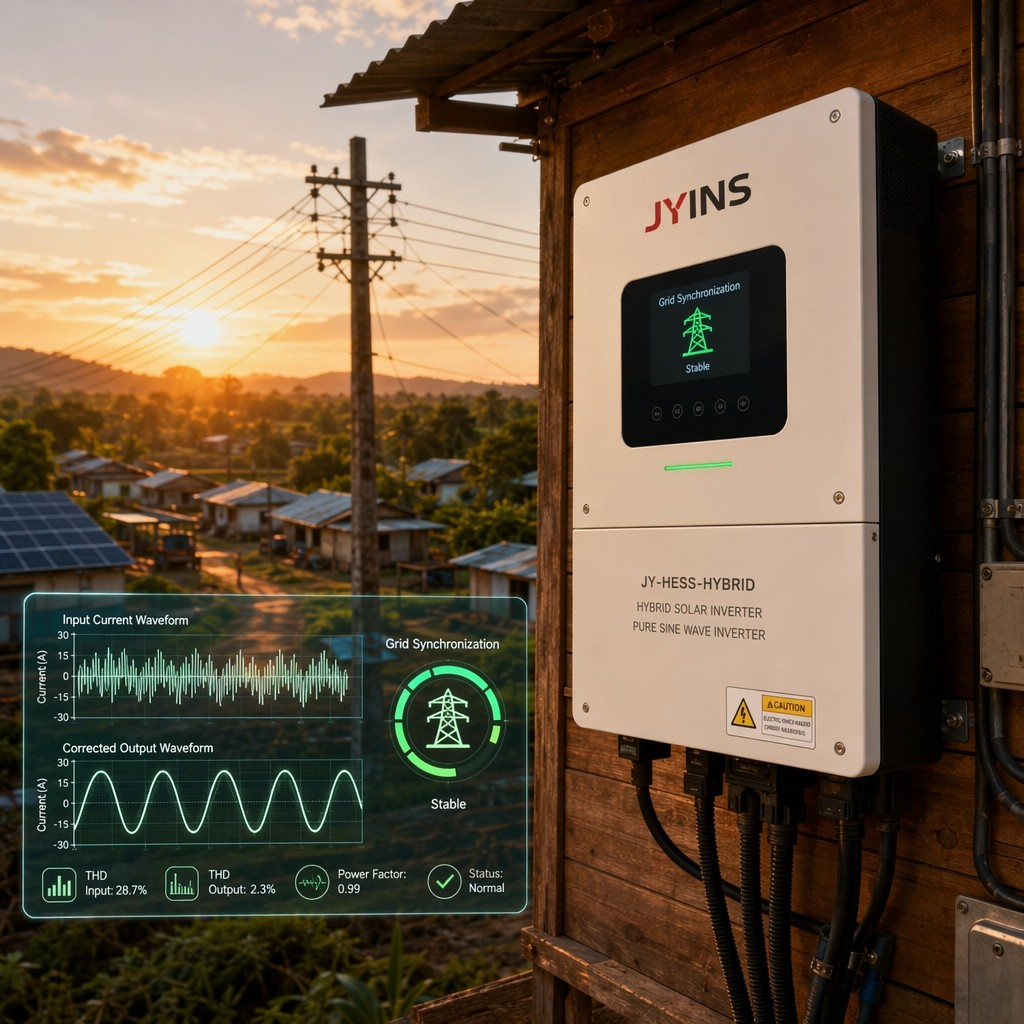
How to Troubleshoot Phase-Locked Loop (PLL) Synchronization Errors in Unstable or Weak Rural Microgrids?

10

Sep

How to Troubleshoot Phase-Locked Loop (PLL) Synchronization Errors in Unstable or Weak Rural Microgrids?

Q: How do you troubleshoot phase-locked loop (PLL) synchronization errors in unstable or weak rural microgrids? A: In many remote rural areas or emerging-market microgrid projects, grid quality is often extremely poor. These grids are commonly referr...
View More

Get a Free Quote

Our representative will contact you soon.
Email
Mobile
Name
Company Name
Products of Interest
Message
0/1000

Related product categories

Reliable PV Panel Battery Storage Solutions

Get a Free Quote

Our representative will contact you soon.
Email
Mobile
Name
Company Name
Products of Interest
Message
0/1000