Cost-Effective Battery Storage Solutions for Business

Get a Free Quote

Our representative will contact you soon.
Email
Mobile
Name
Company Name
Products of Interest
Message
0/1000

battery storage

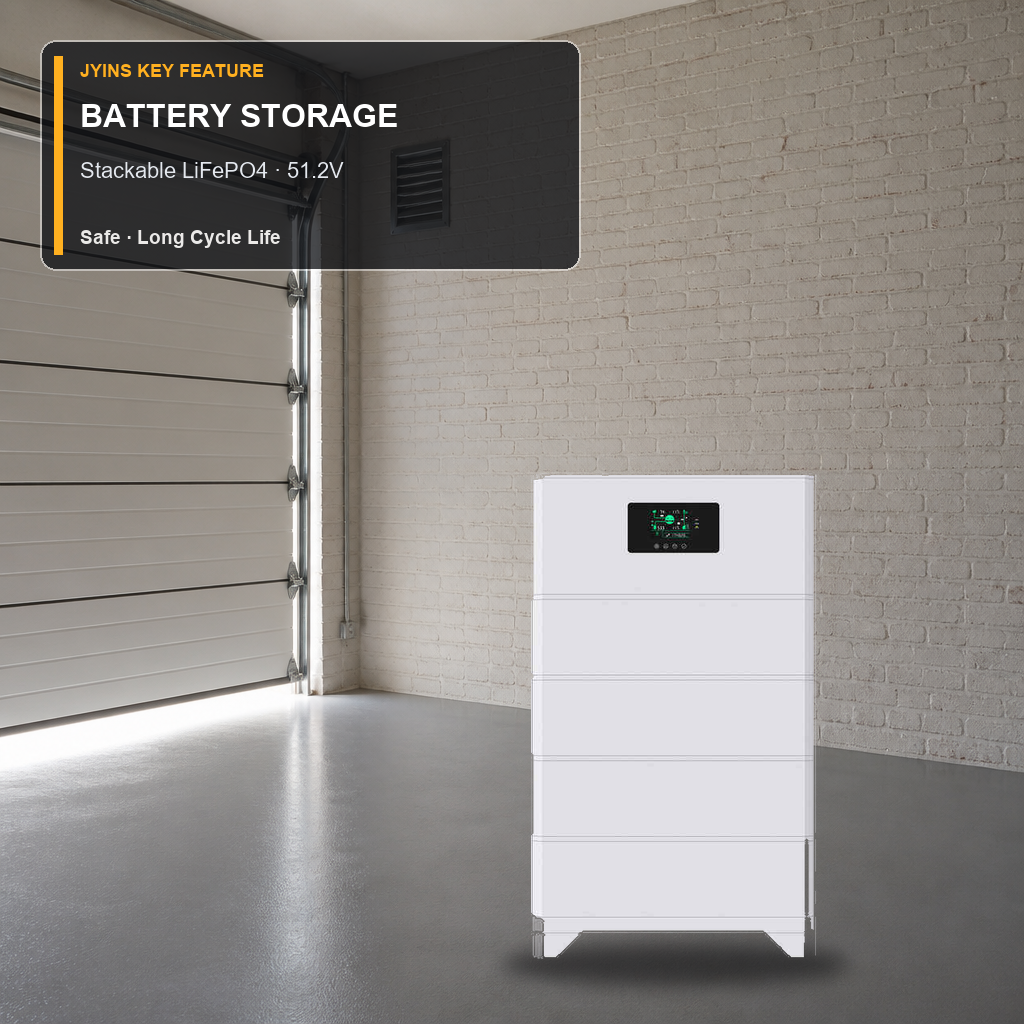
Battery storage  solutions are increasingly vital for businesses that  rely on  renewable energy sources, especially in off-grid  scenarios. As  a  B2B  buyer,  your primary concerns may include ensuring product reliability, cost-effectiveness,  and compatibility  with  existing  systems.  This article will help  you navigate these considerations by providing  practical insights into sourcing quality  battery storage products, exploring  cost-effective options,  and addressing common challenges faced  in the  industry.
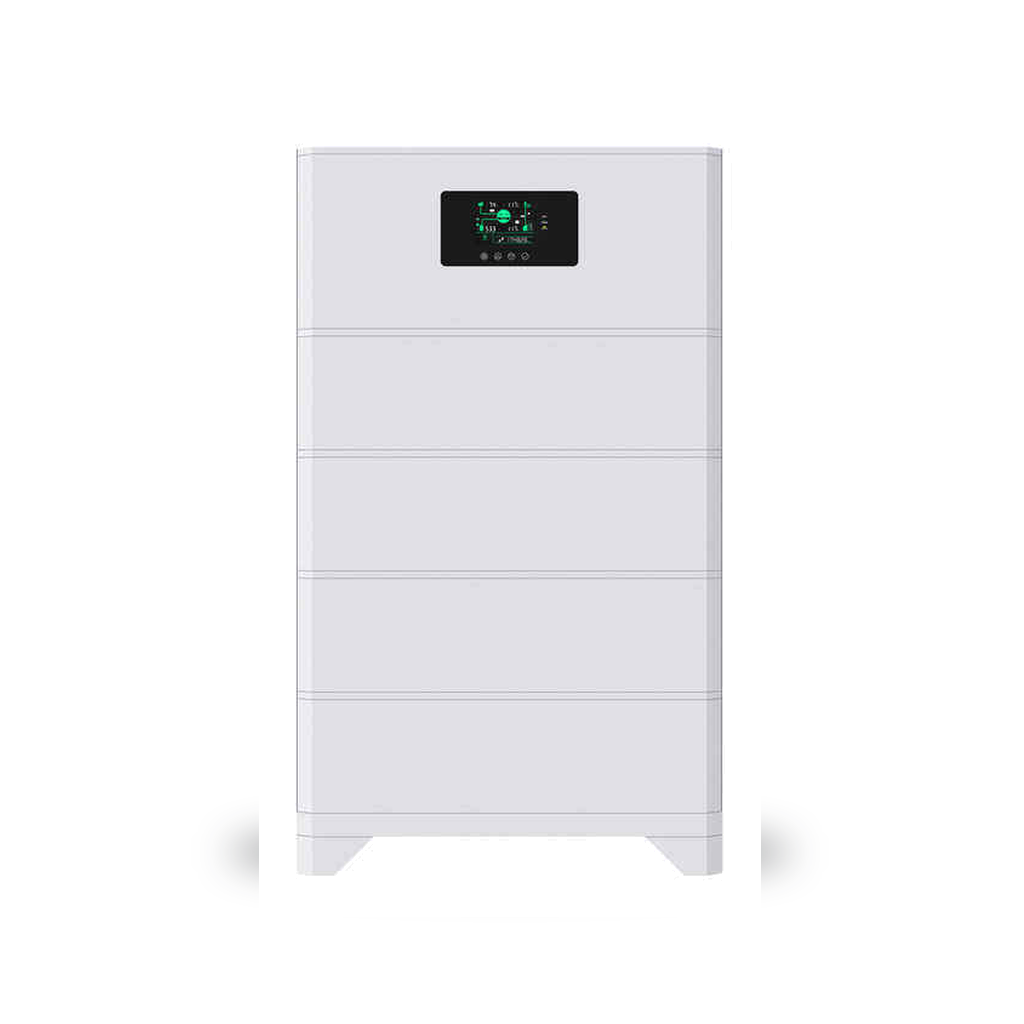
Cost-Effective Battery Storage Solutions

Cost-Effective Battery Storage Solutions

Cost considerations are paramount when evaluating battery  storage solutions. While the initial purchase  price is crucial, buyers should also assess the total cost of ownership, which includes installation, maintenance, and potential replacement costs  over the product’s lifespan. For instance, incorporating a Solar Charge Controller can enhance the efficiency of your system.

Manufacturers often provide tiered  pricing based on  order volumes, so understanding  your needs upfront can help negotiate better rates. For example, a  company like Zhejiang Jyins Electrical Co., LTD  can offer competitive pricing for bulk orders of their battery storage products. Buyers should also explore financing options or  government incentives  for renewable energy investments that can offset initial costs.

Another factor to consider is the lifecycle  cost  of the  battery technology.  Lithium-ion batteries,  while more expensive upfront, typically  offer lower maintenance costs  and  longer lifespans compared to lead-acid batteries. Conducting a detailed cost  analysis based on your specific application can help determine  the most economical solution in the long run.
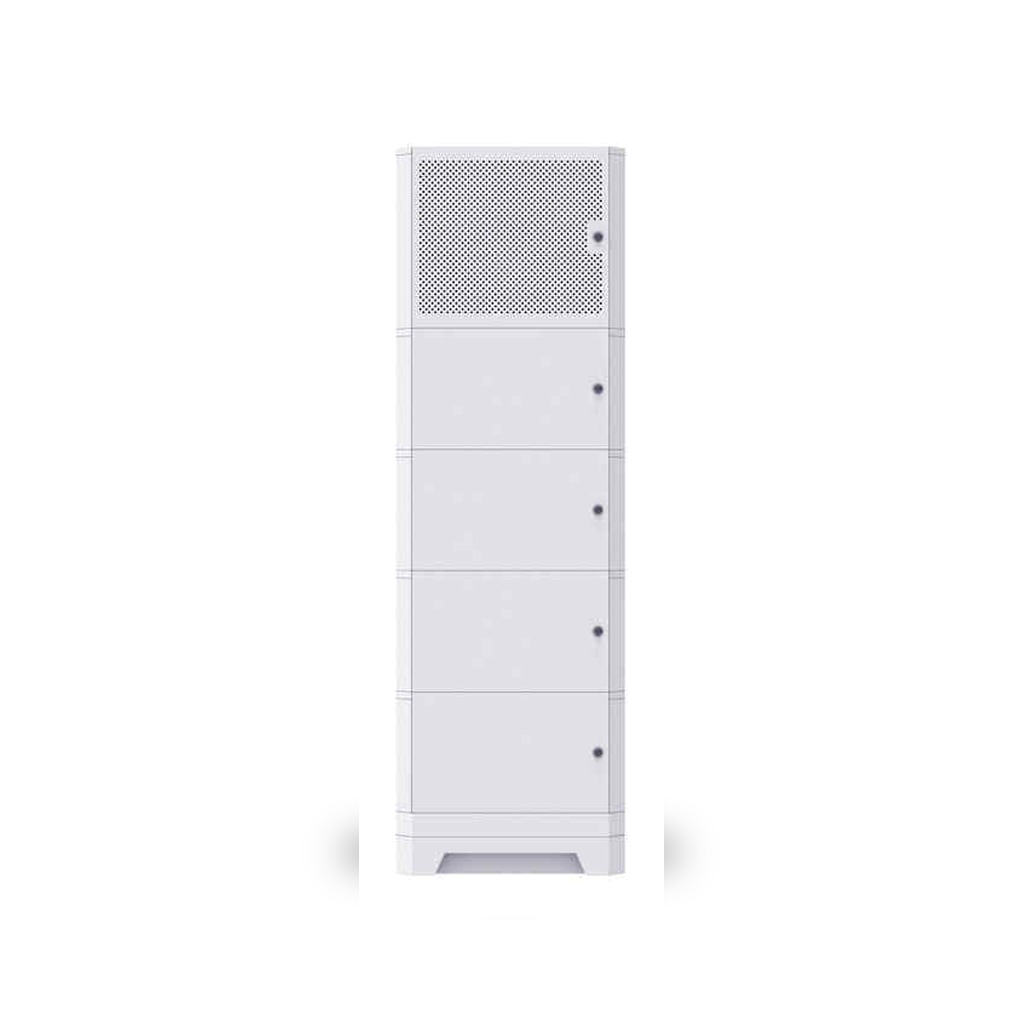
Meeting Diverse Industrial Needs

Meeting Diverse Industrial Needs

Battery storage solutions must be tailored to meet the  diverse needs of various industries. For  instance, the energy demands of a manufacturing  facility differ  significantly from those of a residential  solar installation.  Understanding  the specific requirements of  your application is crucial.

When evaluating battery storage systems, consider the following  factors:

Capacity  and energy  output: Ensure the selected battery can handle your  peak energy demands. Compatibility:  Assess whether the  battery system is compatible  with existing solar inverters and grid systems. Environmental conditions: Batteries should be selected based on their resilience to temperature extremes and exposure to  moisture or dust.

Zhejiang Jyins Electrical Co., LTD has expertise in producing customized battery solutions  that cater to  various sectors, including commercial, industrial, and residential applications. Buyers  are encouraged to collaborate with manufacturers to design systems that  meet their unique operational requirements.

Key Factors for Buyers

Key Factors for Buyers

When purchasing  battery storage solutions, buyers should  focus on several key factors to  ensure they make informed decisions:

Specifications: Confirm the technical parameters, such  as voltage, capacity, and discharge rates, are suitable  for your application. Quality Assurance:  Verify that the manufacturer follows rigorous quality  control processes to ensure product reliability. Customization Options: Determine  if the  manufacturer  can accommodate specific needs, such as  size, weight, and design modifications. Warranty and  Support: Inquire about  the warranty period and the level of customer support available post-purchase. Previous Performance Data: Request case  studies or  performance  reports to  gain insights into the product’s efficacy in similar applications.

By focusing  on these factors,  buyers can mitigate risks and enhance their purchasing decisions.


Common Battery Storage Problems and Effective Solutions for Contractors

Contractors and installers  often encounter challenges  during the implementation  of  battery storage  systems. Understanding these common issues and their resolutions can streamline the installation process and improve system performance.

Some frequent problems include:

Incompatibility with existing systems: Ensure that the  battery storage system matches the  voltage  and current  requirements of the existing electrical infrastructure to avoid performance issues. Thermal management: Overheating can lead to reduced efficiency and lifespan of  batteries. Proper ventilation and thermal management solutions should be implemented during installation. Monitoring  and maintenance: Regular checks are essential to  ensure optimal performance. Utilizing smart monitoring systems can help detect issues early  and maintain battery health.

Zhejiang Jyins Electrical  Co., LTD emphasizes the importance of thorough training for contractors and  installers on best practices for battery installation and maintenance. By fostering a collaborative relationship, manufacturers can provide ongoing support and  resources to address common challenges effectively. 

By understanding  these considerations, B2B buyers  can make informed decisions about battery storage solutions that align with their operational  needs and strategic objectives.

Sourcing Quality Battery Storage Products for Impor

When sourcing battery storage  products, buyers  should prioritize selecting reputable manufacturers who adhere to international standards, such as ISO9000, which  guarantees a level of quality assurance.  A manufacturer like Zhejiang Jyins Electrical Co., LTD, with over 30  years of  experience in producing off-grid solar products, can provide valuable insights  into material quality  and product performance. Additionally, exploring options like AC/DC Water PUMP Solar pump can offer innovative solutions for your energy needs.

Consider the specifications that are critical for battery storage systems, such as energy capacity, discharge rate, cycle life, and thermal management.  For instance, lithium-ion batteries generally offer  higher energy density and longer life  cycles compared to  lead-acid alternatives, making them a popular choice  for commercial applications. Buyers should confirm the manufacturer’s production capabilities to ensure  they can  meet their specific needs, including minimum order quantities (MOQ) and customization requirements.

Additionally, it is essential to evaluate the supplier's export experience and  logistics capabilities, especially if you are importing products from  overseas.  Clear communication regarding lead  times, packaging methods, and delivery  conditions can prevent unnecessary delays and complications.

Our Blog Posts

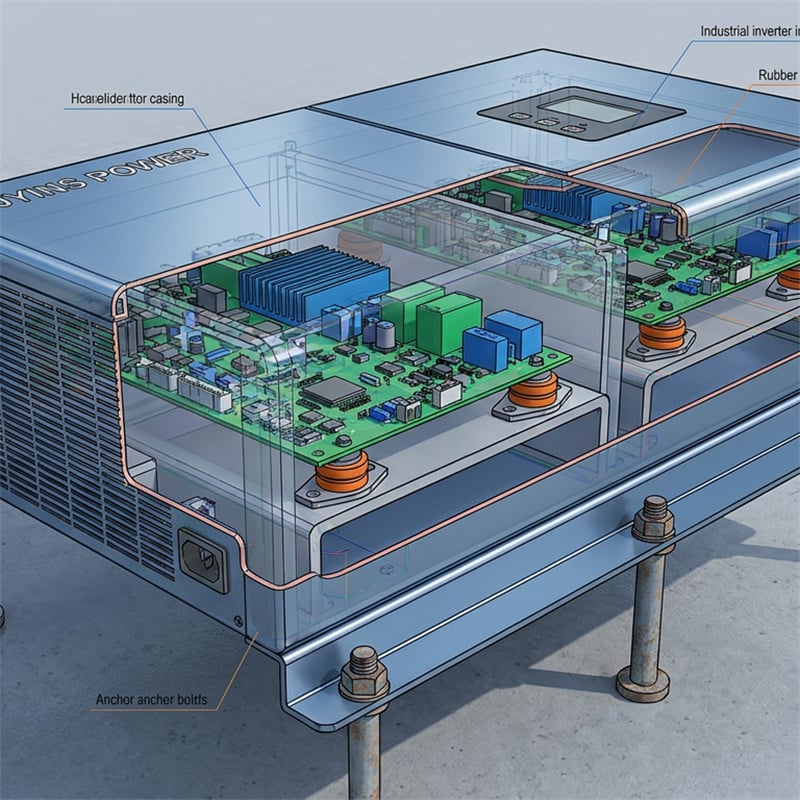
Selecting Inverters for Seismic Zones: Evaluating mechanical anchorage and internal PCB shock-resistance.

24

Jun

Selecting Inverters for Seismic Zones: Evaluating mechanical anchorage and internal PCB shock-resistance.

Structural Challenges of Solar Installations in Seismic Zones Commercial solar and energy storage installations located in active seismic zones face severe mechanical challenges during earthquakes. When ground movement occurs, buildings and ground-mo...
View More
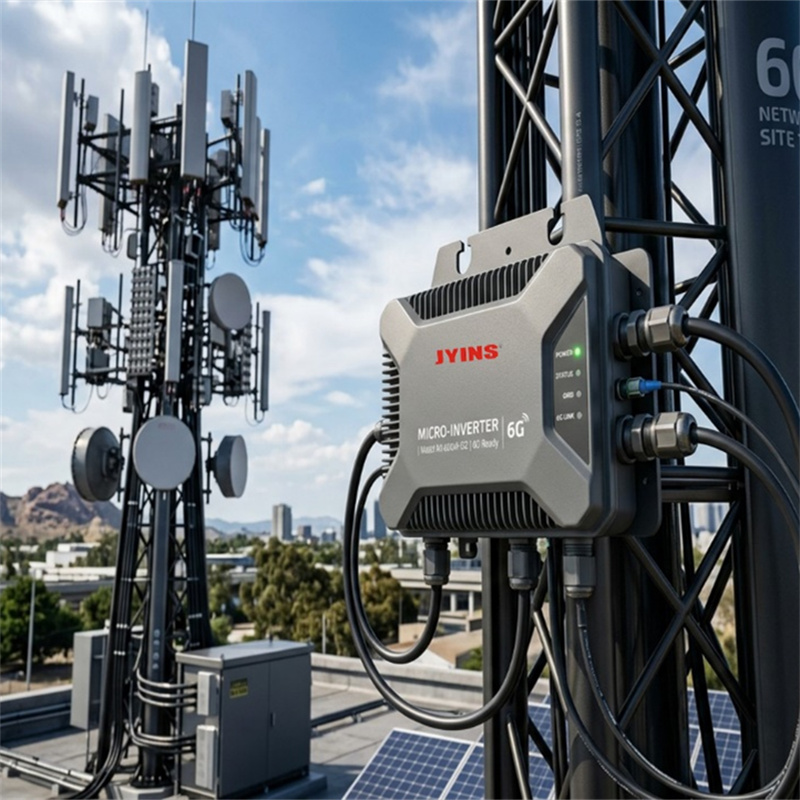
The impact of '6G Telecom' infrastructure on the technical specs of future outdoor micro-inverters.

24

Jun

The impact of '6G Telecom' infrastructure on the technical specs of future outdoor micro-inverters.

The Impending Arrival of 6G and the Power Challenge While the deployment of 5G telecommunication networks is still ongoing worldwide, researchers, standardization bodies, and leading technology firms are already laying the technical foundations for t...
View More
How to implement 'Export Limitation' in B2B solar hybrid systems for grid-restricted regions?

25

Jun

How to implement 'Export Limitation' in B2B solar hybrid systems for grid-restricted regions?

Q: How to implement 'Export Limitation' in B2B solar hybrid systems for grid-restricted regions? Introduction: The Challenge of Grid-Restricted Solar Integration As commercial and industrial enterprises globally transition to solar energy to hedge ag...
View More
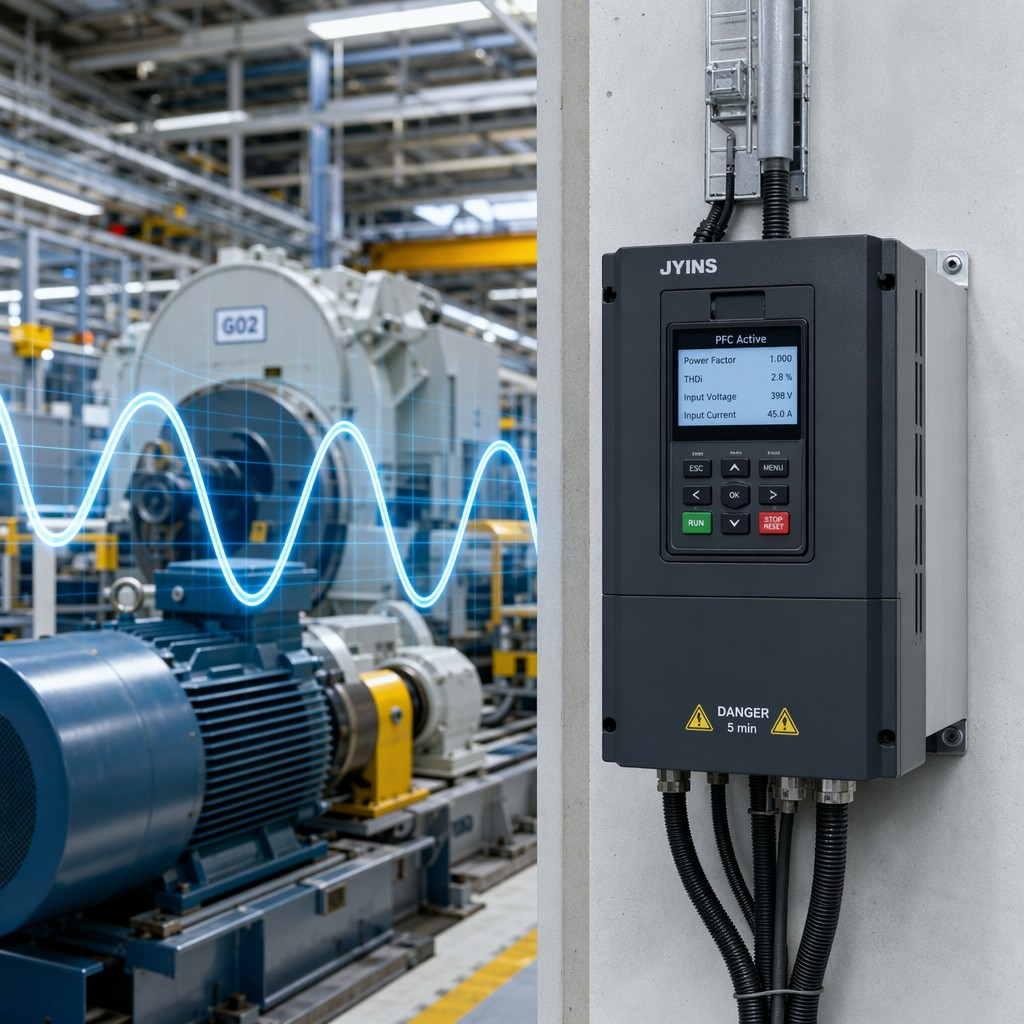
Why Is Active Power Factor Correction (PFC) in JYINS Industrial-Grade Inverters Critical to Reducing THD for Motor-Driven Machinery?

10

Sep

Why Is Active Power Factor Correction (PFC) in JYINS Industrial-Grade Inverters Critical to Reducing THD for Motor-Driven Machinery?

Q: Why Is Active Power Factor Correction (PFC) in JYINS Industrial-Grade Inverters Critical to Reducing THD for Motor-Driven Machinery? A: In the B2B industrial manufacturing sector, motor-driven equipment (such as air compressors, water pumps, CNC m...
View More

Get a Free Quote

Our representative will contact you soon.
Email
Mobile
Name
Company Name
Products of Interest
Message
0/1000
Cost-Effective Battery Storage Solutions for Business

Get a Free Quote

Our representative will contact you soon.
Email
Mobile
Name
Company Name
Products of Interest
Message
0/1000