Key Specifications for Solar Battery Systems

Get a Free Quote

Our representative will contact you soon.
Email
Mobile
Name
Company Name
Products of Interest
Message
0/1000

solar battery system

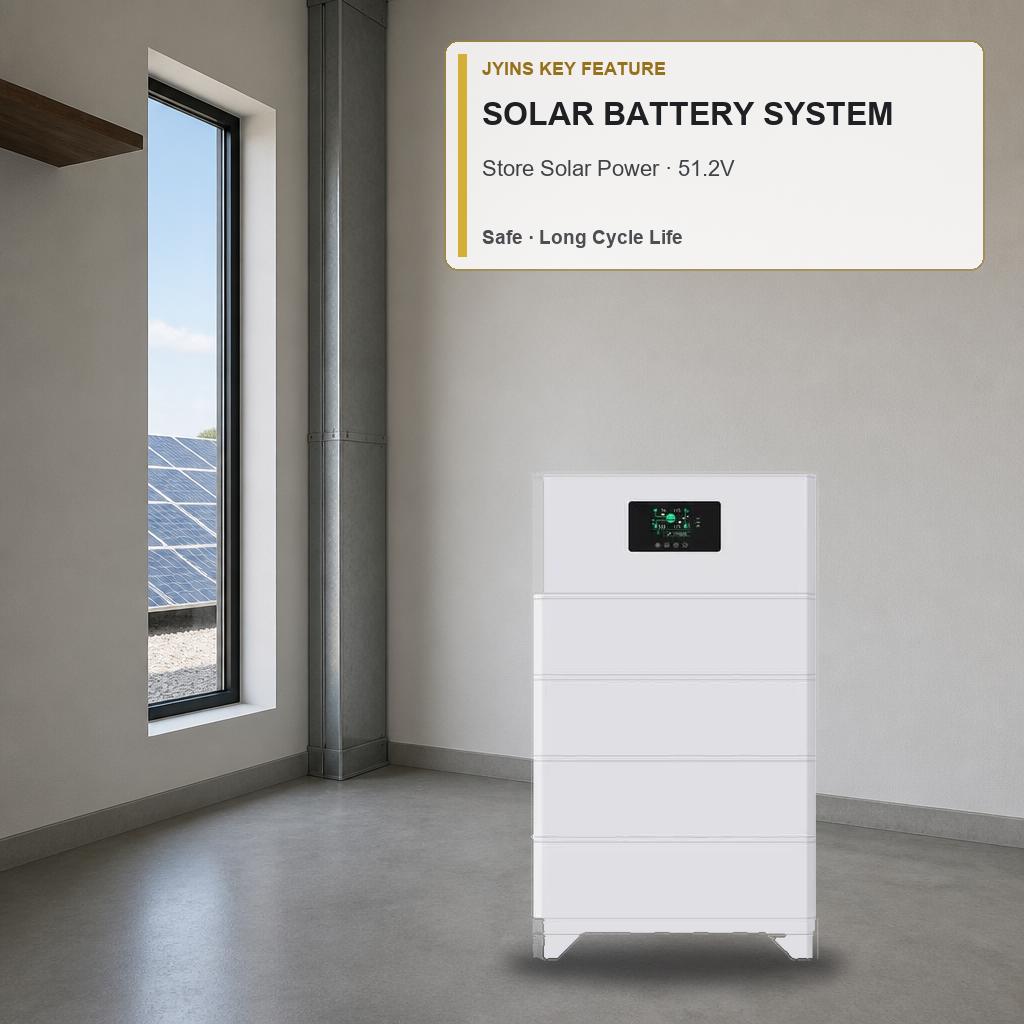
Solar battery  systems  are  essential components  of off-grid solar energy solutions, providing reliable  energy storage for various  applications. As businesses increasingly rely on renewable  energy,  understanding the specifications, installation, and potential issues with solar battery  systems  becomes crucial  for  purchasing managers and engineers. This  article aims  to equip  B2B buyers with practical insights  into selecting, installing, and maintaining  solar battery systems, ensuring  informed purchasing decisions that  maximize investment in solar  technology.
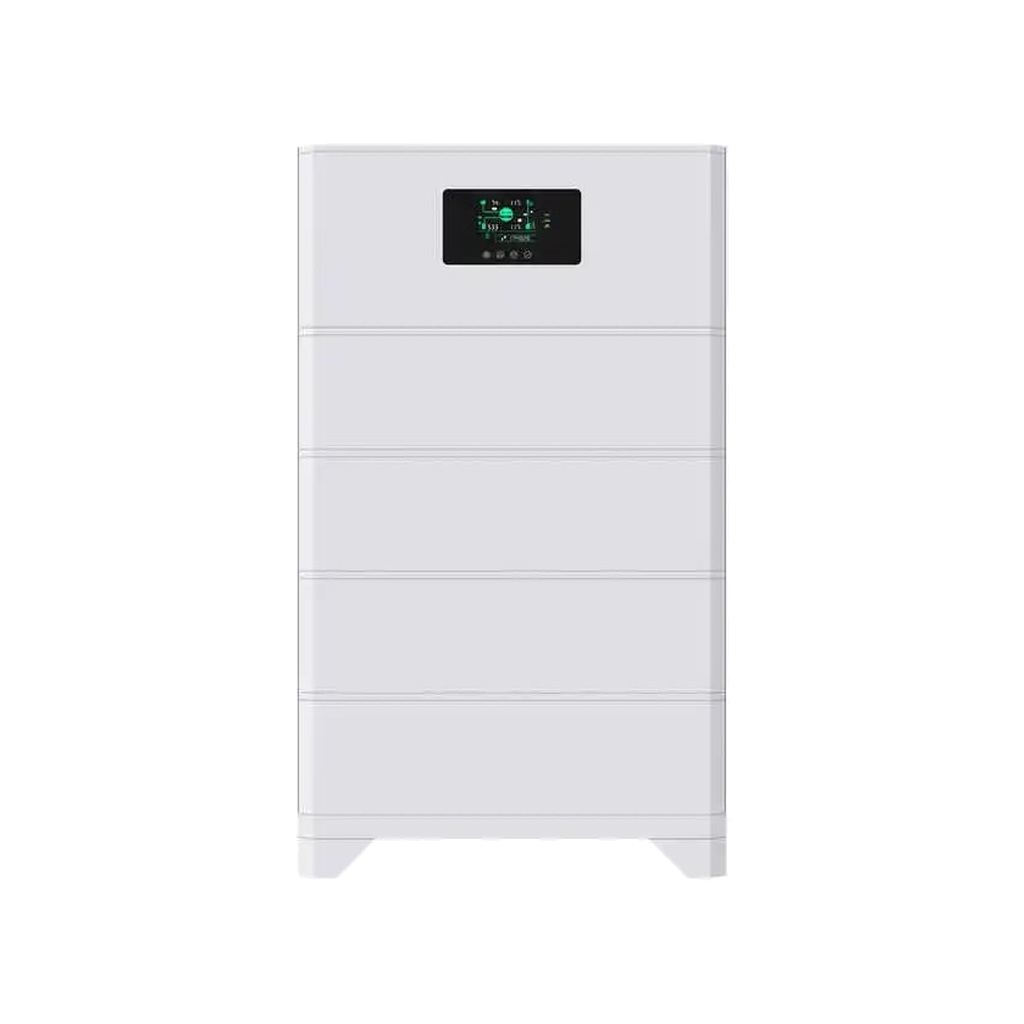
Reliable Suppliers for Bulk Orders of Solar Battery Systems

Reliable Suppliers for Bulk Orders of Solar Battery Systems

Finding dependable suppliers for bulk orders of solar battery  systems is crucial for  ensuring  consistent quality and timely delivery.  A few factors  to consider when selecting a supplier include:

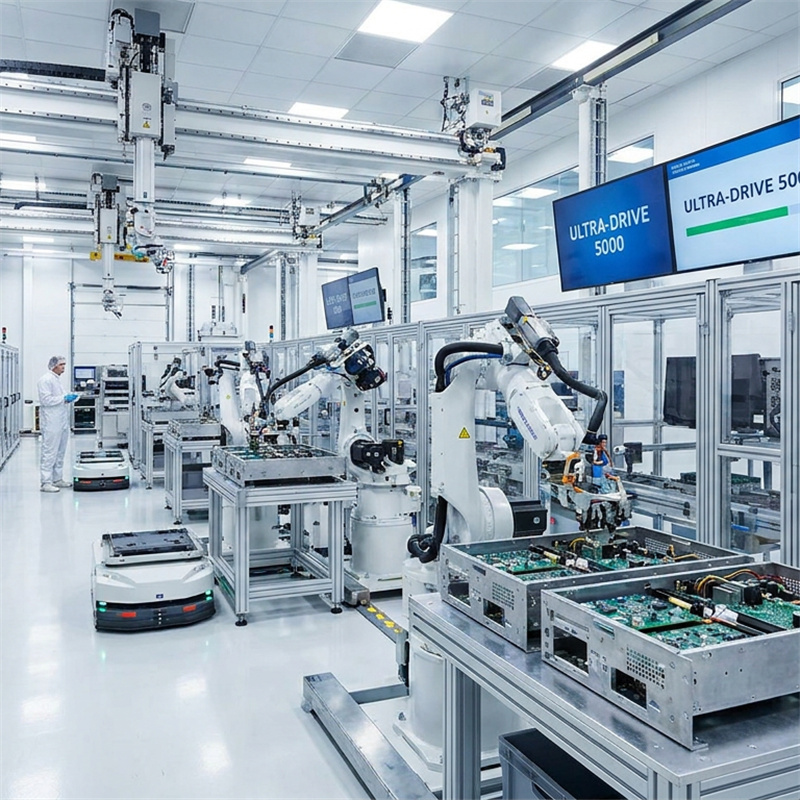
Manufacturing  Capabilities: Suppliers  with robust manufacturing capabilities, such as Zhejiang Jyins Electrical Co., LTD, can provide high-quality products tailored to specific requirements. Look for manufacturers who adhere to international  standards, like ISO9000, to ensure quality assurance.

Customization Options: Suppliers that offer customization capabilities can better meet unique project needs, whether in terms of capacity, dimensions, or specific features. This flexibility can  be vital in addressing varying customer demands.

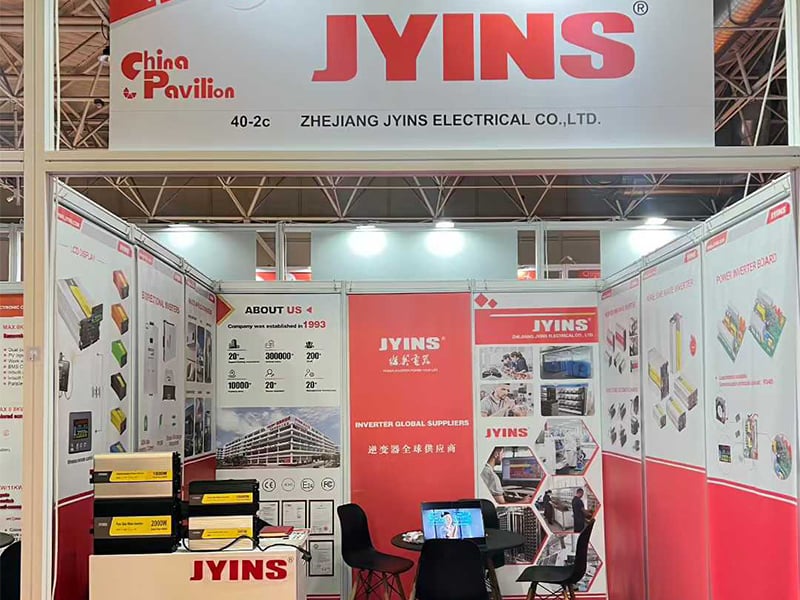
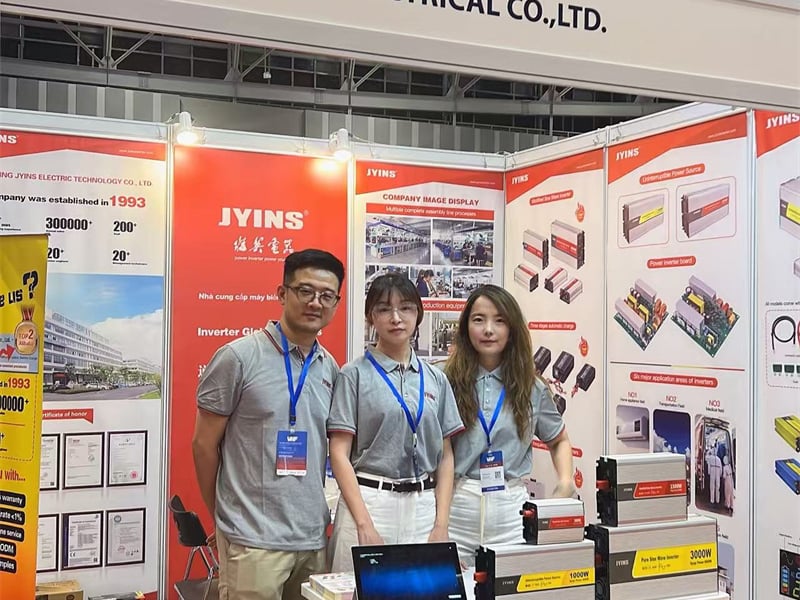
Experience  and Reputation: Look for suppliers with a proven track record in the solar industry. Companies  with extensive experience, like Zhejiang Jyins, have  likely encountered and overcome common challenges, enhancing their reliability.

Lead Times and MOQ (Minimum Order Quantity): Confirm lead times  for production and delivery, as  well as  the  minimum order quantity required. This information can significantly impact project timelines and budget.

Quality Control Processes: Suppliers should have  stringent quality control measures in place to ensure each battery meets specified standards. This includes  testing procedures and certifications that verify product reliability.

Establishing relationships with reputable suppliers not only enhances product quality but also supports your business in achieving  its sustainability goals.
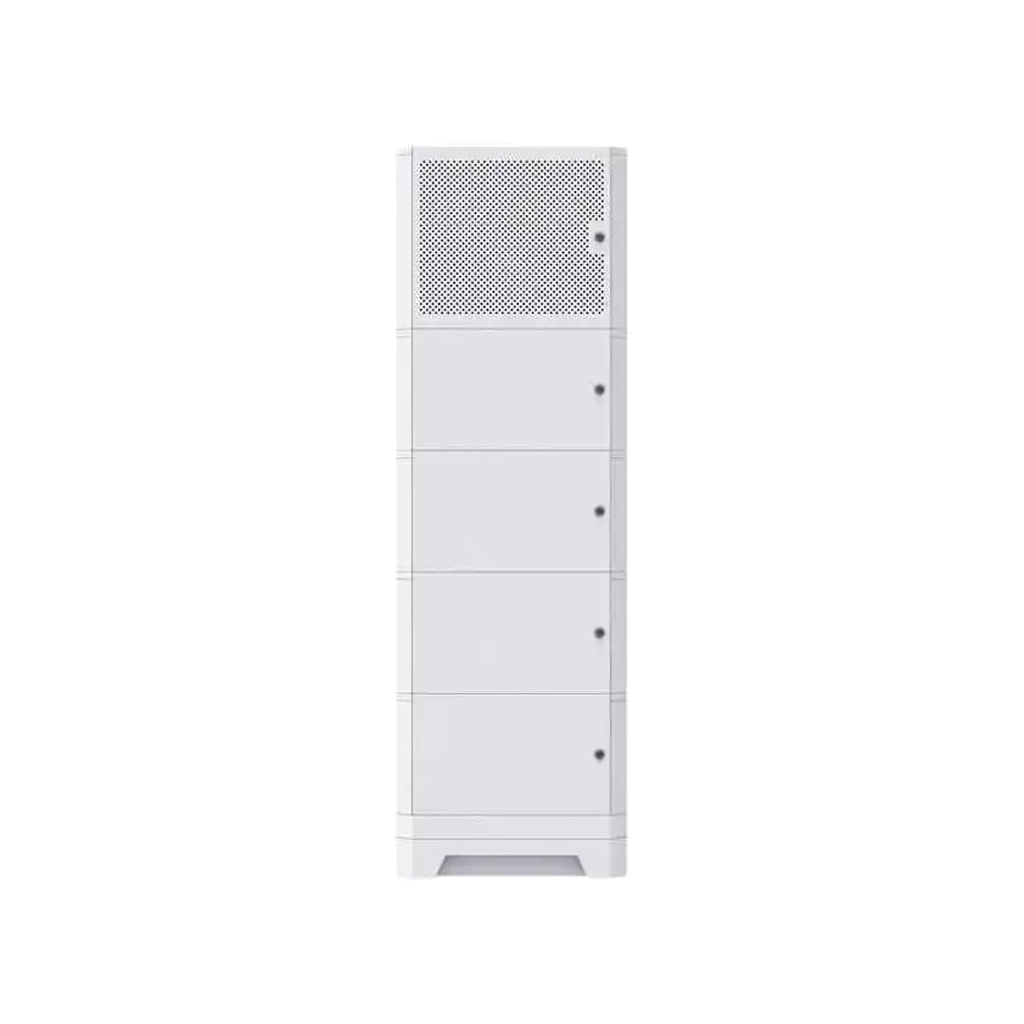
Installation Guidelines for Efficient Solar Battery System Use

Installation Guidelines for Efficient Solar Battery System Use

Proper installation  of solar battery systems  is  crucial for maximizing performance and  longevity. Here are essential guidelines to follow:

Site Assessment:  Before installation, conduct a thorough site assessment to determine the optimal location for the battery system. Consider factors such as temperature variations, humidity levels, and potential exposure to the elements.

Electrical Compatibility: Ensure that the solar battery system is  compatible with existing  solar panels and inverters.  Mismatched systems can lead to inefficiencies  and  even damage to equipment.


Ventilation: Adequate ventilation is essential, especially for lead-acid batteries that may  emit gases during charging. Ensure that the installation area allows  for proper airflow  to prevent overheating and extend battery life.

Connection  Techniques: Use appropriate cabling and connection techniques to minimize resistance and energy  loss. Employing qualified electricians for installation can help ensure compliance with  safety standards.

Monitoring Systems: Implement monitoring solutions to track battery  performance, including  charge levels and cycle counts. This data can help identify potential issues early, allowing for timely  interventions.

By adhering to these installation guidelines, businesses can enhance the efficiency and reliability of their solar battery systems, ultimately leading to better performance.

Cost Factors Impacting Your Solar Battery System Investmen

Cost Factors Impacting Your Solar Battery System Investmen

Understanding the various cost factors associated with solar battery systems is essential for making an informed investment. Key  elements to consider include:

Initial  Purchase Price: The upfront cost of the solar battery system will significantly impact overall investment. This includes not only the battery itself but also installation and any necessary  additional equipment.

Operating Costs: Consider ongoing operating costs, including maintenance, potential replacement parts, and energy costs associated with charging  the battery. Lithium-ion batteries generally require less  maintenance compared to lead-acid counterparts.

Incentives and Rebates: Investigate  local and national incentives for  solar energy systems. Many regions offer  tax credits, rebates, or grants that can significantly reduce the overall cost of installation.

Long-term Savings: Analyze  potential  savings on energy  bills over time. A more efficient battery system may have a  higher initial cost but  could lead to  substantial savings in energy costs.

Financing Options: Explore  financing options available  for solar battery  systems. Many suppliers  offer flexible payment plans or  leasing options that can help manage upfront costs.

By thoroughly understanding these cost factors, B2B  buyers can make more strategic decisions regarding their solar battery system investments.

Common Problems with Solar Battery Systems and Solutions

Solar battery systems, while  generally reliable,  can encounter several common issues that may  impact performance. Here are  some potential problems and their solutions:

Insufficient  Capacity:  If a battery does not hold enough charge for operational  needs, it may indicate that the selected capacity was  underestimated. Buyers should reassess energy consumption patterns and, if  necessary, choose a battery with a higher capacity or supplement with  additional storage.

Overheating: High temperatures can degrade battery performance and lifespan. Ensure that the  installation site  offers adequate ventilation and consider thermal management solutions like cooling systems to maintain optimal  operating temperatures.

Corrosion: Lead-acid batteries  are particularly susceptible to corrosion, which can lead to reduced performance. Regular maintenance checks, including cleaning terminals and ensuring proper sealing, can mitigate this risk.

Charging  Issues: Problems with charging can arise from incompatible inverters  or faulty connections. Regularly  inspect connections and ensure that  all components are compatible and functioning correctly.

Monitoring and Diagnostics: Implementing a monitoring system  can help identify issues before they escalate. Monitoring performance metrics, such as charge cycles and temperature, can allow for proactive maintenance and timely interventions.

By being aware of these common problems and their solutions, businesses can ensure their solar battery systems operate efficiently and effectively, reducing downtime and increasing reliability.

Key Specifications to Consider for Wholesale Solar Battery Systems

When evaluating solar battery systems for wholesale purchases, several key specifications must be considered to ensure optimal performance and compatibility with existing systems.

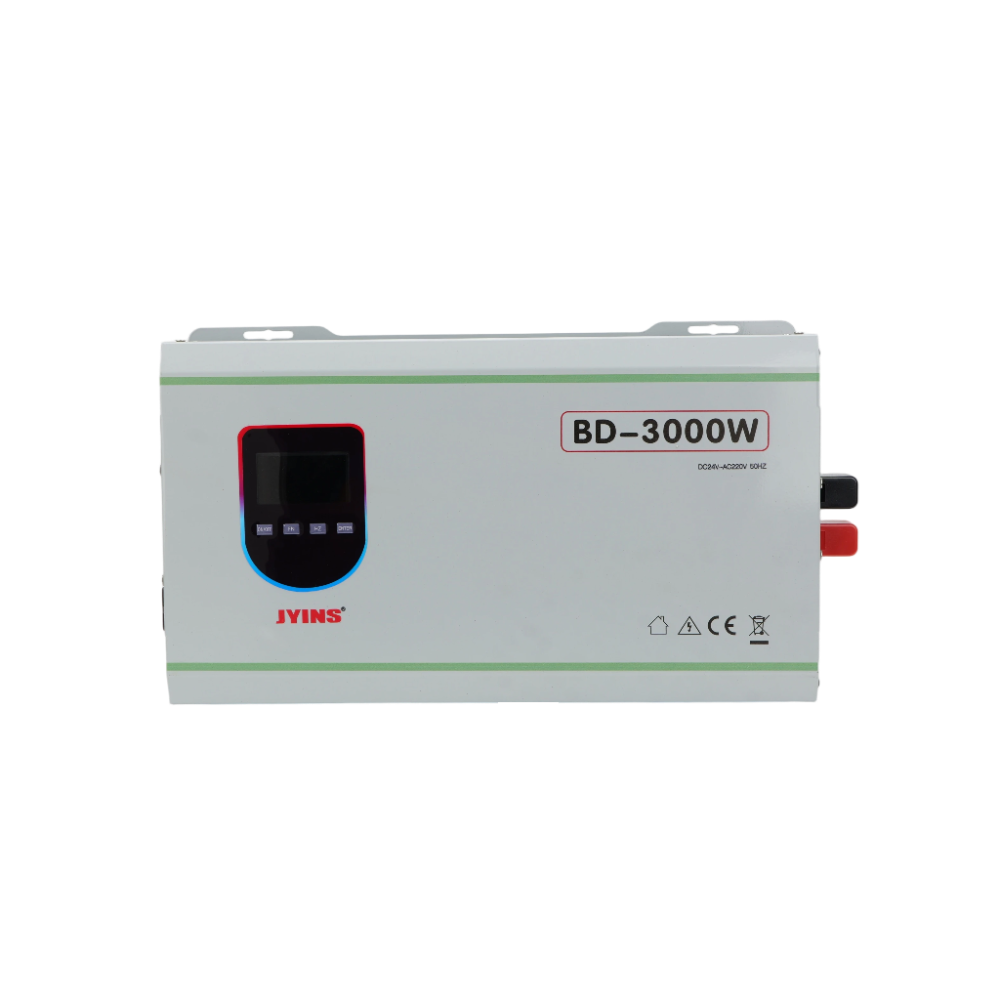
Capacity: This is measured in kilowatt-hours (kWh) and indicates how much energy the battery  can store.  A  higher capacity is essential for applications requiring significant energy output, such as  commercial facilities. For optimal performance, consider integrating a Hybrid Solar Inverter to complement your battery system.

Cycle Life: This refers to the number of charge and discharge cycles a battery can undergo before  its capacity significantly diminishes. A  longer cycle life translates to lower replacement costs over time, making it an important consideration  for B2B buyers.

Depth of Discharge (DoD): This metric indicates how much of the battery's capacity can be used without damaging the battery. For  instance, a battery with a  DoD of 80% allows 80% of its capacity to be utilized, improving energy efficiency.

Chemistry: Common battery chemistries  include lithium-ion, lead-acid, and flow batteries. Each type offers different advantages in  terms of cost, efficiency, lifespan, and environmental impact. For instance, lithium-ion batteries typically  have a higher efficiency and longer lifespan compared to lead-acid batteries.

Dimensions and Weight: The physical size and weight of the battery can affect installation and integration into existing  systems. Ensure that  your space can accommodate the dimensions of the selected battery.

Certifications: Verify  that the solar battery systems meet relevant industry standards and certifications,  such as ISO9001, which indicates adherence to quality management principles.


Taking  the time to thoroughly evaluate these specifications will help  ensure that the chosen solar battery systems meet the specific energy needs of your application while optimizing cost-effectiveness.


Our Blog Posts

The Impact of Waveform Quality in Power frequency inverters

14

May

The Impact of Waveform Quality in Power frequency inverters

Waveform quality in power frequency inverters are important topic for anyone who into how electricity get made and used. Inverters change DC to AC, and this need because most appliances run on AC power. The waveform they make can affect devices alot,...
View More
Why 'Galvanic Isolation' remains the safety standard for medical and marine-grade power conversion.

24

Jun

Why 'Galvanic Isolation' remains the safety standard for medical and marine-grade power conversion.

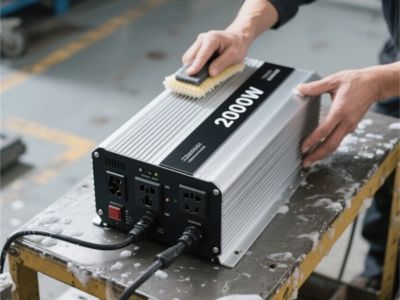
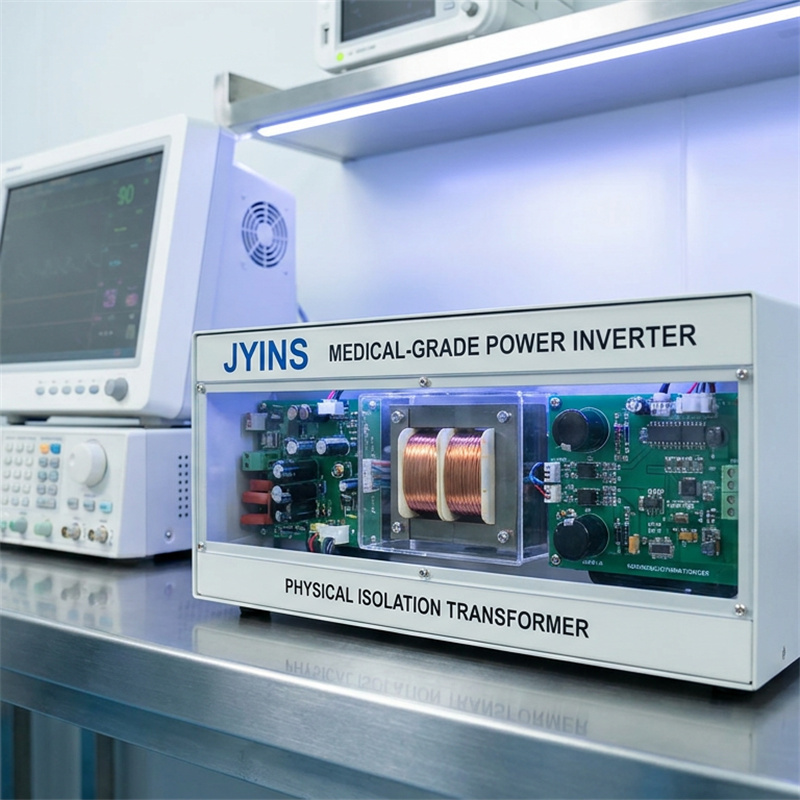
The Uncompromising Demands of Medical and Marine Electrical Environments In the diverse world of B2B power conversion, different industries present highly specialized requirements for electrical safety and reliability. Among these, the medical and ma...
View More
Sourcing Inverters for Remote Maritime Buoys: Solving Reliability, Telemetry, and Multi-Source Energy Harvesting

24

Jun

Sourcing Inverters for Remote Maritime Buoys: Solving Reliability, Telemetry, and Multi-Source Energy Harvesting

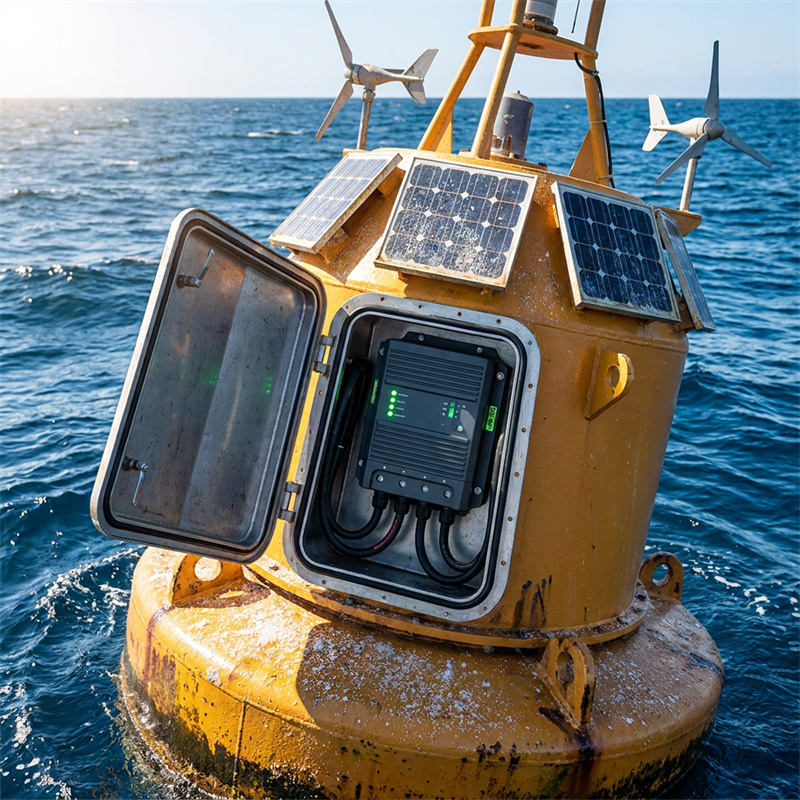
Introduction: The Brutal Demands of Open-Ocean Power Systems Remote maritime buoys play a vital role in global oceanography, weather forecasting, maritime navigation, scientific research, and offshore oil and gas operations. Floating hundreds of mile...
View More
The impact of 'Supply Chain Resilience' on lead times for customized industrial inverter projects

25

Jun

The impact of 'Supply Chain Resilience' on lead times for customized industrial inverter projects

Introduction: The Complexity of Inverter Manufacturing In the modern B2B procurement landscape, purchasing customized industrial equipment is a highly strategic operation. Among these critical assets, power inverters and hybrid solar controllers repr...
View More

Get a Free Quote

Our representative will contact you soon.
Email
Mobile
Name
Company Name
Products of Interest
Message
0/1000
Key Specifications for Solar Battery Systems

Get a Free Quote

Our representative will contact you soon.
Email
Mobile
Name
Company Name
Products of Interest
Message
0/1000