Choosing the Right PCB Inverter for DC to AC

Get a Free Quote

Our representative will contact you soon.
Email
Mobile
Name
Company Name
Products of Interest
Message
0/1000

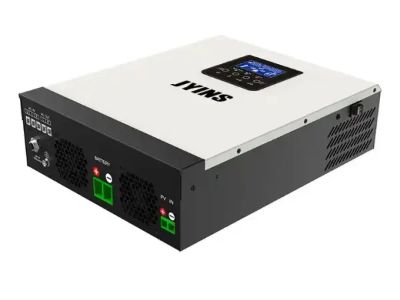
Pcb inverter dc to ac

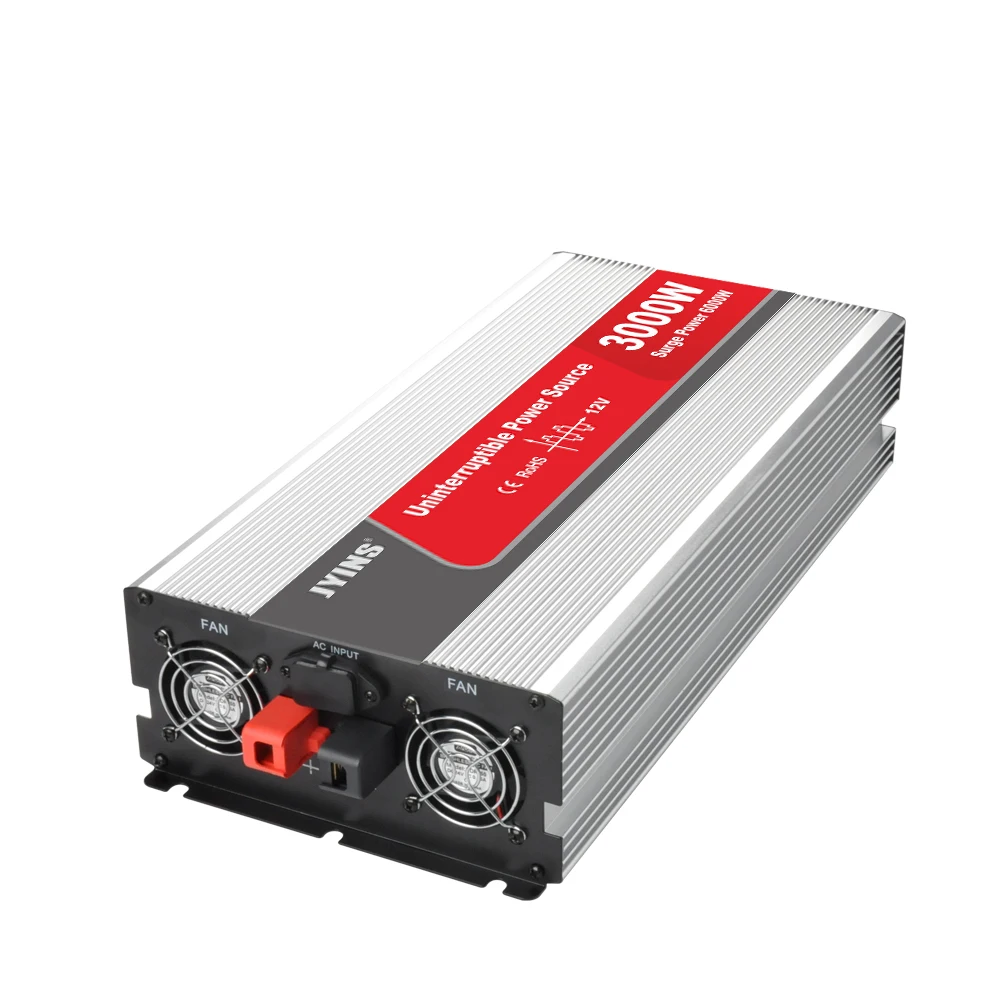
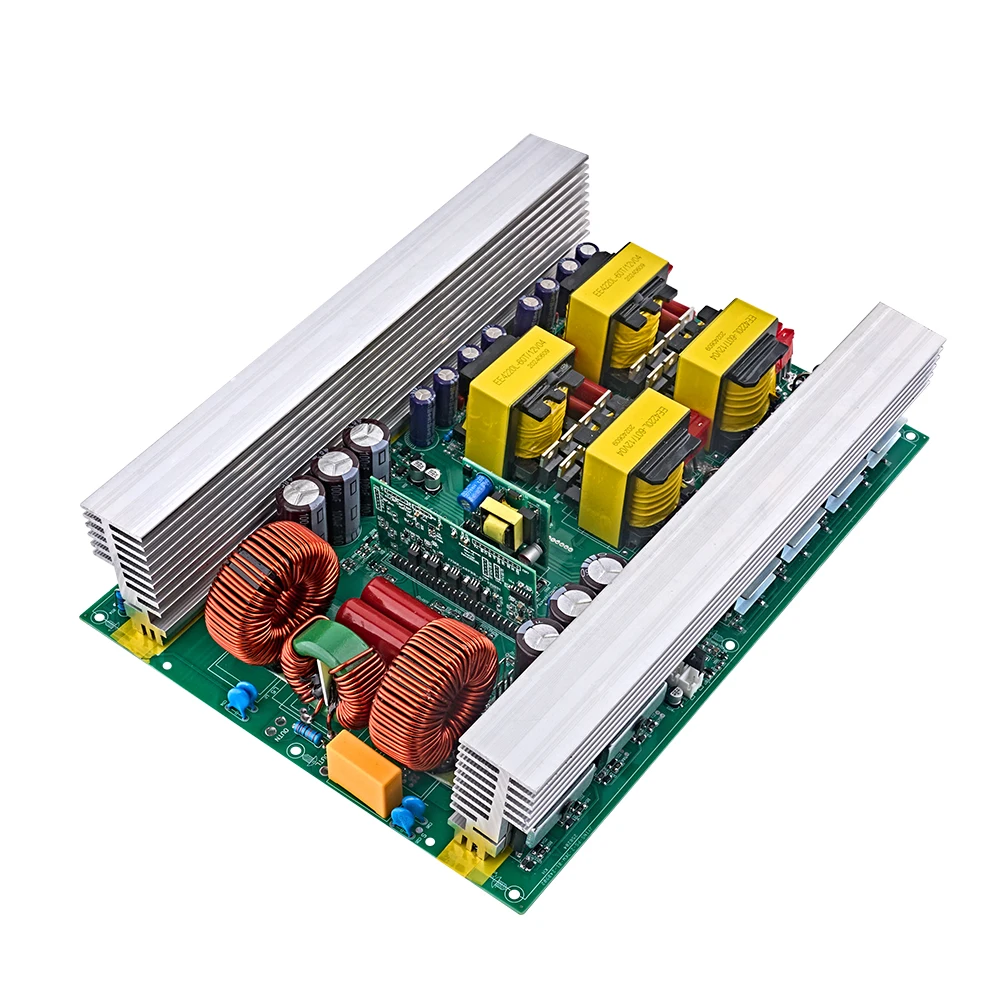
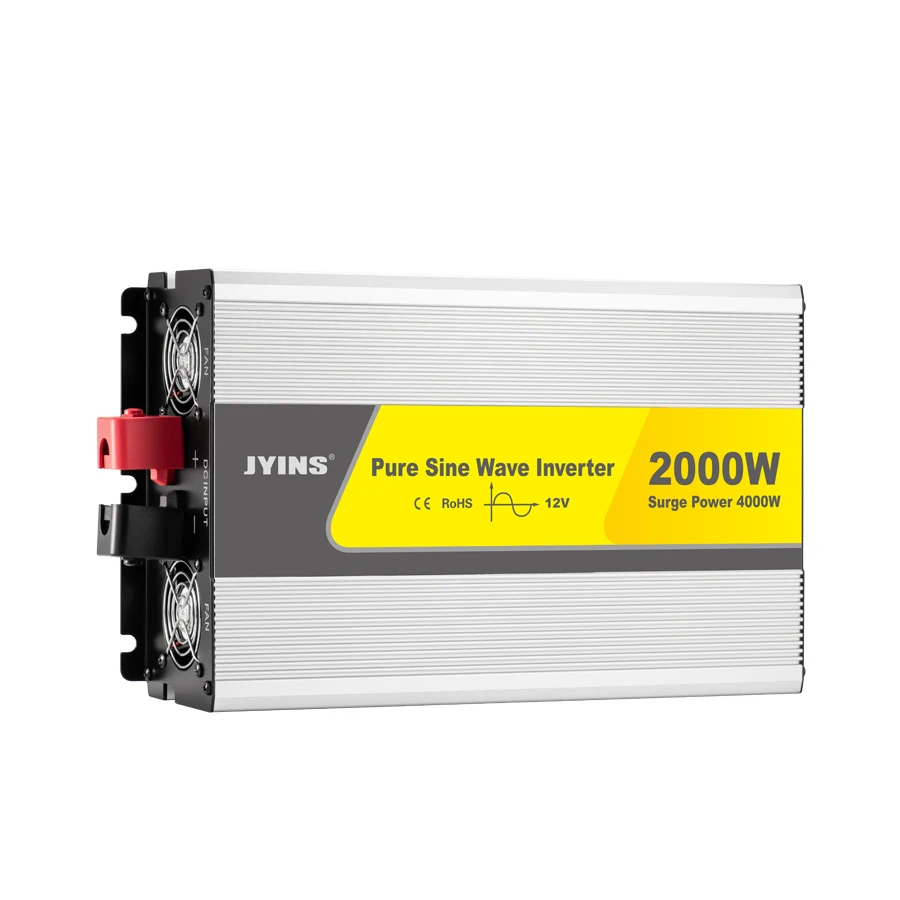
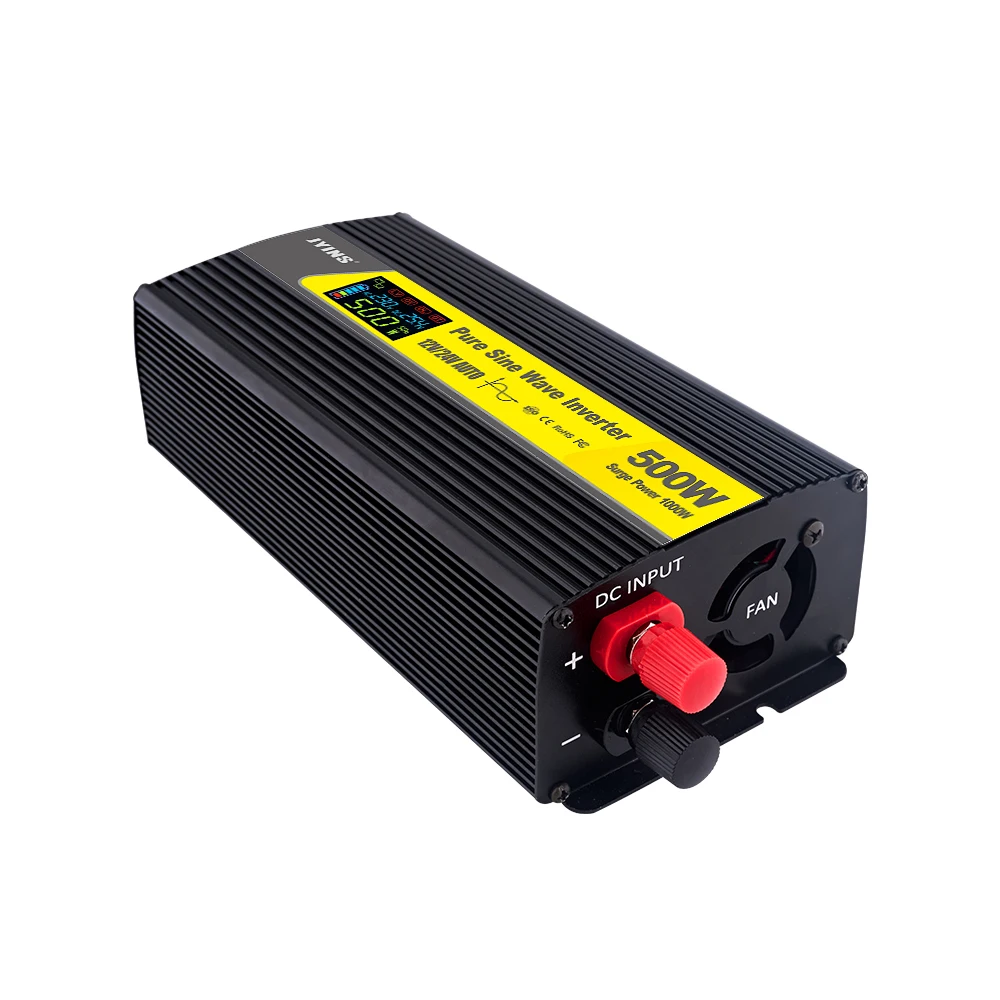
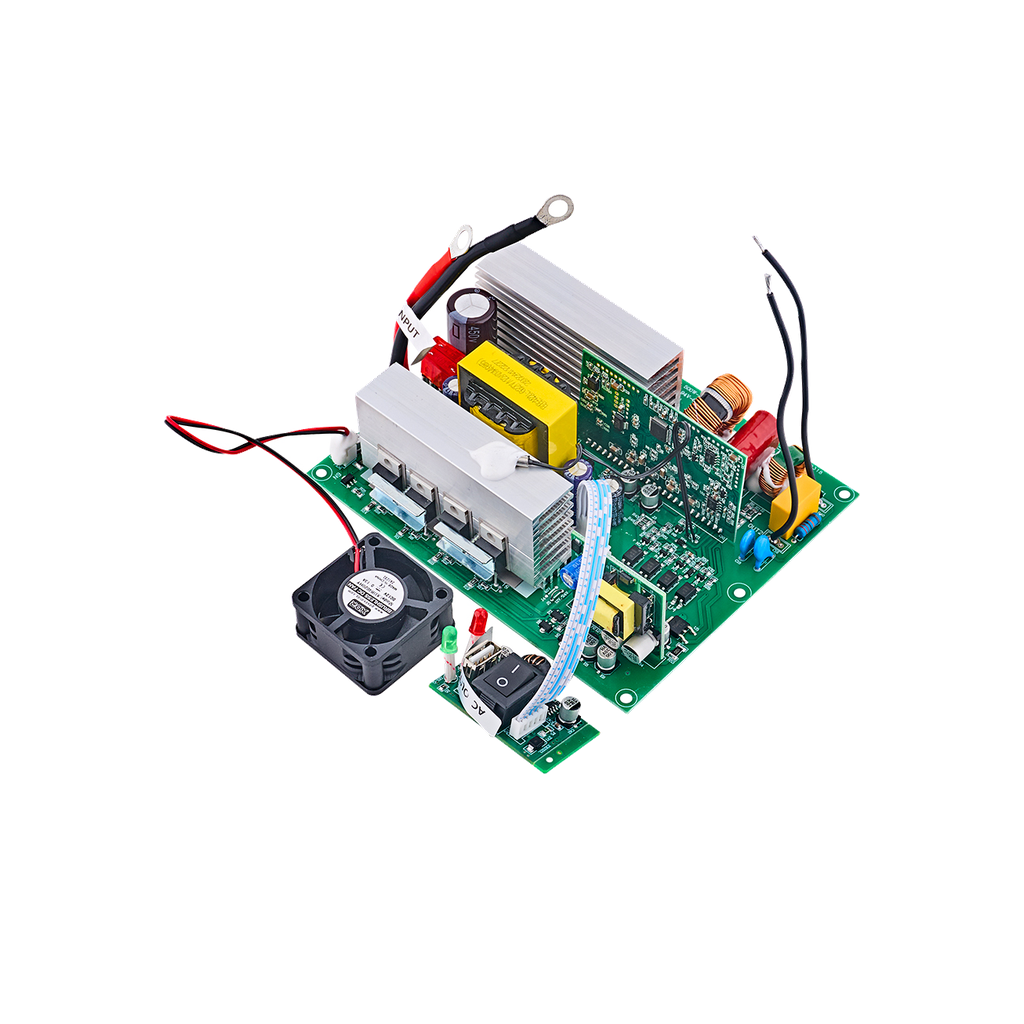
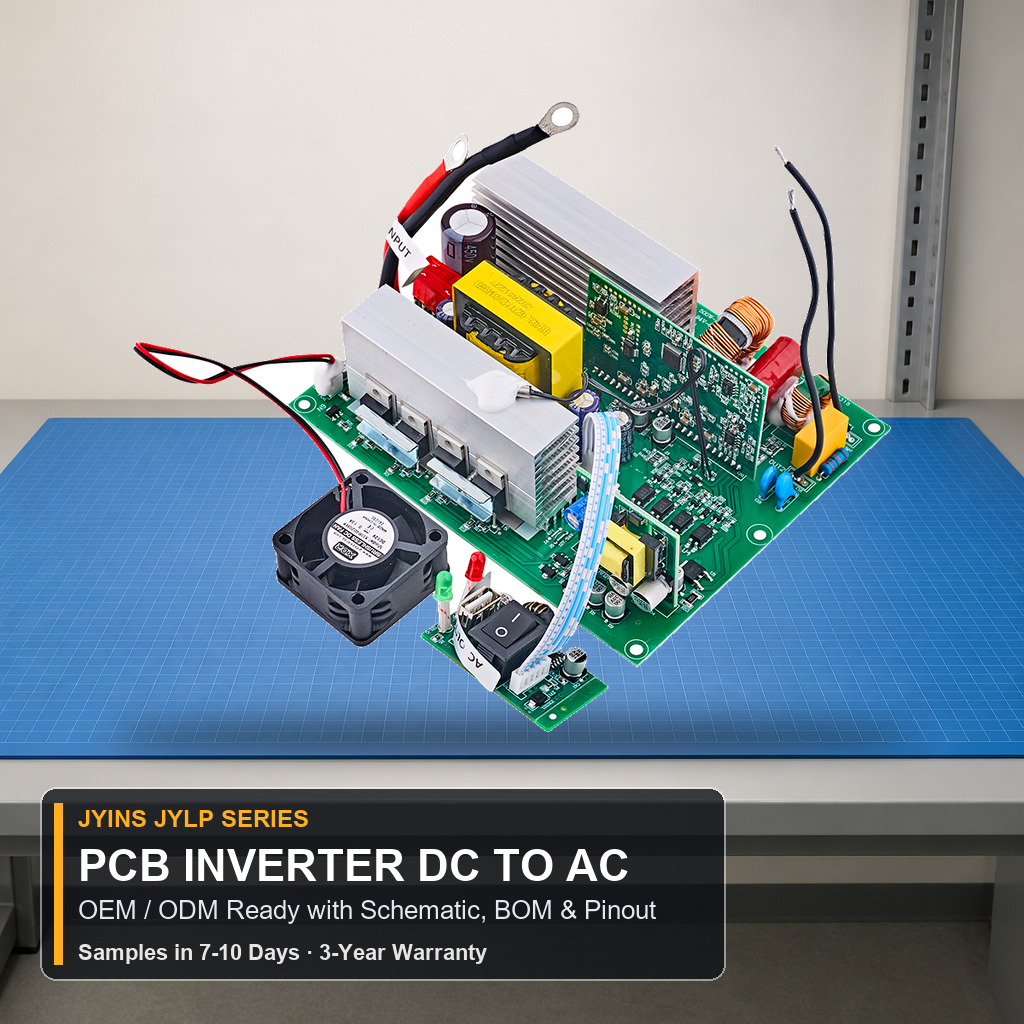
In the modern landscape of renewable energy, PCB inverters play a pivotal role in converting direct current (DC) from solar panels into alternating current (AC) for use in various applications. This article delves into the essential aspects of PCB inverters, focusing on the specific needs of B2B buyers such as purchasing managers, engineers, and product managers. It will address key considerations when selecting a PCB inverters, wholesale sourcing PCB inverters, cost factors PCB inverters, common problems with PCB inverters conversion, including reliability, cost factors, common issues, and application scenarios that showcase their versatility across industries. 
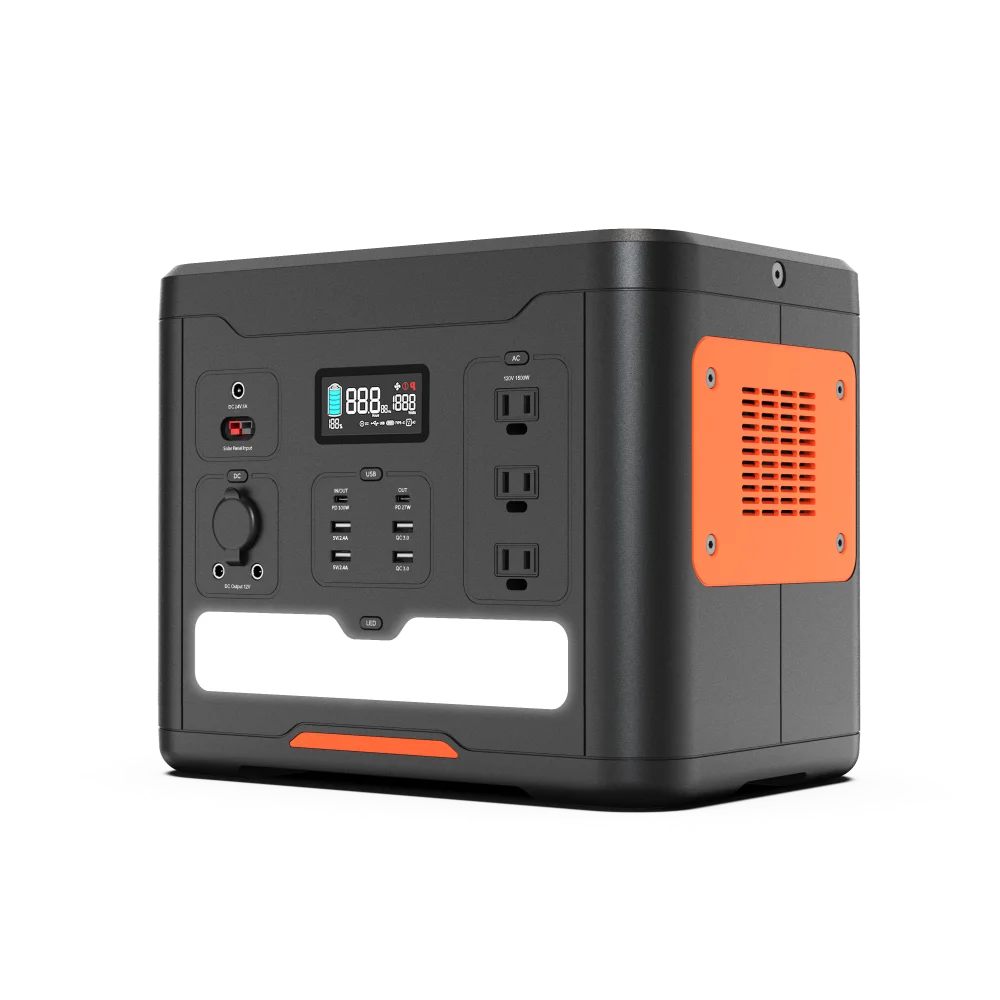
Our Products

Cost Factors to Assess When Sourcing PCB Inverters in Bulk

Cost Factors to Assess When Sourcing PCB Inverters in Bulk

When sourcing PCB inverters for wholesale, establishing a relationship with a reputable manufacturer like Zhejiang Jyins Electrical Co., LTD can simplify the process. Look for suppliers that have a proven track record in producing high-quality solar products and adhere to international quality standards. It’s advisable to request product samples before finalizing bulk orders. This allows you to evaluate performance under real-world conditions and ensures that the product meets your specifications. 

Additionally, clarify the minimum order quantity (MOQ) and lead times for production and delivery. Understanding these factors helps in planning inventory levels and maintaining supply chain efficiency. A supplier's production capacity also plays a role—ensure they can meet your demand without compromising quality. 

Finally, consider the terms of warranty and post-sale support offered by the supplier. A reliable manufacturer will provide comprehensive support, which is crucial for resolving any issues that may arise after purchase. 
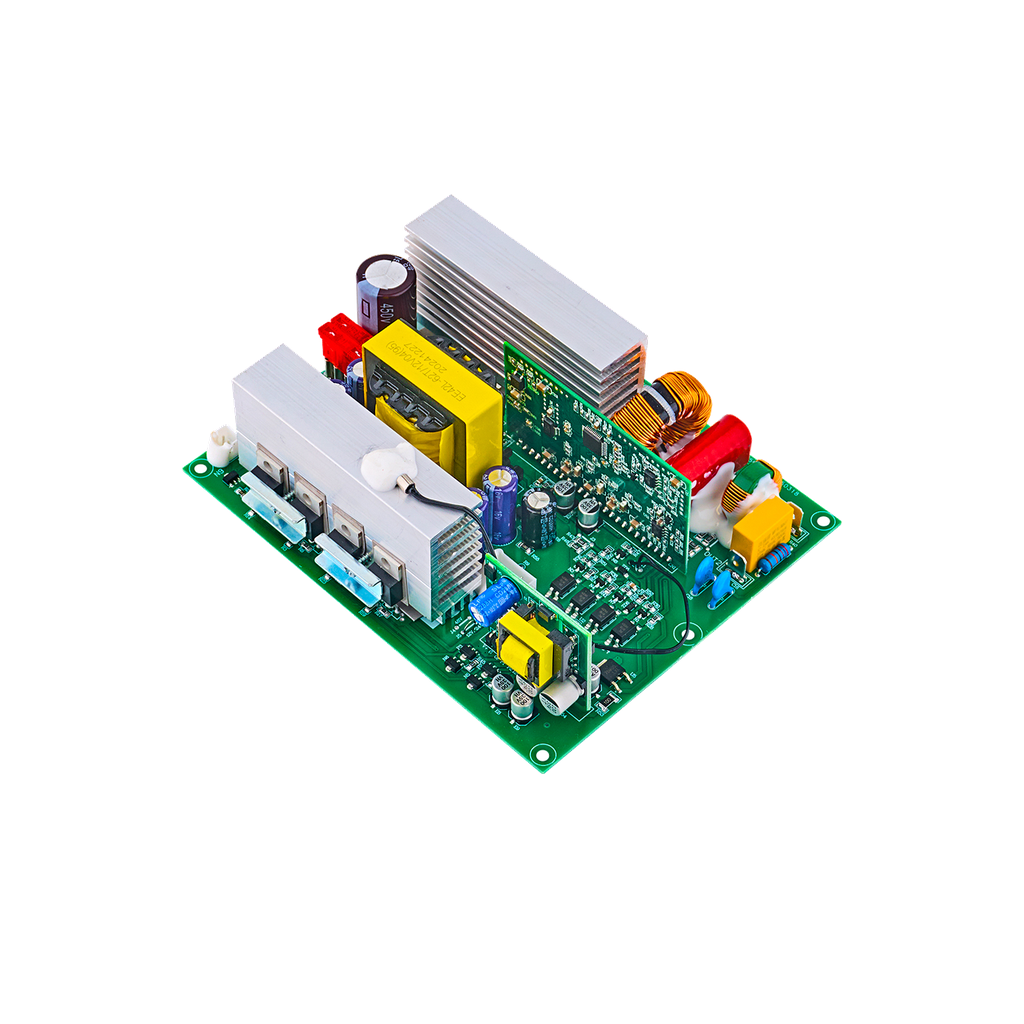
Where to Find Reliable Suppliers of PCB Inverters for Distributors

Where to Find Reliable Suppliers of PCB Inverters for Distributors

The pricing of PCB inverters varies based on several factors. First and foremost is the inverter’s specifications. Higher capacity inverters tend to cost more due to the materials and technology involved in their manufacture. Additionally, features such as advanced monitoring systems, built-in safety protocols, and enhanced efficiency can contribute to increased costs. 

Another significant factor is the production process. Inverters produced with high-quality components and rigorous quality control processes may come with a higher price tag but offer greater reliability and longevity. For instance, inverters meeting ISO9000 standards often command a premium, as they ensure adherence to stringent quality benchmarks. 

Shipping costs and import duties can also impact the final price for international buyers. It's essential to factor these into your overall budget when sourcing from overseas manufacturers. Transparent communication with your supplier about all associated costs will help you avoid unexpected expenses. 

Common Problems with PCB Inverters and Their Solutions

Common Problems with PCB Inverters and Their Solutions

Despite their reliability, PCB inverters can encounter several common issues that buyers should be aware of. One frequent problem is overheating, often due to inadequate ventilation or overloading. Ensuring proper installation in a well-ventilated area and adhering to the manufacturer's load guidelines can mitigate this risk. 

Another issue is inverter failure due to electrical surges or spikes. Using surge protection devices can help shield the inverter from voltage spikes, prolonging its lifespan. Additionally, regular maintenance checks are essential. Buyers should establish a routine for inspecting connections, cleaning components, and updating firmware if applicable. This proactive approach can help identify potential issues before they escalate. 

Lastly, buyers should ensure they understand the warranty terms and conditions. Familiarize yourself with the manufacturer's return policy and procedures for troubleshooting common problems. This knowledge can save time and resources in the event of product failure. 

Best Practices for Contractors

PCB inverters Voltage Stabilizer find extensive use across multiple industries, showcasing their versatility. In the renewable energy sector, they are crucial for solar power systems, converting the DC output from solar panels into usable AC power for homes and businesses. Their role in off-grid applications, such as remote solar installations, cannot be overstated, providing essential power where grid access is limited. 

In telecommunications, PCB inverters power cellular towers and data centers, ensuring uninterrupted service. Their reliability is vital in these applications, where power outages can lead to significant financial losses and service disruptions. 

Moreover, PCB inverters can be utilized in electric vehicle (EV) charging stations, converting the stored DC energy in batteries to AC power for vehicle charging. This application aligns with the growing demand for EV infrastructure and sustainable energy solutions. 

In industrial settings, PCB inverters support equipment like pumps, fans, and conveyor systems, offering efficient power management solutions. Their ability to handle variable loads makes them ideal for optimizing energy consumption in manufacturing processes. 

when selecting a PCB inverter, consider the specific requirements of your application, the reliability of your supplier, and the potential cost factors involved. Armed with this knowledge, B2B buyers can make informed decisions that align with their operational needs and sustainability goals. 

How to Evaluate the Quality of PCB Inverters for Wholesale

Selecting the appropriate PCB inverter Products involves understanding your specific application requirements and operational parameters. Key factors to consider include the inverter's power capacity, efficiency rating, and compatibility with other system components. A PCB inverter is commonly rated in watts (W) or kilowatts (kW), indicating the maximum power it can handle. Higher efficiency ratings not only reduce energy losses but also contribute to cost savings in the long run. 

Moreover, it's crucial to assess the inverter's input voltage range. Ensure that it matches the output voltage from your solar panels or battery systems. This compatibility is essential for optimal performance and to prevent damage to the inverter or connected equipment. Buyers should also consider any specific certifications, such as compliance with international standards like ISO9000, which ensure product quality and reliability. 

Lastly, customization options can enhance functionality. For example, programmable settings allow for tailored output to meet varying load demands, making the inverter suitable for diverse applications. 

Frequently Asked Questions

What is a PCB inverter DC to AC?

A PCB inverter converts DC battery or solar panel power to AC using compact printed circuit board design, suitable for off-grid solar systems and small appliances.
Typical models accept 12V/24V/48V DC input and provide 110V or 220V AC output. Specific ranges depend on model—check product specs for exact ratings.
Yes. Designed for off-grid solar use, our PCB inverters integrate with battery systems and solar panels, offering reliable power conversion for standalone installations.
Includes over-voltage, under-voltage, short-circuit, over-temperature, and overload protection to ensure safe, stable operation and protect connected equipment.
Contact our support team via the company channels. We follow ISO9000 quality practices; warranty and service details vary by model—provide model and purchase info for assistance.

Our Blog Posts

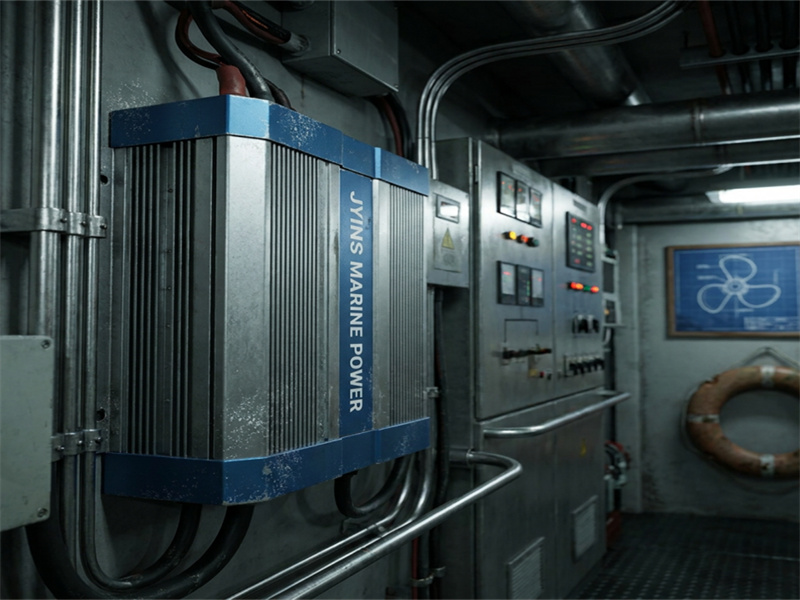
Marine Power Standards: Why Neutral-to-Ground Bonding and Galvanic Isolation are Non-Negotiable for Marine Wholesalers

15

May

Marine Power Standards: Why Neutral-to-Ground Bonding and Galvanic Isolation are Non-Negotiable for Marine Wholesalers

Introduction: The High Stakes of Marine Power Management For marine wholesalers and distributors, the maritime industry presents a unique set of challenges that go far beyond standard electrical distribution. When supplying power solutions for luxury...
View More
Why Bidirectional inverter PCB boards are Key to Smart Grid Integration

15

May

Why Bidirectional inverter PCB boards are Key to Smart Grid Integration

PCB boards used in bidirectional inverters are important for enabling the smooth functioning of smart grids. Smart grids are an improved type of power distribution system designed to manage supply and demand more efficiently, and integrate energy fro...
View More
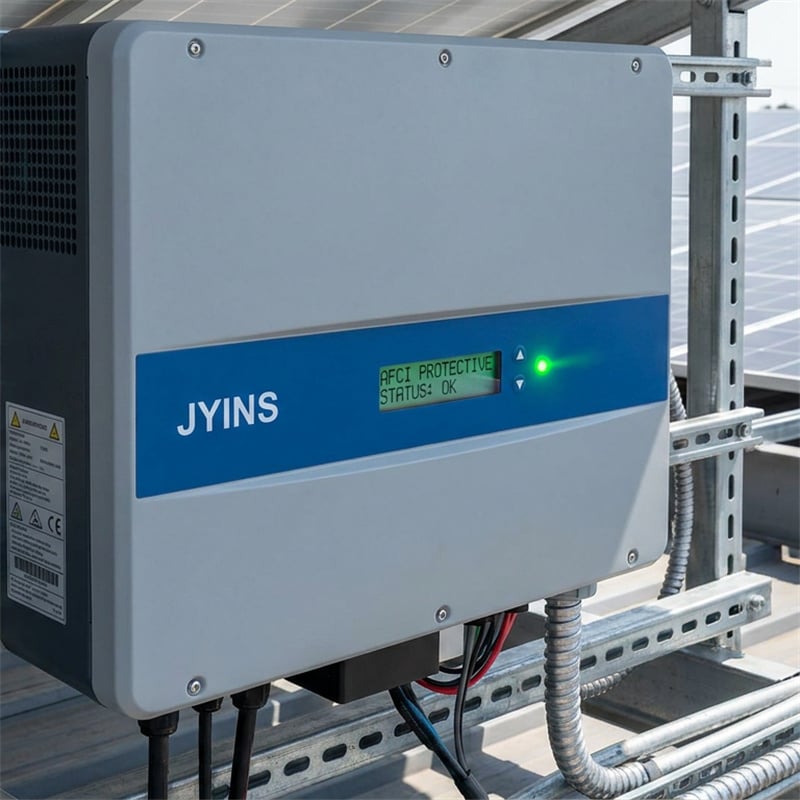
How does DC Arc Fault Circuit Interrupter (AFCI) logic prevent fire risks in rooftop B2B solar arrays?

24

Jun

How does DC Arc Fault Circuit Interrupter (AFCI) logic prevent fire risks in rooftop B2B solar arrays?

The Threat of DC Arc Faults in B2B Rooftop Solar Commercial and industrial rooftop solar arrays are increasingly popular for B2B operations looking to lower carbon emissions and operational costs. However, these large installations bring distinct saf...
View More
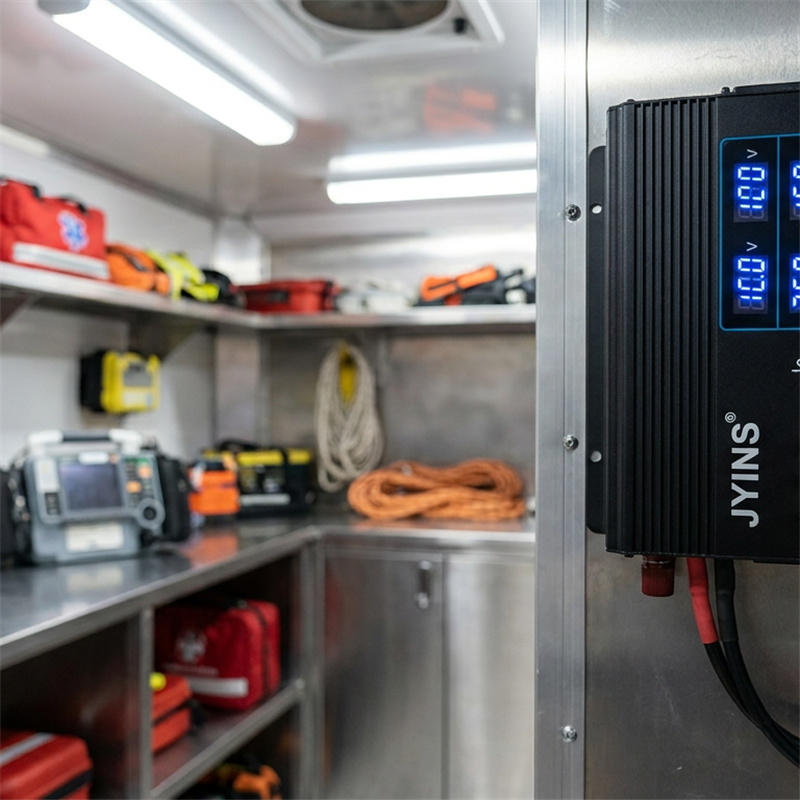
Why are 'High-Frequency' Inverters the preferred choice for portable emergency response trailers?

25

Jun

Why are 'High-Frequency' Inverters the preferred choice for portable emergency response trailers?

Q: Why are 'High-Frequency' Inverters the preferred choice for portable emergency response trailers? Introduction: The Demands of Mobile Emergency Power When natural disasters, grid failures, or search and rescue operations strike, portable emergency...
View More

Get a Free Quote

Our representative will contact you soon.
Email
Mobile
Name
Company Name
Products of Interest
Message
0/1000
Choosing the Right PCB Inverter for DC to AC

Get a Free Quote

Our representative will contact you soon.
Email
Mobile
Name
Company Name
Products of Interest
Message
0/1000