EN
EN


Introduction: The High Stakes of Marine Power Management
For marine wholesalers and distributors, the maritime industry presents a unique set of challenges that go far beyond standard electrical distribution. When supplying power solutions for luxury yachts, commercial fishing vessels, or recreational boats, the 'one size fits all' approach to inverters and power conversion is not just insufficient—it is dangerous.
In the marine environment, electricity behaves differently due to the presence of water, salt, and humidity. Two critical technical specifications often separate professional-grade marine equipment from consumer-level hardware: Neutral-to-Ground (N-G) bonding and Galvanic Isolation. For wholesalers, understanding these 'non-negotiable' features is essential for ensuring customer safety, preventing hull corrosion, and building a reputation for reliability. This article explores why these standards are the backbone of marine electrical safety and how JYINS (Hisolar) is leading the industry in marine-grade power innovation.
1. The Science of Safety: Neutral-to-Ground (N-G) Bonding
What is Neutral-to-Ground Bonding?
In a standard land-based building, the neutral wire and the ground wire are bonded together at the main service panel. This ensures that if a 'short to ground' occurs, a circuit breaker will trip immediately, preventing electrocution.
However, on a boat, the source of power changes. When a vessel is connected to shore power, it uses the shore's N-G bond. But the moment the vessel disconnects and switches to an onboard inverter, the inverter becomes the 'source.' If the inverter does not have an internal, automatic N-G bonding mechanism, the boat’s electrical system loses its safety reference point.
Why it’s Non-Negotiable for Wholesalers
For a marine wholesaler, selling an inverter without automatic N-G bonding is a liability. Without this bond:
- GFCI (Ground Fault Circuit Interrupter) outlets will not trip. In the event of a fault, a person could touch a metal appliance and become the path to ground, leading to fatal electric shock.
- Floating Neutrals: An unbonded system can result in unpredictable voltages between neutral and ground, which can damage sensitive marine electronics like GPS and sonar systems.
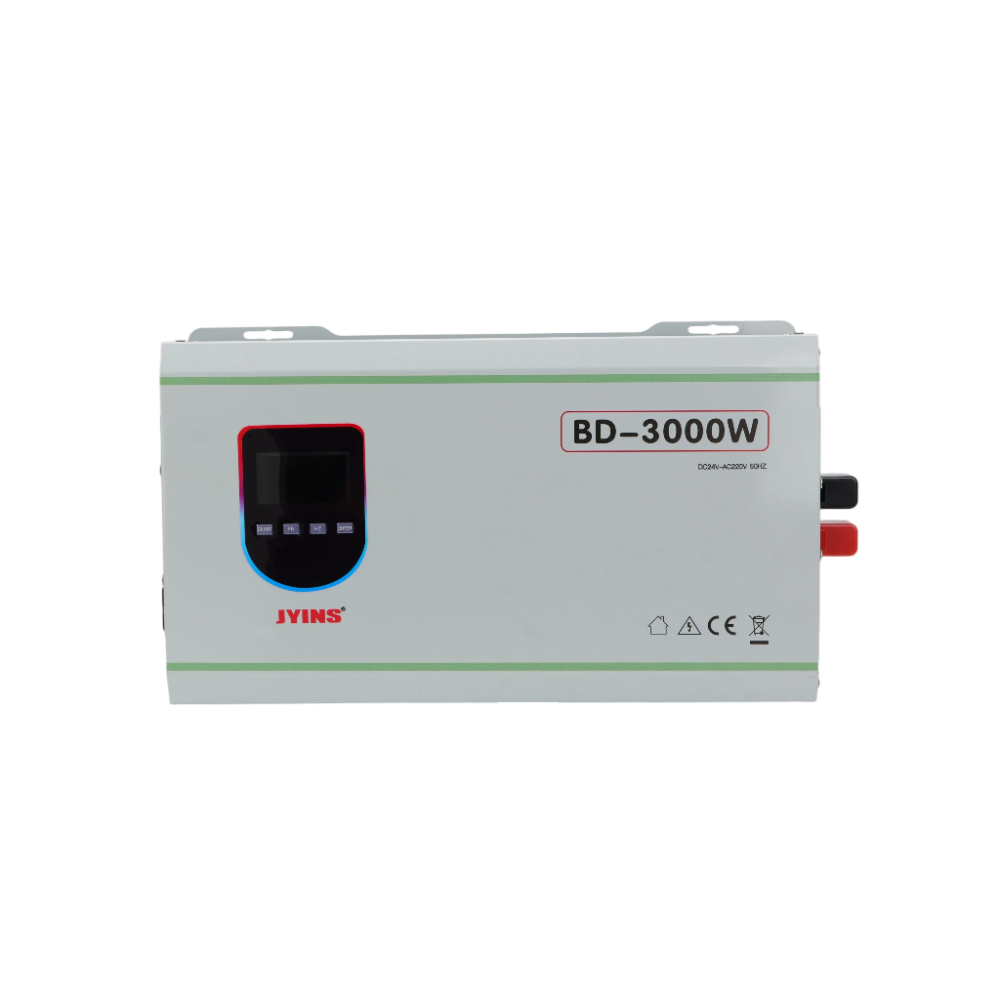
JYINS marine-grade inverters are designed with internal switching relays that automatically create a neutral-to-ground bond when in inverter mode and break it when connected to shore power, complying with ABYC (American Boat and Yacht Council) and international marine standards.
2. Preventing the 'Silent Killer': Galvanic Isolation
The Problem: Electrolysis and Corrosion
One of the biggest nightmares for boat owners is galvanic corrosion. When a boat is plugged into shore power, its grounding system is connected to the shore's ground, which is also connected to every other boat on the dock. If there is a voltage difference between these systems, a small DC current flows through the water between the metal through-hull fittings of different boats.
This 'stray current' acts like a battery, literally eating away at the underwater metal components—propellers, shafts, and aluminum hulls—in a process known as electrolysis. A boat can suffer catastrophic hull failure in just a few weeks if not properly protected.
The Solution: Galvanic Isolation in Power Systems
Galvanic isolation involves using a transformer or specialized circuitry to isolate the vessel's AC ground from the shore ground while still maintaining a safety path for fault currents. For wholesalers, providing inverters and chargers with integrated isolation ensures that their clients' vessels are protected from the 'leaking' electricity of neighboring boats.
JYINS power solutions prioritize high-frequency isolation and robust filtering to minimize DC leakage, ensuring that the electrical system adds zero risk to the vessel's structural integrity.
3. Beyond the Basics: Corrosion Resistance and Waterproofing
Safety standards aren't just about circuit logic; they are about physical endurance. Marine wholesalers must prioritize equipment that can survive the 'Salt Spray Test.'
JYINS Waterproof Innovation
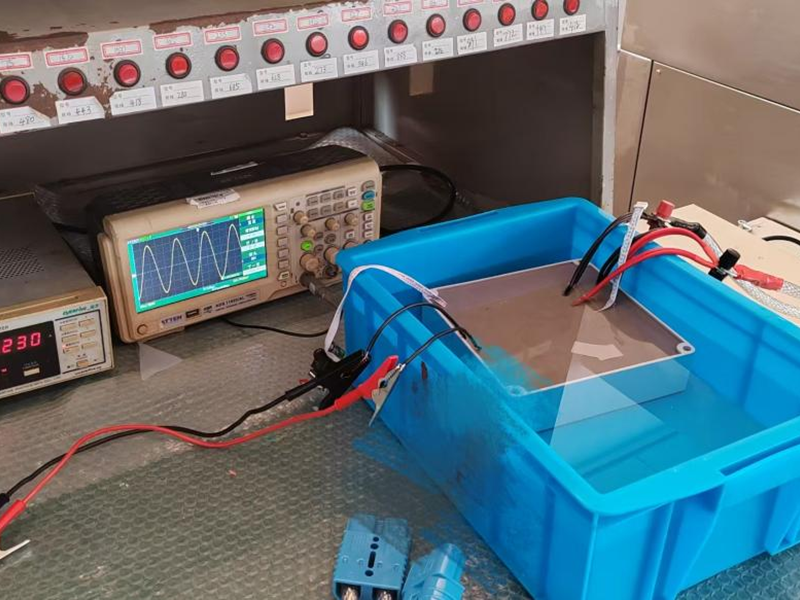
At JYINS, we understand that a marine inverter lives in a world of high humidity and occasional splashes. Our latest R&D has led to the development of waterproof inverters that have passed 5-hour immersion tests. By utilizing conformal coating on PCBs (Printed Circuit Boards) and corrosion-resistant alloy casings, JYINS products are built to withstand the oxidative stress of salt air that typically kills standard industrial inverters within 12-18 months.
4. Compliance: The Wholesaler's Shield
In the B2B sector, certifications are the currency of trust. When a marine wholesaler offers JYINS products, they are offering equipment that meets the world’s most stringent standards:
- CE and RoHS: Ensuring safety and environmental compliance for the European market.
- SAA: Meeting the rigorous electrical standards of Australia and New Zealand, where marine leisure is a massive industry.
- ISO 9001: Guaranteeing consistent manufacturing quality across thousands of units.
Selling certified products reduces the rate of returns and protects the wholesaler from legal challenges related to equipment failure.
5. Why JYINS (Hisolar) is the Preferred Partner for Marine Wholesalers
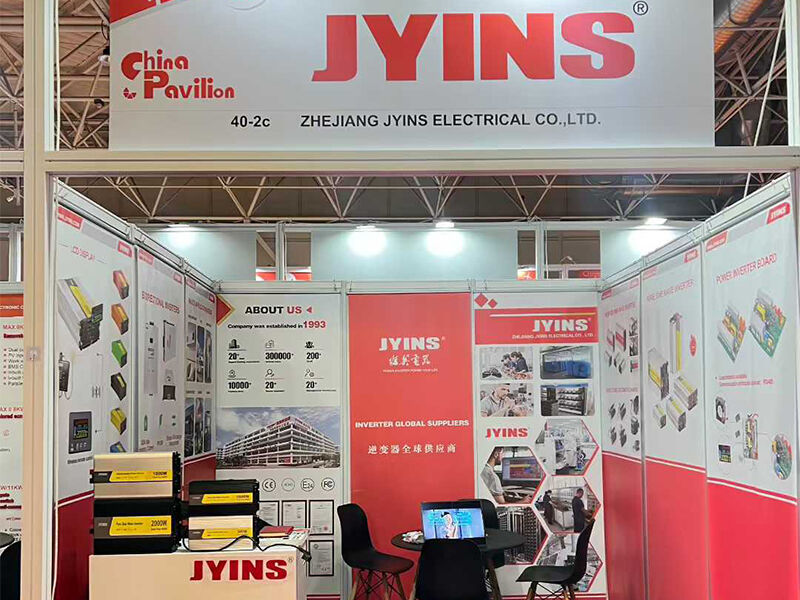
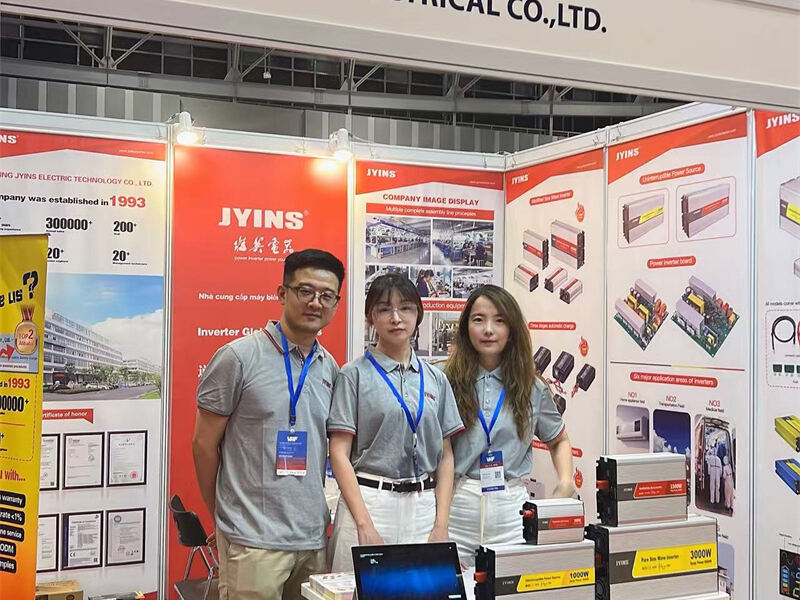
With over 30 years of expertise since 1993, JYINS has evolved from a meter manufacturer to a global leader in power conversion. For marine wholesalers, partnering with JYINS offers several strategic advantages:
1. OEM/ODM Customization: Need a specific N-G bonding configuration for a fleet of commercial trawlers? Our 12-person R&D team can customize solutions to meet niche technical requirements.
2. Global Track Record: Exported to over 50 countries, our marine inverters are proven in every climate, from the humid tropics of Southeast Asia to the freezing waters of the North Sea.
3. Advanced Communication: Our inverters support RS485 communication protocols, allowing them to integrate seamlessly with modern 'Smart Boat' monitoring systems.
Conclusion: Selling Reliability, Not Just Hardware
In the marine industry, a wholesaler's value lies in their ability to curate safe, reliable, and compliant products. Neutral-to-ground bonding and galvanic isolation are not 'luxury' features—they are the fundamental requirements for any vessel’s safety and longevity.
By choosing JYINS marine-grade power solutions, wholesalers ensure that their customers receive the highest level of protection against electric shock and hull corrosion. In a market where reputation is everything, don't settle for less than marine-standard excellence.
Ready to upgrade your marine product catalog? Contact JYINS today for a quote on our latest waterproof marine inverters and power systems.
Table of Contents
- Introduction: The High Stakes of Marine Power Management
- 1. The Science of Safety: Neutral-to-Ground (N-G) Bonding
- 2. Preventing the 'Silent Killer': Galvanic Isolation
- 3. Beyond the Basics: Corrosion Resistance and Waterproofing
- 4. Compliance: The Wholesaler's Shield
- 5. Why JYINS (Hisolar) is the Preferred Partner for Marine Wholesalers
- Conclusion: Selling Reliability, Not Just Hardware