EN
EN


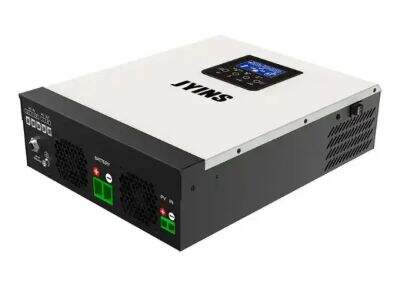
PCB boards used in bidirectional inverters are important for enabling the smooth functioning of smart grids. Smart grids are an improved type of power distribution system designed to manage supply and demand more efficiently, and integrate energy from sources such as wind and solar into household and business electricity networks. Companies such as Jyins, who are dedicated to the manufacturing of industrial applications, create these PCB boards which allow energy to flow in both directions. This facilitates not only the supply of energy to a battery and/or the grid, but also the absorption and use of renewable energy. In this way, bidirectional inverter PCB boards assist in the creation of smart energy systems which are efficient and reliable.
How Bidirectional Inverter PCB Boards contribute to renewable energy integration?
A unidirectional inverter is only capable of moving energy from a renewable source to the grid; renewable energy can originate from the sun, wind, or other natural energy sources. Once the solar panels, for instance, convert the sunlight to electricity, it must be sent through an inverter before it can be transmitted to homes or the wider grid. When the energy is not consumed, the bidirectional inverter will send it to the grid for future storage, which functions like a two-way street for energy, making the process seamless. Without such boards, the task of distributing the supplied energy efficiently would be considerably harder, hence Jyins are at the forefront of these technologies enabling control of energy distribution. Therefore, when the sun goes down and there is no wind, it is from the battery that energy is drawn to keep the homes functioning with a consistent supply. By doing this, not only are valuable resources being harnessed in an efficient manner, but much of the waste is also being eliminated. With a too much of power, it will again send it to the grid for later use, so that no overload is encountered. Hence, the steady distribution of energy means there are fewer blackouts.
The Boards also enable the seamless mixing of energy from different renewable sources. This can occur in a household that utilizes both wind and solar, and both forms of energy are managed by the inverter through its bidirectional functionality. In this manner, Jyins' technology allows energy to be consumed when and how it is required whether from the wind or from the sun, therefore offering a great deal of flexibility to a modern day energy system. Such features are a cornerstone in the move towards renewable energies being the primary sources of power, hence reducing dependence on fossil fuels, thereby ensuring a cleaner planet. This makes the energy landscape in the future a bright and green one thanks to solar electric inverter innovation.
How bidirectional inverter PCB boards enhance the functionality of energy storage systems?
Energy storage systems are considered to be the integral part in the effective utilization of renewable energies, with the ability to store the generated electricity when the generation exceeds the demand and release it during the times when there is increased consumption. Therefore, bidirectional inverter PCB boards play a pivotal role in these energy storage systems. The energy from solar devices, as mentioned previously, is transported from the solar panel, via the inverter to the battery for storage, or delivered to homes and the grid. When solar devices are not producing electricity, or a user requests more electricity, energy from the battery would be sent back, to meet the demands of the homes and buildings that rely upon these smart technologies for energy. This is similar to how a person relies upon a backup electricity generator when needed.
The boards designed by Jyins allow for an instant transfer of power, from the solar panels and into a house via a simple light switch being turned on. The energy transfer from the battery to a home should happen so rapidly that a person would not feel or notice that a backup system had kicked in, which provides increased reliance on this sustainable technology. The PCB boards are designed in such a way that they regulate the flow of energy into and out of the battery, when the battery is fully charged, the board will ensure no further energy can be put into it which increases the battery life of these systems considerably. Jyins' innovation ensures that systems are always both reliable and highly efficient.
The PCB boards also enable the distribution of power effectively throughout the different components of an energy system, so that if the energy demands are higher than is being supplied, more power will be directed to that part from the battery. These boards also help to reduce costs through effectively utilizing stored energy and avoiding the high purchase costs associated with high price energy, helping households and buildings to be more sustainable as they will be paying less and gaining more power over a longer period of time. Therefore, these boards ensure that energy storage systems work as they should to deliver all of your needs efficiently.
Common usage problems associated with bidirectional inverter PCB boards
Although bidirectional inverter PCB boards are extremely effective in making smart grids a reality, they do pose certain problems that need to be overcome if maximum potential is to be achieved. The problems include the fact that they may not operate as efficiently in all types of environments; it has been observed that they may not operate correctly when it is too cold or too hot, consequently, leading to power loss or even failure to operate altogether. Loose connections are another prevalent issue that could lead to fluctuations and interrupted power delivery; it is crucial for the connections to remain tight and well secured for continued optimal operation. Finally, problems such as faulty software, outdated programs and improper installation have been known to occur when users do not follow the proper procedures when installing the devices, something that Jyins attempts to avoid with their instructions. The components of the hybrid solar power inverter could over time wear down and require regular maintenance and fixing, especially if the boards are poorly implemented, and as a result become a source of failure in the greater smart grid system. Identifying these potential issues is the initial step to resolving them.
How bidirectional inverter PCB boards improve efficiency in smart grids?
Bidirectional inverter PCB boards are extremely critical in ensuring that smart grids achieve their expected levels of efficiency. Their two-way operation means that they are capable of transporting energy both to the grid and drawing power from it, making them invaluable components in the deployment of renewable energies such as solar and wind power within home and business networks. During a sunny day when a solar panel produces higher than average output, these boards can channel excess energy to the grid, which will not be needed in the home, for later use during the night time or whenever there is high energy demand. This process of transfer and withdrawal of energy is what helps the system to achieve its peak operational efficiency, and thus it also contributes in balancing demand and supply to avoid waste, with Jyins' quality of boards working towards the minimization of losses to ensure optimal transfer. Therefore, solar inverter play a vital role within the smart grid's operation.
How to maximize performance with bidirectional inverter PCB boards in projects?
There are a number of useful tips in maximizing the performance of bidirectional inverter PCB boards in various projects. Firstly, select a board that best fits with the required project specifications; Jyins, as previously mentioned, designs many boards for a variety of industrial uses and they would best advise which one is needed. Once a board has been selected it is imperative to ensure it is installed properly, so following Jyins' guidelines for installing the board and securing the connections to the surrounding circuits is vital, and it should also be placed in an environment suitable for its operation considering the different temperatures andhumiditylevels present.
The boards should also be checked for wear over time and kept clean, ensuring they can operate to their full potential; there is also need for ensuring that software for the devices is always up-to-date as it helps the board function more effectively, this should also come from sources such as Jyins to avoid incompatibility and poor performance. Finally, ensure that any employees who operate energy systems containing these boards are adequately trained in their functioning and control in order to derive the most from them and contribute to efficiency, ensuring all systems work to the full potential available.
Table of Contents
- How Bidirectional Inverter PCB Boards contribute to renewable energy integration?
- How bidirectional inverter PCB boards enhance the functionality of energy storage systems?
- Common usage problems associated with bidirectional inverter PCB boards
- How bidirectional inverter PCB boards improve efficiency in smart grids?
- How to maximize performance with bidirectional inverter PCB boards in projects?