EN


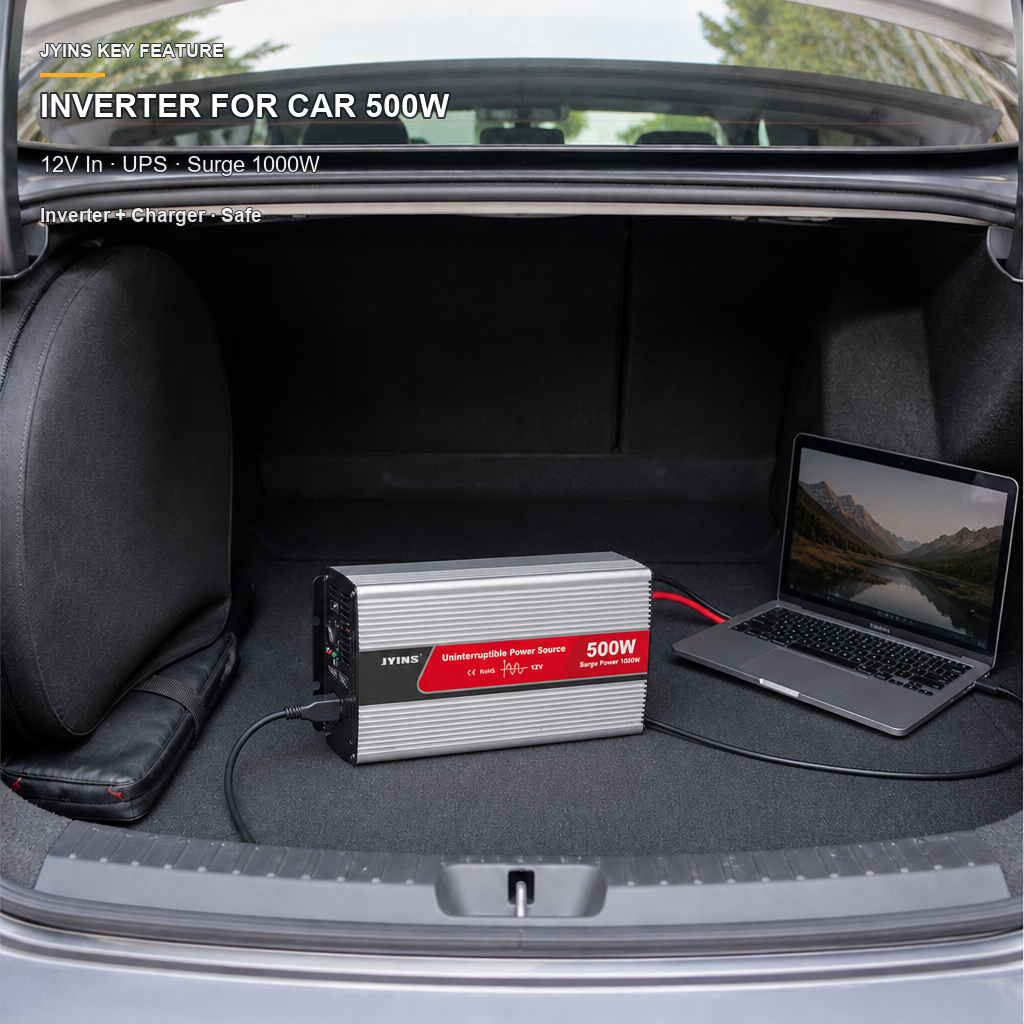
Inverters for car chargers are essential devices that convert DC power from a car battery into AC power, enabling the charging of various electronic devices. For B2B buyers, such as purchasing managers and engineers, understanding the features, specifications, and application of these car charger inverters is crucial for making informed decisions. This article will provide insights on sourcing reliable suppliers, comparing different models, understanding cost factors, installation guidance, and current industry trends, all tailored to the needs of professional buyers in the manufacturing and commercial sectors.
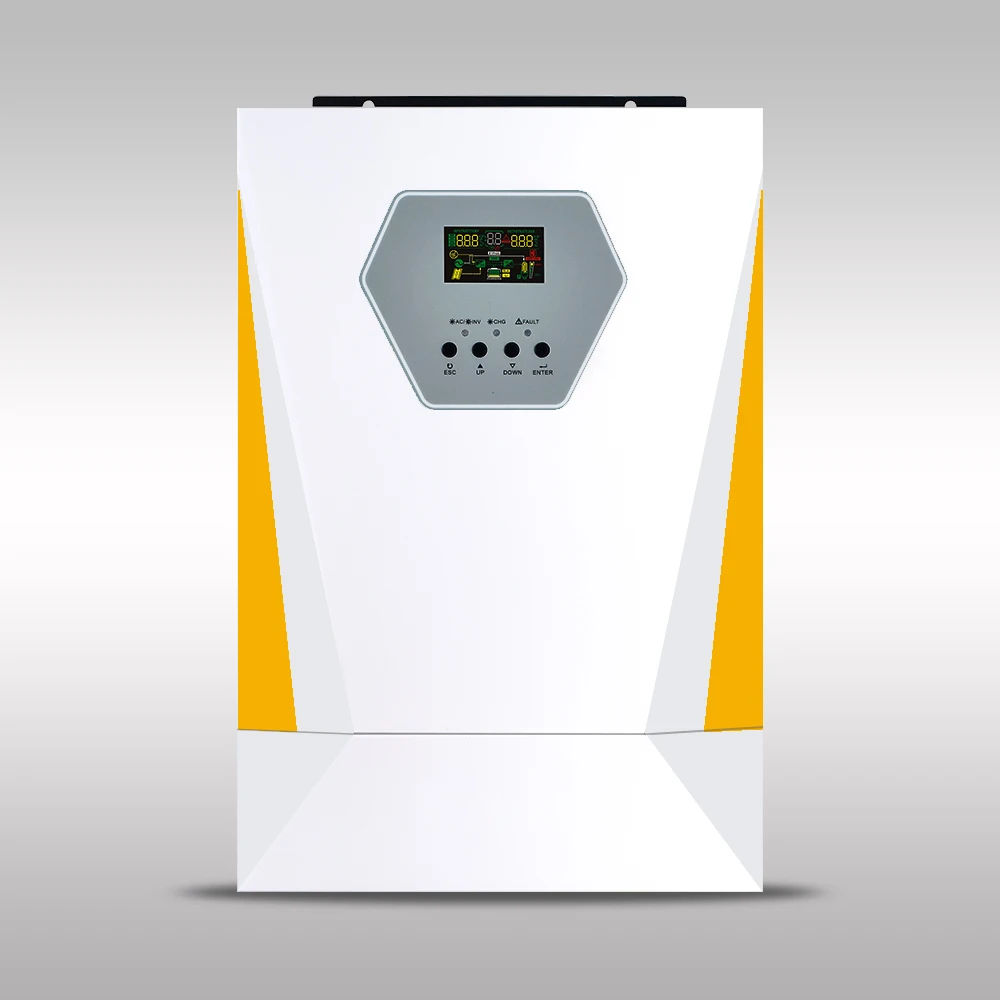

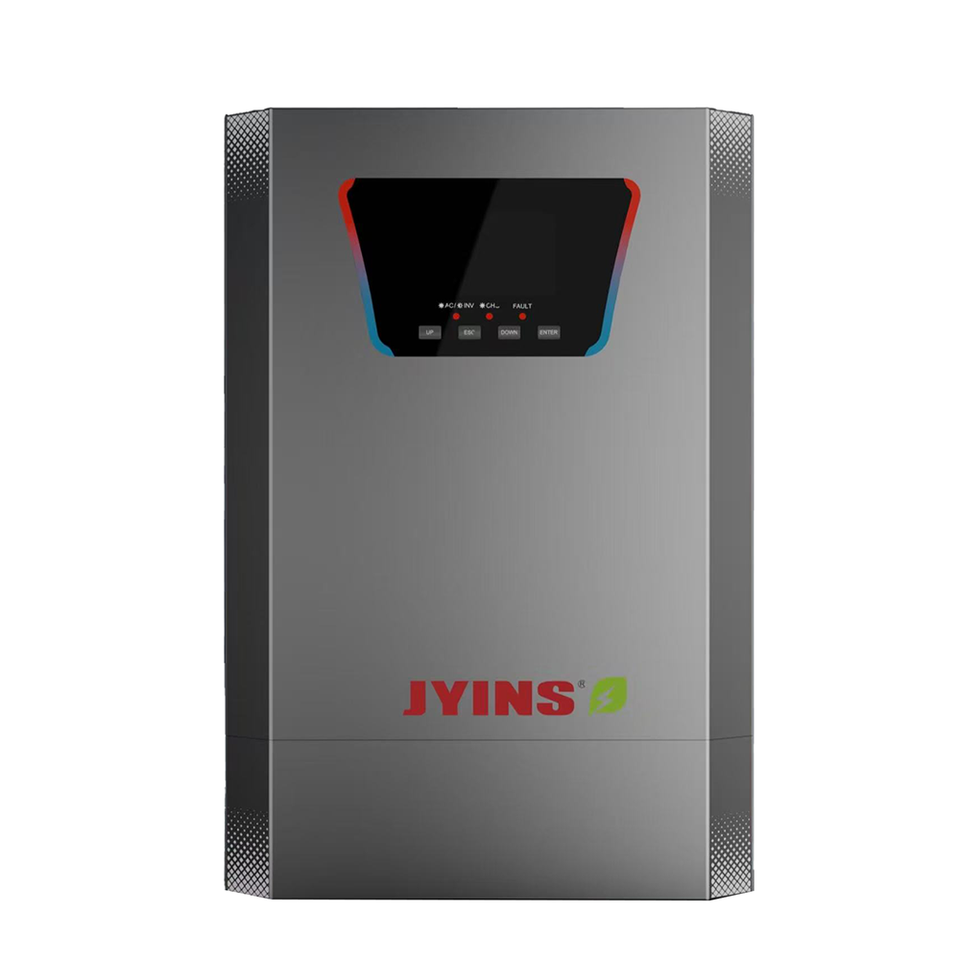
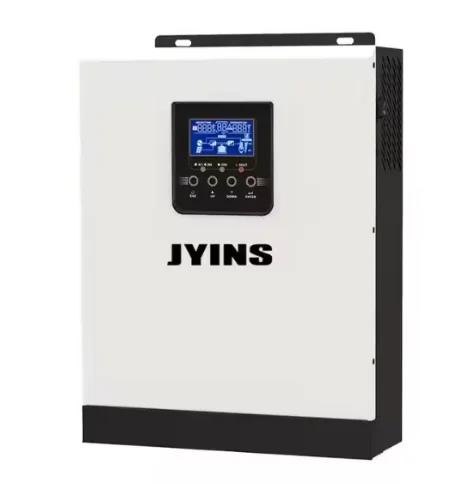
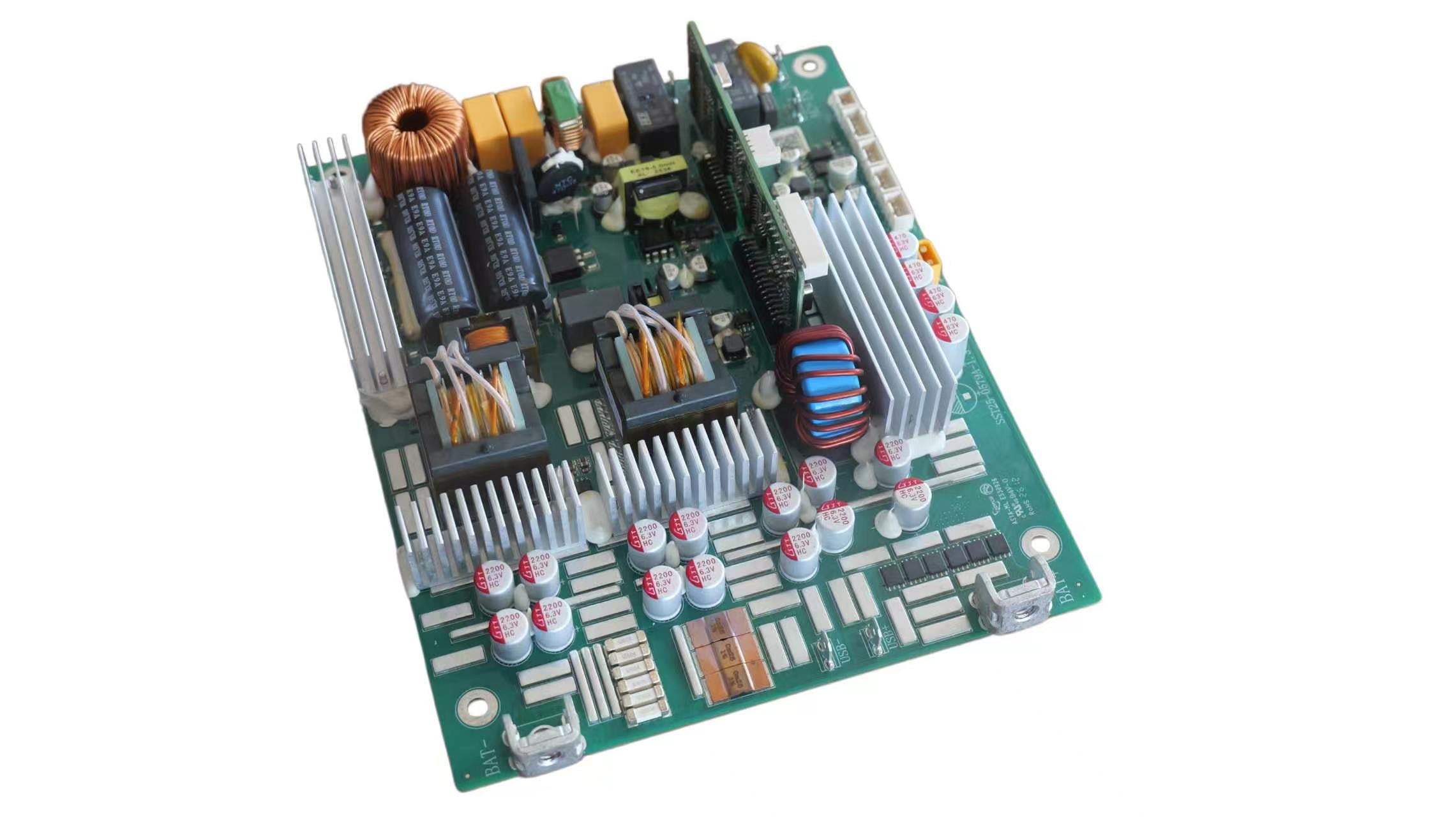


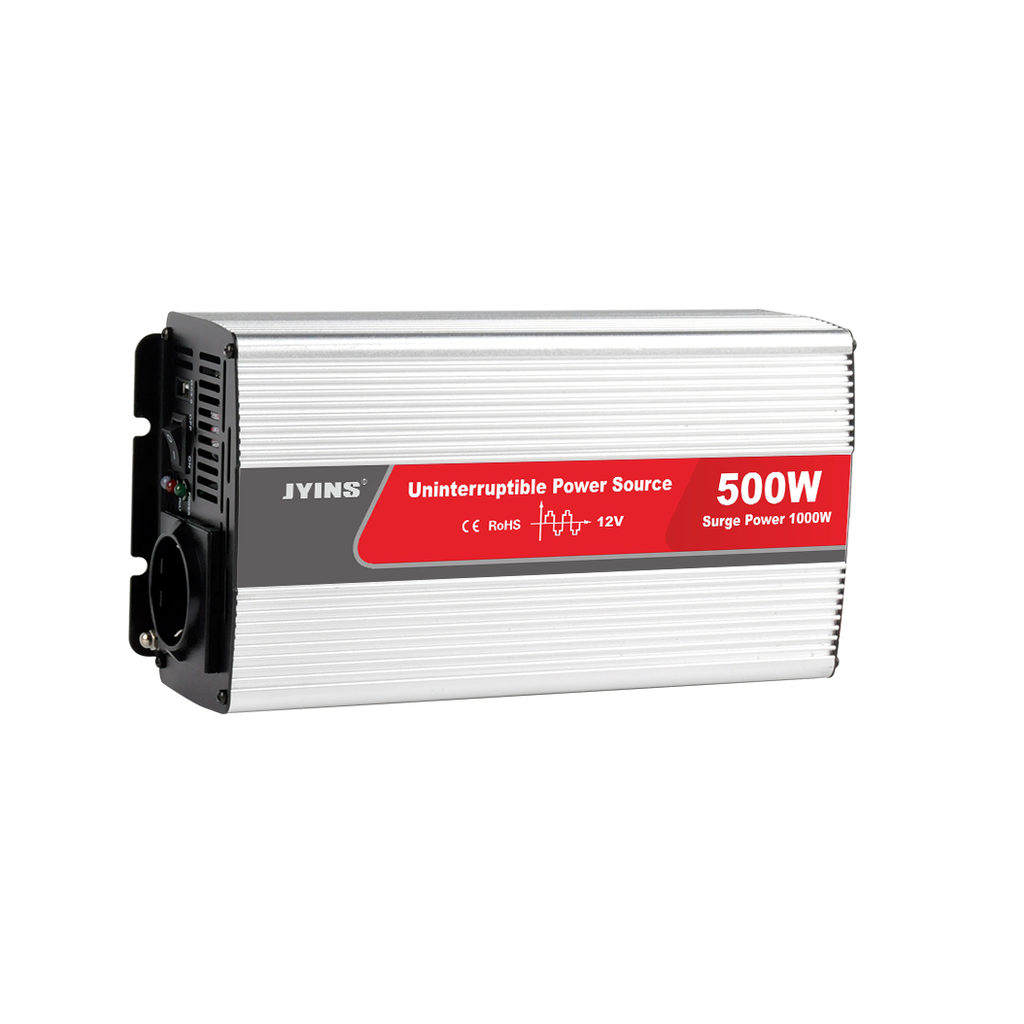
How to Compare Different Car Charger Inverter Models Effectively
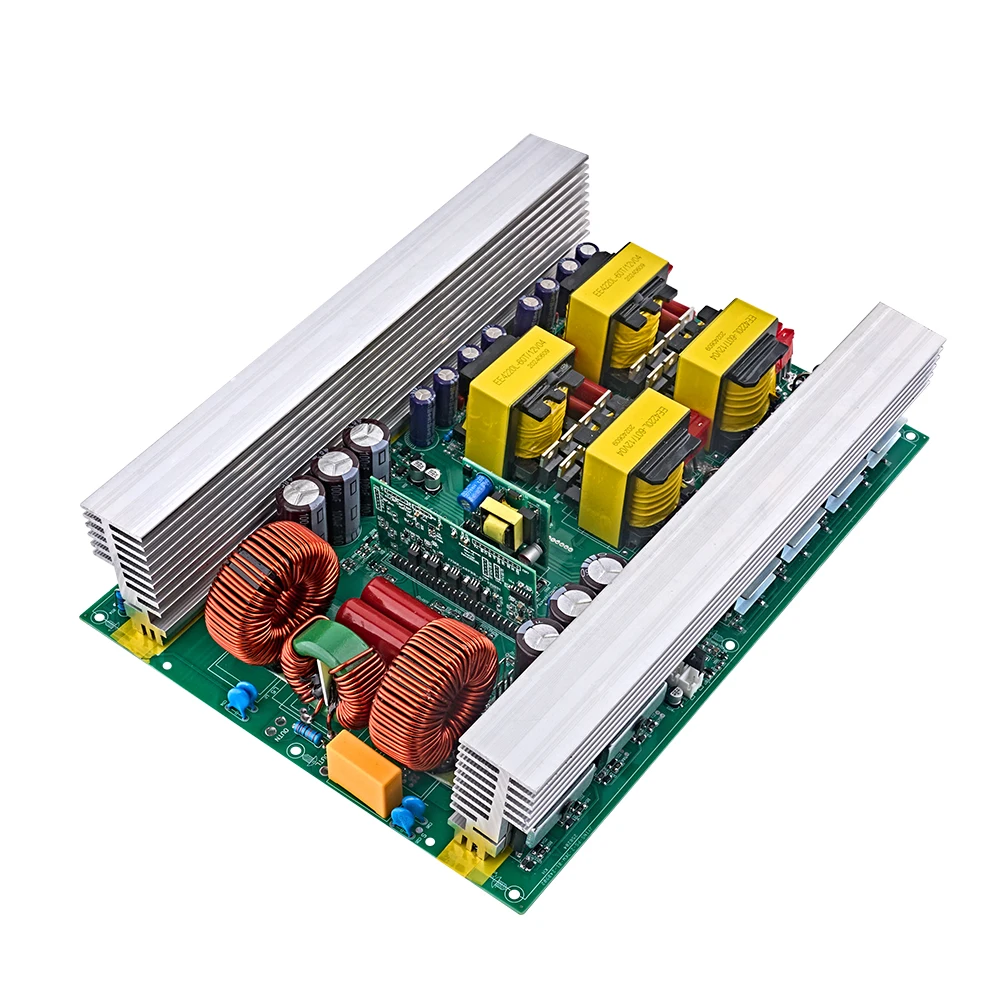
When comparing Jyins car charger inverter models, several specifications and features should be evaluated to ensure compatibility with your applications. Key factors include:
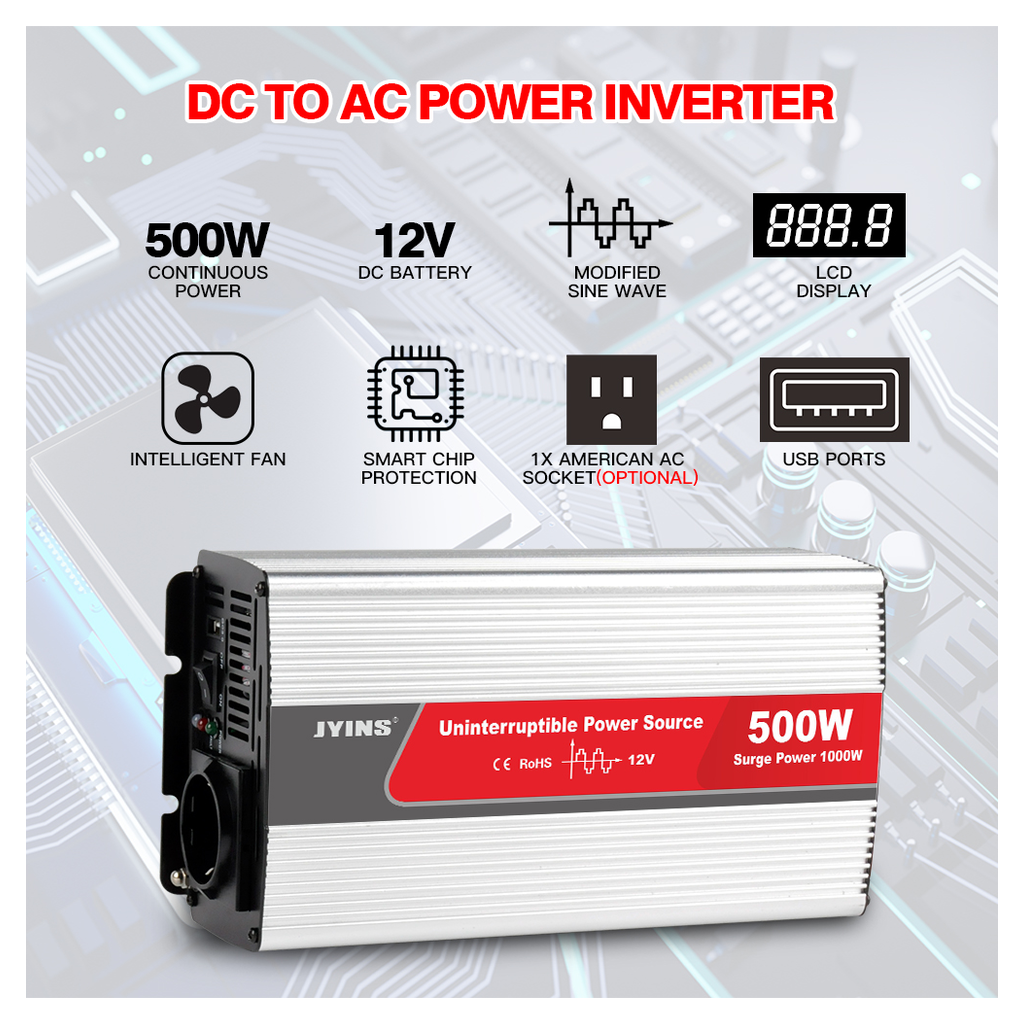
Power Output: Determine the wattage required for your devices. Inverters typically range from 100W to 3000W; higher wattages can support more demanding devices.
Input Voltage: Most car chargers operate on a 12V DC system, but confirming compatibility with your vehicle’s electrical system is essential.
Waveform Type: Inverters can produce modified sine wave or pure sine wave output. Pure sine wave inverters are more efficient and safer for sensitive electronics, while modified sine wave inverters are generally less expensive.
Efficiency Rating: Look for models with higher efficiency ratings to reduce energy loss during conversion. This is particularly important for battery-operated applications.
Consider the solar charge inverter size and weight, especially if it needs to be portable. Finally, review additional features such as built-in safety protections (overload, short circuit, and thermal protection) and user-friendly interfaces to enhance usability.