Choosing the Right Automatic Smart Battery Charger

Get a Free Quote

Our representative will contact you soon.
Email
Mobile
Name
Company Name
Products of Interest
Message
0/1000

Automatic smart battery charger

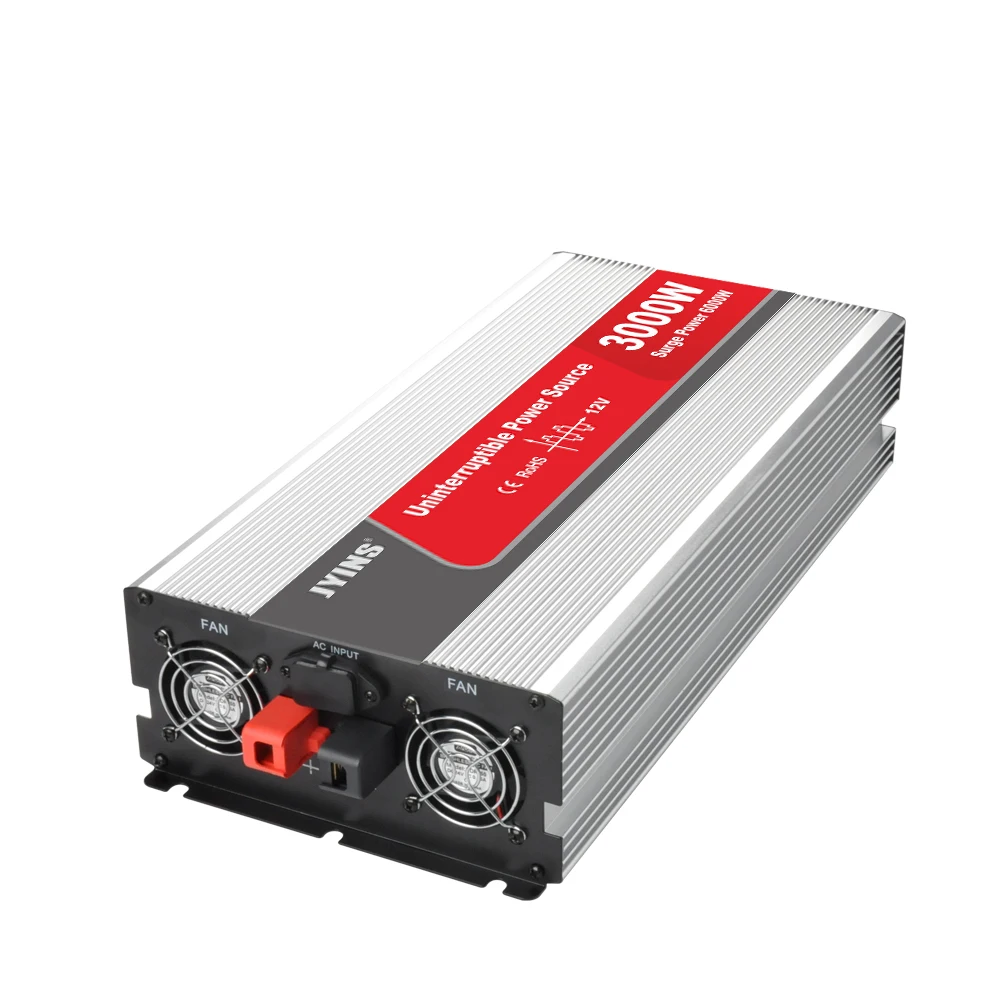
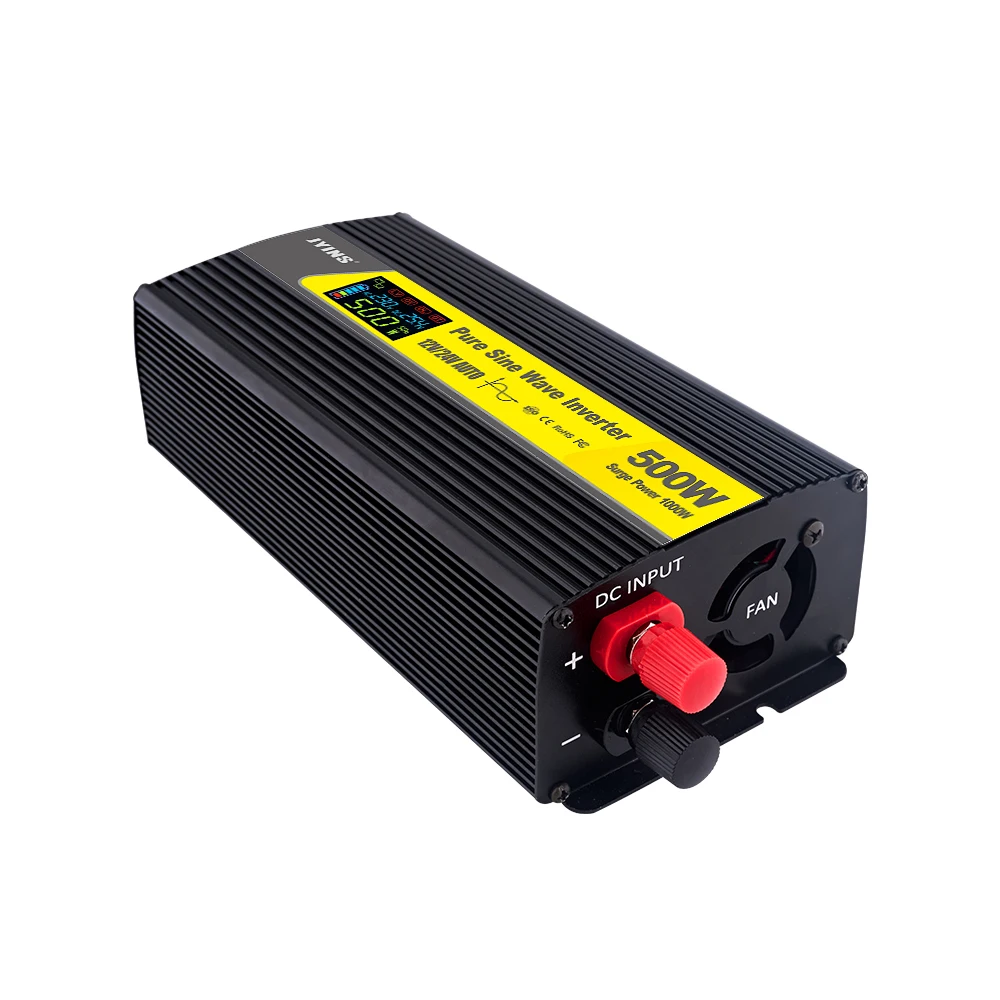
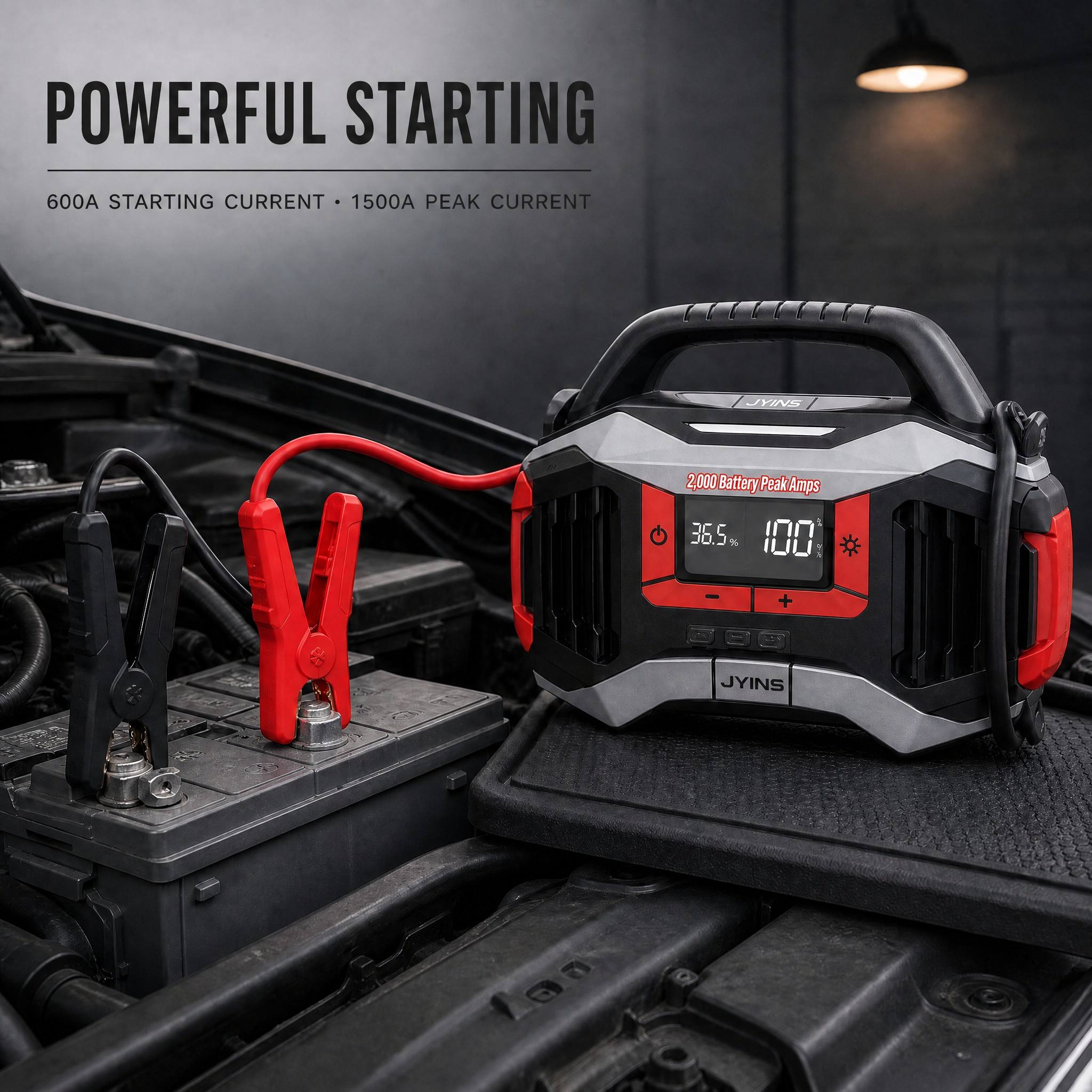
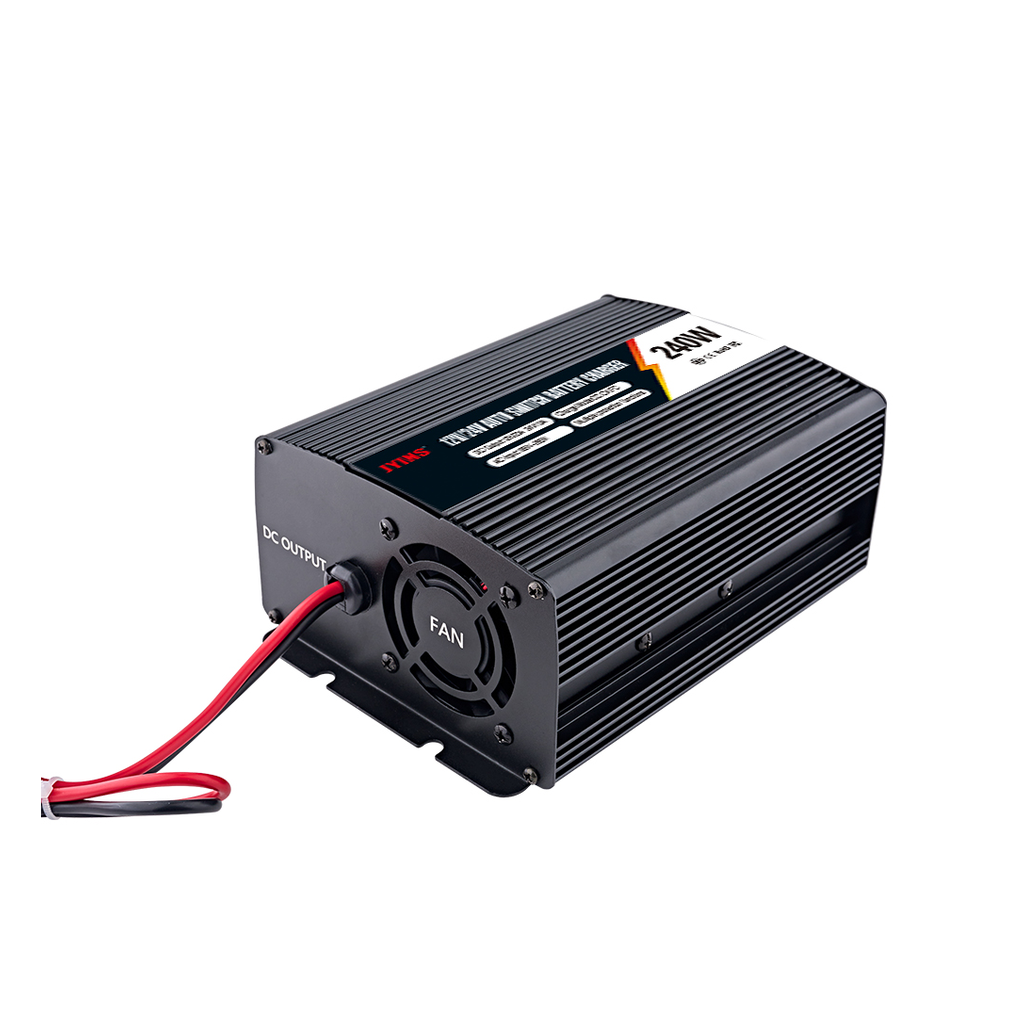
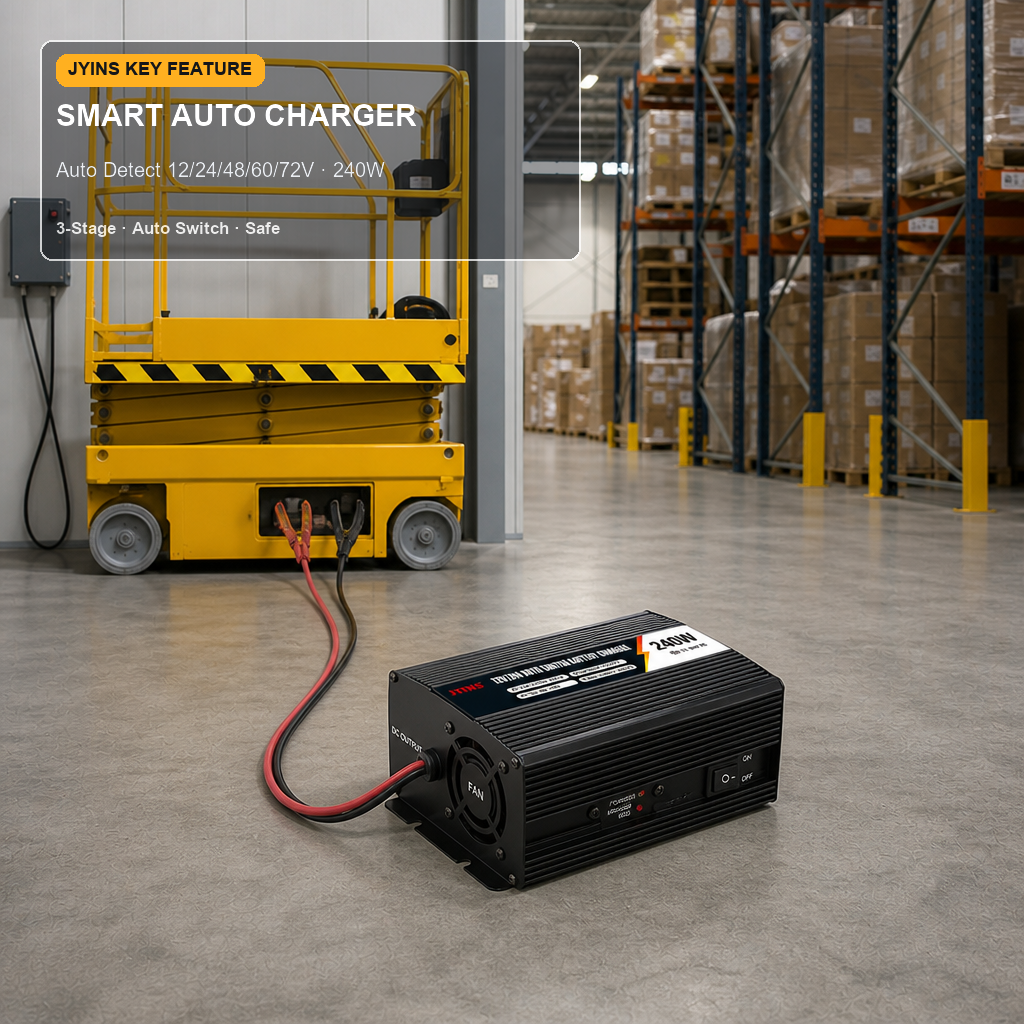
Automatic smart battery chargers are essential tools for efficiently managing battery life across various applications, from commercial to industrial settings. With the increasing reliance on battery-operated devices, B2B buyers, especially purchasing managers and engineers, seek reliable charging solutions that ensure battery longevity and performance. This article about Jyins battery charger will explore how to choose the right Automatic Smart Battery Charger, key specifications to consider, cost factors, common problems, and the features that benefit distributors.         

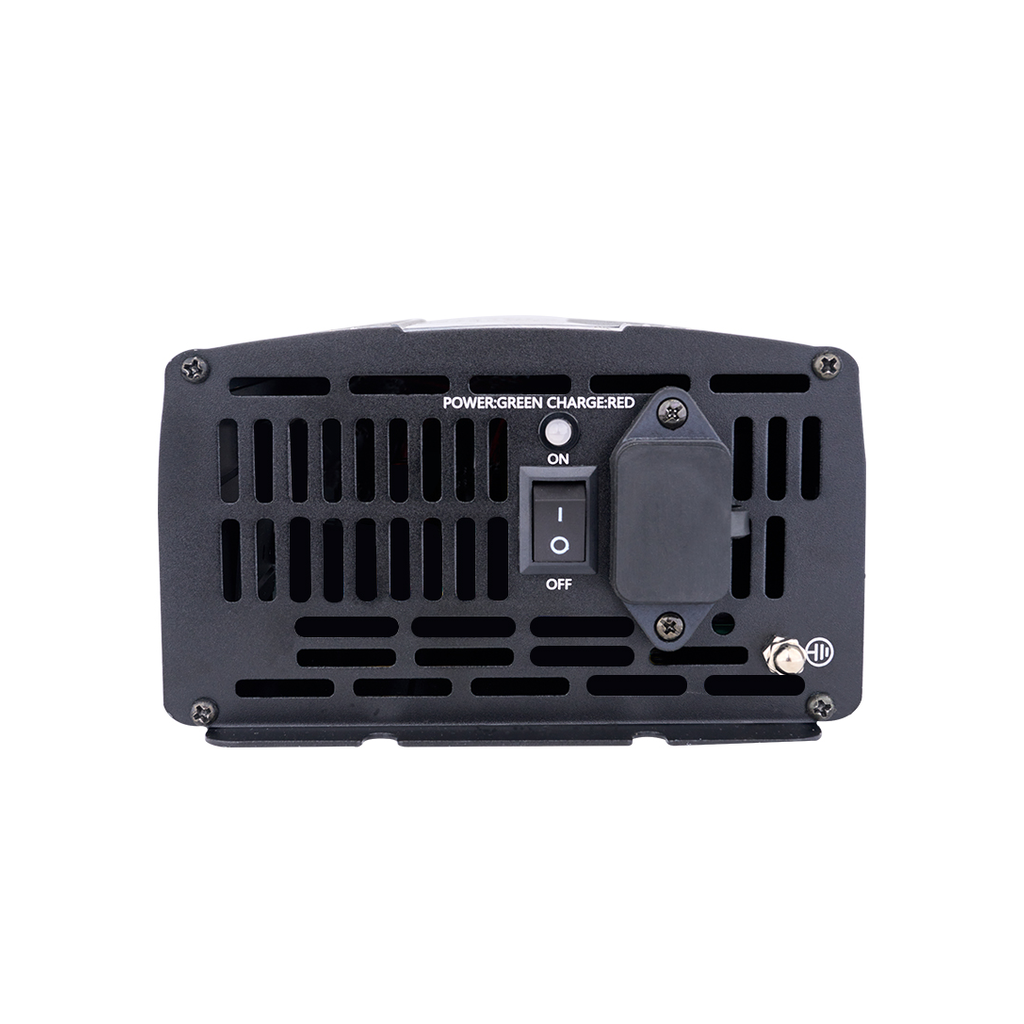
When sourcing an Automatic Smart Battery Charger, buyers should carefully review the Key Specifications of Automatic Smart Battery Chargers, including charging voltage, current output, compatibility, safety features, and charging efficiency. Understanding the Cost Factors about Jyins car battery charger to Consider When Sourcing Automatic Smart Battery Chargers can help businesses manage budgets while selecting equipment that meets their operational requirements. Buyers should also consider durability, ease of installation, maintenance needs, and expected service life. In addition, understanding Common Problems with Battery Chargers, such as overheating, inconsistent charging, compatibility issues, and connection problems, can help purchasing managers select more reliable solutions. Comparing these factors of Jyins automotive battery charger allows distributors and industrial users to make informed decisions and choose an Automatic Smart Battery Charger that supports consistent and efficient battery management. 

Our Products

Key Specifications of Automatic Smart Battery Chargers for Wholesale Buyers

Key Specifications of Automatic Smart Battery Chargers for Wholesale Buyers

When sourcing automatic smart battery chargers, several key specifications should be prioritized:

Output Voltage and Current: Ensure the charger’s output matches the battery specifications. Chargers typically range from 6V to 48V, with current outputs varying from a few amps to over 30 amps. An appropriate match prevents damage and ensures efficient charging.  

Charging Modes: Look for chargers with multiple charging modes, such as bulk, absorption, and float charging. This versatility allows the charger to adjust the charging process based on the battery's state, enhancing overall performance.   

Compatibility: Verify that the charger is compatible with the specific battery chemistry you intend to use. Some chargers are designed specifically for certain battery types, and using a mismatched charger can lead to reduced performance or even battery failure.   

Efficiency Ratings: Check for energy efficiency ratings. High-efficiency chargers minimize energy loss during the charging process, aligning with sustainability goals and reducing operating costs.  

Size and Portability: Depending on your application, the size and weight of the charger may be important. Compact designs are beneficial for portable applications, while larger units may offer higher output for industrial use.

Cost Factors to Consider When Sourcing Automatic Smart Battery Chargers

Cost Factors to Consider When Sourcing Automatic Smart Battery Chargers

Pricing for automatic smart battery chargers can vary significantly based on several factors:

Production Volume: Bulk purchasing often leads to lower unit costs. Understanding the minimum order quantities (MOQ) can help in planning your budget effectively.  

Customization Options: Custom features, such as branding or specific output configurations, may increase costs. Assess whether these enhancements are necessary for your application.  

Quality Assurance: Chargers meeting international standards, such as ISO9000, typically have higher quality assurance, which can justify their price. Look for manufacturers who optimize their quality control processes to ensure reliability.   

Brand Reputation: Established brands may come at a premium, but they often provide better reliability, customer support, and warranty services. Evaluate the trade-off between cost and long-term value.   

Shipping and Handling: Don’t overlook logistics. Shipping costs can significantly affect the overall price, especially for international orders. Ensure you factor these costs into your total budget.

Common Problems with Battery Chargers and Their Effective Solutions

Common Problems with Battery Chargers and Their Effective Solutions

Identifying potential issues with battery chargers before they arise is crucial for maintaining operational efficiency. Common problems include:

Overcharging: This can lead to battery damage and reduced lifespan. Ensure the charger has built-in overcharge protection or consider implementing a timer for manual chargers.  

Incompatibility: Using a charger not suited for the specific battery type can lead to performance issues. Always verify compatibility and consult with suppliers for recommendations.  

Connection Issues: Loose or corroded connections can interrupt charging. Regularly inspect connectors and cables for wear and ensure they are clean and secure.   

Temperature Sensitivity: Batteries can be sensitive to temperature extremes. Choose chargers that offer temperature compensation features to adjust charging based on environmental conditions.   

Inconsistent Charging: Variability in charging performance can indicate a faulty charger. Regular testing and quality checks can help identify issues before they affect battery performance. 

Features and Benefits for Distributors

Automatic smart battery chargers offer several features and benefits that appeal to distributors:

Versatility: Chargers that accommodate multiple battery types attract a broader customer base, enhancing sales opportunities. Distributors can market these products to various industries, including automotive, marine, and renewable energy.   

Advanced Technology: Many smart chargers incorporate features like Bluetooth connectivity for monitoring charging status via mobile apps. This innovation can be a significant selling point to tech-savvy customers.   

Warranty and Support: Offering products backed by robust warranties and customer support enhances distributor credibility. It reassures buyers of the product's quality and reliability.   

Customization Options: Providing customization services, such as branding or tailored specifications, can help distributors cater to specific market needs and differentiate their offerings from competitors.   

Sustainability: With growing concerns for the environment, promoting energy-efficient chargers aligns with sustainability goals. This can enhance the brand image and appeal to eco-conscious buyers.   

By understanding these factors and features, B2B buyers can make informed decisions when sourcing automatic smart battery chargers, ensuring they choose products that meet their operational requirements and budget constraints.

How to Choose the Right Automatic Smart Battery Charger for Your Needs

Selecting the right automatic smart battery charger involves evaluating the specific requirements of your application. Consider the type of battery you are charging—lead-acid, lithium-ion, or gel batteries—as different batteries require different charging profiles. Additionally, assess the voltage and capacity specifications of your batteries. A charger that matches these specifications will ensure efficient charging and prolong battery life.  

Another critical factor is the charging speed. Depending on your operational needs, you may require a fast charger that can complete the charging cycle quickly, or a trickle charger that maintains the battery at optimal levels without overcharging. Look for chargers with multiple charging modes to accommodate various battery types and conditions.   

Finally, review the safety features of the charger, such as overcharge protection, temperature monitoring, and short-circuit protection. These features not only safeguard the battery but also enhance the longevity of your investment.

Frequently Asked Questions

What is the automatic smart battery charger?

A smart charger that automatically detects battery type and condition, applies optimal charging modes, and protects against overcharge, reverse polarity, and short circuits for off-grid solar batteries.
Supports lead-acid, AGM, GEL, and lithium batteries commonly used in off-grid solar systems. Confirm compatibility with battery voltage and capacity before use.
Built-in protections include overcharge, overcurrent, reverse polarity, short-circuit, and temperature compensation, following ISO9000-quality manufacturing standards.
No. Designed for easy plug-and-play installation with clear terminals and user-friendly indicators. Professional assistance recommended for complex solar setups.
Backed by the manufacturer's quality assurance and technical team. Warranty and support details vary—contact the supplier with model and purchase information for specifics.

Our Blog Posts

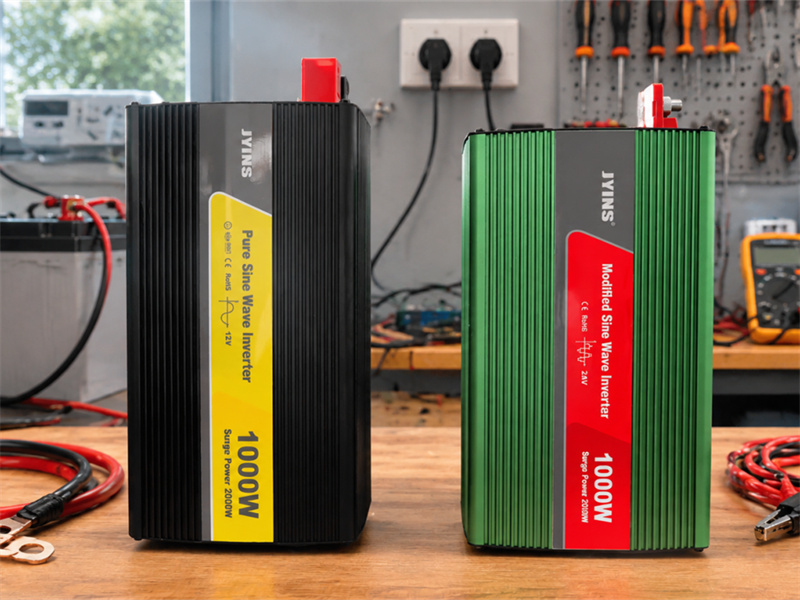
Beyond the Price Tag: Calculating the 5-Year ROI of Pure Sine Wave vs. Modified Sine Wave Inverters for Industrial Fleet Management

15

May

Beyond the Price Tag: Calculating the 5-Year ROI of Pure Sine Wave vs. Modified Sine Wave Inverters for Industrial Fleet Management

Beyond the Price Tag: Calculating the 5-Year ROI of Pure Sine Wave vs. Modified Sine Wave Inverters for Industrial Fleet Management In the world of industrial fleet management, procurement decisions are often driven by a single metric: the initial pu...
View More
Why Bidirectional inverter PCB boards are Key to Smart Grid Integration

15

May

Why Bidirectional inverter PCB boards are Key to Smart Grid Integration

PCB boards used in bidirectional inverters are important for enabling the smooth functioning of smart grids. Smart grids are an improved type of power distribution system designed to manage supply and demand more efficiently, and integrate energy fro...
View More
Resolving 'Ghost Power Consumption' in standby mode for large-scale B2B inverter installations.

25

Jun

Resolving 'Ghost Power Consumption' in standby mode for large-scale B2B inverter installations.

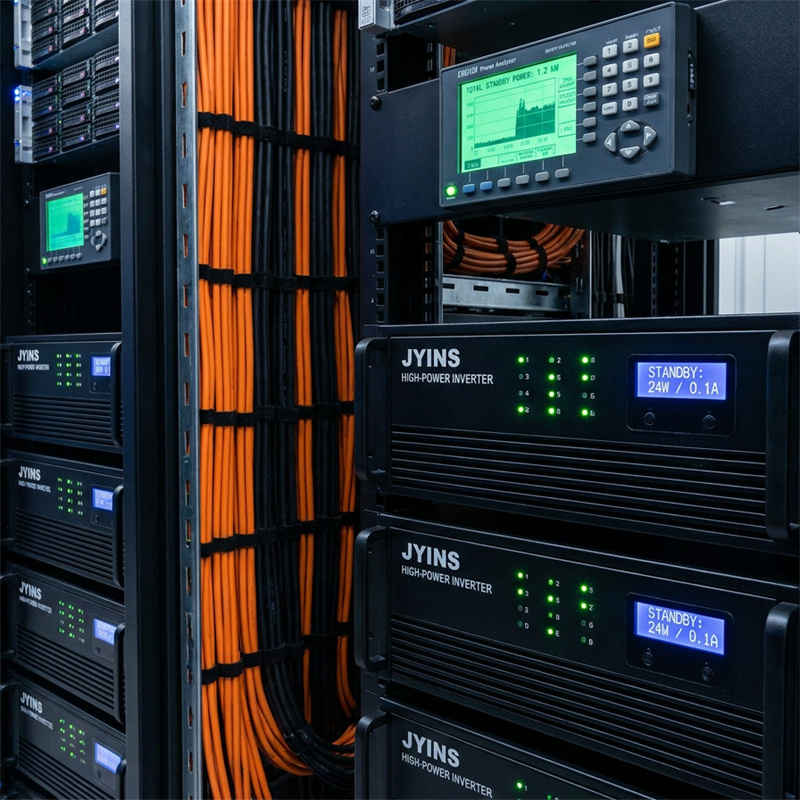
Introduction to Inverter Standby Losses In large-scale commercial, industrial, and utility-scale battery energy storage systems (BESS), efficiency is calculated to the tenth of a percent. While a lot of attention is focused on the conversion efficien...
View More
How to Use the Inverter Dry Contact Interface to Trigger Real-Time Load Shedding and Prioritize Critical B2B Equipment

10

Sep

How to Use the Inverter Dry Contact Interface to Trigger Real-Time Load Shedding and Prioritize Critical B2B Equipment

Q: How can the inverter dry contact interface be used to trigger real-time load shedding and prioritize critical B2B equipment? A: When energy is limited — during cloudy days, at night, or when battery capacity is low — keeping critical e...
View More

Get a Free Quote

Our representative will contact you soon.
Email
Mobile
Name
Company Name
Products of Interest
Message
0/1000
Choosing the Right Automatic Smart Battery Charger

Get a Free Quote

Our representative will contact you soon.
Email
Mobile
Name
Company Name
Products of Interest
Message
0/1000