EN


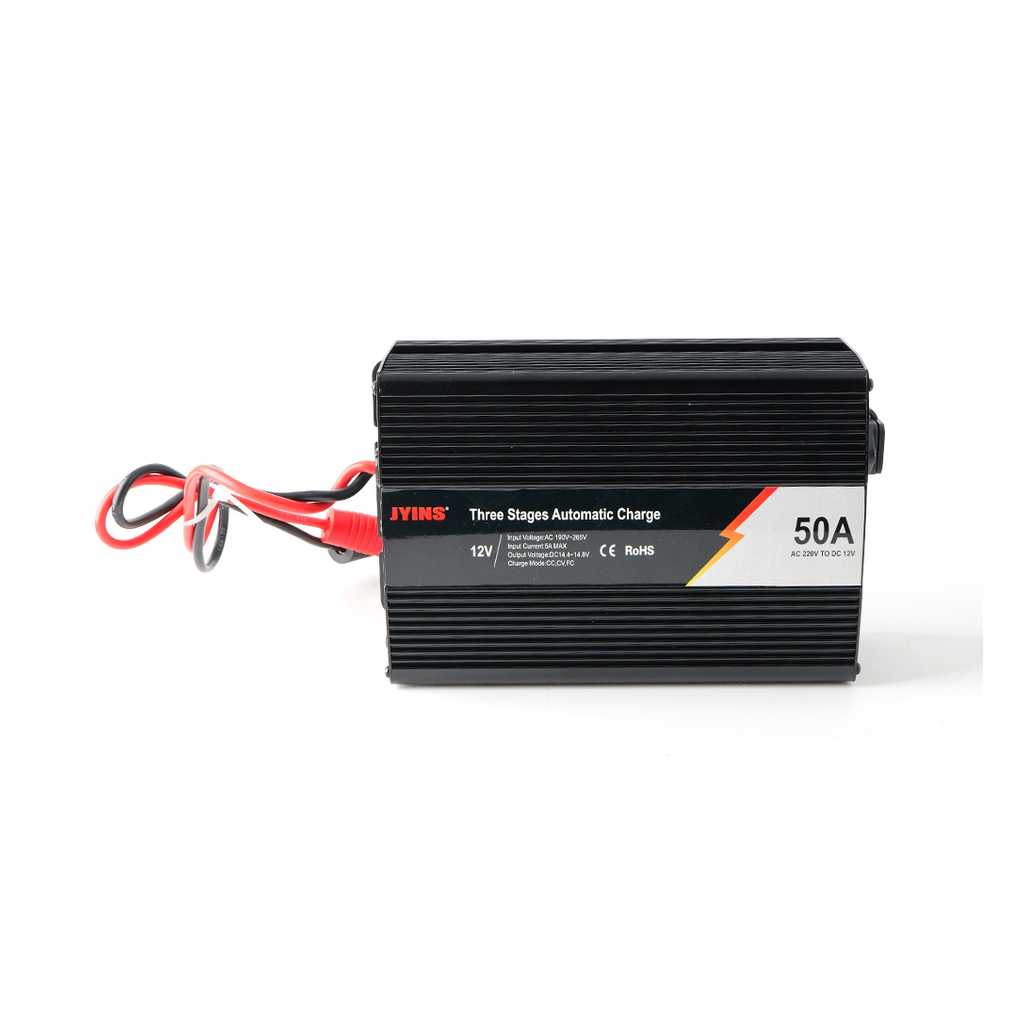
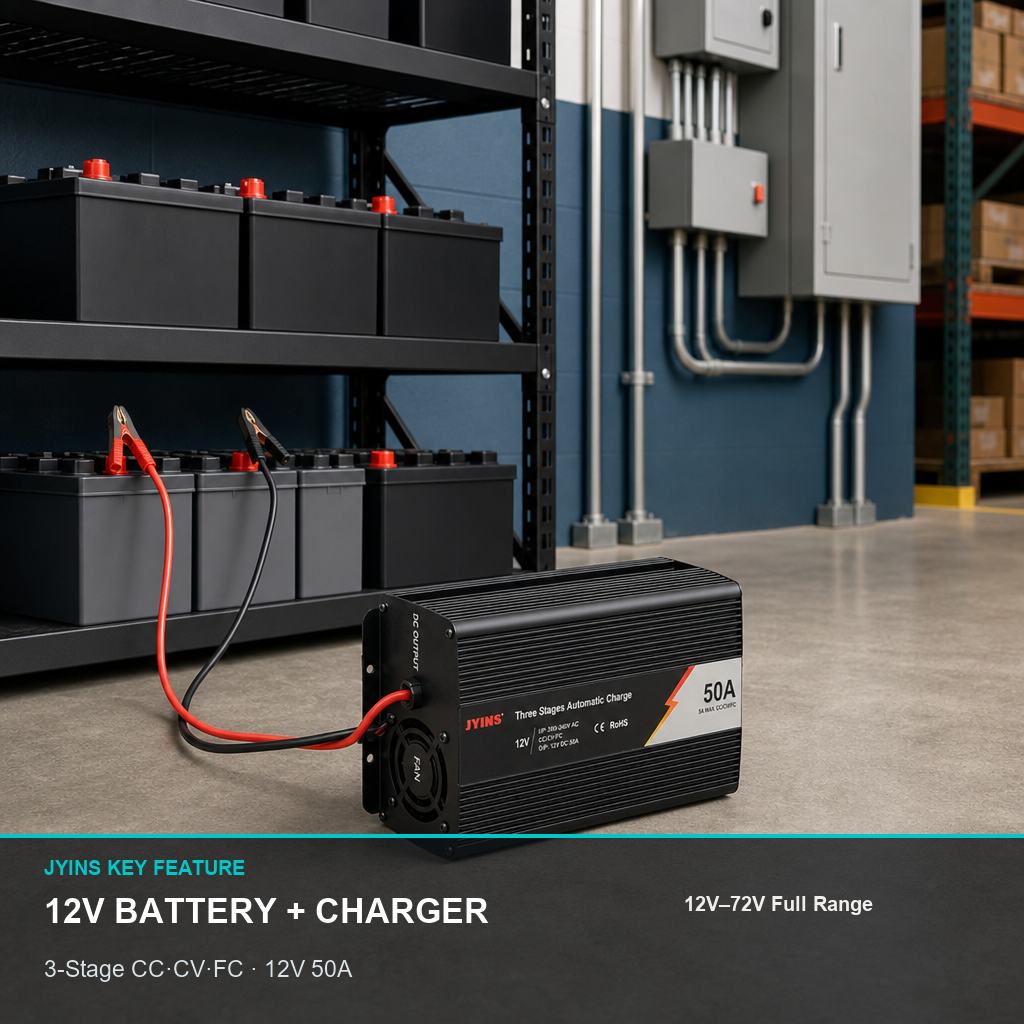
The 12 volt battery battery and charger play a crucial role in various applications, particularly in off-grid solar systems, automotive uses, and recreational vehicles. B2B buyers, such as purchasing managers and engineers, often have specific concerns regarding the quality control, battery specifications, and performance of these products. This article aims to provide a comprehensive guide to sourcing, comparing, and evaluating 12 volt batteries and chargers, equipping buyers with the knowledge needed to make informed decisions.




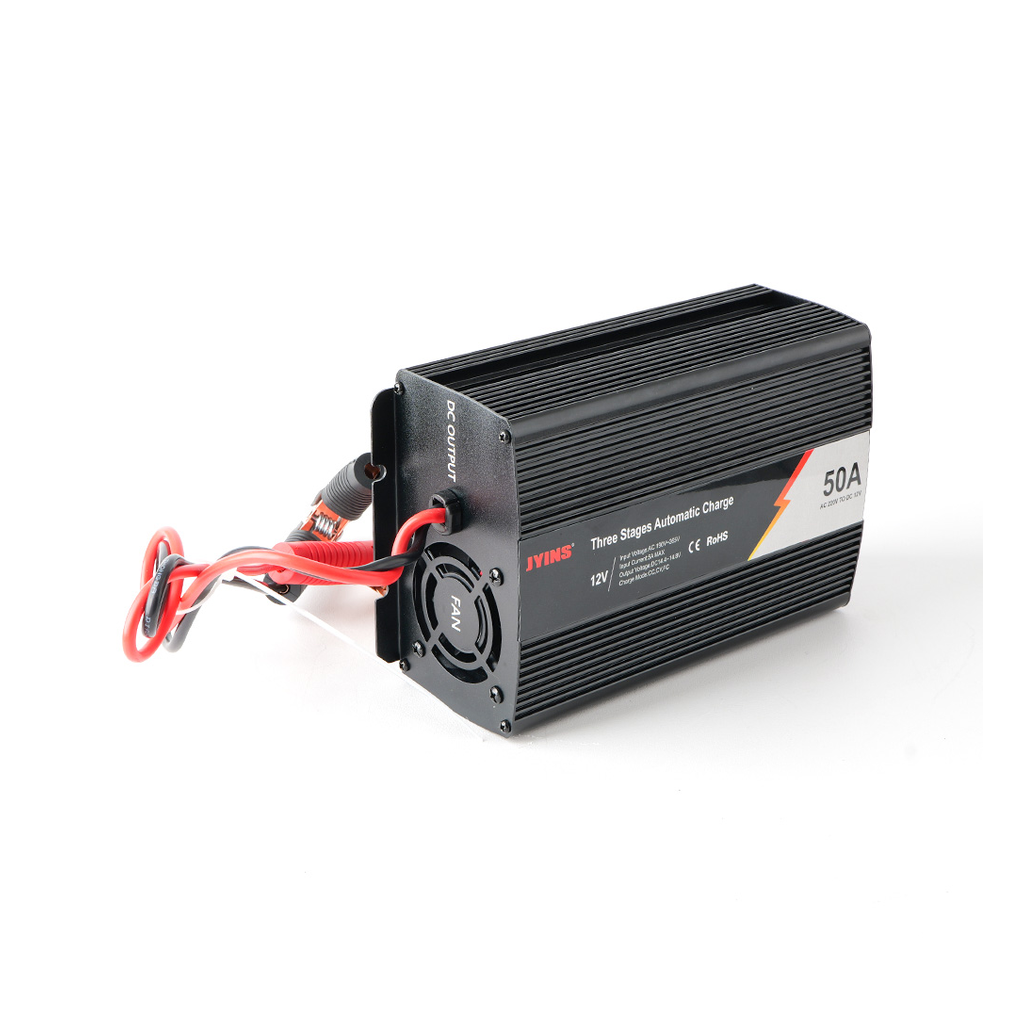
How to Compare Specifications of 12 Volt Batteries for Your Projects
When evaluating 12 volt vehicle battery charger, buyers should focus on several key battery specifications: capacity (measured in amp-hours), discharge rate, cycle life, and physical dimensions. Capacity: This defines how much energy the battery specifications can store and deliver over time. A higher amp-hour rating means longer usage between charges, which is critical for applications requiring extended power supply. Discharge Rate: This indicates how quickly the battery specifications can release its energy. It’s essential to match the discharge rate with the application’s demands to avoid performance issues. Cycle Life: This refers to the number of complete charge-discharge cycles a battery specifications can endure before its capacity significantly diminishes. For instance, lithium batteries generally offer a longer cycle life compared to lead-acid batteries, making them suitable for high-demand applications. Physical Dimensions: Compatibility with existing setups is crucial. Ensure that the battery specifications size fits the intended installation space, as improper dimensions can lead to installation challenges. Buyers should compile these battery specifications and compare them across different brands and models to identify the best fit for their projects.