EN


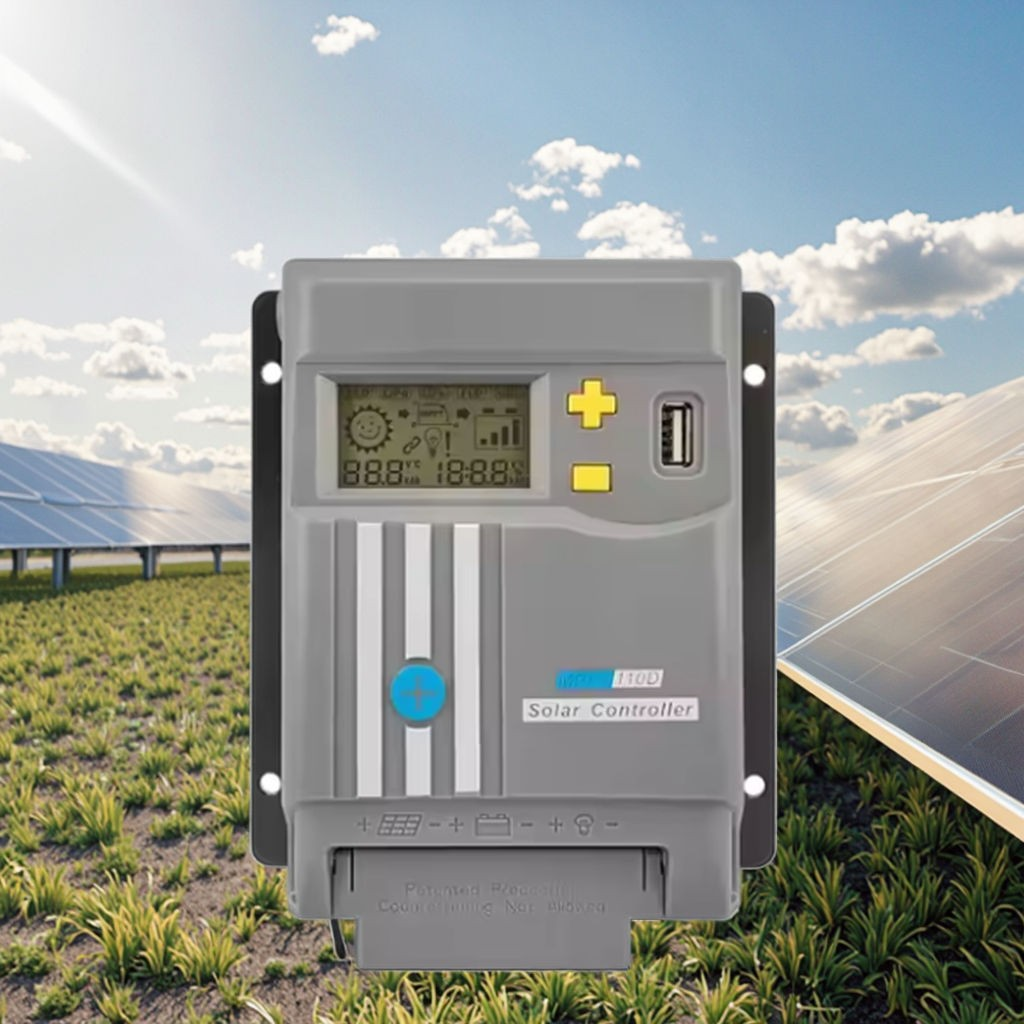
In the rapidly growing solar energy sector, an MPPT regulator, or Maximum Power Point Tracking regulator, plays a crucial role in optimizing the performance of solar power systems. For purchasing managers, engineers, and product managers, understanding the intricacies of MPPT regulators is essential to ensure they select the right components for their solar applications. This article will help you navigate the key features, quality evaluation, sourcing practices, specifications, and cost factors related to MPPT regulators, ensuring informed purchasing decisions.
How to Evaluate MPPT Regulator Quality for Wholesale Purchases
Quality evaluation is critical when considering wholesale purchases of MPPT regulators. Here are some practical steps to guide your assessment:
Certifications and Standards: Verify that the regulators comply with relevant international standards, such as ISO9001, which indicates adherence to quality management systems. Look for certifications specific to electrical safety and performance.
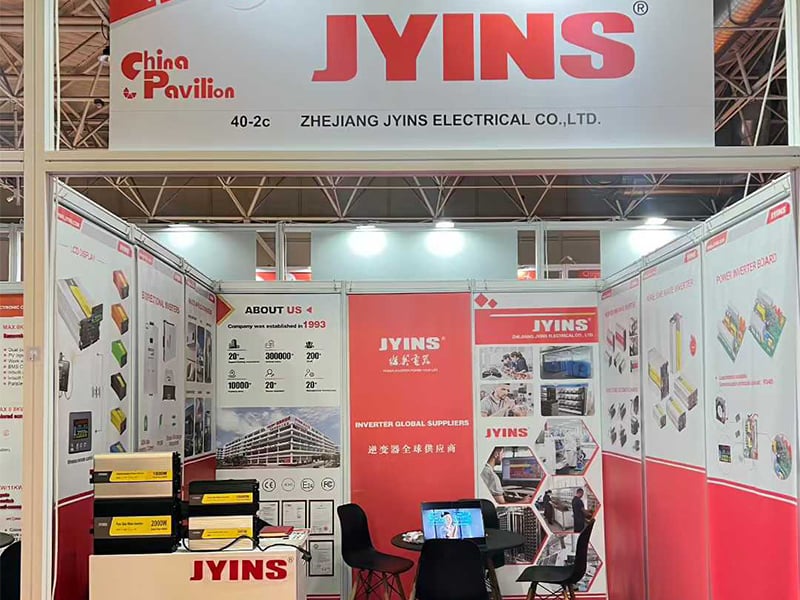
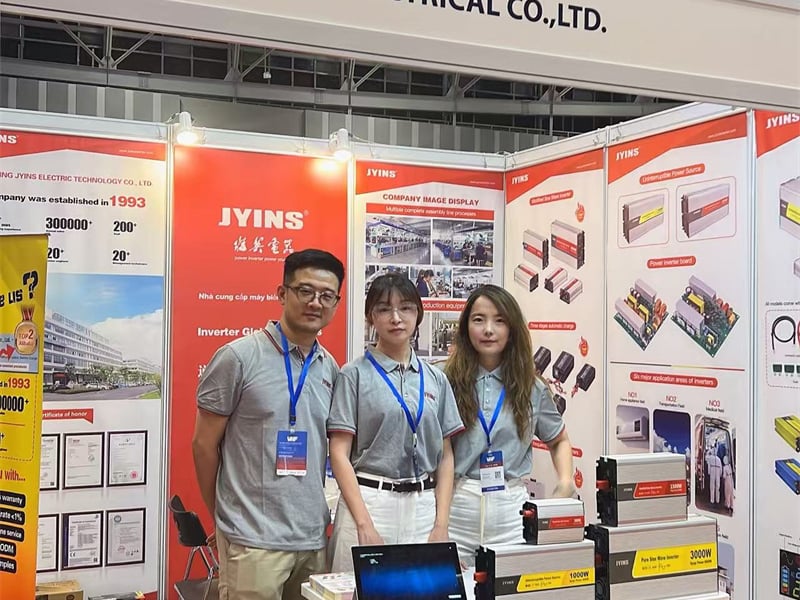
Supplier Reputation: Research the manufacturer’s history and reputation within the industry. Established manufacturers like Zhejiang Jyins Electrical Co., LTD often provide insights into their production capabilities and quality control processes.
Material and Build Quality: Inspect the materials used in the construction of the regulators. High-quality components, such as durable casings and reliable circuit boards, can significantly affect performance and longevity.
Testing Procedures: Inquire about the quality control processes in place. Effective manufacturers conduct rigorous testing, including environmental and operational stress tests, to ensure that their products meet performance specifications.
Customer Reviews and Feedback: Look for testimonials and case studies from other businesses that have used the regulators. Feedback from similar applications can provide valuable insights into the product's reliability and performance.
Sample Testing: Before committing to a large order, request samples to conduct your own tests. This will allow you to evaluate performance under actual operating conditions and confirm that it meets your specifications.
By following these evaluation steps, buyers can mitigate risks and ensure they procure high-quality MPPT regulators that will perform reliably over time.