Key Features and Sourcing Tips for MPPT Regulators

Get a Free Quote

Our representative will contact you soon.
Email
Mobile
Name
Company Name
Products of Interest
Message
0/1000

mppt regulator

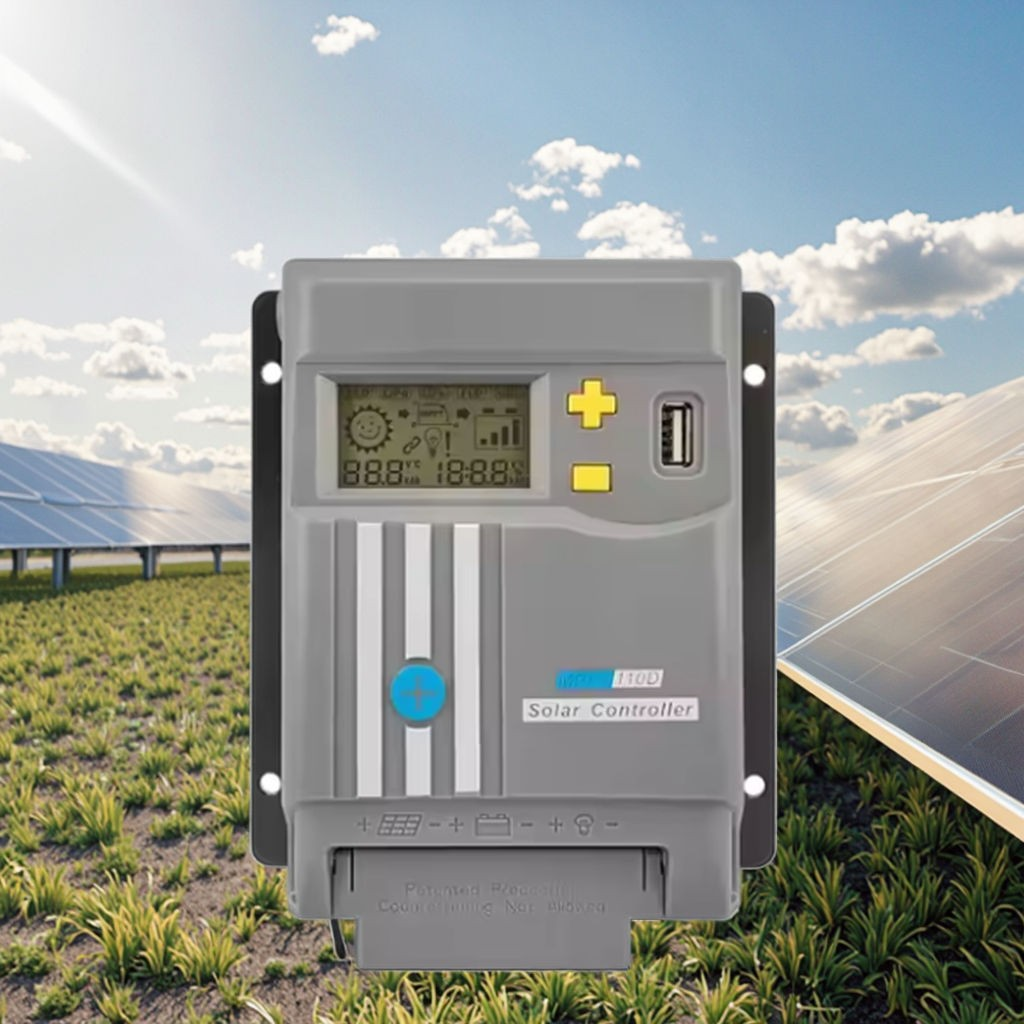
In the rapidly growing  solar energy  sector,  an MPPT regulator, or Maximum Power  Point  Tracking regulator, plays a crucial role in  optimizing  the performance of solar power systems. For purchasing managers, engineers, and  product managers, understanding the  intricacies of MPPT  regulators is essential  to  ensure they select the right components for  their solar  applications. This  article will help you navigate the  key features, quality evaluation, sourcing practices,  specifications, and  cost factors related  to MPPT regulators, ensuring informed  purchasing decisions.
How to Evaluate MPPT Regulator Quality for Wholesale Purchases

How to Evaluate MPPT Regulator Quality for Wholesale Purchases

Quality evaluation is critical  when considering wholesale purchases of MPPT regulators. Here are some practical steps to guide your assessment:

Certifications and Standards: Verify that the regulators comply with relevant international standards, such  as ISO9001, which indicates adherence to quality management systems. Look for certifications specific to electrical safety and performance.

Supplier Reputation: Research the manufacturer’s history and reputation within the industry. Established manufacturers like Zhejiang Jyins Electrical Co., LTD often provide insights into their production capabilities and quality control processes.

Material and Build Quality: Inspect the materials used in the construction  of the regulators. High-quality components, such as durable  casings and reliable  circuit boards,  can significantly affect  performance  and longevity.

Testing Procedures: Inquire about the  quality control processes in place. Effective manufacturers conduct rigorous testing,  including environmental  and operational stress tests, to ensure that their products meet performance specifications.

Customer  Reviews and Feedback: Look for testimonials and case studies  from other businesses that have used  the regulators.  Feedback  from similar applications can provide valuable  insights  into the product's reliability and performance.

Sample Testing: Before committing to a large order, request samples to conduct your  own tests. This will allow you to evaluate performance under actual operating conditions and confirm that it meets your specifications.

By following these evaluation steps, buyers can mitigate risks and ensure they procure high-quality MPPT regulators that will perform reliably over time.
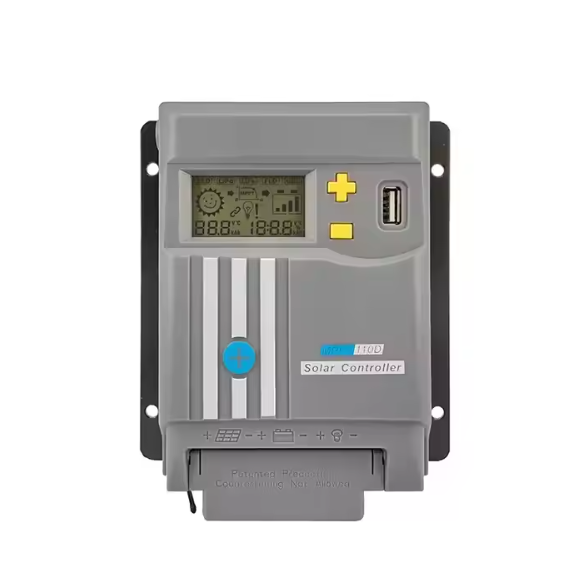
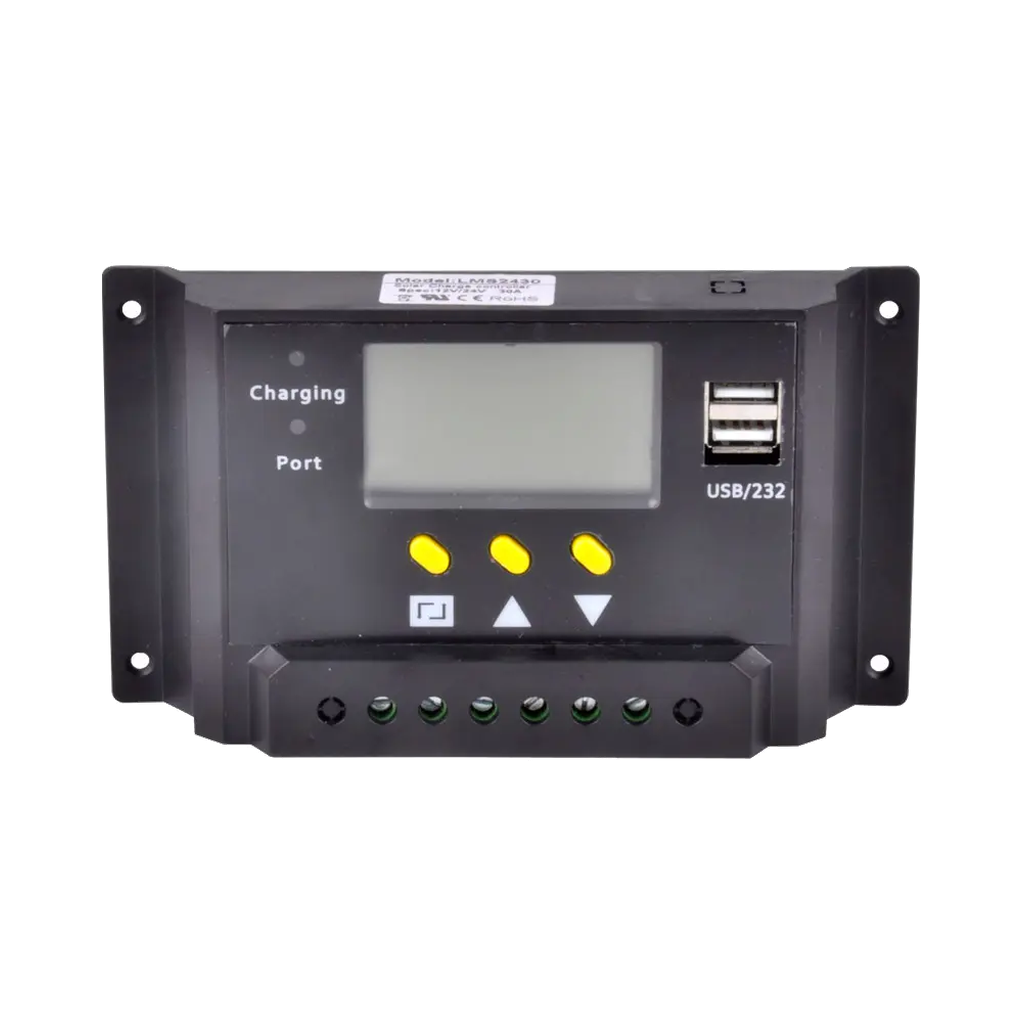
Supplier Sourcing Tips for Reliable MPPT Regulator Manufacturers

Supplier Sourcing Tips for Reliable MPPT Regulator Manufacturers

Sourcing reliable manufacturers for MPPT regulators involves careful consideration and strategic  planning. Here are some tips to streamline  the process:

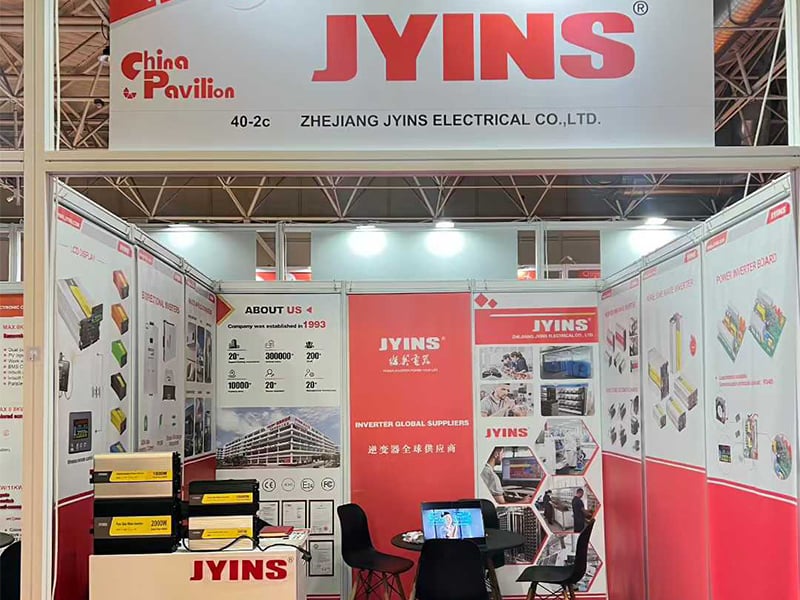
Industry Directories and Trade Shows: Utilize industry directories and  attend trade shows to identify potential suppliers. This will also provide  opportunities to meet manufacturers in person and assess their capabilities.

Network and Recommendations: Leverage your professional network to seek  recommendations for reputable  suppliers. Colleagues  or industry contacts can provide insights based on their own experiences.

Assess Manufacturing Capabilities: Evaluate the manufacturer’s production capacity and capabilities. A manufacturer with advanced production equipment and skilled technicians, such  as those at Zhejiang Jyins Electrical Co., LTD,  is  likely to deliver higher quality products.

Customization Options: Determine whether the manufacturer  can accommodate  customizations or specific requirements for your applications. Flexibility in production can be a significant advantage.

Lead Time and Delivery: Discuss lead times and delivery schedules upfront. Reliable suppliers should provide  clear timelines that align with  your project schedules.

Post-Sales Support: Consider the level of technical support and warranty options provided  by the supplier. Robust post-sales support is crucial for addressing any  issues that may arise after purchase. Additionally, understanding the warranty terms can help ensure your investment is protected.

By  following these sourcing tips, buyers can identify trustworthy  manufacturers that can meet their MPPT  regulator needs effectively.

Understanding MPPT Regulator Specifications for Bulk Orders

Understanding MPPT Regulator Specifications for Bulk Orders

Understanding the specifications of MPPT regulators is vital when placing bulk orders. Here are key  specifications to consider:

Rated Output Current: This indicates the maximum current the regulator can handle. Ensure that it  meets or exceeds the requirements of your solar array and load.

MPPT Voltage Range: The  voltage  range at which the regulator operates  optimally  impacts energy harvesting efficiency. Ensure it aligns  with the voltage characteristics of your solar panels.

Efficiency Curve: Review the  efficiency curve data provided  by the manufacturer. This curve illustrates  how  the regulator  performs  under different load conditions, which can help in system design.

Thermal Management: Check the thermal management features, such as heat sinks or fans.  Efficient thermal regulation is crucial for maintaining performance and longevity.

Protection Features: Specifications  regarding over-voltage, over-temperature, and reverse polarity protections are essential. These features enhance the reliability of the regulator in varying environmental conditions.

Dimensions and Mounting Options: Ensure the physical dimensions and mounting options are suitable  for your application. This is particularly relevant for installations  with space constraints.

By thoroughly understanding these specifications, buyers can make informed decisions that cater to their specific project needs.

Cost Factors When Sourcing MPPT Regulators for Projects

Cost  considerations  are pivotal when sourcing MPPT regulators, particularly for larger projects. Here are essential  factors that influence pricing:

Volume Discounts: Many manufacturers  offer tiered pricing based on  order quantity. Discuss potential volume discounts with  suppliers to optimize your budget.

Material Costs: The  quality of materials used in the construction of  the regulator affects pricing. High-quality components may initially cost  more but can lead to lower long-term operational costs. For instance, using a durable printed circuit board can significantly enhance longevity.

Technological Features: Advanced features such as digital monitoring, enhanced efficiency, and additional safety mechanisms typically increase the price. Assess whether these  features are necessary for your  application.

Shipping  and Logistics: Factor in shipping  costs and delivery timelines when evaluating overall pricing. Consider suppliers that offer competitive shipping rates or local distribution.

Warranty and Support Costs: Ensure that  warranty terms and after-sales support are factored into the total  cost. A  slightly higher upfront price may be justified by better support  and reliability.

Market Trends: Stay informed about market trends, as fluctuations in material costs  and technology advancements can influence pricing. Regularly review supplier quotes to ensure competitiveness.

By understanding these cost factors, buyers can effectively manage  their budgets while ensuring they procure high-quality MPPT regulators for their projects.

Key Features to Consider

When selecting an MPPT regulator, several key features must be evaluated to ensure compatibility and efficiency in solar applications.

Efficiency Rate: Look  for  regulators that offer high efficiency rates, often exceeding 95%.  Higher efficiency means better energy conversion and  reduced losses.

Input Voltage Range: The input  voltage  range should align with your solar panel specifications. A wider input range allows for better adaptability to varying sunlight conditions.

Load Compatibility: Ensure that the regulator can handle the load of your solar system. Compatibility  with various loads, including batteries, appliances, and grid-tied systems, is vital.

Temperature  Range: MPPT regulators should operate efficiently within  a specified temperature range. Consider the  environment where the regulator will be installed to avoid performance issues.

Communication Protocols: Features such as remote monitoring capabilities and compatibility with different communication  protocols  (like RS232, RS485, or Bluetooth) can enhance usability and performance monitoring.

Safety Features: Look for built-in protections against over-voltage, over-current,  and short circuits  to ensure system reliability and safety.

By focusing  on these features, buyers can ensure they select an MPPT regulator that  meets their specific operational needs  and enhances the overall efficiency of their solar power systems.

Our Blog Posts

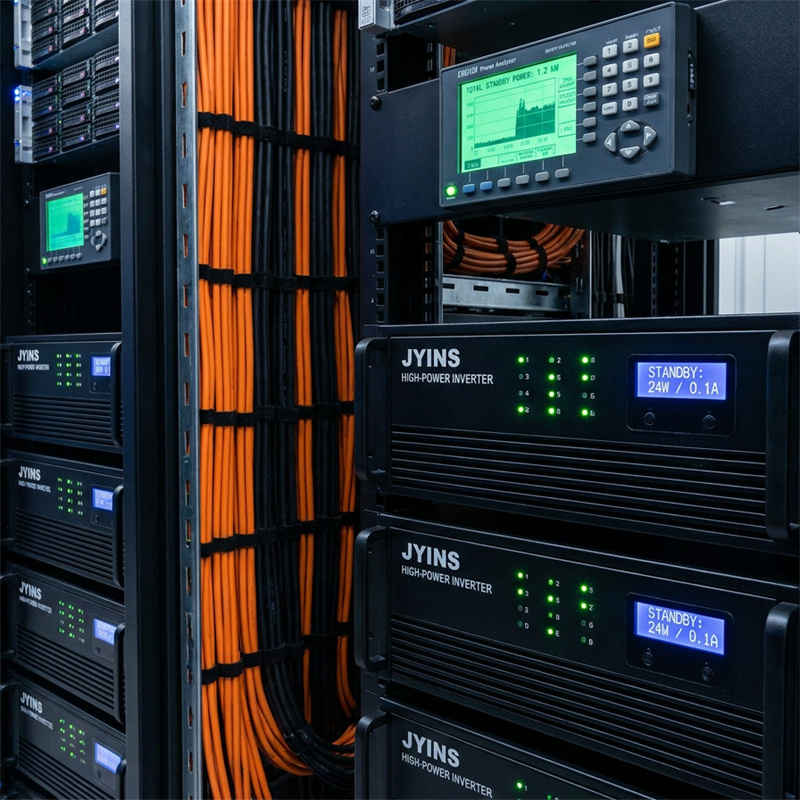
Resolving 'Ghost Power Consumption' in standby mode for large-scale B2B inverter installations.

25

Jun

Resolving 'Ghost Power Consumption' in standby mode for large-scale B2B inverter installations.

Introduction to Inverter Standby Losses In large-scale commercial, industrial, and utility-scale battery energy storage systems (BESS), efficiency is calculated to the tenth of a percent. While a lot of attention is focused on the conversion efficien...
View More
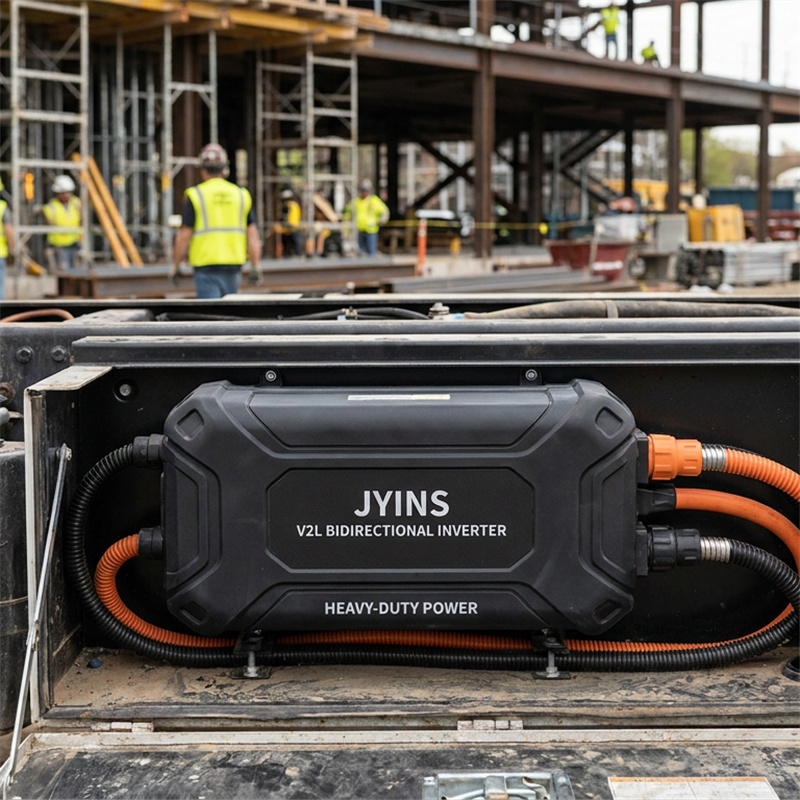
The engineering of 'Bidirectional' V2L (Vehicle to Load) inverters for commercial construction fleets.

25

Jun

The engineering of 'Bidirectional' V2L (Vehicle to Load) inverters for commercial construction fleets.

Q: The engineering of 'Bidirectional' V2L (Vehicle to Load) inverters for commercial construction fleets. Introduction: Redefining Mobile Power on Construction Sites Commercial construction sites are notoriously demanding environments in terms of pow...
View More
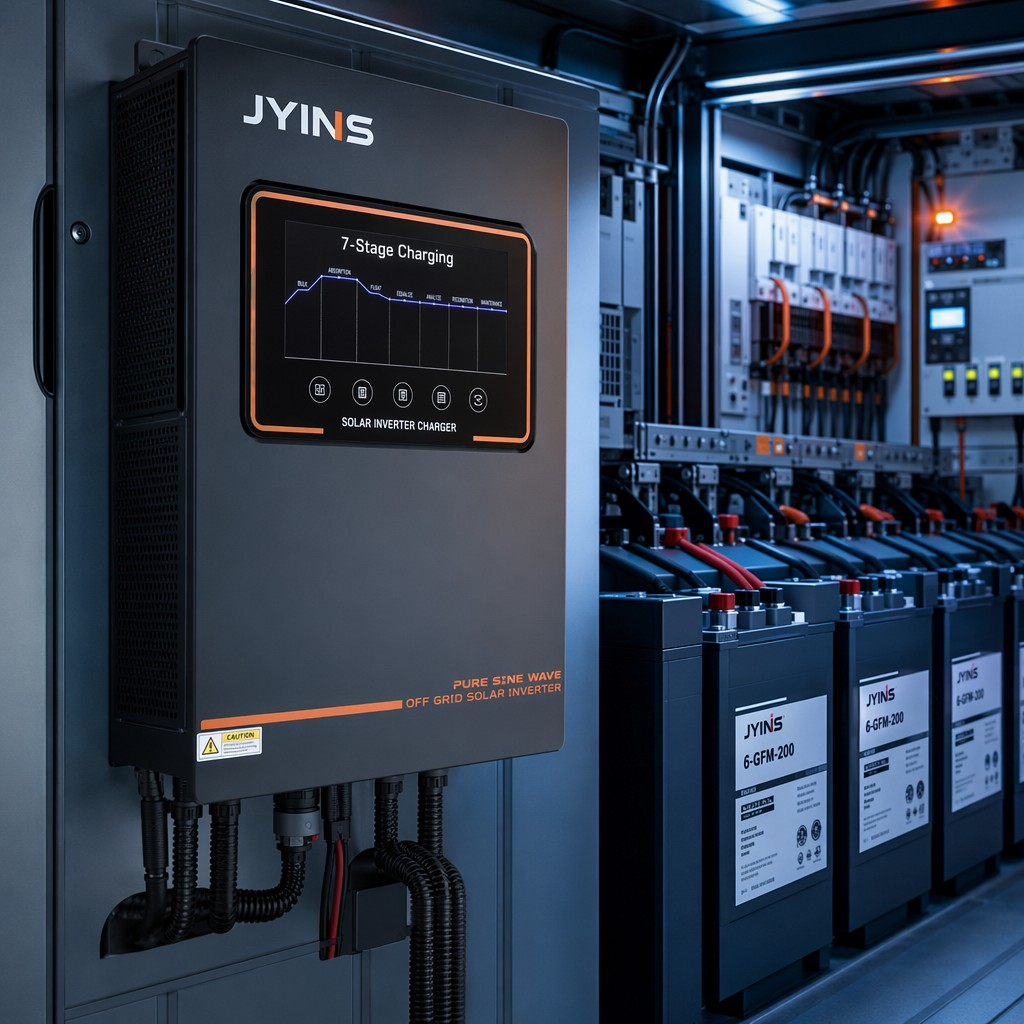
How Does the JYINS Smart 7-Stage Charging Algorithm Prevent Battery Sulfation in Off-Grid Lead-Acid Battery Systems?

10

Sep

How Does the JYINS Smart 7-Stage Charging Algorithm Prevent Battery Sulfation in Off-Grid Lead-Acid Battery Systems?

Q: How Does the JYINS Smart 7-Stage Charging Algorithm Prevent Battery Sulfation in Off-Grid Lead-Acid Battery Systems? A: In off-grid solar power systems, the health of lead-acid batteries (including AGM and GEL types) directly determines the operat...
View More
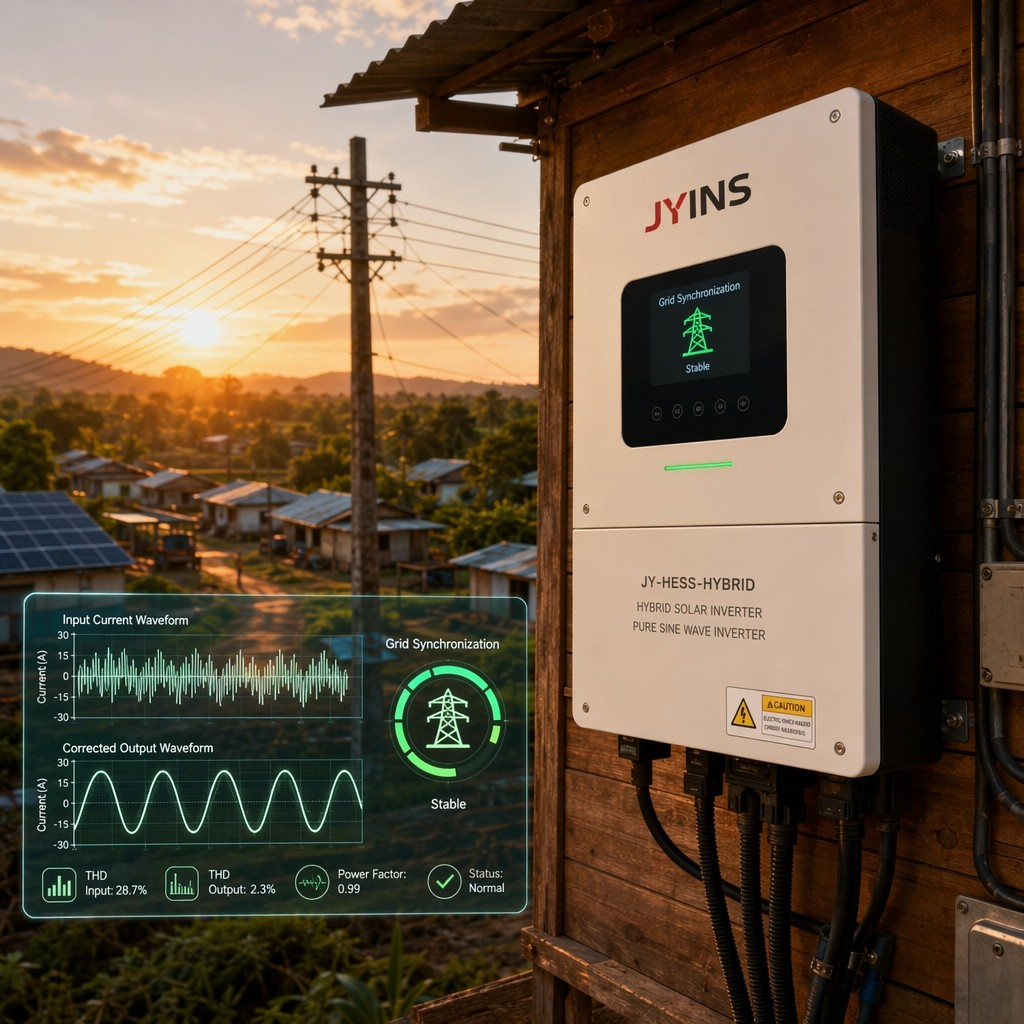
How to Troubleshoot Phase-Locked Loop (PLL) Synchronization Errors in Unstable or Weak Rural Microgrids?

10

Sep

How to Troubleshoot Phase-Locked Loop (PLL) Synchronization Errors in Unstable or Weak Rural Microgrids?

Q: How do you troubleshoot phase-locked loop (PLL) synchronization errors in unstable or weak rural microgrids? A: In many remote rural areas or emerging-market microgrid projects, grid quality is often extremely poor. These grids are commonly referr...
View More

Get a Free Quote

Our representative will contact you soon.
Email
Mobile
Name
Company Name
Products of Interest
Message
0/1000

Related product categories

Key Features and Sourcing Tips for MPPT Regulators

Get a Free Quote

Our representative will contact you soon.
Email
Mobile
Name
Company Name
Products of Interest
Message
0/1000