Selecting the Right 40A MPPT Regulator for Projects

Get a Free Quote

Our representative will contact you soon.
Email
Mobile
Name
Company Name
Products of Interest
Message
0/1000

regulator mppt 40a

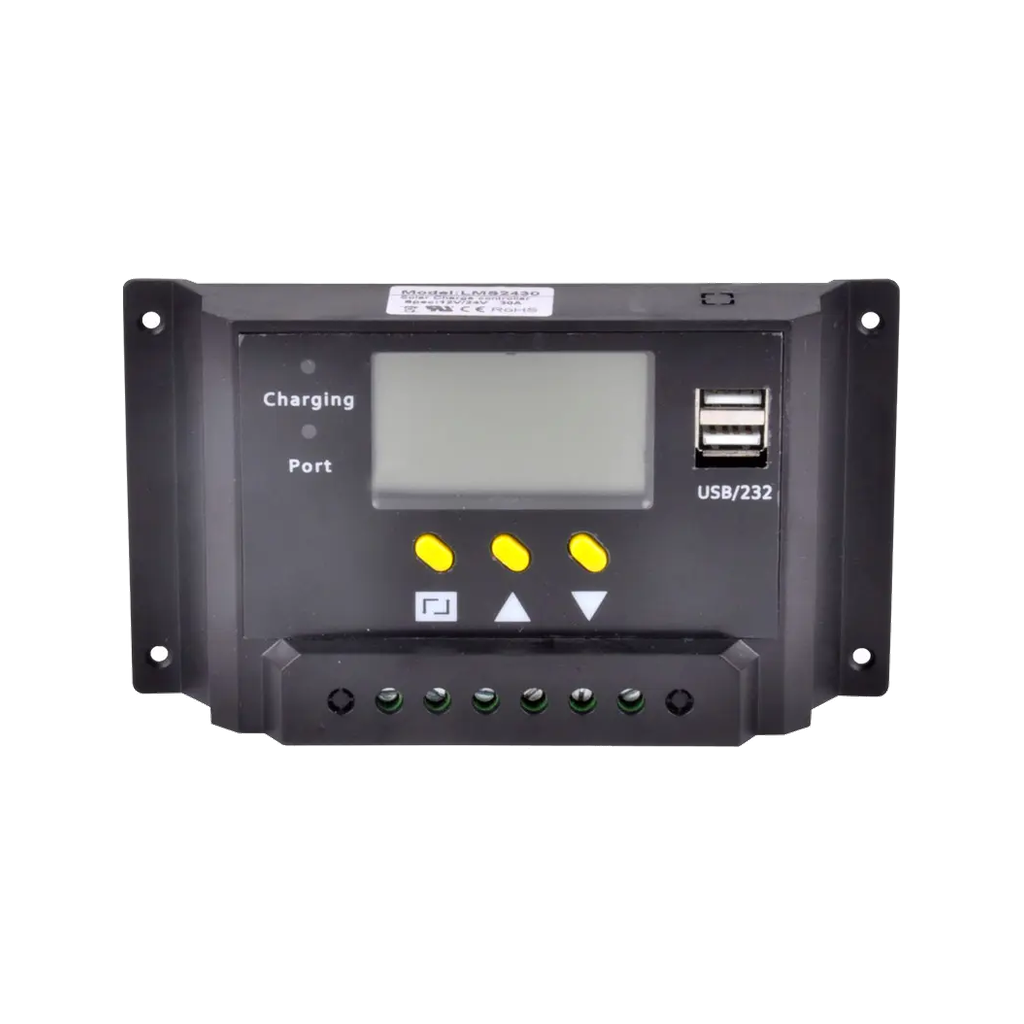
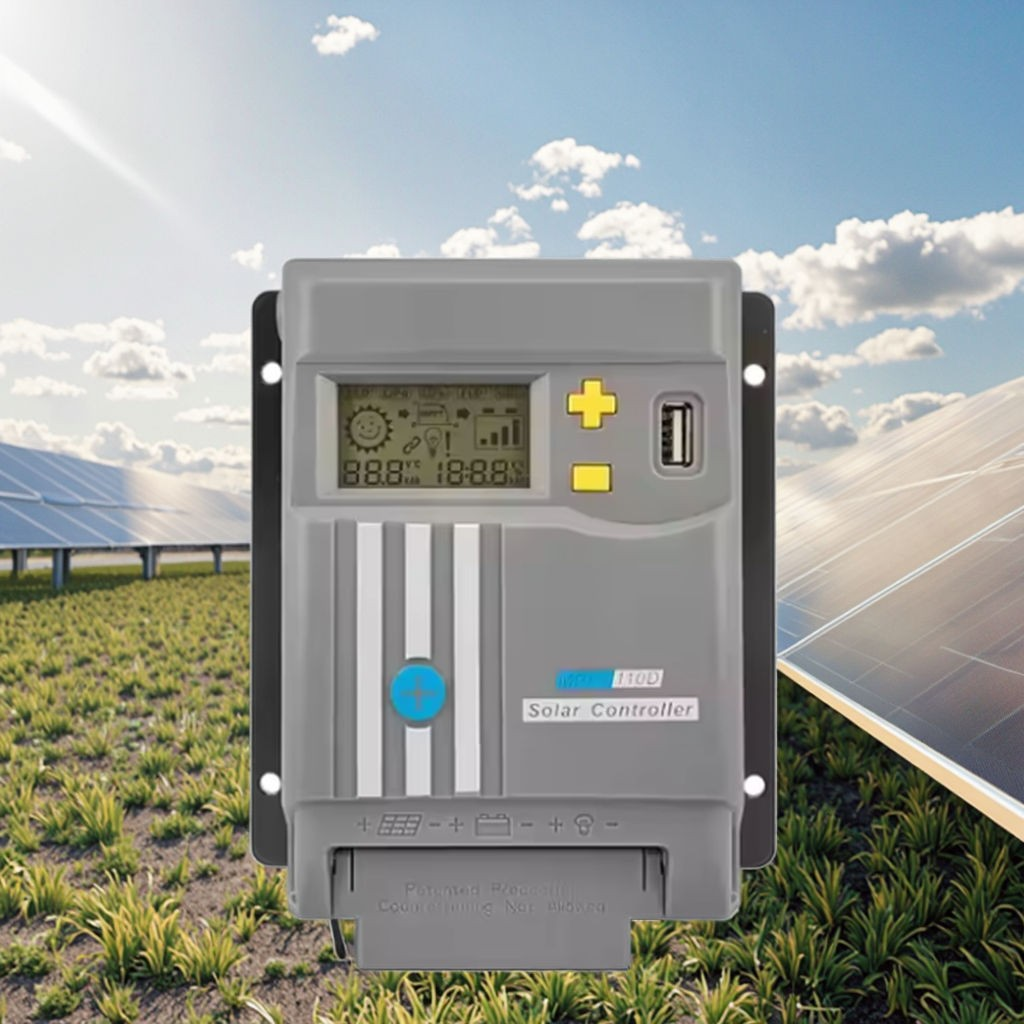
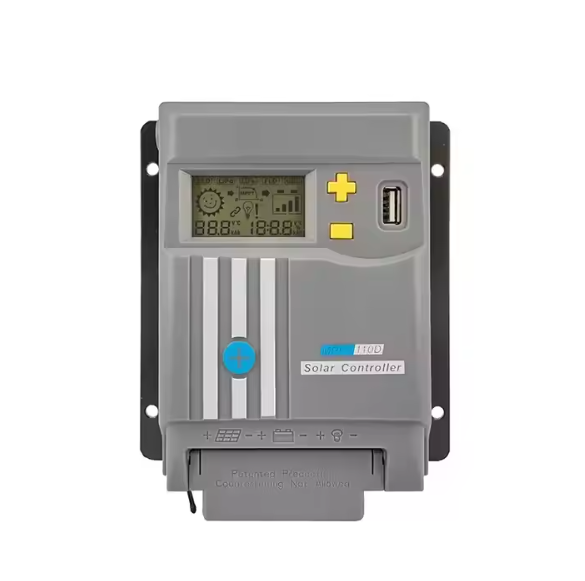
Selecting the right regulator MPPT 40A  is crucial for ensuring efficient energy management in solar power systems. As a purchasing manager,  distributor, or engineer,  understanding the specifications, quality  indicators,  and  application  suitability of  these regulators  can significantly  influence  project outcomes. This article will  guide you  through essential considerations when selecting a 40A MPPT  regulator,  helping  you  make informed purchasing  decisions that align  with  your project requirements.
How to Evaluate Quality in Wholesale 40A MPPT Regulators

How to Evaluate Quality in Wholesale 40A MPPT Regulators

Quality evaluation  of wholesale  40A MPPT regulators involves checking several  key  aspects. Start with the materials used in  construction. High-quality regulators  are typically made from durable components that ensure longevity and reliable performance. Look for certifications that reflect adherence to international standards, as these can indicate a  commitment  to quality assurance.

Next,  assess the  manufacturing process. Understanding whether  the manufacturer employs automated machinery and rigorous quality  control processes can provide insight into the  consistency of their products. For example, Zhejiang Jyins Electrical Co., LTD utilizes advanced  production equipment and follows strict quality control measures to minimize defects and ensure product reliability.

Conducting a thorough inspection of sample units before placing bulk orders is also advisable. This includes testing  the regulators under actual  operating conditions to verify  performance claims. Evaluate the packaging as well, as proper packaging protects the product during transit and storage. Be sure to confirm  the minimum order quantities (MOQ) and lead times to  align with your  project schedule.
Common Installation Problems with MPPT Regulators and Solutions

Common Installation Problems with MPPT Regulators and Solutions

Installing a regulator MPPT 40A can lead to various challenges that may  impede  performance. One  common problem is improper  wiring, which can cause communication errors between  the regulator and the solar panels. To avoid this, ensure that all  connections  are secure and follow the manufacturer’s wiring diagrams closely.

Another issue is insufficient ventilation, which can lead to overheating. Select a  location for installation that allows  for adequate airflow around the regulator.  If space is limited,  consider using external fans  or  heat sinks  to dissipate heat more effectively.

Compatibility problems may arise when the regulator's specifications  do not match the solar panels  or batteries. Verify  that the maximum input voltage and current ratings align with your system’s requirements. If you experience unexpected fluctuations  in performance, check  for firmware updates from the manufacturer, as these can enhance functionality and reliability.

Choosing the Right 40A MPPT Regulator for Different Applications

Choosing the Right 40A MPPT Regulator for Different Applications

Different applications may  require  unique features in a  40A  MPPT regulator. For residential solar  systems, look for models that offer user-friendly interfaces and remote monitoring capabilities. These features allow homeowners to track energy production and consumption easily, enhancing the overall user experience.

In contrast, industrial applications may benefit from regulators  with advanced safety features and higher  efficiency  ratings. For instance, systems with battery storage capabilities require regulators that can manage both charging and discharging effectively. Ensure the  regulator can handle the depth  of discharge and charge cycles typical  for industrial applications. A Battery Charger may also be necessary for maintaining optimal battery health.

Marine and mobile applications  often require regulators that are both lightweight and resistant  to  environmental factors such as saltwater and  humidity.  Choose models with enclosures  rated for  outdoor use and that comply with relevant marine safety  standards.

Comparing Features of Leading 40A MPPT Regulator Models for Contractors

When comparing 40A MPPT regulator  models, focus on features that align with your specific needs.  Key  aspects to compare include:

Efficiency Ratings: Evaluate the efficiency  of each model under various load conditions. Higher efficiency  leads to better energy conversion and reduced losses.

Input  Voltage Range: Ensure the regulator can  accommodate the specific voltage output of your solar panels, especially for systems that may expand in the future.

Safety Features: Look for  models with built-in protections against overloading, overcharging, and temperature  extremes.  This is particularly important for systems exposed to variable weather conditions.

User Interface: A model with an easy-to-navigate interface can save time during installation and troubleshooting. Consider whether the device offers  digital displays, mobile apps, or remote  monitoring options.

Warranty and Support: Assess the manufacturer’s warranty and support services. A robust warranty can provide  peace of  mind and support in  case of defects or failures.

Zhejiang Jyins Electrical Co., LTD offers  a range  of 40A MPPT regulators designed  to meet these  criteria, with a focus on quality and performance that reflects their extensive experience in the solar industry.

By carefully considering  these factors, B2B buyers can select the most suitable regulator MPPT 40A for their specific applications, ensuring optimal performance and reliability in their solar energy systems.

What to Consider When Selecting a 40A MPPT Regulator for Your Projects

When selecting a regulator MPPT 40A, consider factors such as input voltage range, maximum output current,  efficiency ratings, and integrated safety  features.  The input voltage range is critical as it determines compatibility with  your solar panel setup. Ensure the regulator can handle the maximum voltage produced by  the panels under peak sunlight conditions.

Efficiency ratings  indicate how  well the regulator converts solar energy into usable  power. A higher efficiency rating translates to  less energy loss during the conversion process. Look for regulators with  efficiency ratings above 95%, as these will optimize the performance of your  solar energy system. Additionally, consider using a Solar Inverter to enhance the overall efficiency of your solar setup.

Safety features like over-voltage protection, short circuit protection, and  temperature  regulation  are essential to safeguard both  the regulator and connected components. Additionally, consider the operational environment, as some regulators may be better suited for extreme temperatures  or humid conditions.

Lastly,  assess the manufacturer's reputation  and support services. A reliable manufacturer like Zhejiang Jyins Electrical Co., LTD, known for its adherence to ISO9000 standards, can provide the  assurance needed for long-term projects.

Our Blog Posts

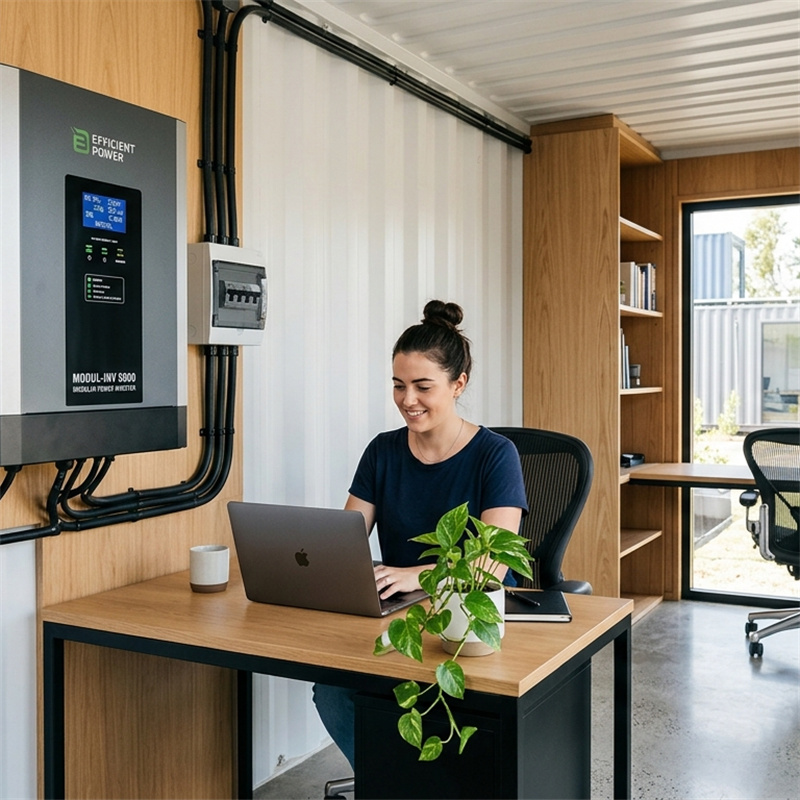
Selecting Inverters for 'Modular Container Offices': Space management and thermal integration.

24

Jun

Selecting Inverters for 'Modular Container Offices': Space management and thermal integration.

The Rise of Solar-Powered Modular Container Offices Modular shipping container offices, portable clinics, mobile classrooms, and remote housing units have become essential assets in modern industries, including mining, infrastructure construction, di...
View More
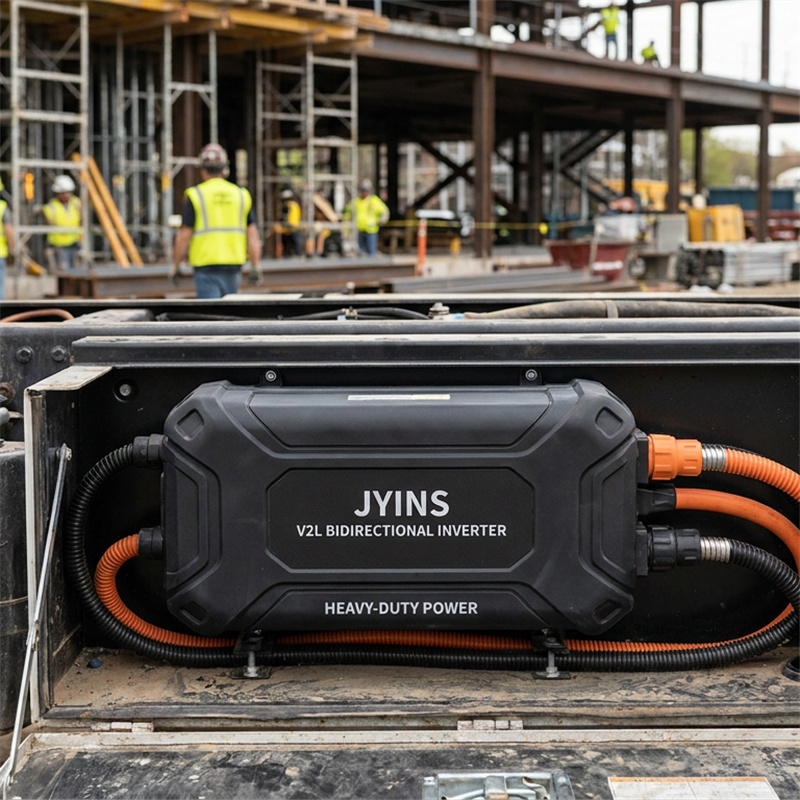
The engineering of 'Bidirectional' V2L (Vehicle to Load) inverters for commercial construction fleets.

25

Jun

The engineering of 'Bidirectional' V2L (Vehicle to Load) inverters for commercial construction fleets.

Q: The engineering of 'Bidirectional' V2L (Vehicle to Load) inverters for commercial construction fleets. Introduction: Redefining Mobile Power on Construction Sites Commercial construction sites are notoriously demanding environments in terms of pow...
View More
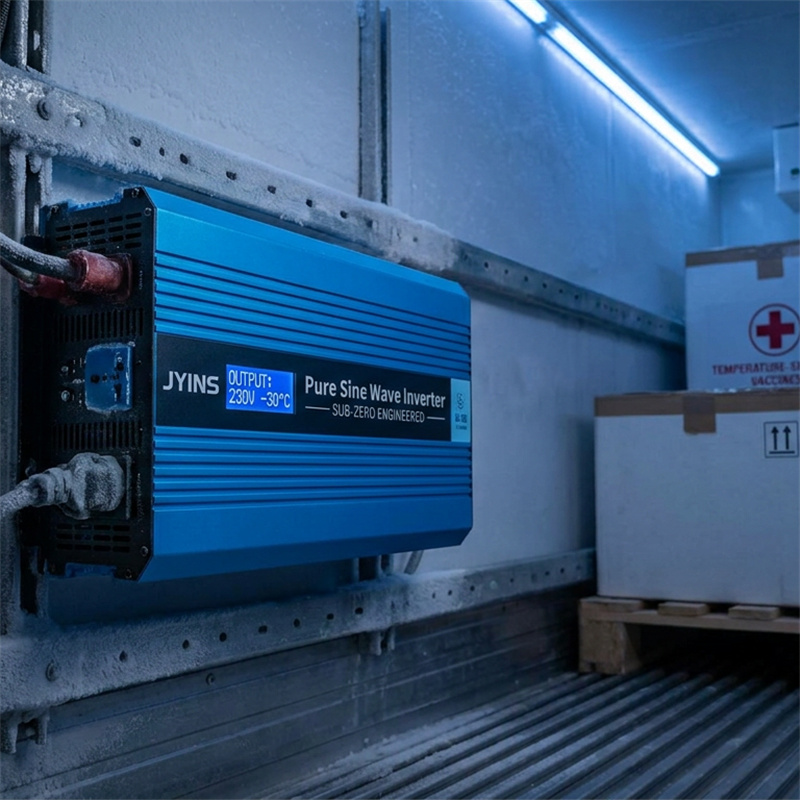
Selecting Power Conversion for Cold Chain Logistics: Ensuring reliability at -20°C.

25

Jun

Selecting Power Conversion for Cold Chain Logistics: Ensuring reliability at -20°C.

Q: Selecting Power Conversion for Cold Chain Logistics: Ensuring reliability at -20°C. Introduction: The Critical Nature of Cold Chain Integrity Cold chain logistics is a highly specialized sector of the transport and supply chain industry. It is...
View More
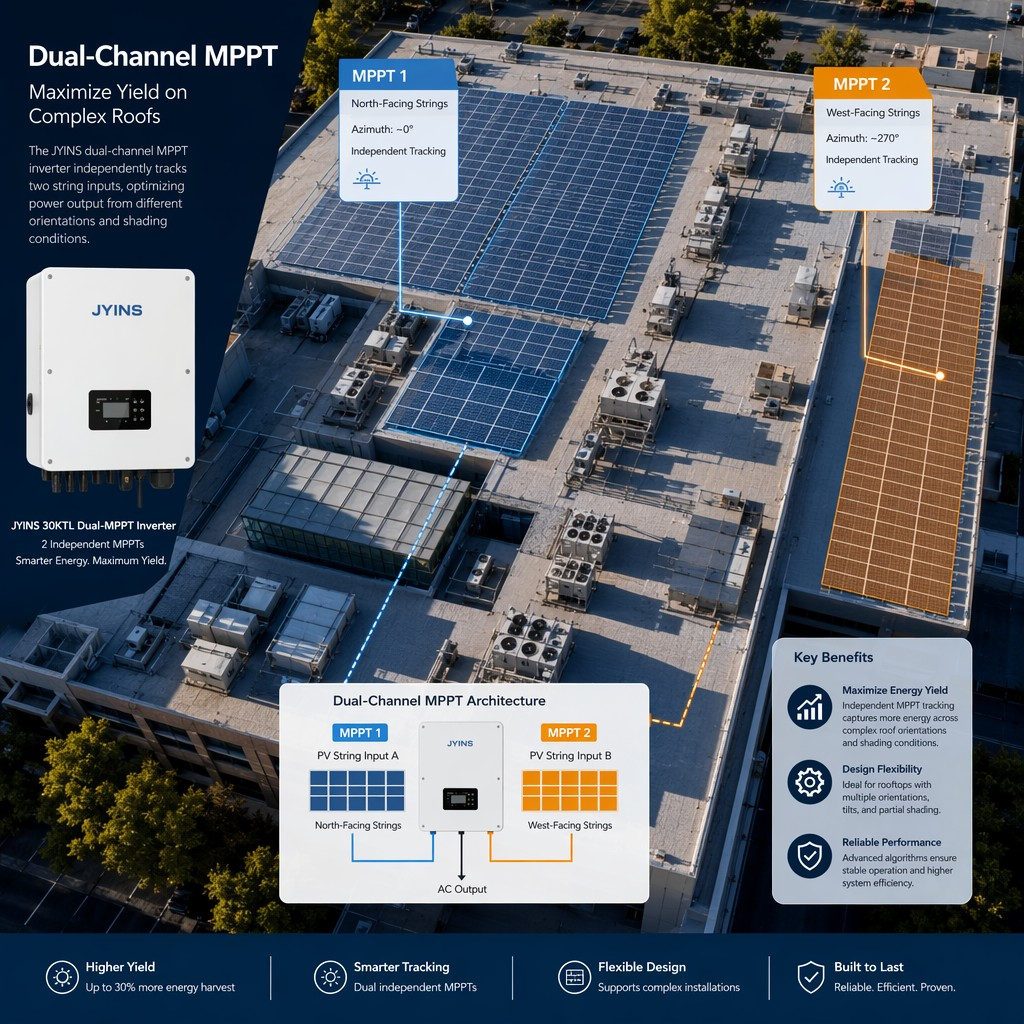
Procurement Director's Guide: How Dual-Channel MPPT Inverters Optimize Energy Yield Under Complex Commercial Roof Shading

10

Sep

Procurement Director's Guide: How Dual-Channel MPPT Inverters Optimize Energy Yield Under Complex Commercial Roof Shading

Q: Procurement Director's Guide: How Do Dual-Channel MPPT Inverters Optimize Energy Yield Under Complex Commercial Roof Shading? A: In the return on investment (ROI) calculation of B2B commercial PV projects, energy yield is the most critical variabl...
View More

Get a Free Quote

Our representative will contact you soon.
Email
Mobile
Name
Company Name
Products of Interest
Message
0/1000

Related product categories

Selecting the Right 40A MPPT Regulator for Projects

Get a Free Quote

Our representative will contact you soon.
Email
Mobile
Name
Company Name
Products of Interest
Message
0/1000