EN


Solar panel generators are increasingly becoming an essential component for businesses looking to harness renewable energy, reduce operational costs, and enhance sustainability. As a purchasing manager or distributor, understanding the intricacies of solar panel generators including their specifications, supplier reliability, and common applications will help you make informed decisions. This solar panel generators article aims to guide you through the vital aspects of solar panel generators, ensuring you can choose the right solutions for your projects.



Key Specifications for High-Quality Solar Panel Generators
When evaluating solar panel generators, specific technical specifications are critical to ensure optimal performance and suitability for your applications:
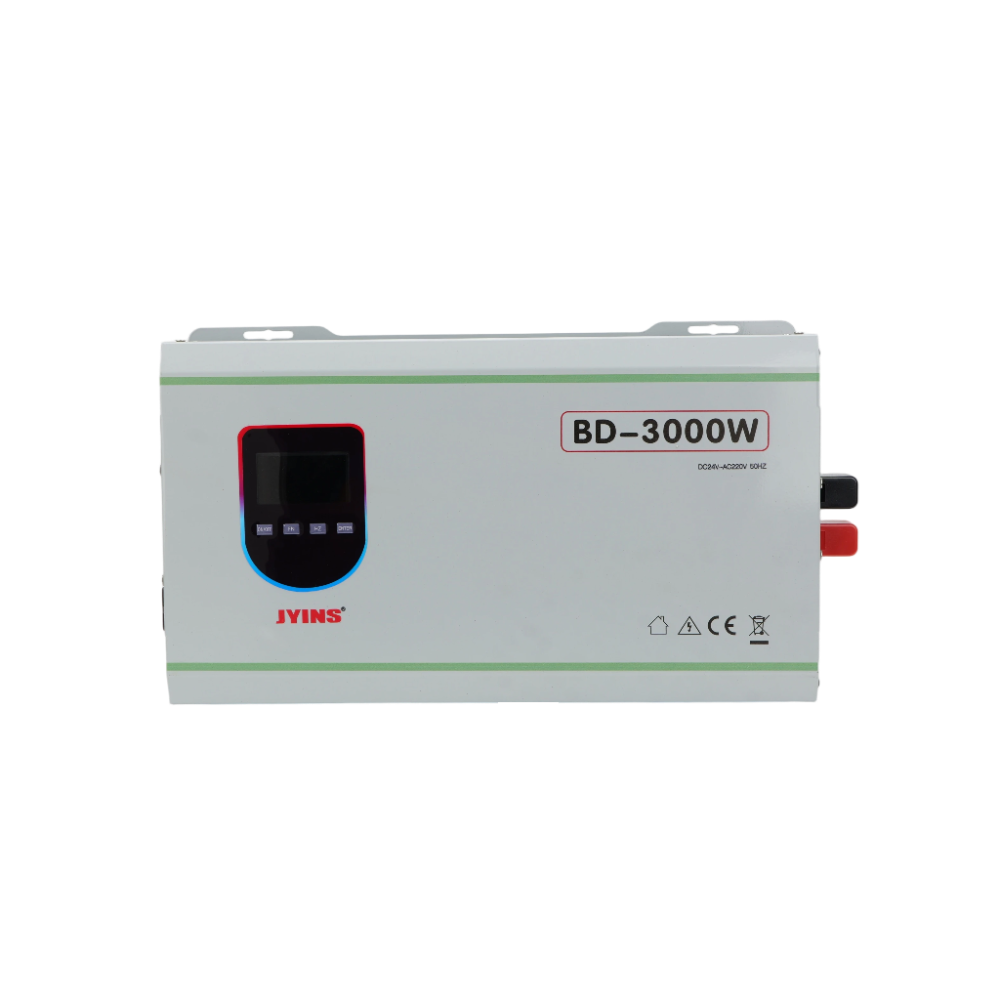
Power Output: This is typically measured in watts (W) and indicates the maximum power the generator can produce. Ensure the output aligns with your energy needs, as underperformance can lead to operational inefficiencies.
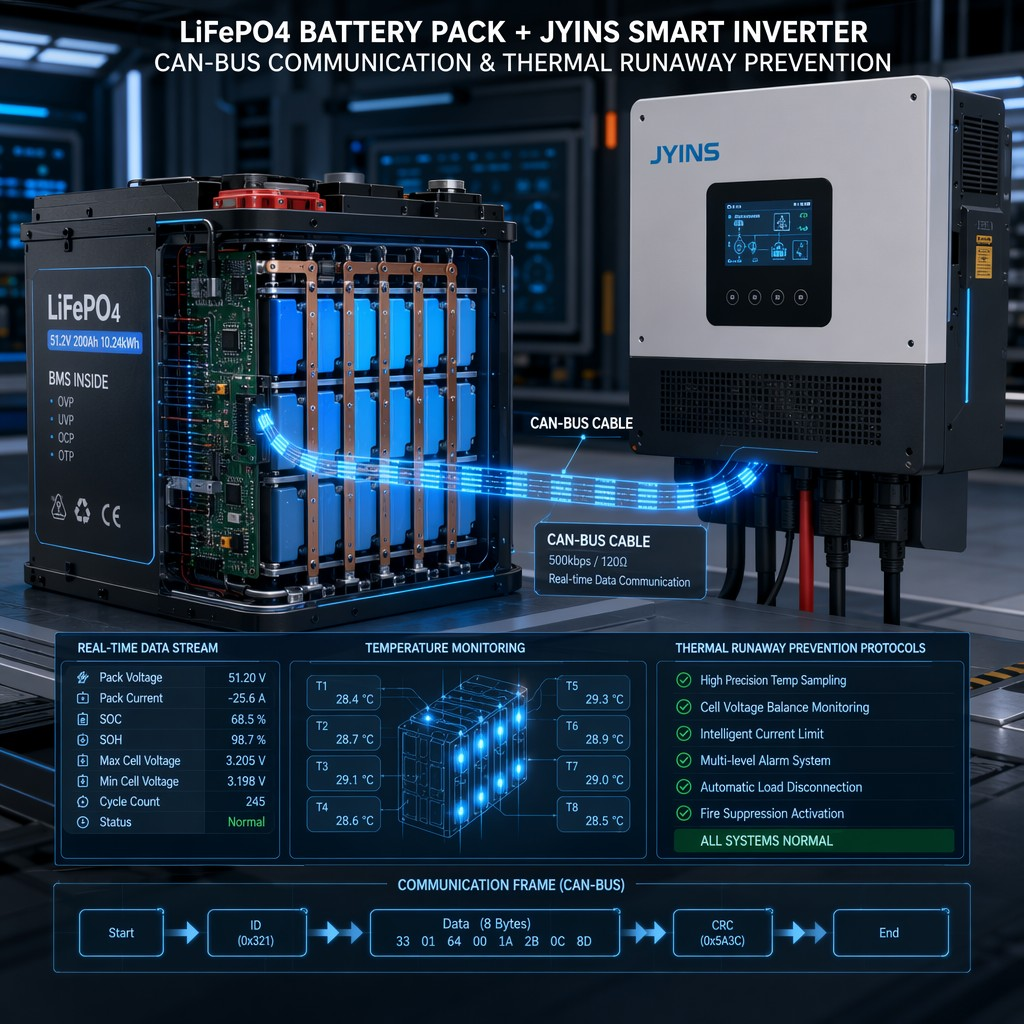
Battery Capacity: Measured in ampere-hours (Ah), this specification determines how much energy the generator can store for later use. A higher capacity allows for longer energy supply during periods of low sunlight.
Efficiency Rating: This indicates how effectively the solar panels convert sunlight into electricity. Higher efficiency ratings mean better performance and lower space requirements for installation.
Durability and Materials: Ensure that the solar panels use high-quality materials that solar panel generators withstand environmental factors like moisture, temperature fluctuations, and UV exposure. The choice of materials affects both longevity and performance.
Weight and Dimensions: Consider the physical characteristics of the static var generator, especially if space is limited or if it needs to be transported frequently. Ensure compatibility with your installation site.