EN
EN


Introduction: The Global Distribution Support Challenge
For international B2B power inverter distributors, wholesalers, and importers, selecting a manufacturing partner is not just about comparing product prices and initial specifications. It is about establishing a long-term partnership that can survive the realities of global logistics and operational failures. When a distributor sells thousands of inverters annually, some percentage of field issues is statistically inevitable, regardless of how high the manufacturer's quality control standards are.
When a customer experiences an inverter issue, they turn immediately to their local distributor. If the distributor cannot resolve the problem quickly due to poor support or a slow, bureaucratic warranty process from the manufacturer, the distributor's reputation suffers, and customer trust is destroyed. Conversely, a distributor backed by a highly efficient, responsive warranty and support pipeline can turn technical support into a major competitive advantage. This article provides a comprehensive operational guide for B2B procurement directors and international wholesalers on how to evaluate, negotiate, and structure warranty and technical support agreements with power inverter manufacturers.
Question: How can international B2B distributors and inverter manufacturers structure their 'Warranty Claims' and technical support workflows to minimize response times and ensure client satisfaction?
An optimal support workflow must combine a clear contract framework, a structured digital ticketing system, local diagnostic capabilities, and a proactive spare parts logistics strategy.
Structuring the B2B Warranty Contract
Before placing a high-volume order, the procurement team must negotiate a comprehensive Service Level Agreement (SLA) that outlines the exact terms of the warranty. Key clauses to include and define are:
- Warranty Duration and Extensions: The standard warranty period for industrial power inverters typically ranges from one to two years. For long-term solar or fleet contracts, distributors should negotiate the option to purchase extended warranties of up to five or ten years, which can be passed on as a premium upsell to the end-users.
- Scope of Remedy: The contract must explicitly detail how a warranty claim will be resolved. Common remedies include shipping a replacement unit, shipping repair parts, or issuing a financial credit note. For low-cost or high-weight items, shipping replacement parts or whole units is often far more economical than requiring the defective item to be shipped internationally back to the factory.
- Definition of Defect: Clearly differentiate between manufacturing defects (faulty components, poor solder joints, structural housing failures) and user-inflicted damage (improper wiring, reverse polarity, severe physical abuse, water ingress on non-waterproof models, or lightning strikes). This prevents disputes when reviewing claims.
The Ideal Step-by-Step Warranty Workflow
To minimize communication delays across different time zones, distributors and manufacturers should implement a digitized, four-step warranty and support workflow:
1. Local Diagnostic Check: The manufacturer must provide the distributor's technical team with a detailed, step-by-step diagnostic checklist. Before submitting a claim, the distributor's local technician performs a basic check to verify if the issue is a simple configuration error, a blown external fuse, or an actual internal hardware defect.
2. Digital Ticket Submission: If an internal defect is confirmed, the distributor submits a digital ticket through the manufacturer's online portal. This ticket must include the product serial number, photos of the installation, a short video demonstrating the fault, and the digital error code displayed on the inverter's LCD screen.
3. Rapid Engineering Assessment: The manufacturer's engineering support team must review the ticket and provide a technical diagnosis and resolution proposal within twenty-four to forty-eight business hours. Because they understand the electronics intimately, they can quickly identify which component has failed based on the error code.
4. Resolution Execution: Based on the diagnosis, the manufacturer executes the agreed remedy. If it is a simple fix, such as a failed cooling fan or control card, the manufacturer ships the replacement part. If it is a major internal fault, they authorize a replacement unit or issue a financial credit.
Managing Spare Parts Logistics: The Sparing Ratio
Shipping single replacement parts internationally is slow and expensive. To solve this challenge, professional B2B agreements utilize a Sparing Ratio strategy:
- Upfront Spare Parts Kit: During high-volume procurement, the manufacturer includes a customized spare parts kit with the container shipment, typically valued at one percent to two percent of the total order value. This kit contains high-wear components such as replacement cooling fans, internal fuses, surge protectors, control boards, and matching LED/LCD displays.
- Local Repair Empowerment: Having these parts in stock locally allows the distributor's technical team to repair standard inverter issues in their own workshop within hours. This eliminates international shipping delays and shipping costs, providing the end-user with an incredibly fast, premium service experience.
Structuring Training and Technical Communication Pipelines
Hardware support is only as good as the human communication behind it. To ensure long-term distributor success, the manufacturer must provide continuous training and open communication lines:
- Technical Training Webinars: Reputable manufacturers conduct regular online training sessions for their global distributors' technical staff, detailing product architecture, troubleshooting methods, and firmware programming.
- Direct Communication Channels: Establish dedicated, direct messaging groups (such as WeChat, WhatsApp, or Slack) between the distributor's lead engineers and the manufacturer's head-office R&D and support teams. This allows on-site technicians to receive instant, real-time advice while troubleshooting complex industrial installations.
The JYINS Global Distributor Support Model
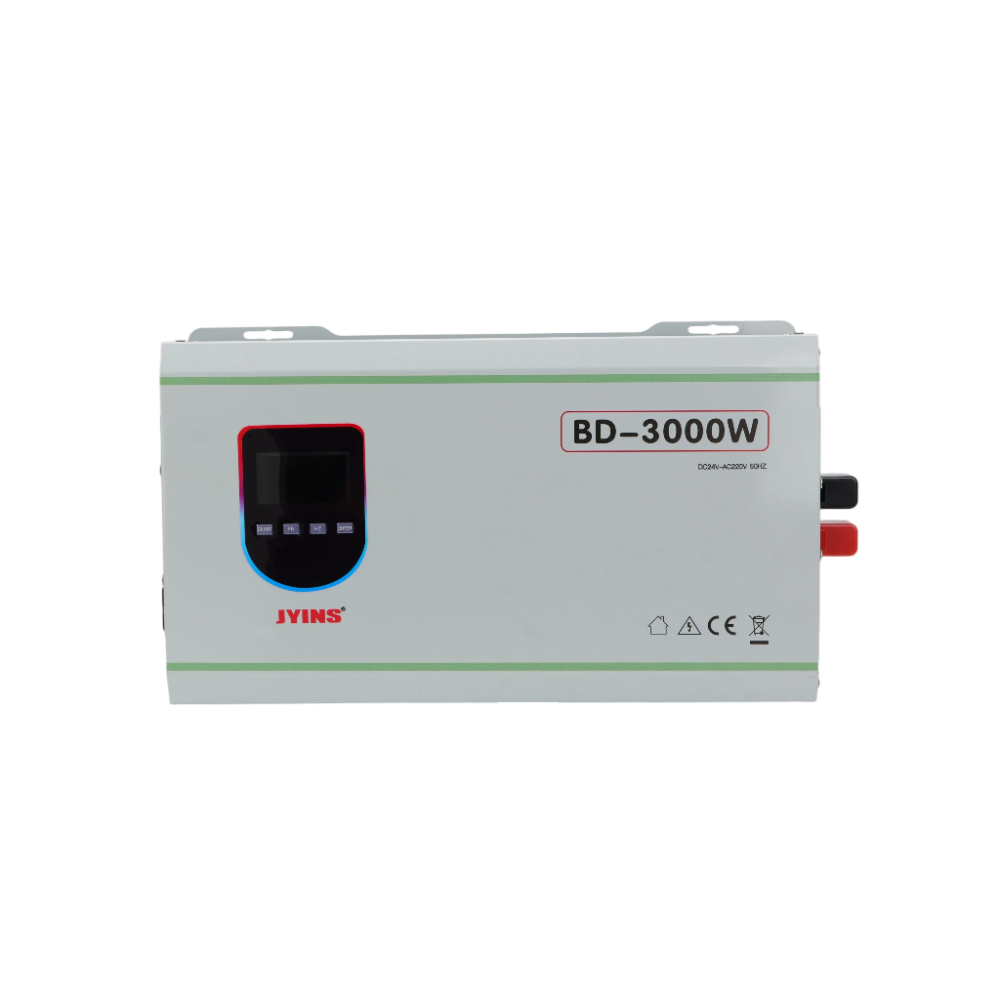
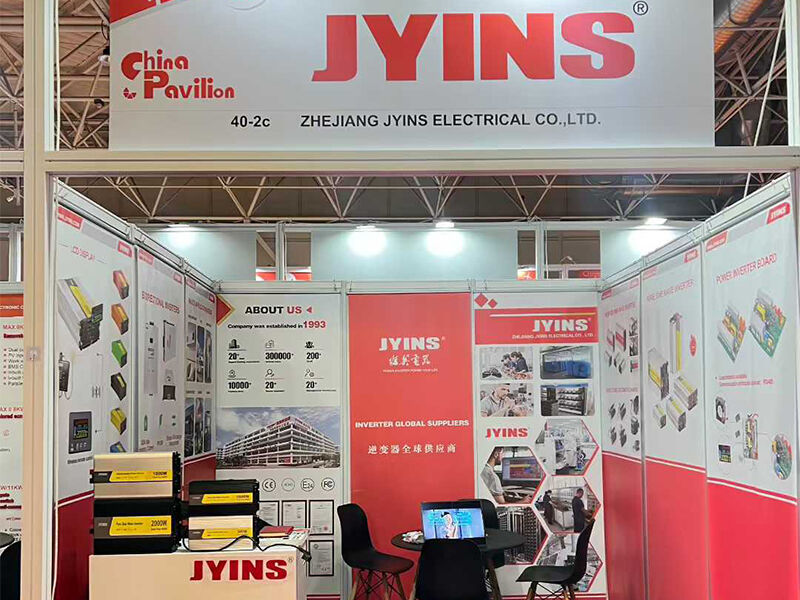
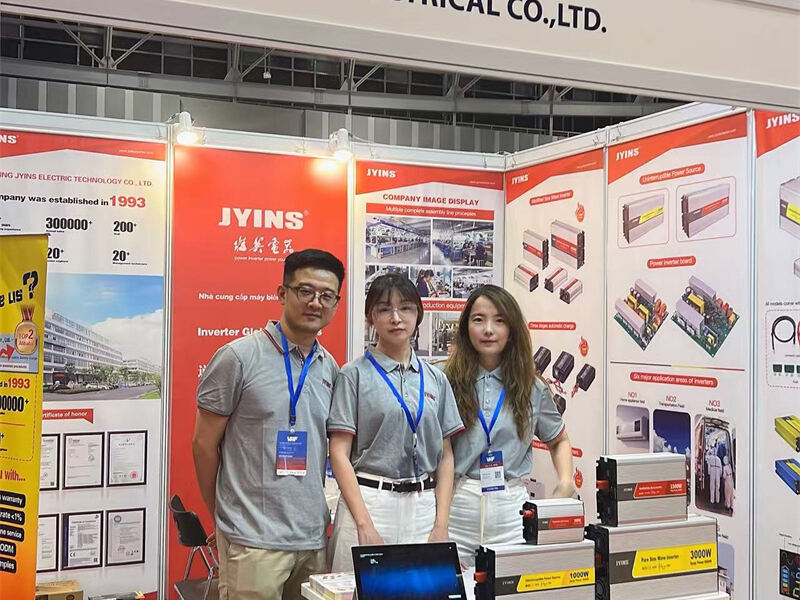
At JYINS Electrical, we recognize that our global distributors are the face of our brand. That is why we provide an industry-leading support package. We do not just sell inverters; we provide a complete, worry-free support system. We supply our high-volume distribution partners with tailored, pre-shipped spare parts kits, grant direct access to our senior engineering teams, and host regular technical training sessions. Our digital warranty claims portal ensures that all requests are analyzed and resolved within forty-eight hours, minimizing operational friction and ensuring your customers receive the world-class service they expect from a JYINS and Hisolar partner.
Conclusion: Making Support a Competitive Advantage
Managing warranty claims and technical support across international borders requires a proactive, structured approach. By negotiating clear B2B contract terms, implementing local diagnostic checks, securing an upfront spare parts inventory, and choosing an engineering-focused manufacturer like JYINS Electrical, international distributors can turn post-sale service into a powerful sales tool, building unbeatable customer loyalty and securing a dominant position in their regional markets.
Table of Contents
- Introduction: The Global Distribution Support Challenge
- Question: How can international B2B distributors and inverter manufacturers structure their 'Warranty Claims' and technical support workflows to minimize response times and ensure client satisfaction?
- Structuring the B2B Warranty Contract
- The Ideal Step-by-Step Warranty Workflow
- Managing Spare Parts Logistics: The Sparing Ratio
- Structuring Training and Technical Communication Pipelines
- The JYINS Global Distributor Support Model
- Conclusion: Making Support a Competitive Advantage