EN


A single phase harmonic filter is an essential component in modern electrical systems, designed to reduce harmonic distortion and improve power quality. For B2B buyers, including purchasing managers and engineers, understanding how to choose the right filter, evaluate its quality, and identify its applications is crucial for optimizing operational efficiency and minimizing costs. This article will guide you through the key considerations when selecting a single phase harmonic filter, ensuring that you make informed decisions for your specific industrial, commercial, or manufacturing needs.
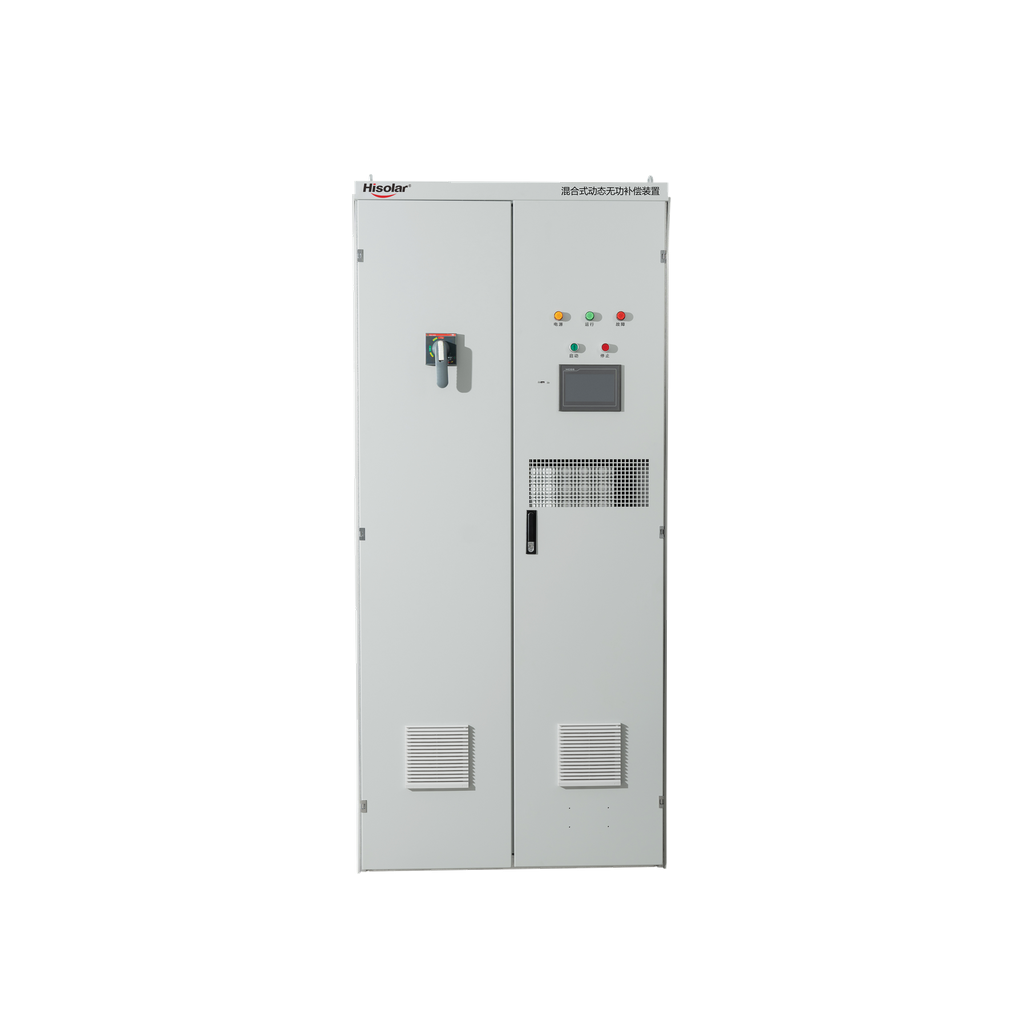
How to Evaluate the Quality of Single Phase Harmonic Filters
The quality of a single phase harmonic filter directly impacts its performance and longevity. Here are key aspects to evaluate:
Materials and Construction: High-quality harmonic filters are typically constructed with durable materials that can withstand electrical and thermal stresses. Inspect the materials used in the filter's core and housing to ensure they meet industry standards.
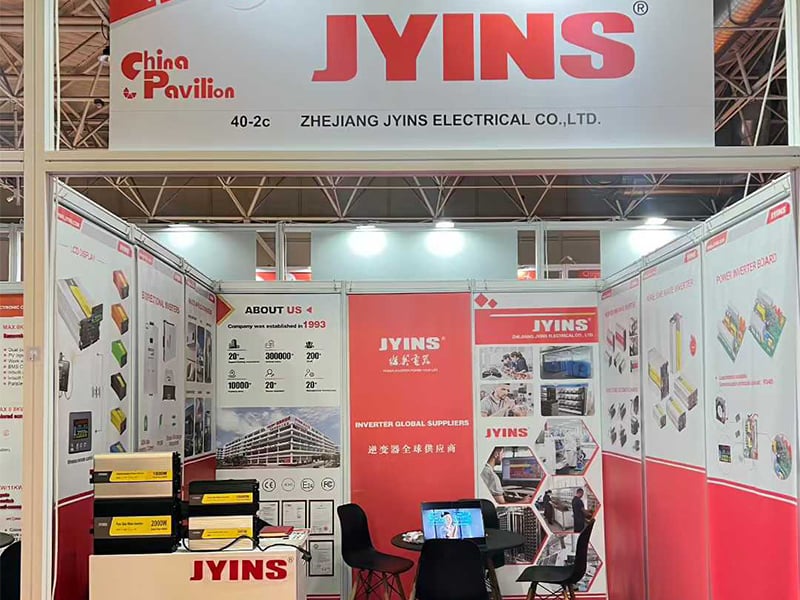
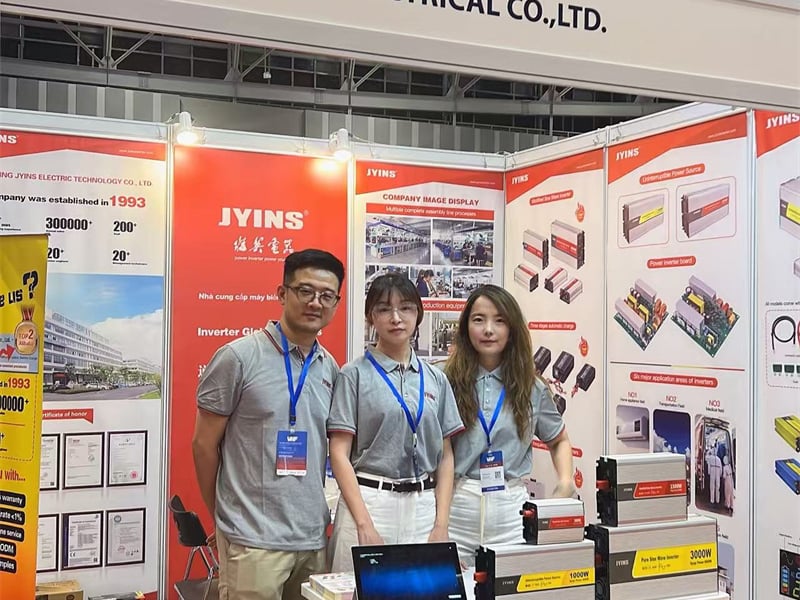
Certification and Testing: Check for certification marks and testing protocols that verify the filter's performance. Certifications such as ISO9001, which Zhejiang Jyins Electrical Co., LTD adheres to, indicate a commitment to quality assurance.
Performance Specifications: Review the technical specifications, including the filter's impedance, insertion loss, and frequency response. These metrics provide insights into how effectively the filter will reduce harmonics.
Warranty and Support: A reliable warranty reflects the manufacturer's confidence in their product. Additionally, assess the level of customer support provided, including installation guidance and troubleshooting.
Field Performance Data: Whenever possible, request performance data from existing installations similar to yours. This real-world data can help validate the filter’s effectiveness in actual applications.