EN


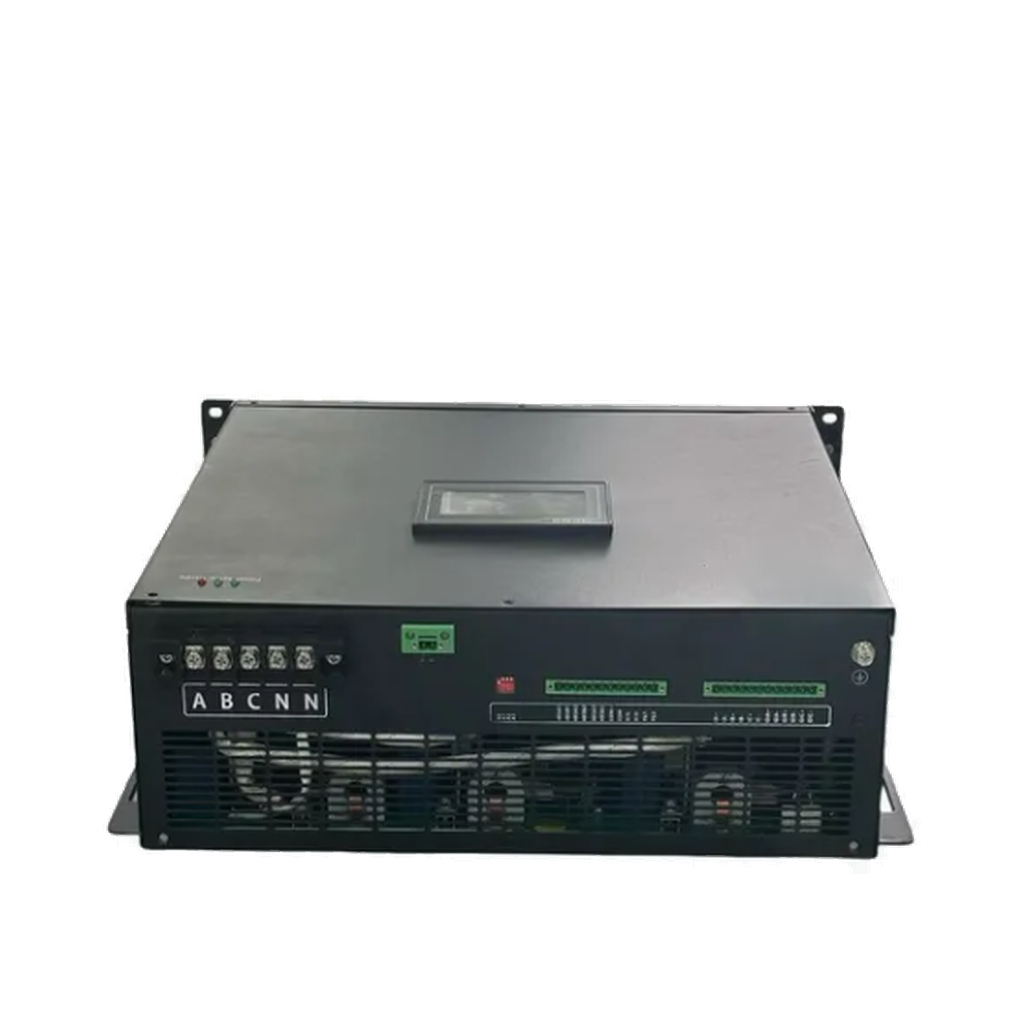
Active harmonic filters are essential devices used in various industrial applications to mitigate harmonic distortion in electrical systems. Harmonics can lead to inefficiencies and potential damage in electrical equipment, making it crucial for purchasing managers and engineers to choose the right solution. This article will guide you through selecting the appropriate active harmonic filter for your projects, key considerations, and what sets our products apart, ensuring that you can make informed purchasing decisions.
What to Consider
When choosing an active harmonic filter, several critical factors should be taken into account:
Harmonic Order: Identify which harmonic orders are present and their magnitudes. Filters are designed to target specific harmonics, so knowing which ones affect your system is vital.
Load Type: Consider whether your load is linear or nonlinear. Nonlinear loads, such as variable frequency drives and switched-mode power supplies, are more likely to generate harmonics.
Filter Specifications: Look at key specifications such as filtering efficiency, response time, and voltage ratings. A suitable filter will not only reduce harmonics but also maintain power quality.
Regulatory Compliance: Ensure that the selected filter meets local and international standards for harmonic distortion, such as IEEE 519. Compliance is essential for avoiding penalties and ensuring operational efficiency.
Installation and Maintenance: Assess the ease of installation and ongoing maintenance requirements. Some filters may require complex setup or calibration, while others offer plug-and-play solutions.