EN
EN


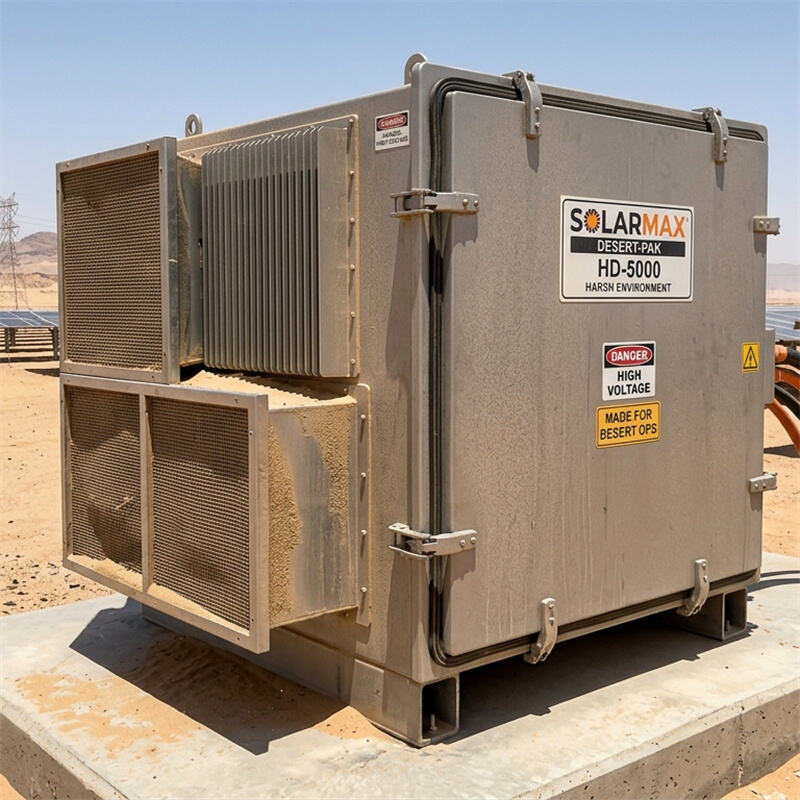
The Hostile Solar Environment of the Middle East
The Middle East, particularly the Gulf Cooperation Council (GCC) countries such as Saudi Arabia, the United Arab Emirates, Oman, and Qatar, represents one of the world's most attractive regions for utility-scale and commercial solar power. With extreme solar irradiance and vast open spaces, solar installations in this region offer incredibly low levelized costs of electricity (LCOE). However, these benefits come with a unique set of harsh environmental challenges. Desert regions are characterized by extreme high ambient temperatures (often exceeding 50 degrees Celsius), intense ultraviolet (UV) radiation, and frequent, severe sandstorms (Shamal winds) that carry highly abrasive dust and fine sand particles. For B2B procurement managers, plant operators, and EPC contractors, protecting power electronics from dust ingress and maintaining adequate thermal dissipation under these conditions is a constant operational battle. This guide explores the physical impact of sandstorms on solar inverters and outlines the critical design and maintenance strategies required to guarantee reliable operation in desert climates.
The Physical Impact of Sand and Dust on Inverter Components
Windblown sand and dust present a multi-faceted threat to the delicate internal and external components of a solar inverter. Unprotected or poorly maintained systems can suffer from several severe degradation mechanisms:
- Air-Filter Clogging: Most forced-air cooled inverters rely on external cooling fans to pull ambient air through intake vents, past a physical air filter, and across the internal heatsinks. During a sandstorm, the volume of airborne dust is massive. These fine particles quickly clog the air-filters, drastically reducing the volumetric airflow. This causes the inverter's internal temperatures to spike, leading to thermal throttling (where the inverter automatically cuts its power output to prevent overheating) or sudden thermal shutdown.
- Fan Bearing Wear: Abrasive silica dust can penetrate the bearings of cooling fans, grinding away the lubricated surfaces and causing the fans to seize or fail. Fan failure immediately leads to inverter overheating and down-time.
- Internal Dust Accumulation and Short Circuits: If the inverter's environmental seals are compromised, fine dust will settle on the printed circuit boards (PCBs). While dry dust is relatively non-conductive, it is highly hygroscopic. During humid desert nights or rare morning mists, the dust absorbs moisture, creating a conductive mud layer that can cause electrical tracking, short circuits, and explosive component failures on high-voltage DC and AC buses.
- Physical Abrasion: High-velocity sandstorms act as a sand-blasting medium, eroding the anti-corrosive powder coatings on the inverter's exterior enclosure and degrading the UV-stabilized plastic glands and display screens.
Advanced Sealing and Dual-Compartment Design
To survive in desert environments without requiring daily physical maintenance, an inverter's physical architecture must be designed from the ground up to isolate sensitive electronics from the atmosphere. This is where JYINS dual-compartment design becomes critical:
- Sealed Power Module Chamber (IP66): JYINS high-power desert-grade inverters feature a completely sealed inner chamber that houses the highly sensitive components, including the control PCBs, microprocessors, capacitors, and IGBT power modules. This chamber is rated to IP66 (Ingress Protection), completely preventing the entry of dust and low-pressure water jets. This eliminates the risk of internal dust accumulation and chemical tracking.
- Isolated Cooling Tunnel: The heat-generating component (the main aluminum heatsink) is physically separated from the electronics chamber. The cooling fans blow air through a physical tunnel that passes through the heatsink fins. Because this tunnel is completely isolated, the cooling air, along with any sand or dust it carries, never enters the electronics chamber. Even if the fans blow sand-laden air, the sensitive electronics remain pristine.
- Smart Fan Control: The external cooling fans are controlled by intelligent variable-speed algorithms. The fans only run when the inverter's internal temperature exceeds specific thresholds, and their speed adjusts dynamically. During low-power periods or cool desert nights, the fans remain idle or run at minimum speed, reducing the overall intake of dust and extending the life of the fan bearings.
- Over-Temperature Protection: Our inverters integrate thermal sensors on all critical components. If the heatsink temperature reaches critical levels, the inverter gently derates its output, preventing component damage while remaining online and generating clean energy.
Managing Air-Filter and Sealing Maintenance
For systems that utilize external air filters, establishing a rigorous preventive maintenance schedule is essential for maximizing solar plant yield. Plant operators should implement several best practices:
- Selecting Washable, High-Efficiency Filters: JYINS desert-grade inverters utilize heavy-duty, multi-layered stainless steel or polyurethane mesh filters. These filters are designed to capture 95% of coarse sand particles while maintaining low airflow resistance. Crucially, they are completely washable and reusable, eliminating the need to constantly purchase expensive replacement filters.
- Scheduled Filter Cleaning: In high-dust desert zones, filters should be inspected monthly. Cleaning involves removing the filter mesh, washing it with clean low-pressure water to remove caked mud, drying it completely, and sliding it back into place. During active sandstorm seasons, the cleaning frequency should be increased to bi-weekly.
- Inspecting Gaskets and Glands: Over time, the extreme desert heat and UV exposure can cause rubber seals and cable entry glands to dry out, crack, and lose their sealing properties. During routine maintenance, technicians must inspect the integrity of all door gaskets and tighten cable glands to maintain the IP66 ingress protection rating.
Procurement Strategy for Middle Eastern Solar Wholesalers
For solar equipment wholesalers and distributors in the Middle East, offering ruggedized, desert-certified hardware is key to building market trust and winning major commercial tenders. EPCs and C&I buyers look for suppliers that can guarantee long warranties under high-temperature and high-dust operating conditions.
JYINS is a leading provider of durable, desert-optimized power electronics. Our inverters feature heavy-duty corrosion-resistant aluminum housings, IP66-rated dual-compartment layouts, smart-fan cooling tunnels, and high-efficiency washable sand filters. By partnering with JYINS, B2B solar distributors can offer their clients field-proven reliability, exceptionally low maintenance overheads, and maximum energy generation in the most challenging solar markets on earth.
Investing in desert-certified power conversion equipment is the single most effective way to minimize operational risk and maximize energy yields in the Middle East. By combining robust dual-compartment physical isolation with an active, disciplined preventative maintenance schedule, plant operators can ensure that their commercial installations continue to operate at peak performance, even in the face of the region's most severe sandstorms. Partnering with JYINS ensures that your desert projects are backed by world-class engineering and maximum thermal durability.