Choosing the Right Automatic Harmonic Filter

Get a Free Quote

Our representative will contact you soon.
Email
Mobile
Name
Company Name
Products of Interest
Message
0/1000

automatic harmonic filter

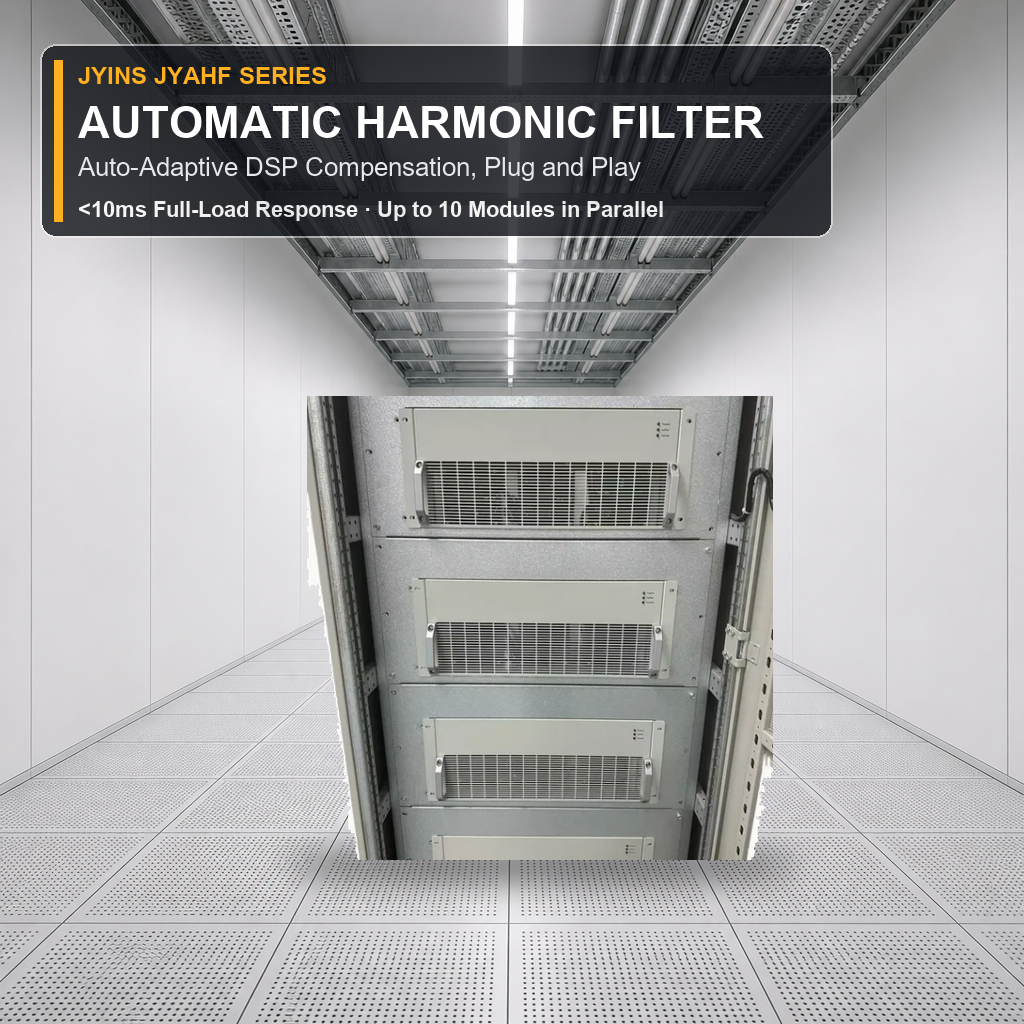
Automatic  harmonic filters are essential devices  used in industrial  settings to  improve power quality by reducing  harmonic distortion in electrical systems. B2B buyers, especially purchasing  managers and engineers, are  often concerned with  the  technical  specifications, quality assurance, and compatibility  of these filters with existing  systems. This article  aims  to  provide valuable insights into selecting the right automatic harmonic filter for  your project, including key specifications, purchasing tips, and  guidance  on  evaluating quality.
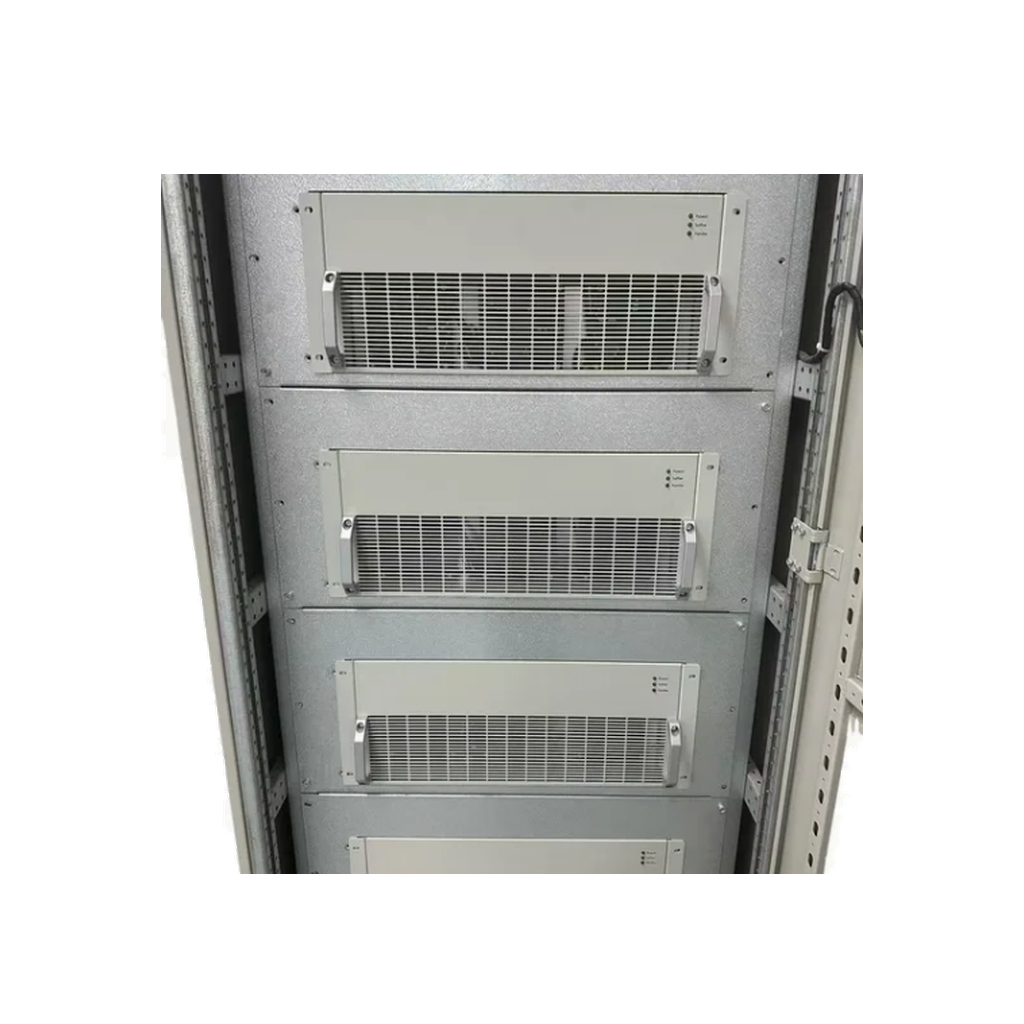
 
Key Specifications to Consider When Sourcing Automatic Harmonic Filters

Key Specifications to Consider When Sourcing Automatic Harmonic Filters

When sourcing  automatic harmonic filters, pay close attention to several key specifications:


Rated Voltage and Current: Ensure the filter's voltage and current ratings align  with your electrical system’s specifications. A mismatch can lead to equipment failure or inefficiency.

Filter Type:  Choose between  passive, active,  or hybrid filters based on your need.  Passive filters are generally more cost-effective but may not be as adaptable to varying loads as active filters.

Frequency Range: The filter should effectively mitigate harmonics within the specific frequency range relevant to your application. This  is particularly important for industries with  sensitive equipment that may  be affected by harmonics.

Efficiency: Evaluate the filter's  efficiency ratings,  as  higher efficiency often translates to lower operational costs and improved performance.

Size  and Installation: Consider  the physical dimensions of the filter and any special installation requirements.  Some filters may  require specific mounting  solutions  or environmental conditions to operate effectively.

These specifications are critical not just for functionality but also for ensuring compliance  with industry standards and regulations.
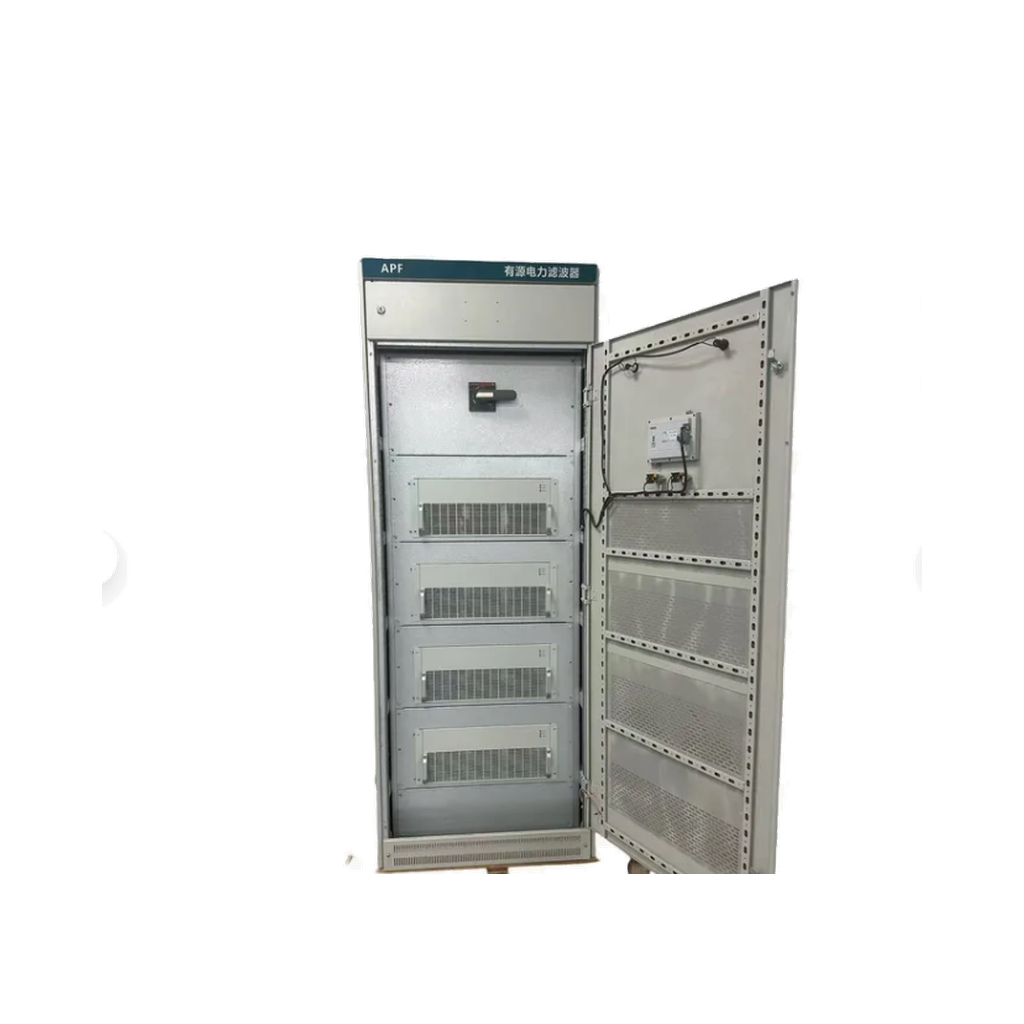
Wholesale Purchasing Tips for Automatic Harmonic Filters and Suppliers

Wholesale Purchasing Tips for Automatic Harmonic Filters and Suppliers

When purchasing automatic harmonic filters in bulk, consider the following tips to optimize your procurement process:

Request Multiple Quotes: Engage with  several  suppliers to  compare prices,  lead times, and available services. This helps you gauge market rates and ensures competitive pricing.

Check for Certifications: Verify that the suppliers  adhere to quality standards, such as ISO9000, which  indicates a commitment to  quality assurance. This is especially important for products like harmonic filters  that directly affect power quality.

Understand Minimum Order Quantities (MOQ): Some suppliers may have MOQs that could  affect your  purchasing decision. Ensure you are comfortable with the  terms before proceeding.

Evaluate  Supplier Support: A good supplier should offer  technical support and after-sales service. Their ability to assist with installation and troubleshooting can significantly influence the long-term success of your investment.

Consider Customization Options:  Depending on  your  project's specific  requirements, you may need filters that  are tailored to your needs. Discuss customization  capabilities with suppliers to ensure  they can meet your specifications.

Evaluating the Quality of Automatic Harmonic Filters for Your Needs

Evaluating the Quality of Automatic Harmonic Filters for Your Needs

Quality control  is paramount when  evaluating  automatic harmonic filters. Here are some factors to consider:

Material Quality: The materials used  in  the construction of the filter can significantly affect its durability  and performance. Ensure that the components are sourced from reputable manufacturers.

Testing  Procedures: Ask potential suppliers about their testing protocols. Quality filters should undergo rigorous testing to verify their performance under various operating conditions.


Warranty and Support: A robust  warranty can indicate the manufacturer's  confidence  in  their product quality. Understand the terms of any warranties offered and what they cover in terms of  defects or failures.

User Reviews and Case Studies: Researching customer feedback  and case studies can provide insight into the  real-world  performance of the filters you are considering. Look for reviews that discuss reliability  and effectiveness in similar  applications.

By scrutinizing these aspects, you can better  ensure that the automatic harmonic filter you  choose will meet the demands of your application.

Where to Find Reliable Suppliers for Automatic Harmonic Filters

Finding trustworthy  suppliers for automatic harmonic filters involves several strategies:


Industry Associations and Trade Shows: Participating in industry  events can help  you connect with reputable manufacturers and distributors.  These platforms often  showcase the latest technologies and provide opportunities to network.

Online Marketplaces and Directories: Websites specializing in industrial products can be a valuable resource for identifying potential suppliers.  Look for platforms that allow you to filter suppliers  by specific criteria, such as certification and  product offerings.

Referrals and Recommendations: Reach out to industry contacts for  recommendations. Colleagues who have successfully sourced similar  products can provide insights into reliable suppliers and their experiences.

Supplier Websites: Review  the websites of potential suppliers to gather information about their product range, certifications, and  customer support offerings. A well-maintained website often reflects a company’s professionalism and commitment to  quality.

Request Samples: Before finalizing a supplier,  request samples of the automatic harmonic filters. Testing  these samples in your application can provide a clearer  picture of their compatibility and performance.

By leveraging these strategies,  you can enhance your chances of finding a reliable supplier  who meets your specific needs  and quality standards.

How to Choose the Right Automatic Harmonic Filter for Your Project

Selecting the appropriate automatic harmonic filter requires an understanding of your specific  application needs. Start by assessing the harmonic distortion levels present in your electrical  system,  typically measured in THD (Total Harmonic Distortion). Filters are generally categorized  by their ability  to mitigate  specific harmonics, so it's crucial  to choose one that targets the frequencies that are most problematic for your system. If you're looking to enhance your system's efficiency, consider implementing a Solar Charge Controller alongside your harmonic filters.


Consider the load type and configuration of  your application  as well. For instance, if you're dealing with non-linear loads  like variable frequency drives or rectifiers, a filter  tailored to these conditions will be more effective.  Additionally, evaluate installation constraints, such  as  available  space and integration with existing electrical infrastructure. Collaborating with a  supplier who  understands these parameters  will facilitate a smoother  selection process and ensure that the chosen filter meets your operational requirements. You might also explore options for an Energy Storage System to complement your setup.

Our Blog Posts

How to resolve 'Voltage Sag' ride-through issues in unstable rural grids across Southeast Asia?

24

Jun

How to resolve 'Voltage Sag' ride-through issues in unstable rural grids across Southeast Asia?

The Challenge of Weak Rural Grids in Southeast Asia Southeast Asian countries, including Vietnam, Indonesia, the Philippines, Thailand, and Cambodia, have seen a massive expansion of distributed solar power in rural and agricultural regions. These ar...
View More
How to manage 'Three-Phase Unbalance' limits in German VDE-AR-N 4105 compliant industrial setups?

24

Jun

How to manage 'Three-Phase Unbalance' limits in German VDE-AR-N 4105 compliant industrial setups?

The German Low-Voltage Grid Standard: VDE-AR-N 4105 Germany is home to one of the most sophisticated and highly regulated electricity networks in the world. As the country pushes toward its Energiewende (energy transition), the integration of distrib...
View More
Sourcing Inverters for Remote Maritime Buoys: Solving Reliability, Telemetry, and Multi-Source Energy Harvesting

24

Jun

Sourcing Inverters for Remote Maritime Buoys: Solving Reliability, Telemetry, and Multi-Source Energy Harvesting

Introduction: The Brutal Demands of Open-Ocean Power Systems Remote maritime buoys play a vital role in global oceanography, weather forecasting, maritime navigation, scientific research, and offshore oil and gas operations. Floating hundreds of mile...
View More
How to synchronize an Off-Grid Inverter with a Backup Diesel Generator for seamless industrial power?

25

Jun

How to synchronize an Off-Grid Inverter with a Backup Diesel Generator for seamless industrial power?

Introduction to Off-Grid Industrial Microgrids Industrial and B2B facilities operating in off-grid environments require highly reliable power systems. Relying solely on solar photovoltaic (PV) arrays and battery storage can pose risks during extended...
View More

Get a Free Quote

Our representative will contact you soon.
Email
Mobile
Name
Company Name
Products of Interest
Message
0/1000

Related product categories

Choosing the Right Automatic Harmonic Filter

Get a Free Quote

Our representative will contact you soon.
Email
Mobile
Name
Company Name
Products of Interest
Message
0/1000