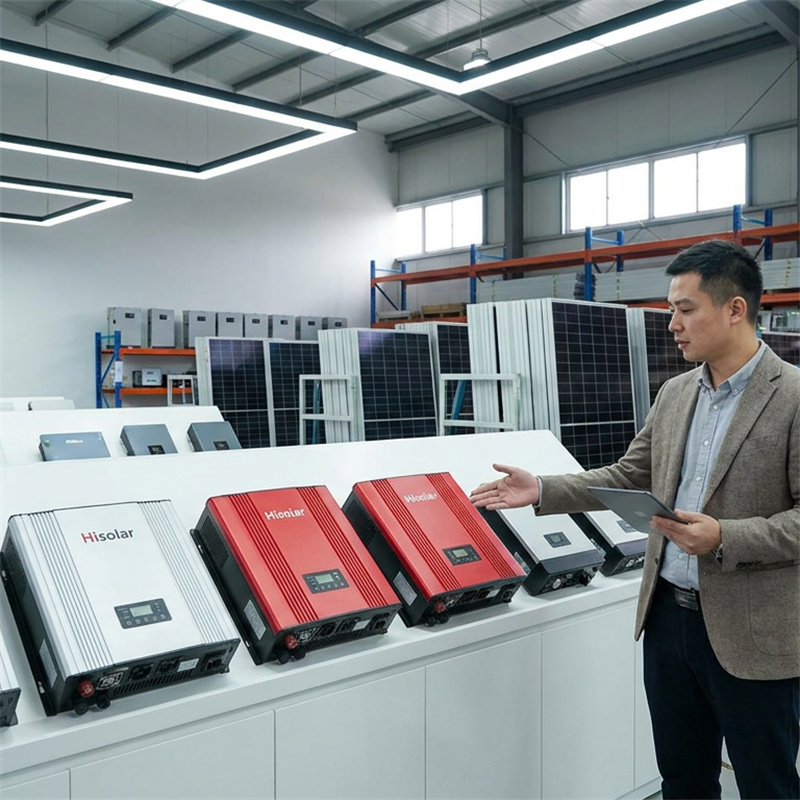
Key Specifications for Automotive DC to AC Converters

Get a Free Quote

Our representative will contact you soon.
Email
Mobile
Name
Company Name
Products of Interest
Message
0/1000

automotive dc to ac converter

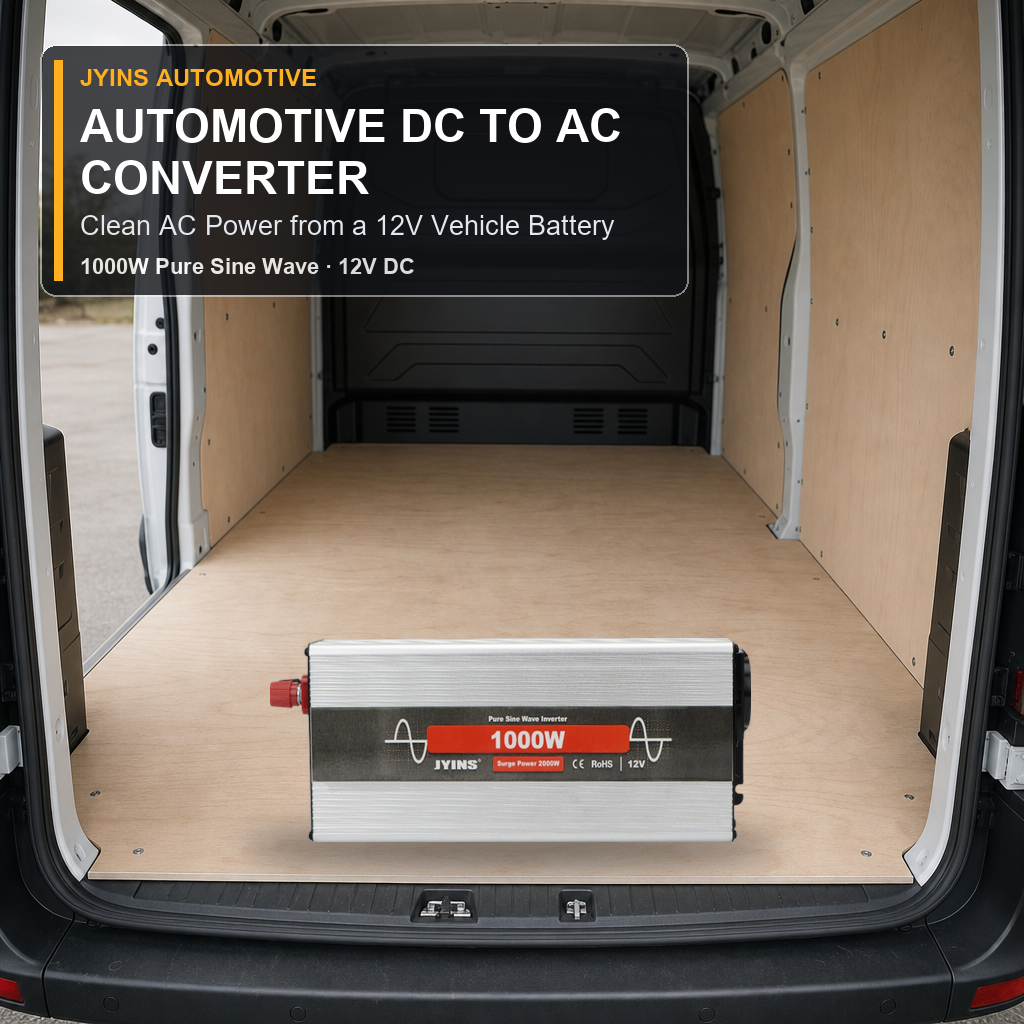
Automotive DC  to AC  converters are essential devices that transform direct  current (DC) from automotive batteries into  alternating current (AC), enabling the  operation  of various electrical appliances and equipment in vehicles. As  a purchasing manager or distributor,  understanding the specifications, quality indicators,  and sourcing options for these converters is vital  to ensure reliability  and performance.  This article will guide you through key specifications to  consider,  how to  evaluate quality, where to find reliable suppliers,  potential  cost savings, and  common installation  challenges associated with  automotive DC to AC converters.
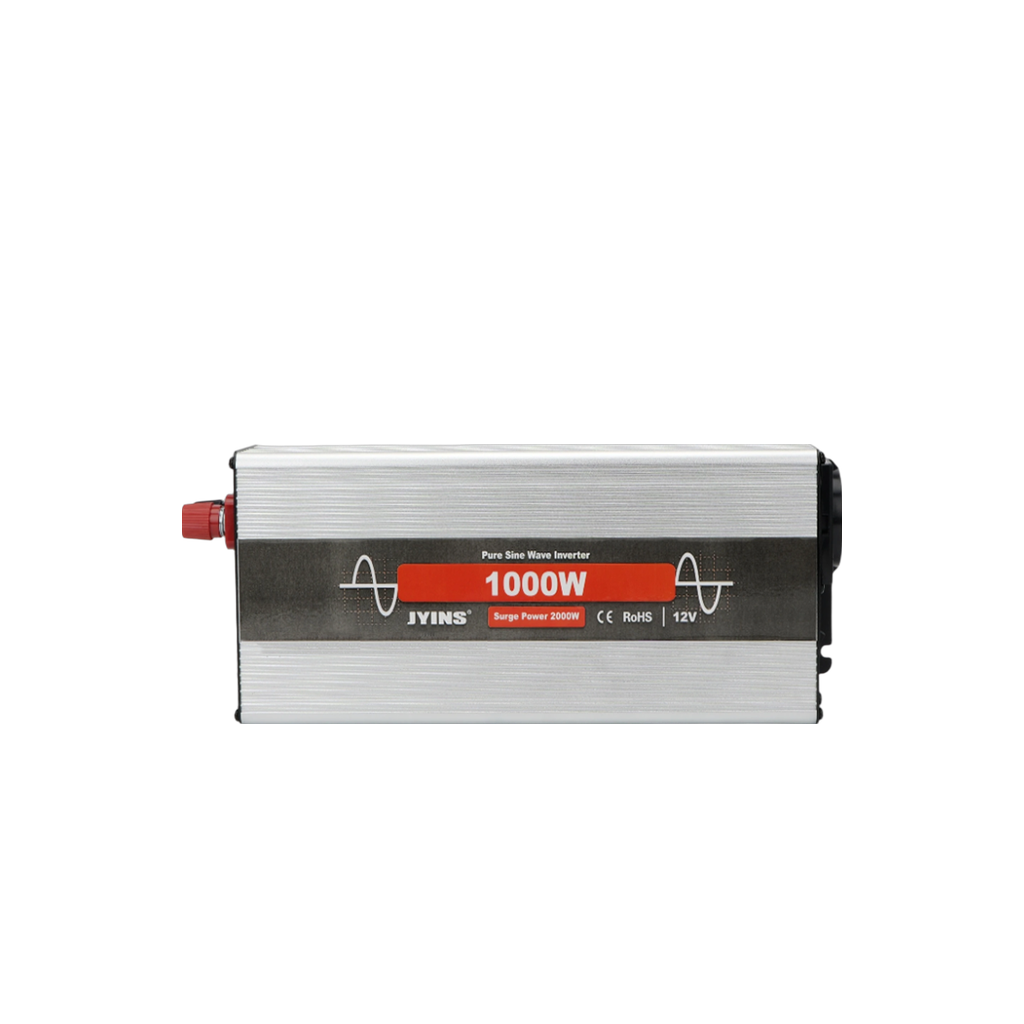
Evaluating the Quality of Automotive DC to AC Converters for Wholesale Purchase

Evaluating the Quality of Automotive DC to AC Converters for Wholesale Purchase

Quality assessment of automotive  DC to AC converters involves several  critical factors:

Materials and Construction: Examine the materials used in the converter's construction, including the housing and internal components. High-quality materials  contribute to durability and long-term performance.

Certifications: Look for products that comply with international standards, such as ISO9001. Certifications ensure that the manufacturing processes meet quality benchmarks. Manufacturers like  Zhejiang Jyins Electrical  Co., LTD adhere to these standards,  enhancing trust  in  product quality.

Quality Control Processes: Investigate the supplier's quality  assurance practices. Regular testing and inspections during  production can help identify and address issues before products reach the market.


Warranty and  Support: A robust warranty indicates a manufacturer’s confidence in their product. Additionally, reliable customer support  can be crucial for troubleshooting any issues during operation.

Customer Reviews and Case Studies: Research feedback from other buyers who have used the  converters in  similar applications. Real-world  experiences can  provide insights  into performance and reliability. For instance, the Hisolar Wholesale JYMU 3000W Uninterruptible Power System Modified Sine Wave JYMU - 3000 is a popular choice among users.

By focusing on these quality indicators, you can make informed purchasing decisions that  align  with your operational standards.
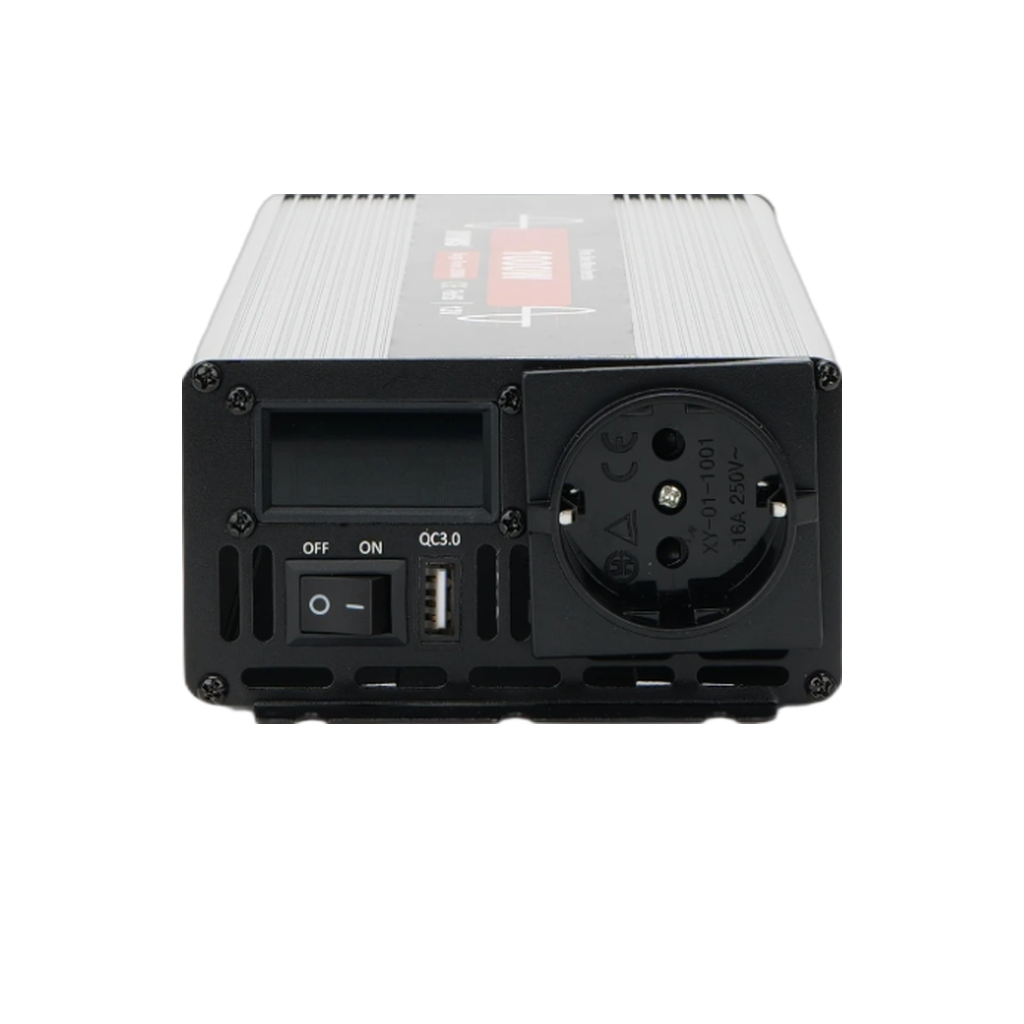
Where to Find Reliable Suppliers of Automotive DC to AC Converters

Where to Find Reliable Suppliers of Automotive DC to AC Converters

Finding trustworthy suppliers is essential for ensuring  consistent quality  and  supply. Here are effective strategies for locating reputable manufacturers:

Industry Trade Shows: Attending automotive and electronics trade shows can provide direct access to manufacturers and  their products. This also allows for face-to-face  discussions regarding specifications  and  capabilities.

Online Marketplaces: Platforms like  Alibaba or Global Sources can connect you with  numerous manufacturers. Always check supplier ratings  and reviews to gauge reliability.

Industry Associations: Organizations related to  automotive components often have directories of manufacturers. These associations can be excellent resources for  finding reputable suppliers.

Recommendations from Peers: Networking with colleagues in the  industry can lead to referrals for  suppliers who have proven their reliability and product quality.


Direct Manufacturer Websites: Research manufacturers like Zhejiang Jyins Electrical Co., LTD, which specializes in  off-grid solar products and automotive converters. Reviewing their product catalogs and  technical specifications can provide valuable  insight into their offerings.

By utilizing these  channels, you can identify  suppliers that align with your quality, performance, and pricing requirements.

Cost Savings on Automotive DC to AC Converters

Cost Savings on Automotive DC to AC Converters

Cost considerations are  vital in the purchasing process. Here are some  ways to achieve  savings on automotive DC to AC converters:

Bulk Purchasing: Many manufacturers offer discounts on  bulk orders. If your operations require multiple units, negotiating for a better price based on volume can be beneficial.

Long-Term Contracts: Establishing long-term relationships with suppliers  can lead to better pricing agreements, as suppliers may be willing to offer  lower rates to secure ongoing  business.

Comparative Shopping: Always compare prices across multiple suppliers. While the lowest price  may not always indicate the best value, assessing the  balance of cost and quality is crucial.

Total Cost of Ownership: Evaluate the total  cost of ownership, which includes purchase price, installation  costs, and maintenance. Higher-quality converters may have a higher upfront cost but can result in  lower operational costs over time due to their  efficiency and durability.

Inquire  About  Promotions: Some manufacturers may run promotions  or special offers, especially during trade shows or seasonal sales. Staying informed can lead to  significant savings.

By considering these strategies, you can optimize your purchasing  budget while ensuring you  select quality products that meet your needs.

Common Installation Challenges with Automotive DC to AC Converters

Installation of automotive DC to AC converters can present several challenges that buyers should  be aware of:

Compatibility with  Existing Systems: Ensuring that the converter  is compatible with the vehicle’s existing electrical system is crucial. Mismatched specifications can lead to operational issues or damage.

Space Constraints: The physical dimensions of the converter must  be considered in relation to installation space. Adequate ventilation is also essential  to prevent  overheating during operation.

Wiring and Connections: Proper wiring techniques are critical for safety and performance. Incorrect connections can lead to short circuits or  converter failure. It is advisable to consult  with an experienced  technician if you are uncertain about installation procedures.

Load Management: Understanding the load requirements of the devices being powered is essential to prevent  overloading the converter, which can lead to failure. Always check the power ratings of all connected devices.


Environmental Conditions: Installation in  extreme temperatures or  humid environments can affect converter performance. Ensure that the selected converter is rated for the specific environmental conditions  of its intended  use.

By being aware of these challenges, buyers can take proactive measures to ensure successful  installation and operation of automotive  DC to AC converters.

Understanding these aspects  will empower you to make informed decisions when sourcing automotive DC to AC converters, ensuring that you select the best  products for your applications.

Key Specifications to Consider When Sourcing Automotive DC to AC Converters

When sourcing automotive DC to AC converters, several specifications should be prioritized to ensure compatibility and  functionality:

Power Output: This is typically measured in watts and indicates how much power  the converter  can supply. Buyers should  assess  the total wattage required by  the devices they plan to  run to ensure the converter can handle the load without  overheating or shutting down.

Input Voltage Range: Automotive converters usually accept a range of input voltages (commonly  12V or 24V). It's crucial to confirm that the converter can operate within the voltage range of the vehicle’s battery system to avoid damage.

Output Waveform: Converters may produce either modified sine wave or pure sine wave  outputs. Pure sine wave converters are generally  preferred for sensitive electronics, as they provide cleaner power that mimics the  electricity supplied by the grid. For applications that demand high-quality power, consider using a Solar Inverter.

Efficiency Rating: The efficiency  of  a converter indicates how much input power is converted into usable output power. Higher efficiency ratings mean less  energy waste, which is essential for battery-operated applications.

Size and Weight: Depending on application constraints, the physical dimensions  and weight of the converter may also be important.  Compact and lightweight  designs are often favored for mobile applications.

Understanding these specifications  will ensure that you select a converter that meets the specific needs  of your applications, thereby enhancing overall performance and reliability.

Our Blog Posts

Why Industrial Hybrid inverters Require Robust Surge Protection

14

May

Why Industrial Hybrid inverters Require Robust Surge Protection

A industrial hybrid inverter, used as a key devices in the factory and huge building, can manage power from any source like a solar or grid power. But these inverter are easily affected by electric surge. The surge is defined as a sudden high voltage...
View More
Precision Power for Medical Units: Ensuring EMC Class B Compliance in Mobile Clinic Inverter Systems

15

May

Precision Power for Medical Units: Ensuring EMC Class B Compliance in Mobile Clinic Inverter Systems

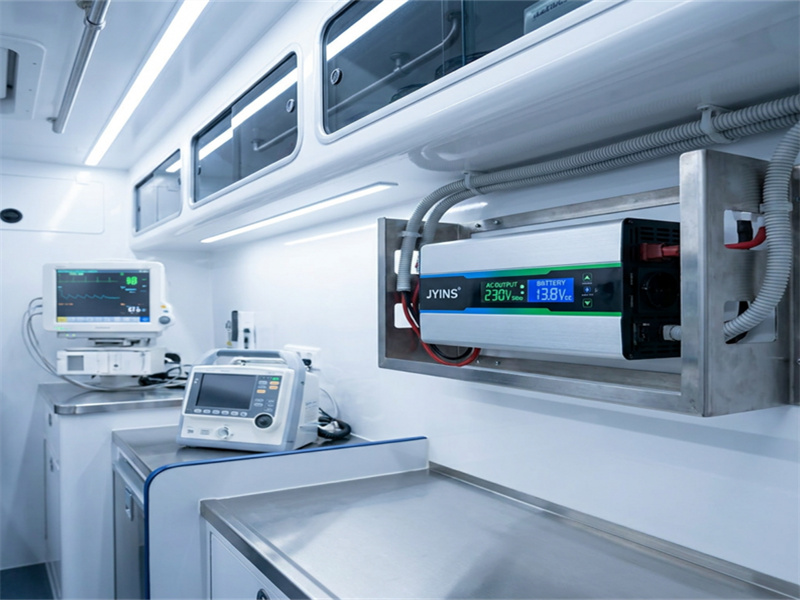
Introduction: The Lifeline of Mobile Medicine In the rapidly evolving landscape of healthcare, mobile medical units—ranging from advanced life-support ambulances to remote rural clinics—have become critical front-line assets. These units ...
View More
The impact of '6G Telecom' infrastructure on the technical specs of future outdoor micro-inverters.

24

Jun

The impact of '6G Telecom' infrastructure on the technical specs of future outdoor micro-inverters.

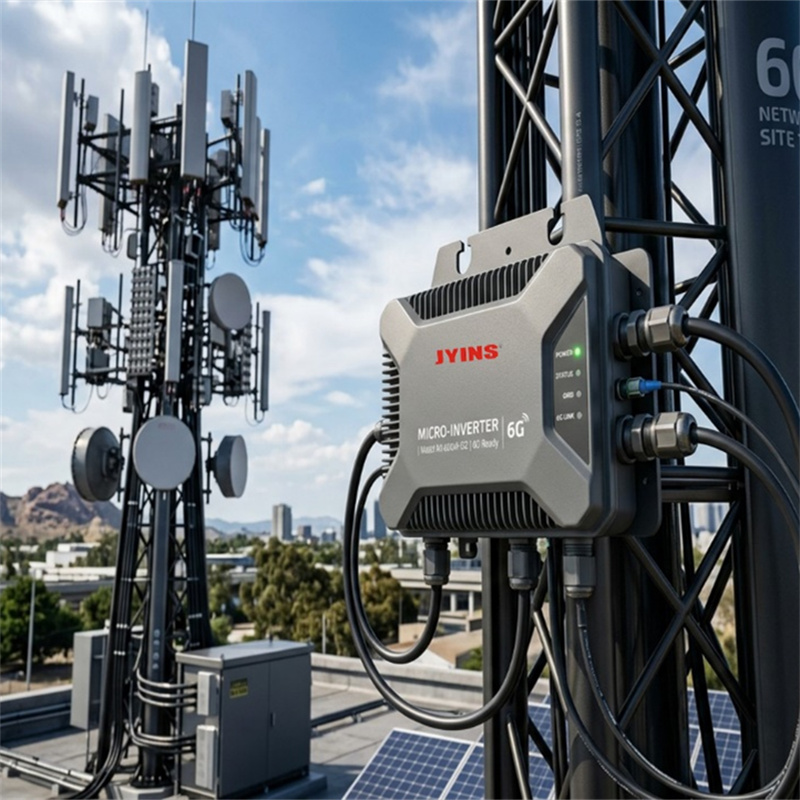
The Impending Arrival of 6G and the Power Challenge While the deployment of 5G telecommunication networks is still ongoing worldwide, researchers, standardization bodies, and leading technology firms are already laying the technical foundations for t...
View More
Vetting the 'Peak Efficiency' vs. 'Weighted Efficiency' for industrial inverter tenders

25

Jun

Vetting the 'Peak Efficiency' vs. 'Weighted Efficiency' for industrial inverter tenders

Introduction: The Pitfalls of Peak Efficiency in Tender Evaluations In the highly competitive landscape of industrial power inverter tenders, B2B procurement directors and engineering consultants face a barrage of technical proposals from manufacture...
View More

Get a Free Quote

Our representative will contact you soon.
Email
Mobile
Name
Company Name
Products of Interest
Message
0/1000

Related product categories

Key Specifications for Automotive DC to AC Converters

Get a Free Quote

Our representative will contact you soon.
Email
Mobile
Name
Company Name
Products of Interest
Message
0/1000