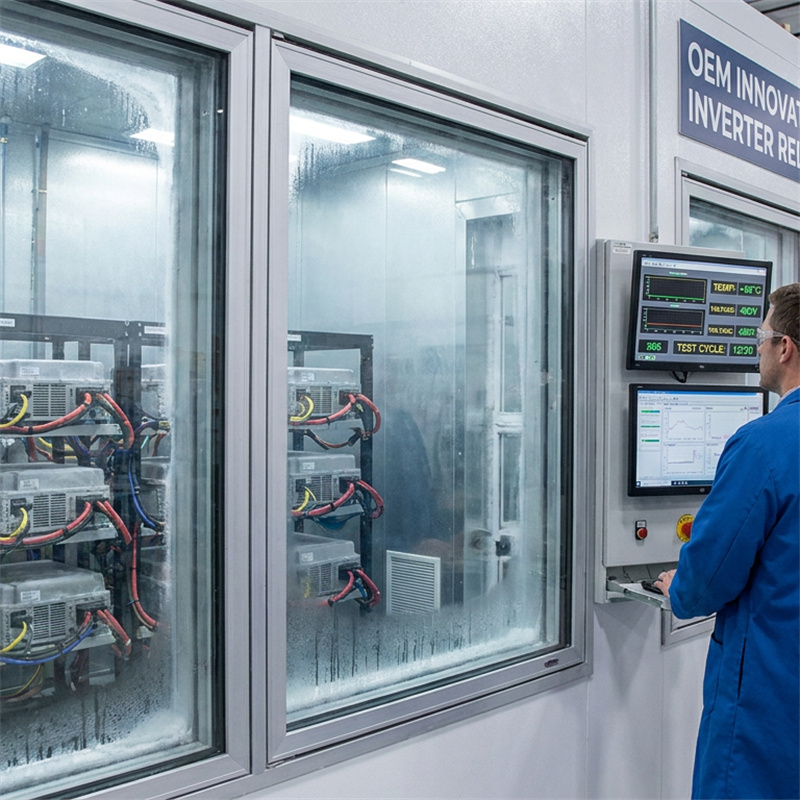
Key Specifications for Automotive Power Converters

Get a Free Quote

Our representative will contact you soon.
Email
Mobile
Name
Company Name
Products of Interest
Message
0/1000

Automotive power converter

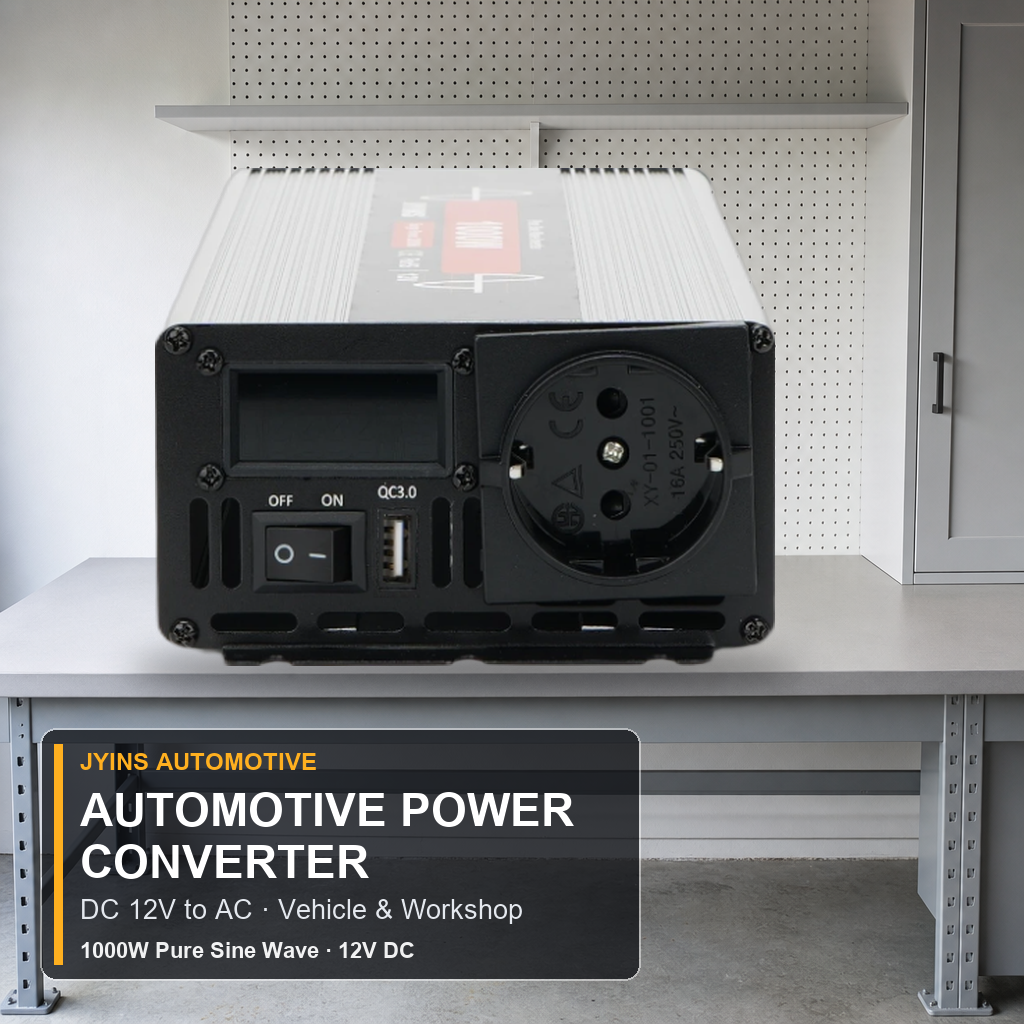
Automotive power converters are essential devices that convert direct current (DC) electricity from batteries into alternating current (AC) electricity, enabling the operation of various electronic devices in vehicles. For B2B buyers, understanding the specifications and quality of automotive power converters is critical to ensure they meet the requirements of their applications. This article will guide purchasing managers, engineers, and product managers through the key considerations when sourcing automotive power converters, focusing on specifications, quality evaluation, reliable suppliers, cost factors, and comparison techniques to make informed purchasing decisions. 
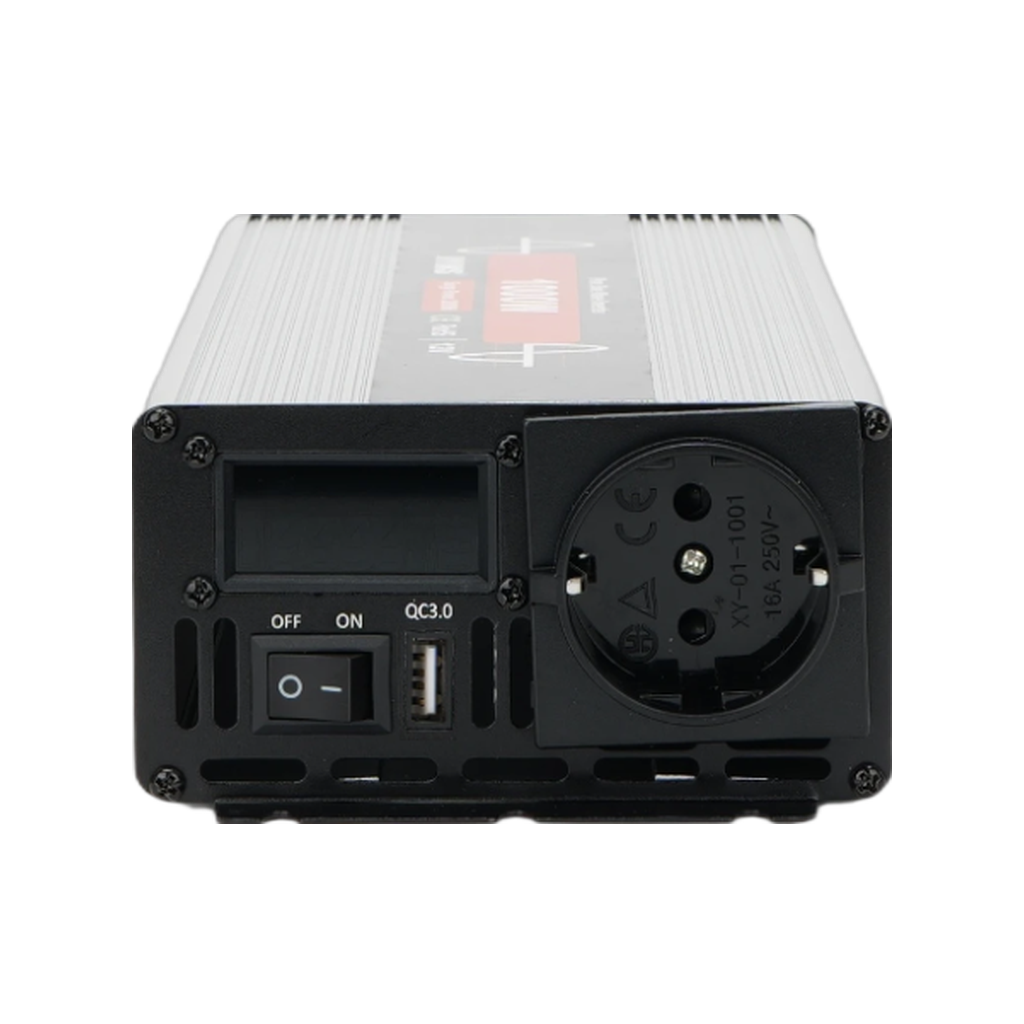
How to Evaluate the Quality of Automotive Power Converters for Bulk Orders

How to Evaluate the Quality of Automotive Power Converters for Bulk Orders

Evaluating the quality of automotive power converters is essential, especially when placing bulk orders. Here are some practical steps to guide your assessment: 

Request Samples: Before finalizing your order, request samples to test the converters in real-world conditions. This allows you to assess the performance, durability, and compatibility with your existing systems. 

Quality Assurance Processes: Inquire about the manufacturer's quality assurance processes. A reputable manufacturer, like Zhejiang Jyins Electrical Co., LTD, will adhere to ISO9000 standards and have rigorous testing protocols in place to ensure that every unit meets high-quality benchmarks. 

Certificates and Compliance: Verify that the 48v/60v/72v auto power converter come with necessary certifications, such as CE, RoHS, or UL listings. These certifications indicate that the products have been tested for safety, reliability, and compliance with industry standards. 

Customer Reviews and References: Seek feedback from other customers or industry references to gain insight into the manufacturer's reliability and the performance of their products over time. 

Warranty and Support: Check the warranty terms and the level of customer support provided. A solid warranty indicates confidence in product quality, and efficient support can resolve issues quickly. 

By thoroughly evaluating these aspects, you can ensure that the automotive power converters you source are of high quality and suited for your needs. 
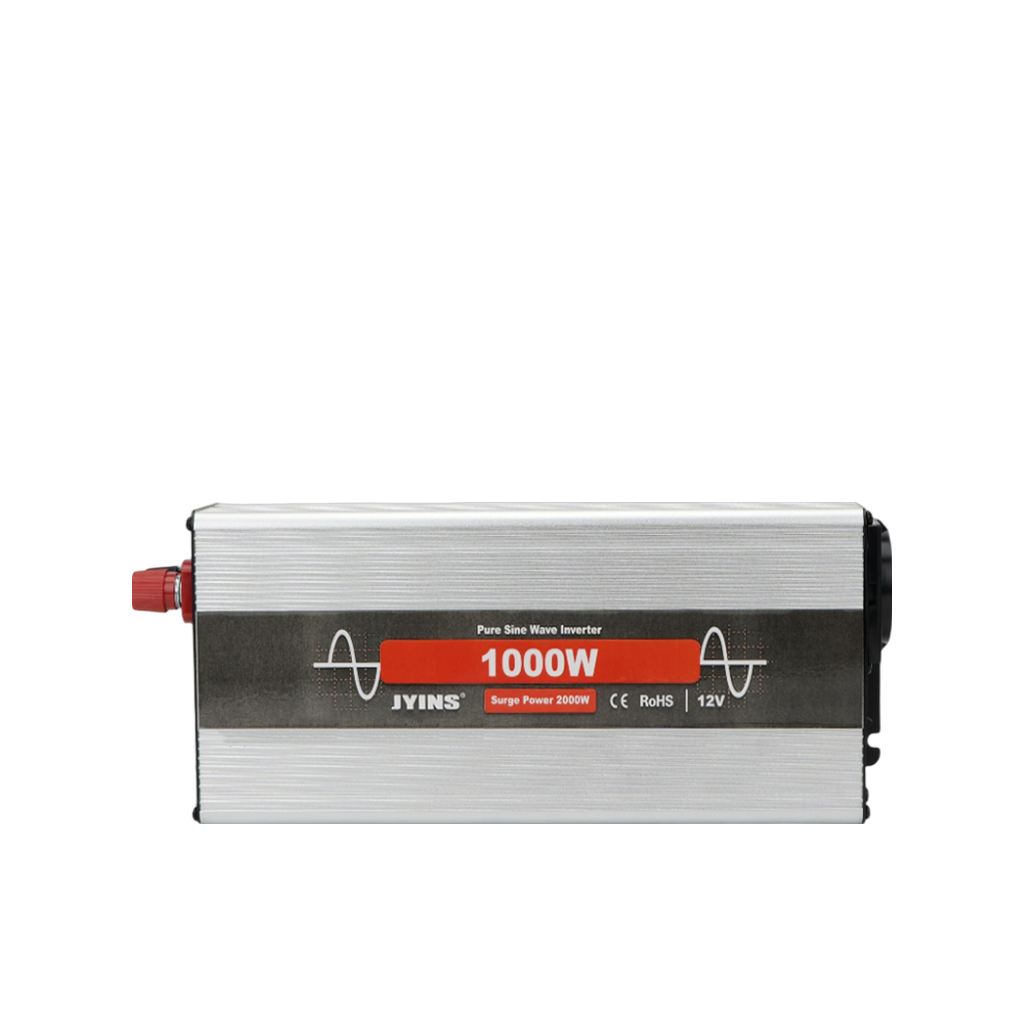
Where to Find Reliable Suppliers for Automotive Power Converters

Where to Find Reliable Suppliers for Automotive Power Converters

Finding a reliable supplier for automotive power converters is vital for seamless procurement. Here are some effective strategies: 

Industry Directories and Trade Shows: Utilize industry-specific directories and attend trade shows to connect with manufacturers and suppliers. These platforms often provide insights into a supplier's reputation and product offerings. 

Online Marketplaces: Websites like Alibaba or Global Sources can be useful for finding manufacturers. However, due diligence is necessary; check supplier ratings, reviews, and their history of successful transactions. 

Networking in Professional Associations: Engage with professional associations related to automotive manufacturing and electronics. Networking within these groups can lead to recommendations for reputable suppliers. 

Manufacturer Websites: Investigate manufacturers' websites, like Zhejiang Jyins Electrical Co., LTD, to evaluate their product range, technical specifications, and quality certifications. Direct communication with manufacturers can also provide clarity on their capabilities and support. 

Local Representatives: Employ local representatives or distributors who understand the market dynamics and can facilitate smoother transactions and communications with manufacturers. 

By leveraging these resources, you can identify suppliers who meet your quality and reliability expectations. 

Cost Factors in Purchasing Automotive Power Converters in Wholesale

Cost Factors in Purchasing Automotive Power Converters in Wholesale

Understanding the cost factors associated with purchasing automotive power converters wholesale is essential for budget planning. Key considerations include: 

Unit Price: The base price of the automotive power converter can vary significantly based on specifications, brand reputation, and supplier pricing strategies. Bulk orders often come with discounts, so negotiating based on quantity can yield cost savings. 

Shipping and Logistics: Factor in shipping costs, which can vary based on the supplier's location, order size, and shipping method. Be aware of potential additional fees, such as customs duties for international shipments. 

Customization Costs: If you require customized features or specifications, be sure to discuss these upfront. Customizations can lead to increased costs, and knowing these in advance helps in budgeting. 

Payment Terms: Evaluate the payment terms offered by suppliers. Flexible terms can ease cash flow but may influence the overall cost. Early payment discounts can also reduce total expenditures. 

Long-term Contracts: For ongoing needs, consider negotiating long-term contracts with suppliers. This can lead to more favorable pricing and ensures a steady supply of automotive power converters. 

By comprehensively understanding these cost factors, you can make informed purchasing decisions that align with your budget constraints. 

How to Compare Automotive Power Converters for Your Project Needs

When comparing automotive power converters for your specific project requirements, it is important to take a systematic approach: 

Create a Specification Matrix: List the specifications of potential converters side by side in a matrix format. This allows for easy comparison of input/output voltage, power rating, efficiency, and other critical features. 

Consider Application Compatibility: Ensure that the converters you are comparing are suitable for your specific applications. Some converters may perform better in certain environments or under specific loads. 

Evaluate Manufacturer Reputation: Take into account the reputation of the manufacturers. Established companies like Zhejiang Jyins Electrical Co., LTD often have proven track records and reliable quality control processes. 

Review Warranty and Support Options: Compare the warranty terms and customer support options offered by different suppliers. A longer warranty and responsive support can save costs in the long run if issues arise. 

Performance Testing: If possible, conduct performance tests on shortlisted converters to assess their real-world functionality. This is particularly important for critical applications where reliability is paramount. 


Key Specifications to Consider When Sourcing Automotive Power Converters

When sourcing automotive power converters, several key specifications should be prioritized to ensure that the units meet your operational needs. These specifications include: 

Input and Output Voltage: It is crucial to verify that the input voltage range matches the vehicle's battery output, typically between 12V and 48V, while ensuring the output voltage meets the requirements of the devices being powered. 

Power Rating: The power converter's wattage rating will determine how many devices can be powered simultaneously. Calculating the total wattage of your devices will help in selecting a converter with an adequate power rating. 

Efficiency: Look for converters with high efficiency (above 85% is standard). Higher efficiency means less energy is wasted as heat, which can lead to longer operational life and improved battery performance. 

Thermal Management: Consider whether the power converter for car has built-in cooling mechanisms, such as heat sinks or fans, to prevent overheating during operation, especially under high loads. 

Durability and Environmental Ratings: Assess the converter's build quality and whether it adheres to specific environmental ratings (like IP67) to ensure it can withstand the conditions it will face in automotive applications. 

Compliance with Standards: Ensure that the ac converter complies with relevant automotive standards and certifications, such as ISO9001, which reflects a commitment to quality management systems. 

Understanding these specifications will help you choose a suitable automotive power converter that aligns with your project's requirements. 

Frequently Asked Questions

What is the automotive power converter used for?

It converts vehicle DC power to stable AC or regulated DC for running electronics, charging batteries, and supporting off-grid solar accessories in vehicles.
Typical models accept 12V/24V DC input and provide 110V/220V AC or regulated DC outputs; exact specs depend on model—check product datasheet.
Yes. Designed for vehicle integration and off-grid solar setups, ensuring seamless power delivery between batteries, panels, and vehicle loads.
Built to ISO9000-quality processes, features include over-voltage, under-voltage, short-circuit, overload, and temperature protection.
Contact Zhejiang Jyins Electrical support with product serial and purchase info. Warranty terms vary by model; our team of engineers provides technical assistance.

Our Blog Posts

How to Match Inverter Power Rating with Inductive Load Requirements

08

Apr

How to Match Inverter Power Rating with Inductive Load Requirements

Choosing the right inverter for your inductive load is very important thing. Inductive load mean stuff with coils like motors or transformers, they need extra power at starting time. This extra power call starting current or inrush current. If your i...
View More
Vetting the 'Island Detection' safety logic for EU-wide distributed energy resource (DER) standards.

24

Jun

Vetting the 'Island Detection' safety logic for EU-wide distributed energy resource (DER) standards.

The Imperative of Anti-Islanding in European Smart Grids The European Union is leading the global transition toward distributed energy resources (DERs), integrating massive capacities of solar photovoltaics and battery storage systems into the low an...
View More
How does DC Arc Fault Circuit Interrupter (AFCI) logic prevent fire risks in rooftop B2B solar arrays?

24

Jun

How does DC Arc Fault Circuit Interrupter (AFCI) logic prevent fire risks in rooftop B2B solar arrays?

The Threat of DC Arc Faults in B2B Rooftop Solar Commercial and industrial rooftop solar arrays are increasingly popular for B2B operations looking to lower carbon emissions and operational costs. However, these large installations bring distinct saf...
View More
How to conduct a 'Stress Test' on sample inverters before placing high-volume OEM orders?

25

Jun

How to conduct a 'Stress Test' on sample inverters before placing high-volume OEM orders?

Introduction: The Capital Risk of High-Volume OEM Procurement For B2B procurement directors, electrical wholesalers, and solar system developers, placing a high-volume OEM (Original Equipment Manufacturer) order for power inverters represents a signi...
View More

Get a Free Quote

Our representative will contact you soon.
Email
Mobile
Name
Company Name
Products of Interest
Message
0/1000
Key Specifications for Automotive Power Converters

Get a Free Quote

Our representative will contact you soon.
Email
Mobile
Name
Company Name
Products of Interest
Message
0/1000