EN


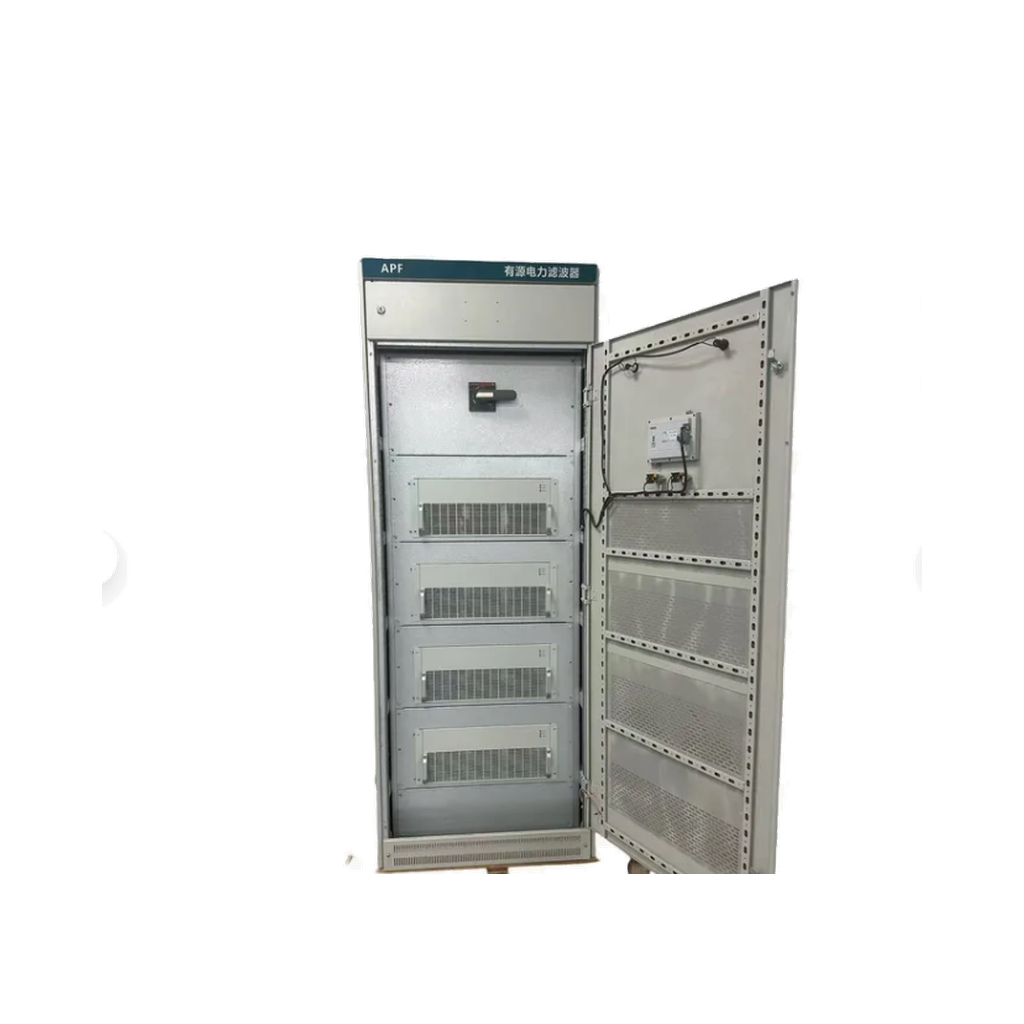
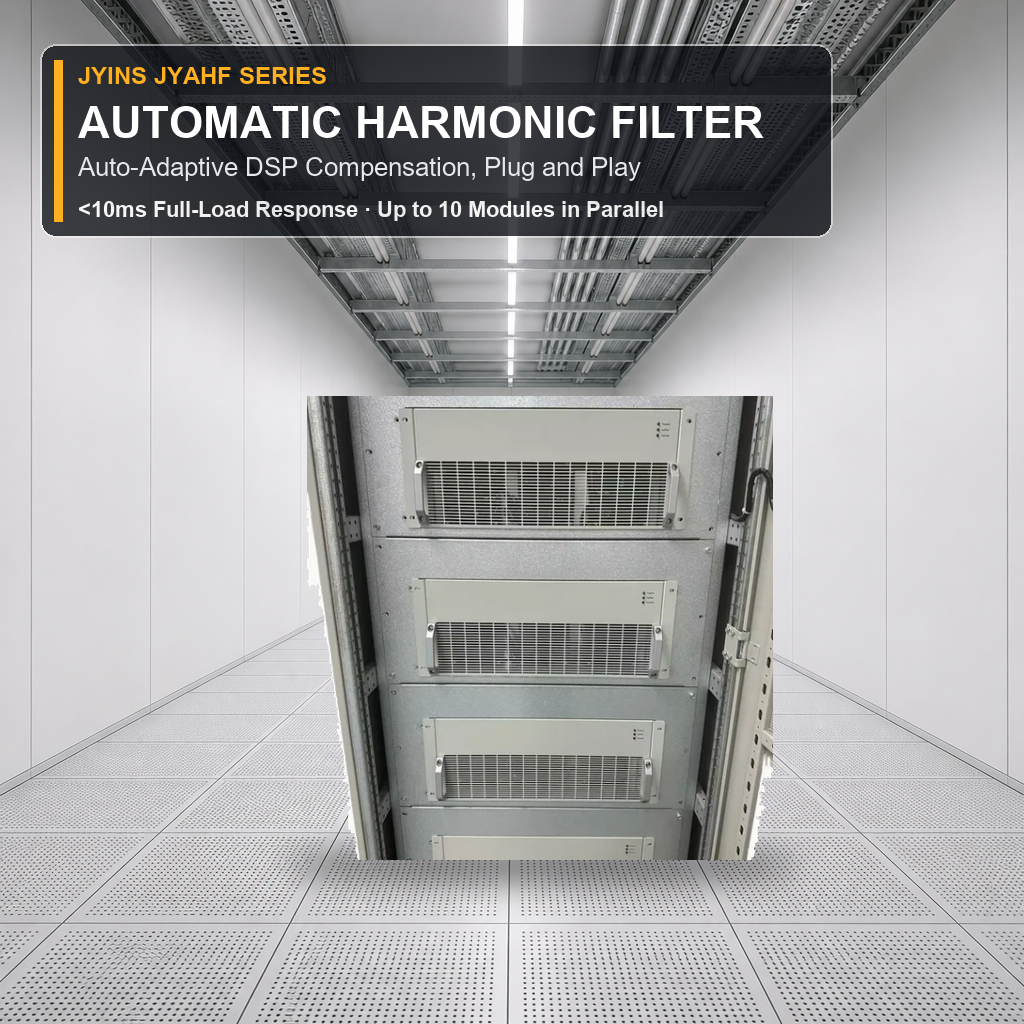
Automatic harmonic filters are essential devices used in industrial settings to improve power quality by reducing harmonic distortion in electrical systems. B2B buyers, especially purchasing managers and engineers, are often concerned with the technical specifications, quality assurance, and compatibility of these filters with existing systems. This article aims to provide valuable insights into selecting the right automatic harmonic filter for your project, including key specifications, purchasing tips, and guidance on evaluating quality.
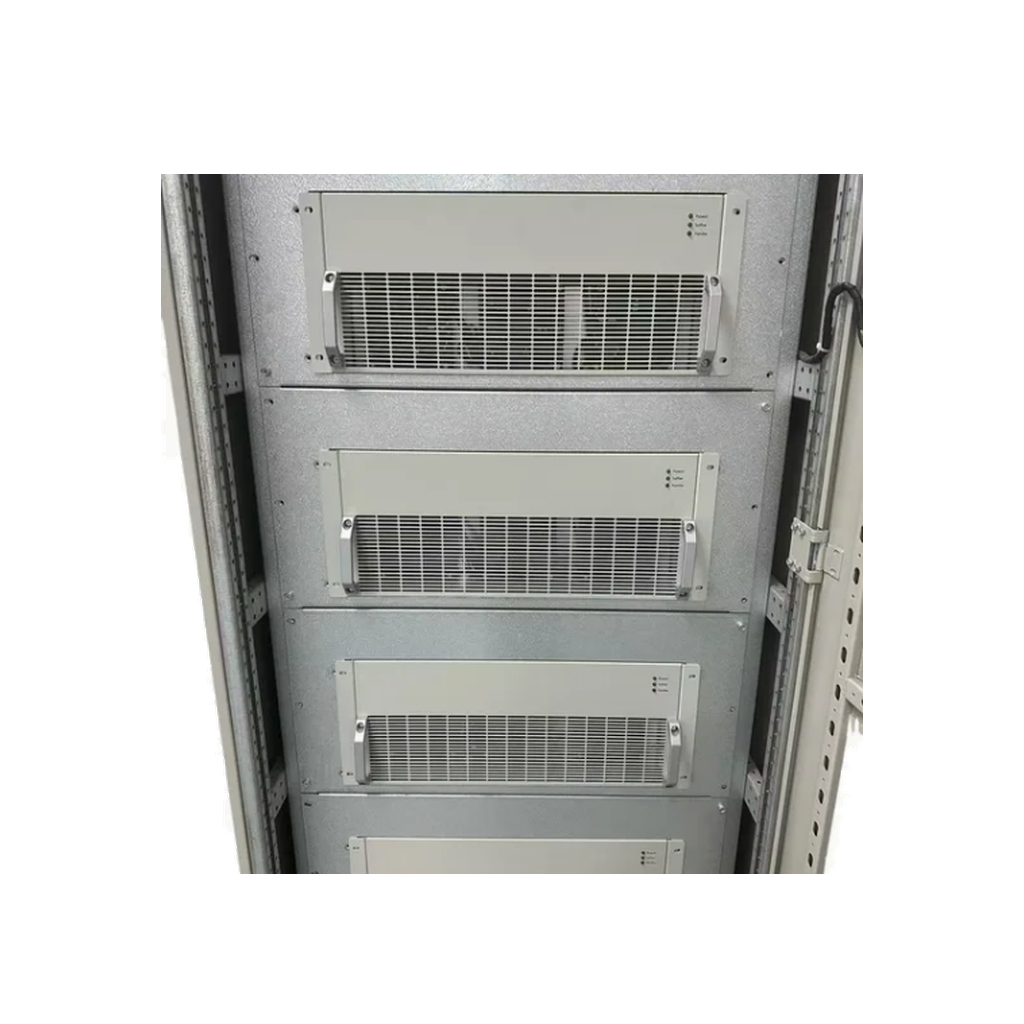
Key Specifications to Consider When Sourcing Automatic Harmonic Filters
When sourcing automatic harmonic filters, pay close attention to several key specifications:
Rated Voltage and Current: Ensure the filter's voltage and current ratings align with your electrical system’s specifications. A mismatch can lead to equipment failure or inefficiency.
Filter Type: Choose between passive, active, or hybrid filters based on your need. Passive filters are generally more cost-effective but may not be as adaptable to varying loads as active filters.
Frequency Range: The filter should effectively mitigate harmonics within the specific frequency range relevant to your application. This is particularly important for industries with sensitive equipment that may be affected by harmonics.
Efficiency: Evaluate the filter's efficiency ratings, as higher efficiency often translates to lower operational costs and improved performance.
Size and Installation: Consider the physical dimensions of the filter and any special installation requirements. Some filters may require specific mounting solutions or environmental conditions to operate effectively.
These specifications are critical not just for functionality but also for ensuring compliance with industry standards and regulations.