Essential Guide to 12 Volt Auto Battery Chargers

Get a Free Quote

Our representative will contact you soon.
Email
Mobile
Name
Company Name
Products of Interest
Message
0/1000

12 volt auto battery charger

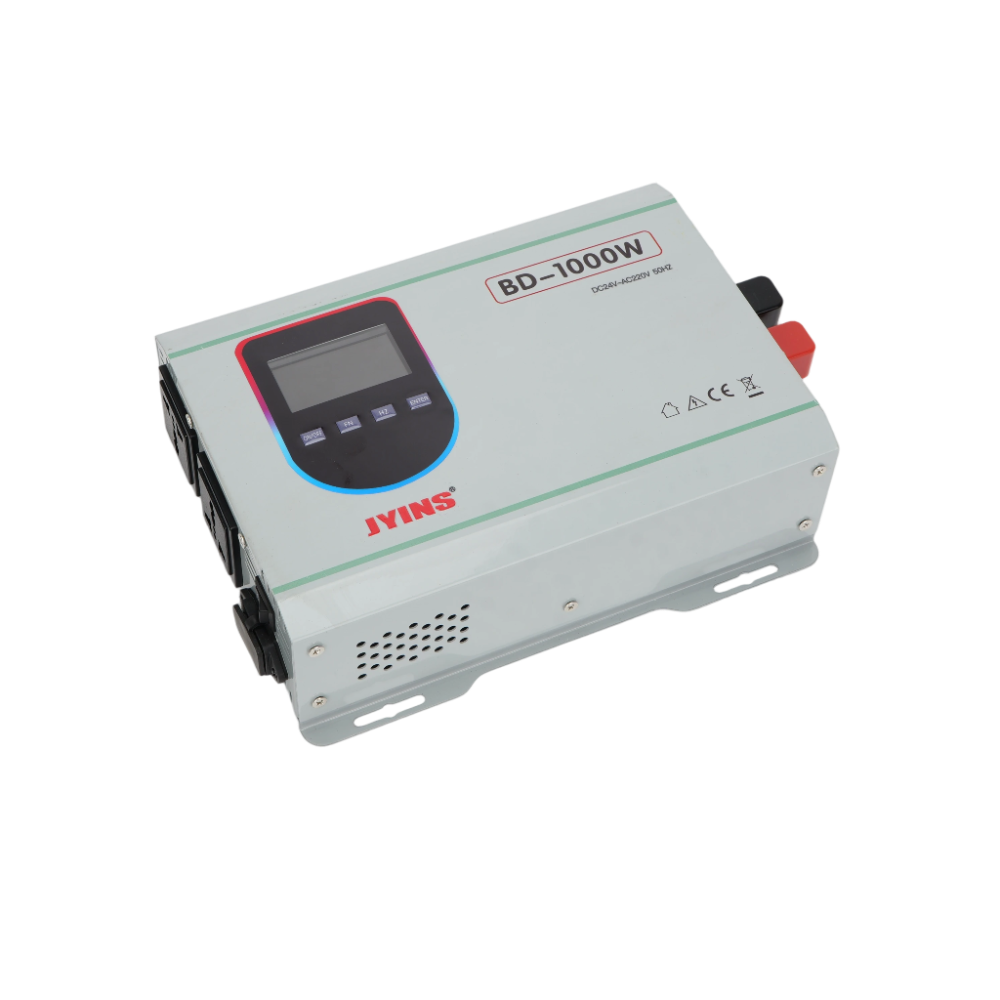
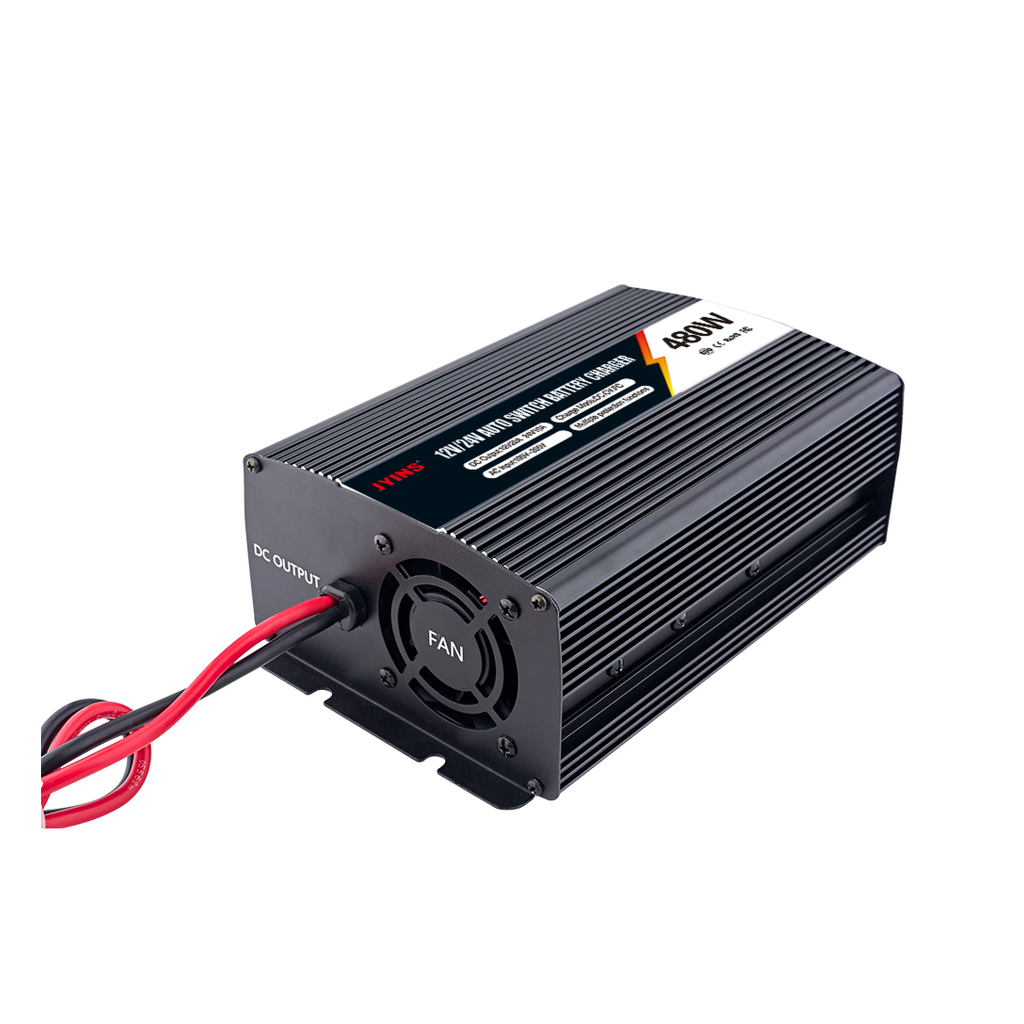
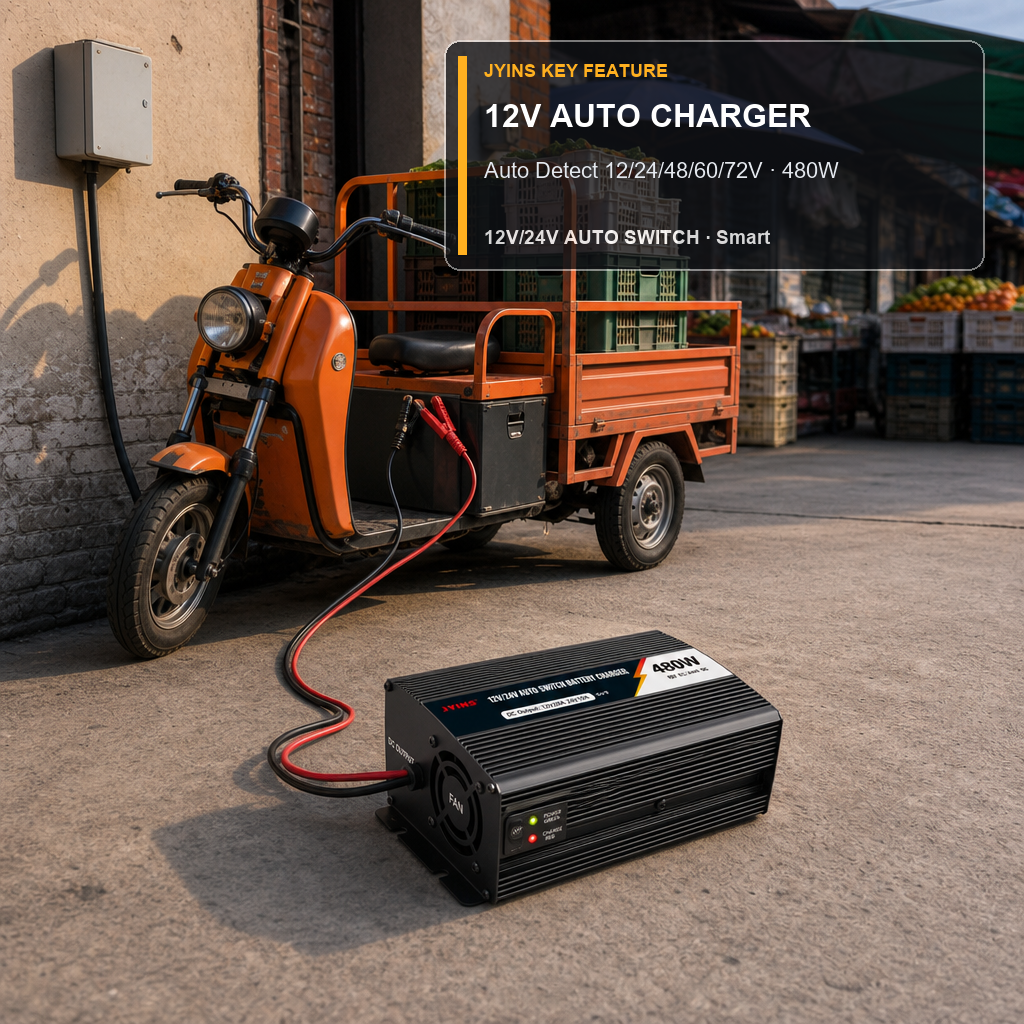
A 12 volt auto battery charger is an essential tool for maintaining and optimizing the performance of automotive batteries. B2B buyers, including purchasing managers and distributors, often seek reliable chargers to ensure their clients' vehicles and equipment remain operational. We will delve into key specifications, cost factors, installation guidance, common problems, and the advantages of high-quality materials in 12 volt dc inverter auto battery chargers, helping you make informed purchasing decisions. 
Our Products

Comparing Cost Factors for 12 Volt Auto Battery Chargers for Distributors

Comparing Cost Factors for 12 Volt Auto Battery Chargers for Distributors

Cost is a critical factor for distributors when selecting 12 volt auto battery chargers. The initial purchase price can vary significantly based on features,  materials, and brand reputation. Distributors should also consider the total cost of ownership, which includes maintenance, warranty services, and the expected lifespan of the product. Moreover, bulk purchasing can often lead to significant discounts. Understanding the minimum order quantities (MOQs) that suppliers require is essential for evaluating overall cost-effectiveness. It’s also wise to compare shipping costs and lead times, as these can impact the final price and availability of stock. When assessing cost factors, distributors should not overlook the potential for customization. Some manufacturers, like Zhejiang Jyins Electrical Co., LTD, may offer tailored solutions that align with specific business needs, which, while potentially increasing upfront costs, can lead to better long-term performance and customer satisfaction. 
Installation Guidance for 12 Volt Auto Battery Chargers in Industrial Applications

Installation Guidance for 12 Volt Auto Battery Chargers in Industrial Applications

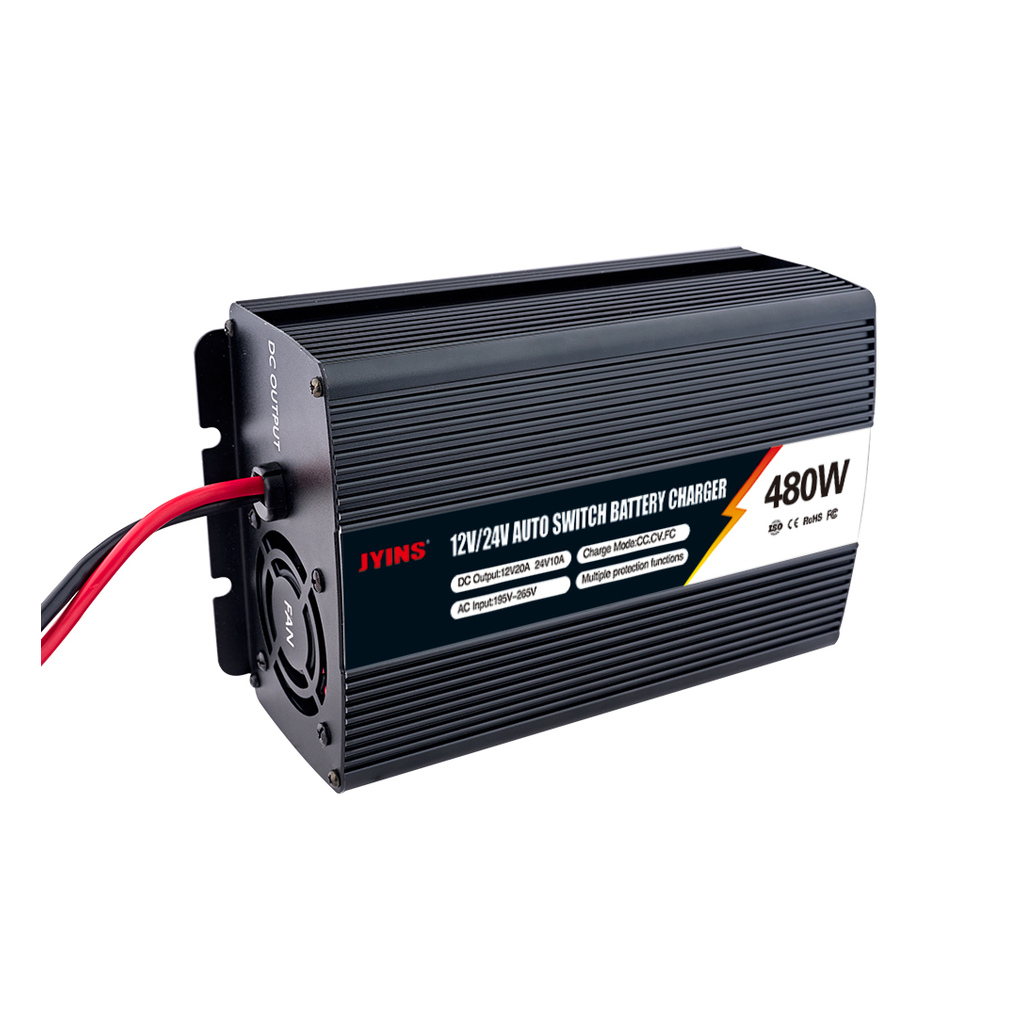
Proper installation of 12 volt auto battery chargers in industrial applications is vital for optimal performance and safety. First, ensure that the charger is installed in a dry, well-ventilated area to prevent overheating. The charger should be mounted securely, and the provided cable lengths must be adequate to reach the battery terminals without strain. Before installation, verify that the charger’s output matches the battery type and voltage. Incorrect installation can lead to battery damage or reduced efficiency. Additionally, it’s advisable to follow the manufacturer’s guidelines for connecting the charger, ensuring that the positive and negative terminals are correctly identified to avoid reverse polarity issues. For industrial settings, it may be beneficial to provide training for staff on charger operations and safety protocols. This includes understanding how to monitor charging status and recognizing warning signs of malfunction, such as unusual noises or heat. 

Common Problems with 12 Volt Auto Battery Chargers and Effective Solutions

Common Problems with 12 Volt Auto Battery Chargers and Effective Solutions

While 12 volt auto battery chargers are generally reliable, users may encounter common issues. One of the most frequent problems is overheating, which can occur if the charger is left connected for too long or if it lacks adequate ventilation. To mitigate this, users should monitor charging times closely and ensure proper airflow around the device. Another common issue is poor connection, which can lead to inefficient charging or no charging at all. Buyers should regularly inspect the charger’s cables and 12 volt pure sine wave inverter for wear and ensure they are securely attached to the battery terminals. If a charger is not functioning as expected, users should consult the manufacturer's troubleshooting guide for common error codes or indicators.  Manufacturers like Zhejiang Jyins Electrical Co., LTD often provide detailed support documentation to assist users in resolving issues effectively. 

The Advantages of High-Quality Materials in 12 Volt Auto Battery Chargers

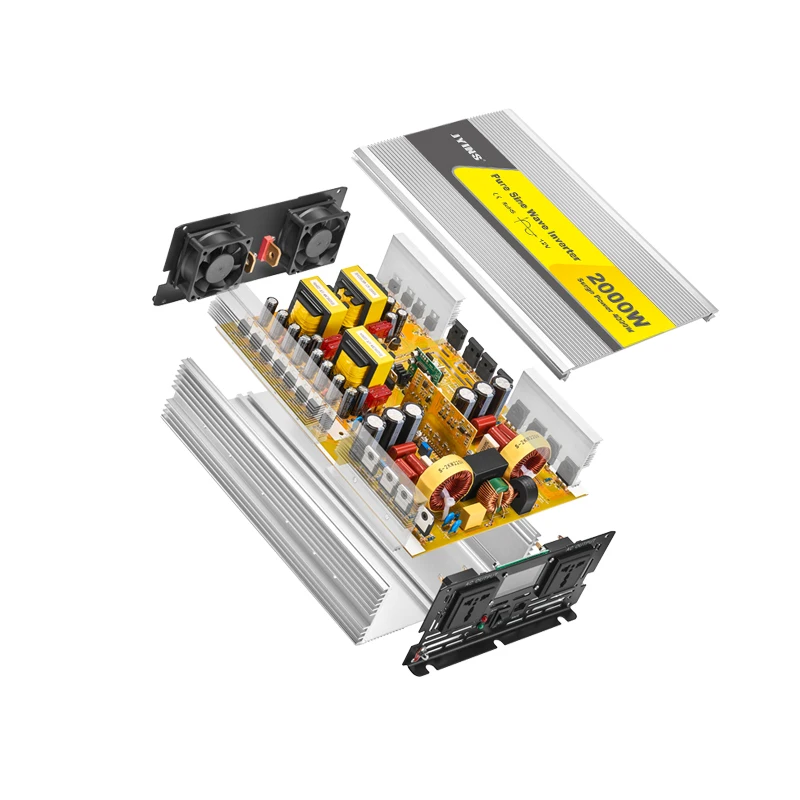
The materials used in the construction of 12 volt auto battery chargers significantly impact their performance and durability. High-quality plastics and metals can enhance resistance to corrosion and physical wear, ensuring a longer lifespan. Chargers made with robust materials can withstand the rigors of industrial environments, making them a worthwhile investment. Additionally, the internal components, such as transformers and circuit boards, must be constructed from reliable materials to ensure consistent performance. For example, using high-grade copper wiring can improve conductivity and efficiency, reducing charging times and energy losses. Buyers should prioritize suppliers who adhere to stringent manufacturing standards, such as ISO 9000, as this indicates a commitment to quality control.  Investing in chargers made from high-quality materials can lead to fewer replacements and maintenance costs over time, making them a more economical choice for businesses in the long run. By understanding these key aspects of 12 volt inverter for car chargers, B2B buyers can make more informed purchasing decisions, ensuring they select products that meet their operational needs and provide long-term value. 

Essential Specifications for 12 Volt Auto Battery Chargers in Wholesale Purchasing

When evaluating 12 volt auto battery chargers, several specifications are crucial for wholesale purchasing. The output current rating is one of the most important factors, typically measured in amperes. A higher amperage allows for faster charging, but buyers should consider the compatibility with the battery type being charged. Another key specification is the charger’s voltage regulation. A good charger should maintain a stable output voltage to prevent overcharging, which can damage the battery. Features such as automatic shut-off and multi-stage charging processes enhance battery life and safety. Buyers should also verify if the charger is equipped with safety features like reverse polarity protection and short-circuit protection, which can prevent accidents during use. Buyers should also assess the physical dimensions and weight of the charger, as this may influence shipping costs and storage considerations. Additionally, understanding the manufacturer's quality assurance processes, such as adherence to ISO 9000 standards, can provide insights into the reliability and longevity of the charger. 

Frequently Asked Questions

What vehicles is the 12 volt auto battery charger compatible with?

Our 12 volt auto battery charger supports most cars, motorcycles, ATVs, lawn tractors and boats with 12V lead-acid batteries, including flooded, AGM and GEL types. Check your battery specifications for compatibility.
Yes. The charger features overcharge, short circuit, reverse polarity and over-temperature protection, meeting ISO9000-aligned quality controls to ensure safe, reliable charging.
Charge time varies by battery capacity and state of charge. Typically a 50Ah battery charges in 4–10 hours depending on charger current and battery condition. Use the charger's indicator to monitor progress.
Our charger offers automatic float/maintenance mode to prevent overcharging, allowing safe long-term connection for battery maintenance when needed.
We back our charger with quality assurance and offer manufacturer support. Contact our customer service for warranty details, technical help and replacement guidance.

Our Blog Posts

Why JYINS Leads in Custom Bidirectional inverter PCB boards Manufacturing

01

Apr

Why JYINS Leads in Custom Bidirectional inverter PCB boards Manufacturing

JYINS is company that really stands out in making custom bidirectional inverter PCB boards. These PCBs they are very important pieces that control energy flow in things like solar inverters and electric cars. JYINS use special methods and tools to ma...
View More
The Role of Bidirectional inverter PCB boards in EV Charging Stations

14

May

The Role of Bidirectional inverter PCB boards in EV Charging Stations

Bidirectonal inverter PCB boards plays a big role in electric vehicle (EV) charging stations. They handle how energy move between the station and EV. This mean they send power to EV when charging, and they can send power back to grid from EV too. Thi...
View More
How to manage 'Three-Phase Unbalance' limits in German VDE-AR-N 4105 compliant industrial setups?

24

Jun

How to manage 'Three-Phase Unbalance' limits in German VDE-AR-N 4105 compliant industrial setups?

The German Low-Voltage Grid Standard: VDE-AR-N 4105 Germany is home to one of the most sophisticated and highly regulated electricity networks in the world. As the country pushes toward its Energiewende (energy transition), the integration of distrib...
View More
Analyzing the ROI of 'Remote Monitoring' dashboards for B2B fleet power management

25

Jun

Analyzing the ROI of 'Remote Monitoring' dashboards for B2B fleet power management

Introduction: The Modern B2B Fleet and Its Power Needs For commercial service fleets, mobile medical clinics, utility repair trucks, and long-haul logistics providers, vehicles are no longer just a means of transportation. They have transformed into ...
View More

Get a Free Quote

Our representative will contact you soon.
Email
Mobile
Name
Company Name
Products of Interest
Message
0/1000
Essential Guide to 12 Volt Auto Battery Chargers

Get a Free Quote

Our representative will contact you soon.
Email
Mobile
Name
Company Name
Products of Interest
Message
0/1000