EN
EN


Introduction: The Modern B2B Fleet and Its Power Needs
For commercial service fleets, mobile medical clinics, utility repair trucks, and long-haul logistics providers, vehicles are no longer just a means of transportation. They have transformed into sophisticated mobile workstations. These fleets require high-capacity, reliable alternating current (AC) power on the road to run heavy-duty power tools, diagnostic computers, laboratory equipment, and specialized refrigeration units. To supply this power, fleet managers install high-load DC-to-AC power inverters inside each vehicle.
However, managing power across a fleet of dozens or hundreds of vehicles presents unique operational challenges. Traditionally, fleet managers operated in the dark, with no visibility into the health or usage of these vehicle-based power systems. Inverters were run until they failed, often in remote field locations, halting critical operations and causing costly service delays. The advent of IoT (Internet of Things) and remote monitoring dashboards has changed the equation. This article provides a comprehensive financial and operational analysis to help B2B procurement directors and fleet managers calculate and justify the Return on Investment (ROI) of remote monitoring systems for fleet power management.
Question: How can B2B fleet managers calculate and justify the ROI of investing in 'Remote Monitoring' dashboards for their fleet's power inverters?
To justify this investment, procurement teams must analyze the direct and indirect financial savings that remote monitoring delivers. This involves assessing its impact on vehicle downtime, battery lifespan, capital expenditures for hardware, and labor costs.
What is Inverter Remote Monitoring in Fleet Management?
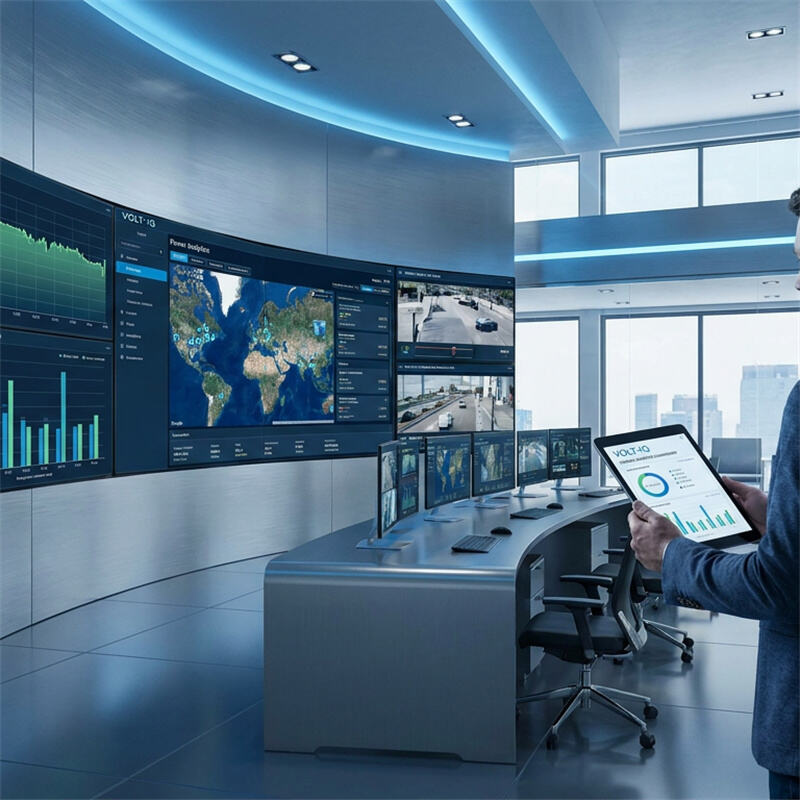
An inverter remote monitoring system is an integrated hardware and software solution. It connects the vehicle's power inverter to the fleet's central telematics platform. Through communication protocols such as RS485 Modbus, Bluetooth, WiFi, or cellular modules, the inverter constantly transmits real-world performance metrics to a cloud-based dashboard. Fleet managers can monitor critical indicators in real-time, including:
- DC Input Voltage: To check the health of the vehicle's starting or auxiliary batteries.
- AC Output Load: To see how much power is being drawn by field technicians.
- Operating Temperature: To monitor internal thermal levels and prevent overheating.
- Fault Logs: Immediate notifications of issues such as overloads, short circuits, or low-voltage cut-offs.
The Financial Cost of Blind Fleet Power Operations
Operating a fleet without power monitoring carries substantial hidden costs that directly impact the company's bottom line:
- Unplanned Downtime: If a field service truck's inverter fails, the technician cannot operate their tools. This leads to missed appointments, rescheduling costs, and lost service revenue. The average cost of a service truck being sidelined can easily exceed five hundred dollars per day.
- Battery Destruction: Power inverters draw energy from the vehicle's battery bank. If a technician leaves a heavy appliance running with the vehicle engine off, they risk over-discharging the battery. Repeated deep discharges degrade lead-acid and lithium batteries rapidly, forcing premature replacements that cost hundreds of dollars per vehicle.
- Asset Oversizing: Without usage data, fleet procurement directors often over-specify inverter and battery capacities out of fear of system overload. This practice increases the initial capital cost of each vehicle's power setup.
Key Value Pillars of Remote Monitoring That Drive ROI
An investment in remote monitoring dashboards addresses these hidden costs directly, transforming fleet power operations from reactive to proactive. Here are the four primary pillars that generate measurable financial returns:
1. Preventive Fault Detection: Instead of waiting for an inverter to fail, remote dashboards alert fleet managers to early warning signs. For example, if an inverter's operating temperature is steadily rising over several weeks, it may indicate a failing cooling fan or dust accumulation. Scheduling a quick cleaning during routine vehicle maintenance prevents a sudden, expensive field failure.
2. Battery Lifespan Extension: By monitoring real-time DC voltage levels, the dashboard can send automated alerts to the driver or fleet manager when battery charge drops below a safe threshold. It can even trigger automatic low-voltage disconnects to preserve battery health. Extending battery life by just twelve to eighteen months across a fleet of one hundred vehicles yields massive cumulative savings.
3. Optimizing Equipment Sizing for Future Procurement: Access to historical load curves allows procurement directors to see exactly how much power their vehicles actually use. If data shows that a certain class of service trucks never draws more than one thousand five hundred watts, there is no need to purchase expensive three thousand watt inverters for future vehicle builds. Sizing hardware precisely based on real data can reduce initial hardware capital expenditure by fifteen to twenty-five percent.
4. Maintenance Labor and Travel Reductions: When a power issue occurs, a remote dashboard allows technicians to diagnose the problem from headquarters. They can see if the inverter tripped due to a simple overload (e.g., the user plugged in too many appliances) or a physical hardware fault. This eliminates unnecessary trips to the service depot, saving valuable technician labor and vehicle fuel.
A Practical B2B ROI Calculation
Let us look at a simplified financial scenario for a fleet of one hundred utility service vehicles:
- Initial Investment: Adding remote monitoring hardware and dashboard access costs approximately one hundred dollars per vehicle, representing a total upfront capital investment of ten thousand dollars.
- Annual Downtime Savings: Historically, this fleet experiences twelve critical inverter failures per year, costing six hundred dollars per incident in lost labor and travel. By utilizing preventive alerts, the fleet reduces these incidents by eighty percent, saving five thousand seven hundred and sixty dollars annually.
- Battery Savings: The fleet typically replaces twenty-five batteries prematurely each year due to over-discharge, at a cost of two hundred dollars per battery. Implementing low-voltage alerts reduces this to five replacements, saving four thousand dollars annually.
- Sizing Optimization: During annual vehicle replacement (ten vehicles per year), data-driven sizing allows the fleet to buy smaller, lower-cost inverter units, saving one hundred and fifty dollars per vehicle, totaling one thousand five hundred dollars annually.
Total Annual Savings: Eleven thousand two hundred and sixty dollars.
With an initial investment of ten thousand dollars and annual savings of over eleven thousand dollars, the remote monitoring system pays for itself in less than eleven months. In subsequent years, this technology continues to deliver pure operational savings straight to the bottom line.
The JYINS Solution for Fleet Power Integration
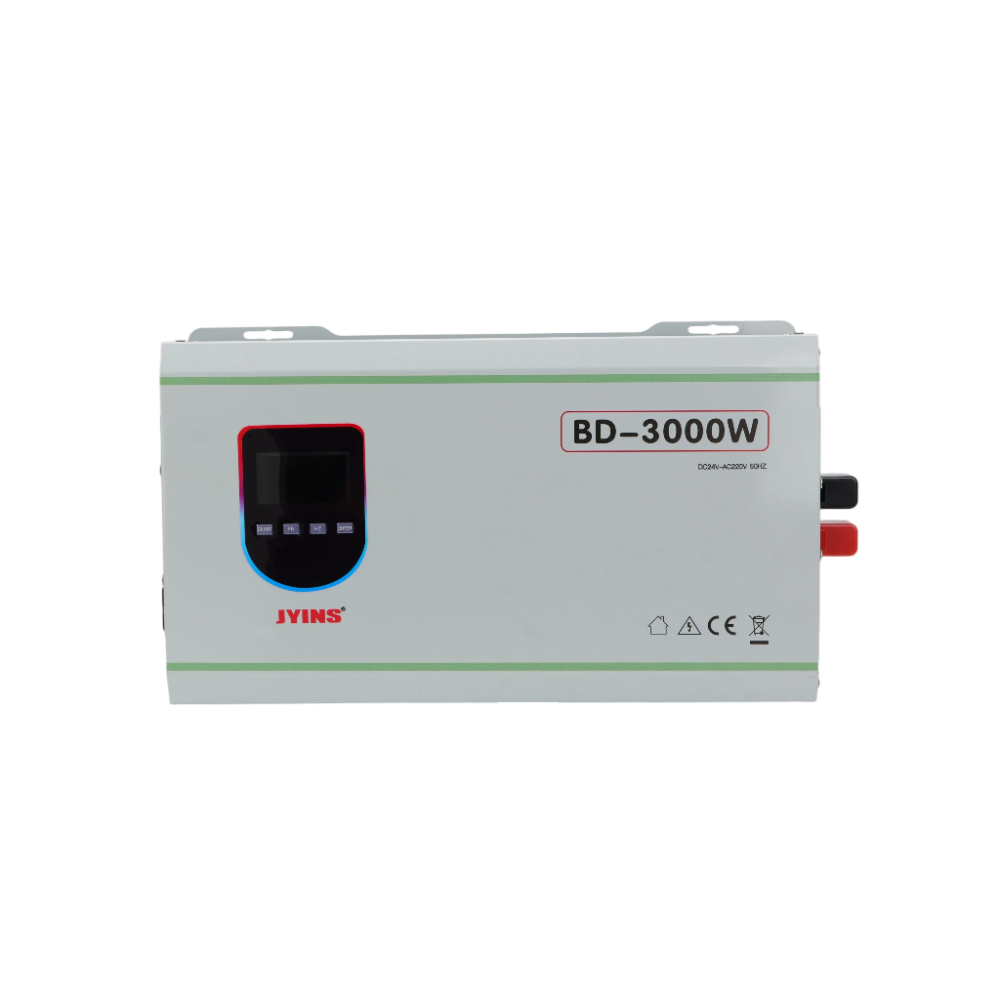
At JYINS Electrical, we design our power inverters to be fully compatible with the demands of modern connected fleets. Our high-load inverters feature advanced communication options, including integrated RS485 interfaces utilizing standard Modbus protocols. This allows our hardware to integrate seamlessly with your existing vehicle telematics and fleet tracking systems. With JYINS inverters, you do not just get a reliable source of mobile power; you gain a fully transparent asset that empowers your management team with the data needed to optimize efficiency and maximize fleet uptime.
Conclusion: Sourcing Smarter with IoT Data
Investing in remote monitoring dashboards for fleet power management is a financially sound decision for any B2B logistics or service provider. The capability to turn unmonitored hardware into intelligent, connected devices delivers direct, measurable returns through reduced downtime, extended battery life, optimized capital expenditure, and lower maintenance costs. For your next fleet build, prioritize inverters that offer robust data communication and unlock the power of remote fleet monitoring.
Table of Contents
- Introduction: The Modern B2B Fleet and Its Power Needs
- Question: How can B2B fleet managers calculate and justify the ROI of investing in 'Remote Monitoring' dashboards for their fleet's power inverters?
- What is Inverter Remote Monitoring in Fleet Management?
- The Financial Cost of Blind Fleet Power Operations
- Key Value Pillars of Remote Monitoring That Drive ROI
- A Practical B2B ROI Calculation
- The JYINS Solution for Fleet Power Integration
- Conclusion: Sourcing Smarter with IoT Data