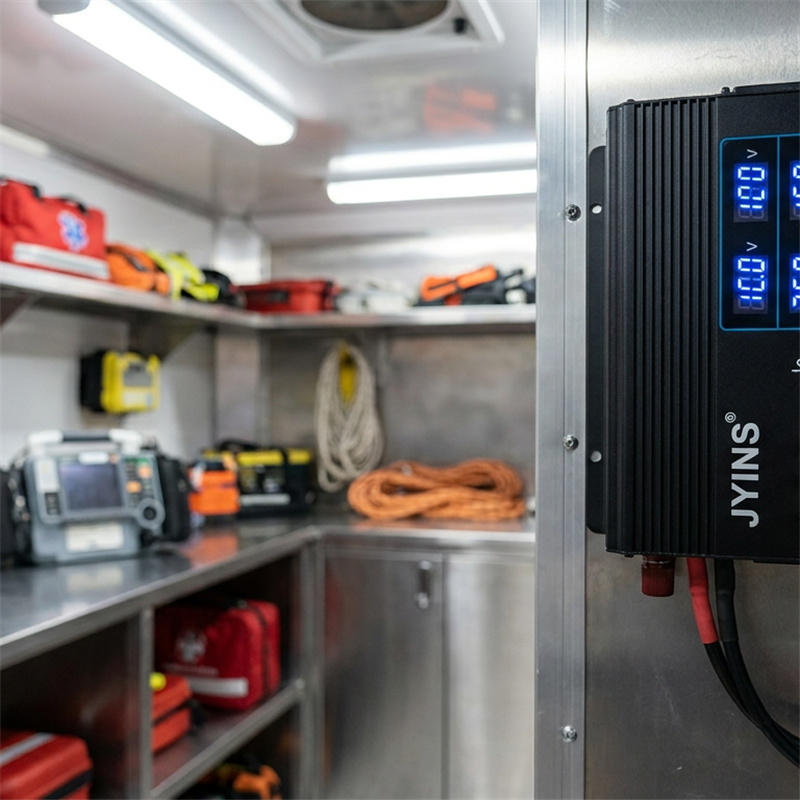
Reliable Water Pump AC DC Systems for Industries

Get a Free Quote

Our representative will contact you soon.
Email
Mobile
Name
Company Name
Products of Interest
Message
0/1000

Water pump ac dc

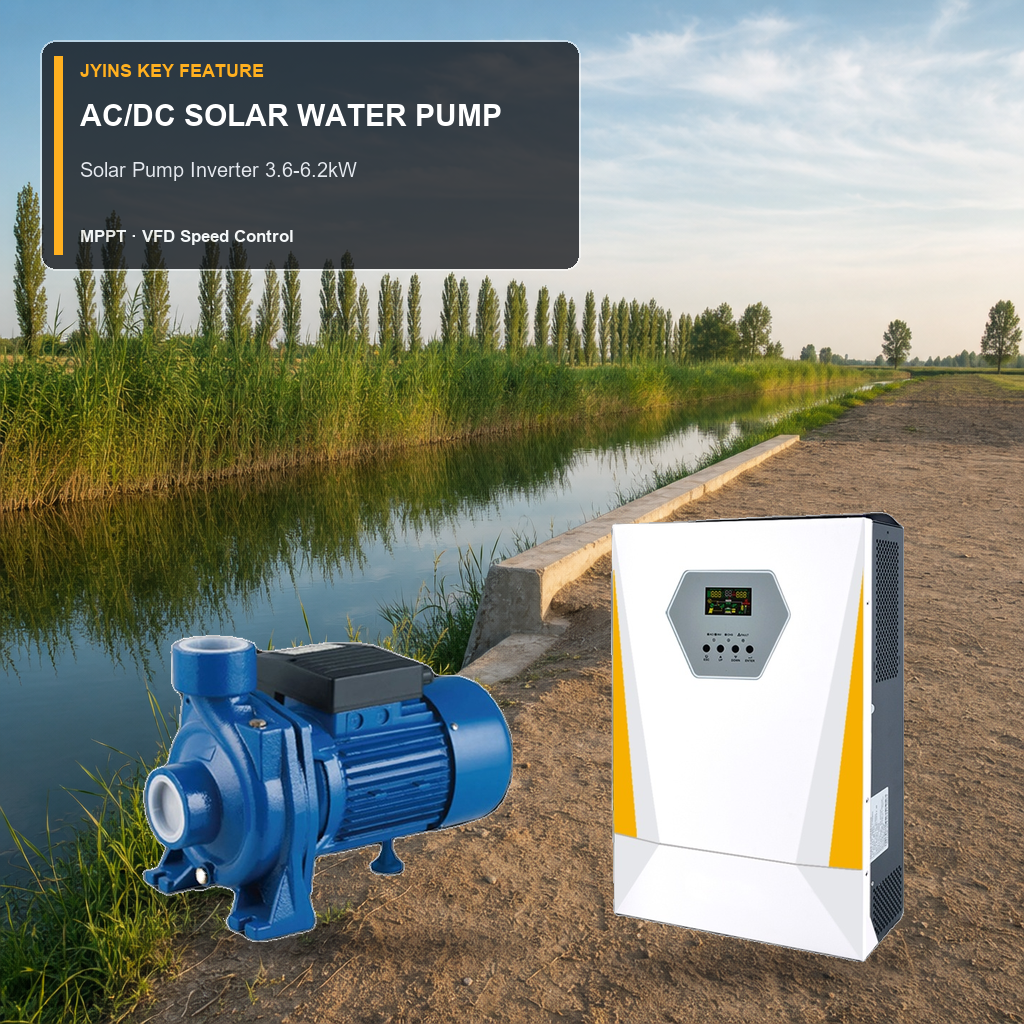
Water pump AC DC systems are essential components in various industrial applications where reliable water movement is necessary. These pumps can operate on both alternating current (AC) and direct current (DC), providing flexibility in power supply options. For B2B buyers, understanding the specifications, sourcing options, and operational challenges associated with water pump AC DC systems is crucial. This article aims to provide valuable insights into selecting the right pump, sourcing reliable suppliers, and addressing common problems with water pump AC DC faced in their applications of water pump AC DC. 
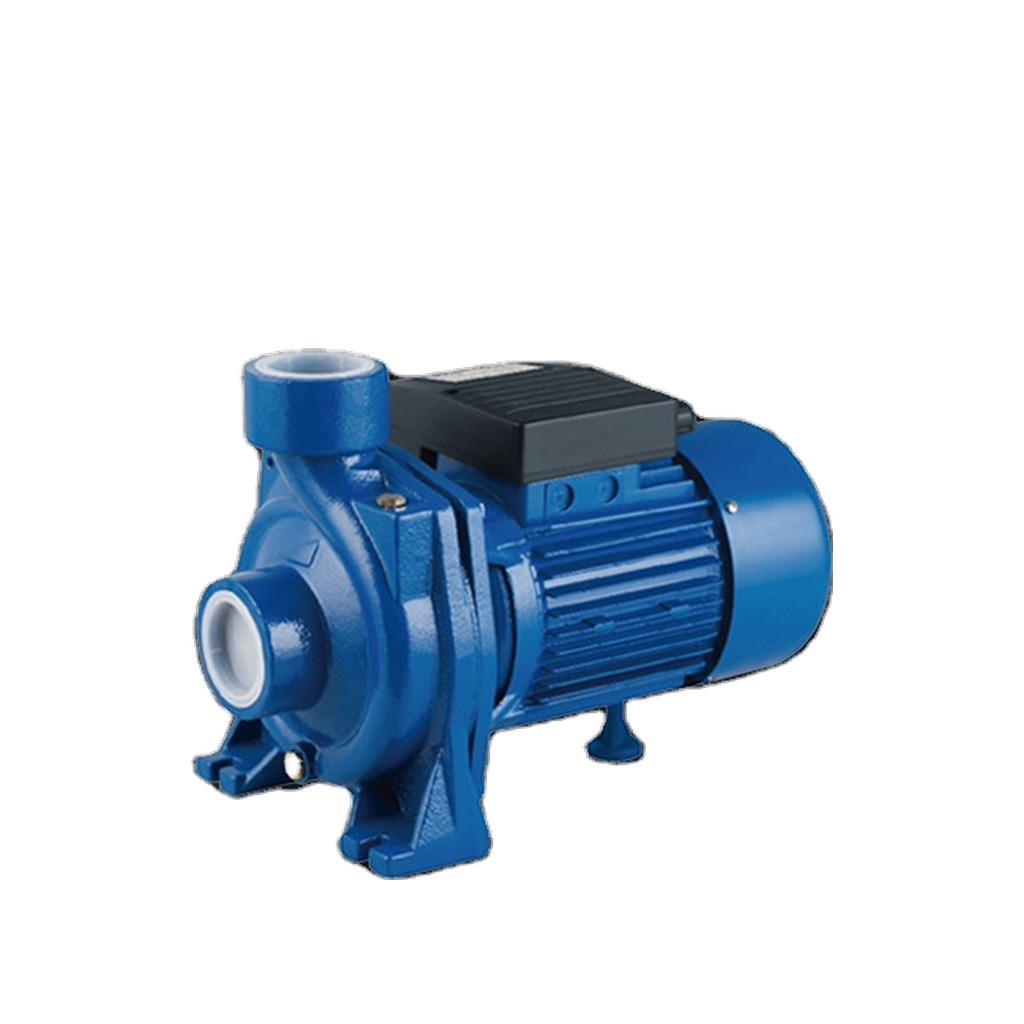
Bulk Order Benefits for Water Pump AC DC Purchases

Bulk Order Benefits for Water Pump AC DC Purchases

Finding a trustworthy supplier for water pump AC DC systems is critical for ensuring quality and reliability. Here are some best practices for sourcing: 

Evaluate Manufacturer Experience: Look for manufacturers with a solid track record in producing water pump motor. Companies like Zhejiang Jyins Electrical Co., LTD, with decades of experience in the industry, often adhere to strict quality standards and have established reputations. 

Verify Certifications: Ensure that your potential supplier adheres to international standards, such as ISO9000, which indicates a commitment to quality assurance. This can impact product reliability and compliance with industry regulations. 

Request Samples: Before committing to a large order, request samples to test their performance. This allows buyers to evaluate the pump's operational efficiency, noise levels, and compatibility with existing systems. 

Check References and Reviews: Investigate customer reviews and seek references from other businesses that have purchased from the supplier. This step can provide insight into the supplier's reliability and customer service quality. 

Assess Production Capabilities: Confirm the manufacturer’s production capacity and lead times to ensure they can meet your demands, especially if your project requires a large quantity or specific customization. 

By following these steps, buyers can mitigate risks and ensure they are working with reliable suppliers who can meet their quality and performance expectations. 
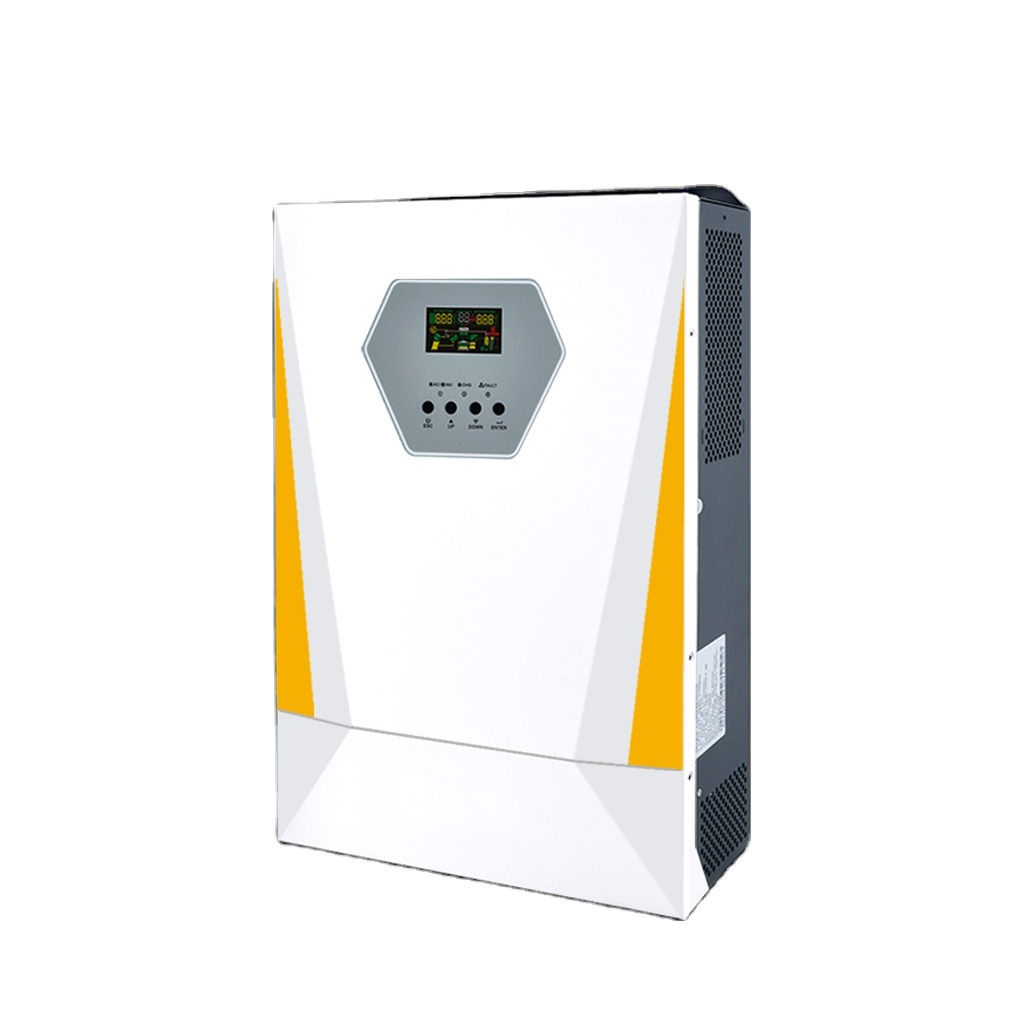
Installation Guidance for Water Pump AC DC Systems

Installation Guidance for Water Pump AC DC Systems

When integrating water pump AC DC systems into your operations, consider the following best practices: 

Conduct Regular Maintenance: Regular inspections and maintenance can prevent unexpected downtime. Check seals, bearings, and electrical connections routinely to ensure they are in good condition. 

Monitor Operating Conditions: Keep an eye on the pump's operating conditions, including temperature and pressure. Sudden changes can indicate potential issues that need to be addressed before they lead to failure. 

Training for Operators: Ensure that personnel operating the pumps are adequately trained in handling the equipment. This can reduce the risk of operational errors that may lead to damage or inefficiency. 

Document Performance Metrics: Maintain records of the pump's performance metrics over time. This data can help in identifying trends that may indicate when maintenance is required or if a replacement is needed. 

By implementing these best practices, businesses can enhance the reliability and efficiency of their solar water pump systems, ultimately saving time and costs. 

Understanding the Applications of Water Pump AC DC Devices

Understanding the Applications of Water Pump AC DC Devices

Water pump AC DC systems can present various challenges. Here are some common issues and their solutions: 

Inadequate Flow Rate: If the pump is not delivering the expected flow rate, first check for blockages in the inlet or outlet lines. Additionally, ensure that the pump size is appropriate for the application; a pump that is too small will struggle to meet demand. 

Electrical Failures: Problems such as blown fuses or tripped circuit breakers can occur due to electrical overload. Regularly inspect the electrical connections and ensure that the pump is matched correctly to the power supply specifications. 

Cavitation: This occurs when the pressure in the pump drops below the vapor pressure of the liquid, causing vapor bubbles to form. To mitigate this, ensure that the pump is installed at the correct elevation and that the inlet pressure is maintained at appropriate levels. 

Corrosion and Wear: Over time, pumps can suffer from wear and corrosion, especially when pumping abrasive or corrosive liquids. Using higher-grade materials or protective coatings can help extend the pump's lifespan. 

Addressing these common issues promptly can prevent significant downtime and costly repairs. 

Key Materials Used in Water Pump AC DC Manufacturing

Water pump AC DC systems are versatile and can be applied across various industrial sectors: 

Agriculture: These pumps are frequently used for irrigation systems, where reliable water delivery is crucial for crop production. Their ability to operate on solar power makes them ideal for off-grid applications. 

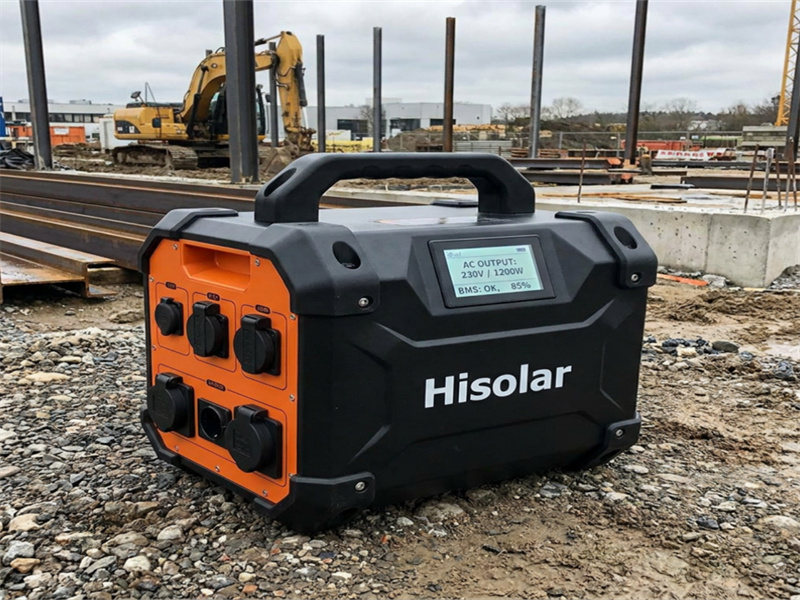
Construction: In construction sites, water pumps are employed for dewatering and managing water accumulation. AC DC pumps provide flexibility in power sourcing, which is beneficial in temporary setups. 

Manufacturing: Many manufacturing processes require precise fluid movement. Water pumps can be integrated into cooling systems or fluid transfer applications, helping maintain operational efficiency. 

Environmental Management: Water pumps are also used in environmental applications, such as water treatment facilities and wastewater management, where they help in the efficient movement of water through various treatment processes. 

Understanding the applications of water pump AC DC systems can help businesses identify the right solutions for their specific operational needs and enhance overall productivity. 


Where to Source Reliable Water Pump AC DC Suppliers

When selecting a water pump AC DC, several key specifications must be prioritized to ensure optimal performance for your specific application. 

Flow Rate and Head Pressure: The flow rate, measured in liters per minute (L/min) or gallons per minute (GPM), indicates how much water the pump can move. Head pressure, measured in meters or feet, determines how high the pump can lift water. Buyers should assess their operational needs carefully, as insufficient flow rates or head pressure can lead to inadequate system performance.  

Voltage and Power Supply: Water pumps can operate on various voltage levels (such as 12V, 24V, or 110V). It's essential to match the pump's voltage requirements with the available power supply in your facility. This consideration affects not only performance but also safety and compatibility with existing systems. 

Material and Construction: The materials used in the construction of the pump, including the casing, impeller, and seals, should be compatible with the fluids being pumped. For example, if the pump is used in corrosive environments, materials such as stainless steel or plastic may be necessary to ensure longevity and reduce maintenance costs. 

Efficiency Ratings: Look for efficiency ratings that indicate the pump's energy consumption versus its performance output. Higher efficiency pumps reduce operational costs and are better for the environment. 

Control Features: Modern water pumps may come with various control features, like variable speed drives or remote monitoring capabilities. These features can enhance operational efficiency and simplify maintenance. 

Understanding these specifications can significantly influence the selection process and ultimately affect the performance and lifespan of the pump in operation. 

Frequently Asked Questions

What types of power does this water pump support?

Our water pump supports both AC and DC power inputs, suitable for grid and off-grid solar systems, ensuring flexible installation and reliable operation.
Yes. Designed for off-grid solar use, it integrates with inverters and solar setups following ISO9000 quality processes for dependable performance.
Built with quality components and strict ISO9000 controls, the pump offers long service life under normal conditions; exact lifespan depends on usage and maintenance.
Yes. Our experienced engineering team and technicians offer pre-sales guidance, installation support, and after-sales technical assistance.
Regular checks of seals, filters, electrical connections, and impeller cleanliness are recommended. Follow our manual for scheduled service to maintain efficiency and longevity.

Our Blog Posts

Portable Power for Extreme Job Sites: Vetting Durability and Battery Management Systems (BMS) for Construction Fleets

15

May

Portable Power for Extreme Job Sites: Vetting Durability and Battery Management Systems (BMS) for Construction Fleets

The New Standard for On-Site Power: Beyond Generators For decades, the roar of diesel generators was the soundtrack of the construction industry. However, a quiet revolution is taking place on extreme job sites. As regulations on noise and emissions ...
View More
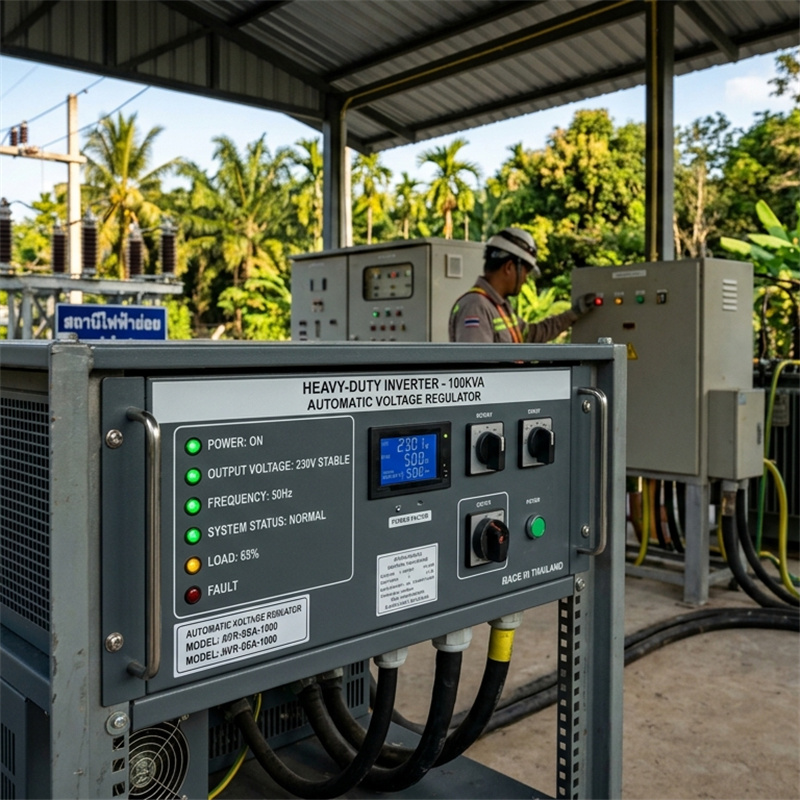
How to resolve 'Voltage Sag' ride-through issues in unstable rural grids across Southeast Asia?

24

Jun

How to resolve 'Voltage Sag' ride-through issues in unstable rural grids across Southeast Asia?

The Challenge of Weak Rural Grids in Southeast Asia Southeast Asian countries, including Vietnam, Indonesia, the Philippines, Thailand, and Cambodia, have seen a massive expansion of distributed solar power in rural and agricultural regions. These ar...
View More
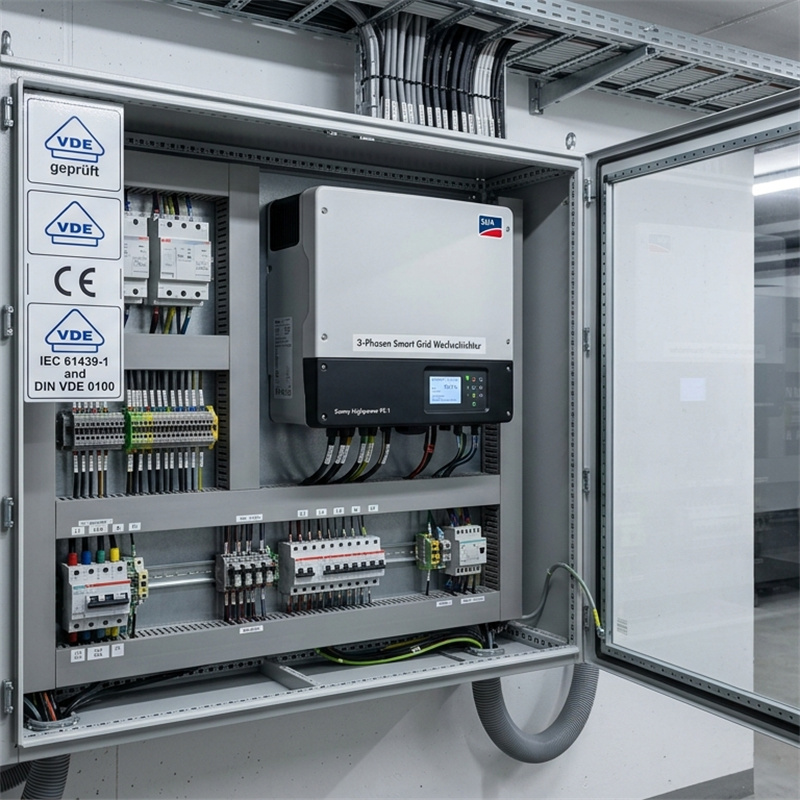
How to manage 'Three-Phase Unbalance' limits in German VDE-AR-N 4105 compliant industrial setups?

24

Jun

How to manage 'Three-Phase Unbalance' limits in German VDE-AR-N 4105 compliant industrial setups?

The German Low-Voltage Grid Standard: VDE-AR-N 4105 Germany is home to one of the most sophisticated and highly regulated electricity networks in the world. As the country pushes toward its Energiewende (energy transition), the integration of distrib...
View More
Why are 'High-Frequency' Inverters the preferred choice for portable emergency response trailers?

25

Jun

Why are 'High-Frequency' Inverters the preferred choice for portable emergency response trailers?

Q: Why are 'High-Frequency' Inverters the preferred choice for portable emergency response trailers? Introduction: The Demands of Mobile Emergency Power When natural disasters, grid failures, or search and rescue operations strike, portable emergency...
View More

Get a Free Quote

Our representative will contact you soon.
Email
Mobile
Name
Company Name
Products of Interest
Message
0/1000

Related product categories

Reliable Water Pump AC DC Systems for Industries

Get a Free Quote

Our representative will contact you soon.
Email
Mobile
Name
Company Name
Products of Interest
Message
0/1000