EN


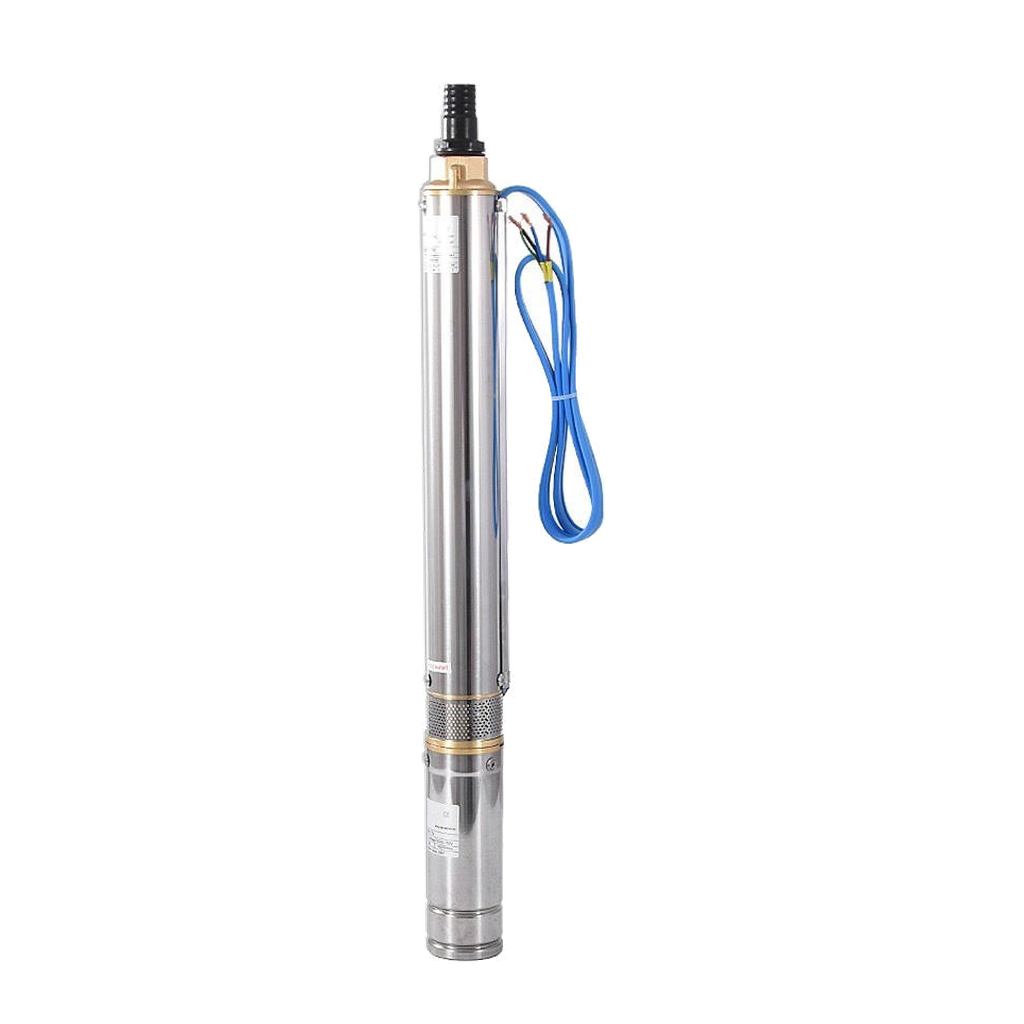
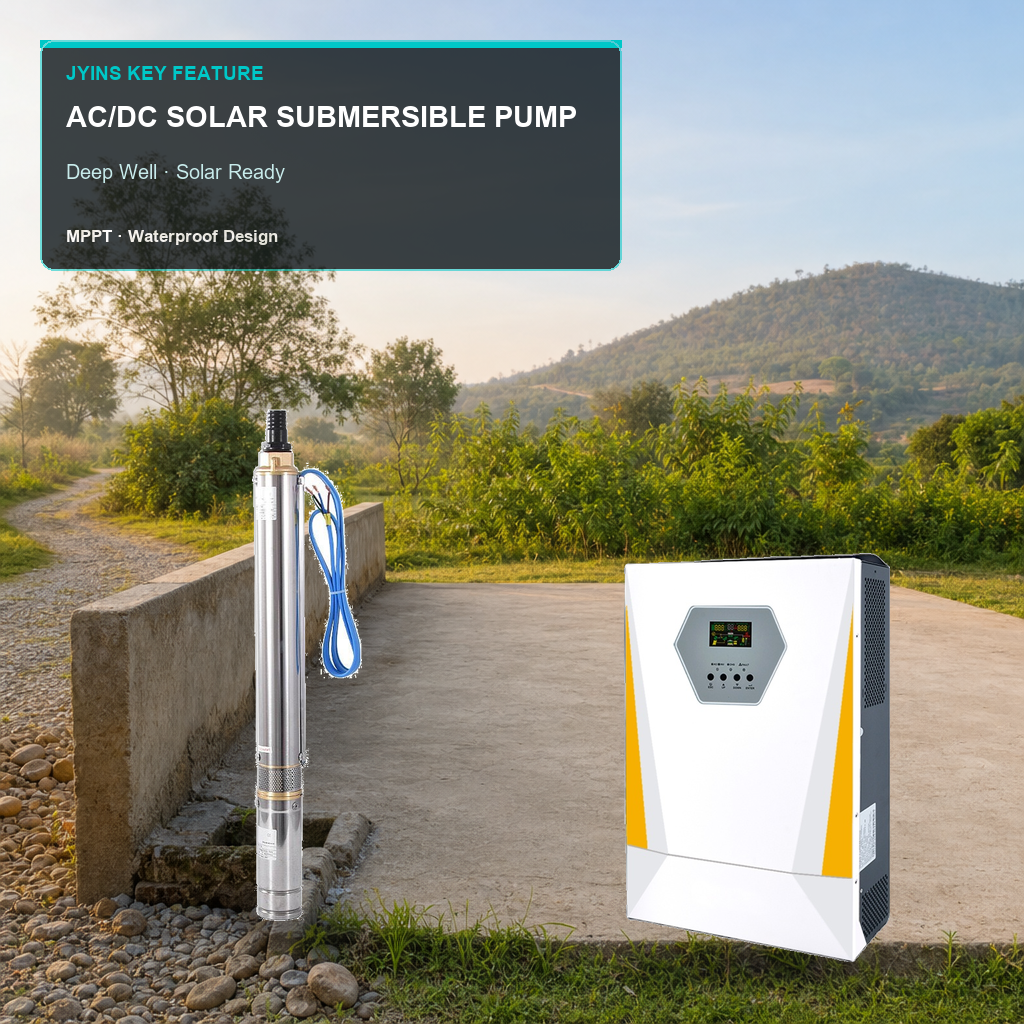
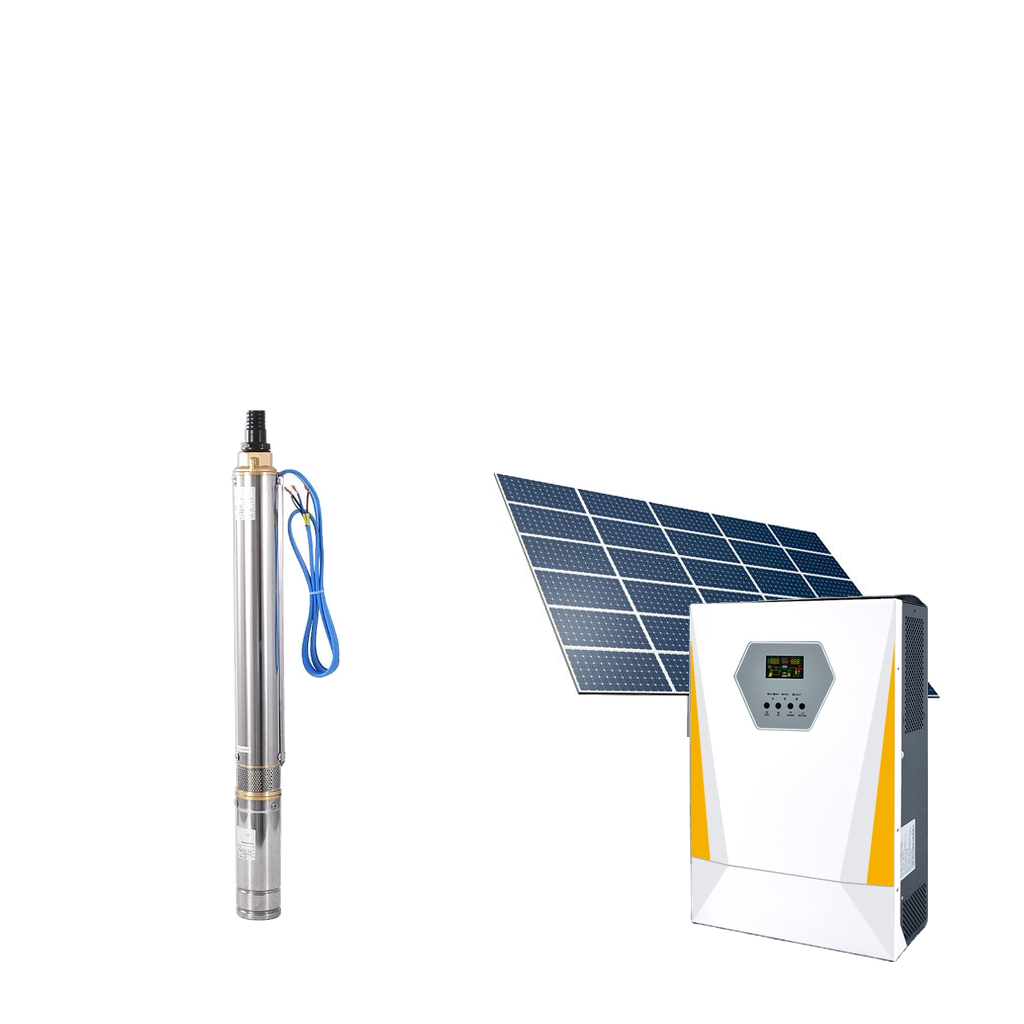
AC DC solar submersible pumps are innovative solutions designed for efficient water extraction in off-grid applications, utilizing solar energy to operate. As B2B buyers, purchasing managers, and engineers consider these pumps, their primary concerns often revolve around efficiency, reliability, and suitability for specific applications. This article will guide you through the critical aspects of selecting and evaluating AC DC solar submersible pumps to help you make an informed purchasing decision.

Key Specifications to Consider for AC DC Solar Submersible Pumps
Selecting the right AC DC solar submersible pump involves assessing several key specifications.
Power Rating: The pump's power rating, typically expressed in watts, should match your energy availability from solar panels. A higher wattage may indicate better performance but could also lead to increased costs.
Flow Rate: Measured in liters per minute (L/min), the flow rate indicates how much water the pump can move. Determine the required flow rate based on your application, whether for agricultural irrigation, residential use, or industrial processes.
Head Height: This specification refers to the maximum height the pump can lift water. Understanding your installation site’s elevation differences is essential for selecting a pump that can deliver adequate pressure.
Material Composition: The materials used in the pump's construction, such as stainless steel or thermoplastics, directly impact durability and resistance to corrosion. Ensure the selected materials are suitable for the specific environment in which the pump will operate.
Sealing and Protection: Look for pumps with effective sealing mechanisms to prevent water ingress and protect internal components from damage. This is especially important in harsh environments.
By confirming these specifications, buyers can ensure that the selected pump will meet operational needs and maintain reliability over time.