EN
EN


The New Standard for On-Site Power: Beyond Generators
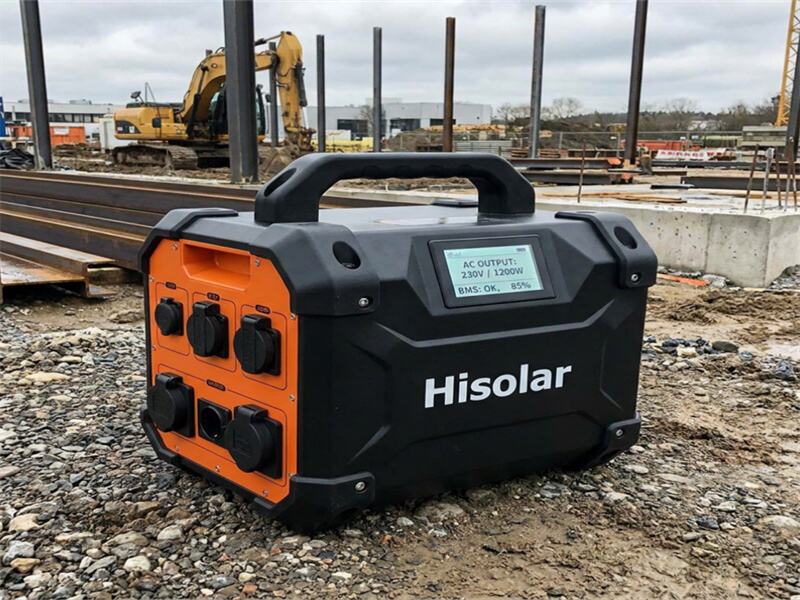
For decades, the roar of diesel generators was the soundtrack of the construction industry. However, a quiet revolution is taking place on extreme job sites. As regulations on noise and emissions tighten, and the cost of fuel maintenance rises, construction fleet managers are pivoting toward high-capacity portable power stations.
But not all portable power is created equal. For a fleet manager, the stakes are high: a failed battery on a remote site means lost man-hours and delayed deadlines. To ensure reliability, vetting the hardware requires looking beneath the surface—specifically at the battery chemistry, the management intelligence, and the structural integrity of the unit. This article provides a B2B framework for selecting power solutions that survive the rigors of the modern job site.
Why LiFePO4 is the Gold Standard for Construction
In the world of lithium batteries, chemistry is destiny. Most consumer-grade power stations use Lithium Nickel Manganese Cobalt Oxide (NMC). While NMC is energy-dense, it is less suitable for the harsh environments of construction.
The LiFePO4 (Lithium Iron Phosphate) Advantage:
1. Thermal Stability: LiFePO4 batteries have a significantly higher thermal runaway threshold. In the high-temperature environments of an unventilated construction trailer or a sun-baked job site, LiFePO4 is inherently safer and less prone to fire risks.
2. Cycle Life: While NMC batteries typically offer 500 to 800 cycles before significant degradation, LiFePO4 units from brands like Hisolar can exceed 3,500+ cycles. For a fleet manager, this means a lower Total Cost of Ownership (TCO) as the unit lasts 5-7 times longer in the field.
3. Environmental Footprint: LiFePO4 does not use cobalt, a material often associated with unethical mining practices and supply chain volatility. For companies with ESG (Environmental, Social, and Governance) targets, this is a critical procurement factor.
Decoding the BMS: The Brain Behind the Battery
If the battery cells are the heart of the system, the Battery Management System (BMS) is the brain. In an industrial setting, the BMS is the primary line of defense against human error and environmental extremes.
When vetting a portable power station for a construction fleet, managers should look for a multi-layered BMS that offers:
- Over-Current & Short-Circuit Protection: Vital when high-torque power tools are plugged in, which can cause sudden spikes in demand.
- Low and High-Temperature Cut-offs: A quality BMS will prevent the battery from charging or discharging in temperatures that could cause permanent damage to the cells.
- Voltage Balancing: Ensuring that all cells within the battery pack are utilized evenly, preventing one 'weak' cell from reducing the capacity of the entire unit.
For B2B buyers, it is essential to ask for testing certifications. A BMS that has undergone rigorous stress testing ensures that the unit won't become a 'brick' after its first encounter with a demanding circular saw or a cold winter morning.
Built for the Trenches: Ruggedization and IP Ratings
Construction sites are hostile environments characterized by dust, moisture, and physical impact. A 'sleek' design is a liability if it cannot withstand a drop from a tailgate or a sudden rainstorm.
Key Structural Features to Vet:
1. Reinforced Housing: Look for chassis made from high-impact ABS or aluminum alloys with reinforced rubber corners to absorb shock.
2. Port Protection: High-quality units feature rubber covers for AC and DC outlets to prevent fine silica dust—the nemesis of electronics—from infiltrating the circuitry.
3. Heat Dissipation: Dust-filtered fan intakes are a hallmark of industrial-grade design. They allow the unit to cool itself under heavy loads without pulling in large debris.
4. IP (Ingress Protection) Ratings: While few large power stations are fully submersible, an IP54 or similar rating provides peace of much-needed mind against splashing water and dust ingress.
Scalability and Maintenance for Large-Scale Operations
Managing a fleet of ten or twenty power stations requires a different approach than managing a single unit. Professional-grade power stations, such as those produced by JYINS, often include smart features that simplify fleet management.
Bluetooth and IoT Integration: Modern units allow managers to check battery levels and health status via a mobile app. This prevents the 'dead battery' surprise when a crew arrives at a remote site.
Fast Charging Protocols: Time is money. Units that support dual-charging (e.g., combining AC wall charging with high-wattage solar input) can be topped up during a lunch break, ensuring 24/7 availability for multi-shift operations.
Conclusion: Reliability as a Productivity Multiplier
In the construction industry, equipment is either an asset or a liability. A cheap, consumer-grade power station will quickly become a liability when exposed to the grit and heat of a professional job site.
By prioritizing LiFePO4 chemistry, sophisticated BMS intelligence, and ruggedized construction, fleet managers can turn their portable power into a true productivity multiplier. At Hisolar (JYINS), we design our portable power solutions with these 'extreme' parameters as our baseline, not an afterthought. For the modern construction fleet, the right power station isn't just a battery—it's the silent partner that keeps the tools running and the project on schedule.
Table of Contents
- The New Standard for On-Site Power: Beyond Generators
- Why LiFePO4 is the Gold Standard for Construction
- Decoding the BMS: The Brain Behind the Battery
- Built for the Trenches: Ruggedization and IP Ratings
- Scalability and Maintenance for Large-Scale Operations
- Conclusion: Reliability as a Productivity Multiplier