Choosing a Single Phase Harmonic Filter

Get a Free Quote

Our representative will contact you soon.
Email
Mobile
Name
Company Name
Products of Interest
Message
0/1000

single phase harmonic filter

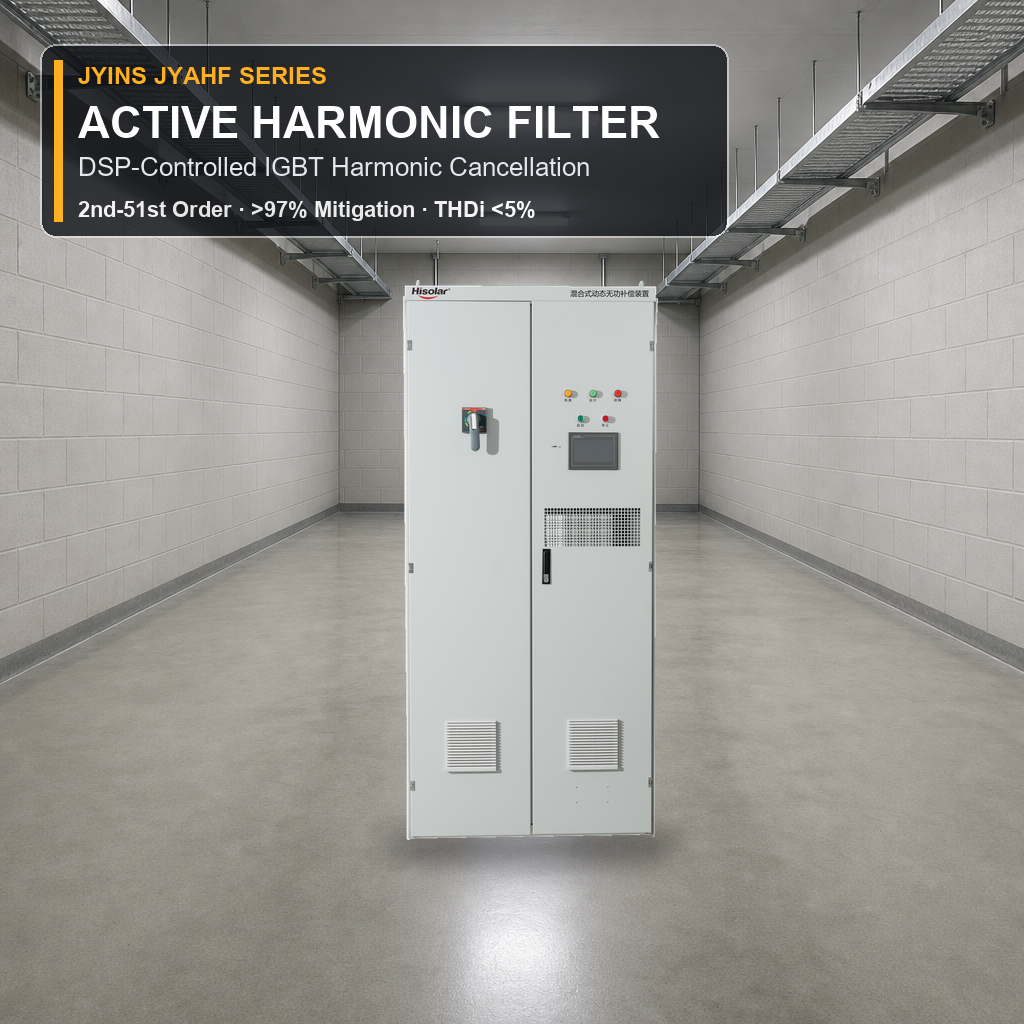
A single phase  harmonic filter is an  essential component in modern electrical  systems, designed to reduce harmonic distortion and improve  power  quality. For  B2B  buyers, including purchasing managers and  engineers, understanding how to  choose  the right filter, evaluate its quality, and  identify its applications is crucial for  optimizing operational efficiency and minimizing  costs. This article will guide you through  the key considerations when selecting  a single phase  harmonic filter, ensuring that you make informed  decisions for  your specific industrial, commercial,  or manufacturing  needs.
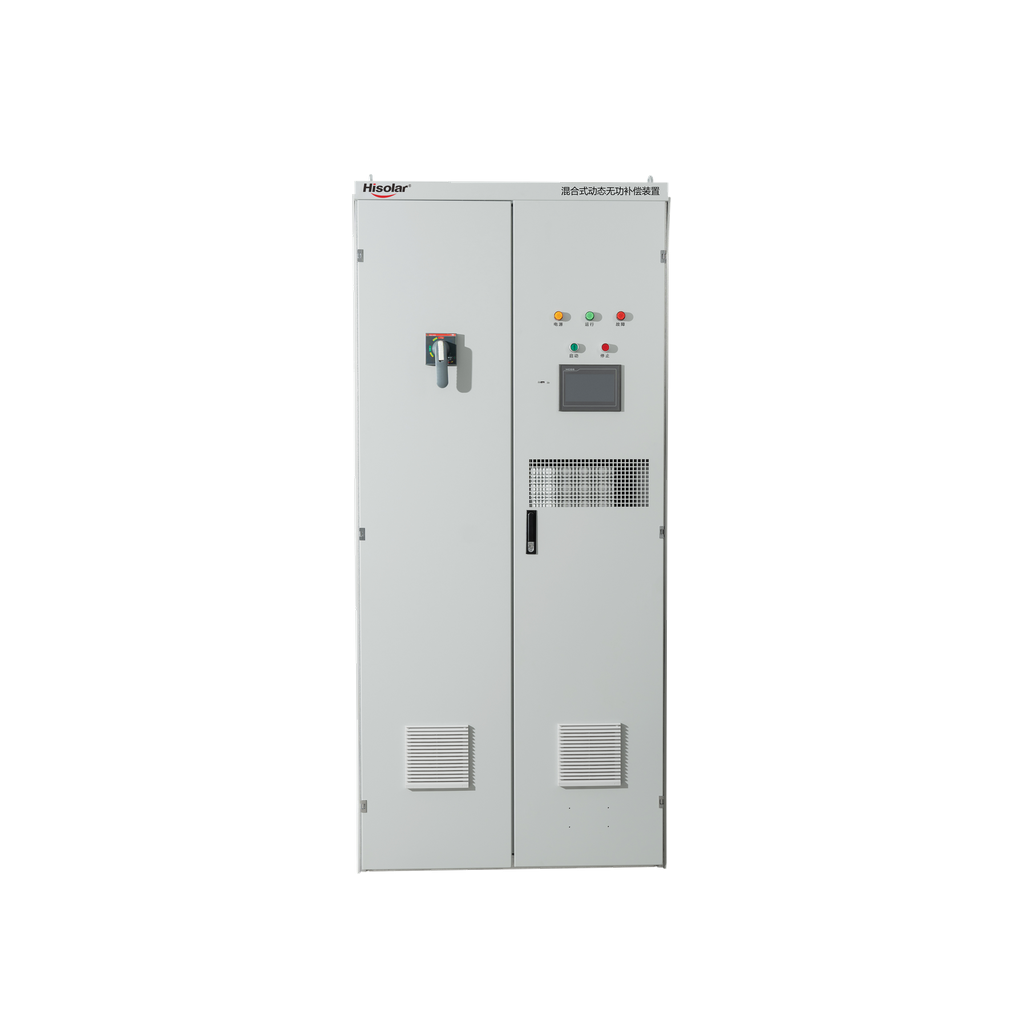
How to Evaluate the Quality of Single Phase Harmonic Filters

How to Evaluate the Quality of Single Phase Harmonic Filters

The quality  of a  single phase harmonic filter directly impacts its performance and longevity. Here are key aspects to  evaluate:

Materials and Construction: High-quality harmonic filters are typically constructed with durable materials that can withstand electrical and thermal  stresses. Inspect the materials used in the filter's core and housing to ensure they  meet industry standards.


Certification and Testing: Check  for certification marks and testing protocols that verify the filter's performance. Certifications such as ISO9001, which  Zhejiang Jyins Electrical Co., LTD adheres to, indicate a commitment to  quality assurance.

Performance Specifications: Review the technical specifications, including the filter's impedance, insertion loss, and  frequency response. These metrics provide insights into how effectively the filter will reduce harmonics.

Warranty and Support: A  reliable warranty reflects the manufacturer's  confidence in their product. Additionally, assess the level of customer support provided, including installation guidance  and troubleshooting.

Field Performance Data: Whenever possible, request performance data from  existing installations similar to yours. This real-world data can help  validate  the  filter’s effectiveness in actual applications.
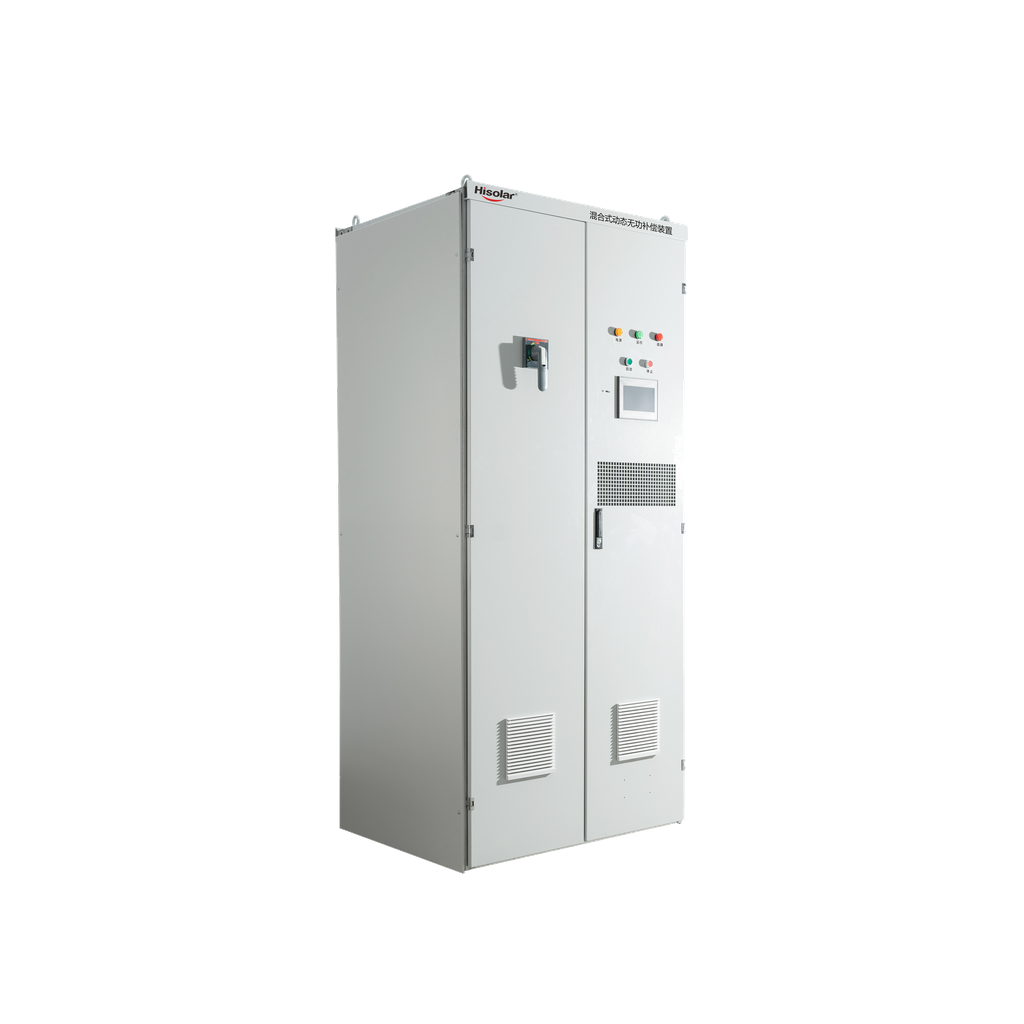
Common Problems with Single Phase Harmonic Filters and Their Solutions

Common Problems with Single Phase Harmonic Filters and Their Solutions

Despite their benefits, single phase harmonic filters can encounter several  issues.  Here are common  problems and their solutions:

Overloading: Filters can become overloaded if they are not correctly  sized for the application. To prevent this, always  perform a thorough load analysis before installation and match the filter capacity to the maximum load conditions.

Resonance Issues: Harmonic filters  can interact with the  electrical system to create resonance, potentially leading to increased distortion. To mitigate this, consult  with a specialist during  the design phase  to ensure the filter harmonics do not resonate with system frequencies.

Aging and Degradation: Over time, filters may degrade due to environmental  factors or electrical stress. Regular maintenance  checks can help identify signs of wear, and timely replacement or repair can prevent system failures.

Installation Errors: Improper installation can  lead to inefficiencies.  Ensure that the installation is conducted by qualified personnel  familiar with harmonic filter systems to avoid common pitfalls.

Incompatibility with Other Equipment: Ensure the  filter  is compatible with other equipment in your  system. Conduct compatibility assessments before installation  to avoid operational conflicts.

Applications of Single Phase Harmonic Filters in Various Industries

Applications of Single Phase Harmonic Filters in Various Industries

Single phase  harmonic filters find applications across a range of industries due  to their ability to enhance power quality.  Key applications include:

Manufacturing: In manufacturing facilities,  harmonic filters help reduce  energy costs and improve equipment lifespan by  minimizing distortion  from heavy machinery and automated systems.

Commercial  Buildings: Retail environments and office complexes utilize harmonic  filters to ensure that the electrical systems  operate efficiently, especially  where sensitive electronic devices  are in use.

Renewable Energy Systems: In solar power installations,  harmonic filters can improve the performance of  inverters and ensure that the generated power meets grid standards,  enhancing  overall  system reliability. Integrating solutions like Hybrid Solar Inverter can further optimize performance.

Data  Centers: With their high  energy demands, data centers benefit from harmonic filters by reducing the risk of  overheating and prolonging the lifespan of critical IT infrastructure.

HVAC Systems: Harmonic filters improve the efficiency of HVAC systems by reducing the electrical noise that can cause erratic behavior in climate control equipment.

Insights

Understanding the nuances  of single  phase harmonic  filters is essential for B2B  buyers who are  tasked  with ensuring optimal system performance. By  evaluating the  factors mentioned above,  you can  make informed decisions that align  with your  operational needs. Collaborating with experienced manufacturers,  like Zhejiang Jyins Electrical Co.,  LTD, can  provide additional  insights and support,  ensuring that you  select the right harmonic filter  tailored to your specific application. Always consider engaging in discussions regarding customization options to optimize your investment  and performance outcomes.

What to Consider When Choosing a Single Phase Harmonic Filter

When selecting a single phase harmonic filter, several critical factors should be  taken into account:

Harmonic Order and Distortion Levels: Determine  the specific harmonic  frequencies and distortion levels  present in your electrical system. This  information  is crucial, as different filters  are designed to target specific harmonics.

Load Characteristics: Analyze  the type of loads connected to your system, such  as  inductive or capacitive loads. The filter must be compatible with these loads to ensure effective operation.

Voltage and Current Ratings: Ensure that the filter's voltage and current ratings align with your system requirements. Incorrect ratings can lead to performance issues or equipment damage.

Installation Environment: Consider the  physical environment where the  filter will  be installed. Factors such  as temperature, humidity,  and exposure to contaminants  can affect the filter's performance and lifespan.

Compliance Standards: Verify that the filter  meets relevant industry standards and regulations, such as  IEEE 519, to ensure it operates within acceptable limits of harmonic distortion.

Customization Options: Depending on specific operational needs, you may require customized filters. Work with manufacturers like Zhejiang Jyins Electrical Co., LTD to  explore options tailored to your unique application. For instance, if you're considering advanced solutions, you might also look into Solar Charge Controller or AC/DC Water PUMP Solar pump to complement your system.

Our Blog Posts

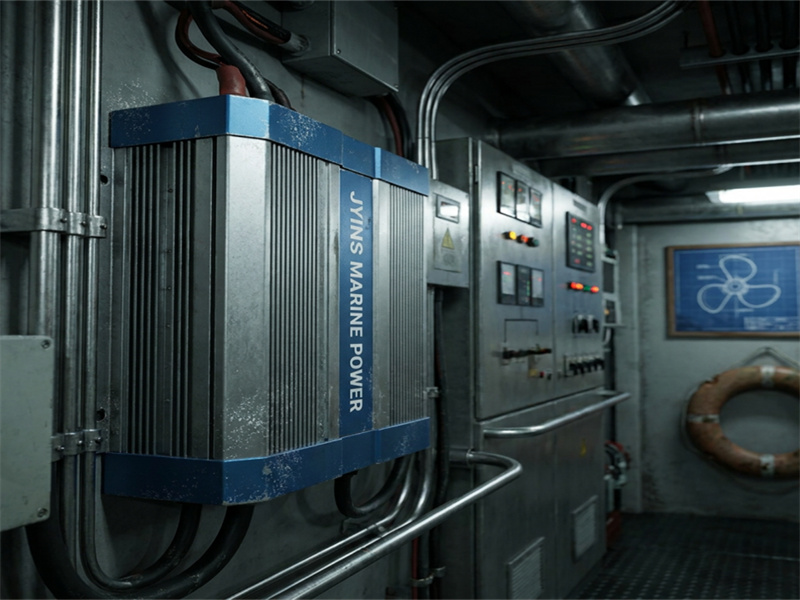
Marine Power Standards: Why Neutral-to-Ground Bonding and Galvanic Isolation are Non-Negotiable for Marine Wholesalers

15

May

Marine Power Standards: Why Neutral-to-Ground Bonding and Galvanic Isolation are Non-Negotiable for Marine Wholesalers

Introduction: The High Stakes of Marine Power Management For marine wholesalers and distributors, the maritime industry presents a unique set of challenges that go far beyond standard electrical distribution. When supplying power solutions for luxury...
View More
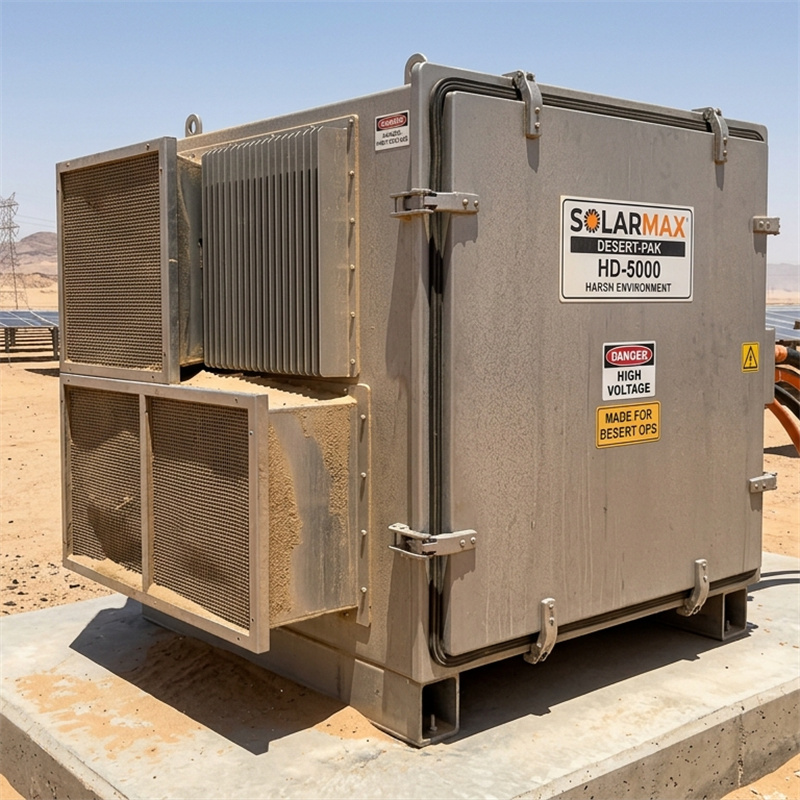
The impact of Middle Eastern 'Sand-Storm' environments on Inverter Air-Filter and sealing maintenance.

24

Jun

The impact of Middle Eastern 'Sand-Storm' environments on Inverter Air-Filter and sealing maintenance.

The Hostile Solar Environment of the Middle East The Middle East, particularly the Gulf Cooperation Council (GCC) countries such as Saudi Arabia, the United Arab Emirates, Oman, and Qatar, represents one of the world's most attractive regions for uti...
View More
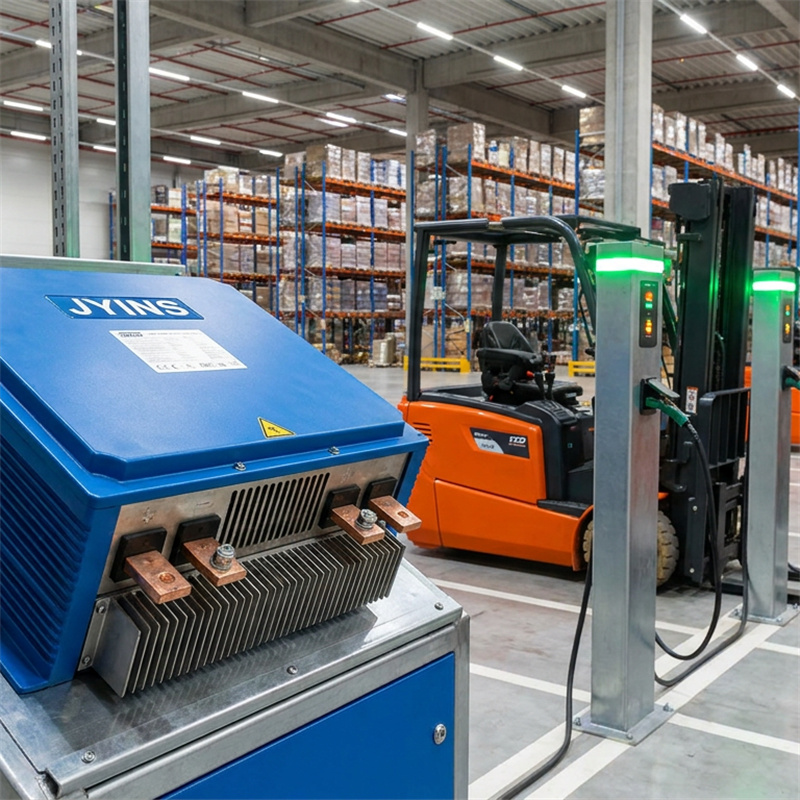
Designing power conversion for Electric Forklift Charging Stations in large distribution centers.

25

Jun

Designing power conversion for Electric Forklift Charging Stations in large distribution centers.

Q: Designing power conversion for Electric Forklift Charging Stations in large distribution centers. Introduction: The Electrification of Logistics Infrastructure In modern supply chain management, large-scale distribution centers and logistics hubs ...
View More
Selecting Power Conversion for Cold Chain Logistics: Ensuring reliability at -20°C.

25

Jun

Selecting Power Conversion for Cold Chain Logistics: Ensuring reliability at -20°C.

Q: Selecting Power Conversion for Cold Chain Logistics: Ensuring reliability at -20°C. Introduction: The Critical Nature of Cold Chain Integrity Cold chain logistics is a highly specialized sector of the transport and supply chain industry. It is...
View More

Get a Free Quote

Our representative will contact you soon.
Email
Mobile
Name
Company Name
Products of Interest
Message
0/1000

Related product categories

Choosing a Single Phase Harmonic Filter

Get a Free Quote

Our representative will contact you soon.
Email
Mobile
Name
Company Name
Products of Interest
Message
0/1000