Key Considerations for Portable Solar Power Generators

Get a Free Quote

Our representative will contact you soon.
Email
Mobile
Name
Company Name
Products of Interest
Message
0/1000

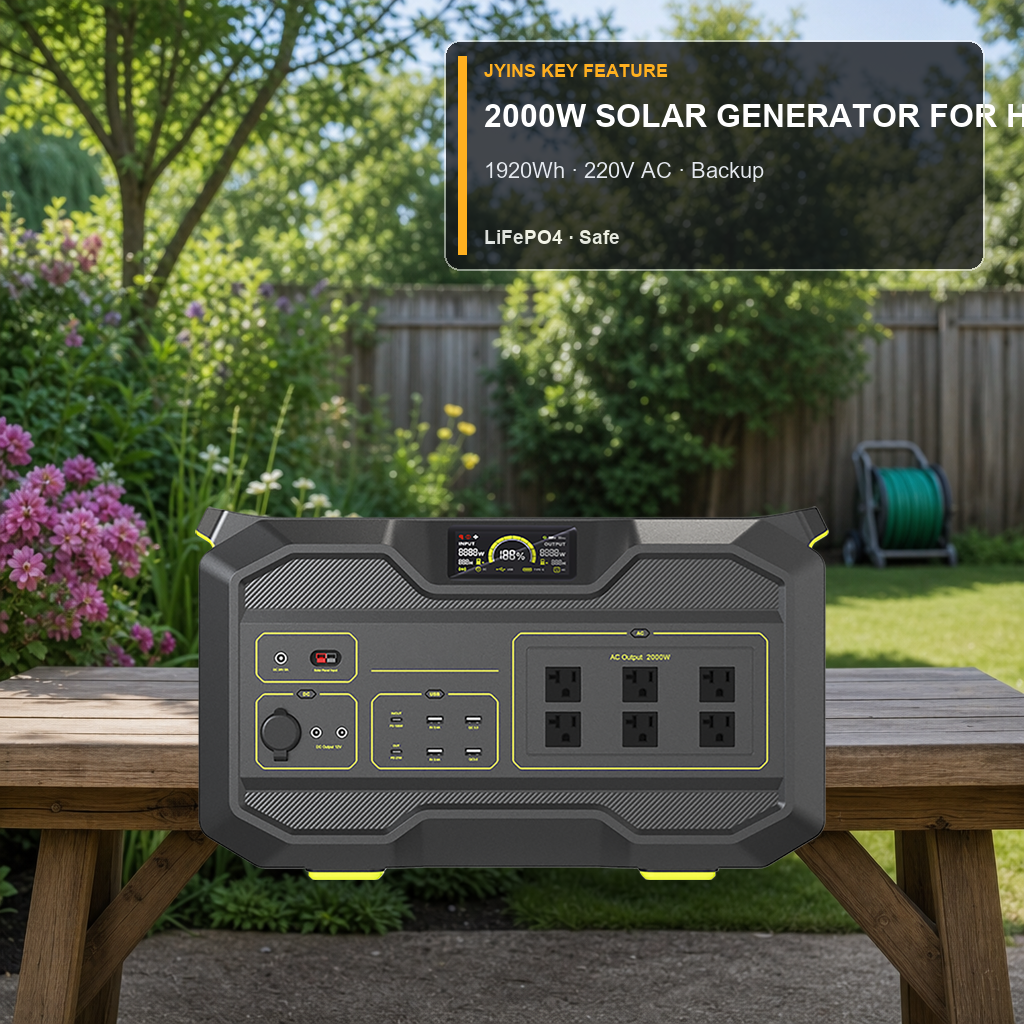
Portable solar power generator for home

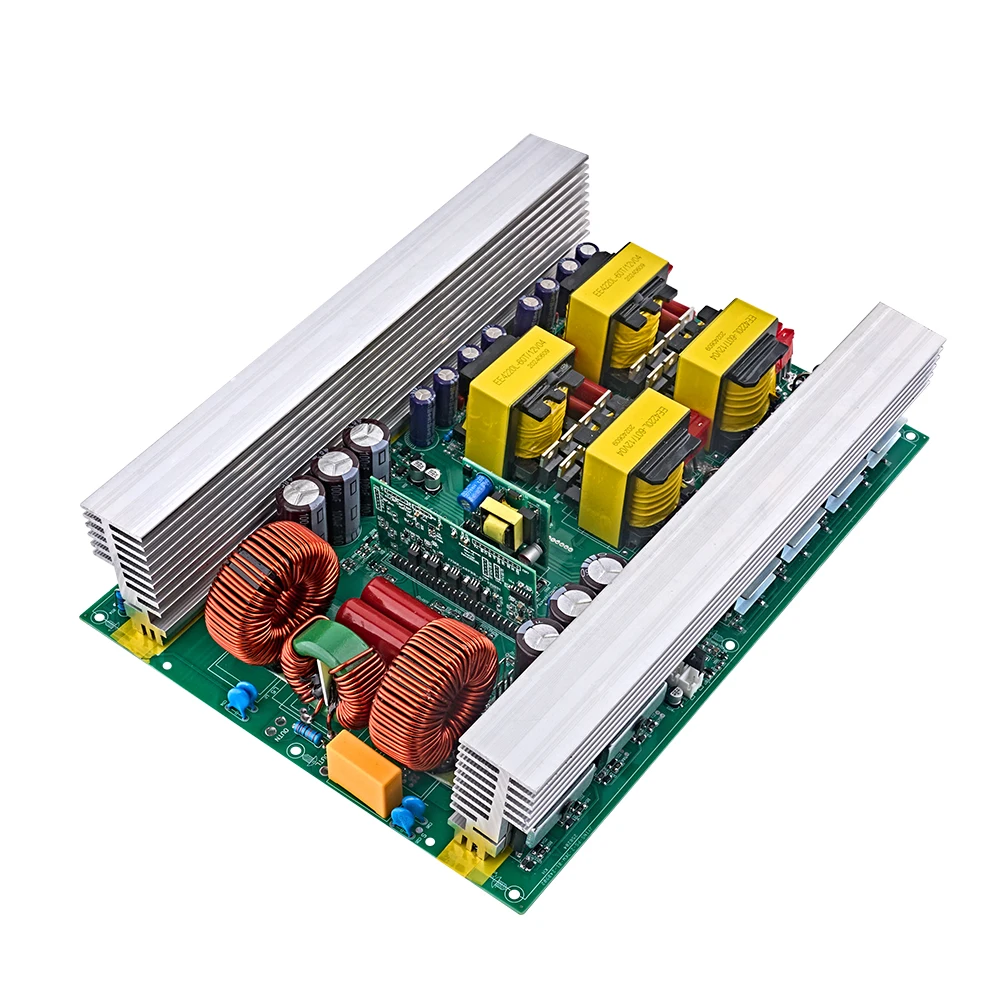
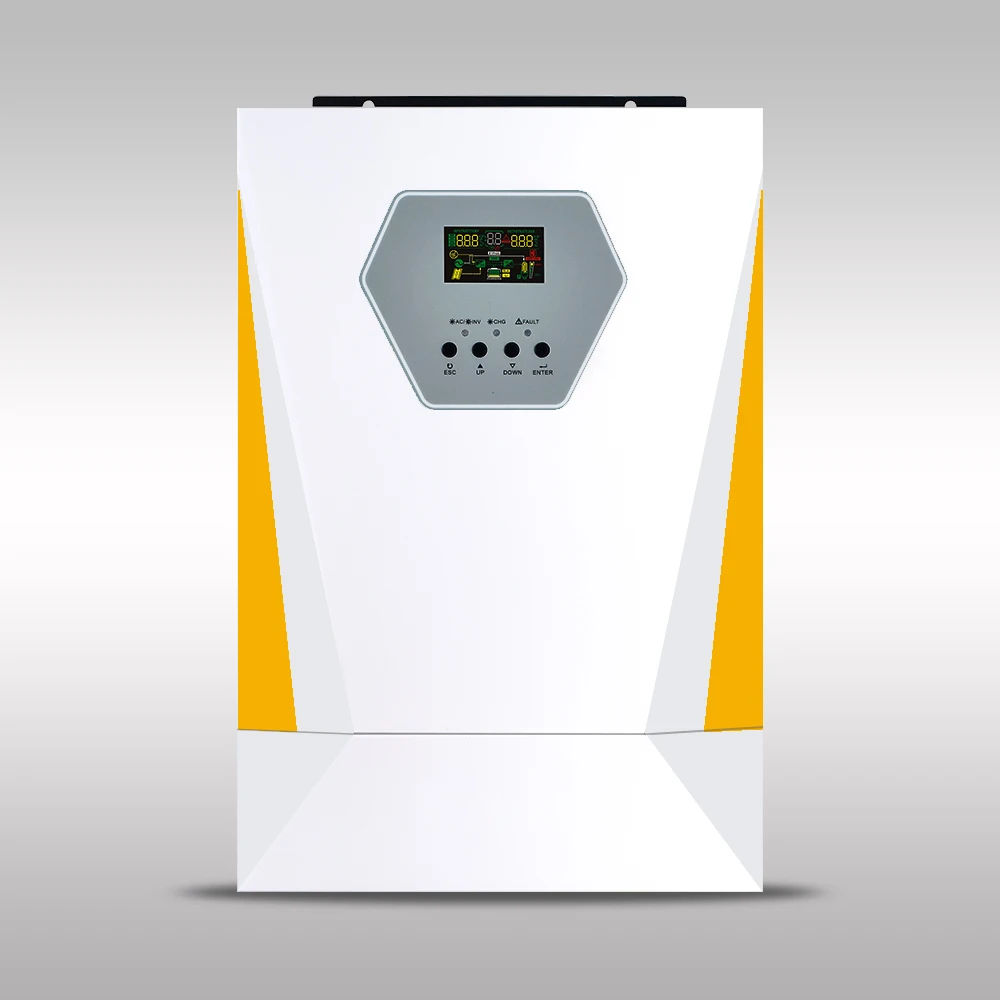
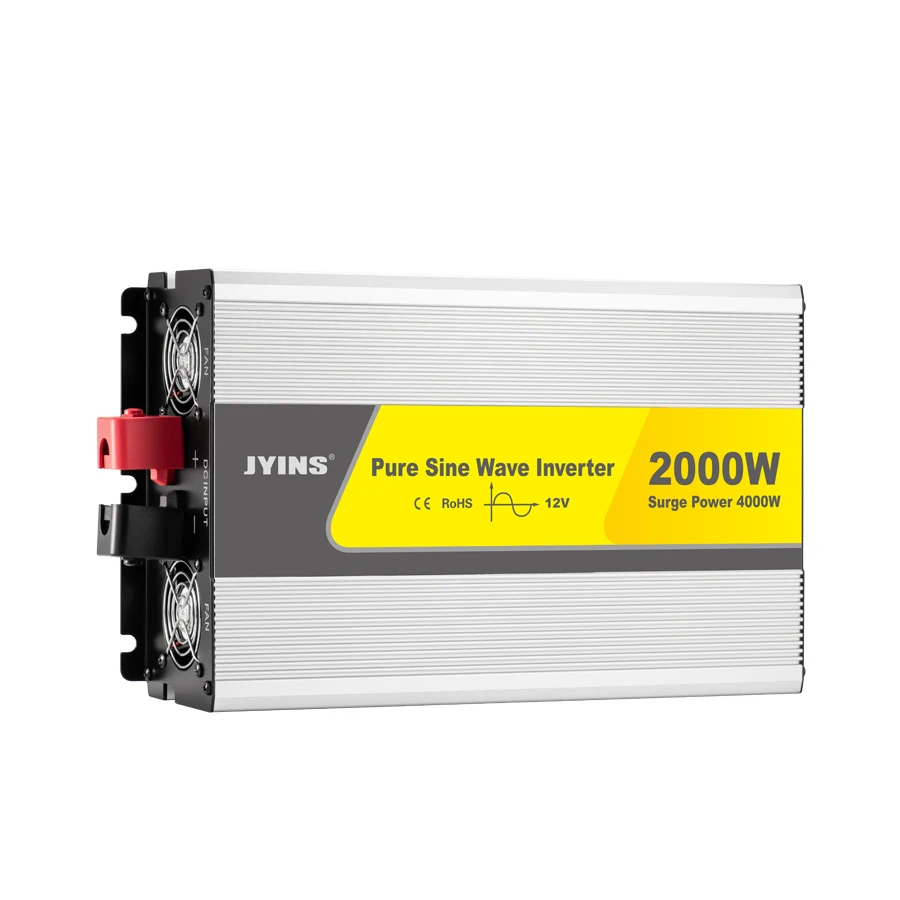
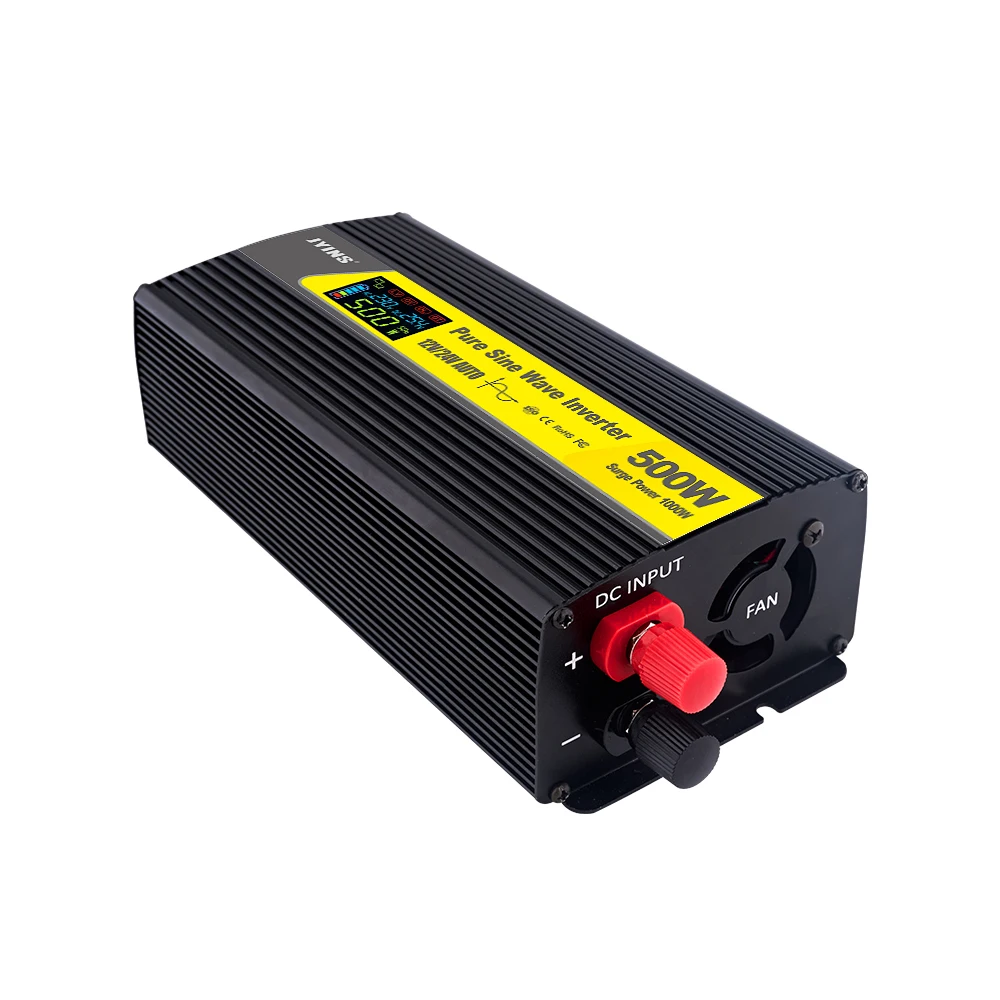
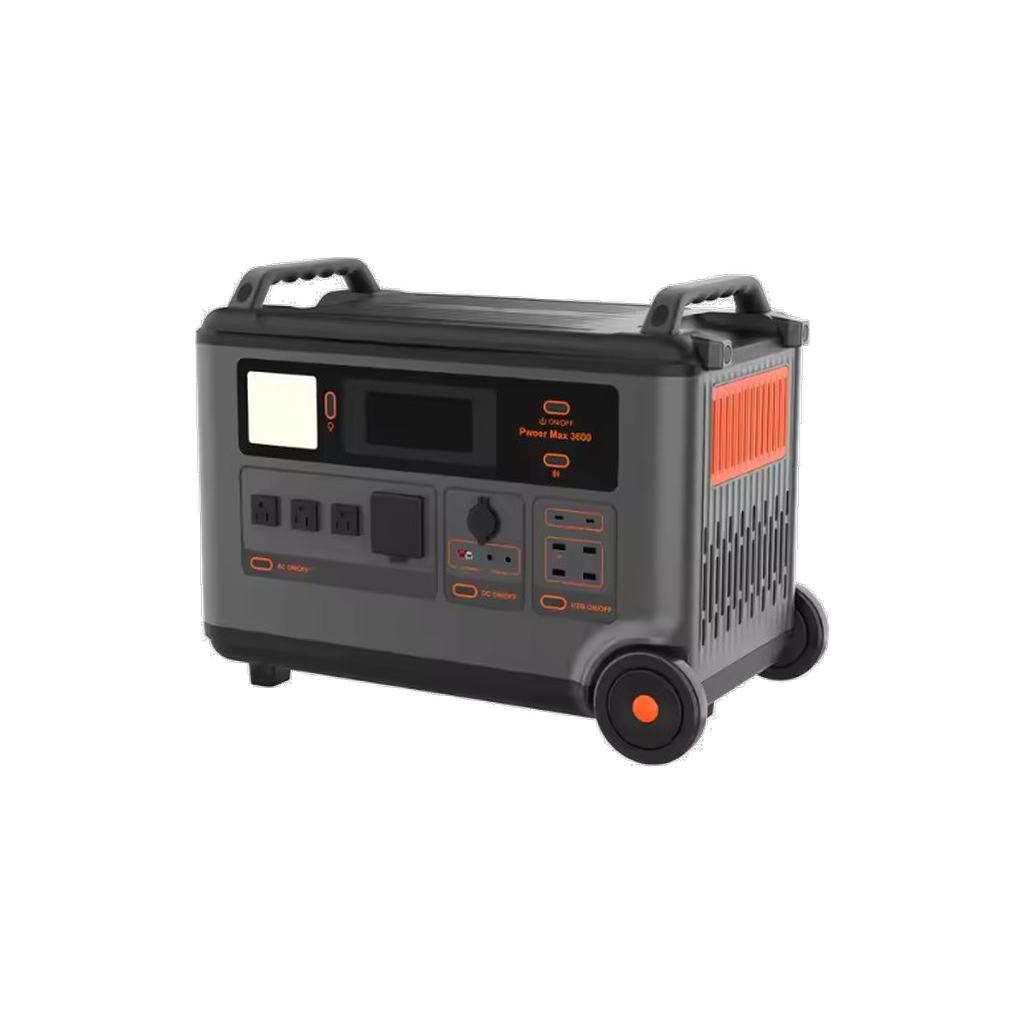
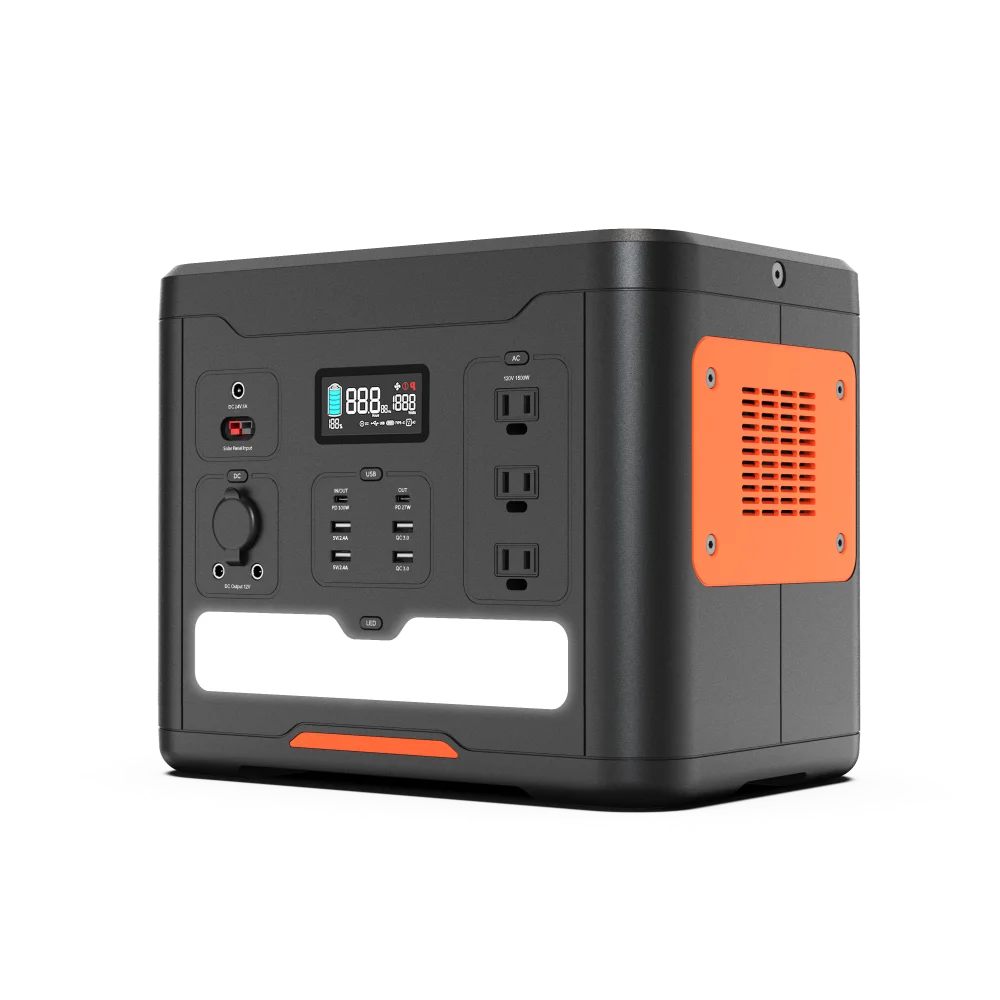
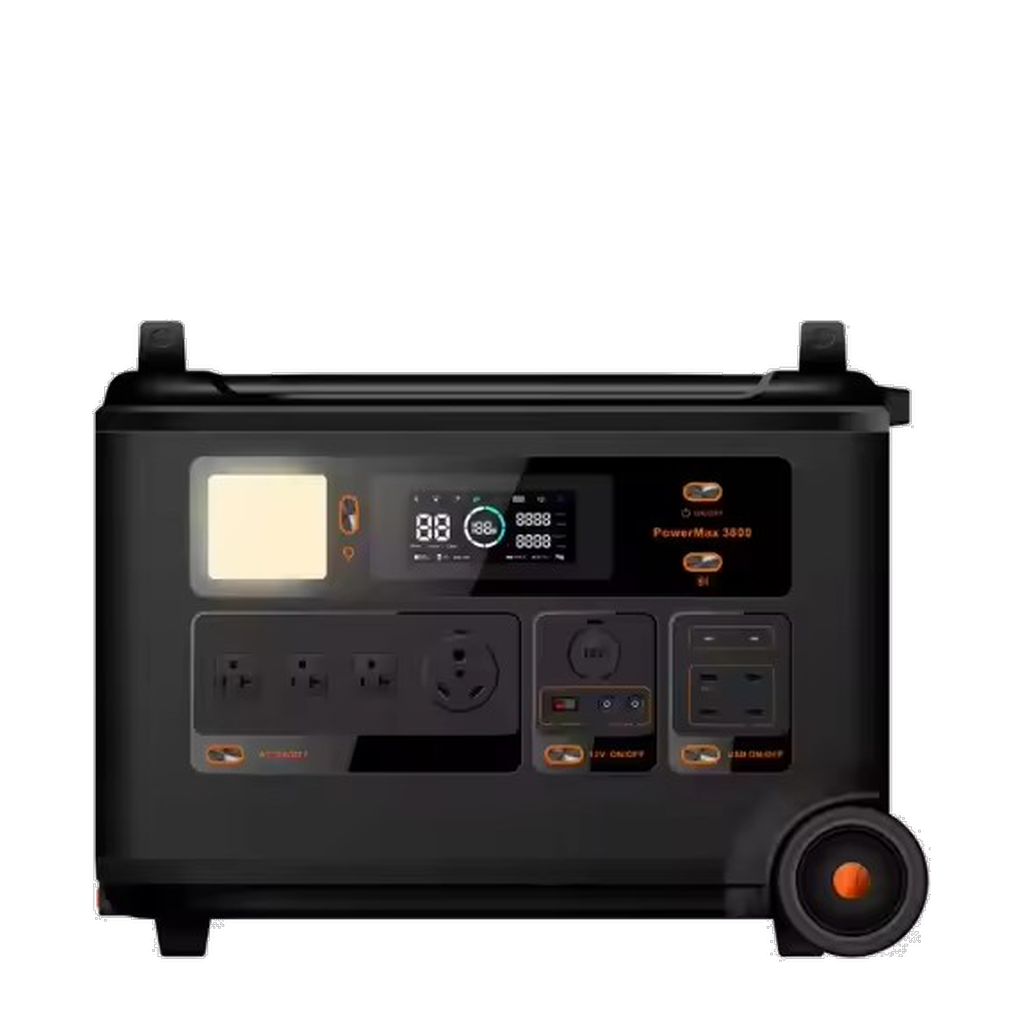
Portable solar power generators for home use are becoming increasingly popular among consumers looking for sustainable energy solutions. These systems offer a reliable way to harness solar energy, particularly in off-grid situations or as backup power during outages. Key concerns for B2B buyers, such as purchasing managers and distributors, often revolve around specifications, installation issues, supplier reliability, and practical applications. This 48v hybrid inverter article will guide you through essential considerations when evaluating portable solar power generators, helping you make informed purchasing decisions
Our Products

Common Installation Issues with Portable Solar Power Generators

Common Installation Issues with Portable Solar Power Generators

Installing a portable solar power generator can present several challenges. Here are common issues to consider:

Inadequate Sunlight: The location and angle of the solar panels are critical for optimal sunlight exposure. Buyers should ensure that the installation site receives sufficient sunlight throughout the day Connection Compatibility: Ensuring that the generator’s input connections are compatible with the solar panels is essential. Buyers should verify the type and size of connectors used in both components Wiring Problems: Improper wiring can lead to inefficiencies or even damage to the generator It is advisable to consult with or hire a professional for installation if buyers are uncertain about wiring requirements Battery Management: Some generators require specific procedures for battery maintenance and charging. Buyers should familiarize 12v hybrid inverter themselves with these processes to avoid overcharging or discharging the battery, which can shorten its lifespan Addressing these installation issues early on can help ensure a smooth experience with the portable solar power generator, leading to successful energy management for home projects
Where to Find Reliable Suppliers of Solar Power Generators

Where to Find Reliable Suppliers of Solar Power Generators

Finding a trustworthy supplier for portable solar power generators involves several steps:

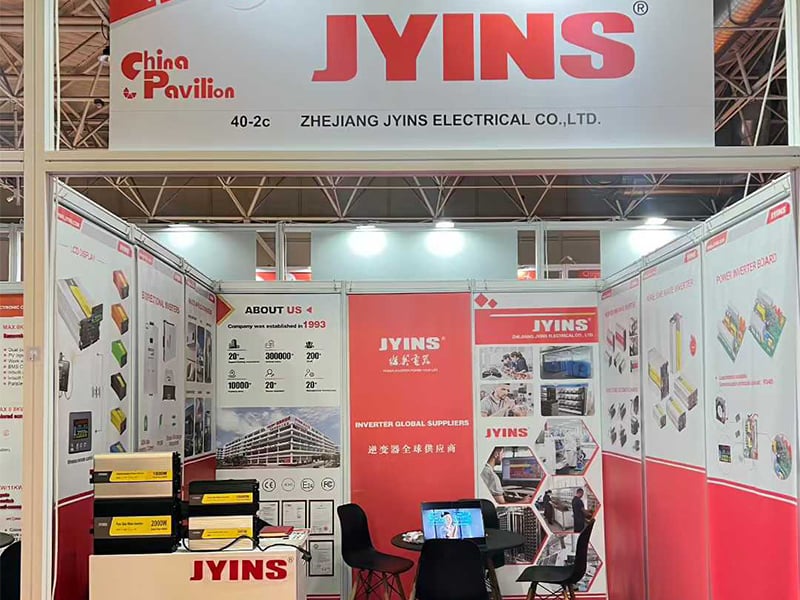
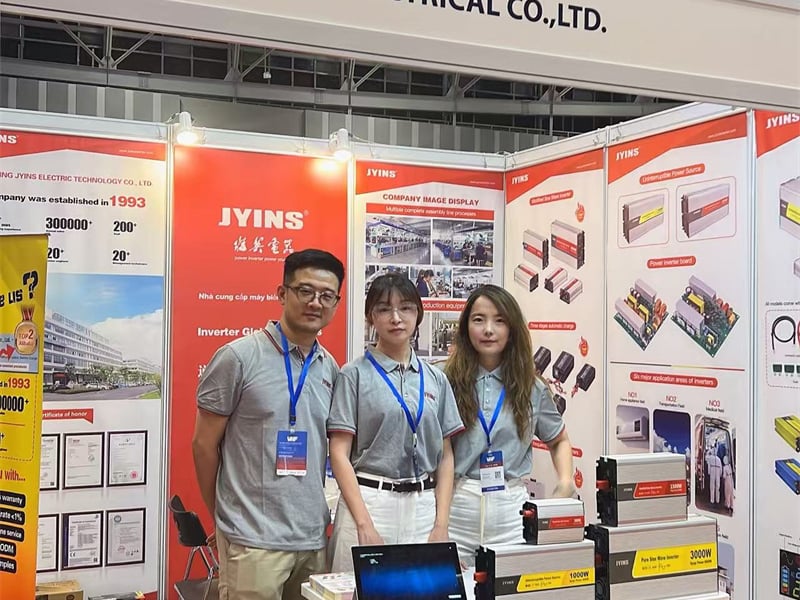
Industry Research: Explore industry-specific directories and trade shows to identify reputable manufacturers and suppliers. These platforms often feature companies with established credibility and quality products Certification Verification: Ensure that suppliers adhere to recognized quality standards, such as ISO9000. This certification indicates a commitment to quality assurance and manufacturing excellence

Customer Reviews and Testimonials: Investigate online reviews and testimonials from other businesses that have purchased from the potential supplier. This feedback can provide insight into product reliability and customer service Product Samples: Request samples before committing to larger orders. This allows buyers to assess the quality and performance of the generators in real-world conditions After-Sales Support: A reliable supplier should offer comprehensive after-sales support, including warranty options and technical assistance. This support can be invaluable for troubleshooting and maintenance By following these steps, buyers can identify reputable suppliers that will meet their needs for portable solar power generators

Applications of Portable Solar Power Generators for Home Projects

Applications of Portable Solar Power Generators for Home Projects

Portable solar power generators have a wide range of applications for home projects, including:

Emergency Backup Power: In the event of a power outage, these generators can keep essential appliances running, such as refrigerators, lights, and medical devices, ensuring that families remain safe and comfortable Camping and Outdoor Activities: For outdoor enthusiasts, portable solar generators provide a convenient power source for lighting, cooking, and charging devices while camping or during recreational activities Home Improvements: Solar generators can power tools and equipment required for DIY home improvement projects, such as saws, drills, and other electric tools, making them essential for contractors and hobbyists alike Remote Workspaces: In an increasingly mobile work environment, portable solar generators can provide power for laptops and other devices in home offices or remote locations, enhancing productivity These diverse applications highlight the versatility of portable solar power generators, making them a valuable investment for various home projects

Solutions to Common Problems with Portable Solar Generators

While portable solar power generators are generally reliable, users may encounter common issues. Here are solutions to address these problems:

Insufficient Power Output: If the generator does not provide enough power for intended applications, buyers should reassess their energy needs and consider upgrading to a higher-capacity model Battery Life Issues: Over time, batteries can degrade, affecting performance. Regular maintenance and proper charging practices can extend battery life. Buyers should also check for battery health and consider replacements if necessary Noise Levels: Some generators may produce noise during operation. Opting for models designed with silent operation features can mitigate this issue, particularly for residential areas Overheating: If a generator overheats, it may shut down or reduce performance. Ensure proper off grid hybrid inverter ventilation during use and avoid excessive loads beyond the generator’s capacity to prevent this issue

By being aware of these potential problems and their solutions, users can maximize the functionality and longevity of their portable solar power generators, leading to a more efficient energy solution for their homes In summary, portable solar power generators for home use present an excellent opportunity for sustainable energy management, but due diligence is essential when selecting the right product. By understanding specifications, addressing installation challenges, and knowing where to find reliable suppliers, buyers can make informed decisions that enhance both their energy efficiency and overall satisfaction

Key Specifications to Consider for Portable Solar Power Generators

When evaluating portable solar power generators for home use, several key specifications should be carefully considered:

Power Output: Measured in watts, this indicates how much power the generator can supply. Buyers need to assess their energy demands to select a generator that can efficiently power appliances Battery Capacity: The capacity, typically measured in amp-hours (Ah) or watt-hours (Wh), determines how long the generator can run on a full charge. A higher capacity is crucial for extended use, especially in applications like camping or emergency backup Input Voltage: Ensure compatibility with your solar panels. Most home systems operate at 12V, but some may require higher voltages Charging Options: Look for generators that offer multiple charging options, including solar, AC, and car charging. This versatility is important for ensuring that the generator can be recharged in various scenarios Weight and Portability: For home use, the ease of transport is vital. Lighter models with ergonomic handles are preferable for users who may move the generator frequently

Durability: The materials used in construction significantly affect the longevity of the generator. Look for models made from high-quality, weather-resistant materials to withstand outdoor conditions Understanding these specifications allows buyers to match the generator’s capabilities with their specific needs, ensuring optimal performance and satisfaction

Frequently Asked Questions

What is the portable solar power generator for home?

A compact off-grid power unit for home backup and outdoor use, combining solar input, battery storage, and inverter output to run appliances during outages or remote activities.
Available in multiple capacities with varying battery sizes and inverter outputs to support small essentials to larger home loads. Contact for specific wattage and run-time configurations.
Charge via solar panels, AC mains, or car port. Regularly check battery health, keep vents clear, and store in cool, dry place. Follow user manual for charging cycles and periodic maintenance.
Yes. Manufactured under ISO9000-aligned quality systems with experienced engineers and technicians ensuring reliable off-grid solar product performance.
We provide warranty coverage and technical support through our service team. Contact customer service for warranty terms, troubleshooting, and spare parts.

Our Blog Posts

Comparison of Commercial UPS Performance - Lead-acid versus Lithium-ion

01

Apr

Comparison of Commercial UPS Performance - Lead-acid versus Lithium-ion

Choosing the right uninterruptible power supply (UPS) is really important for businesses. It keep machines going when power cut out. There is two popular battery types for UPS: lead-acid and lithium-ion. Each one got its good points and bad points. A...
View More
Sourcing Inverters for the USA Market: Understanding UL 1741 SA/SB Smart Inverter requirements.

24

Jun

Sourcing Inverters for the USA Market: Understanding UL 1741 SA/SB Smart Inverter requirements.

The Shift to Smart Inverters in the United States The solar energy landscape in the United States is highly lucrative, but it is also governed by some of the most stringent and rapidly evolving technical standards in the world. As the capacity of gri...
View More
How to optimize Inverter Efficiency Curves for variable load manufacturing facilities?

25

Jun

How to optimize Inverter Efficiency Curves for variable load manufacturing facilities?

Introduction to Manufacturing Power Dynamics Manufacturing facilities are characterized by highly dynamic and fluctuating electrical loads. Throughout a typical 24-hour cycle, power consumption spikes and sags as production lines start up, CNC machin...
View More
How to implement 'Export Limitation' in B2B solar hybrid systems for grid-restricted regions?

25

Jun

How to implement 'Export Limitation' in B2B solar hybrid systems for grid-restricted regions?

Q: How to implement 'Export Limitation' in B2B solar hybrid systems for grid-restricted regions? Introduction: The Challenge of Grid-Restricted Solar Integration As commercial and industrial enterprises globally transition to solar energy to hedge ag...
View More

Get a Free Quote

Our representative will contact you soon.
Email
Mobile
Name
Company Name
Products of Interest
Message
0/1000
Key Considerations for Portable Solar Power Generators

Get a Free Quote

Our representative will contact you soon.
Email
Mobile
Name
Company Name
Products of Interest
Message
0/1000