Essential Guide to 24V Lithium Battery Chargers

Get a Free Quote

Our representative will contact you soon.
Email
Mobile
Name
Company Name
Products of Interest
Message
0/1000

24v lithium battery charger

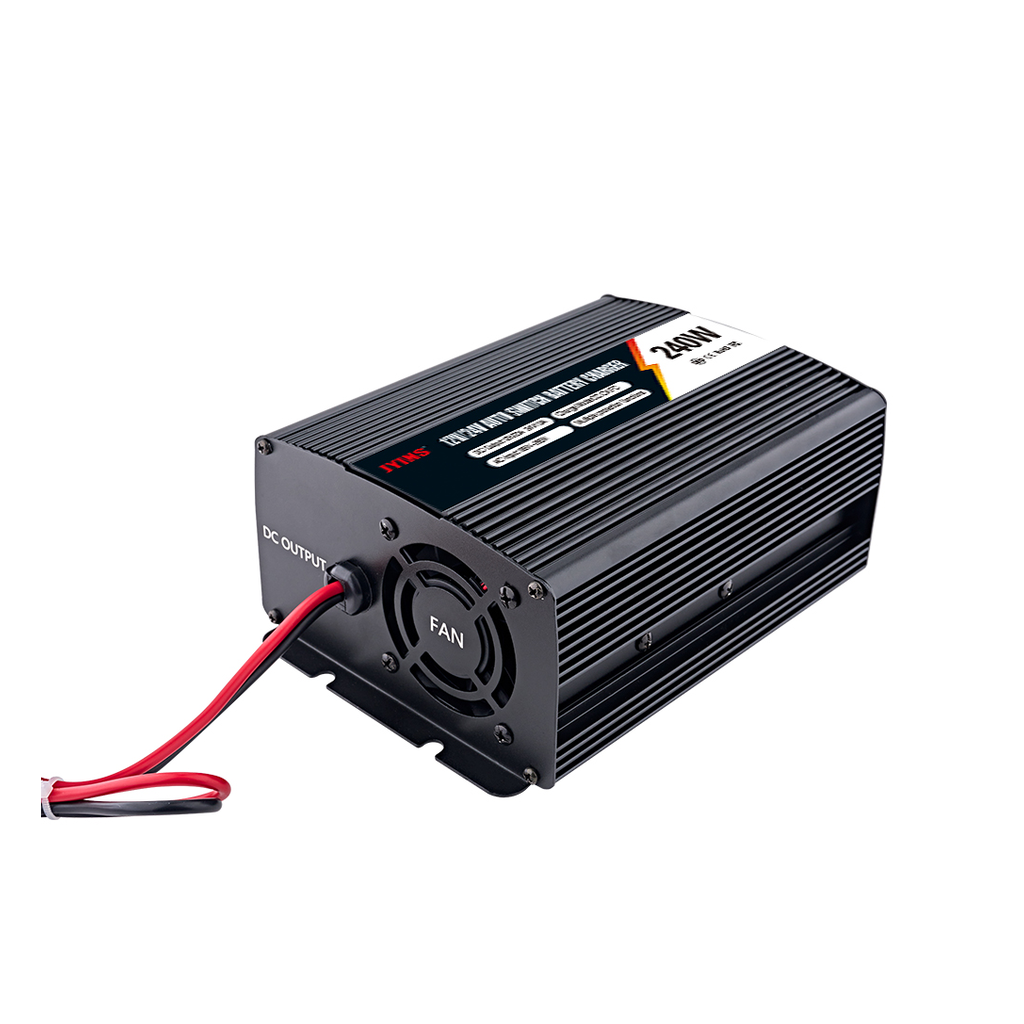
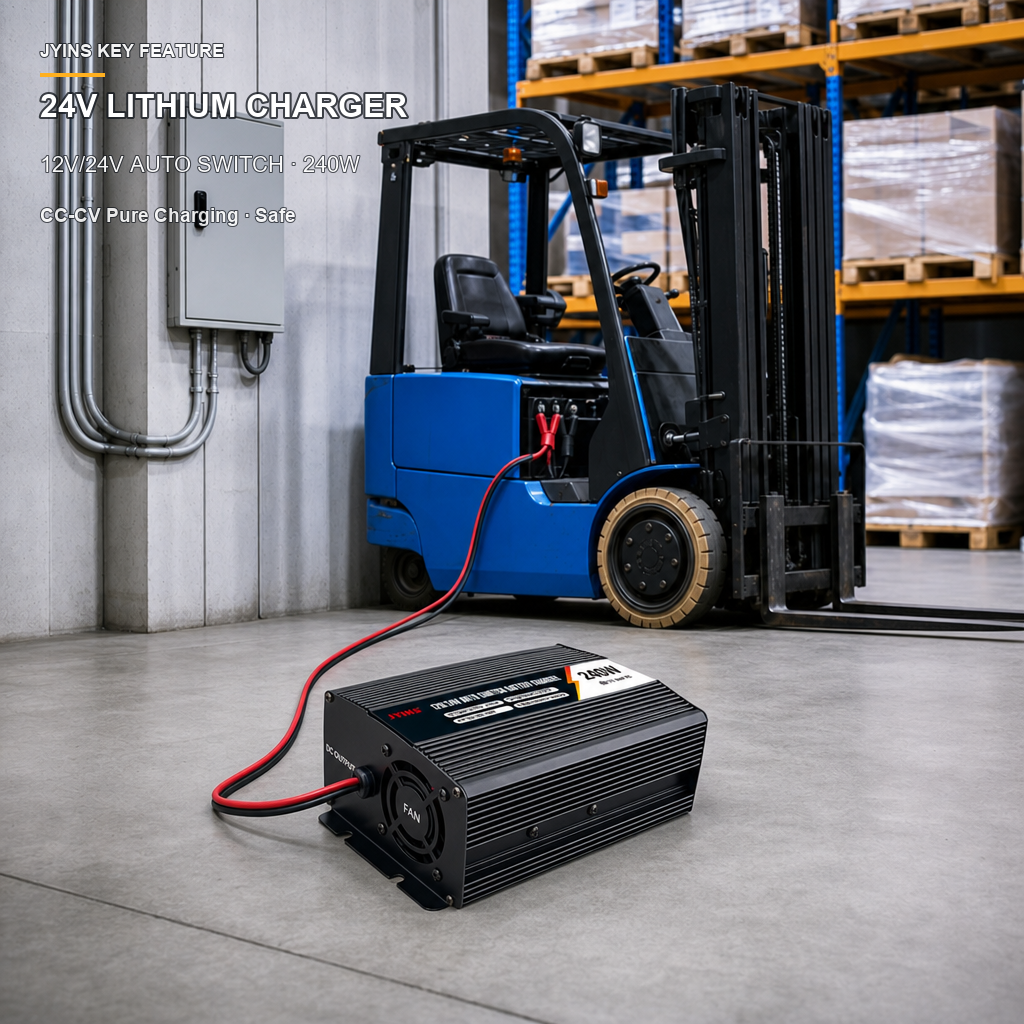
A 24V lithium battery charger is an essential device for charging lithium-ion batteries commonly used in various applications, including renewable energy systems, electric vehicles, and portable electronics. When selecting a 24V lithium battery charger, B2B buyers often face challenges such as compatibility, efficiency, and safety features. This article will help you understand the key factors to consider when choosing a battery charger, provide a buyer’s guide, and highlight the common installation issues and applications across industries. 

Our Products

A Buyeru2019s Guide

A Buyeru2019s Guide

When preparing to purchase a 24V lithium battery charger, having a comprehensive understanding of your needs is essential. Here’s a buyer’s guide to facilitate the process: 

Identify Your Requirements: Specify the battery capacity, expected usage, and environmental conditions (temperature, humidity) where the charger will be used. This information will guide the selection of the appropriate car battery charger model. 

Request Technical Specifications: When contacting suppliers, request detailed technical specifications for the chargers, including input voltage, output current, efficiency ratings, and safety features. 

Evaluate Suppliers: Research suppliers like Zhejiang Jyins Electrical Co., LTD, known for their high-quality manufacturing and adherence to ISO9000 standards. Look for customer reviews, case studies, and references to gauge their reputation in the market. 

Consider Customization: If your application has unique requirements, inquire about the manufacturer’s ability to customize the charger. This service may include tailored voltage settings, connectors, or housing materials that suit your application. 

Check Pricing and MOQ: Understand the pricing structure and inquire about the Minimum Order Quantity (MOQ). This information will help you budget effectively and determine if the supplier can meet your scale. 

Lead Time and Shipping: Clarify the lead time for production and shipping, especially if your project is time-sensitive. This aspect is crucial for planning your operations and supply chain management 
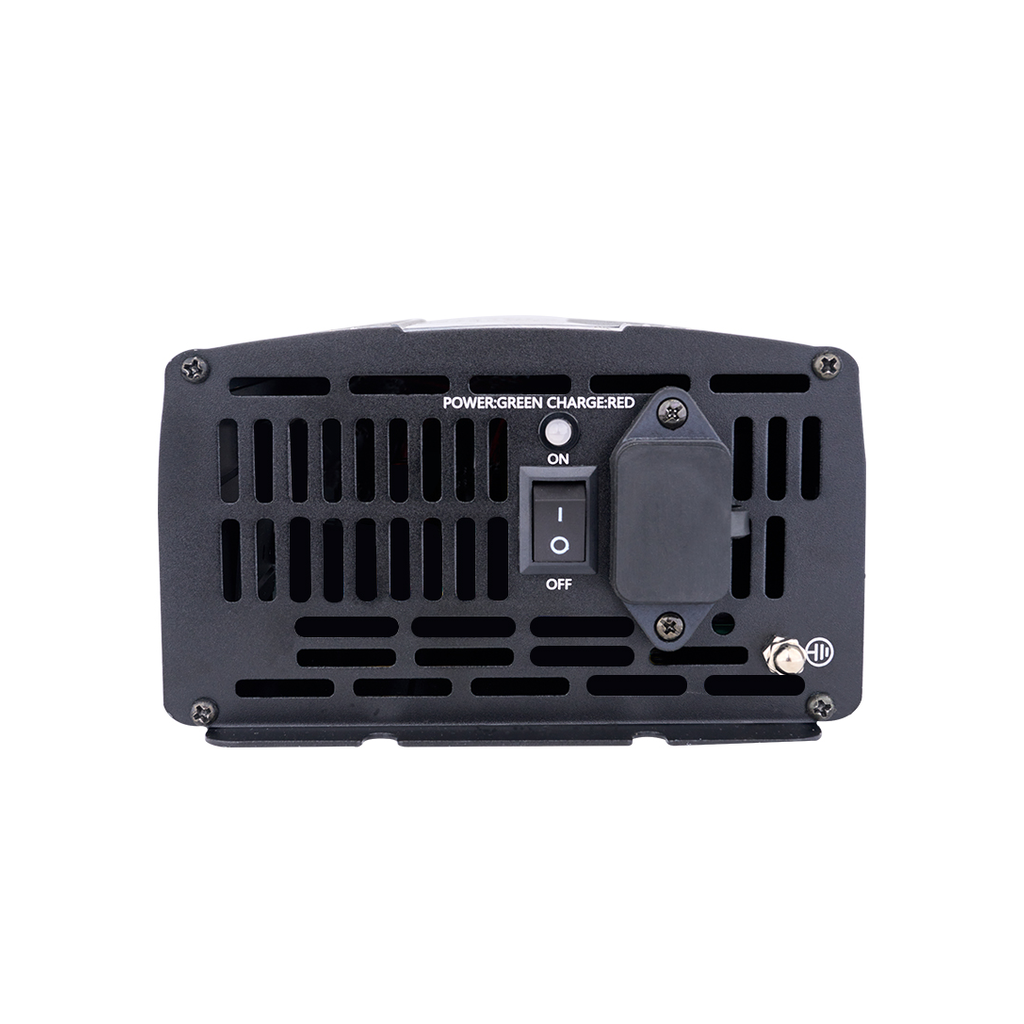
Where to Source Reliable 24V Lithium Battery Chargers for Your Projects

Where to Source Reliable 24V Lithium Battery Chargers for Your Projects

Sourcing reliable 24V lithium battery chargers involves a strategic approach. Here are several avenues to explore: 

Direct Manufacturers: Engaging with manufacturers like Zhejiang Jyins Electrical Co., LTD can provide direct access to quality products. A manufacturer with a strong focus on quality assurance and compliance with international standards can be more reliable than third-party distributors. 

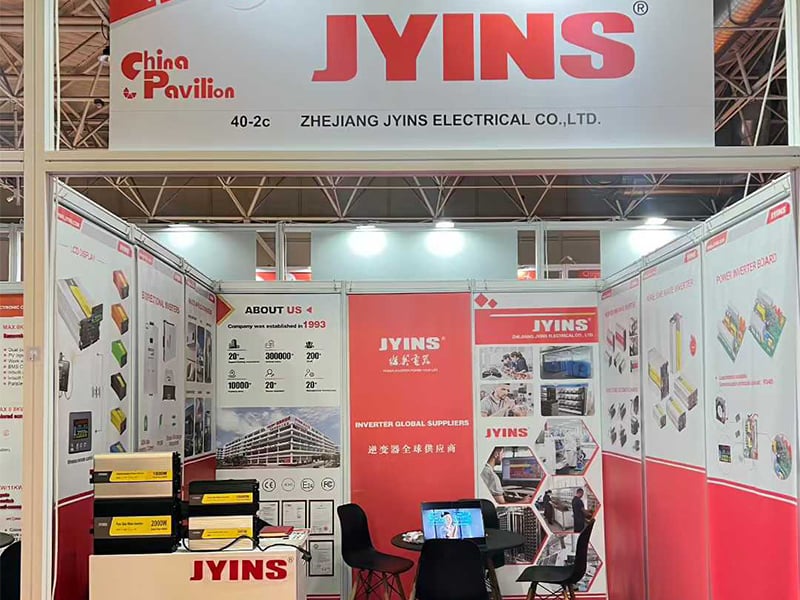
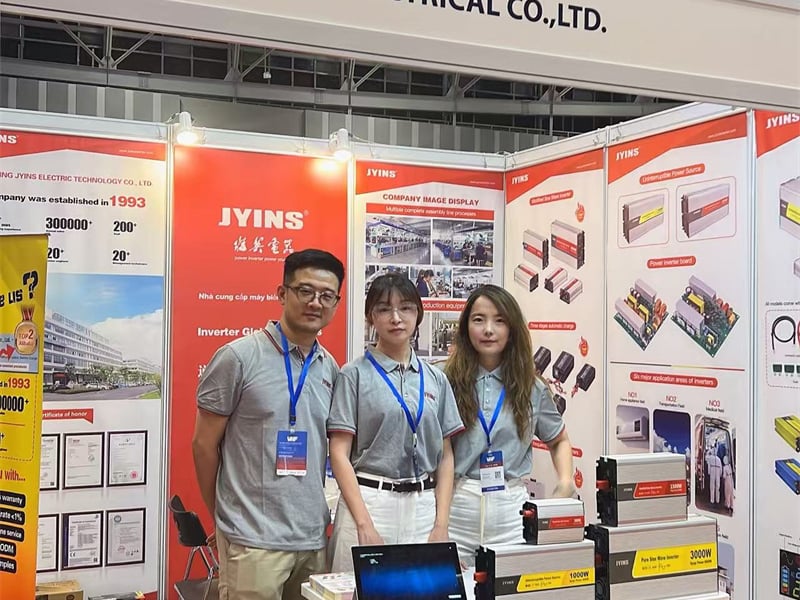
Industry Trade Shows: Attending industry trade shows and exhibitions is an excellent way to meet suppliers, see product demonstrations, and compare multiple options firsthand. 

Online Marketplaces: Reputable B2B marketplaces can connect you with various suppliers. Always check supplier ratings, reviews, and product certifications to ensure reliability. 

Distributors: Partnering with established distributors who have a proven track record in the electrical and renewable energy sectors can simplify the sourcing process. They often have a broad inventory and can provide valuable insights into product selection.

Common Installation Issues with 24V Lithium Battery Chargers and Solutions

Common Installation Issues with 24V Lithium Battery Chargers and Solutions

Installing a 24V lithium battery charger can present challenges. Here are common issues and their solutions: 

Incorrect Voltage Supply: If the input voltage does not match the charger’s specifications, it can lead to charger failure. Always verify the power supply’s voltage before installation. 

Improper Mounting: Ensure the 24V lithium battery charger is mounted in a well-ventilated area to avoid overheating. Installing it in confined spaces can trap heat and affect performance. 

Cable Selection: Using cables that are not rated for the charger's current load can lead to overheating or failure. Always choose appropriately sized cables for the expected load. 

Connection Errors: Double-check all connections for proper polarity and secure fit. Loose connections can cause intermittent charging or failure. 

Environmental Conditions: Extreme temperatures or moisture can affect 24V lithium battery charger performance. Ensure the 24V lithium battery charger is rated for the environmental conditions it will face. 

Applications of 24V Lithium Battery Chargers in Various Industries

24V lithium battery chargers are used across diverse industries, highlighting their versatility and importance: 

Renewable Energy: In solar power systems, these 24V lithium battery charger are essential for maintaining battery banks. They ensure that energy generated from solar panels is efficiently stored for later use. 

Electric Vehicles: The automotive industry relies on 24V lithium chargers for electric and hybrid vehicles, where reliable charging is crucial for performance and safety. 

Telecommunications: Backup power systems in telecommunications use these portable car battery charger to ensure continuous operation during power outages, maintaining critical communication infrastructure. 

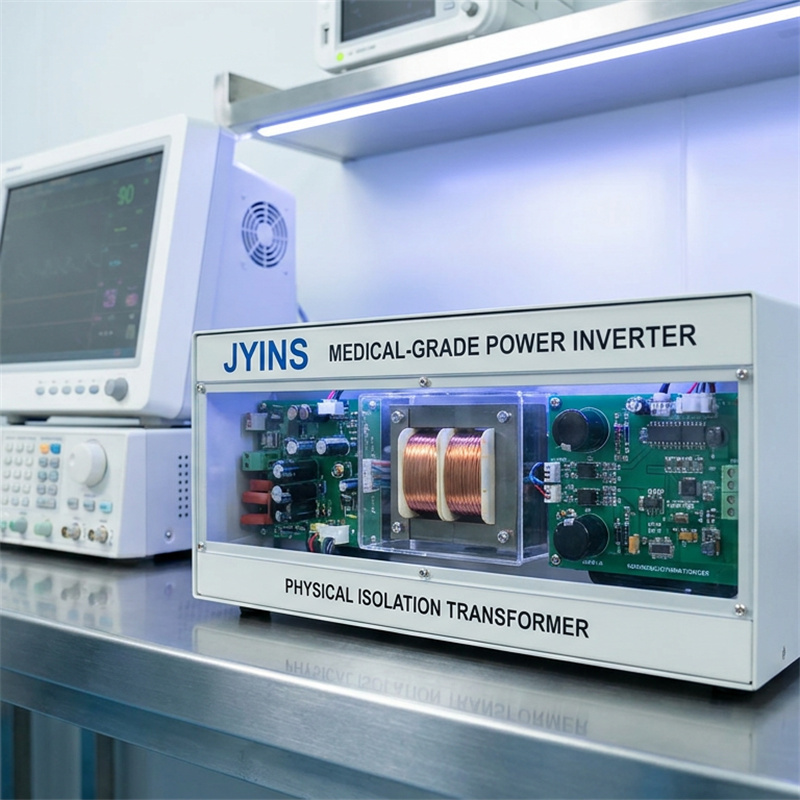
Medical Equipment: Portable medical devices often use Jyins 24V lithium batteries, requiring efficient and reliable charging solutions to ensure operation during emergencies. 

Consumer Electronics: Many consumer electronics, such as power tools and drones, utilize 24V lithium batteries, benefiting from efficient charging to maximize operational time. 

By understanding the specifications, sourcing strategies, and potential installation issues associated with 24V lithium battery chargers, B2B buyers can make informed decisions that align with their project requirements.

What to Consider When Choosing a 24V Lithium Battery Charger

When selecting a 24V lithium battery charger, several critical factors should be considered to ensure compatibility and performance. 

Charging Voltage and Current: Ensure the charger provides the appropriate voltage (24V) and current output suitable for your specific battery type. Too high a current can lead to overheating and reduce battery life. 

Charging Protocol: Different lithium batteries may require specific charging protocols (e. g., CC/CV - Constant Current/Constant Voltage). Understanding the required charging method will help prevent damage to the battery. 

Safety Features: Look for built-in safety features like over-voltage protection, over-current protection, and thermal cutoff. These features are crucial for preventing hazardous situations during charging. 

Efficiency: A 24V lithium battery charger with higher efficiency will convert more power into usable energy, reducing energy waste and operating costs. This quality is particularly important in commercial applications where energy savings can significantly impact the bottom line. 

Certifications: Verify that the 24V lithium battery charger complies with relevant safety and quality standards, such as ISO certifications. This compliance ensures the product's reliability and safety. 

Compatibility: Ensure the 24V lithium battery charger is compatible with the specific type of lithium battery you are using, as various lithium chemistries (such as LiCoO2, LiFePO4) may require different charging characteristics.

Frequently Asked Questions

What batteries does the 24V lithium charger support?

Our 24V lithium battery charger supports 24V lithium-ion and LiFePO4 battery packs commonly used in off-grid solar systems and inverters. Confirm battery voltage and chemistry before use.
The charger includes overcharge, overcurrent, short-circuit, reverse-polarity and temperature protection to ensure safe, reliable charging and long battery life.
Charging time depends on battery capacity and charger current. As a guide, a 100Ah 24V pack charged at 10A takes about 10–12 hours; higher current reduces time accordingly.
Yes. Designed for off-grid solar setups and inverter systems, it integrates with 24V battery banks and follows ISO9000-quality manufacturing standards for reliable performance.
We provide manufacturer warranty and technical support from our experienced engineering team. Contact our service department for warranty terms, installation guidance, and troubleshooting.

Our Blog Posts

Why 'Galvanic Isolation' remains the safety standard for medical and marine-grade power conversion.

24

Jun

Why 'Galvanic Isolation' remains the safety standard for medical and marine-grade power conversion.

The Uncompromising Demands of Medical and Marine Electrical Environments In the diverse world of B2B power conversion, different industries present highly specialized requirements for electrical safety and reliability. Among these, the medical and ma...
View More
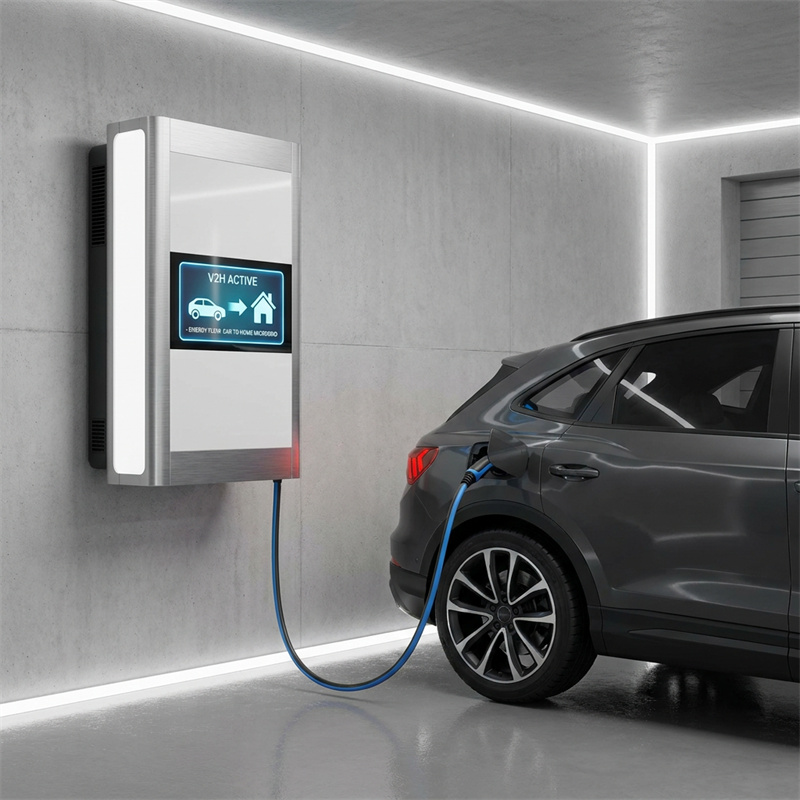
Engineering Bidirectional V2H Inverters for Modern Residential Microgrids

24

Jun

Engineering Bidirectional V2H Inverters for Modern Residential Microgrids

Introduction: The Rise of V2H in Residential Microgrid Architectures In the rapidly evolving landscape of residential energy management, future-tech architects and B2B housing project developers are moving beyond simple solar photovoltaic installatio...
View More
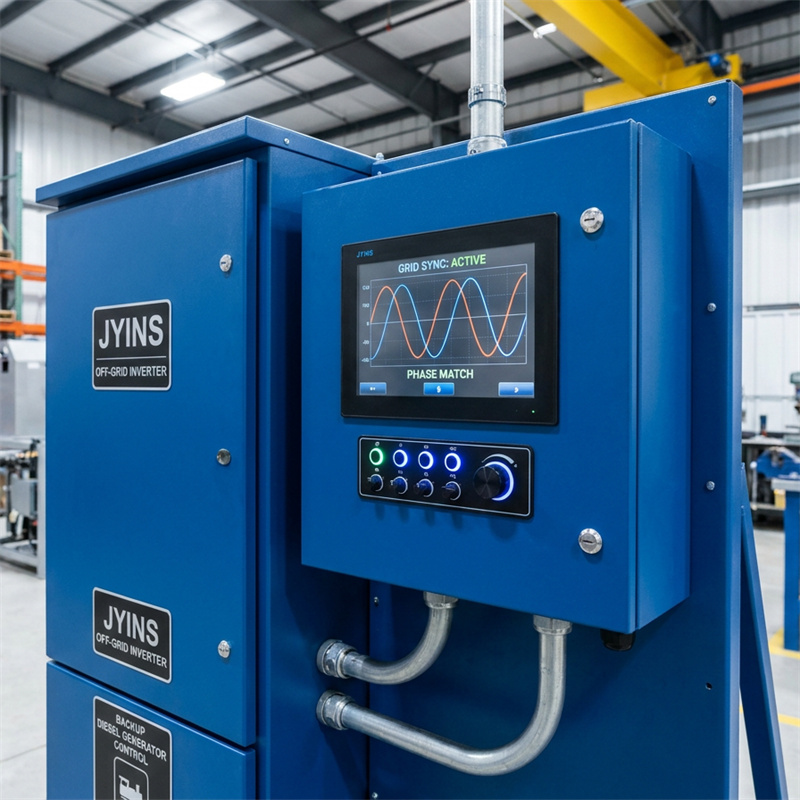
How to synchronize an Off-Grid Inverter with a Backup Diesel Generator for seamless industrial power?

25

Jun

How to synchronize an Off-Grid Inverter with a Backup Diesel Generator for seamless industrial power?

Introduction to Off-Grid Industrial Microgrids Industrial and B2B facilities operating in off-grid environments require highly reliable power systems. Relying solely on solar photovoltaic (PV) arrays and battery storage can pose risks during extended...
View More
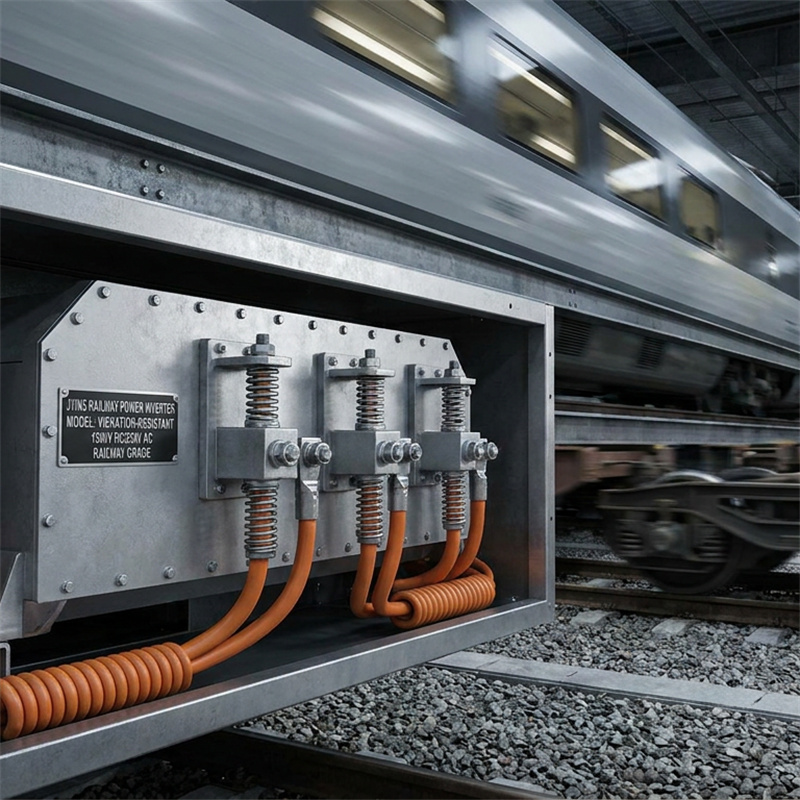
Why do Railway and Rolling Stock applications require specialized vibration-resistant inverters?

25

Jun

Why do Railway and Rolling Stock applications require specialized vibration-resistant inverters?

Q: Why do Railway and Rolling Stock applications require specialized vibration-resistant inverters? Introduction: The Severe Physical Demands of Rail Environments Railway transportation and rolling stock (passenger trains, high-speed rail, locomotive...
View More

Get a Free Quote

Our representative will contact you soon.
Email
Mobile
Name
Company Name
Products of Interest
Message
0/1000
Essential Guide to 24V Lithium Battery Chargers

Get a Free Quote

Our representative will contact you soon.
Email
Mobile
Name
Company Name
Products of Interest
Message
0/1000