Choosing Power Harmonic Filters for Wholesale

Get a Free Quote

Our representative will contact you soon.
Email
Mobile
Name
Company Name
Products of Interest
Message
0/1000

power harmonic filter

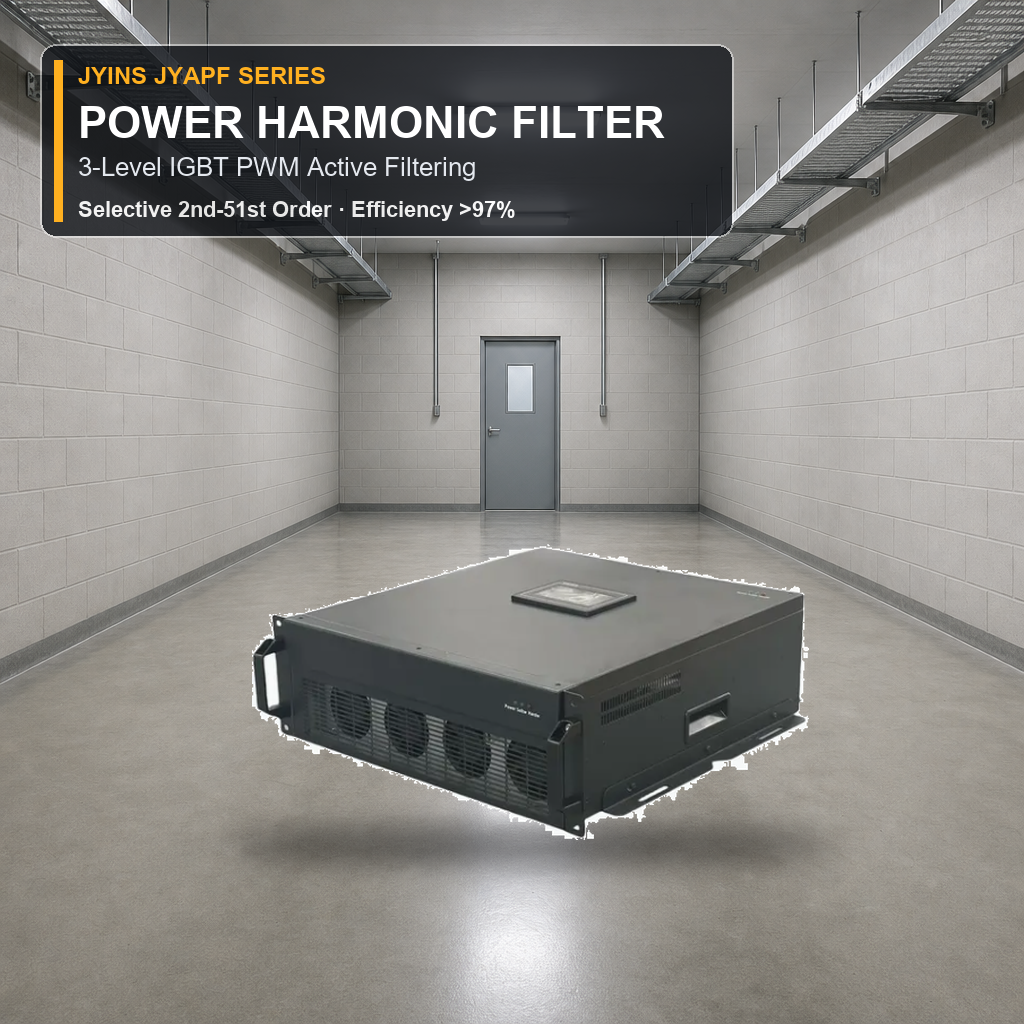
Power harmonic  filters  are  essential components in modern electrical systems, designed  to  mitigate harmonic distortion generated by  non-linear loads.  For B2B buyers—such as purchasing managers, engineers, and product managers—the selection, quality evaluation, and installation of these filters are critical aspects that can significantly  impact system performance and compliance with  regulatory standards. This article aims to provide a comprehensive understanding  of  power harmonic filters, addressing  key  considerations  for  wholesale purchases, quality  evaluation, supplier  reliability, installation  guidance, and common issues  that may  arise.
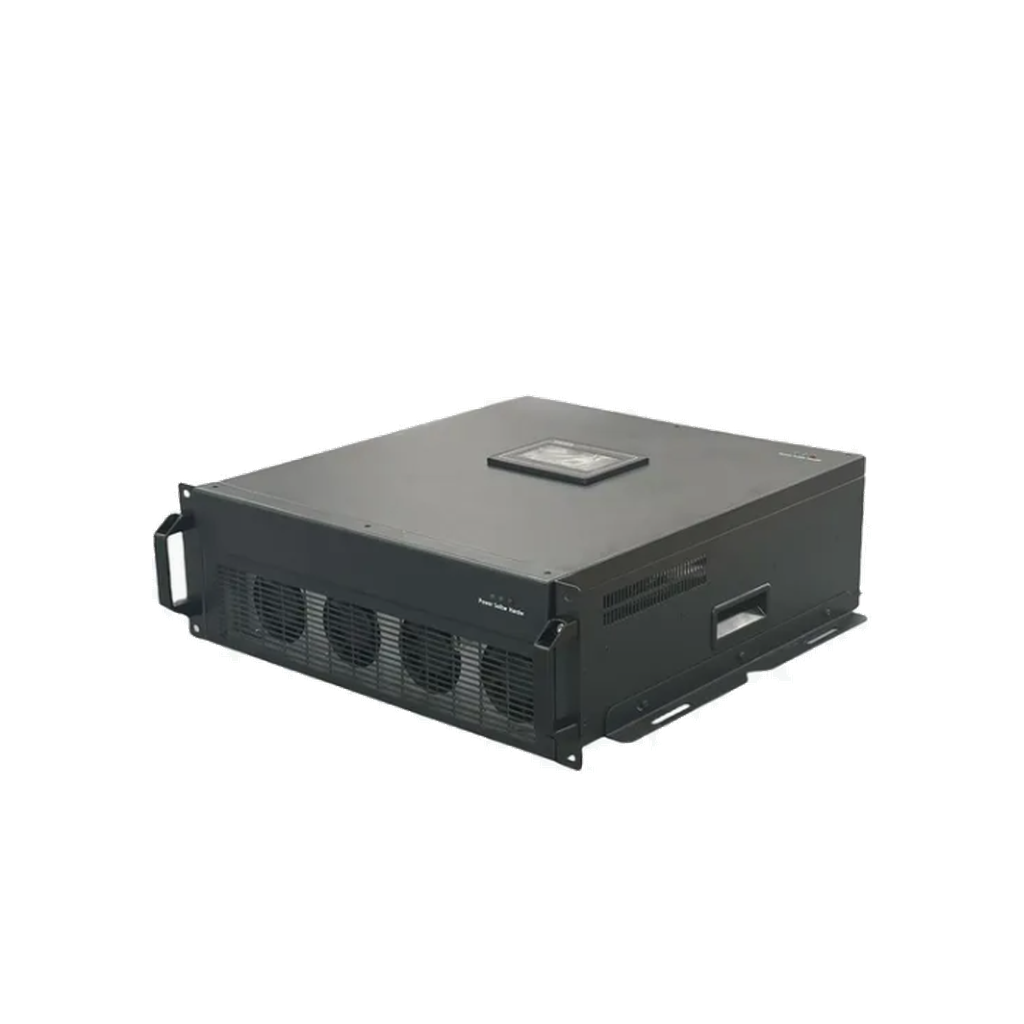
How to Evaluate the Quality of Power Harmonic Filters for Projects

How to Evaluate the Quality of Power Harmonic Filters for Projects

Evaluating the quality of power harmonic filters  involves  inspecting several key parameters. Look for certifications that indicate compliance with international quality standards,  such as ISO9000, which ensures consistent quality assurance processes during manufacturing. This adherence not only confirms the product's  reliability but also reflects the manufacturer's commitment to quality.

Additionally,  review the technical specifications provided by the manufacturer. Key specifications  include the rated voltage, current capacity, and frequency response.  Understanding these  parameters helps ensure that the filter will operate  effectively within the intended system conditions. For example, an undersized filter may not adequately suppress harmonics, leading  to increased electrical  losses and  equipment damage.

Moreover, conducting a thorough quality inspection before  mass production  is essential.  Buyers should request samples to test under operational conditions, ensuring that the filter meets performance expectations. It's advisable to evaluate factors such as thermal management and  electromagnetic compatibility, as these  can significantly influence the filter's  longevity and  effectiveness in  real-world applications.
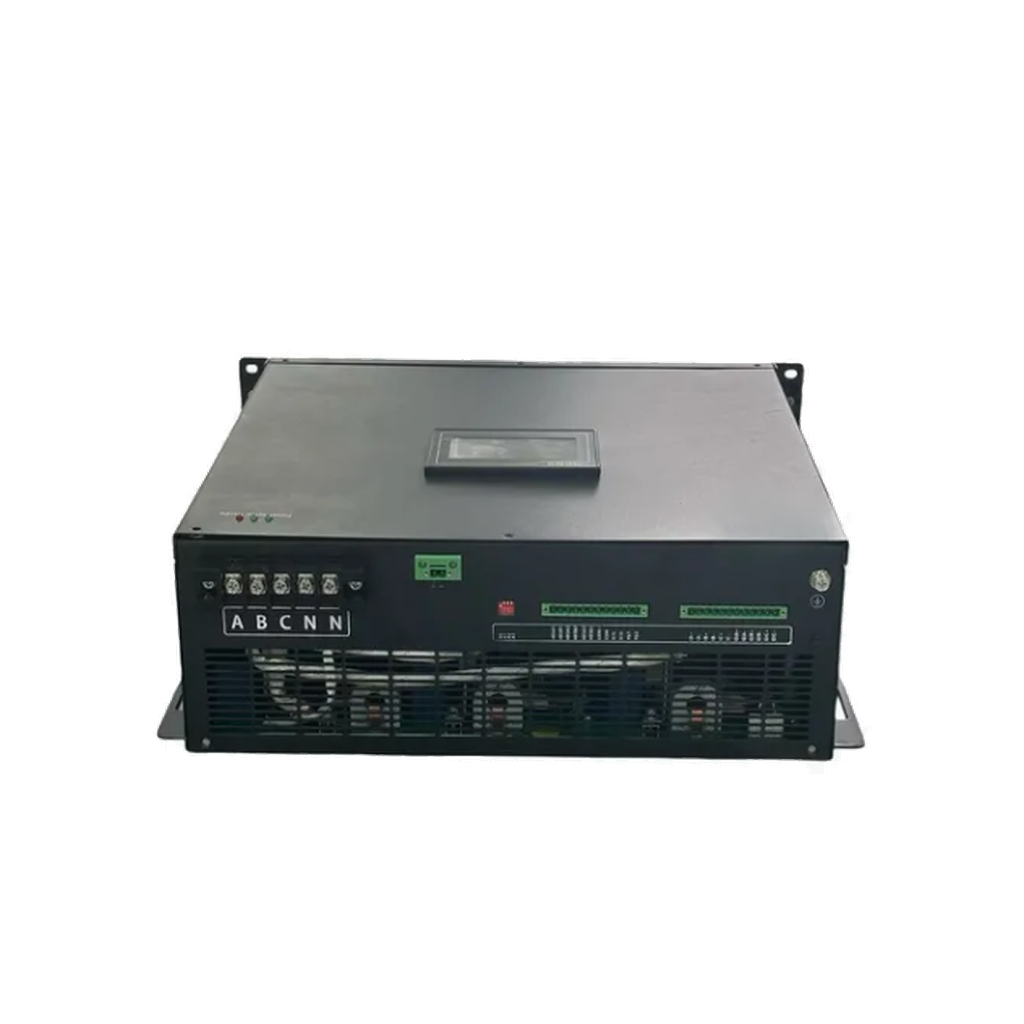
Where to Find Reliable Suppliers of Power Harmonic Filters

Where to Find Reliable Suppliers of Power Harmonic Filters

Finding reliable suppliers of power harmonic filters  involves a combination of research and direct engagement. Start by exploring industry directories, trade  shows, and online marketplaces that specialize in electrical components. Look for manufacturers with  a strong reputation and positive customer feedback,  as these indicators often reflect  reliability and product quality.

It's also helpful to identify  suppliers who  have experience in  your  specific industry sector. For instance, companies like Zhejiang  Jyins Electrical Co., LTD, with extensive experience in producing off-grid solar products, may be  particularly knowledgeable about the unique challenges  and requirements of solar energy applications. This expertise can be  invaluable when  seeking tailored solutions.

When evaluating potential suppliers, inquire  about their production capabilities,  including lead times, minimum order  quantities (MOQs), and customization options. A supplier's willingness and ability to accommodate unique requests can significantly enhance the purchasing  experience and ensure that your project requirements  are met.

Installation Guidance for Power Harmonic Filters in Industrial Settings

Installation Guidance for Power Harmonic Filters in Industrial Settings

Proper  installation of power harmonic filters is crucial to ensuring  their  optimal  performance. Begin  by carefully reviewing the installation manual provided by the manufacturer, as it typically contains specific guidelines tailored to the particular model. Factors such as mounting  location, environmental conditions, and  electrical configurations are critical to achieving effective harmonic mitigation.

During installation,  ensure  that the filter is properly grounded to  prevent electrical noise and enhance safety. Additionally,  consider the placement of the filter in relation to the  loads it will serve; ideally,  it should be installed as close to the load  as  possible to  minimize inductive losses.

It's also important to test the system post-installation. Conduct a harmonic  analysis to verify that the filter  is effectively reducing harmonic distortion to acceptable levels. Regular monitoring and maintenance should follow to  ensure  long-term reliability and performance, addressing any issues that may arise promptly.

Common Problems with Power Harmonic Filters and Effective Solutions

While power harmonic  filters are designed to mitigate electrical issues, they are not immune to problems that can affect their performance.  Common challenges include overheating,  resonance, and underperformance due to incorrect sizing or  installation.

Overheating can occur if the filter is not adequately rated for the  load it serves. Buyers should ensure that the selected filter matches  the  operational conditions, including current  and voltage levels. Regular thermal inspections can help identify overheating issues before they lead to equipment failure.

Resonance can arise when the filter  interacts with the system’s inductance and capacitance, potentially amplifying harmonic frequencies. To address this, ensure that the filter is correctly tuned for the specific application. Consulting  with manufacturers on tuning methods can provide tailored solutions.

Lastly, underperformance often results from improper sizing. Buyers should conduct a thorough analysis  of the load profile and harmonics before purchasing filters. Engaging with experienced suppliers, like Zhejiang Jyins Electrical Co., LTD, for assistance in selecting the right  filter can  mitigate this risk.

In  summary, understanding the nuances of power harmonic filters—from selection and quality evaluation to installation and  troubleshooting—can significantly enhance their performance in B2B applications.  This knowledge not  only aids in making  informed purchasing decisions but also ensures the long-term  reliability of electrical systems.

What to Consider When Choosing Power Harmonic Filters for Wholesale

When selecting power  harmonic filters for wholesale, several critical specifications and factors should be evaluated.  First,  consider the type of harmonics your application generates. Filters are  typically classified as passive, active,  or hybrid, each serving different purposes based  on the harmonic profile of the system.  Active filters are  more effective for dynamic loads, while passive filters might suffice for steady-state conditions.  Additionally, incorporating a Hybrid Solar Inverter can enhance the overall efficiency of your system.

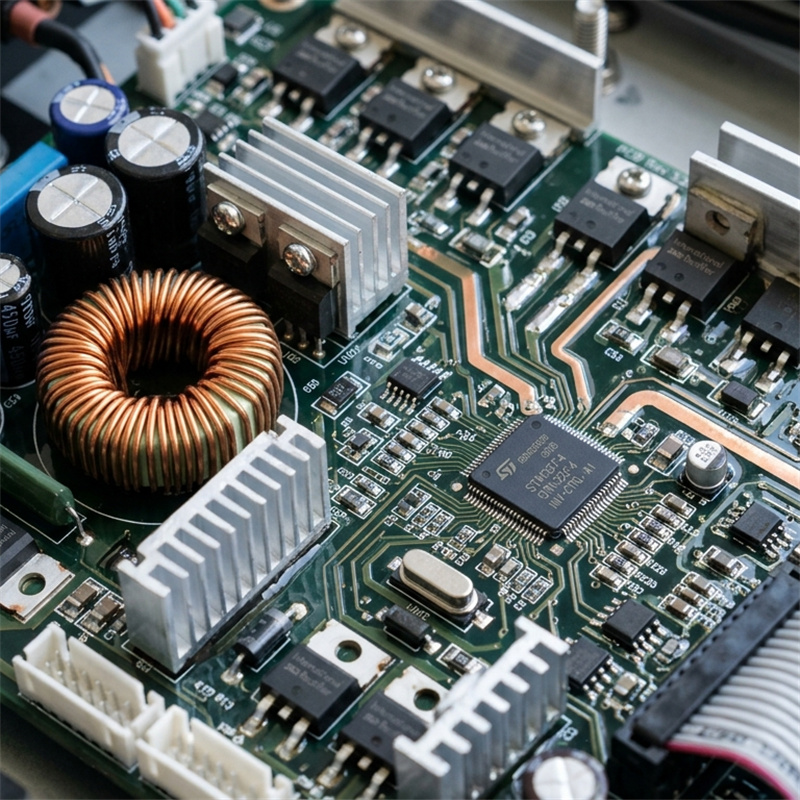
Material quality is another  vital  consideration. Filters should be constructed from durable materials that can withstand operational stresses and environmental  factors. Common materials include copper for windings and high-grade steel for enclosures. Additionally,  ensure that the filter's design complies with relevant international standards, such as IEEE 519, which outlines limits for harmonic distortion.

Buyers should also pay attention to customization options. Many manufacturers, including Zhejiang Jyins Electrical Co.,  LTD,  offer  tailored solutions  to meet specific electrical  requirements  or spatial constraints. This capability can be crucial for unique applications in sectors like renewable  energy, where off-grid solar systems  often encounter varying load profiles. Utilizing a Solar Panel can be instrumental in optimizing these systems.

Our Blog Posts

Bulk Sourcing Benefits for Universal Smart Charger Units

15

May

Bulk Sourcing Benefits for Universal Smart Charger Units

When it comes to smart chargers, Jyins is certainly very distinguished in the industry. Smart chargers is devices that charge phones and tablets quick and safe. Bulk sourcing mean buy lots of these at once. It a smart move for businesses because save...
View More
Why 'Conformal Coating' is the critical factor for inverters sold in high-salt-mist island markets (Caribbean/Pacific)?

24

Jun

Why 'Conformal Coating' is the critical factor for inverters sold in high-salt-mist island markets (Caribbean/Pacific)?

The Environmental Reality of Island Solar Projects Island markets across the Caribbean, the Pacific, and coastal regions worldwide represent some of the most promising locations for solar energy development. These regions suffer from extremely high e...
View More
Why do Inverters report 'Isolation Resistance' errors in solar arrays, and how to fix them?

25

Jun

Why do Inverters report 'Isolation Resistance' errors in solar arrays, and how to fix them?

Introduction to Isolation Resistance in Solar PV Arrays In high-voltage commercial and industrial solar installations, safety monitoring is paramount. Among the various self-diagnostic error codes a solar PV inverter can display, an 'Isolation Resist...
View More
Why are 'High-Frequency' Inverters the preferred choice for portable emergency response trailers?

25

Jun

Why are 'High-Frequency' Inverters the preferred choice for portable emergency response trailers?

Q: Why are 'High-Frequency' Inverters the preferred choice for portable emergency response trailers? Introduction: The Demands of Mobile Emergency Power When natural disasters, grid failures, or search and rescue operations strike, portable emergency...
View More

Get a Free Quote

Our representative will contact you soon.
Email
Mobile
Name
Company Name
Products of Interest
Message
0/1000

Related product categories

Choosing Power Harmonic Filters for Wholesale

Get a Free Quote

Our representative will contact you soon.
Email
Mobile
Name
Company Name
Products of Interest
Message
0/1000