1000W Inverter with Charger: Key Considerations

Get a Free Quote

Our representative will contact you soon.
Email
Mobile
Name
Company Name
Products of Interest
Message
0/1000

1000w inverter with charger

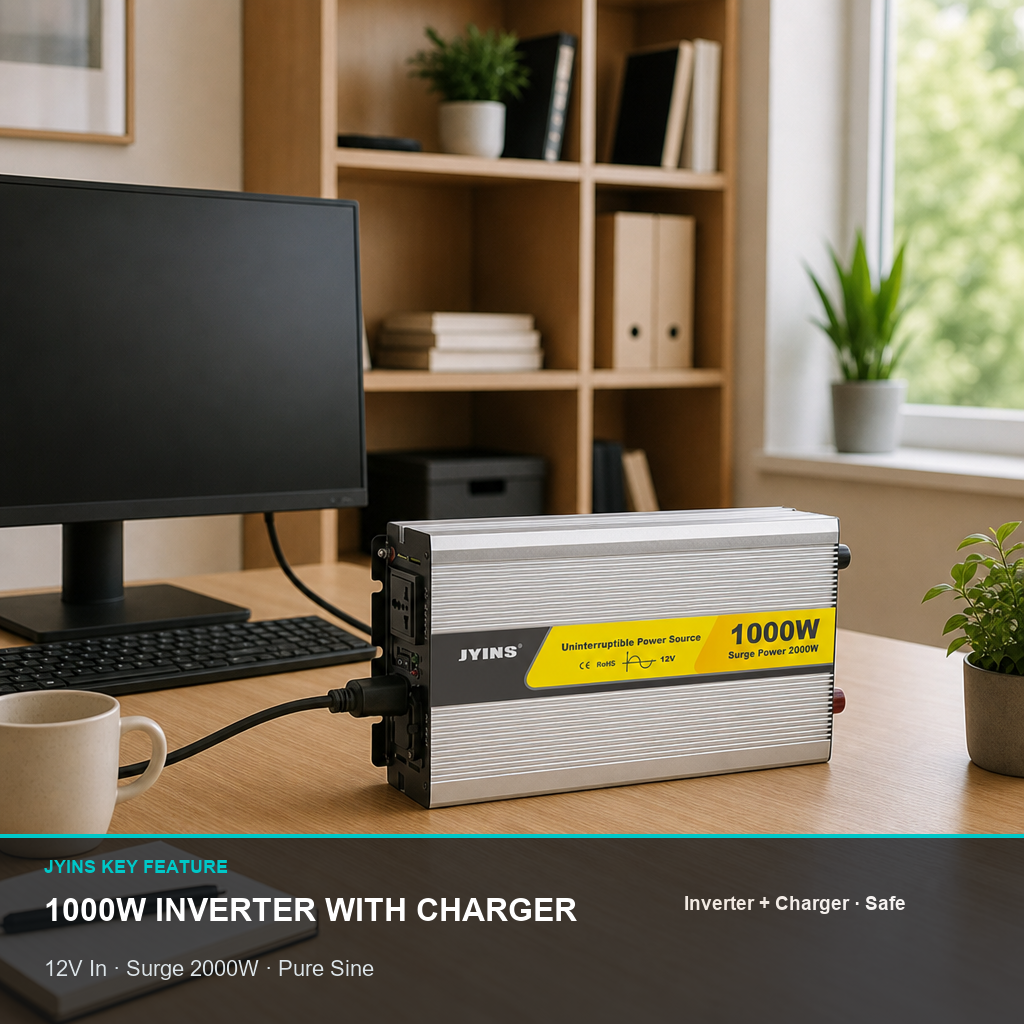
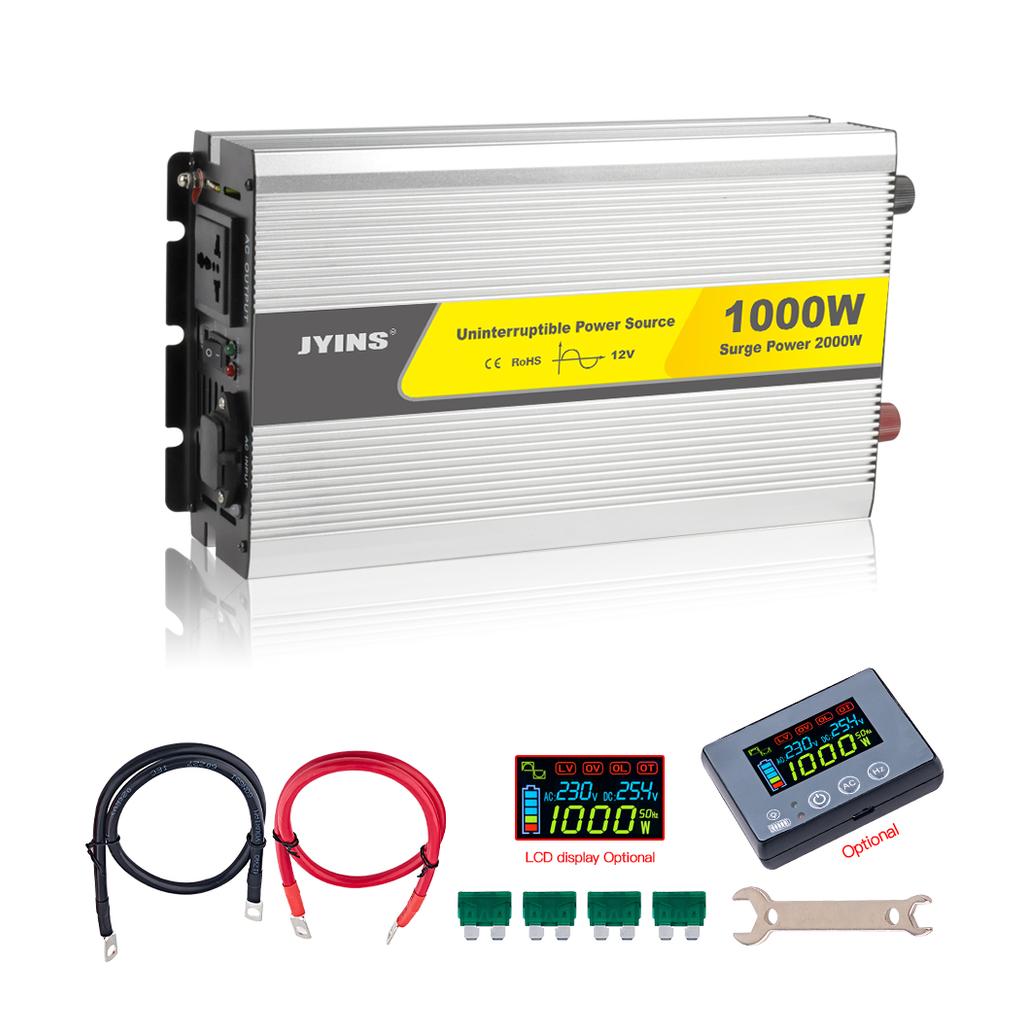
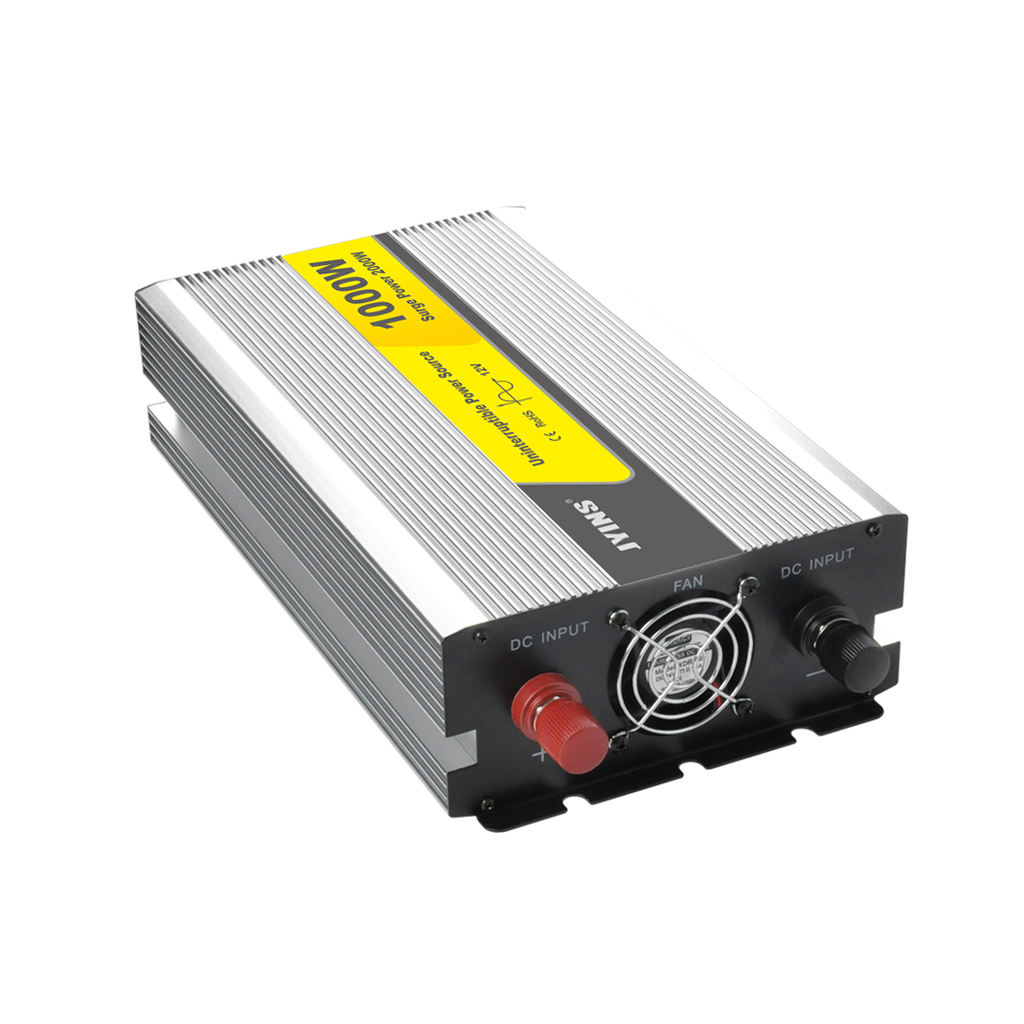
When considering a reliable  power solution, a  1000W  inverter with  charger can be  an ideal choice  for businesses looking to ensure uninterrupted power  supply, especially  in off-grid environments. This  article delves  into the  essential considerations for  selecting a 1000W inverter with  charger, targeting purchasing  managers, engineers, and  product managers who prioritize efficiency  and reliability. We will explore key specifications, installation guidance, common issues, and cost  factors, equipping you  with the knowledge  to make  informed purchasing decisions.
Technical Specifications to Review for 1000W Inverters

Technical Specifications to Review for 1000W Inverters

When reviewing technical specifications for 1000W inverters, focus on the following key parameters:

Input Voltage: Common input voltages include 12V, 24V, and  48V. The choice depends on the battery system being used; for example, a 12V system is common for  smaller  setups, while 24V or 48V systems are  often used for larger installations to reduce current and  improve efficiency.

Output Voltage: Ensure  the  inverter's output voltage matches your equipment requirements, typically 120V or 230V, depending on  your geographical location.

Efficiency Rating: Look  for inverters with an  efficiency rating above 90%. This ensures minimal energy loss and better performance.

Cooling Mechanisms: Inverters can generate heat during operation. Check for built-in cooling fans or  heat sinks to prevent overheating and ensure longevity.

Protection Features: Essential  protective  features include overload protection, short  circuit  protection, and thermal protection. These features safeguard both the inverter and connected devices,  reducing the risk of damage.

Certification and Standards: Verify  that the inverter adheres to industry standards, such as CE  or UL certifications, which indicate compliance with safety and performance benchmarks.
Installation Guidance for Your 1000W Inverter with Charger Setup

Installation Guidance for Your 1000W Inverter with Charger Setup

Proper installation is crucial for the optimal performance  of a  1000W inverter with charger. Begin by selecting an installation location that is dry and well-ventilated to prevent overheating. Ensure the inverter is mounted securely to avoid movement that could lead to  damage.

Follow these steps for  installation:

Connect the Battery: Use appropriate gauge wiring to  connect the inverter to the battery bank. This  helps minimize voltage drop and ensures efficient power transfer.

Grounding: Always  ground the inverter to prevent electrical shocks and ensure safety during operation.

Charger Connection: When integrating  the  charger, follow manufacturer guidelines to connect it to the appropriate battery terminals.  This ensures correct charging while  avoiding potential damage to the batteries. Consider using a Battery Charger for optimal performance.

Testing: After  installation, perform a test run.  Check the output voltage and ensure  the  inverter operates within the specified parameters. Monitor for  any unusual sounds or overheating.

User Manual: Refer to the manufacturer's user manual for specific installation instructions and troubleshooting tips.

Common Problems with 1000W Inverters and Their Solutions

Common Problems with 1000W Inverters and Their Solutions

Several issues can  arise with 1000W inverters, and understanding these can help mitigate downtime:

Overloading: Connecting devices that exceed the inverter's capacity can trigger overload  protection. To resolve this, ensure that the total  wattage of connected  devices does not exceed 1000W,  accounting for surge requirements.

Overheating: If the inverter overheats, it may shut down. Ensure proper ventilation, and check for dust or obstructions in cooling vents. If overheating persists, consider  a higher capacity inverter.

Battery  Issues: Insufficient battery voltage can lead  to  inverter malfunction.  Regularly  monitor battery health and charge  levels to maintain optimal performance.

Faulty  Wiring: Loose or damaged connections can cause intermittent power  supply. Inspect wiring regularly and replace  any damaged components.

Charger Malfunction: If the  battery does not charge, check the charger  settings and connections. Ensure  compatibility with the battery type  being used.

Cost Factors for Wholesale 1000W Inverters with Chargers

When purchasing 1000W inverters with chargers in bulk, several cost factors  should be considered:

Minimum Order Quantity (MOQ): Suppliers typically  have  an MOQ. Understanding this will help you plan your  budget and  inventory needs.

Customization Options: If you require specific features or branding, customization can affect pricing. Discuss  these requirements upfront to get accurate quotes.

Shipping Costs: Factor in freight  charges, which can vary  based on  destination and shipping method. Consider sourcing from  local suppliers to reduce shipping  expenses.

Warranty and Support: Inquire about warranty terms and post-purchase support. A longer warranty may come with a higher  price but can provide peace of mind against defects.

Market Trends: Keep an eye on market  trends that may affect pricing, such as material costs or changes in demand. Engaging with suppliers regularly can  help you secure better pricing.

By understanding these cost factors, buyers can negotiate better terms  and make informed  purchasing decisions that align with their budget and  operational needs.

Selecting the right 1000W inverter with charger requires careful consideration of specifications, installation, potential issues, and cost factors. By equipping yourself with this knowledge,  you can make informed decisions that will enhance your operational efficiency and  reliability.

Assessing Your 1000W Inverter Options

When evaluating 1000W inverters with chargers,  buyers  should  consider various factors.  First, determine  the  inverter's intended application—whether for residential, commercial, or industrial use—as this affects the selection  of features and  specifications. 

Next, assess the inverter's surge capacity, which is crucial for powering devices that require a temporary boost of energy during startup, such as motors and compressors. A surge capacity of at least  2000W is often  recommended to accommodate these devices.

Additionally, consider the inverter's waveform output. Pure  sine wave inverters are ideal for  sensitive electronics, providing clean power  similar to grid electricity. In contrast, modified sine wave inverters may suffice for less  sensitive applications but could potentially  damage  delicate equipment over time. For those looking for high-quality options, a Pure Sine Wave Inverter is highly recommended.

Lastly, evaluate the  inverter's efficiency rating, typically  expressed as a percentage. Higher efficiency  translates to less energy loss, which is economically advantageous for long-term usage.

Our Blog Posts

Why Bidirectional DC-DC Converters are the Core of Next-Generation Battery Energy Storage Systems (BESS)

24

Jun

Why Bidirectional DC-DC Converters are the Core of Next-Generation Battery Energy Storage Systems (BESS)

Introduction: The Rapid Scalification of Battery Energy Storage As the global electrical grid transitions toward decentralized renewable energy sources like solar and wind, the need for high-capacity Battery Energy Storage Systems (BESS) has skyrocke...
View More
Resolving 'Ghost Power Consumption' in standby mode for large-scale B2B inverter installations.

25

Jun

Resolving 'Ghost Power Consumption' in standby mode for large-scale B2B inverter installations.

Introduction to Inverter Standby Losses In large-scale commercial, industrial, and utility-scale battery energy storage systems (BESS), efficiency is calculated to the tenth of a percent. While a lot of attention is focused on the conversion efficien...
View More
Why is IEC 62109-1/2 certification the gold standard for global inverter safety?

25

Jun

Why is IEC 62109-1/2 certification the gold standard for global inverter safety?

Introduction: The Imperative of Safety in High-Voltage Electronics In the world of B2B electrical procurement, safety is not merely a box to be checked; it is the cornerstone of project viability and corporate risk management. Power inverters are com...
View More
How to manage 'Warranty Claims' and technical support for international B2B distributors?

25

Jun

How to manage 'Warranty Claims' and technical support for international B2B distributors?

Introduction: The Global Distribution Support Challenge For international B2B power inverter distributors, wholesalers, and importers, selecting a manufacturing partner is not just about comparing product prices and initial specifications. It is abou...
View More

Get a Free Quote

Our representative will contact you soon.
Email
Mobile
Name
Company Name
Products of Interest
Message
0/1000
1000W Inverter with Charger: Key Considerations

Get a Free Quote

Our representative will contact you soon.
Email
Mobile
Name
Company Name
Products of Interest
Message
0/1000